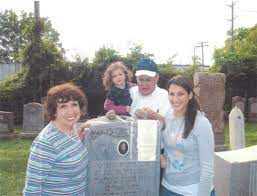
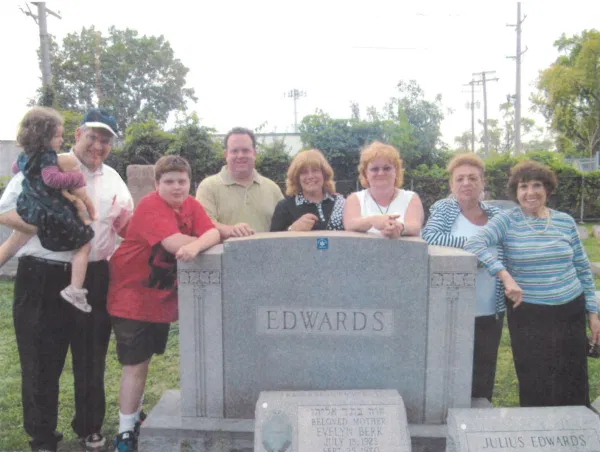
Shabbos Parshas VaYeshev / Thanksgiving 2021

Kiddush for Beverly’s fifth Yahrzeit coming up on 2 Teves – 

December 6, 2021

Torah on the Sedra
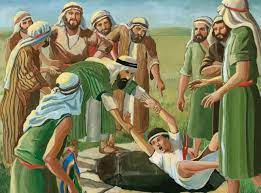
Thanksgiving Day, November 25, 2021

Sholem made Thanksgiving dinner.  Great meal with turkey, chicken, three types of vegetables, stuffing, sweet potatoes, and rice.   Dessert was pumpkin pie.  

Friday, November 26, 2021

Cold day.  An hour before Shabbos I went walking to get my 10,000 steps in.  Listened to Rabbi Efrim Goldberg’s Shiur on the Sedra.  It was vintage Rabbi Goldberg where he weaved together different Rishonim.  He said over a beautiful Rabbi Yosef Ber Soloveichik on the Pasuk 37:18 – וַיִּרְא֥וּ אֹת֖וֹ מֵרָחֹ֑ק – and they saw him from afar, last Torah thought on this post.  

Friday Night Shabbos – November 27, 2021:

My grandchildren, Aliza and Nechama, stayed over for Shabbos.  My daughter and son-in-law were in the hospital with my grandson.  He had trouble breathing.  Boruch Hashem everything is fine and on Sunday they came home from the hospital. 

 Every Friday night I overeat and fall asleep right after the meal.  Tonight was no different and I was asleep by 6:00 PM.  I awoke at 11:45 PM and stayed up for three hours learning the Sedra and preparing for my Shiur.  

Shabbos Morning:

At 8:45 AM left to go to Chabad of East Lakeview, a six mile walk.  Thought about the Shiur I would give and the time flew by.  Arrived in Shul at 10:45 AM, in the middle of Leining.  I leined the Haftorah in Amos which starts with the following Pasuk from Amos 2:6:

כֹּ֚ה אָמַ֣ר יְהֹוָ֔ה עַל־שְׁלֹשָׁה֙ פִּשְׁעֵ֣י יִשְׂרָאֵ֔ל וְעַל־אַרְבָּעָ֖ה לֹ֣א אֲשִׁיבֶ֑נּוּ עַל־מִכְרָ֤ם בַּכֶּ֙סֶף֙ צַדִּ֔יק וְאֶבְי֖וֹן בַּֽעֲב֥וּר נַעֲלָֽיִם׃

“For (the) three sins (I could forgive) Israel, but for four I will not forgive, because they sold justice of an innocent man for silver and cheated the poor for a pair of shoes.” 

Redak on this Pasuk:

רד”ק על עמוס ב׳:ו׳:א׳

אף על פי שעברו על שלשה עברות חמורות, והם עכו”ם, גילוי עריות ושפיכות דמים, לא נחתם גזר דינם לפני להחריב ארצם ולהגלותם ע”י מלך אשור, אלא על החמס, והוא הרביעי, ועליו הענישם על כל מה שעשו. וכן בדור המבול: אף על פי שהיו בידם כמה עברות, לא הענישם אלא על החמס, שנאמר (בראשית ו’ י”ג) “כי מלאה הארץ חמס מפניהם”, וכל שכן כשהחמס בא ע”י השופטים, שהיה להם להעמיד הצדק והם ע”י השוחד מטים הדין… פירוש “לא אשיבנו” – לא אשיבנו אל סליחתי שסלחתי לו שלש פעמים והייתי משיב אותו בכל פעם אל סליחתי אם לא היה שב אל פשעו, אבל אחר ששב עוד אל פשעו אענישנו על כולם.

The brothers purchasing shoes in Medresh:

ילקוט שמעוני על התורה קמ״ב:א׳

… (בראשית ל”ז כ”ז) “וימכרו את יוסף לישמעאלים בעשרים כסף” – כל אחד ואחד מהם נטל שני כספים לקנות מנעלים לרגליהם, שנאמר: “על מכרם בכסף צדיק ואביון בעבור נעלים”.

מדרש עשרה הרוגי מלכות (אייזנשטט, אוצר המדרשים):   פעם אחת היה יושב הקיסר ועוסק בתורה ומצא כתוב (שמות כ”א) “וגונב איש ומכרו ונמצא בידו מות יומת” – והלך וטח הבית בנעלים ודבקם בכתלים, ושלח אחר ר’ שמעון בן גמליאל וחבריו ואמר להם: אם כן אתם חייבים מיתה, קבלו על עצמכם דין שמים. אמרו לו: למה? אמר להם: בשביל אחי יוסף שמכרו את יוסף, דכתיב “וימכרו את יוסף בעשרים כסף” וכתיב “על מכרם בכסף צדיק ואביון בעבור נעלים”, ולכן טח אותו רשע את הבית במנעלים, כדי שיכירו באיזה דבר מכרו את יוסף, “בעבור נעלים” – בדמי נעלים.

The Targum Yonason Ben Uziel also brings up the purchase of shoes.   “And the Midianite men, masters of business, passed by; and they drew and brought up Joseph out of the pit, and sold Joseph to the Arabians for twenty mahin of silver; “which were used to purchase sandals”. And they brought Joseph to Mizraim.”

The Gutnick Chumash says “This Haftorah alludes to the sale of Yosef who was sold for silver by his brothers.  The Haftorah is a harsh rebuke by the Prophet Amos for the sins of the Jewish people during the reign of King Yarovam II (8th century BCE).”

Is the linkage of this Pasuk in Amos only superficial or is it on a deeper level.  Is it  an indictment of the ten brothers who sold Yosef because they sold Yosef without justice?  I believe that the answer is superficial linkage.  The reason the Haftorahs were instituted was at a time when the authorities forbade Jews to read the Torah.  Chazel said we will read Nach in that talks about the subject of the Sedra or something that will have a tie into the Parsha, even on a superficial level.

Where else do shoes play a role? 

The battle of Gettysburg.  The goal of General Robert E. Lee was to attack north and conquer Harrisburg, PA and from there go to other Northern cities.   The   battle plan changed in late June 1863.  Shelby Foote in his book ‘Stars in their Courses, The Gettysburg Campaign’ states; “Heth was quick to take him up on that.  “If there is no objection” he said, “I will take my division tomorrow and go to Gettysburg and get those shoes.”

I sponsored the Kiddush in memory of my Aunt Beverly Sklar, my mother’s younger sister who was born with special needs.  I told the circumstances of Beverley’s birth and life.  My source was my Hesped speech at her funeral.   https://kotzk.com/?s=beverly+sklar .

On Thursday I called Linda Kahn to come to Chabad for Davening and for the Kiddush. She has rarely been out of her house due to covid. She came.  I told her I would get her lean corned beef, her favorite, which the Rabbi made sure we had for the Kiddush.

I gave the Dr. Leonard Kranzler Memorial Shiur.  In attendance were Linda Kahn, Peggy and Sid Kaz, Herb Eiseman,  Ray Miller, Tamar Genin, Eli Morgenstern, and Xi.  Paul was in Texas for Shabbos.

Shiur was over at 3:05 PM and walked the six miles back home.

First thought – Verse 37:1 – וַיֵּ֣שֶׁב יַעֲקֹ֔ב בְּאֶ֖רֶץ מְגוּרֵ֣י אָבִ֑יו בְּאֶ֖רֶץ כְּנָֽעַן׃

Yakov arrived at his father’s house when he was 99 years old and Yosef was 8 years old.  Yaakov was 108 years old when the sale of Yosef occurred.  This means that Yakov was 11 years by his father in peace and harmony.  However, during those 11 years trouble was brewing below the surface.  The famous Medresh that Rashi brings down,  וְעוֹד נִדְרָשׁ בּוֹ וישב, בִּקֵּשׁ יַעֲקֹב לֵישֵׁב בְּשַׁלְוָה, קָפַץ עָלָיו רָגְזוֹ שֶׁל יוֹסֵף – צַדִּיקִים מְבַקְּשִׁים לֵישֵׁב בְּשַׁלְוָה, אָמַר הַקָּבָּ”ה לֹא דַיָּן לַצַּדִּיקִים מַה שֶּׁמְּתֻקָּן לָהֶם לָעוֹלָם הַבָּא, אֶלָּא שֶׁמְּבַקְּשִׁים לֵישֵׁב בְּשַׁלְוָה בָּעוֹלָם הַזֶּה:

On the surface everything was fine but there was trouble afoot.

Yakov was planning to spend the rest of his life learning, davening, and doing Tzedakah and he did get eleven years, yet Hashem said that you cannot withdraw from reality and live a life of serenity.  The Ohr Hachaim goes a step further saying that Yakov disengaged from being the leader of the family, being actively engaged.  This was a monumental mistake because his not leading caused the rift in the family, whose effect we felt for generations. 

The first Pasuk says   וַיֵּ֣שֶׁב יַעֲקֹ֔ב בְּאֶ֖רֶץ מְגוּרֵ֣י אָבִ֑יו בְּאֶ֖רֶץ כְּנָֽעַן׃ .  Yakov was יֵּ֣שֶׁב which means he found permanence in the land of the sojournings of his father.  Was his father also a יֵּ֣שֶׁב or a sojurner?  Avrohom said to the children of Ches, I am a sojourner and a permanent resident among you. What about Yitzchok?  I do not have an answer for this question.  

I saw this interesting Kotzker who brought down this Medresh. I did not say this Vort at the Shiur.  

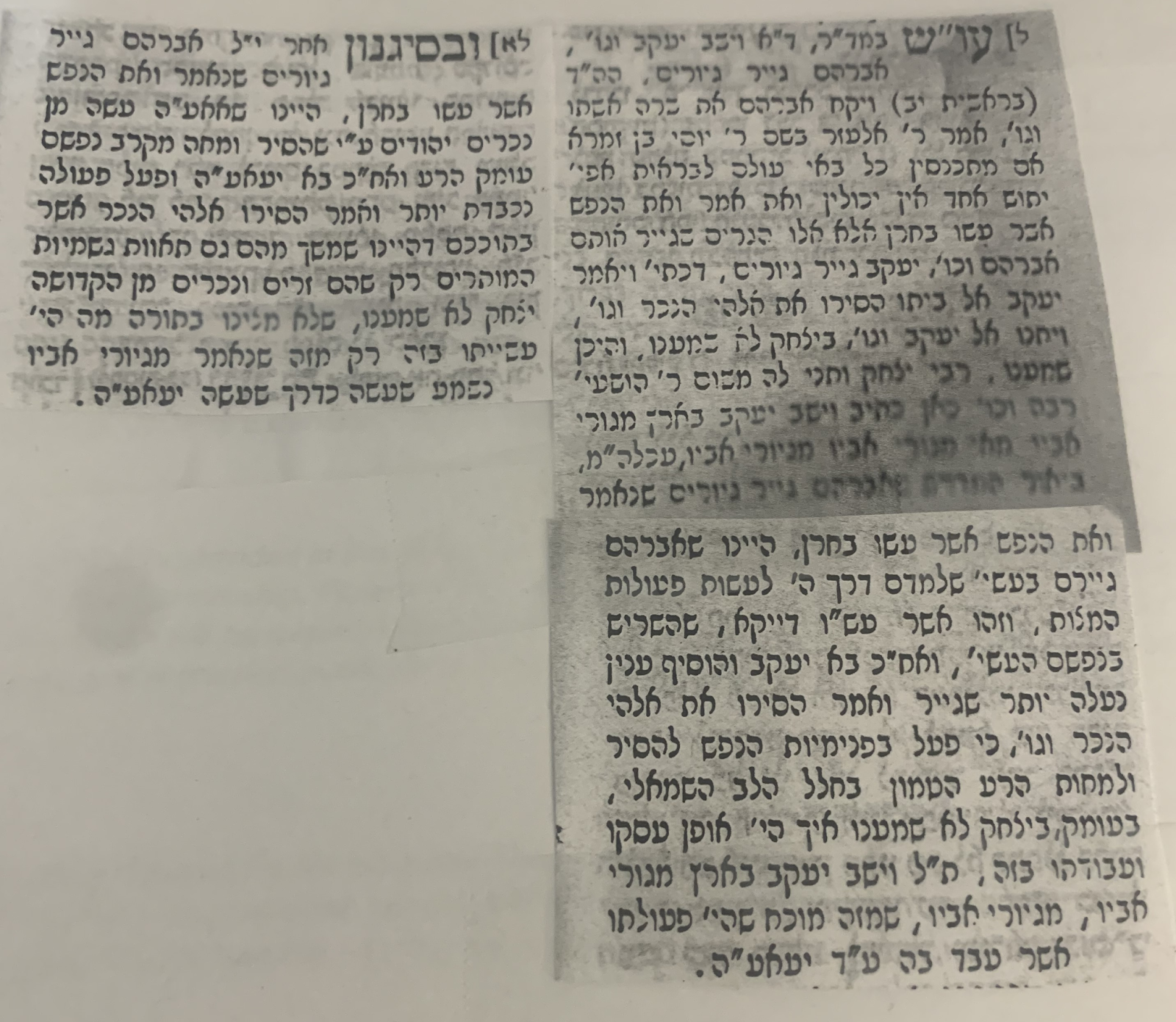
The following Medresh say the words  בְּאֶ֖רֶץ מְגוּרֵ֣י means in the land of the converts of his father.  This teaches us that Yitzchak also converted people to monotheism.  

:דָּבָר אַחֵר, וַיֵּשֶׁב יַעֲקֹב וגו’, אַבְרָהָם גִּיֵּר גִּיּוּרִים, הֲדָא הוּא דִכְתִיב (בראשית יב, ה): וַיִּקַּח אַבְרָם אֶת שָׂרַי אִשְׁתּוֹ, אָמַר רַבִּי אֶלְעָזָר בְּשֵׁם רַבִּי יוֹסֵי בֶּן זִמְרָא אִם מִתְכַּנְסִין כָּל בָּאֵי הָעוֹלָם לִבְרֹאת אֲפִלּוּ יַתּוּשׁ אֶחָד אֵינָן יְכוֹלִין, וְאַתְּ אוֹמֵר (בראשית יב, ה): וְאֶת הַנֶּפֶשׁ אֲשֶׁר עָשׂוּ בְחָרָן, אֶלָּא אֵלּוּ הַגֵּרִים שֶׁגִּיֵּר אוֹתָם אַבְרָהָם, וְלָמָּה אָמַר עָשׂוּ, וְלֹא אָמַר גִּיְּרוּ, לְלַמֶּדְךָ שֶׁכָּל מִי שֶׁהוּא מְקָרֵב אֶת הַגֵּר כְּאִלּוּ בְּרָאוֹ. תֹּאמַר אַבְרָהָם הָיָה מְגַיֵּר וְשָׂרָה לֹא הָיְתָה מְגַיֶּרֶת, תַּלְמוּד לוֹמַר וְאֶת הַנֶּפֶשׁ אֲשֶׁר עָשׂוּ בְחָרָן, אֲשֶׁר עָשָׂה אֵין כְּתִיב כָּאן אֶלָּא אֲשֶׁר עָשׂוּ. אָמַר רַבִּי חוּנְיָא אַבְרָהָם הָיָה מְגַיֵּר אֶת הָאֲנָשִׁים וְשָׂרָה מְגַיֶּרֶת אֶת הַנָּשִׁים, וּמַה תַּלְמוּד לוֹמַר אֲשֶׁר עָשׂוּ, אֶלָּא מְלַמֵּד שֶׁהָיָה אַבְרָהָם אָבִינוּ מַכְנִיסָן לְתוֹךְ בֵּיתוֹ וּמַאֲכִילָן וּמַשְׁקָן וּמְקָרְבָן וּמַכְנִיסָן תַּחַת כַּנְפֵי הַשְּׁכִינָה. יַעֲקֹב גִּיֵּר גִּיּוּרִים, דִּכְתִיב (בראשית לה, ב): וַיֹּאמֶר יַעֲקֹב אֶל בֵּיתוֹ וגו’ וַיִּתְּנוּ אֶל יַעֲקֹב וגו’, בְּיִצְחָק לֹא שָׁמַעְנוּ, וְהֵיכָן שָׁמַעְנוּ, רַבִּי יִצְחָק וְתָאנֵי לָהּ מִשּׁוּם רַבִּי הוֹשַׁעְיָא רַבָּה בְּשֵׁם רַבִּי יְהוּדָה בַּר סִימוֹן, כָּאן כְּתִיב: וַיֵּשֶׁב יַעֲקֹב בְּאֶרֶץ מְגוּרֵי אָבִיו, מַאי מְגוּרֵי אָבִיו מִגִּיּוּרֵי אָבִיו.

The Kotzker said that Avrohom’s method of converting people was through action, doing kindness,  Yakov’s was more internal.  Verse 35:2 says  וַיֹּ֤אמֶר יַעֲקֹב֙ אֶל־בֵּית֔וֹ וְאֶ֖ל כׇּל־אֲשֶׁ֣ר עִמּ֑וֹ הָסִ֜רוּ אֶת־אֱלֹהֵ֤י הַנֵּכָר֙ אֲשֶׁ֣ר בְּתֹכְכֶ֔ם וְהִֽטַּהֲר֔וּ וְהַחֲלִ֖יפוּ שִׂמְלֹתֵיכֶֽם.  The אֶ֖ל כׇּל־אֲשֶׁ֣ר עִמּ֑וֹ is referring to converts of Yakov.  Yakov was telling them to look deep inside yourselves and remove the bad influence of idols.  What type were Yitzchok’s?  They were the same as Yakov’s as it says,  בְּאֶ֖רֶץ מְגוּרֵ֣י אָבִ֑יו, meaning that both Yitzchok and Yakov’s converts wee converted the same way.  As I contemplate this Kotzker, what is the Kotzker trying to say?  
Second thought on the Parsha:

Verse 2 –  אֵ֣לֶּה ׀ תֹּלְד֣וֹת יַעֲקֹ֗ב יוֹסֵ֞ף בֶּן־שְׁבַֽע־עֶשְׂרֵ֤ה שָׁנָה֙ הָיָ֨ה רֹעֶ֤ה אֶת־אֶחָיו֙ בַּצֹּ֔אן וְה֣וּא נַ֗עַר אֶת־בְּנֵ֥י בִלְהָ֛ה וְאֶת־בְּנֵ֥י זִלְפָּ֖ה נְשֵׁ֣י אָבִ֑יו וַיָּבֵ֥א יוֹסֵ֛ף אֶת־דִּבָּתָ֥ם רָעָ֖ה אֶל־אֲבִיהֶֽם׃

How do we understand this Pasuk that described Yosef.  Was Yosef good or bad? There are four descriptors of Yosef:

1 –  הָיָ֨ה רֹעֶ֤ה אֶת־אֶחָיו֙ בַּצֹּ֔אן  – good.  He was willing to pitch in. 

2 –   וְה֣וּא נַ֗עַר – immature – could be parve, but we will put this in the bad category.  They viewed Yosef as an immature youth who wanted to control the world. 

3 –  וְה֣וּא נַ֗עַר אֶת־בְּנֵ֥י בִלְהָ֛ה וְאֶת־בְּנֵ֥י זִלְפָּ֖ה – good.  Yosef hung around the sons of the maidservants who

                                                                          were verbally abused by the sons of Leah

4 – וַיָּבֵ֥א יוֹסֵ֛ף אֶת־דִּבָּתָ֥ם רָעָ֖ה אֶל־אֲבִיהֶֽם – bad

Overall, the Pasuk seems to describe Yosef as bad.

If # 3 is true; why did the four brothers of the maidservants Pasken with the sons of Leah.  They should have stepped up and said, you are wrong, we know Yosef and he would never usurp power,  He is kind and gentle.  In Shiur I answered that although Yosef supported them, when they had a chance to side with the bullies, they abandoned Yosef.  Put another way, they had a chance to be part of the club and this meant turning their backs on their former friend and defender.  This is common among people who are bullied. They so wanted to be part of the cool kids, the power elite, that when offered the opportunity they abandon their former uncool friends. Similar to Israel in the 1950s.  Israel’s foreign policy was to help the African and other poor countries with agricultural expertise.  However, in 1967 when the Arabs demanded loyalty they abandoned Israel and the technology for the people to better themselves and sided with the bullies.

Verse 3 continues and describes Yosef relationship with his father:

                                                                  וְיִשְׂרָאֵ֗ל אָהַ֤ב אֶת־יוֹסֵף֙ מִכׇּל־בָּנָ֔יו כִּֽי־בֶן־זְקֻנִ֥ים ה֖וּא ל֑וֹ וְעָ֥שָׂה ל֖וֹ כְּתֹ֥נֶת פַּסִּֽים׃    

The brothers saw the bad side of Yosef.  Yosef was their father’s favorite and made Yosef a special coat.  Additionally, Yosef was from Rachel, the love of Yakov and his primary wife.  Their mother was secondary.  This special love, the special coat had to bother them greatly which turned into jealousy and hatred.  It is understandable why Yakov would love  Yosef over all his brothers. Yosef was the son of the love of Yakov’s wife, they looked alike, he saw that Yosef was smarter than all his brothers, and he was born later in life to Yakov.   I would also guess that he saw leadership qualities in Yosef which were borne by the dreams.  To compound everything Yakov makes Yosef a special coat.  

We can understand why the brothers hated Yosef.  It was a hatred that turned into jealousy, very deadly.  

All the components of a combustible fire were set in  motion and are further exacerbated by the two dreams.  The first one he did not tell their father, however, in the second doubled down on bringing hatred to himself by telling their father the dream in front of the brothers.

Verse 37:3 –      וְיִשְׂרָאֵ֗ל אָהַ֤ב אֶת־יוֹסֵף֙ מִכׇּל־בָּנָ֔יו כִּֽי־בֶן־זְקֻנִ֥ים ה֖וּא ל֑וֹ וְעָ֥שָׂה ל֖וֹ כְּתֹ֥נֶת

                                                                                                                                    פַּסִּֽים

Verse 37:4  וַיִּרְא֣וּ אֶחָ֗יו כִּֽי־אֹת֞וֹ אָהַ֤ב אֲבִיהֶם֙ מִכׇּל־אֶחָ֔יו וַֽיִּשְׂנְא֖וּ אֹת֑וֹ וְלֹ֥א יָכְל֖וּ דַּבְּר֥וֹ לְשָׁלֹֽם

Verse 37:5  וַיַּחֲלֹ֤ם יוֹסֵף֙ חֲל֔וֹם וַיַּגֵּ֖ד לְאֶחָ֑יו וַיּוֹסִ֥פוּ ע֖וֹד שְׂנֹ֥א אֹתֽוֹ׃     

Verse 37:6     וַיֹּ֖אמֶר אֲלֵיהֶ֑ם שִׁמְעוּ־נָ֕א הַחֲל֥וֹם הַזֶּ֖ה אֲשֶׁ֥ר חָלָֽמְתִּי   

וְ֠הִנֵּ֠ה אֲנַ֜חְנוּ מְאַלְּמִ֤ים אֲלֻמִּים֙ בְּת֣וֹךְ הַשָּׂדֶ֔ה וְהִנֵּ֛ה קָ֥מָה אֲלֻמָּתִ֖י וְגַם־נִצָּ֑בָה וְהִנֵּ֤ה תְסֻבֶּ֙ינָה֙ אֲלֻמֹּ֣תֵיכֶ֔ם וַתִּֽשְׁתַּחֲוֶ֖יןָ לַאֲלֻמָּתִֽי׃

וַיֹּ֤אמְרוּ לוֹ֙ אֶחָ֔יו הֲמָלֹ֤ךְ תִּמְלֹךְ֙ עָלֵ֔ינוּ אִם־מָשׁ֥וֹל תִּמְשֹׁ֖ל בָּ֑נוּ וַיּוֹסִ֤פוּ עוֹד֙ שְׂנֹ֣א אֹת֔וֹ עַל־חֲלֹמֹתָ֖יו וְעַל־דְּבָרָֽיו׃

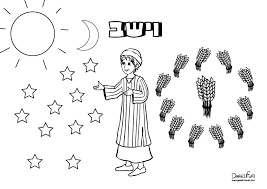
Verse 37:9  וַיַּחֲלֹ֥ם עוֹד֙ חֲל֣וֹם אַחֵ֔ר וַיְסַפֵּ֥ר אֹת֖וֹ לְאֶחָ֑יו וַיֹּ֗אמֶר הִנֵּ֨ה חָלַ֤מְתִּֽי חֲלוֹם֙ ע֔וֹד וְהִנֵּ֧ה הַשֶּׁ֣מֶשׁ וְהַיָּרֵ֗חַ וְאַחַ֤ד עָשָׂר֙ כּֽוֹכָבִ֔ים מִֽשְׁתַּחֲוִ֖ים לִֽי׃

Verse 37:10 – וַיְסַפֵּ֣ר אֶל־אָבִיו֮ וְאֶל־אֶחָיו֒ וַיִּגְעַר־בּ֣וֹ אָבִ֔יו וַיֹּ֣אמֶר ל֔וֹ מָ֛ה הַחֲל֥וֹם הַזֶּ֖ה אֲשֶׁ֣ר חָלָ֑מְתָּ הֲב֣וֹא נָב֗וֹא אֲנִי֙ וְאִמְּךָ֣ וְאַחֶ֔יךָ לְהִשְׁתַּחֲוֺ֥ת לְךָ֖ אָֽרְצָה

Yakov realizes that the brothers hated Yosef and he tries to mitigate the hatred by minimizing the dream and saying it is a false dream.  Obviously, this was too little, too late. This verse and Verse 11 say:

וַיְסַפֵּ֣ר אֶל־אָבִיו֮ וְאֶל־אֶחָיו֒ וַיִּגְעַר־בּ֣וֹ אָבִ֔יו וַיֹּ֣אמֶר ל֔וֹ מָ֛ה הַחֲל֥וֹם הַזֶּ֖ה אֲשֶׁ֣ר חָלָ֑מְתָּ הֲב֣וֹא נָב֗וֹא אֲנִי֙ וְאִמְּךָ֣ וְאַחֶ֔יךָ לְהִשְׁתַּחֲוֺ֥ת לְךָ֖  אָֽרְצָה׃

Third Thought:    Verse 37:11 וַיְקַנְאוּ־ב֖וֹ אֶחָ֑יו וְאָבִ֖יו שָׁמַ֥ר אֶת־הַדָּבָֽר׃

Beautiful Medrsh says on the words    וְאָבִ֖יו שָׁמַ֥ר אֶת־הַדָּבָֽר – 

וַיְקַנְאוּ בוֹ אֶחָיו וְאָבִיו שָׁמַר (בראשית לז, יא), אָמַר רַבִּי לֵוִי נָטַל קוּלְמוּס וְכָתַב בְּאֵיזֶה יוֹם וּבְאֵיזֶה שָׁעָה בְּאֵיזֶה מָקוֹם. אָמַר רַבִּי חִיָּא רַבָּה וְאָבִיו שָׁמַר אֶת הַדָּבָר, וְרוּחַ הַקֹּדֶשׁ אוֹמֶרֶת שְׁמֹר אֶת הַדְּבָרִים שֶׁעֲתִידִין הַדְּבָרִים לִגַּע. רַבִּי לֵוִי בְּשֵׁם רַבִּי חָמָא בַּר חֲנִינָא אָמַר כָּךְ אָבִינוּ יַעֲקֹב סָבַר וְרָאָה דְּבָרִים מְמַשְׁמְשִׁין וּבָאִין, אָמַר אִם נִתְבַּקְרָה פִּנְקָסוֹ מַה יָּכוֹל אֲנִי לַעֲשׂוֹת.

Yakov marked down on his notepad the details of the dreams because he fervently believed it would happen and he wanted to record what Yosef said so that he can look into his notebook years later and recall his thoughts and emotions when he heard the dream.  Rabbi Efreim Goldberg said in the name of Rabbi Eliyahu Lopian that we all should  record in a notebook things in our life that are monumental and of consequence so we do not forget what we did and relive the experience.  We will be able to vividly recall our feelings of that time.  Imagine a lifetime of those thoughts and deeds where you can go back and relive those moments.  Especially moments of truth when our life changed directions because of a decision or an action.

As an aside.  All three parties, Yakov, Yosef, and the ten brothers bore responsibility. The ten brothers were the ultimate guilty party, even though they thought they were acting properly, but Yakov and Yosef also contributed to the hatred.  

Continuation of the Narrative:

Everything is primed for a disaster.  The brothers hated and were jealous of Yoseph.  They felt that Yoseph was a Morad B’Malchus.  Yehuda was to be the king in the Jewish nation and Joseph via his dreams said I will be the king and they felt Yosef was trying to influence their father to be his successor and not the ten tribes.  The brothers Paskened that Yoseph deserved death.  We see that after they put Yoseph in the pit, they ate with a clear conscience.  They felt morally correct.

Fourth Thought:  Verse 37:12:

וַיֵּלְכ֖וּ אֶחָ֑יו לִרְע֛וֹת אֶׄתׄ־צֹ֥אן אֲבִיהֶ֖ם בִּשְׁכֶֽם   – There are two dots about the אֶׄתׄ .  Rashi brings down the Medresh saying that the two dots are telling us  that they went to take care of themselves. Bamidbar Rabbah 3:3 escribes what the were doing –  וְדִכְוָתָהּ (בראשית לז, יב): וַיֵּלְכוּ אֶחָיו לִרְעוֹת אֶת, לָמָּה נָקוּד עַל אֶת, מְלַמֵּד שֶׁלֹא הָלְכוּ לִרְעוֹת אֶלָּא לֶאֱכֹל וְלִשְׁתּוֹת וּלְהִתְפַּתּוֹת.  The Medresh is very critical of the tribes. When I first saw the word  לְהִתְפַּתּוֹת I thought it meant girls, however the  Medresh does not say girls.   This Medresh is telling us that they went to Shechem to think about how to carry out  the Pesak that Yosef deserves death and should be killed.  They had to talk themselves into carrying out this terrible Pesak.  They had to seduce themselves and talk themselves into carrying out the death sentence.  לְהִתְפַּתּוֹת is a reflexive word, meaning you let yourself be seduced.  It is one thing to say that Yosef deserves death, but to actually carry it out is difficult.  They had to build up the courage to actually carry out the death sentence.  I spoke this over with Rabbi Avrohom Shimon Moller and he did not hesitate that it means to seduce themselves, talk themselves into.

Fascinating.  It seems from their viewpoint, they were right. They sat down for a meal when they had Yoseph in the pit to eat with a clear conscience. Later on when they had the trouble in Egypt, they did not say they made a mistake, rather they said we should have heard the pleading of Joseph.  

Rabbi Efreim Goldberg asked why were they punished if they paskened that Yosef should die and God participated in their decision?  Their decision had a lasting negative impact on the Jewish people from the split in the tribes to the ten martyrs, so we see that they were wrong.  Rabbi Goldberg answered because they were jealous of Yosef and hated  him.  They did not have clarity when they Paskened.   Therefore they had no right to Pasken and were held accountable.  I am willing to bet that during the 22 years that Yoseph was gone some it not all of them felt uneasiness about their Pasak.  I have to assume that the four sons of the maidservants regretted the Pasak.   God’s participation is cited in Rashi Verse 37 that the brothers cursed anyone who would reveal what happened and included God with this curse.  

חיה רעה אכלתהו. נִצְנְצָה בוֹ רוּחַ הַקֹּדֶשׁ, סוֹפוֹ שֶׁתִּתְגָּרֶה בוֹ אֵשֶׁת פּוֹטִיפַר. וְלָמָּה לֹא גִלָּה לוֹ הַקָּבָּ”ה? לְפִי שֶׁהֶחֱרִימוּ וְקִלְּלוּ אֶת כָּל מִי שֶׁיְּגַלֶּה, וְשִׁתְּפוּ לְהַקָּבָּ”ה עִמָּהֶם (תנחומא), אֲבָל יִצְחָק הָיָה יוֹדֵעַ שֶׁהוּא חַי, אָמַר הֵיאַךְ אֲגַלֶּה וְהַקָּבָּ”ה אֵינוֹ רוֹצֶה לְגַלּוֹת לוֹ:

The Sefsei Chachomin adds:

לפי שהחרימו וקללו את כל מי שיגלה ושתפו להקב”ה עמהם כו’. בודאי לא היה מוכרח לכך אלא מעצמו היה מסכים עמהם מפני כמה דברים חדא כדי שיתקיים כי גר יהיה זרעך (לעיל טו יג) דאי היה יודע יעקב שהורד למצרים היה פודה את יוסף בכל ממון שבעולם. ועוד דאי היה יודע יעקב היה מקלל אותם למחות את שמם ואז יכלה זרעו של ישראל והקב”ה רצה שיפרו וירבו. ולכך פירש בסמוך והקב”ה אינו רוצה לגלות לו משמע שלא היה מוכרח לכך ואם רצה היה מגלה אלא שהקב”ה הסכים עמהם כדי שיתקיים הגזירה של ועבדום וענו אותם. ועוד י”ל כדפירש רש”י בסמוך ימים רבים כ”ב שנה וכו’. וקשה מאי נ”מ אם כ”ב שנה או יותר הוא אלא ודאי דקשה לרש”י למה לא הגיד לו הקב”ה ליעקב למה היה מצערו כ”ב שנה אלא משום זה היה עושה כנגד כ”ב שנים שלא קיים כיבוד אב ואם שאם הגיד לו הקב”ה היה יעקב עושה תשובה והיה מבטל מה שנגזר עליו שיהיה בצער כ”ב שנה והקב”ה רצה לשלם לו על שביטל כיבוד אב ואם ולכן הסכים עמהם בחרם כדי שלא יהיו רשאין לגלות. דחרם הוא כמו שבועה וכשהקב”ה נשבע אין התשובה מבטלת כדפירש”י בפרשת חקת (במדבר כ יב) לכן לא תביאו בשבועה וכו’ נשבע בקפיצה כדי שלא ירבה בתפלה על כך ה”נ החרם היא כמו שבועה לכך הסכים עמהם:

  Fifth Thought:   Verses 13 and 14:

Continuing the Narrative:

                                                     וַיֹּ֨אמֶר יִשְׂרָאֵ֜ל אֶל־יוֹסֵ֗ף הֲל֤וֹא אַחֶ֙יךָ֙ רֹעִ֣ים בִּשְׁכֶ֔ם לְכָ֖ה וְאֶשְׁלָחֲךָ֣ אֲלֵיהֶ֑ם וַיֹּ֥אמֶר ל֖וֹ הִנֵּֽנִי׃

וַיֹּ֣אמֶר ל֗וֹ לֶךְ־נָ֨א רְאֵ֜ה אֶת־שְׁל֤וֹם אַחֶ֙יךָ֙ וְאֶת־שְׁל֣וֹם הַצֹּ֔אן וַהֲשִׁבֵ֖נִי דָּבָ֑ר וַיִּשְׁלָחֵ֙הוּ֙ מֵעֵ֣מֶק חֶבְר֔וֹן וַיָּבֹ֖א שְׁכֶֽמָה׃

Yakov tells Yosef.  Please go and see what is happening with the brothers and the flock.  Despite Yakov knowing of the hatred, he asked Yosef to go.  Yosef responded  הִנֵּֽנִי.  Yosef knew that he was hated and he should have said to his father, Dad, I do not think this is a good idea, my brothers hate me and may harm me.  Additionally, why would Yakov have to worry about his ten 10 sons.  They were a strong group of adult men.  We also see that Ruvein went back to take care of his father so why did he have to send Yosef.

The answer is that this all is the start of the fulfilment of the destiny foretold at the Akediah of the enslavement in a strange land. The entire idea of Yakov feeling the need to send his son for a status report had to be placed in Yakov’s head by God, Yakov thinking I need a report.   

Yakov sending Yosef,  you can answer simply that he did not understand how deeply the brothers hated Yosef, however, how do you understand Yosef’s reaction?  The answer that is given is that he had so much honor and respect  for his father, he would not question his father in any way.  

The new Lubavitch Chumash explains Yakov’s and Yosef’s considerations differently.  Yakov knew that the brothers hated Yosef and did not want to send, however, he sensed destiny and felt he had to send.  Similarly, Yosef also felt that destiny will be played out.   Both Yakov and Yosef had an intuition that something big will happen, destiny is about to happen but this is only a feeling.   There is no  question that had Yakov known the end result he would not have sent Yosef. 

Peggy Kaz said over a nice Pshat.  Where else does the Torah say הִנֵּֽנִי?  When  Avorhom responded to God    הִנֵּֽנִי by the Akeidah and a second time in Genesis Verse 31:11 – וַיֹּ֨אמֶר אֵלַ֜י מַלְאַ֧ךְ הָאֱלֹהִ֛ים בַּחֲל֖וֹם יַֽעֲקֹ֑ב וָאֹמַ֖ר הִנֵּֽנִי׃.

Peggy said that perhaps the word   הִנֵּֽנִי is not that just a response, I am here to do what you are asking me to do,   Perhaps it is also a sense that I am here to do what you want because I sense destiny. It is a word that infers destiny.  

We see from Rashi on Verse 37:14 that destiny is playing its hand.

מעמק חברון. וַהֲלֹא חֶבְרוֹן בָּהָר, שֶׁנֶּאֱמַר וַיַּעֲלוּ בַנֶּגֶב וַיָּבֹא עַד חֶבְרוֹן (במדבר י”ג), אֶלָּא מֵעֵצָה עֲמֻקָּה שֶׁל אוֹתוֹ צַדִּיק הַקָּבוּר בְּחֶבְרוֹן, לְקַיֵּם מַה שֶּׁנֶּאֱמַר לְאַבְרָהָם בֵּין הַבְּתָרִים כִּי גֵר יִהְיֶה זַרְעֲךָ (בראשית ט״ו:י״ג):

Sixth Thought

I said years ago that Yakov for twenty two years wondered why he sent his son.  He told himself, I knew that there were reasons not to send, why oh why did I send him? He replayed the scene daily in his mind. I found the following Medresh that says this very thing.     רַבִּי חָמָא בַּר חֲנִינָא הַדְּבָרִים הַלָּלוּ הָיָה יַעֲקֹב אָבִינוּ נִזְכָּר וּמֵעָיו מִתְחַתְּכִין, יוֹדֵעַ הָיִיתָ שֶׁאַחֶיךָ שׂוֹנְאִים אוֹתְךָ וְהָיִיתָ אוֹמֵר לִי הִנֵּנִי.

    Rabbi Chama bar Chanina: Yaakov remembered these words and his internal organs would

    feel like     they were being chopped up: you knew that your brothers hated you, and still 

    you said to me ‘here I am.’

Seventh Thought:

Yosef goes and has a dialogue with someone the Torah calls an “Ish” who Rashi says is a good angel, Gavriel.   Rabbi Yosef Ber Soloveichik calls Gavriel, the angel of destiny.  Destiny is being played out at this time and Gavriel is manipulating events to make sure it happens.  Rashi in Verse 37:14 says that destiny is being played out to start the process of fulfilling God’s words at the Akediah that the Jews will be in a strange land for 400 years.

Rabbi Goldberg brought down a beautiful Rabbi Yosef Ber Soloveichik.

The angel Gavriel asks Yosef what are you seeking.  Yosef answers  וַיֹּ֕אמֶר אֶת־אַחַ֖י אָנֹכִ֣י מְבַקֵּ֑שׁ.  The Rov says the Pshat is that I am looking for brotherhood, peace and harmony.  The angel responds that brotherhood will not happen, and the angel hinted to Yosef, in fact they are going to Dosan to Pasken that you should be put to death and they are planning to kill you.   וַיֹּ֤אמֶר הָאִישׁ֙ נָסְע֣וּ מִזֶּ֔ה כִּ֤י שָׁמַ֙עְתִּי֙ אֹֽמְרִ֔ים נֵלְכָ֖ה דֹּתָ֑יְנָה וַיֵּ֤לֶךְ יוֹסֵף֙ אַחַ֣ר אֶחָ֔יו וַיִּמְצָאֵ֖ם בְּדֹתָֽן׃ 

Then it says וַיִּרְא֥וּ אֹת֖וֹ מֵרָחֹ֑ק וּבְטֶ֙רֶם֙ יִקְרַ֣ב אֲלֵיהֶ֔ם וַיִּֽתְנַכְּל֥וּ אֹת֖וֹ לַהֲמִיתֽוֹ׃  The Rov tranlslates וַיִּרְא֥וּ אֹת֖וֹ מֵרָחֹ֑ק that they saw Yosef as an outsider, a  stranger.  Yosef wanted brotherhood but they would not reciprocate and never would.    After Yakov dies the brothers go over to Yosef and tell him that their father instructed them to tell Yosef not to take revenge against them.  Yosef is devastated.  He knew that they were lying because he never revealed to his father the true story of himself going to Egypt.  Despite years of all of them getting along, it was illusionary, they only showed brotherhood because of Yakov.  They never viewed him as part of the family.

You can ask, isn’t this rich? Yosef caused the rift and now he wants to have brotherhood.  You have to answer that Yosef never wanted to cause jealousy.  He never intended to hurt his brothers.  He wanted them to grow as humans.  Rabbi Efreim Golberg asked when Yosef told over the dreams what did he expect?  Rabbi Goldberg answered perhaps Yosef is saying strive for greatness.  Look at me, the young, immature  brother will accomplish greatness.  The message of the dream is not that you will bow down to me, but that I will also become a great figure and you, my older brothers, can also achieve greatness. I have had this younger brother syndrome to my two older brothers, Peach and Arela.
Week of October 31 – November 6, 2021

25 Cheshvon – 2 Kislav 5782

Shabbos Parshas Toldos – November 6, 2021

This is the first full week of living in our new house at 2936 W. Glenlake.   Magnificent.

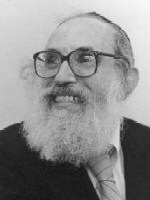
Recalling  Rabbi Aaron Soloveichik, TZL

This Shabbos was Avrumi Bernstein’s Au Ruf in Sidney’s basement Minyan.  The wedding is in Lakewood,

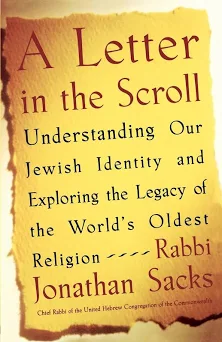
Purchased of A Letter in the Scroll by Rabbi Jonathan Sacks, TZL

Purchased Rabbi David Fohrman’s Sefer on Bereshis

Rabbi Aaron Soloveichik

Recap of week:

This was the first full week of living in my new home at 2936 W. Glenlake.  I have been dreaming of moving into this home since I purchased it in 2012.  The house is beyond my expectations.  Rabbi Revach’s Shiurim continue to be amazing and I continue to fight with my Chavrusah.  Worked hard to buy things and organize the new home.  We made our final decision on kitchen cabinets on Wednesday and ordered them.  They will be completed in late January 2022.  We still have to pick out the countertops.  Originally we picked out a Corian tile, however I want to go with Ceaserstone, an Israeli company.  I want to picture the sweeping landscape of Israel and recall the theme song of the movie Exodus,   https://youtu.be/z_TfM0SwdJE .  The theme song with words –    https://youtu.be/QEYmomUuveU .    We also have to decide whether the countertops will have a one foot overhang for bar stools or a table. Friday I went to Rosenblums and purchased Rabbi Jonathan Sacks’ Sefer, A Letter in the Scroll and Rabbi David Fohrman’s Genesis, A Parsha Companion.  On Shabbos was the Auf Ruv of Avrumi Bernstein at our Shul in Sidney Glenner’s basement.  I know the Chassen’s father, Matt Bernstein, an attorney,  and finally met his mother, a Japanese convert.

Vort #1:

On Shabbos Parshas Toldos 1973 at his Shalosh Seudas Drasha, Reb Aaaron Soloveichik explained why Yitzchok wanted to give the Brachos to Eisav and not Yakov.  As I recall Reb Aaron said that Yitzchok felt that to survive, Klal Yisroel had to be strong and tough like Eisav and as far as Torah, he will teach Eisuv Torah.  This Hashgacha Pratis of the events as they unfolded was to show Yitzchok that Yaakov also had strength to become the foundation of the nation of Israel. 

Reb Aaron mentioned Onkelys in Todos Verse 27:13.   וַתֹּ֤אמֶר לוֹ֙ אִמּ֔וֹ עָלַ֥י קִלְלָתְךָ֖ בְּנִ֑י אַ֛ךְ שְׁמַ֥ע בְּקֹלִ֖י וְלֵ֥ךְ קַֽח־לִֽי׃

Onkeylis – וַאֲמֶרֶת לֵיהּ אִמֵּיהּ עֲלַי אִתְאַמַּר בִּנְבוּאָה דְּלָא יֵיתוּן לְוָטַיָּא עֲלָךְ בְּרִי בְּרַם קַבֵּל מִנִּי וְאִזֵּיל סַב לִי – tranlsated as “And his mother said to him, Unto me it hath been said in prophecy, that there shall be no curses upon thee, my son; only obey me, and go, and take for me.”   The way Reb Aaron interpreted it, or how I remember Reb Aaron explaining Onkolus that she told her son that I was told via prophecy that you are to go in and take the Brochos from Eisav.  Meaning that at this very moment Rivka had this prophecy.  I always wondered, how did Onkelys know that Rivka heard a prophecy to pull this deception.  On Friday, I purchased the Sefer written by Rabbi David Fohrman on Bershis from Rosenblum’s.  Reading his Torah on Toldos, it clicked.  The prophecy Onkelys mentioned in all likelihood is the prophecy she heard from Shem when she was pregnant that the elder son will serve the younger son.  Most commentators translate this to mean that the older son being Eisav will serve the younger son Yaakov.  Therefore she reasoned Yaakov was destined to receive the first born blessing from Yitzhok and seemingly she felt that the only way to do this is through deception.  Rabbi Fohrman has a different Mehalech and says that she did not plan to deceive Yitzchok. Yaakov was to go in and tell his father that I am Yakov and that the Borchos belong to me.  The plan went awry and Yakov ended up deceiving his father.

Vort 2:

I was listening to Rabbi Levertov’s Parsha class from Sante Fe, NM, where he is the Shliach.   There was one listener who challenged Rabbi Levertov a number of times and was saying ideas that smacked of bible criticism and interpreting the Avos in a bad light.  She sounded intelligent and was hard to refute.  Of course she went against Rashi and other Reshoman, but just reading the Chumash without Rashi she sounded intelligent.  At one point Rabbi Levertov said that we cannot ignore 3,000 years of Mesorah.  Her last complaint was that the Avos had bad communication skills because Rivka did not tell her husband about her prophecy.  Through siatta dismaya, I remembered an old Vort that I said many years ago as to why she didn’t tell her husband the bad news that one son will turn out evil.  Rivka upon hearIng this devastating news thought to herself, I will not let this happen.  I will bring him up in a spiritual atmosphere, teach him, and train him to be a Tzaddik, a righteous man.  We do know that Eisev had the potential to be a Tzaddik.  Some say that the original divine plan was for Eisuv to be the financial support for Yaakov and Klal Yisroel, with Yaakov being the spiritual heart.  A Yissachar-Zevulun relationship.   She did not tell her husband because she did not want her husband to prejudge Eisav.  She wanted Yitzchok  to treat him and educate him just like Yaakov.  This is the nature vs. nurture argument.  I think that this explanation is so obvious.

Vort #3:

 The Torah in Chapter 26 discusses Yitzchok’s stay in Gerar.  Yitzchok becomes wealthy and the Pelishtim become jealous of Yitzchok.   

Bereshis Verse 26:14 describes Yitzchok’s wealth. 

וַֽיְהִי־ל֤וֹ מִקְנֵה־צֹאן֙ וּמִקְנֵ֣ה בָקָ֔ר וַעֲבֻדָּ֖ה רַבָּ֑ה וַיְקַנְא֥וּ אֹת֖וֹ פְּלִשְׁתִּֽים׃

and he acquired flocks and herds, וַעֲבֻדָּ֖ה רַבָּ֑ה, so that the Philistines envied him.

When I read this Passuk, I thought that the translation of   וַעֲבֻדָּ֖ה רַבָּ֑ה  would be that Yitzchok had many slaves.   I was surprised that Rashi said that וַעֲבֻדָּ֖ה רַבָּ֑ה  means “much work.   Looking through the Reshonim, there are three different translations וַעֲבֻדָּ֖ה רַבָּ֑ה

1 – much enterprise – Rashi

2 – slaves/servants – Ibn Ezra and the Ramban

3 – farmland / farm work to be done – Sferno, Rashbam, Raak

What does Rashi mean when he says “much enterprise”.  The world back in the times of the Avos and for thousands of years were agricultural societies and raising farm animals.  There was no industry creating jobs that we have since the industrial revolutions starting in 1840.

Rashi is telling us an aspect of Yitzchok’s responsibility to the world and fellow man.  Yitzchok built businesses to employ people, to give them jobs, and a living.  Yitzchok is generally considered a man of Gevurah.  Someone who closed himself from within and did not engage the world.  However, the Torah tells us that despite his lack of engagement with the world, he was a tremendous Ba’al Chesed.  The Torah’s tells us the same thing with the wells.  After being kicked out from Gerar, he goes back to dig wells.  Why would Yitzchok do this when he was kicked out from Gerar and as Rashi says that he went to the valley of Gerar, far from the city.   Verse16:17 and 18 say –  וַיֵּ֥לֶךְ מִשָּׁ֖ם יִצְחָ֑ק וַיִּ֥חַן בְּנַֽחַל־גְּרָ֖ר וַיֵּ֥שֶׁב שָֽׁם׃ 

וַיָּ֨שׇׁב יִצְחָ֜ק וַיַּחְפֹּ֣ר ׀ אֶת־בְּאֵרֹ֣ת הַמַּ֗יִם אֲשֶׁ֤ר חָֽפְרוּ֙ בִּימֵי֙ אַבְרָהָ֣ם אָבִ֔יו וַיְסַתְּמ֣וּם פְּלִשְׁתִּ֔ים אַחֲרֵ֖י מ֣וֹת אַבְרָהָ֑ם וַיִּקְרָ֤א לָהֶן֙ שֵׁמ֔וֹת כַּשֵּׁמֹ֕ת אֲשֶׁר־קָרָ֥א לָהֶ֖ן אָבִֽיו׃

The reason is that Yitzchok knew that water means life and water is a major resource to sustain society.  He went back to Gerar to dig wells to give the people sources of water.    All major cities in the US are built next to water sources.  This Is in contrast to the leaders who closed Avrohom’s wells because of jealousy.  They deprived their citizens of an important resource and caused them hardships and told the people a nonsensical reason why they closed the wells.  While on the surface it seems reasonable, that an invading army may come and will have water to fight against us, the reality is that when invading armies come to Gerar, they can close up the wells at that time.  This is what politicians do.  They do not care if they hurt their own people and only care about their power.  

Rashi in explaining  וַעֲבֻדָּ֖ה רַבָּ֑ה as “much enterprise” based on what I wrote is saying that Yitzchok observe the highest level of chairy, of giving people jobs, as the Rambam writes in Hilchos Matnas Aniem – the laws of giving charity –   שְׁמוֹנֶה מַעֲלוֹת יֵשׁ בַּצְּדָקָה זוֹ לְמַעְלָה מִזּוֹ. מַעֲלָה גְּדוֹלָה שֶׁאֵין לְמַעְלָה מִמֶּנָּה זֶה הַמַּחֲזִיק בְּיַד יִשְׂרָאֵל שֶׁמָּךְ וְנוֹתֵן לוֹ מַתָּנָה אוֹ הַלְוָאָה אוֹ עוֹשֶׂה עִמּוֹ שֻׁתָּפוּת אוֹ מַמְצִיא לוֹ מְלָאכָה כְּדֵי לְחַזֵּק אֶת יָדוֹ עַד שֶׁלֹּא יִצְטָרֵךְ לַבְּרִיּוֹת לִשְׁאל. וְעַל זֶה נֶאֱמַר (ויקרא כה לה) “וְהֶחֱזַקְתָּ בּוֹ גֵּר וְתוֹשָׁב וָחַי עִמָּךְ” כְּלוֹמַר הַחֲזֵק בּוֹ עַד שֶׁלֹּא יִפּל וְיִצְטָרֵךְ:  

There are eight levels of tzedakah, each one greater than the other. The greatest level,

higher than all the rest, is to fortify a fellow Jew and give him a gift, a loan, form with him a partnership, or find work for him, until he is strong enough so that he does not need to ask others [for sustenance]. Of this it is said, (Lev. 25:35) [If your kinsman, being in straits,

comes under your authority,] and you hold him as though a resident alien, let him live

by your side. That is as if to say, “Hold him up,” so that he will not fall and be in need.

The following is a list of Reshonim and how they translate וַעֲבֻדָּ֖ה רַבָּ֑ה.

First Translation:

1 – Rashi’s words –   ועבדה רבה. פְּעֻלָּה רַבָּה בִּלְשׁוֹן לע”ז אוברי”נא, עֲבוֹדָה מַשְׁמָע עֲבוֹדָה אַחַת; עֲבֻדָּה מַשְׁמָע פְּעֻלָּה רַבָּה: 

Artscroll translation of Rashi – “This means “much work”. “The word  עֲבוֹדָה  denotes one task but the word עֲבֻדָּה  denotes many varieties of work.”

Second Translation:

2 – Ibn Ezra – ועבדה. עבדים ושפחות שיעבדוהו והוא תואר השם או שם כמו סגולה: 

3 -Ramban:   ויהי לו מקנה צאן ומקנה בקר ועבודה רבה – אתונות וגמלים וחמורים ועבדים ושפחות

Third Translation:

4 – Sforno:   ועבודה רבה, soil ready to be worked

5 – Rashbam:       ועבודה רבה, work in the field and vineyards. The expression עבודה, unless defined differently, additionally, always refers to labour in the field.

6 – Radak:      ועבודה רבה, he also engaged extensively in agriculture. Compare Proverbs 12,11, עובד אדמתו, “tilling his own land.” Compare also Genesis 4,11 כי תעבוד את האדמה, “when you till the soil.”                                                     

The word עֲבֻדָּ֖ה רַבָּ֑ה  as defined by the Reshomin and how the various Chumasim translate these words.

Rashi – Much enterprise:

Artscroll – much enterprise

            Gutnick Chumash – much enterprise

            Mesoras Harav – much production

Ibn Ezra – slaves  –  Sefaria – large household

Ramban                   JPS – great household

                                Soncino – great household*

* See Soncino commentary

Sferno – Farmland/farmland to be worked – Rabbi Samson Rephael Hirsh chumash – much farmland 

Rashbam

Redak

Rabbi Roberts said that this is the meaning of the Rambam in Hilchos  Melachim 9, Halacha 1 

that says:     וְכֵן הָיָה הַדָּבָר בְּכָל הָעוֹלָם עַד אַבְרָהָם. בָּא אַבְרָהָם וְנִצְטַוָּה יֶתֶר עַל אֵלּוּ בְּמִילָה. וְהוּא הִתְפַּלֵּל שַׁחֲרִית. וַיִּצְחָק הִפְרִישׁ מַעֲשֵׂר וְהוֹסִיף תְּפִלָּה אַחֶרֶת לִפְנוֹת הַיּוֹם. וְיַעֲקֹב הוֹסִיף גִּיד הַנָּשֶׁה וְהִתְפַּלֵּל עַרְבִית. וּבְמִצְרַיִם נִצְטַוָּה עַמְרָם בְּמִצְוֹת יְתֵרוֹת. עַד שֶׁבָּא משֶׁה רַבֵּנוּ וְנִשְׁלְמָה תּוֹרָה עַל יָדוֹ.

Yitzchok established the laws of tithing.  The Ravad argues on the Rambam and says it was Avrohom who established Maaser.   According to the Rambam one would not expect that Yitzchok established tithing because Yitzchok’s character trait is Geverah and not Chesed.  It was Avrohom whose characteristic was charity and chesed.  Yet, the Rambam ascribes tithing to Yitzchok.  The reason is as stated above.  Yitzchok worked to the benefit of society, providing water resources and an economy providing jobs.  He also felt that people should have to give away 1/10 of their property to help other people, to help society.

Added Insight:

Each of the Avos had their defining trait; Avraham’s was chesed, Yitzchak’s was gevurah (to be explained), and Ya’akov’s was emes/tiferes. The Immahos also had their defining traits, and these were the traits which complemented their husbands; Sarah’s was gevurah, Rivkah’s was chesed, and Rachel and Leah’s matched Ya’akov. At this point we shall explain what the trait of gevurah is and why it complements the trait of chesed. Chesed as a trait [this is distinct from the mitzvah of gemillus chesed] means the attribute of unlimited giving. The only problem that this can have is that giving without limits can be harmful. As every parent knows, giving a sweet to their children is nice, but too many sweets will cause tooth decay. Similarly, the Torah labels certain forbidden incestuous relationships as being ‘a chesed’[3] for this is when one’s desire for love and giving has spilled over and has not been contained or limited appropriately. This is where the trait of gevurah comes in. Gevurah limit’s the outflow of the trait of chesed to give it solid boundaries and essentially bring it into positive fruition – it is the ‘strict/harsh’ setting of limits.

Shabbos Parshas Shemini – April 10, 2021 – 29Nisan 5781


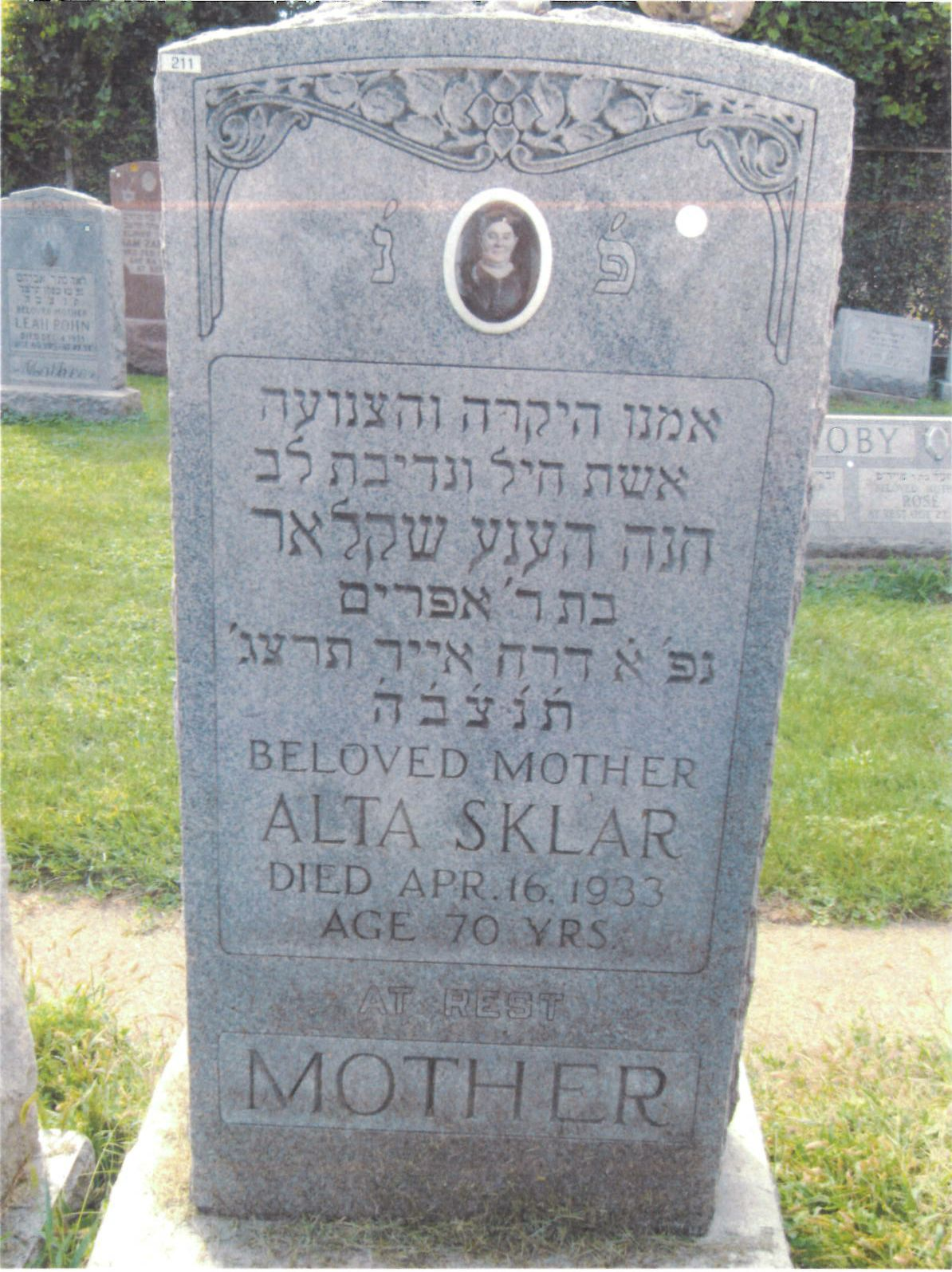
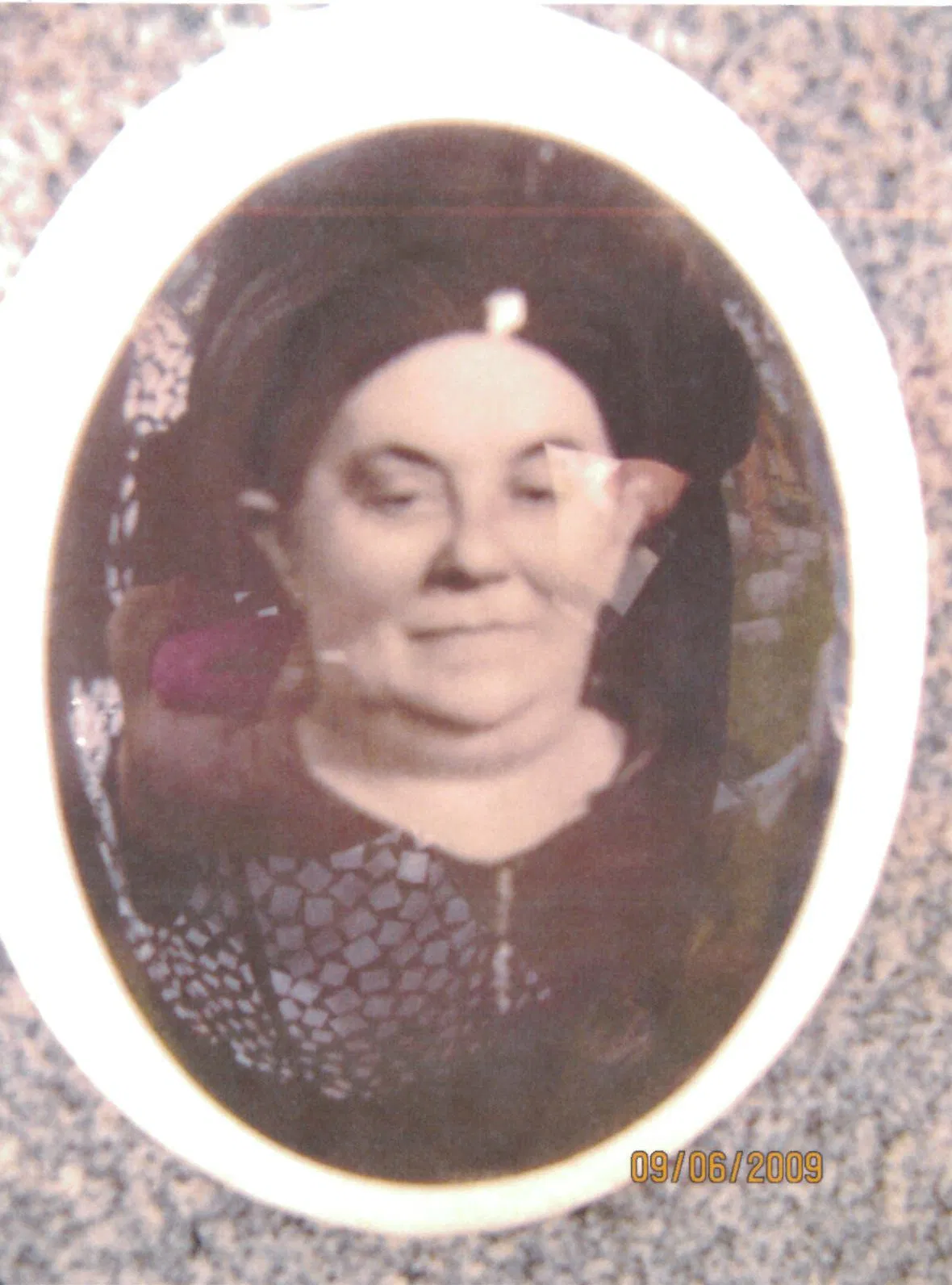
Tomorrow is Zedi Sklar’s mother Yahrzeit – see pictures at the end of this post.

I saw this beautiful Kotzker.

VaYikra 11:33

וְכָל־כְּלִי־חֶ֔רֶשׂ אֲשֶׁר־יִפֹּ֥ל מֵהֶ֖ם אֶל־תּוֹכ֑וֹ כֹּ֣ל אֲשֶׁ֧ר בְּתוֹכ֛וֹ יִטְמָ֖א וְאֹת֥וֹ תִשְׁבֹּֽרוּ׃  

Rashi –             (אל תוכו. אֵין כְּלִי חֶרֶס מִטַּמֵּא אֶלָּא מֵאֲוִירוֹ (חולין כ”ד

Rashi –    ואותו תשברו. לִמֵּד שֶׁאֵין לוֹ טָהֳרָה בַּמִּקְוֶה:

Kotzker Torah on this Passuk:

הטעם שאין כלי  חרש מטמא אלא מתוכו וגם כן אין לו טהרה בּמקוה, משׁום שכלי חרס אין לו שׁום חשיבות בּעצם, כי במה נחשב הוא  חרש מחרשי האדמה,  ורק עיקר חשיבות אצלו  שיש לו תוך ויכולין להכנס בו איזה דבר לפיכך אינה מטמאה  מגבּה אלא מתוכו  שעיקרו  הוא התוך,  וכן הוא האדם עפר מן אדמה ואין לו חשׁיבות אלא אם כן ישׁ בּתוכו ממש.

The Kotzker says that we can give a reason for this anomaly by Tumah  – a  כְּלִי־חֶ֔רֶשׂ only becomes Tamah from its inside and there is purification in a Mikvah because  a  כְּלִי־חֶ֔רֶשׂ has no  חשׁיבית בּעצם – intrinsic value, because it is made out of plain dirt (clay). All of its חשׁיבית is only because it has an inside – תוך and can hold items.  Therefore an earthenware vessel does not become Tamah from its outside, only from its inside because the essence of an earthenware utensil is the inside.  So it is true by man who is created from the dust of the earth –  וַיִּיצֶר֩ יְהוָ֨ה אֱלֹהִ֜ים אֶת־הָֽאָדָ֗ם עָפָר֙ מִן־הָ֣אֲדָמָ֔ה וַיִּפַּ֥ח בְּאַפָּ֖יו נִשְׁמַ֣ת חַיִּ֑ים וַֽיְהִ֥י הָֽאָדָ֖ם לְנֶ֥פֶשׁ חַיָּֽה׃  (Bereshisis 2:7), man’s only value is if he has a  תוך.  

What does the Kotzker mean?   I believe that the Kotzker Is speaking about the human condition.  Man’s value only comes about when he puts self worth, positive values, and essence into his being, into his psyche.  Man has to feel in his core that I am something. Man does have life force from Hashem, however, that is not enough.  

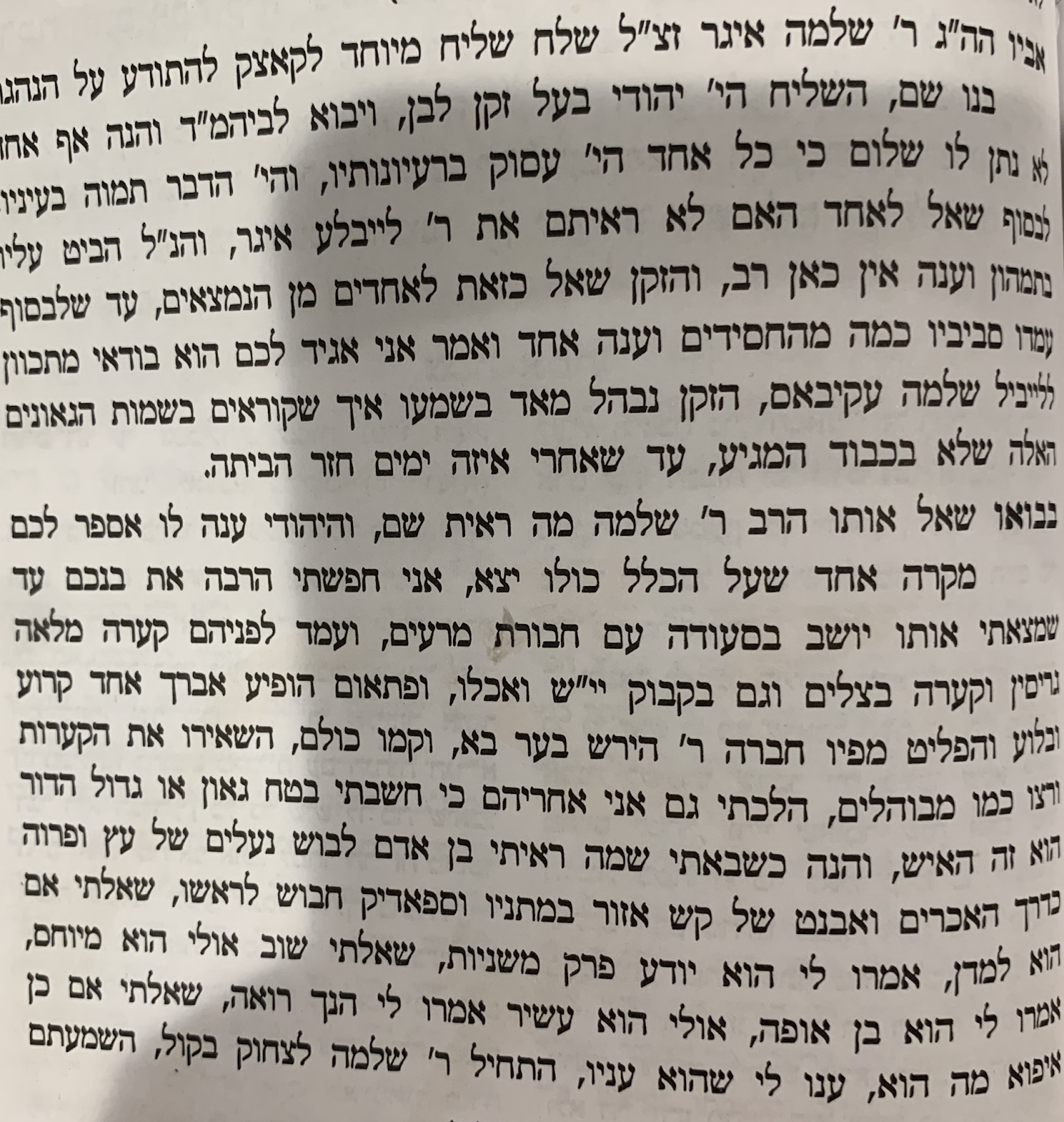
This is expressed in a story about Reb Leible Eiger. See below for the complete Hebrew text.   Reb Leible Eiger travels to Kotzk against the wishes of his grandfather, Reb Akiva Eiger, and father, Reb Shlomo Eiger.  Reb Shlomo Eiger sends a messenger to Kotzk to see what is going on in Kotzk.  The messenger sees Reb Leibele Eiger sitting at a meal with the students and someone runs in and says  Reb Hersh Ber has arrived. They all ran to greet Reb Hersh Ber.  The messinger follows expecting to see a Talmud Chocom or a distinguished person.  He sees a man dressed as a farmer without the appearance of a distinguished person.  When the messenger asks, why did everyone run to greet Reb Hersh Ber, he is told that Reb Hersh Ber is an עניו – a humble person

has nothing.  On this Reb Chenich Henoch from  Alekander responds, I say that even though he has nothing, and yet he is an  עניו – this is his great מדריגה.    Explanation – someone who is down because he has nothing is depressed.  He is not an  עניו.   I believe what Reb Henoch Chenoch was saying is that Reb Hersh Ber despite having nothing significant in this world, still embraced life, he was happy, and my guess is that his joy of life was infectious.  His being an עניו was that he embraced God, accepted his lot in life, and spread joy to everyone.   Kotzk is synonymous with learning and great Torah scholarship.  Yet Reb Hersh Ber was embraced even though he was unlearned.   Reb Hersh Ber had a strong  תוך .

I showed this to Yonatan Glenner and he answered the way most people would say that he needs to put into himself holiness, Torah, and dedication to Hashem.  You can also add  that man has the spirit of God within him as it says  וַיִּפַּ֥ח בְּאַפָּ֖יו נִשְׁמַ֣ת חַיִּ֑ים.   I do not think this is what the Kotzker means.     Man is created from lowly earth, a product that has zero value.   Man must put value into his life. Man must create a חשיבות into the vessel that was created by God from earth.  

My wife had an uncle who had a tough life.   He needed medication. He was divorced.  In the family business, he was given no responsibility and was ignored.  He lived a life of solitude.  How did he create a  תוך? His son in law spoke at the first year Yahrzeit Kiddush that,”my father-in-law was an honored person, why? because his daughter honored him.”  This said it all, by his daughter getting involved in her father’s life towards the end and showing him honor made her father a man of respect.  

In 1998 I was unhappy at work and interviewed at another bank.  I was offered a job.  I decided not to take the job because I was told that I would not have control over my position.   The person offering me the job had wealth.  About 15 years later lost everything.   I also had a boss who also lost close to $20 million.  How do you live with yourself?  My boss does not have a family and has no one. He has to somehow create a   תוך.     The person offering me the job in 1998 has a son in law who is a big Talmud Chachum and has a beautiful family.  This person through his family has a תוך , something he can be proud of, a sense of accomplishment and wake up every morning with a zest for life.  I do not know if he focuses on his bad decision making or if he realizes that he had to lose the money to have a great family.

It took me many years to find my personal  תוך.        

Pictures of Zedi’s mother, Chana Henya Sklar:

Selichos, Eruv Rosh Hashanah – September 18, 2020

 Kotzker Vort:

אין שׁלם כלב שבור, אין ישר כסולם עקום, ואין עקום כבּדותת יושר (גלייך ווערטל)

There is nothing whole as a broken heart, there is nothing straight than a crooked ladder, and there is nothing more crooked (deep) than a simple thought.


I attended Selichos tonight, Eruv Rosh Hashanah.   In Selicha # כט  which starts אֵל־אֱמוּנָה עֶזְרָה הָבָה it says    הַיְשַׁר לְפָנֶיךָ לֵב־עָקֹב. – “Straighten before you a crooked heart”.    I stopped as if hit by a thunderbolt.  The following Kotzker Vort popped into my mind  –

(אין שׁלם כלב שבור, אין ישר כסולם עקום, אין עקום כבּדותת יושר (גלייך ווערטל – “there is nothing whole as a broken heart, there is nothing straight than a crooked ladder, and there is nothing more crooked than a simple thought.” 

I gave this Kotzker Vort much thought.

I pictured in my mind one Eruv Rosh Hashanah morning while it was still dark, Selichos were being said in Kotzk.  The Kotzker Rebbe read the above Slicha, stopped, and became immersed in thought.   He thought to himself,  Klal Yisroel are a broken people from all their  צרות, both on personal and on communal levels.  The Kotzker Rebbe prayed – Hashem Yisborach, the Jewish people have broken hearts, there is nothing more whole than a broken heart, אין שׁלם כלב שבור , there is no need to straighten out their hearts, they are pure and holy.  Give Klal Yisroel everything they need, both spiritually and a fulfillment of their physical needs.  Give them Parnosa, let them marry off their children, free them from the heavy hand of daily living, the Poritz, the government, and having their kids being forcibly pressed into the army by the Russian government, referred to as Cantonists). 

The Kotzker perhaps at this moment or later added two more sayings that talk about  ישר and  עקום.        

 אין ישר כסולם עקום – There is nothing straight like a twisted ladder.   I speculate that it means – the ladder refers to the spiritual ladder of Yaakov on which people ascend during their lifetime to the heavens, to achieve Ruchniyos.   The lifetime striving to do the right thing to reach Hashem does not follow a straight and direct path.  It follows a jagged path, rising, falling like a crooked ladder that has twists and turns, but always moving skyward.   The crooked path is really the straight path because it cannot be done any other way.  Similar to the following chart of the stock market prices, while there are dips and valleys, the stock market trends upward. 

(אין עקום כבּדותת יושר (גלייך ווערטל –

I am not sure what the Hebrew means, but the Yiddish is that there is nothing more crooked than a simple thought, an easy piece of Torah. When a Reshon says what seemingly is a simple thought, or a one word Pshet, there are great ideas and thought hidden in the simple explanation of the Rishon. One has to dig deep to understand what the Rishon meant. I see this all the time and Boruch Hashem there are times I can burrow deep behind the one word and uncover great ideas.

Beautiful  Kotzker on the Horvanya of the Pri Megadim:


Emails to and from various Rabbis:

From: Mitchell Morgenstern <mitchellamorgenstern@gmail.com>

Date: Fri, Sep 18, 2020 at 1:27 AM

Subject: Thank You

To: Ben Sugerman , Moshe Revah

Dear Teachers:

Thank you for all the Torah you have taught me this year and every year.  Have a Kesiva V’Chasimah Tovah.  

I worked on the below Kotzker Vort.  While you can change the way I expressed my thoughts, the examples I gave, I believe they are the basic ideas of the Kotzker. At the bottom of the email I put in a magnificent Vort from the Kotzke .on the Pri Megadim and the Pri Megadim’s efforts to understand the Rashba. 

Please. please make any improvements – ideas, spelling and grammar.   Please add.  


Weinreb, Tzvi H. <execthw@ou.org>
Sep 18, 2020, 4:36 PMReply

to me

It definitely works and I like it. It called to my mind a book by the British philosopher Isaiah Berlin, “The Crooked Timber of Humanity”. It is based upon a passage in the writing of Immanuel Kant: which translates as “Out of timber so crooked as that from which man is made nothing entirely straight can be built.” The German original begins: “Aus so krummem Holze, als woraus der Mensch gemacht ist, kann nichts Gerades gezimmert werden.” Shabbat Shalom, Chag Sameach, Shana tovah. THWeinreb


From: Mitchell Morgenstern <mitchellamorgenstern@gmail.com>

Sent: Friday, September 18, 2020 5:05 PM

To: Weinreb, Tzvi H. <execthw@ou.org>

Subject: Re: Thank You

Thank you.  Does my leap to something that has twists and turns and contains a hidden/deep Peshet work?

Sent from my iPhone

On Sep 18, 2020, at 9:28 AM, Weinreb, Tzvi H. <execthw@ou.org> wrote:

 Thank you for your thoughts and good wishes. As you know the Yiddish for עקום is “kroom”.  A better English translation than “twisted” is therefore “crooked” which has the dual connotations: “bent, not straight” and “crook = criminal”! Be well and Kesiva v’chasima tovah THWeinre

Selichos – Erev Rosh Hashanah – #29:

כט. על פי א”ב. חתום אפרים בר יצחק

אֱלֹהֵֽינוּ וֵאלֹהֵי אֲבוֹתֵֽינוּ  Our God and God of our fathers!

אֵל־אֱמוּנָה עֶזְרָה הָבָה. לְעַמְּךָ כֻּלָּם הֵטִיבָה. יַחַד לַמִּשְׁפָּט נִקְרָבָה: בּוֹחֵן לִבּוֹת כֻּלָּם. מוֹשֵׁל בִּגְבוּרָתוֹ עוֹלָם. יָבִיא בַּמִּשְׁפָּט עַל־כָּל־נֶעְלָם:

Trusted God, extend help and do goodness to Your entire nation [when] they come together to be judged. [He] Who knows their innermost thoughts [and] rules the world with His might brings to judgment for everything hidden.

גָּבוֹהַּ בַּמִּשְׁפָּט הָאֵל. נִקְדַּשׁ בְּצִדְקוֹתָיו כְּהַרְרֵי־אֵל וּמִשְׁפָּטָיו עִם יִשְֹרָאֵל: 

God, Who is exalted through judgment1I.e. by bringing the evil to justice, all perceive Him ruling the world. [and] sanctified through His righteousness, [powerful] as the mighty mountains when He judges Israel.

דְּלֵה מֵעֹנֶשׁ נְשֹוּאֶיךָ. בְּחֶסֶד וֶאֱמֶת מְנַשְּׂאֶיךָ. צֶדֶק וּמִשְׁפָּט מְכוֹן כִּסְאֶךָ:

Remove retribution from those You carry,2“Those You carry,” i.e. the nation of Israel. those who exalt You with “Grace and truth.”3I.e. those who recognize God’s grace and truth. Righteousness and justice are the foundations of Your Throne.

הַיְשַׁר לְפָנֶיךָ לֵב־עָקֹב. דִּינֶךָ הָהָר יִקֹּב. מִשְׁפָּט לֵאלֹהֵי יַעֲקֹב: וְיֹשֶׁר מִדּוֹתֶיךָ נֶחֱמָדוּ. יוֹשְׁבֵי־תֵבֵל צֶדֶק לָמָדוּ. לְמִשְׁפָּטֶיךָ עָמָדוּ:

Straighten before You, a crooked heart, Your judgment bores through the mountain4I.e. nothing can stand in the way of God’s judgment.— the justice of the God of Jacob. The righteousness of Your virtues are delightful, the world’s inhabitants learned justice as they stand to be judged by You.

Miketz: December 18, 2020

Gave a Chumash Shiur on December 17, 2020 for the family via Zoom.  In attendance Karen Schwartz, Yosef Janowski, Avi Beer, Chanie Caplan, Alltie Beer, and Matt Schwartz at the end.

We are still in quarantine in Toronto.  My mother in law is coming back from Baycrest, the rehab this coming week.

Bereshis – Chapter 41- Verse:1:

וַיְהִ֕י מִקֵּ֖ץ שְׁנָתַ֣יִם יָמִ֑ים וּפַרְעֹ֣ה חֹלֵ֔ם וְהִנֵּ֖ה עֹמֵ֥ד עַל־הַיְאֹֽר׃

After two years’ time, Pharaoh dreamed that he was standing by the Nile,

Rashi:

                                                                                             ויהי מקץ. כְּתַרְגּוּמוֹ מִסּוֹף, וְכָל לְשׁוֹן קֵץ סוֹף הוּא:       

על היאר. כָּל שְׁאָר נְהָרוֹת אֵינָם קְרוּיִין יְאוֹרִים חוּץ מִנִּילוּס, מִפְּנֵי שֶׁכָּל הָאָרֶץ עֲשׂוּיִם יְאוֹרִים יְאוֹרִים בִּידֵי אָדָם וְנִילוּס עוֹלֶה בְּתוֹכָם וּמַשְׁקֶה אוֹתָם, לְפִי שֶׁאֵין גְּשָׁמִים יוֹרְדִין בְּמִצְרַיִם תָּדִיר כִּשְׁאָר אֲרָצוֹת:

Targum Onkelys –   וַהֲוָה מִסּוֹף תַּרְתֵּין שְׁנִין וּפַרְעֹה חָלֵם וְהָא קָאֵם עַל נַהֲרָא:

Targum Yonasun Ben Uziel:

ויהי וַהֲוָה מִסוֹף תַּרְתֵּין שְׁנִין עָאל דוּכְרָנָא דְיוֹסֵף קֳדָם מֵימְרָא דַיְיָ וּפַרְעה הֲוָה חָלִים וְהָא קָאִי עַל נַהֲרָא  – It was at the end of two years, that the remembrance of Joseph came before the Word of the Lord. And Pharaoh dreamed, and, behold, he stood by the river. 

Midrash 89:4

וּפַרְעֹה חֹלֵם (בראשית מא, א), וְכָל הַבְּרִיּוֹת אֵינָן חוֹלְמִין, אֶתְמְהָא, אֶלָּא חֲלוֹם שֶׁל מֶלֶךְ שֶׁל כָּל הָעוֹלָם כֻּלּוֹ הוּא.

“and Pharoah dreamt” – and do not all people dream?! Rather the dream of a king is regarding (or perhaps belonging to) the entire world.  

Questions on this Pasuk:

  1. The word וַיְהִ֕י is normally language use when the Torah is talking about troubled times.  Here Yoseph is about to be freed and go from a prisoner and slave to the Viceroy of Egypt.  The #2 man in the country and the one responsible for the entire country,  This is a time of joy.  
  2. Rashi says that  מִקֵּ֖ץ means at the end.  A) are there different translations of this word?  The Torah does not specifically say the end of what event.
  3. It says  שְׁנָתַ֣יִם יָמִ֑ים.  It means two years, why not use the words שנתים שנים?
  4. חֹלֵ֔ם עֹמֵ֥ד ,הַיְאֹֽר׃ – all are written חסר and not   מלא
  5.  הַיְאֹֽר׃ – Rashi says that this refers to the Nile.  Why not say the Nile river.  It would have said Pishon because I do not think it was called the Nile river at the time?
  6. The Ohr HaCahim asks another question.  The language of וּפַרְעֹ֣ה חֹלֵ֔ם implies that at the end of two years Pharah was already dreaming.  Proper language would be that at the end of two years, Pharaoh dreamt.   וחָלַם פרעה 

Answers:

Question #1)

The word וַיְהִ֕י is normally language used when the Torah is talking about troubled times.  Here Yoseph is about to be freed and go from prisoner and slave to the Viceroy of Egypt.  The #2 man in the country and the one responsible for the entire country,  

            The Ohr HaChaim Hakodesh has three answers: 

A)  This is the start of the exile of Egypt 

B)  The pain of the entire world that will be thrust into a severe famine for seven years     

C)  Pain of Yoseph who was imprisoned an extra two years 

Language of the Ohr HaChaim HaKadosh:

ויהי מקץ. טעם אומרו לשון צער. כי עתה יתחיל לסובב סיבת גלות מצרים. והגם שהגלות כבר נגזרה גזירתו משנים קדמוניות, הלא אמרו רבותינו כי לא נגזר שיהיה במצרים שהוא כור הברזל, וכמו שכתבו התוס’ במס’ שבת (י:) וכמו שכתב הראב”ד (פ”ו הל’ תשובה) כי המצרים הוסיפו לצער יותר ממה שאמר הכתוב ועבדום וענו וגו’:

עוד אמר לשון צער לצד בשורת רעב כי הקב”ה כביכול לו צר בצרת עולמו, וצא ולמד ממה שדרשו ז”ל (מגילה י:) בפסוק (שמות יד כ) ולא קרב זה אל זה וגו’:

עוד ירמוז לצערו של אותו צדיק שנתעכב עד ששלמו ב’ שנים אחר חלומו של שר המשקים כי אז היה לו לצאת כאומרם ז”ל (ב”ר פ’ פ”ט) וז”ל בשביל שאמר כי אם זכרתני והזכרתני ניתוספו ב’ שנים, הרי שהוסיפו לו ב’ שנים בצער, ותמצא שאמרו ז”ל (שם) ויהי מקץ קץ שם לחושך. ולפי זה יכוין על זה הדרך ויהי מסיבת קץ שהוא יצר הרע שנקרא קץ כל בשר והוא סיבה לצערו של צדיק שנתים ימים. ובזה הרווחנו גם כן תחלת זה החשבון של שנתים שהוא לחלומו של שר המשקים שהיה זמן זכירת יוסף לטובה, וטעם ב’ שנים בשביל שאמר זכרתני והזכרתני כנגד כל זכירה מנע ה’ זכרונו בראש השנה שהוא זמן הזכרון:

 Question #2)

Rashi says that  מִקֵּ֖ץ means at the end.  A) are there different translations of this word?  The Torah does not specifically say the end of what event.

Answer:    I do not fully understand the Sifsei Chachomim who says –  מקץ. פירש”י כתרגומו מסוף ופי’ כן דלא תימא מתחלה כמו מקצה שלש שנים תוציא את כל מעשר תבואתך שפי’ מתחלת שנה שלישית  . 

The Tur and the Tur HaAroch discusses the word  מקץ.    The Baal Haturim says:  

נאמר כאן מקץ ונאמר באברהם מקץ עשר שנים (לעיל טז ג) מה להלן עשר שנים אף כאן עשר שנים.  ופירוש ויהי מקץ דהיינו לסוף עשר שנים ועוד שנתיים  

 The Baal Haturim explains the Pasuk as saying that Joseph was in jail for 12 years.   It says here מקץ and it says by Avrohom in Bereshis 16:3 – “מִקֵּץ֙ עֶ֣שֶׂר שָׁנִ֔ים”,  therefore the word מקץ  means 10 years, plus another two years. Yoseph spent a total of 12 years in prison. 

For additional color see the below Tur Haruch from Sefaria.

ויהי מקץ שנתים ימים. פי’ לסוף ב’ שנים הי’ זה המעש’ שפרעה חלם ולא פי’ מתי התחילו ב’ שנים ונראה שהיה לסוף ב’ שנים מיציא’ שר המשקה מבית הסוהר שהי’ גם יוסף ראוי לצאת אלא שנתאח’ ב’ שנים על שתלה בטחונו בבשר ודם ונמצא שהי’ תפוש י”ב שנים שלא היה עבד בבית אדוניו אלא שנה דכתיב ויהי ברכת ה’ בבית ובשדה דהיינו קיץ וחורף וט’ שנים הי’ תפוש קודם לשר המשקה והאופה והיו הם תפושים עמו שנה כדכתיב ויהיו ימים במשמר פי’ שנה ואחריהם ב’ שנים אלא שקשה הא דאיתא במדרש ולכך חטאו שר המשקים והאופה כדי שידברו בסרחונם וישכחו מלדב’ ביוסף ואם לא חטאו עד ט’ שני’ אחריו א”כ הרב’ דברו בט’ שנים ואיפשר שחטאו מיד ונמשך הדבר מיום ליום שלא נתפשו עד אחר ט’ שנים ויש שסומכין אותו על הפסוק כתיב הכא מקץ וכתיב התם מקץ עשר שנים מה התם עשר אף הכא עשר:

 Question #3)

It says  שְׁנָתַ֣יִם יָמִ֑ים.  It means two years, why not use the words שנתים שנים?   I saw some Meforshim but I do not have a good answer.

 Question #4)

חֹלֵ֔ם עֹמֵ֥ד ,הַיְאֹֽר  – all are written חסר and not  מלא

I do not have a good answer for this.  Other than the real story of this Parsha is hidden.

Question #5)

 הַיְאֹֽר׃ – Rashi says that this refers to the Nile.  Why not say the Nile river.  It would have said Pishon because I do not think it was called the Nile river at the time?

Both Onkelys and Targum Yonasan Ben Uziel translate הַיְאֹֽר as river.  Do they argue on Rashi or not?  You can say they don’t because the word itself does translate in river, Rashi is using the ה – הידעה.  Even though I would think that Targum Yonasan Ben Uziel would have been more specific.

Sifsei Chacomin discusses this – כל שאר נהרות אינם קרויין יאורים חוץ מנילוס כו’. ה”פ דק”ל למה כתיב על היאור בה”א הידיעה אלא ודאי ה”פ היאור הידוע הנזכר לעיל וקאי על הד’ נהרות שכתובים בפ’ בראשית (לעיל ב יא) וא”כ למה לא כתיב בכאן נהר כמו שכתוב שם אלא ודאי אי הוה כתיב נהר לא הייתי יודע על איזה נהר קאי שד’ נהרות כתובים לעיל לכך כתיב יאור כלומר הנהר שעשוים יאורים דכל שאר נהרות אינן קרויין יאורין חוץ מנילוס כמו שמפרש ואזיל ונילוס היינו פישון הנזכר לעיל בפרשת בראשית כדפירש רש”י שם וכל שאר נהרות דנקט רש”י קאי אשאר ג’ נהרות הכתובים בבראשית:

שכל הארץ עשויין יאורים יאורים בידי אדם ונילוס עולה כו’. דקשה לו כיון דקאי אאחד מד’ נהרות         הנזכרים בבראשית למה לא הזכיר אותו בשמו המיוחד אלא לפי שעשוי יאורים יאורים על ידי בני אדם לכן        קראו בשם יאור וכל שאר נהרות אינם עשויים כן:

Question #6)

The Ohr HaCahim asks another question.  The language of וּפַרְעֹ֣ה חֹלֵ֔ם implies that at the end of two years Pharah was already dreaming.  Proper language would be that at the end of two years, Pharaoh dreamt.   וחָלַם פרעה 

The Ohr HaChaim has two answers. I love his second answer and will explain it here:

 ועוד אפשר שיכוין לומר כי שנתים ימים ופרעה חולם בתמידות חלום זה אלא שלא היה יודע שחלם ולסוף שנתים חלם ולא שכח: 

The Ohr Hachaim is saying that during the entire two years Pharaoh was dreaming the dream of the cows and grains;  however he forgot it every morning.  At the end of the two years he dreamt and did not forget.  What does the Ohr HaChaim mean?  The redemption via the dreams of Pharaoh were to happen two years earlier and already existed.  When Yoseph added the two words and Harshem delayed Joseph’s redemption for two years, Hashem did not pull the dreams  back.  They already existed in the world.   Perhaps if Yosef could have done Tshuvah his redemption would have occurred before two years.

I think the Ohr HaChaim is saying something more profound.  Pharaoh forgot not because Hashem made him forget, but because he did not care.  He was not a benevolent ruler who truly cared about the Egyptians.  He was a typical tyrannical ruler who only cared about himself, his power,  and ruled harshly, with evil.  This is why he forgot. His dreams were not able to break through from his dream state to his consciousness.  There were  undercurrents in the world from Hashem that hard times were coming and also one one of redemption.   Had he been a ruler who truly cared about his subjects, such as a Dovid Hamelech or an Abraham Lincoln, he would have plugged into the Ratzon Hashem and remembered the dream.   Perhaps, if Pharaoh remembered the dream Yoseph would have been freed earlier because he would  have been needed to save the world.  This is what the Ohr HaChaim is telling us.  There are times of tremendous change in the world, of Siattah Dismayah in the world.  The world is changing, with Hashem putting the change into the spiritual atmosphere of the world where anyone with proper spiritual sensitivity can sense and plug into the Tatzon Hashem.

There are leaders who understood the undercurrent of a changing world and took their efforts into a new direction and did great things because they were plugged into the Ratzon Hashem.  In 1967 after the six day war, there was a new dimension Hashem put into the world, it was a world of T’shuvah.   The Lubavitcher Rebbe plugged into this new feeling in the world for a return to Judaism and his efforts became supercharged.  He made this a reality.   The Rebbe started his Tefillin campaign to bring light to the world.  The Rebbe understood that putting Tefillin on Jewish men is not a small unimportant feat.  It would change the life of the person  and bring positive results to the Jewish world.  The Lubavitcher also cared about the world at large and many non-Jewish people came to him for a blessing.

The second one was Theodore Herzl.  He came from the secular side.  He saw that the Jewish people were not going to survive Europe.  He was able to plug into the Ratzon Hashem due to his desire to help his fellow Jews and be the agent of change.  He plugged into the Ratzon Hashem just like Pharaoh could have.   Theodore Herzl created the reality of a Jewish state from a dream.    He died at 44 from the strain of efforts.  Martin Brody has a beautiful essay on the repentance of Theordoe Herzl and I have spoken about the complete Tshuva of Herzl.  Both are on my website, Kotzk.com,

Chapter 41 – Verse 2:

וְהִנֵּ֣ה מִן־הַיְאֹ֗ר עֹלֹת֙ שֶׁ֣בַע פָּר֔וֹת יְפ֥וֹת מַרְאֶ֖ה וּבְרִיאֹ֣ת בָּשָׂ֑ר וַתִּרְעֶ֖ינָה בָּאָֽחוּ׃

When out of the Nile there came up seven cows, handsome and sturdy, and they grazed in the reed grass. 

יפות מראה. סִימָן הוּא לִימֵי שֹׂבַע, שֶׁהַבְּרִיּוֹת נִרְאוֹת יָפוֹת זוֹ לָזוֹ, שֶׁאֵין עֵין בְּרִיָּה צָרָה בַחֲבֶרְתָּהּ:: 

Compare this Rashi to Onkleys who say Rashi but in the last two words of the Pasuk. 

Onkelys                                :וְהָא מִן נַהֲרָא סָלְקָן שְׁבַע תּוֹרָן שַׁפִּירָן לְמֶחֱזֵי וּפַטִּימָן בְּשָׂר וְרָעְיָן בְּאַחֲוָה:

Onkelys is saying Pshat like this Medresh – 89:4 – 

 וַתִּרְעֶינָה בָּאָחוּ, אַהֲבָה וְאַחֲוָה בָּעוֹלָם, וְכֵן הוּא אוֹמֵר (ישעיה ל, כג):  יִרְעֶה מִקְנֶיךָ בַּיּוֹם הַהוּא כַּר נִרְחָב, כִּירִי עֶבֶד קִירִי אָדוֹן. וְכֵן הוּא אוֹמֵר (תהלים עב, ג): יִשְׂאוּ הָרִים שָׁלוֹם, אָמַר רַב אַחָא נָשְׂאוּ הָרִים נְשִׂיאָתָן שָׁלוֹם לָעָם.

Targum Yonasan Ben Uziel does not pick up on this concept at all.

וְהָא מִן נַהֲרָא סַלְקַן שְׁבַע תּוֹרָתֵי שַׁפִּירָן לְמֵיחֲמֵי וּפַטִימָן בִּשְרָא וְרַעֲיָין בְּגוֹי גוּמַיָא

and, behold, from the river came up seven oxen good-looking and fat-fleshed; and they grazed in the midst of the sedges.

Rashi                    (11 – באחו. בָּאֲגַם, מריש”ק בְּלַעַז, כְּמוֹ יִשְׂגֶּא אָחוּ (איוב ח

 Sefaria: IN THE REED-GRASS — in the marshy land. old French marais; English, marsh.  Similar is (Job 8:11) “Can reed-grass (אחו) grow?”

Artscroll:   In the Swamp i.e.   בָּאֲגַם – in the marshland, marese in Old French. It is like   אָחוּ in  יִשְׂגֶּא אָחוּ  in “(Would) a swamp flourish”

However Rashi seems to contradict himself from the Pasuk in Iyuv 8:11 where Rashi says –  ביצה מריש”ק בלע”ז:   The question is what is the translation of  אחו.  Here Rashi says swamp and the Ibn Ezra says it is either a valley where there is foliage or it is  a name of a specific plant. Perhaps Rashi feels that the old France word of מריש”ק is the meaning of אחו and  ביצה.       

Iyuv 8:11הֲיִֽגְאֶה־גֹּ֭מֶא בְּלֹ֣א בִצָּ֑ה יִשְׂגֶּה־אָ֥חוּ בְלִי־מָֽיִם                  ׃

Can papyrus thrive without marsh? Can rushes grow without water?

Rashi in Iyuv 8:13:

היגאה גומא. זאת יאמרו אין הגומא גדל אלא בעוד שהביצה לחה במימיה ובליחלוחיה, ביצה מריש”ק בלע”ז:

Can papyrus shoot up They will say this: Papyrus cannot grow except when the marsh is wet with its water and its moisture. בִצָה is marese in Old French, a marsh.

Ibn Ezra:   בלא בצה – כמו: ביצאותיו וגבאיו.  

אחו – ענינו צמחי אחו, כמו: ותרעינה באחו. 

Mezudas Tzion: ( אחו. שם צמח מה וכן ותרענה באחו (בראשית מא  2 

________________________________________________________________________________

Chapter 41 Verse 16:

וַיַּ֨עַן יוֹסֵ֧ף אֶת־פַּרְעֹ֛ה לֵאמֹ֖ר בִּלְעָדָ֑י אֱלֹהִ֕ים יַעֲנֶ֖ה אֶת־שְׁל֥וֹם פַּרְעֹֽה׃

Joseph answered Pharaoh, saying, “Not I! God will see (respond) to Pharaoh’s welfare.”

Both Sefaria and Artscroll translated the word ־שְׁל֥וֹם פַּרְעֹֽה׃ as the welfare of Pharah.  I believe that there are better words.   Yoseph was only asked to interpret the dream yet he said more, that upon hearing the bad news, God will additionally show Pharah a path to navigate through the bad times and will restore Pharaoh’s peace of mind, his equilibrium.  Joseph is saying that I will not only be interpreting your dream, but I will bring you solutions from God that will bring you peace of mind.  When people have a need or want advice, it is not enough to just listen and give advice, but to also embrace them and make them feel protected, that everything will be okay.  It is also emotional support.  

This is a little off topic.  When my mother moved to Lakewood, NJ in 1980 to take care of her parents, once they heard that my mother was coming, they felt better.  It was my mother’s presence that made them feel that everything will be okay. 

Allstate is the Good Hands People.  

Chapter 41 Verse 45:

וַיִּקְרָ֨א פַרְעֹ֣ה שֵׁם־יוֹסֵף֮ צָֽפְנַ֣ת פַּעְנֵחַ֒ וַיִּתֶּן־ל֣וֹ אֶת־אָֽסְנַ֗ת בַּת־פּ֥וֹטִי פֶ֛רַע כֹּהֵ֥ן אֹ֖ן לְאִשָּׁ֑ה וַיֵּצֵ֥א יוֹסֵ֖ף עַל־אֶ֥רֶץ מִצְרָֽיִם׃

Pharaoh then gave Joseph the name Zaphenath-paneah; and he gave him for a wife Asenath daughter of Poti-phera, priest of On. Thus Joseph emerged in charge of the land of Egypt.—

Targum Yonasan Ben Uziel:

וּקְרָא פַרְעה שְׁמֵיהּ דְיוֹסֵף גַבְרָא דִטְמִירָן מְפַרְסֵם וִיהַב לֵיהּ יַת אָסְנַת דִילֵידַת דִינָה לִשְׁכֶם וּרְבֵיתָה אִיתַּת פּוֹטִיפֶרַע רַבָּא דְטָנִיס לְאִינְתּוּ וּנְפַק יוֹסֵף שַׁלִיט עַל אַרְעָא דְמִצְרַיִם

And Pharaoh called the name of Joseph, The man who revealeth mysteries. And he gave him Asenath, whom Dinah had borne to Shekem, and the wife of Potiphera prince (Rabba) of Tanis had brought up, to be his wife. And Joseph went forth as ruler over the land of Mizraim.

It was very appropriate that Yoseph would marry his niece’s daughter.  Asnath’s grandmother was Leah and mother was Dinah.  She was the daughter of great people.  See my Torah on Bersehich 34:1 –  וַתֵּצֵ֤א דִינָה֙ בַּת־לֵאָ֔ה אֲשֶׁ֥ר יָלְדָ֖ה לְיַעֲקֹ֑ב לִרְא֖וֹת בִּבְנ֥וֹת הָאָֽרֶץ׃. 

Daas Zekanim:

ויתן לו את אסנת. וא”ת יוסף שהי’ מלך איך נשא בת הדיוט. ונ”ל לפי שמתחלה הי’ יוסף עבד לפוטיפר אמר בלבו אם לא אעשה רצונו לישא בתו יזלזלני וילשין אותי שהייתי עבדו אשאנה ויכבדני. ועוד י”ל שנשאה מפני שהית’ מזרע יעקב כדפי’ רש”י בפ’ וישלח דבת דינה הית’ משכם ותלה לה יעקב אבינו קמיע בצוארה והשליכה והובאה למצרים ע”י נס כדפרישית וגדלה פוטיפר בביתו ולכך נקראת על שמו כמו שמצינו גבי משה רבינו ע”ה אלה בני בתיה וגו’. וכשעבר יוסף בכל ארץ מצרים יצאו כל הנשים לראות יפיו של יוסף כדכתיב בנות צעדה עלי שור וכל אחת זורקת לו חפץ או תכשיט וזו לא היה לה מה לזרוק וזרקה לו הקמיע שהיה בצוארה ועיין בו וראה שהיא מזרעו של יעקב ונשאה:

Sferno:

ויצא יוסף על ארץ מצרים יצא מלפני פרעה באופן מורה שהיה שליט על כל ארץ מצרים

, Yoseph  walked away from Pharaoh  in a bearing of royalty which indicated that he was now the ruler

 over the whole nation

Yospeh walked away from Pharaoh in a manner that he was ruler of the entire nation of Egypt.  The Sferno is saying Joseph’s entire bearing changed, he looked regal.   Took on the persona of  someone who was incharge.  It showed on his face, in his mannerisms, how he spoke, and in every action he took.

Chapter 41: Verse 47:

וַתַּ֣עַשׂ הָאָ֔רֶץ בְּשֶׁ֖בַע שְׁנֵ֣י הַשָּׂבָ֑ע לִקְמָצִֽים׃-During the seven years of plenty, the land produced in abundance.

Look at Rashi and Onkelys.  This is very confusing and I could not understand the Pasuk.

Chapter 41: Verse 51

וַיִּקְרָ֥א יוֹסֵ֛ף אֶת־שֵׁ֥ם הַבְּכ֖וֹר מְנַשֶּׁ֑ה כִּֽי־נַשַּׁ֤נִי אֱלֹהִים֙ אֶת־כָּל־עֲמָלִ֔י וְאֵ֖ת כָּל־בֵּ֥ית אָבִֽי׃

Joseph named the first-born Manasseh, meaning, “God has made me forget completely my hardship and my parental home.”

What is the Pshat in this name?

Chapter 41: Verse 55

וַתִּרְעַב֙ כָּל־אֶ֣רֶץ מִצְרַ֔יִם וַיִּצְעַ֥ק הָעָ֛ם אֶל־פַּרְעֹ֖ה לַלָּ֑חֶם וַיֹּ֨אמֶר פַּרְעֹ֤ה לְכָל־מִצְרַ֙יִם֙ לְכ֣וּ אֶל־יוֹסֵ֔ף אֲשֶׁר־יֹאמַ֥ר לָכֶ֖ם תַּעֲשֽׂוּ׃

And when all the land of Egypt felt the hunger, the people cried out to Pharaoh for bread; and Pharaoh said to all the Egyptians, “Go to Jo-seph; whatever he tells you, you shall do.”—

ותרעב כל ארץ מצרים AND THE LAND OF EGYPT WAS FAMISHED — for all the grain they had stored up rotted except that of Joseph (cf. Genesis Rabbah 91:5).   He asked them “Why did you yourselves not lay up corn? Did he not publicly announce that years of famine were coming?” They answered him, “We gathered in much, but it has rotted”. He said to them, “If this be so — what he saith to you, do. See, he laid a decree upon the produce and it rotted; what will happen if he lays a decree upon us that we should die!” (cf. Genesis Rabbah 91:5)

Pharaoh was duplicitous.  He could have told Joseph not require circumcision.  He included himself with the common man and said  that Joseph is a demon, a Rasputin.  Yoseph can control nature and I, the mighty Sungod, is powerless.  Pharaoh knew that this is rubbish.  He wanted to find a scapegoat and someone to blame when the people were suffering. This is the first case of setting up a scapegoat if things go bad.   This is the first instance of anti-Semitism where the Jew is viewed as controlling the world, even nature itself.

Chapter 41, Verse 21:

וַיֹּאמְר֞וּ אִ֣ישׁ אֶל־אָחִ֗יו אֲבָל֮ אֲשֵׁמִ֣ים ׀ אֲנַחְנוּ֮ עַל־אָחִינוּ֒ אֲשֶׁ֨ר רָאִ֜ינוּ צָרַ֥ת נַפְשׁ֛וֹ בְּהִתְחַֽנְנ֥וֹ אֵלֵ֖ינוּ וְלֹ֣א שָׁמָ֑עְנוּ עַל־כֵּן֙ בָּ֣אָה אֵלֵ֔ינוּ הַצָּרָ֖ה הַזֹּֽאת׃

They said to one another, “Alas, we are being punished on account of our brother, because we looked on at his anguish, yet paid no heed as he pleaded with us. That is why this distress has come upon us.”

Fascinating Ohr HaChaim:

ויאמרו וגו’ אבל. תיבת אבל אין לה משמעות כאן. והמתרגם אמר בקושטא. וגם עליה דן אנכי למה הוצרכו לומר בקושטא. עוד למה האריכו לשון לומר אשר ראינו וגו’ ולא אמרו סתם, ועוד היה להם לומר אשר מכרנוהו שהוא תכלית העון.

ואולי שנתכוונו לומר להיות שצדדו בטעם צרה זו אם הוא בשביל מכר יוסף ודחו טעם זה כפי מה שכתבתי למעלה (ל”ז כ’) שכפי הדין דנוהו להריגה ואם כן המכר שעשו לו הוא אדרבה מדת החסד, ואם על שגרמו צרת אביהם אדרבה דבר זה יוסיף לו מכאוב ולא יעשה ה’ יסורי עון צער אביהם בדבר שיגדל עוד צער על צערו, ואשר על כן לא מצאו עון ואמרו אבל אשמים וגו’ אשר ראינו וגו’ פי’ שעל כל פנים היה להם לרחם עליו בראות אחיהם מתחנן על סכנת נפשו ונתאכזרו עליו ודבר זה מגונה לצדיקים לעשותו על כן באה וגו’:

Ohr HaChaim 37:20

ועתה לכו וגו’. פי’ לכו שקודם שיגיע הוא אצלם הם ילכו לקראתו, ולזה דקדק לומר ועתה באותו עת עצמו לכו. וטעמם לצד הזריזות והמהירות אשר לא יכלו לסבול עד שיגיע אליהם. ולזה תמצא שלא עכבו בהגיעו אצלם אלא תיכף ומיד כאשר בא עשו מה שעשו, ואומרם ונהרגהו על דרך אומרם ז”ל (ב”ק כו.) עשרה בני אדם שהרגו אדם אחד אם כולם יחד פטורים. לזה נתחכמו ואמרו ונהרגהו יחד שבזה יהיו פטורים מדיני אדם:

ואומרו ונשליכהו וגו’ ואמרנו פירוש שכשנשליכהו בבורות מן הסתם חולדה וברדלס המצויים בבורות יאכלוהו ובזה נוכל לומר חיה רעה אכלתהו לא שיאמרו חיה רעה הרגתהו ובזה אין מוציאין מפיהם דבר שקר: 

ואם תאמר על מי סמכו שבטי יה להרוג את הנפש ומה גם נפש צדיק אחיהם, והגם שיעצו להרוג אותו בדרך שאינם חייבין כמו שכתבנו אף על פי כן אינן פטורים מדיני שמים וה’ יבוא במשפט:

אולי שהאחים דנו בו דין עד זומם כי מצינו שהוא הביא דבתם רעה אל אביהם ואמר דברים שיתחייבו מיתה על עדותו, ההוא אמר שאכלו אבר מן החי, ההוא אמר שהם בעלי עריות, ועל כל אחת מהם בני נח מתחייבים מיתה, ובן נח נהרג על פי עד אחד בלא עדים ובלא התראה ועל עדות הקרובים ג”כ (רמב”ם הל’ מלכים פ”ט) אשר על כן דנו בו משפט עד זומם ופטורים הם מדיני שמים. אלא דלצד דיני אדם אינם פטורים כי אין להם הזמה לזה נתחכמו להמיתו כולן יחד שבזה אין חיוב לכולן כמו שכתבנו, אבל לדין השמים הם פטורים מטעם שידעו נאמנה כי הוא ביקש להורגם, וכל זה הוא סיבת הסיבות לעשות ה’ אשר זמם, ואולי שרמזו בדבריהם שיעשו תשובה לבסוף ואין לך דבר שעומד בפני התשובה, והוא אומרו ועתה ואמרו ז”ל (ב”ר פ’ כ”א) ואין ועתה אלא תשובה וזה דרך דרש: 

Parshas VaYetza 2020

November 28, 2020

Week of Thanksgiving.  We had our Thanksgiving dinner at Eli’s condo in Lakeview.  I spent Shabbos in Lakeview and davened at Anshe Sholem at their 7:45 AM minyan.  At 10:40 I went to Chabad of East Lakeview to teach Torah.

Parshas VaYetza

Chapter 29 verses 16 -31

Outline of my Torah – Everything in red is my flow of the Torah.  Everything else is additional beautiful Torah for more depth.  

  1. Verse 16 and 17 – two problems with Leah being the older sister
  2. Leah’s soft eyes
  3. Leah’s payer not to marry Eisav and God’s acceptance of her prayers
  4. Verse 21 – Yaakov’s extra words of  כִּ֥י מָלְא֖וּ יָמָ֑י based on Rashi’s intepertation
  5. Verse 22 – Medrash of conversation between Lavan and his community.
  6. Verse 31 – Did Lavan hate Leah or was it more benign.  Ramban and Medrash

Verse 16:

וּלְלָבָ֖ן שְׁתֵּ֣י בָנ֑וֹת שֵׁ֤ם הַגְּדֹלָה֙ לֵאָ֔ה וְשֵׁ֥ם הַקְּטַנָּ֖ה רָחֵֽל׃

Now Laban had two daughters; the name of the older one was Leah, and the name of the younger was Rachel.

My Torah:

The Torah is foreshadowing the problem.  Yaakov already met Rochal and felt that she was his Zivig – his soulmate.  However, there is a problem.  Rochel had an older sister.  Many people do not want a younger sister to marry before an older sister.  They  did not have to deal with this now because Leah had seven years to get married.  

There is a second problem brought out by the next Pasuk and also resolved.  Leah was “destined” to marry Eisav, however, she prayed to Hashem for her not to marry Eisav.  As the Rov wrote that Leah would not accept her fate of marrying an evil man.  Hashem answered her prayers and she was to marry Yaakov and not only that she would marry Yaakov before Rachel.  Based on  the Medresh this was a problem for Leah but for Yaakov and Rochel.  How can they let their sister marry an evil man.   This problem was resolved by Leah’s prayers and Hashem’s response.      

Verse 17:

וְעֵינֵ֥י לֵאָ֖ה רַכּ֑וֹת וְרָחֵל֙ הָֽיְתָ֔ה יְפַת־תֹּ֖אַר וִיפַ֥ת מַרְאֶֽה     

Rashi:

רכות  — She thought she would have to fall to the lot of Esau and she therefore wept continually, because everyone said, “Rebekah has two sons, Laban has two daughters — the elder daughter for the elder son, the younger daughter for the younger son” (Genesis Rabbah 70:16) .  I would say that according to Rashi the translation would be teary.  She was always crying.  Rashi does not bring down the second half of the Medresh.The Midrash says that this pasuk is speaking about her praise.  She did not want to marry Eisav as she knew he was evil.  She prayed to Hashem and was answered and not only did she marry Yaakov, but she preceded her sister.   

Rashi is based on the following Midrash Rabbah 70:16:

עֵינֵי לֵאָה רַכּוֹת (בראשית כט, יז), אֲמוֹרָאִי דְּרַבִּי יוֹחָנָן תִּרְגֵּם קוֹדְמוֹי וְעֵינֵי לֵאָה הֲווֹ רַכִּיכִין, אֲמַר לֵיהּ עֵינוֹהִי דְּאִמָּךְ הֲווֹ רַכִּיכִין, וּמַהוּ רַכּוֹת, רַכּוֹת מִבִּכְיָה, שֶׁהָיוּ אוֹמְרִים כָּךְ הָיוּ הַתְּנָאִים,וְ הַגְּדוֹלָה לַגָּדוֹל וְהַקְּטַנָּה לַקָּטָן, וְהָיְתָה בּוֹכָה וְאוֹמֶרֶת יְהִי רָצוֹן שֶׁלֹא אֶפֹּל בְּגוֹרָלוֹ שֶׁל רָשָׁע. אָמַר רַב הוּנָא קָשָׁה הִיא הַתְּפִלָּה שֶׁבִּטְלָה אֶת הַגְּזֵרָה, וְלֹא עוֹד אֶלָּא שֶׁקָּדְמָה לַאֲחוֹתָה,

Matnas Chuna – תְּנָאִים means agreemnt between Levan and Rivka. 

 Razv –  people thought that this was destined from Hashem .

If I were to translate רַכּ֑וֹת   I would say soft.  Soft eyes on a woman are beautiful.  It means she has empathy, she is welcoming, non-judgmental.  To quote William Shakespeare    The Eyes are a window to your soul. 

This is how Onkelyes and the Rashbam translate  רַכּ֑וֹת – 

Rashbam:

רכות – נאות וור”ש בלע”ז. וכלה שעיניה נאות אין כל גופה צריך בדיקה. ועיניים שחורות אינן רכות כלבנות..]

רכות – רכות, beautiful; our sages in Taanit 24 say that when a prospective bride has beautiful eyes, the bridegroom need not have the rest of her body checked out for possible blemishes. Black eyes are not considered as beautiful as white ones. [I suppose the reference is to blue ones. Ed.]

It is interesting that the Rashbam in the Gemara on 123A translates  רכות ממש – עיניה נוטפות דמעה:   Like Rashi here in Chumash.

Artscroll and Lubavitch Gutnick- Leah had tender eyes , while Rachel was beautiful of form and beautiful of appearance.  I do not know what “tender” means.

Sefaria -Leah had weak eyes; Rachel was shapely and beautiful.

Ohr  Chaim:

עיני לאה רכות וגו’. אין ראוי לספר הכתוב גנאי הצדקת אם הבנים שבטי יה ח”ו אלא נתכוין להודיע שאין מציאות ללבן להחליפם כי משונית היתה לאה מרחל, כי לאה מלבד שלא היתה יפיפיה אלא שעוד לה שעיניה רכות והוא ענף מכיעור הגוף, ורחל לא מלבד שלא היה בה כיעור אלא שהיתה יפת תואר ויפת מראה, ומעתה הרי ננעלו בפני לבן אופן הרמאות ובטלו רמאותיו:

ועיני לאה רכות, Leah’s eyes were soft, etc. It is not customary for the Torah to reveal physical blemishes of such righteous people as our matriarchs. Therefore, the meaning of this comment must be to tell the reader that Laban could never have claimed that Rachel was Leah or vice versa because even their eyes were totally different. Leah was not only not as beautiful as her sister Rachel, but she suffered from a blemish, i.e her eyes were not attractive. Since Leah and Rachel were so different from one another in their external appearance Laban had no way of cheating on Jacob by palming off the wrong daughter on him

Daas Zekeinim:

ועיני לאה רכות. לשון רך וטוב כלומר שהיתה נראית יפה מתוך שהיו עיניה יפות ונראית רכה וילדה אבל רחל היתה משובחת ביפיה אלא שהיו עיניה כואבות מן הבכי לפי שראתה שתפול לגורלו של עשו לפי שהיתה עקרה ויגרשנה יעקב וישאנה עשו:

Bartenura:

ועיני לאה רכות שהיתה סבורה לעלות בגורלו של עשו וכו’ קשה מנא לו. י”ל לפי שדרך המקרא לספר בשבחן של צדיקים ולא בגנותן ותמיד תמצא שהכתו’ אומ’ שהאמהות יפות תואר ולא נכתב כאן עיני לאה רכות אלא לשבחה שהיתה סבורה לעלות בגורלו של עשו והיינו שכתו’ למעלה שם הגדולה כלומ’ שמתוך שהיא היתה הגדולה לכך היו עיניה רכות שהיו הכל אומרים גדולה לגדול:

Verse 18

וַיֶּאֱהַ֥ב יַעֲקֹ֖ב אֶת־רָחֵ֑ל וַיֹּ֗אמֶר אֶֽעֱבָדְךָ֙ שֶׁ֣בַע שָׁנִ֔ים בְּרָחֵ֥ל בִּתְּךָ֖ הַקְּטַנָּֽה׃           

Jacob loved Rachel; so he answered, “I will serve you seven years for your younger daughter Rachel.”

Verse 19:

וַיֹּ֣אמֶר לָבָ֗ן ט֚וֹב תִּתִּ֣י אֹתָ֣הּ לָ֔ךְ מִתִּתִּ֥י אֹתָ֖הּ לְאִ֣ישׁ אַחֵ֑ר שְׁבָ֖ה עִמָּדִֽי׃

Laban said, “Better that I give her to you than that I should give her to an outsider. Stay with me.”

Notice – Lavan does not bring up the problem of their being an older unmarried sister.  

Ohr Chaim:

ויאהב יעקב את רחל. פי’ לא לצד יופיה אלא לצד מה שרחל בת זוגו:

ויאהב יעקב את רחל. Jacob loved Rachel. The reason the Torah mentions her name again is to tell us that Jacob did not love Rachel on account of her beauty but on account of the fact that she was the life-partner destined for him.

או יאמר על דרך אומרם ז”ל (שבת כה:) בדין זיווג תלמיד חכם שצריך שתהיה לו אשה נאה כנגד יצר הרע, והגם כי ישתנה יעקב למעליותא שמושלל מיצר הרע, עם כל זה התורה תלמד לאדם דעת:

Alternatively, we may approach the verse by citing Shabbat 25 where we are told that a Torah scholar should have an outwardly attractive wife so as to minimise temptations by the evil urge. Even though Jacob was on a spiritually far higher level and did not present much of a target for the evil urge, it is prudent to take whatever precautions against the evil urge that are feasible.

Verse 20:

וַיַּעֲבֹ֧ד יַעֲקֹ֛ב בְּרָחֵ֖ל שֶׁ֣בַע שָׁנִ֑ים וַיִּהְי֤וּ בְעֵינָיו֙ כְּיָמִ֣ים אֲחָדִ֔ים בְּאַהֲבָת֖וֹ אֹתָֽהּ׃

So Jacob served seven years for Rachel and they seemed to him but a few days because of his love for her.

Medresh:

 אָמַר רַבִּי חֲנִינָא בַּר פָּזִי, נֶאֱמַר כָּאן אֲחָדִים (בראשית כז, מד): וְיָשַׁבְתָּ עִמּוֹ יָמִים אֲחָדִים, וְנֶאֱמַר לְהַלָּן אֲחָדִים, מַה כָּאן שֶׁבַע שָׁנִים אַף לְהַלָּן שֶׁבַע שָׁנִים.

Orach Chaim HaKodesh:

ויעבוד יעקב ברחל וגו’. טעם אומרו ברחל פירוש היה מפרסם בשעת עבודה כי בעד רחל היה עובד והיא לו חלף עבודתו מלבן, גם מפרסם לשלול לאה לבל ישכח הדבר ותהיה כפירה בינו ובינו:

ויעבד יעקב ברחל, Jacob served for Rachel, etc. The reason the Torah mentions ברחל is that Jacob made a public announcement at the time that his service with Laban was for Rachel and that her hand in marriage was the wages Laban had agreed to pay him in return for his service. A major reason he made this public pronouncement was to make it clear that he did not serve for Leah.

Verse 21:

וַיֹּ֨אמֶר יַעֲקֹ֤ב אֶל־לָבָן֙ הָבָ֣ה אֶת־אִשְׁתִּ֔י כִּ֥י מָלְא֖וּ יָמָ֑י וְאָב֖וֹאָה אֵלֶֽיהָ׃

Then Jacob said to Laban, “Give me my wife, for my time is fulfilled, that I may cohabit with her.”

Onkelys, Targum Yonashan Ben Uziel and Rasham all say that I worked my seven years and fulfilled my agreement.   

                                                                                                         כי מלאו ימי – שבע שנים עבדתיך.

These words are extra because the previous verse says that Yaakov worked his seven yours. The simple answer is that the Torah is recording Yakov’s words to Lavan.  

 However, Rashi does not give the simple explanation.  Rashi says –  מלאו ימי. שֶׁאָמְרָה לִי אִמִּי

Yakov is telling Levan, not only did I fulfil my agreement with you to work for seven years, but my mother told me that I will be with you for יָמִים אֲחָדִים, and now I want to go back to your sister, Rivka.  Yakov was thinking that this is a benign statement and that Levan would agree and say, great go back to your mother, my sister.  Thank you for the loyal seven years of work.   However, instead Levan who was out for himself  did not say sure, no problem, Lavan 

 was worried about what it would mean to him and his city as the below Medresh states.  Levan schemed to get Yaakov to stay longer for personal benefit, not what would be for the benefit of Yaakov and Levan’s own sister.

We always meet people at work and even Jewish leaders who will always look out what is best for them.  At work, if someone left us and went for a better job at another bank, or a customer who left us, many of my bosses would be upset and not cooperate with the customer.  They would say about the employee who left, let us work against him.  Never mind that the employee had to leave for their own future or the customer had a much better deal.  I say this time and time again.

Text to Rabbi Moshe Revach:

In the Haskafah part of the Shiur this morning, I want to relate what was said to my Torah.   Yaakov added the extra words of Ki Malu Yami that he is telling Laban he is returning home and as a result Lavan  plotted. It is not that Yaakov could have prevented it but perhaps him marrying Leah would not have done through deception. 

I still think this is a great lesson for life that Chazal has said.  Be brief and to the point.  Every extra word you say can have far reaching effects.

This kind of fits in with a later Ohr Hachaim.

Rabbi Revah’s answer:

Nice. Maskim.

Verse 22:

 – וַיֶּאֱסֹ֥ף לָבָ֛ן אֶת־כָּל־אַנְשֵׁ֥י הַמָּק֖וֹם וַיַּ֥עַשׂ מִשְׁתֶּֽה׃ –  And Laban gathered all the people of the place and made a feast.

וַיֶּאֱסֹף לָבָן אֶת כָּל אַנְשֵׁי הַמָּקוֹם וַיַּעַשׂ מִשְׁתֶּה (בראשית כט, כב), כִּנֵּס כָּל אַנְשֵׁי מְקוֹמוֹ, אָמַר לָהֶם יוֹדְעִים אַתֶּם שֶׁהָיִינוּ דְחוּקִים לְמַיִם וְכֵיוָן שֶׁבָּא הַצַּדִּיק הַזֶּה לְכָאן נִתְבָּרְכוּ הַמַּיִם, אֲמַרִין לֵיהּ וּמָה אַהֲנֵי לָךְ, אֲמַר לְהוֹן אִין בָּעֲיִין אַתּוּן אֲנָא מְרַמֵּי בֵיהּ, וְיָהֵב לֵיהּ לֵאָה דְּהוּא רְחִים לַהֲדָא רָחֵל סַגִּי, וְהוּא עָבֵד הָכָא גַּבְּכוֹן שִׁבְעָה שְׁנִין אוֹחֳרִין. אֲמַרִין לֵיהּ עֲבֵיד מַה דַּהֲנֵי לָךְ. אֲמַר לְהוֹן הָבוּ לִי מַשְׁכּוֹן דְּלֵית חַד מִנְּכוֹן מְפַרְסֵם, וְיַהֲבוּן לֵיהּ מַשְׁכּוֹנִין, וַאֲזַל וְאַיְתֵי עֲלֵיהוֹן חֲמַר מְשַׁח וְקוֹפָר, הֱוֵי לָמָּה נִקְרָא שְׁמוֹ לָבָן הָאֲרַמִּי שֶׁרִמָּה בְּאַנְשֵׁי מְקוֹמוֹ. וְכוּלֵּי יוֹמָא הֲווֹ מְכַלְּלִין בֵּיהּ וְכֵיוָן דְּעָל בְּרַמְשָׁא אֲמַר לְהוֹן מָה הוּא כְּדֵין, אֲמַרִין לֵיהּ אַתְּ גָּמַלְתְּ חֶסֶד בִּזְכוּתָךְ, וְהָיוּ מְקַלְּסִין קוֹדְמוֹי וְאָמְרִין הָא לַיָא הָא לַיָא, הִיא לֵאָה הִיא לֵאָה. בְּרַמְשָׁא אֲתוֹן מַעֲלָתָא וַחֲפוֹן בּוֹצִינַיָא. אָמַר לָהֶן מַהוּ כְּדֵין, אָמְרֵי לֵיהּ מָה אַתְּ סָבוּר דַּאֲנַן דִּכְרִין דִּכְוַתְכוֹן. וְכָל הַהוּא לֵילְיָא הֲוָה צָוַח לָהּ רָחֵל, וְהִיא עָנְיָא לֵיהּ. בְּצַפְרָא וְהִנֵּה הִיא לֵאָה, אָמַר לָהּ מָה רַמָּיְתָא בַּת רַמָּאָה, לָאו בְּלֵילְיָא הֲוָה קָרֵינָא רָחֵל וְאַתְּ עֲנֵית לִי. אָמְרָה לֵיהּ אִית סַפָּר דְּלֵית לֵיהּ תַּלְמִידִים, לֹא כָךְ הָיָה צוֹוֵחַ לָךְ אֲבוּךְ, עֵשָׂו, וְאַתְּ עָנֵי לֵיהּ. וַיֹּאמֶר אֶל לָבָן מַה זֹּאת עָשִׂיתָ לִי וגו’, וַיֹּאמֶר לָבָן לֹא יֵעָשֶׂה כֵן וגו’, מַלֵּא שְׁבֻעַ זֹאת וגו’. אָמַר רַבִּי יַעֲקֹב בַּר אַחָא מִכָּאן שֶׁאֵין מְעָרְבִין שִׂמְחָה בְּשִׂמְחָה, אֶלָּא מַלֵּא שְׁבֻעַ זֹאת וגו’.

Verse 23:

וַיְהִ֣י בָעֶ֔רֶב וַיִּקַּח֙ אֶת־לֵאָ֣ה בִתּ֔וֹ וַיָּבֵ֥א אֹתָ֖הּ אֵלָ֑יו וַיָּבֹ֖א אֵלֶֽיהָ׃

When evening came, he took his daughter Leah and brought her to him; and he cohabited with her.—

וַיִּתֵּ֤ן לָבָן֙ לָ֔הּ אֶת־זִלְפָּ֖ה שִׁפְחָת֑וֹ לְלֵאָ֥ה בִתּ֖וֹ שִׁפְחָֽה׃

Laban had given his maidservant Zilpah to his daughter Leah as her maid.—

וַיְהִ֣י בַבֹּ֔קֶר וְהִנֵּה־הִ֖וא לֵאָ֑ה וַיֹּ֣אמֶר אֶל־לָבָ֗ן מַה־זֹּאת֙ עָשִׂ֣יתָ לִּ֔י הֲלֹ֤א בְרָחֵל֙ עָבַ֣דְתִּי עִמָּ֔ךְ וְלָ֖מָּה רִמִּיתָֽנִי׃

When morning came, there was Leah! So he said to Laban, “What is this you have done to me? I was in your service for Rachel! Why did you deceive me?”

וַיֹּ֣אמֶר לָבָ֔ן לֹא־יֵעָשֶׂ֥ה כֵ֖ן בִּמְקוֹמֵ֑נוּ לָתֵ֥ת הַצְּעִירָ֖ה לִפְנֵ֥י הַבְּכִירָֽה׃

Laban said, “It is not the practice in our place to marry off the younger before the older.

Verse 27:

מַלֵּ֖א שְׁבֻ֣עַ זֹ֑את וְנִתְּנָ֨ה לְךָ֜ גַּם־אֶת־זֹ֗את בַּעֲבֹדָה֙ אֲשֶׁ֣ר תַּעֲבֹ֣ד עִמָּדִ֔י ע֖וֹד שֶֽׁבַע־שָׁנִ֥ים אֲחֵרֽוֹת׃

Wait until the bridal week of this one is over and we will give you that one too, provided you serve me another seven years.”

וַיַּ֤עַשׂ יַעֲקֹב֙ כֵּ֔ן וַיְמַלֵּ֖א שְׁבֻ֣עַ זֹ֑את וַיִּתֶּן־ל֛וֹ אֶת־רָחֵ֥ל בִּתּ֖וֹ ל֥וֹ לְאִשָּֽׁה׃

Jacob did so; he waited out the bridal week of the one, and then he gave him his daughter Rachel as wife.—

וַיִּתֵּ֤ן לָבָן֙ לְרָחֵ֣ל בִּתּ֔וֹ אֶת־בִּלְהָ֖ה שִׁפְחָת֑וֹ לָ֖הּ לְשִׁפְחָֽה׃

Laban had given his maidservant Bilhah to his daughter Rachel as her maid.—

Verse 30:

וַיָּבֹא֙ גַּ֣ם אֶל־רָחֵ֔ל וַיֶּאֱהַ֥ב גַּֽם־אֶת־רָחֵ֖ל מִלֵּאָ֑ה וַיַּעֲבֹ֣ד עִמּ֔וֹ ע֖וֹד שֶֽׁבַע־שָׁנִ֥ים אֲחֵרֽוֹת׃

And Jacob cohabited with Rachel also; indeed, he loved Rachel more than Leah. And he served him another seven years.

Medresh:

וַיָּבֹא גַּם אֶל רָחֵל וַיֶּאֱהַב גַּם אֶת רָחֵל מִלֵּאָה וגו’ (בראשית כט, ל), אָמַר רַבִּי יְהוּדָה בַּר סִימוֹן בְּנֹהַג שֶׁבָּעוֹלָם פּוֹעֵל עוֹשֶׂה מְלָאכָה עִם בַּעַל הַבַּיִת שְׁתַּיִם וְשָׁלשׁ שָׁעוֹת בֶּאֱמוּנָה וּבַסּוֹף הוּא מִתְעַצֵּל בִּמְלַאכְתּוֹ, בְּרַם הָכָא מָה הָרִאשׁוֹנוֹת שְׁלֵמוֹת אַף הָאַחֲרוֹנוֹת שְׁלֵמוֹת, מַה הָרִאשׁוֹנוֹת בֶּאֱמוּנָה אַף הָאַחֲרוֹנוֹת בֶּאֱמוּנָה. אָמַר רַבִּי יוֹחָנָן כְּתִיב (הושע יב, יג): וַיִּבְרַח יַעֲקֹב שְׂדֵה אֲרָם וַיַּעֲבֹד יִשְׂרָאֵל בְּאִשָּׁה וגו’, אָמַר לָהֶם דֻּגְמָא שֶׁלָּכֶם דּוֹמָה לְיַעֲקֹב אֲבִיכֶם, מַה יַּעֲקֹב אֲבִיכֶם עַד שֶׁלֹא נָשָׂא אִשָּׁה נִשְׁתַּעְבֵּד, מִשֶּׁנָּשָׂא אִשָּׁה נִשְׁתַּעְבֵּד, אַף אַתֶּם מִשֶּׁלֹא נוֹלַד גּוֹאֵל נִשְׁתַּעְבַּדְתֶּם, מִשֶּׁנּוֹלַד גּוֹאֵל אַתֶּם מִשְׁתַּעְבְּדִים.

Verse 31:

וַיַּ֤רְא יְהוָה֙ כִּֽי־שְׂנוּאָ֣ה לֵאָ֔ה וַיִּפְתַּ֖ח אֶת־רַחְמָ֑הּ וְרָחֵ֖ל עֲקָרָֽה׃

The LORD saw that Leah was unloved and he opened her womb; but Rachel was barren.

Ramban:

כי שנואה לאה הנה לאה רמתה באחותה גם ביעקב כי אם נאמר שנהגה כבוד באביה שאחז בה והכניסה אליו ואל תמר בו היה לה להגיד או לרמוז כי היא לאה אף כי היתה מתנכרת כל הלילה ולפיכך לא הכירה עד שראה אותה בבקר ולכן שנאה יעקב והאלהים יודע כי להנשא אל הצדיק עשתה כן ורחם עליה וכך אמרו בבראשית רבה (עא ב) כיון שראה יעקב מעשים שרמתה לאה באחותה נתן דעתו לגרשה וכיון שפקדה הקב”ה בבנים אמר לאמן של אלו אני מגרש וזה טעם “וירא אלהים” כי חמל עליה שלא יעזבנה ויש אומרים (הרד”ק) כי שתים נשים שהאחת אהובה מאד תקרא השניה שנואה כנגדה כמו שאמר ויאהב גם את רחל מלאה לא ששנאה והיתה בושה בדבר וראה אלהים את עניה:

That Leah was hated: Behold Leah tricked her sister and also Yaakov. For if we say that she was behaving respectfully to her father who grabbed her and brought her into him and she must not cross him, then she should have said or hinted that she was Leah. Rather, she disguised herself all night and therefore, he did not recognize her until he saw her in the morning. And therefore, Yaakov hated her. But God knows that she did it in order to be married to a righteous man, and He had mercy on her. And thus they said in Bereishit Rabba (71:2) “When Yaakov saw the actions that Leah tricked her sister he intended to divorce her. And when God gave her children, he said ‘shall I divorce the mother of these?'”And this is the reason “God saw” that He had pity on her that he should not leave her. And there are those who say (the Radak) that two wives were one is very beloved, the second is called “hated.” As it says, ” he loved Rachel more than Leah”–not that he hated her. And it was embarrassing and God saw her oppression.

Hemek Daver:

וירא ה׳ כי שנואה לאה. הוא ית׳ ראה כי התנהגותו עמה הוא מחמת שנאה ממש אע״ג שמ״מ נוהג עמה דיני אישות:

Sferno:

כי שנואה לאה – שהכיר בה אחר כך סימני עקרה כאמרו ויפתח את רחמה וחשב שבשביל זה הסכימה להטעותו:      

, because after his first meeting with her Yaakov recognised that Leah bore the symptoms of a woman who is unable to have children, Yaakov had thought that the reason Leah had been willing to deceive him was because of her awareness of her barrenness.

ורחל עקרה היתה עקרה כטבעה ונשארה כך עד שהאל יתב’ פתח את רחמה:

She remained in such a state until G’d took pity on her and opened her womb.

Medresh:

וַיַּרְא ה’ כִּי שְׂנוּאָה לֵאָה וגו’ (בראשית כט, לא), (תהלים סט, לד): כִּי שֹׁמֵעַ אֶל אֶבְיוֹנִים ה’ וְאֶת אֲסִירָיו לֹא בָזָה, אָמַר רַבִּי בִּנְיָמִין בֶּן לֵוִי לֹא רֹאשׁוֹ שֶׁל פָּסוּק הַזֶּה סוֹפוֹ וְלֹא סוֹפוֹ רֹאשׁוֹ, לֹא הָיָה צָרִיךְ קְרָא לְמֵימַר אֶלָּא כִּי שׁוֹמֵעַ אֶל אֶבְיוֹנִים וְאֶת אֲסִירִים לֹא בָזָה, אוֹ כִּי שׁוֹמֵעַ אֶל אֶבְיוֹנָיו ה’ וְאֶת אֲסִירָיו וגו’, אֶלָּא כִּי שֹׁמֵעַ אֶל אֶבְיוֹנִים ה’, אֵלּוּ יִשְׂרָאֵל, דְּאָמַר רַבִּי יוֹחָנָן בְּכָל מָקוֹם שֶׁנֶּאֱמַר דַּל עָנִי וְאֶבְיוֹן, בְּיִשְׂרָאֵל הַכָּתוּב מְדַבֵּר, וְאֶת אֲסִירָיו לֹא בָזָה, אֵלּוּ הָעֲקָרוֹת שֶׁהֵן אֲסוּרוֹת בְּתוֹךְ בָּתֵּיהֶן וַעֲלוּבוֹת, וְכֵיוָן שֶׁהַקָּדוֹשׁ בָּרוּךְ הוּא פּוֹקְדָן בְּבָנִים הֵן נִזְקָפוֹת. תֵּדַע לְךָ שֶׁכֵּן לֵאָה שְׂנוּאַת הַבַּיִת הָיְתָה, וְכֵיוָן שֶׁפְּקָדָהּ הַקָּדוֹשׁ בָּרוּךְ הוּא נִזְקָפָה, הֲדָא הוּא דִכְתִיב: וַיַּרְא ה’ כִּי שְׂנוּאָה 

דָּבָר אַחֵר (תהלים קמה, יד): סוֹמֵךְ ה’ לְכָל הַנֹּפְלִים, אֵלּוּ הָעֲקָרוֹת, שֶׁהֵם נוֹפְלִין בְּתוֹךְ בָּתֵּיהֶם. (תהלים קמה, יד): וְזוֹקֵף לְכָל הַכְּפוּפִים, כֵּיוָן שֶׁהַקָּדוֹשׁ בָּרוּךְ הוּא פּוֹקְדָן בְּבָנִים הֵן נִזְקָפוֹת. תֵּדַע לְךָ שֶׁכֵּן לֵאָה שְׂנוּאַת הַבַּיִת הָיְתָה וְכֵיוָן שֶׁפְּקָדָהּ הַקָּדוֹשׁ בָּרוּךְ הוּא נִזְקָפָה, הֲדָא הוּא דִכְתִיב: וַיַּרְא ה’ כִּי שְׂנוּאָה לֵאָה, 

Another answer: (op. cit. 145) “God supports all those who have fallen” – these are the barren, whose [status] have “fallen” within their households. And “straightens the bent” – when the Holy One, Blessed be He rewards them with children, they straighten up [in joy.] Similarly, Leah was hated by her household, and when the Holy One, Blessed be He visited her [and gave her pregnancy], she was straightened.

כִּי שְׂנוּאָה לֵאָה שֶׁעָשְׂתָה כְּמַעֲשֵׂה הַשְֹּׂנוּאִים, שֶׁהָיְתָה אוֹמֶרֶת לְהִנָּשֵׂא לַשֹּׂוֹנֵא [נסח אחר: שהיתה אמורה לשונא], שֶׁכָּךְ הָיוּ הַתְּנָאִים שֶׁיְּהֵא גָדוֹל נוֹשֵׂא לַגְּדוֹלָה וְהַקָּטָן נוֹשֵׂא לַקְּטַנָּה, וְהָיְתָה בּוֹכָה וְאוֹמֶרֶת יְהִי רָצוֹן שֶׁלֹא אֶפֹּל בְּחֶלְקוֹ שֶׁל רָשָׁע. אָמַר רַב הוּנָא קָשָׁה הִיא הַתְּפִלָּה שֶׁבִּטְלָה אֶת הַגְּזֵרָה, וְלֹא עוֹד אֶלָּא שֶׁקָדְמָה לַאֲחוֹתָהּ, וְהָיוּ הַכֹּל סוֹנְטִין בָּהּ, מְפָרְשֵׁי יַמִּים הָיוּ סוֹנְטִין בָּהּ, מְהַלְּכֵי דְרָכִים הָיוּ סוֹנְטִין בָּהּ, אַף הַגִּתִּיּוֹת מֵאֲחוֹרֵי הַקּוּרִים הָיוּ סוֹנְטִין בָּהּ וְהָיוּ אוֹמְרִים לֵאָה זוֹ אֵין סִתְרָהּ כְּגִלּוּיָהּ, נִרְאָה צַדֶּקֶת וְאֵינָהּ צַדֶּקֶת, אִלּוּ הָיְתָה צַדֶּקֶת לֹא הָיְתָה מְרַמָּה בַּאֲחוֹתָהּ.

.

That is the same concept by “And God saw that Leah was hated” – “that Leah was hated” – that she behaved in the manner of the “hated”, since she was supposed to marry “the hater” [, Esav] (other mss. read “Assessed by the hater”) since that was the custom, the firstborn [Esav] marry the firstborn [Esav] and the younger one [Ya’akov] marry the younger one [Rachel]. Therefore Leah cried and said: “May it be your will, God, that I do not become the possession of an evildoer.” R’ Huna said: Davening is a strong force, that it annulled the decree, and not only that, but that it made her come before her sister [for marriage. Because of this] everyone would mock her: The unemployed people mocked her, the travelers mocked her, and even the ladies behind their backs mocked her, saying, “This Leah, her inside is not like her outside; she appears righteous but is not really righteous. For if she were righteous she would not have cheated her sister [and would have let her marry first.]

 רַבִּי חָנִין בְּשֵׁם רַבִּי שְׁמוּאֵל בַּר רַבִּי יִצְחָק אָמַר, כֵּיוָן שֶׁרָאָה אָבִינוּ יַעֲקֹב מַעֲשִׂים שֶׁרִמָּה לֵאָה בַּאֲחוֹתָהּ, נָתַן דַּעְתּוֹ לְגָרְשָׁהּ, וְכֵיוָן שֶׁפְּקָדָהּ הַקָּדוֹשׁ בָּרוּךְ הוּא בְּבָנִים, אָמַר לְאִמָּן שֶׁל אֵלּוּ אֲנִי מְגָרֵשׁ, וּבַסּוֹף הוּא מוֹדֶה עַל הַדָּבָר, הֲדָא הוּא דִכְתִיב (בראשית מז, לא): וַיִּשְׁתַּחוּ יִשְׂרָאֵל עַל רֹאשׁ הַמִּטָּה, מִי הָיָה רֹאשׁ מִטָּתוֹ שֶׁל אָבִינוּ יַעֲקֹב לֹא לֵאָה.

 Rabbi Chanin in the name of Rabbi Shmuel son of Rabbi Yitzchak said: When Yaakov our Forefather saw matters, that Leah had “cheated” her sister, he made up his mind to divorce her, but when she was blessed with children, he said: “To the mother of these I am divorcing?” And in the end he admitted he was wrong, and that is the meaning of the verse: (Genesis 47) “And Yisrael [Yaakov] bowed low at the head of the bed,” [and head of the bed is a euphemism for Leah, as she was the first one of his conjugal bed.] “And Rachel was barren,” said Rabbi Yitzchak, Rachel was the main part of the household, as it says

 וְרָחֵל עֲקָרָה, אָמַר רַבִּי יִצְחָק, רָחֵל הָיְתָה עִקָּרוֹ שֶׁל בַּיִת, כְּמָה שֶׁנֶּאֱמַר: וְרָחֵל עֲקָרָה, עִקָּרָה רָחֵל. אָמַר רַבִּי אַבָּא בַּר כַּהֲנָא רֹב מְסֻבִּין עִקָּר שֶׁל לֵאָה הָיוּ, לְפִיכָךְ עוֹשִׂים רָחֵל עִקָּר, וְרָחֵל עֲקָרָה, רָחֵל הָיְתָה עִקָּרוֹ שֶׁל בַּיִת. תָּנֵי רַבִּי שִׁמְעוֹן בֶּן יוֹחָאי, לְפִי שֶׁכָּל הַדְּבָרִים תְּלוּיִין בְּרָחֵל, לְפִיכָךְ נִקְרְאוּ יִשְׂרָאֵל עַל שְׁמָהּ (ירמיה לא, טו): רָחֵל מְבַכָּה עַל בָּנֶיהָ. וְלֹא סוֹף דָּבָר לִשְׁמָהּ, אֶלָּא לְשֵׁם בְּנָה (עמוס ה, טו): אוּלַי יֶחֱנַן ה’ צְבָאוֹת שְׁאֵרִית יוֹסֵף. וְלֹא סוֹף דָּבָר לְשֵׁם בְּנָהּ, אֶלָּא לְשֵׁם בֶּן בְּנָהּ, שֶׁנֶּאֱמַר (ירמיה לא, יט): הֲבֵן יַקִּיר לִי אֶפְרַיִם

, “And Rachel was barren (akarah)” – It’s main part (ikrah) was Rachel. Said Rabbi Abba son of Cahana, since most of the diners [at Ya’akov’s table] were Leah’s [progeny, as a courtesy] they named Rachel as the main part, as it says, “And Rachel was barren (akarah)” – It’s main part (ikrah) was Rachel. Rabbi Shimon bar Yochai said: Since all these matters [i.e. helping Leah cheat the system] were done by Rachel, therefore the Children of Israel were called by her name, (Jeremiah 31): “Rachel cries for her children,” and there was no end to her name, as her children’s names lived on, as it says in (Amos 5): “Perhaps the Lord of Hosts will have compassion on the remnant of Joseph [a son of Rachel]” – now her son’s name was recalled. And her son’s name did not die out either, as it says (Jeremiah 31) “How precious is my son Ephraim [, Joseph’s son and Rachel’s grandson.”

Verse 32:

וַתַּ֤הַר לֵאָה֙ וַתֵּ֣לֶד בֵּ֔ן וַתִּקְרָ֥א שְׁמ֖וֹ רְאוּבֵ֑ן כִּ֣י אָֽמְרָ֗ה כִּֽי־רָאָ֤ה יְהוָה֙ בְּעָנְיִ֔י כִּ֥י עַתָּ֖ה יֶאֱהָבַ֥נִי אִישִֽׁי׃

Leah conceived and bore a son, and named him Reuben; for she declared, “It

Friday November 6, 2020: Torah on Parshas VaYera

This Torah is written in Bubbi Blanche’s Apartment for a Refuah Shelaima for Bubbi – Blima Bas Zelda Baila.

Vort #1)  The story of Avrohom continues.  At the beginning of the Parsha it was three days after the circumcision and God came to visit Avrohom.   Three days earlier God changed Avrohom’s and Sarah’s names.  To Avrohom God added a “hey” and to Sarah he removed a “Yud” and replaced it with a “Hey”.

Both new names tell us a change in both of them.  They will become or maybe they already have become world figures, meaning that their influence will be felt over the entire world.  Avrohom will be the Av – father of the entire world and Sarah will be the princess over the entire world.   It seems that names have an influence on someone’s life.  By the Bris Ben HaBisarim, on the Pasuk Bereshis 15:5 Rashi says that based on astrology – nature Avrom cannot have kids, but Avrohom will be able to have kids.  God directs Avrohom to name his future son “Yitzchok”, and previously Hagar to name her kid “Yishmael” so we see that names are significant.  Avrrohom called Yishmael by the name God had instructed Hagar.  This shows Avrohom being intertwined with God.  It is as if he instinctively knew God’s thoughts.  

Vort #2)    Verse 18:2 – 

וַיִּשָּׂ֤א עֵינָיו֙ וַיַּ֔רְא וְהִנֵּה֙ שְׁלֹשָׁ֣ה אֲנָשִׁ֔ים נִצָּבִ֖ים עָלָ֑יו וַיַּ֗רְא וַיָּ֤רָץ לִקְרָאתָם֙ מִפֶּ֣תַח הָאֹ֔הֶל וַיִּשְׁתַּ֖חוּ אָֽרְצָה׃

Translation of Sefaria:  Looking up, he saw three men standing near him. As soon as he saw them, he ran from the entrance of the tent to greet them and, bowing to the ground

Translation of Artscroll:  He lifted his eyes and saw: And behold three men were standing before him.  He saw, and he ran toward them from the entrance of the tent, and bowed toward the ground. 

Translation is important and reading words properly are important.  The Torah uses the word   וְהִנֵּה֙ – and behold.  Sefaria ignores the   וְהִנֵּה֙ and also ignores the second  וַיַּ֗רְא.

I believe even Artscoll who acknowledges the word וְהִנֵּה֙ and translates it “behold” cannot convey the full meaning of the word וְהִנֵּה֙ – this word animates the scene.

The Torah uses the word וְהִנֵּה֙ .    This word paints the scene for us, we can feel what Avrohom felt, and not only that we can picture ourselves in the tent with Avrohom.  Picture the scene – Avrohom was looking out and saw nothing.  All of a sudden it seems out of nowhere, three men appear.  An excitement flows through his body, joy spreads through him, which calls Avrohom to action.  We all have had this experience.  Looking up and unexpectedly seeing a relative, a friend, and we are full of emotion.  

Rashi – נצבים עליו. לְפָנָיו, אֲבָל לָשׁוֹן נְקִיָּה הוּא כְּלַפֵּי הַמַּלְאָכִים:

Rashi uses the word נְקִיָּה.  Artscoll does say clean but adds i.e. respectful. Sefaria is similar and translates Rashi as, “ this is a more fitting expression to use of angels.”    However, the word in the Rashi is נְקִיָּה and not  כבוד.   I think that Rashi is telling us something more, two possible explanations.

1)  When we show proper respect and use proper speech, we are clean, we are uplifted.  We become a better person, someone more refined.`

2)  When we speak properly towards Hashem and his representatives in this world we bring God down into this world, we bring Holiness into this world.       I believe that Rashi can also be expanded to include when we glorify Hashen, we bring holiness into our world.

This I believe is what the Kotzker meant when he said, my job is to bring God into this world, perhaps based on this Rashi.

I have to look up the Kotzher for the exact words that were used.  

Vort 3)  Chapter 18 Verse 10:

There is a difference between Rashi and Orach Chaim HaKodeh how to translate the pronouns of וְה֥וּא אַחֲרָֽיו in the following Verse”

                               וַיֹּ֗אמֶר שׁ֣וֹב אָשׁ֤וּב אֵלֶ֙יךָ֙ כָּעֵ֣ת חַיָּ֔ה וְהִנֵּה־בֵ֖ן לְשָׂרָ֣ה אִשְׁתֶּ֑ךָ וְשָׂרָ֥ה שֹׁמַ֛עַת פֶּ֥תַח הָאֹ֖הֶל וְה֥וּא אַחֲרָֽיו

Then one said, “I will return to you next year, and your wife Sarah shall have a son!” Sarah was listening at the entrance of the tent, which was behind him.

Rashi translates וְה֥וּא אַחֲרָֽיו  like the above which is both like Sefaria and Artscroll as follows:

                                                                                                           והוא אחריו. הַפֶּתַח הָיָה אַחַר הַמַּלְאָךְ:  

The Orach Chaim HaKodesh translates    והוא אחריו slightly differently, as follows:

ושרה שומעת מודיע הכתוב כי הבשורה לשרה בשרו כמאמר ה’ בשליחות, והוא אומרו ושרה שומעת וגו‘ והוא המבשר אחריו. וראיתי במדרש כי אף על פי כן נתיסר המלאך על אשר לא דבר הבשורה מפיו אליה ודבר לאברהם, והמלאכים יענשו על השוגג ועל שנוי כל שהוא:

Orach Chaim – And he (the angel) was behind the tent.

Rashi:              And the tent was behind him (the angel.)

 The question is does it make a difference whether we translate as Rashi or as the Orach Chaim?  Perhaps not, but there is a major question, the words of  והוא אחריו are completely extra.  The Posuk said that she was listening, so what do these two words add?

I do not have an answer for this question.

Vort 4)  This was sent out in an email  on November 7, 2020:

Guten Motzei Shabbos.  I offer this Torah in honor and memory of our two great leaders who passed away this weekend.  Rabbi Dovid Feinstien and Rabbi Jonathan Sacks.  I am listening to Rabbi Shlomo Calrbach’s Selichos, Ashrei and Kadish.  Beautiful.

Over Shabbos I asked a question on Pasuk 18:10 on the needs for two words of   והוא אחריו 

וַיֹּ֗אמֶר שׁ֣וֹב אָשׁ֤וּב אֵלֶ֙יךָ֙ כָּעֵ֣ת חַיָּ֔ה וְהִנֵּה־בֵ֖ן לְשָׂרָ֣ה אִשְׁתֶּ֑ךָ וְשָׂרָ֥ה שֹׁמַ֛עַת פֶּ֥תַח הָאֹ֖הֶל וְה֥וּא אַחֲרָֽיו׃

Then one said, “I will return to you next year, and your wife Sarah shall have a son!” Sarah was listening at the entrance of the tent, which was behind him.

There is a major question, the words of  והוא אחריו are completely extra.  Thee Posuk said that she was listening, so what do these two words add.

We can perhaps answer based on a  beautiful Orach Chaim translated as follows:

ושרה שומעת מודיע הכתוב כי הבשורה לשרה בשרו כמאמר ה’ בשליחות, והוא אומרו ושרה שומעת וגו‘ והוא המבשר אחריו. וראיתי במדרש כי אף על פי כן נתיסר המלאך על אשר לא דבר הבשורה מפיו אליה ודבר לאברהם, והמלאכים יענשו על השוגג ועל שנוי כל שהוא:

“And Sarah was listening” –  the Pasuk is telling us that  the news (of the impending birth) was delivered as Hashem wanted, and that is why the Verse says, “she was listening at the entrance of the tent and he was beyond her,” meaning  the angel made his announcement in close proximity to her so she can hear.  This is the first half of the Orach Chaim. 

But it is still difficult because the Torah said that she was listening, so why does it say “he was behind her”.

The Orach Chaim Hakodesh continues and brings in a Medresh.

 וראיתי במדרש כי אף על פי כן נתיסר המלאך על אשר לא דבר הבשורה מפיו אליה ודבר לאברהם, והמלאכים יענשו על השוגג ועל שנוי כל שהוא

Translated as –  (Although the commandment of Hashem was delivered)  the angels were punished for not delivering  the news directly to her, but through speaking to Avrohom.  Angels are punished even for unintentional errors and for even the slightest deviation from what they were sent to do.  (Artscroll).    Meaning the commandment from Hashem was to speak to her directly and they did not do this.

What happened because of their slight deviation and what was the punishment?

I propose as follows:

In verse 18:9 the angels asked where is Sarah?  Meaning they wanted to fulfil their mission of delivering the impending birth to Sarah directly.  Avrohom tersely says, she is in the tent.  Meaning there is no need for her to come out, she can hear from the tent.  The angels should have responded, we need her to come out because our mission is to deliver this message of  great news, directly to her, however, words fail them.  This is like you are in a meeting with your boss about something important and  your boss says something that is a roadblock, and you do not get your way.    Words fail you and afterwards you kick yourself that you did not respond properly and you could have responded property to deflect the roadblock and possibly gotten your way.   This happened to me plenty of times when I was presenting in front of loan committee at the bank.

Verse 10 continues and says that they fulfilled their mission by telling Avrohom the news, with Sarah listening.   The Torah tells us    וְה֥וּא אַחֲרָֽיו.    These words are extra to convey that the angel did not fulfill his mission properly because he was behind her, he did not deliver the news directly to her.   

What happened as a result? Verses 11, 12, and 13.  Sarah laughed in derision.  Had he told her directly she would have seen the intensity in his and the other angels eyes, their body language, their Godliness, and would have been overjoyed and it would have been a different laughter, just like Avrohom’s laughter in Verse 17:17.  In Kotzk, Torah had to be given over in the presence of the Rebbe and student.  That is why they never committed Torah to writing.

This is the result of not listening and fulfilling Hashem’s instructions 100%,  even this slight deviation caused Sarah to say something improper and to be embarrassed.  

Perhaps you can say that this is their  punishment of their actions.  They assumed that Sarah would be happy and even if she reacted as she did,  they did not think it would be an issue.  She was a very righteous person, full of charity,  and one misplaced emotion would not be an issue, and would not be brought up to her to embarrass her.  However, it did cause embarrassment and they were the cause of Sarah’s embarrassment.  Imagine if one of us unintentionally caused problems and embarrassment for someone, we would have a week of sleepless nights.   There are plenty of Midrashim that speak of the  emotions of angels.   Especially the angel here who is one of the big four.   

This is what the Orach Chaim HaKodesh means to convey and what the words of  והוא אחריו  tell us.  

Vort 5)   Another lesson from the Torah that when you have great news as Avromon did about having a son and he could have told Sarah, Hashem still  wanted to be the one to deliver the joyous news.  Tell great news directly, not through a third party for obvious reasons.   The joy is magnified.   

Vort 6)   Chapter 18 Verse 9:

 וַיֹּאמְר֣וּ אֵׄלָׄ֔יׄוׄ אַיֵּ֖ה שָׂרָ֣ה אִשְׁתֶּ֑ךָ וַיֹּ֖אמֶר הִנֵּ֥ה בָאֹֽהֶל׃

When does is use the word to refer to Sarah’s tent as בָאֹֽהֶל and not  אֹ֖הֱלָה   as in 18:6 וַיְמַהֵ֧ר אַבְרָהָ֛ם הָאֹ֖הֱלָה אֶל־שָׂרָ֑ה .  .  . 

Vort 7)  Chapter 18 Verse 10:

 וַיֹּ֗אמֶר שׁ֣וֹב אָשׁ֤וּב אֵלֶ֙יךָ֙ כָּעֵ֣ת חַיָּ֔ה וְהִנֵּה־בֵ֖ן לְשָׂרָ֣ה אִשְׁתֶּ֑ךָ וְשָׂרָ֥ה שֹׁמַ֛עַת פֶּ֥תַח הָאֹ֖הֶל וְה֥וּא אַחֲרָֽיו׃ 

  Why did the Torah describe Sarah’s tent as being behind them.  It was a separate tent.  Verse 18:6 seems to imply that Sarah has a separate tent, but this and the previous Verse may seem to suggest that it was one tent, with dividers.  Either way this is not a relevant point and off subject.

Vort 8)   Chapter 18 Verses 13, 14, and 15:

וַיֹּ֥אמֶר יְהוָ֖ה אֶל־אַבְרָהָ֑ם לָ֣מָּה זֶּה֩ צָחֲקָ֨ה שָׂרָ֜ה לֵאמֹ֗ר הַאַ֥ף אֻמְנָ֛ם אֵלֵ֖ד וַאֲנִ֥י זָקַֽנְתִּי׃

הֲיִפָּלֵ֥א מֵיְהוָ֖ה דָּבָ֑ר לַמּוֹעֵ֞ד אָשׁ֥וּב אֵלֶ֛יךָ כָּעֵ֥ת חַיָּ֖ה וּלְשָׂרָ֥ה בֵֽן׃

וַתְּכַחֵ֨שׁ שָׂרָ֧ה ׀ לֵאמֹ֛ר לֹ֥א צָחַ֖קְתִּי כִּ֣י ׀ יָרֵ֑אָה וַיֹּ֥אמֶר ׀ לֹ֖א כִּ֥י צָחָֽקְתְּ׃ 

  1.  Why ambush Sarah?  She was a righteous woman and even if she slipped up here, her emotions got the better of her.  Why call her out?   
  2. God is the one who told Avrohom that Sarah laughed?  They were having a meal and God tells Avrohom, your wife laughed?  Seems odd.  
  3. Rashi said that Hashem changed the words of Sarah from “my husband is old” to “I am  old”.  However, Sarah effectively said that she is old in Verse 12  וַתִּצְחַ֥ק שָׂרָ֖ה בְּקִרְבָּ֣הּ לֵאמֹ֑ר אַחֲרֵ֤י בְלֹתִי֙ הָֽיְתָה־לִּ֣י עֶדְנָ֔ה וַֽאדֹנִ֖י זָקֵֽן׃ .   Say it was an omission, not a change of words.  Technically yes, but in verse 12  she meant that I am old. Verse 11 basically said the same thing as a narrator.  וְאַבְרָהָ֤ם וְשָׂרָה֙ זְקֵנִ֔ים בָּאִ֖ים בַּיָּמִ֑ים חָדַל֙ לִהְי֣וֹת לְשָׂרָ֔ה אֹ֖רַח כַּנָּשִֽׁים׃.

Shabbos Teshuva – Parshas HaaZinu

The Torah in Breshis 37:29 – וַיִּשְׁמַ֣ע רְאוּבֵ֔ן וַיַּצִּלֵ֖הוּ מִיָּדָ֑ם וַיֹּ֕אמֶר לֹ֥א נַכֶּ֖נּוּ נָֽפֶשׁ׃  .  The Midrash says on this Pasuk:

 אָמַר לוֹ הַקָּדוֹשׁ בָּרוּךְ הוּא מֵעוֹלָם לֹא חָטָא אָדָם לְפָנַי וְעָשָׂה תְּשׁוּבָה, וְאַתָּה פָּתַחְתָּ בִּתְשׁוּבָה תְּחִלָּה, חַיֶּיךָ שֶׁבֶּן בִּנְךָ עוֹמֵד וּפוֹתֵחַ בִּתְשׁוּבָה תְּחִלָּה, וְאֵיזֶה זֶה הוֹשֵׁעַ, שֶׁנֶּאֱמַר (הושע יד, ב): שׁוּבָה יִשְׂרָאֵל עַד ה’ אֱלֹהֶיךָ.

Hashem said , “there has never been a time ever when a man sin before me and did teshuva. you were the first one to do teshuva. I swear that your son will stand and open the way to teshuva. And this was Hosea who said “return Israel unto Hashem, your Gd”. 

The question is obvious, didn’t אָדָ֗ם and קַ֥יִן who lived well before Ruvain repent.  The Sefer Kol Simcha, the Torah of the Rebi Reb Simcha of Peryshischa,  explains that the Medresh means that Ruvain did Teshuvah even though he did not sin.  Ruvain did not sin when Joseph was sold, yet he repented. Just the opposite, Ruvain wanted to save Joseph and return Joseph to their father. 

The Pilaver answers that the the Rebi, Reb Bunim means that  Ruvain was מֵחָדָשׁ (initiated) a new form of repentance.  Even if your intent is good, as long as your ultimate goal and the goodness  you wanted to result did not come to fruition, in a certain sense you failed and Teshuva is needed.   When Ruvain saw that his ultimate goal will not happen and that Joseph will not be reunited with their father, when he  saw that Joseph was not in the pit, he  tore his clothes.  As verse 37:29 says  וַיָּ֤שָׁב רְאוּבֵן֙ אֶל־הַבּ֔וֹר וְהִנֵּ֥ה אֵין־יוֹסֵ֖ף בַּבּ֑וֹר וַיִּקְרַ֖ע אֶת־בְּגָדָֽיו׃ .becuase his ultimate goal was not fulfilled and he felt that he failed, therefore Ruvain repented.

Similarly Ruvain’s descendant opened a new path in Teshuva. What was  הושע ‘s new path of Tshuva?   Teshuva is re-connecting to God.   Teshuva is not just חרטת חטאים, regretting sins as הושע said כִּ֥י כָשַׁ֖לְתָּ בַּעֲוֺנֶֽךָ׃.  The Pilaver says 

 כי הושע פּתח פּתח חדשׁ

לתשׁובה עמוקה ,ולימד לשוב בּהודיה על חלק הטוב  – שלא יופסק מאתנו לעולם להתקשר בחלק שבלב מקדושתו יתבּרך  

Translated as follows:   הושע opened up a new path for Tshuva that is profound.  Hosea taught us to reconnect with thanks to Hashem on the טוב, the goodness that is contained with each of us.  That goodness in our soul is never severed from us and we are always attached to the portion in our hearts that is directly from Hashem.  That goodness is our Godly soul.   

Therefore every year on Rosh Hashanah the Jewish people’s inner connection to Hashem is awakened through the blowing of the Shofer when we renew God’s Kingship. (There is no mention on Rosh Hashana of asking forgiveness of our sins.  This is because we want to feel a closeness to God first, and once we are tightly bound to God, we ask for forgiveness of our sins on Yom Kippur.)  

As it says in Pslams 89:16  אַשְׁרֵ֣י הָ֭עָם יוֹדְעֵ֣י תְרוּעָ֑ה יְ֝הוָ֗ה בְּֽאוֹר־פָּנֶ֥יךָ יְהַלֵּכֽוּן׃.   First we reconnect to God with the sounds of the Shofer and then we walk in the light of Your presence.   (This may  even occur before we ask forgiveness for our sins or it may mean once we reunite, God will easily forgive our sins.      הושע referenced this idea in 14:3 when he says in the below Pasuk וְקַח־ט֔וֹב –

קְח֤וּ עִמָּכֶם֙ דְּבָרִ֔ים וְשׁ֖וּבוּ אֶל־יְהוָ֑ה אִמְר֣וּ אֵלָ֗יו כָּל־תִּשָּׂ֤א עָוֺן֙ וְקַח־ט֔וֹב וּֽנְשַׁלְּמָ֥ה פָרִ֖ים שְׂפָתֵֽינוּ׃

This attachment was worked on by our Holy forefathers that this world never be severed from the influences of “good”.  Like it is referenced in Hosea 12:13 –     וַיִּבְרַ֥ח יַעֲקֹ֖ב שְׂדֵ֣ה אֲרָ֑ם וַיַּעֲבֹ֤ד יִשְׂרָאֵל֙ בְּאִשָּׁ֔ה וּבְאִשָּׁ֖ה שָׁמָֽר׃

Then Jacob had to flee to the land of Aram; There Israel served for a wife, For a wife he had to guard [sheep].

Just like Yaakov first married Rachel and then he worked seven years.  He was bound to Rachel, to her goodness  and then he was he worked for seven years.  This is the way of service to God.  

Hosea Verse 14:3 says  קְח֤וּ עִמָּכֶם֙ דְּבָרִ֔ים וְשׁ֖וּבוּ אֶל־יְהוָ֑ה אִמְר֣וּ אֵלָ֗יו כָּל־תִּשָּׂ֤א עָוֺן֙ וְקַח־ט֔וֹב וּֽנְשַׁלְּמָ֥ה פָרִ֖ים שְׂפָתֵֽינוּ׃

 Say to Him: “Forgive all guilt And accept what is good; Instead of bulls we will pay [The offering of] our lips.

This means that this is the “good, to give thanks  to God that our inner attachment has never been broken by Hashem, because through this good we reattach ourselves to our source (God).

This is also referenced in the above Pasek when it says  כָּל־תִּשָּׂ֤א עָוֺן֙ – anyone who is has sinned take the goodness that is inside you and reconnent.    It does not say    .  כל עון תשׂא – all sins forgive, that Heshem should forgive all sins.   Similarly in Devorim Rabah 8:1 by Kayan  –   אָמַר לְפָנָיו רִבּוֹנוֹ שֶׁל עוֹלָם כָּל הָעוֹלָם אַתָּה סוֹבֵל וְלַעֲוֹנִי אִי אַתָּה סוֹבֵל.  It is not the sins that God has patience for but for the sinner himself who gets closer to God.  

This is because when God constricted himself in creation, it was for the enabling for God’s Holiness to have a place in this world, buried within us in    הסתר, also the השפּעה העליונה.  And therefore once we are close to God, Hashem has to bear our sins.        

Shabbos Parshas Chukas – Balak July 4, 2020

July 4, 2020 – 12 Tammuz 

Parshas Chukas – Balak:

Summer Heat

Dvar Torah – Mei Merivah – Waters of Strife

+ + + + + + + + + + + + + + + + + + + + + + + + + + + + + + + + + + + + + 

Summer Heat:

This Shabbos Hashem brought the heat.  It was hot.  We walked to Rivkie and Mordy’s house where I sat on their patio for 2 hours and worked on my Dvar Torah.

Dvar Torah – Mei Merivah – Waters of Strife

I looked over my notes on Chukkas and expanded on it this year.  The following is my explanation of the Mei Merivah of Moshe hitting the rock and losing his right to go into Israel.  

The following two questions have always plagued me.


  •  How were the Jews allowed to go into Israel when the children seemingly were the same as their parents. The generation of the desert died in the desert because they challenged God and were not allowed to go in,    They also said why did you take us out of Egypt.  


  • What was exactly Moshe’s sin?


To answer the two above questions, let us understand the sequence of Verses and how to interpret them.

Summary of my answer and more fully explained afterwards:

  1. 38 years pass
  2. No water, thirst
  3. The people need water and ask in a harsh way
  4. They called the desert a wretched place, with no crops.
  5. They were rejecting their parents’ lives.  They wanted what God wanted for their parents  38 years ago.  
  6. They rejected the completely spiritual lifestyle
  7. Moshe misinterprets this and thinks they are no different than their fathers and perhaps would not be allowed to go into Israel.
  8. Moshe is angry because he wrongly believes his teachings for the past for 38 years is a complete failure.  
  9. God sets up a scenario that will almost certainly fail because as we know by the burning bush and Eldad and Medad that Moshe will not go into Israel.
  10.  God gives Moshe seemingly conflicting instructions.
  11. There were 600,000 people  packed before the rock breathing down Moshe’s neck.
  12. Moshe loses his Ruach Hakodesh and does not know where the rock to give forth water is located.
  13. God switches the rock around and puts the correct one in front of Moshe.  Moshe and the people fail to recognize the switch happening under their eyes.
  14. The last two words in this Parsha  was that Hashem was sanctified.

Explanation following the Verses:

Chapter 20 – Verse 1:

וַיָּבֹ֣אוּ בְנֵֽי־יִ֠שְׂרָאֵל כָּל־הָ֨עֵדָ֤ה מִדְבַּר־צִן֙ בַּחֹ֣דֶשׁ הָֽרִאשׁ֔וֹן וַיֵּ֥שֶׁב הָעָ֖ם בְּקָדֵ֑שׁ וַתָּ֤מָת שָׁם֙ מִרְיָ֔ם וַתִּקָּבֵ֖ר שָֽׁם׃

The Israelites, the entire assembly,  arrived at the wilderness of Zin on the first new moon, and the people stayed at Kadesh. Miriam died there and was buried there.

Rashi says:   כל העדה. עֵדָה הַשְּׁלֵמָה, שֶׁכְּבָר מֵתוּ מֵתֵי מִדְבָּר וְאֵלּוּ פֵרְשׁוּ לַחַיִּים:

This Passuk takes place 38 years later.  Parshas Korah and the laws of Parah Adumah took place during year 2 after leaving Egypt.  This innocuous Verse takes place 38 years later.  What happened during the 38 years.  My assumption is nothing.  Life settled into a routine.   For years I did not realize that this Passuk is a transition.  The generation of the desert has died out and it is now time for the Jewish people to go into Israel.  God’s wish for the Jewish people will now be fulfilled.

Verse 2 –   וְלֹא־הָ֥יָה מַ֖יִם לָעֵדָ֑ה וַיִּקָּ֣הֲל֔וּ עַל־מֹשֶׁ֖ה וְעַֽל־אַהֲרֹֽן׃

The community was without water, and they joined against Moses and Aaron.

People are thirsty.  They are in a desert.  How did the people respond?

Verse 3  –    וַיָּ֥רֶב הָעָ֖ם עִם־מֹשֶׁ֑ה וַיֹּאמְר֣וּ לֵאמֹ֔ר וְל֥וּ גָוַ֛עְנוּ בִּגְוַ֥ע אַחֵ֖ינוּ לִפְנֵ֥י יְהוָֽה׃

The people quarreled with Moses, saying, “If only we had perished when (IBN Ezra and Radak) our brothers perished before Hashem.  Rashi interprets it as “If only we would perish with the same death as our brothers because dying of thirst is the most painful death.  Rashi seems to fit better based on my below Pshat.  They were not identifying with their parents, they were only saying that if we do not merit to go into Israel, please kill us the same way as our parents.

Rashi’s words:  בגוע אחינו. בְּמִיתַת אַחֵינוּ בַּדֶּבֶר, לִמֵּד שֶׁמִּיתַת צָמָא מְגֻנָּה מִמֶּנָּה:

 בגוע. שֵׁם דָּבָר הוּא, כְּמוֹ בְּמִיתַת אַחֵינוּ, וְלֹא יִתָּכֵן לְפָרְשׁוֹ כְּשֶׁמֵּתוּ אַחֵינוּ, שֶׁאִם כֵּן הָיָה לוֹ לִנָּקֵד בִּגְוֹעַ:

It seems that they do not simply ask Moshe to pray for water.  They fought with Moshe.  It is interesting to note that they use the words “when our brothers” when the people who died were their fathers and brothers who were over 20.  I do not have an answer for this.

Verse 4 – The people continue to criticise

וְלָמָ֤ה הֲבֵאתֶם֙ אֶת־קְהַ֣ל יְהוָ֔ה אֶל־הַמִּדְבָּ֖ר הַזֶּ֑ה לָמ֣וּת שָׁ֔ם אֲנַ֖חְנוּ וּבְעִירֵֽנוּ׃

Why have you brought Hashem’s congregation into this wilderness for us and our beasts to die there?

They refer to the people as “Hashem’s congregation”.  They are wrapping themselves in holiness, “Hashem’s congregation”.  They also seem to be blaming Moshe even though Moshe was only a messenger of God.  

Verse 5 – and it continues – 

וְלָמָ֤ה הֶֽעֱלִיתֻ֙נוּ֙ מִמִּצְרַ֔יִם לְהָבִ֣יא אֹתָ֔נוּ אֶל־הַמָּק֥וֹם הָרָ֖ע הַזֶּ֑ה לֹ֣א ׀ מְק֣וֹם זֶ֗רַע וּתְאֵנָ֤ה וְגֶ֙פֶן֙ וְרִמּ֔וֹן וּמַ֥יִם אַ֖יִן לִשְׁתּֽוֹת׃

Why did you make us leave Egypt to bring us to this wretched place, a place with no grain or figs or vines or pomegranates? There is not even water to drink!”

Amazing.  They use the same words of their fathers 38 years earlier.  They are the kids and were teenagers when their fathers uttered these words.  In the last 38 years,  they lived a spiritual life. a life of great comfort, where all needs were taken care of by God,   Yet they pushed back and seemingly rejected this life,,  and called the desert a wretched place.  They said that the desert is a wretched place “a place of no grain or figs or vines or pomegranates”.  They wanted normalcy, a life that combined spirituality and work, making your own way in life.

Yet 38 years earlier, their fathers rejected Israel precisely because it was a place that you have to work.  As the Satmar Rov and others say that they wanted to live a completely spiritual life, being fed  by God, living the ultimate Kollel life, with no suffering.  Now it seems that the kids are rejecting their parents’ choice.  They want a normal land, one in which they have to work hard, grow crops, feed their families by the sweat of their brow.   This is the nature of things.  It is a new generation and the kids want something different.  Society needs all types, those that are spiritual, those that go to the army, those that are farmers, all united together by the Torah and by great leaders.  This is the greatness of the Israeli army.  It is a reserve army so during war, everyone from all different walks of life report back to their army units.  In one unit, you will have a Torah scholar, a taxi driver,  a professor, and a laborer.  They bond together protecting the land of Israel.

Verse 6 –  וַיָּבֹא֩ מֹשֶׁ֨ה וְאַהֲרֹ֜ן מִפְּנֵ֣י הַקָּהָ֗ל אֶל־פֶּ֙תַח֙ אֹ֣הֶל מוֹעֵ֔ד וַֽיִּפְּל֖וּ עַל־פְּנֵיהֶ֑ם וַיֵּרָ֥א כְבוֹד־יְהוָ֖ה אֲלֵיהֶֽם׃ (פ

Moses and Aaron came away from the congregation to the entrance of the Tent of Meeting, and fell on their faces. The Presence of the LORD appeared to them,

What is this Verse telling us?  Moshe and Aaron fell on their faces.  Moshe spent 38 years in the desert teaching and my assumption is preparing the new generation for their future in Israel.  At the first crisis, the new generation seems no different than the generation of the desert.  They accuse Moshe of bad faith.  Moshe is frustrated, he is upset, he falls on his face.  Hashem does not criticise the Jewish people.  He tells Moshe in a calm manner, this is what to do.

Verse 8:

קַ֣ח אֶת־הַמַּטֶּ֗ה וְהַקְהֵ֤ל אֶת־הָעֵדָה֙ אַתָּה֙ וְאַהֲרֹ֣ן אָחִ֔יךָ וְדִבַּרְתֶּ֧ם אֶל־הַסֶּ֛לַע לְעֵינֵיהֶ֖ם וְנָתַ֣ן מֵימָ֑יו וְהוֹצֵאתָ֨ לָהֶ֥ם מַ֙יִם֙ מִן־הַסֶּ֔לַע וְהִשְׁקִיתָ֥ אֶת־הָעֵדָ֖ה וְאֶת־בְּעִירָֽם׃

“You and your brother Aaron take the rod and assemble the community, and before their very eyes order the rock to yield its water. Thus you shall produce water for them from the rock and provide drink for the congregation and their beasts.”

The instructions to Moshe while seemingly clear is confusing.  If Moshe is to speak to the stone, then why take the rod.   The Kli Yakar brings this out in the next verse, verse 9, that says Moshe took the rod that was before Hashem, Aaron’s rod that was set aside for future generations to see that God is life giving..  The Kli Yakor explains that when Hashem tells Moshe to speak to the rock and  וְנָתַ֣ן מֵימָ֑יו –  Moshe is being told what to say to the rock.  Moshe is to say, just like this rod that was Aaron’s is a dry piece of wood, yet it became moist and sprouted forth blossoms, so you too, dry flint rock, produce water.    

Rashi on this verse says:

ואת בעירם. מִכָּאן שֶׁחָס הַקָּבָּ”ה עַל מָמוֹנָם שֶׁל יִשְׂרָאֵל:

ואת בעירם [SO SHALT THOU GIVE THE CONGREGATION] AND THEIR BEASTS [TO DRINK] From this we may see that the Holy One, blessed be He, has regard for the possessions of Israel (Menachot 76b; Midrash Tanchuma, Chukat 9).

Rashi is saying that preserving Jewish possessions and collective Jewish wealth is a real Jewish value.  We have to pray for it and our leaders have to be cognizant of it.   Resources are not to be squandered.

Verse 9:

וַיִּקַּ֥ח מֹשֶׁ֛ה אֶת־הַמַּטֶּ֖ה מִלִּפְנֵ֣י יְהוָ֑ה כַּאֲשֶׁ֖ר צִוָּֽהוּ׃

Moses took the rod from before the LORD, as He had commanded him.

Verse 10וַיַּקְהִ֜לוּ מֹשֶׁ֧ה וְאַהֲרֹ֛ן אֶת־הַקָּהָ֖ל אֶל־פְּנֵ֣י הַסָּ֑לַע וַיֹּ֣אמֶר לָהֶ֗ם שִׁמְעוּ־נָא֙ הַמֹּרִ֔ים הֲמִן־הַסֶּ֣לַע הַזֶּ֔ה נוֹצִ֥יא לָכֶ֖ם מָֽיִם׃

Moses and Aaron assembled the congregation in front of the rock; and he said to them, “Listen, you rebels, shall we get water for you out of this rock?”

Rashi says: 

ויקהלו וגו’. זֶה אֶחָד מִן הַמְּקוֹמוֹת שֶׁהֶחֱזִיק מוּעָט אֶת הַמְרֻבֶּה (בראשית רבה ה’):

ויקהלו וגו׳ [AND MOSES AND AARON] ASSEMBLED [THE WHOLE CONGREGATION BEFORE THE ROCK] — This was one of the places where the smaller contained the greater, (the entire congregation being assembled in front of one rock) (Leviticus Rabbah 10:9).

What is Rashi saying with this Medresh.  The entire experience in the desert was one of miracles.  There were 3,000,000 Jews in the desert along with up to 2.4 million of converts.  What were the logistics like?  It was all a miracle.  How did these many people leave Egypt.  There were no roads in the desert, no water, and no food.  It was all a miracle.  The Clouds of Glory paved a path wide enough and provided shelter for the Jews in the desert.  Food – there was Man.  Not only that I assumed that there was non stop food. If you wanted red grapes which I love, you just stuck out your hand and it showed up.    When I was in Israel for the first time in 1980, I worried about quenching my thirst.  We took a tour into Beer Sheva and I wondered how will I quench my thirst.  Is there is cold Pepsi in Beer Sheva.   Lo and behold, I was able to purchase one.  I assume in the desert, if you wanted a cold Pepsi you just extended your hand and boom, God put a Pepsi in your hand,  not a can but in the 12 oz. bottles sold in Yeshiva Toras Chaim in Denver when I attended in 1967 – 1971.   Do I wonder how it was possible for 600,000 to see the actions of Moshe?  Not at all.   No one would even bother to ask how this was possible and what difference does it make.

Look at the land of Israel today.  Prior to 1948 the total population was roughly 700,000 people, today over 8,000,000 and Israel is prosperous.  

 Just supplying the daily water needs in Israel is magnificent.  In the 1950s there was a minister in the cabinet who worked on water resources.  I remember going to Israel for the first time and being amazed that there was water and bathrooms at the Kosel.  To me life in Israel is a complete miracle from God.  

 So what is Rashi telling us?  I think Rashi is painting for us the scene.  There were 600,000 people watching Moshe,  crowding him.  Moshe could feel the 600,000 breathing on him watching him closely. Rashi is telling us that Hashem was amping up the pressure on Moshe and supercharging the atmosphere.  

Verses 10 and 11:

10 -וַיַּקְהִ֜לוּ מֹשֶׁ֧ה וְאַהֲרֹ֛ן אֶת־הַקָּהָ֖ל אֶל־פְּנֵ֣י הַסָּ֑לַע וַיֹּ֣אמֶר לָהֶ֗ם שִׁמְעוּ־נָא֙ הַמֹּרִ֔ים הֲמִן־הַסֶּ֣לַע הַזֶּ֔ה נוֹצִ֥יא לָכֶ֖ם מָֽיִם׃               

 11-וַיָּ֨רֶם מֹשֶׁ֜ה אֶת־יָד֗וֹ וַיַּ֧ךְ אֶת־הַסֶּ֛לַע בְּמַטֵּ֖הוּ פַּעֲמָ֑יִם וַיֵּצְאוּ֙ מַ֣יִם רַבִּ֔ים וַתֵּ֥שְׁתְּ הָעֵדָ֖ה וּבְעִירָֽם׃                      

Moses and Aaron assembled the congregation in front of the rock; and he said to them, “Listen, you rebels, shall we get water for you out of this rock?”   And Moses raised his hand and struck the rock twice with his rod. Out came copious water, and the community and their beasts drank.

Rashi on Verse 10 says:

המן הסלע הזה נוציא. לְפִי שֶׁלֹּא הָיוּ מַכִּירִין אוֹתוֹ, לְפִי שֶׁהָלַךְ הַסֶּלַע וְיָשַׁב לוֹ בֵּין הַסְּלָעִים כְּשֶׁנִּסְתַּלֵּק הַבְּאֵר, וְהָיוּ יִשְׂרָאֵל אוֹמְרִים לָהֶם מַה לָּכֶם מֵאֵי זֶה סֶלַע תּוֹצִיאוּ לָנוּ מַיִם? לְכָךְ אָמַר לָהֶם המרים — סַרְבָנִים, לְשׁוֹן יְוָנִי שׁוֹטִים, מוֹרִים אֶת מוֹרֵיהֶם, הֲמִן הַסֶּלַע הַזֶּה שֶׁלֹּא נִצְטַוִּינוּ עָלָיו נוֹצִיא לָכֶם מַיִם? (תנחומא):

המן הסלע הזה נוציא MUST WE BRING [WATER] OUT OF THIS ROCK? — They said this because they could not distinguish it (the rock intended by God), for the rock from which the water had hitherto flowed during these forty years had vanished and taken a place amongst the other rocks when the “well” disappeared after Miriam’s death, and Israel said to them, “What difference is it to you from which rock you bring forth water for us?” — 

It was on this account that he (Moses) said unto them (called them) המרים — which means wayward one, or, as a Greek expression, “foolish people” or, “such as would teach (מורים) their teachers” — from this rock about which we have received no Divine Command can we bring forth water for you?! (cf. Midrash Tanchuma, Chukat 9).

Rashi on Verse 11 continues:

פעמים. לְפִי שֶׁבָּרִאשׁוֹנָה לֹא הוֹצִיא אֶלָּא טִפִּין, לְפִי שֶׁלֹּא צִוָּה הַמָּקוֹם לְהַכּוֹתוֹ, אֶלָּא “וְדִבַּרְתֶּם אֶל הַסֶּלַע”, וְהֵמָּה דִּבְּרוּ אֶל סֶלַע אַחֵר וְלֹא הוֹצִיא, אָמְרוּ, שֶׁמָּא צָרִיךְ לְהַכּוֹתוֹ כְּבָרִאשׁוֹנָה, שֶׁנֶּאֱמַר “וְהִכִּיתָ בַצּוּר” (שמות י”ז), וְנִזְדַּמֵּן לָהֶם אוֹתוֹ סֶלַע וְהִכָּהוּ (תנחומא):

פעמים [HE SMOTE THE ROCK] TWICE, because at the first attempt it did not bring forth more than a few drops, for God had not bidden him smite it, but He had said, (v. 8) “and ye shall speak to the rock”. They had, indeed, spoken, but to a different rock (not that which God had intended) and it had not given forth water. They said, “Perhaps it is necessary to smite it as on the former occasion when it says, (Exodus 17:6) ‘and ye shall smite the rock’, and just that rock intended by God happened to be there and they smote it [but without full effect, and so they smote it a second time] (cf. Midrash Tanchuma, Chukat 9).

The above Rashis on these two Verses add color.  Rashi says that Moshe and Aaron could not recognize the stone that was to produce the water.   Based on the Rashi in Verse 11, Moshe did speak to this rock as instructed by Hashem and no water came because it was the wrong rock.   Moshe was the prophet of Hashem, and his divine providence – Ruach HaKodash – failed him at a critical moment. Moshe seems  to lose his cool and calls them Rebels.  Everything goes south for Moshe.   The people said what difference does it make which rock, it is all a miracle anyhow.  Moshe answers angrily, I cannot produce water on which there is no divine commend.  The pressure is building on Moshe.

Rash adds in Verse 11 that at this point Moshe decides to hit the rock seemingly not knowing if this is the rock (or maybe even knowing).  Moshe decides, perhaps this is why Hashem told me to take a staff is to hit the rock.   What Moshe amazingly does not realize is that unbeknownst to him Hashem in an unnoticeable split second switches rock and Moshe hits the correct rock.  Wow.

Everything failed Moshe at this critical time.  Moshe overreacts to the complaints of the Jews.  He thinks they are rebelling against God and that they are no different than their parents, This was not true.  Hashem gives him instructions that on the surface and in a calm situation seems clear, but in panic can be misunderstood, his Ruach Hakodesh fails him. There are 600,000 people watching his every move, breathing down his neck, and crowding him, Hashem switches the rocks at the last minute. All this results in a state of frenzy and Moshe hits the rock when Hashem wanted him to speak to the rock.

Moshe seemingly was set up for failure.   It is the opposite of Yehuda and Tamar, where Midrash says that an angel pushed Yehuda into the room with Tamar.  Yehuda was going to walk away, Hashem took Yehuda’s free will away from him and is in effect saying, Yehuda, you will not fail this time.  You failed when Yosef was sold, now you will accomplish your destiny.  You will sleep with Tamar against your innate wishes, you will be forced to confront your humanity and say that she is more righteous than me and through this you will experience personal growth and understand responsibility. This will catapult you into a leadership position for your people,  you will become the king.  So too here, Hashem was setting up a scenario where Moshe would make a mistake and hit the rock.  Moshe was destined not to enter israel.  We know this from the burning bush in Shmos, from the prophecy of Eldad and Medad, and other places.  Hashem put into motion the Mei Merivah so that Moshe would lose his free will, do something in anger, and not go into Israel.  

It started with Moshe misinterpreting the Jews when they complained about no water.  Yes they said, why did you take us out of Egypt into a bad place, where there are no crops.  They were not polite in their request for water (and I would argue, who would be polite).  They were not rebelling against Hashem.  They were upset about no water and their life in the desert.  They realized that the desert was an idyllic life, but not the life they wanted.  They rejected their parents’ life in the desert.   In fact what they were saying, we want to go to israel.  We want to plant crops, have vineyards, orchards, and a life of physical labor combined with a spiritual God centered life.  They called themselves in verse 4, the congregation of God.   They were loyal to God and wanted what God originally wanted for their parents.   

They complained that with no water we will die of thirst and as Rashi says, thirst is the worst type of death.  If Hashem does not want us to go to Israel, fine, but we do not want to die a slow death of thirst.

Moshe misinterpreted this and thought they were rebelling against God.  The last Ramban in effect says this and I had to speak to Rabbi Twersky to confirm.  Here the Jewish people were not rebelling against Hashem.  They quarrelled with Hashem.  They needed water and asked harshly.     But they still recognized Hashem.  They were different then their fathers.  They wanted to go into Israel to fulfil their destiny that Hashem laid out for them.

The Ramban on Chapter 20, Verse 13:  Look at the underlined part when the Ramban says that the Jewish people did not rebel against God.  I do not really understand the Ramban, but his concept fits my entire Pshat.  The Ramban says that the Jews did not rebel against God.  They fought with God because they were dying of thirst, but they did not ask as their parents did, Is  God with us.

ויקדש בם שמתו משה ואהרן על ידם כשהקב”ה עושה דין במקודשיו הוא מתירא ומתקדש על הבריות שנאמר (ויקרא י ג) בקרובי אקדש וכן הוא אומר (תהלים סח לו) נורא אלהים ממקדשיך לשון רש”י גם כן פירש ר”א ואיננו נראה בעיני כי עדיין לא מתו משה ואהרן ואיננו מתפרסם לבריות שימותו בחטא הזה שיתירא הקב”ה על ידי כך כאשר היה בנדב ואביהוא ובפרץ עוזא ( ו ח) ועוד כי הכתוב אמר אשר רבו בני ישראל את ה’ ויקדש בם כי במריבים נתקדש מלשון בקרובי אקדש וראוי היה לדבריהם שיאמר ויכבד על פניהם

And He was sanctified with them: in that Moses and Aaron died because of them. When the Holy One, Source of all Blessing is He executes judgement with His sanctified ones, He is feared and sanctified by people. As it says: “With My close ones shall I be sanctified” (Leviticus 10:3). And it is also said that “The Awe of the Lord is from Your Holy Place” (Psalms 68:36). The language of Rashi also explains R’ Eliezer and it doesn’t appear to be correct to me because Moses and Aaron haven’t yet died, and, that Moses and Aaron had been sentenced to death for their sin, had not yet been publicized to people, which would enable fear of G-d through this. This occurred with Nadav and Avihu and with the transgression of Uzah. And furthermore, when the verse says “that the Israelites quarreled with G-d, and He was sanctified with them.” Because through their quarrel, He was sanctified of the same type as “with my close ones, I will be sanctified.” And it is fitting for these words as it says “and He was glorified on their faces.”…

והנכון בעיני כי מעשה הצור הראשון היה לעיני זקני ישראל בלבד כמו שמפורש שם (שמות יז ו ז) ובזה אמר ויקהילו 

משה ואהרן את הקהל וגו’ על כן אמר הכתוב כי מי מריבה האלה שנגזרה בהם הגזרה על משה ועל אהרן המה אותם מי מריבה אשר רבו בני ישראל את השם ויקדש בם לעיני כלם כענין שכתוב (יחזקאל לט כז) וקבצתי אתם מארצות איביהם ונקדשתי בם לעיני הגוים רבים ודע כי בראשונה היתה להם מריבה עם משה כמו שאמר (שמות יז ב) וירב העם עם משה וכן אמר (שם פסוק ד) עוד מעט וסקלוני והיו מנסים את השם היש ה’ בקרבנו (שם פסוק ז) אבל בכאן היו מריבים כלפי מעלה ולא היה בכאן נסיון ועל כן אמר כי אלה מי מריבה שנגזרה בהם הגזרה הזאת המה מי מריבה אשר רבו בני ישראל את ה’ ויקדש בם לעיניהם ולא הראשונים אשר נסו את השם ולא נתקדש רק לעיני זקני ישראל ובעבור היות ענין הסלע שני פעמים הוצרך לבאר על איזה מהם נענשו הצדיקים:


How does the Parsha of Mei Meirvah end? As verse 13 says, with holiness.  Klal Yisroel learned a lesson and now they were ready to go into Eratz Yisroel, the land of Hashem.

Verse 13:   הֵ֚מָּה מֵ֣י מְרִיבָ֔ה אֲשֶׁר־רָב֥וּ בְנֵֽי־יִשְׂרָאֵ֖ל אֶת־יְהוָ֑ה וַיִּקָּדֵ֖שׁ בָּֽם׃ (ס)

Those are the Waters of Meribah—meaning that the Israelites quarrelled with the LORD—through which He affirmed His sanctity.


Shabbos Parshas Breshis 2019

October 25-26, 2019

  • Another great Shabbos at ASBI.
  • Shabbos Mevorchim Cheshvan
  • Shabbos in Lakeview
  • Carlbach Friday Night Davening
  • Rabbi Wolkenfeld’s Torah
  • Midrash Mordechai on Breishis – Rabbi Moshe Mordechai Morgenstern

1.png

I am excited.  Nothing better than Shabbos in Lakeview.

We are now starting from the Beginning of the Torah,  Sefer Breishis.   The Torah of the Breshis is magnificent.  We get to spend the next two months delving into our origins and our holy forefathers.   This alone is a major Simcha and a reason to celebrate.

The Friday night davening was down in the social hall, was a Carlbach davening,  and was magnificent.  I was greatly inspired.  Sholom davened with me.  Rabbi Wolkenfeld spoke out the Malbim at the beginning of Breishis.  Rabbi Wolkenfeld listed the multiple questions of the Malbim on the first Passuk.  Each letter and word had an anomaly and the Malbim asked about 10 questions.  Rabbi Wolkenfeld said that my purpose now is not to say the answers, but to show how much one can ask and learn from every Passuk in the Torah. 1.    He read the Malbim’s opening questions on the first verses of Bereshit and made the point that every act of translation is itself an act of interpretation and that there was no way to derive even a simple Pshat understanding of any Pasuk without engaging in significant questions about the very meaning of words. Is “Bereishit” in construct form (Rashi) or not (Rambam…and King James)?

Went to Tzvi and Sholom’s apartment for the Shabbos meal.  Serka prepared a great meal.  Eli ate with us.

Shabbos Morning:

Got up at 4:00 AM, learned until 5:15 AM, slept until 7:15 AM.  Finished the Parsha.  Went to Daven at the Hashkamah Minyan, had the third Aliya.  Falk davened nicely.  Great Cholent.  Brought the Diet Faygo pop.  Faygo was started by two brothers with the last name Feginson out of Detroit .   Went to the main sanctuary.   Sat in the Shul to listen to Rabbi Wolkenfeld.     He shared his wife’s observation that we read the beginning of the Torah having just completed it and we read the end of the Torah just moments before starting it again. So, even though these chapters are far apart, they are still linked very closely. Moshe is invited to “see” Eretz Yisrael before he dies and how good it is. That isn’t a cruel tease, but an echo to the opening actions of God in Sefer Bereishit who “sees” the new creations and how good they are.   Rabbi Wolkenfeld introduced this by saying that Moshe’s death appears to be depressing and he answered it with his wife’s thought.  Rabbi Wolkenfeld said for years he thought the death of Moshe was unfair and depressing.   Zipporah asked at our Simchas Torah table and I tried to answer it.  However, Rabbi Wolkenfeld and his wife gave the answer a beautiful thought.  Rabbi Wolkenfeld spoke nicely about the Pittsburgh massacre.  Went to the Kiddush and saw Eli.

I gave a large portion of the Dr. Leonard Kranzler memorial Parshah Shiur. My Torah starts at the next page.

The Shiur was over at 2:30 PM after we learned from Sefer Yehoshua.  Tzvi came by and sat in the Shiur.  Tzvi is great.  Orson Welles’s name came up and Tzvi knew about Citizen Kane  and his other great movie, The Magnificent Ambersons.   It was raining all day.  I sat and walked in Shul with Tzvi.

Davened Mincha, learned some Daf Yomi, Davened Maariv, and went home.

Vort #1:

I read the first Kotzker Vort in the Sefer Ohel Torah.  The Sefer is called Ohel Torah because the numerical value of Ohel Torah is the same as Rabbinu Menachem Mendel Z”L.

I  had to read the Vort four times until its brilliance emerged.   Rabbi Wolkenfeld helped in my understanding.  I had these thoughts for a number of years, however, Rabbi Wolkenfeld gave it form and expression.   Source (Ramasaim Zophim 20A)

2

Translation:

The Midrash Tanchuma states – This is what the Torah means when it says in Mishlei 3:19 – “God with wisdom founded the earth”.  That is when Hashem was about to create the world, He consulted the Torah and then created the world, as it says in Mishlei 8:14:  Council and wisdom is mine , I am understanding  and, power is mine.  How was the Torah written?  It was written with letters of black fire on a surface of white fire as it says in Shir HaShirim 5:11 –   34 This means that each crowned stroke on the letters of the Torah contains heaps and heaps of law.  This is the language of the Midrash Tanchuma.

The Gemoro in Menachos 29B brings down the statement of Rabbi Yehuda in the name of Rav that when Moshe ascended the heavens, Moshe found God tying crowns to the letters of the Torah.  He said, God, who is preventing you form giving the Torah as it, without the adornments.  God responds – there is one man at the end of many generation and Akiva Ben Yosef is his name that in the future will expound of even crown and crown heaps and heaps of law . . .

The Kotzker continues – with these ideas we can understand the words of our teacher, the Rebi, Reb Bunim of Pershischa, TZL who said, “that they learn with him the letters”.   This is to be understood like we said  that Rabbi Akiva learned many laws from the crowns of Torah, how much more so from every letter there is great amount to expound.  Every letter has within it many letters, Milui and Milui of Melium, and the forms of each letter.  The Rebi, Reb Bunim continued “that he learned from the heavens,”, like the Gemoro says that this learning can only be learnt from the heavens.

The end means that the Torah is so great infused with almost infinity of laws and explanations, put into the Torah by God himself to be learnt and expounded, uncovered by man.  Perhaps the Rebi  is referring to learning with an angel, but I think he is also saying that we can uncover this heavenly Torah but it is hard coded in the words of the Torah.  If I may add that once the Kotzker explained the actions and once the Rebi Reb Bunim learned Torah form the heavens. He bought it down to us and once it was exposed to our world we can learn the same Torah.

Vort #2:

Chanoch walked with God then he was no more, for God took him.  Rashi explains that Chanoch was a righteous mans, but his mind was easily induced to turn form his righteous ways and to become wicked,  God therefore took him away quickly and made him die before his full time . . .

It appears to be very difficult to anyone who reads this Rashi.   Is it possible to say about Chanoch who was the angel “Mitatat”, the official angel of the inner sanctum of God,  was heaven forbid easily influenced to do  evil.

It seems that the explanation is just the opposite – it  was easy for Chanoch to speak to the heart of a sinner to leave his path of wickedness.  God was therefore afraid through Chanoch that free choice (in the world) would be gone;  therefore He hastened to remove Chanoch from this world before his time.  Meaning Chanoch was a super Lubavitcher Rebbe.  (Source Lekutai Magadim, Volume 1 (Page 11A).

Wow.  The Kotzker turns Rashi 180 degrees and says that Rashi is talking in praise of Chanoch.

A few years ago Rabbi Pilchik told  me the above Vort  and said the below follow-up in the name of an anonymous Rebi.  Rabbi Ephraim Twerski confirmed the Vort and after math and told me that it was his  Zedi, the Dizikor Rebbe.

  • The follow-up – The night after saying the Vort the Dzikov Rebbe had a dream where Rashi appeared to the Dizikor Rebbe and thanked him for the explanation. Rashi told him that when Rashi saw Chanoch in the next world, they did not look at each other because Rashi disparaged Chanoch.  Now that you explained what I said regarding Chanoch positively we are friendly.   After they told me this Vort, I found the Vort in this Sefer and also in the name of the Kotzker’s son, Admor Dovid Morgenstern TZL (1809-1873), and was ecstatic.  The Kotzker lived from 1787-1859.

2019 addition – perhaps both interpretations in Rashi can be true at the same time.  The more a Tzadik and people are out in the world interacting with people, the more he can be susceptible to be negatively influenced by the people and society he is trying to help, especially if they are speaking to the inner Neshmah of that person.  Perhaps you can say similar to what  happened to Rabbi Shlomo Carlbach and this is why Reb Shlomo Carlebach’s music is greater than ever, because it came from a holy place.

This Maamer lends an important insight into the Kotzker.  He was always looking to find the positive and good in everyone and everything.  I have found that this mindset influences the writings, ideas, and thought of his descendants.

Third Vort:

This is from my great-Uncle, Rabbi Moshe Mordechai Morgenstern.  He took over after the death of his father, the Pilaver Rebbe.  Rabbi Moshe Mordechai Morgenstern was the fourth generation Kotzker and I am the seventh.  Beautiful.