The Rabbi was away for Shabbos to attend Rabbi Hertz’s – his father-in-law’s 60th birthday. The 60th is a huge celebration because once a person hits 60 years old, he no longer is in the category of Karas, which is death with excommunication. The next milestone in a person’s life is 65 when one is eligible for medicare.
The Rabbi asked me to speak. I love speaking. During my 6-mile walk to Lakeview, I focused on my sermon and was peripherally aware of my surroundings. It was a “fast” two-hour walk. I spoke from the Torah below. Paul timed me and said I spoke for 17 minutes vs. the Rabbi who speaks for 15 minutes. I am not a proponent of Musser or Jewish thought. I love explaining the meaning of the Chumash, Rashi, and other Rishonim. The Rishonim (Hebrew for “the first ones”) were pivotal medieval rabbis and Jewish legal authorities (poskim) who lived roughly from the 11th to the 15th centuries, bridging the gap between the earlier Geonim (Babylonian leaders) and the later Acharonim (post-Shulchan Aruch scholars). I think my sermon went off well.
The Kiddush was at its usual excellence. The Professor came and was part of the Shiur. I davened at Anshei Sholem for Mincha and Maariv, and then Sholem picked me up.
Attending the Shiur were the Professor, Paul, Henry, Marcel, Peggy, Tamar, her brother Oren, Eva, and Ray. I was loaded with Diet Coke.
At the Shiur we had a heated debate on the authorship of the bible. We Frum Jews (it should be all Jews) know that the bible was composed by God and given to Moshe at Mount Sinai. Once you reject Torah from Sinai, everything is off the table, and Jews can do whatever they want and assimilate into the greater culture. This is what always happens. I was rolling my eyes when someone seemed to be saying that Torah is not from Sinai. He said, Mitch, stop rolling your eyes.
I present my Torah on the Sedra. Not to brag, but I think I outdid myself.
Jacob lived in the land of Egypt seventeen years. The years of his life were one hundred and forty-seven years.
When one reads this Pasuk, one has to feel the joy of Yaakov during these years. Every day he woke up every day he was ecstatic, on cloud 9. These were 17 glorious years. Yaakov had a very difficult life. Once Yaakov got to these 17 years, the previous 130 years melted away and were as if they never existed. Said another way, Yaakov felt that these 130 years were only a prelude to the 17 years. I saw this with my grandparents and my mother.
Da’as Zekanim continues on this theme:
ויחי יעקב בארץ מצרים. למה הזכיר הכתוב סך חייו בארץ מצרים לפי שמצינו שיוסף היה עם אביו קודם מכירתו י”ז שנה וכשם שפרנס יעקב ליוסף י”ז שנה כך יוסף פרנסו וכלכלו י”ז שנה כנגדן הה”ד אלה תולדות יעקב יוסף בן שבע עשרה שנה:
‘ויחי יעקב בארץ מצרים וגו, “Why did the Torah mention the number of years that Yaakov lived in Egypt? We could have figured this out from the data the Torah already provided us with about how old Joseph was when he left the house of his father (Genesis 37:2) how old he was when he was appointed as viceroy by Pharaoh, and from the age of Yaakov (130) at the time of his death which is listed in the same verse. The point the Torah wished us to appreciate is that just as for the first seventeen years of his life, Yaakov, his father, had provided for him, during the last seventeen years of his life, his son Joseph provided for his father.
I love the imagery and the words of this Da’as Zekanim. To extend the words of the Da’as Zekanim. Every day of these 17 years Yaakov woke up and smelled the roses.
The imagery of Yosef’s interaction with Yaakov and his family is from Allstate. Allstate used to have a commercial which they called their company the Good Hands People. I remember the image of a house within cupped hands. https://www.allstatecorporation.com/stories/good-hands-logo-slogan.aspx.
This is what Yosef did for his father and for his family. They were under his protection. Similarly, we Jews have to provide for our families, for our friends and for our community so that we have them under our protection.
Prologue:
Back in Vayeshev, 22 years earlier, Yaakov is reunited with his father and wants to retire. Yakov is 108 and what does Rashi say בִּקֵּשׁ יַעֲקֹב לֵישֵׁב בְּשַׁלְוָה, קָפַץ עָלָיו רָגְזוֹ שֶׁל יוֹסֵף – צַדִּיקִים מְבַקְּשִׁים לֵישֵׁב בְּשַׁלְוָה, אָמַר הַקָּבָּ”ה לֹא דַיָּן לַצַּדִּיקִים מַה שֶּׁמְּתֻקָּן לָהֶם לָעוֹלָם הַבָּא, אֶלָּא שֶׁמְּבַקְּשִׁים לֵישֵׁב בְּשַׁלְוָה בָּעוֹלָם הַזֶּה:
“Jacob wished to live at ease, but this trouble in connection with Joseph suddenly came upon him. When the righteous wish to live at ease, the Holy one, blessed be He, says to them: “Are not the righteous satisfied with what is stored up for them in the world to come that they wish to live at ease in this world too! (Genesis Rabbah)”
Twenty two years later, Yaakov can now retire and live a peaceful and great life under the protection of his favorite son.
I love the phrase רָגְזוֹ שֶׁל יוֹסֵף – it is a very strong word and should be translated as the fury of Yosef. Artscroll translates as “the ordeal of Joseph” and JPS translates as “ but this trouble in connection with Joseph suddenly came upon him.” These are wrong translations and that ‘s why one has to know Hebrew. I have always loved the title of William Faulkner’s book, “The Sound and the Fury,” which I owned, started to read a few times, and never read. This Sound and Fury of Yosef took 22 years to pass and once it passed, how glorious it was. Yaakov got the life that he desired and not just playing golf every day or going on a cruise down the Nile, but love of family, love of Torah, and love of the success of the son of his favorite wife. Learning with his grandchildren and great-grandchildren. He embraced his entire family. He saw the growth in Yehuda and I would presume all of his sons. (Thanks to Leonard Grunstein for this concept of the growth and maturity of Yehuda and Yosef.) Yaakov saw his grandchildren and great-grandchildren grow and he taught them. He died seeing the success of his family. Yosef was still in power, and although there might have been signs of Yosef’s weakness, Yaakov was living what Martin Bordy would call “a glorious life.”
With Yaakov’s death, an era had ended. Yaakov died knowing that he had succeeded with his kids. The era of stability and complete freedom had ended, and a slow descent into brutal slavery had started. Yaakov hoped that he had mitigated the ultimate slavery to some extent but he knew that hard times were to come. He knew about the prophecy of Avrohom Avinu at the Bris Ben Habesarim that Avrohom’s descendants would end up in bitter slavery. As I argued based on a Rashi in next week’s Parsha, the slavery was going to be a benign 9 to 5 slavery, but through Jewish treachery, it turned into a brutal slavery.
This is the 3,000 year destiny of the Jewish people. Times of greatness were followed by times of slaughter, quite often precipitated by Jews themselves.
Perhaps this is the underlying message of verses 49:1 and 49:2. Be unified together and in the faith of Hashem. Be loyal to God and to your brothers. Obviously this is not how these Pesukim are learned. However, perhaps we can read this into the verses.
“Jacob lived in the land of Egypt seventeen years; the days of Jacob, the years of his life, were one hundred and forty-seven years” (Genesis 47:28).
portions?* Why is this portion more closed than any of the Torah portions?* Typically between Torah portions there is a nine-letter long space in the Torah scroll. Leading into the Torah portion of Vayḥi, which begins with this verse, there is merely a one letter space. This is because the enslavement in Egypt began immediately after the death of our patriarch, Jacob.
Another reason, why is it closed [setuma]? It is because Jacob, our patriarch, sought to reveal the End of Days, and it was prevented [nistam] from him.
Another reason why it is closed [setuma]? Because he was shielded from all the troubles of the world.* Jacob had suffered greatly over the course of his life, but during these seventeen years, he was shielded from troubles.
Why doesn’t Rashi mention this third reason in the Midrash? Yet in the next verse, when Rashi quotes another Medresh as to why Yaakov did not want to be buried in Egypt, Rashi gives all three reasons stated in the Medresh.
Why did Yakov want to be buried in Chevron and not Egypt?
And when the time approached for Israel to die, he summoned his son Joseph and said to him, “Do me this favor: place your hand under my thigh as a pledge of your steadfast loyalty; please do not bury me in Egypt.
אל נא תקברני במצרים BURY ME NOT, I PRAY THEE, IN EGYPT — Because its soil will ultimately become lice, which would swarm beneath my body. Further, those who die outside the Land of Israel will not live again at the Resurrection except after the pain caused by the body rolling through underground passages until it reaches the Holy Land) And another reason is that the Egyptians should not make me (my corpse or my tomb) the object of idolatrous worship (Genesis Rabbah 76:3).
However, notwithstanding Rashi and the Midrash, the most obvious and simple reason is that the Cave of the Machpelah in Chevron was his burial spot. Of course he would want to be buried in Chevron, where his wife was buried along with his parents and grandparents. We can add that he was also afraid Eisav would take the spot. Even temporarily, like his sons, Yaakov did not want to wait until they left Egypt. Reb Moshe Soloveichik did not agree with what I said. He and the Ohr Hachaim say that it is reasonable for Yaakov to be buried temporarily in Egypt. I shout from the rooftops, no, no. Yaakov had a burial spot in Chevron and did not want to be buried in Egypt, even for one night.
There was another fundamental reason for Yaakov not wanting to be buried in Egypt. Yaakov knew that human nature is that having your family patriarch, grandfathers and ancestors buried in a country ties you to that country. You feel that you are part of the country; you are an Egyptian. Yaakov did not want his descendants to feel Egyptian. Yaakov insisted on being buried in the family’s homeland, in Israel. This is where we belong, in Eretz Yisroel. This was very important in keeping his family Jewish.
Yaakov knew it was a hard ask. His son Yosef was the viceroy and ran the country. It would be expected by Pharaoh that Yosef’s father would be buried in Egypt. Yosef was an Egyptian, ruled the country, “walked like an Egyptian and talked like an Egyptian,” so it should be natural for Yaakov to be buried in Egypt. Additionally, Yaakov brought blessing to Egypt and was revered by them. The Egyptians presumably wanted Yaakov to be buried in Egypt so that Yaakov in death would continue to bless Egypt. After all, the Egyptians believed in the afterlife, and ancient Egyptians strongly believed the dead continued to exist and actively influenced the living, acting as intermediaries, protectors, or even sources of trouble if neglected. They maintained this connection through offerings, rituals, and maintaining tombs so the deceased’s spirit (Ka and Ba) could thrive and help them.
When Yosef asked Pharaoh to bury Yaakov in Canaan, this came as a shock to Pharaoh and if not for the oath, Pharaoh may not have allowed Yosef to take Yaakov to Israel. Per Rabbi Shlomo Riskin, Yosef paid a price for this and after Yaakov died, Yosef’s relationship with Pharaoh changed and going back to the first Rashi of the Parsha, the slavery started after Yaakov’s death.
Yaakov knew that it would be a hard ask for Yosef and made Yosef swear to Yaakov. The Gemora says that חכם עדיף מנביא, a wise man is greater than a prophet.
In the Sefer Mesoras Harav, page 307 on verse 50:5:
The following incident explains the significance of this exchange: Edmond de Rothschild, the well-known French philanthropist, wanted to be buried in Israel, but his wish could not be immediately acted upon because of hostilities related to the 1948 War of Independence. Although he was buried in France, when conditions in Israel permitted, Rothschild’s children made a request through the French interior ministry that he be reinterred in Israel.
Time passed and they did not receive a reply. After some inquiries they were told that President De Gaulle himself was delaying the response. When asked, De Gaulle responded that he was troubled by the request. He had considered de Rothschild a loyal Frenchman. A true Frenchman is born, lives, dies and is buried on French soil. Rothschild’s request was therefore troubling, and although De Gaulle eventually acceded to the family’s request, his opinion of the family Rothschild as Frenchmen was irrevocably diminished.
Joseph’s dilemma was similar. He had spent many years as the Viceroy of Egypt and was considered a true Egyptian. How could he possibly want to have his father buried in a foreign land? Joseph therefore wished to communicate to Pharaoh that it was because he took an oath to his father that he was compelled to accede to Jacob’s wish.
The question for me is: Why didn’t the Medresh and Rashi mention the two simple and obvious reasons for Yakov not wanting to be buried in Egypt? What authority do I have to present my explanations? My answer is that the Rashi and definitely the Medrash are not here to provide us with the obvious reasons. Rashi wants us to think and answer it ourselves. He then gives us three additional reasons we would not know and these are from the Medresh. These reasons are also true, and Rashi wants to inform us of the other reasons why Yaakov did not want to be buried in Egypt.
Perhaps this is also why the first Rashi omits the third reason from the Medresh, which is “because he was shielded from all the troubles of the world,” this was more obvious, and Rashi felt it unnecessary to state this reason and to also think for ourselves.
But his father objected, saying, “I know, my son, I know. He too shall become a people, and he too shall be great. Yet his younger brother shall be greater than he, and his offspring shall be plentiful enough for nations.”
What does יָדַ֤עְתִּֽי בְנִי֙ יָדַ֔עְתִּי mean? Rashi says, “I KNOW IT, MY SON, I KNOW that he is the firstborn.
There is a major question here. How could Yaakov favor the younger son over the elder? He did this 39 years earlier and it created havoc. Why would he repeat this mistake? Matt in our Shiur mentioned an idea from Rabbi Nachman Kahana on this double language. Yaakov is in effect saying that I know what you are thinking: how can I repeat the same mistake again? On this Yaakov answered, I know the personality of Menashe; he is grounded and understands that Ephraim is destined for greatness and he accepts it. I have to give Ephraim the greater blessing because Yehoshua in the future (Rashi) needs this blessing. This is similar to King David and Yonasan, King Saul’s son. Yonasan should have been king, yet he recognized that David has greater potential and must be king. He saved Israel by recognizing his talents and David’s greater talents. How did Yaakov know that Menashe would accept what happened? This goes back to the 17 years of Yaakov living in peace. He learned with his children and grandchildren constantly and knew their personalities. He molded them into outstanding men.
Now Jacob was settled in the land where his father had sojourned, the land of Canaan.
The Ba’al Hatrurim says on Verse on this verse:
מגורי ב’ במסורה הכא ואידך מגורי אל חרב. אף על פי שהיה לו מגורי אל חרב ישב לו ביניהם משל לאחד שראה כת של כלבים ורצו לנשכו וישב ביניהם כך ישב לו יעקב בין עשו ואלופיו:
Sojournings. The masoretic note, ב – Bais, means that this word appears twice in the Tanach: (i) here; and (ii.) מְגוּרֵ֤י אֶל־חֶ֙רֶב֙ – Terrors of the sword. (Ezekiel 21:17). Although Jacob had terrors of the sword, he nevertheless settled among (Esau and his descendants). This is analogous to a person who saw a band of dogs (who as if they) sought to bite him. (To thwart their design) he settled among them; so too, Jacob settled among Esau and his Lords.
The word מְגוּרֵ֤י is used differently in Ezekiel, see the full verse below. According to Rashi in Ezekiel, it either means “an assemblage” or “fear,” and in Bereshis, it means sojournings. The Masoretic text uses the interpretation from Ezekiel to clarify our first verse in Vayeshev by combining it with the meaning in Bereshis of sojourning. This will be explained in the following Matnos Kuhunah.
This Ba’al Haturim is also a Medresh Rabbah 84:5.
One problem is that Yaakov and Esau lived far apart and the Ba’al Hatrim and Medrash is saying that Yaakov lived amongst Esau. Perhaps the Baal Haturim is talking far in the future, when the Jews will be exiled to foreign land and not at this moment when Yaakov came back to live with his father..
The Artscroll explains this Ba’al Haturim using the second explanation in the Matnas Kehuna in the Medresh.
Matnas Kehunah:
כלבים כו’ וישב לו ביניהם. שאז מניחים אותו ובספרים אחרים גרסי’ כת של שונאים וצ”ל שכיון שיושב הוא ביניהם בטוחים הם ממנו שלא יפרסם רשעתם או כיון שמראה עצמו שלבו שלם עמהם ומבקש אהבתם מניחים אותו:
Artscroll translation in the Ba’al Haturim:
When one sees that the dogs were howling and barking at him, he realizes that they feel threatened by the presence of a stranger. But once he joined them, they regarded him as if he were one of their own and did him no harm. Similarly, one who fears a band of evil doers should befriend them. As long as they think that he seeks their welfare, they will do him no harm.
The Ba’al Haturim and the Medresh as explained by the Matnas Kehunah in its second understanding,
או כיון שמראה עצמו שלבו שלם עמיהם ומבקש אהבתם מניחים אותו seems to be very enlightening and very progressive. Look at his words ומבקש אהבתם . It is not just that the Jews live with the evildoers; it is that we want to work to benefit their lives. We are not there just to take; we are there to work with them and give back to society. We don’t assimilate, but we work with them on social and national issues. The first understanding is also true at other times, וצריך לומר שכיון שיושב הוא ביניהם בטוחים הם ממנו שלא יפרסם רשעתם. There are times when we have to live in total isolation from general society. How the Jews react as a community is entirely based on the political situation and the times, based on our Gedolim. When the Jewish community is small, we can live in complete isolation; however, as the community grows and becomes more numerous, such as in prewar Poland when major cities were ¼ to ⅓ Jewish, or in New York City and Lakewood today, we must work for the betterment of society.
WOW. This is the Ba’al Haturim, who lived after the crusades in Germany. He is saying that the purpose of the Jews living in the diaspora is to be a light for the nations.
Cry out and wail, Son of Man, for this shall befall My people, this shall befall all the chieftains of Israel: an assemblage with swords came against My people. Therefore, clap your (hand) against your thigh [in grief].
those gathered to the sword Hebrew. מְגוּרֵי, a gathering of nations coming with the sword were around My people. So did Jonathan render מְגוּרֵי, related to the word in (Prov. 10:5): “An intelligent son gathers (אוֹגֵר) in the summer”; (ibid. 6:8), “She gathers (אָגְרָה) her food in the harvest”; (Joel 1:17), “garners (מַמְּגֻרוֹת) are demolished”; (Haggai 2:19), “The seed is still in the granary (בַּמְגוּרָה).” Menachem, however, connected it to the word for fear, like (Num. 22:3): “And Moab became terrified (וַיָגָר).”
“Jacob settled” – Rabbi Ḥunya said: This is analogous to one who was walking on the way and saw a pack of dogs. He was afraid of them and he sat in their midst. Dogs pursue those who run, so he sat and did not run. So, when our patriarch Jacob saw Esau and his chieftains, he feared them and settled in their midst.
Torah #2
While learning this Parsha, we can read the Pesukim two different ways. #1 is as a Shakespearean play. This is a story of sibling rivalry, where a father appears to create an atmosphere that fosters this rivalry, leading to one sibling wanting to kill the other. This is a story about a family and the mistakes they make. #2 is that the brothers were the foundations of the Jewish people, righteous men, and God’s intervention and directing of the events. Were there mistakes? definitely. However, it led to the Jewish people’s destiny being fulfilled.
We as Orthodox Jews who believe in Torah M’Sinai have to believe the scenario laid out in the Midrash that the tribes were the foundation of our people and were righteous and holy men and this is how we have to read the verses.
We start out the Parsha with Yakov loving Yosef above all his brothers and showing his love for him by making for Yosef a special coat, perhaps one that speaks of royalty. Yakov imparted all his knowledge to Yosef. Yosef reports seemingly bad actions of his brothers. Why did he do this? It appears that he misjudged them and was trying to rebuke them to change their ways.
The brothers hate him. Yosef has the dreams and tells his father about them in front of the brothers. The brothers’ hatred turns into hate fueled by jealousy. Pasuk 37:11 says
His brothers were jealous of him, but his father kept the matter in mind.
Why were they jealous? I believe their jealousy stemmed from the fact that they realized, either consciously or subconsciously, that Yosef possessed great talents and leadership qualities. He was on a higher level than them and suspected that he would be the leader of the family. The brothers were righteous, but even righteous men quarrel.
As the Medresh says that they felt that Yosef was trying to have Yaakov ostracize them from the family, just like Eisav was not part of the Jewish people. They believed that Yosef was a Rodef, meaning someone who was attempting to harm them spiritually and therefore deserving of death.
The Parsha continues, and we begin recounting the sequence of events that leads Yosef to Egypt, followed by Yaakov and his family traveling there to fulfill God’s prophecy at the Bris Ben Habesaurim.
Cause #1 – Pasuk 37:12: the brothers went to Shechem to לִרְע֛וֹת אֶׄתׄ־צֹ֥אן – to feed the sheep.
Rashi brings down a Midrash and says לרעות את צאן. נָקוּד עַל אֶת, שֶׁלֹּא הָלְכוּ אֶלָּא לִרְעוֹת אֶת עַצְמָן
What does the Medresh mean? They were righteous men. The Divrei Dovid answers:
ובלאו הכי נראה לתרץ שנדקדק עוד במה שיאמר הכתוב שהלכו לרעות את עצמן לפי זה מה תועלת יוצא לנו מזה. ונראה דהכוונה בזה לרמז שע”י הליכה זו נשתלשל הדבר שירד יעקב למצרים ונתעכב שם וע”י זה היו לבניו מזונות בימי הרעב כמ”ש הכתוב כי למחיה שלחני אלהים לפניכם ואלהים חשבה לטובה, ע”כ אמר כאן שלפי דעת השבטים הלכו לרעות הצאן בשכם אבל הנקודות מרמזים ברוח הקודש שהליכה שלהם היה לרעות את עצמן שע”י זה יהיה להם מחיה וקיום (כנ”ל נכון
Why did they go to Shechem? It was 50 miles from Chevron. Seems like a far distance just to graze their flock. Additionally, a bad thing happened in Shechem so why go back? If they went back at this time, I would guess that they went there many times. Maybe they went there when sheep had to be fattened. Perhaps Yaakov was okay with going to Shechem to remind people that the land is not abandoned. Perhaps based on the Rashi that Shechem was a place to murder and they went there to strengthen their resolve to kill Yosef.
Yisrael said to Yoseif, Aren’t your brothers pasturing [the sheep] in Shechem? Come, I will send you to them. He [Yoseif] said to him, Here I am.
Why would Yaakov send Yosef to inquire about their welfare? He knew they hated Yosef and probably knew they were not on speaking terms. Maybe Yaakov felt that this was business so they would talk to one another. Maybe Yaakov felt that by sending Yosef, Yakov was showing his love for the brothers and this would ease the fighting among the brothers. Yakov never suspected that Yosef’s life would be in danger.
He [Yisrael] said to him, Go please [now], see after the well-being of your brothers, and the welfare of the sheep, and bring me a report. He sent [Yoseif] from the depths [plain] of Chevron, and he came to Shechem.
Rashi says on וַיִּשְׁלָחֵ֙הוּ֙ מֵעֵ֣מֶק חֶבְר֔וֹן
But was not Hebron situated on a hill, as it is said (Numbers 13:22) “And they went up into the South and they came unto Hebron” why then does it state that Jacob sent him from the עמק, (the vale, the deep part) of Hebron? But the meaning is that Jacob sent him in consequence of the necessity of bringing into operation the profound (עמוקה) thought of the righteous man who was buried in Hebron (Midrash Tanchuma, Vayera 22) — in order that there might be fulfilled that which was spoken to Abraham when the Covenant was made ‘between the parts” (cf. 15:13), “thy seed shall be a stranger etc.”
This was preordained. Yosef was going to end up in Egypt. The question is – did the 10 brothers lose their freedom of choice and would be the case of Yosef going down to Egypt. Alternatively, they could have sent Yosef back to their father with a report, and the Yismaleim would have captured him on their own.
The man said, They have traveled on from here, for I heard them say, Let us go to Doson. Yoseif went after his brothers and found them in Doson.
Rashi says that the man is the angel Gavriel who seeks out Yosef and sends him the right direction, seemingly hinting that there are problems ahead. Rashi on Pasuk 17 says:.
נסעו מזה. הִסִּיעוּ עַצְמָן מִן הָאַחְוָה:
they have departed from all feelings of brotherhood.
“let us go to seek some legal (דתות) pretexts” to put you to death. According to the literal sense, however, it is the name of a place, and Scripture never really loses its literal sense (Shabbat 63a).
Cause #5 – Verses 19 -25: Yosef approaches the brothers. They want to kill him. Ruvian says we should not directly kill him. Throw him into a pit.
Why do they want to kill him? As I said before, they felt he was going to kill him spiritually. At this point I assume they were either going to stone him or plunge a knife into him.
Reuvein said to them, Do not commit bloodshed. Throw him into this pit which is in the wilderness, and do not lay a hand on him. His purpose was to rescue him from their hands, to bring him back to his father.
The Torah is saying that do not think the Ruevain plan was for the brothers not to kill him directly but rather to kill him indirectly. To put Yosef into a pit and Yosef would die from starvation or snake bites. The Torah tells us that his real motivation was to save Yosef. Either he felt Yosef was guilty of a death sentence but felt for whatever reason that cannot punish him or he felt Yosef was not guilty of the death penalty, but he couldn’t go up against his nine brothers.
They sat down [reclined] to eat bread. They raised their eyes and saw—behold a Yishmaelite [Arabian] caravan was coming from Gilod. Their camels were carrying spices, balsam and lotus, bringing them down to Egypt.
Rashi – וגמליהם נשאים AND THEIR CAMELS WERE BEARING etc. — Why does Scripture specially announce what they were laden with? It is to tell you how great is the reward of the righteous: it is not usual for Arabs to carry anything but naphta and itran (tar) which are evil-smelling, but for this one (Joseph, the righteous) it was specially arranged that they should be carrying fragrant spices so that he should not suffer from a bad odour (Genesis Rabbah 84:17).
This shows this entire sequence of events were pre-ordained. Yosef was going to be captured and put in that caravan. Either through sale by the brother or they would have captured him walking back to his father.
More importantly. They put Yosef in a pit to kill him and then seemingly casually go and have a meal. No emotion for their brother that they felt they had to kill, no introspection, no doubt. Look at the word לֶ֒חֶם֒ – two Segols on the top and two on the bottom. What does this mean, if anything? After research I decided it has no significance. I spoke to Rabbi Avrohom Isenberg, the Didduk and Pardas expert from Chicago and he said it had no significance. Normally a “Trop” Segol ֒ is on the last syllable of a word. When in time the pronunciation is one the first syllable, the Trop puts a Segol on both places and you only pronounce it on the first syllable.
Yehudah said to his brothers, “What will we gain if we kill our brother and cover up his blood?”
I do not understand. They believed that Yosef was guilty of spiritual murder and deserved a death sentence. That is the gain. However, Onkely and Rashi both say that this means what monetary gain do we get? This makes no sense. They were wealthy people and were righteous. Were they stooping so low and being so petty?
Rashi – מה בצע. מַה מָּמוֹן, כְּתַרְגּוּמוֹ
Rashi adds on the second half of the verse – וכסינו את דמו. וְנַעֲלִים אֶת מִיתָתוֹ
Rashi is adding that וכסינו את דמו not as to bury him, but hide his death.
This second Rashi is very telling and helps us understand this verse. I believe that the verse indicates Yehuda is experiencing second thoughts. His subconscious was coming to the surface and he told his brothers “what benefit do we get if we kill even indirectly?” We are covering up our killing of him and hiding it. This does not pass the smell test and does not feel right. We are like thieves in the night. Let us sell him to the Yismaelim. Our hands will be clean and we are, in effect, turning this situation to God. Hashem can return Yosef to his father.
Onkleys and Rashi are saying that Yehuda expressed his thoughts as what benefit do we get monetarily? Yes, even righteous people will end up being petty if they choose a path based on hatred and jealousy. I would add that even if they have good intentions; divisions and fighting cause bad things to happen. Unfortunately we know this to be true.
Come let us sell him to the Yishmaelites [Arabs], and let our hands not be upon him; for he is our brother, our own flesh. His brothers listened [to him.] [obeyed him].
The verses continue and the hand of God is manifested, however, tragedy unfolds. Yosef ends up in Egypt and they deceive their father and cause tremendous anguish to the family.
Midianite merchants passed by. They [the brothers] pulled Yoseif up from the pit and sold Yoseif to the Yishmaelites [Arabs] for twenty pieces of silver. They brought Yoseif to Egypt.
All his sons and all his daughters rose to console him, but he refused to be consoled [accept consolation]. He said, I will go down to the grave [while I am still] mourning for my son. His father wept for him.
Ready for the Chabad of East Lakeview Chanukah Menorah parade.
Wednesday, December 17th, 2025:
Tova had a tonsillectomy today. Boruch Hashem, it went well. Danny drove us to the Fort Lauderdale Airport for our 2:40 flight to Chicago. Boruch Hashem, it was an empty flight, only 30 percent full and we had a row of seats to ourselves. I was excited to travel back to Chicago. I needed to refresh myself. Shalom picked us up from the airport and drove us to Rivkie and Mordy’s house. We played and danced with our grandchildren and watched the Hanukkah menorah lighting. I had dinner there, which was schnitzel and white rice. Outstanding.
Thursday December 18th, 2025
I woke up at 5:30 AM to listen to Ben Sugarman’s Daf Yomi shiur. I have not been learning Daf Yomi for over 3 months, and hearing him again was great.
I davened at Chabad of East Lakeview. The weather was in the 40s and the snow had melted. I ate lunch at Eli’s office with Shalom.
I received a phone call from Rabbi Kotlarski and he told me to speak to Peggy. One of the members of the Shul is struggling and needs assistance. Peggy acted as a go between and I sent $1,000. I am trying to help that person secure a job.
David called me to inform me that his brother’s rent increased by $200, and he currently has no money to pay it. He sold me some artwork for $100.
Thank God that He has given me the ability and the financial resources to help others. I also received a text from Momi of Tel Aviv Pizza, now known as Slices, that I owe over $3,500 for my tab at the pizza store. By the time I went into Slices to pay, the bill was $4,038.92. He said that there were a lot of Mishulakhan in town. I do this for my mother and father; my father was a Holocaust survivor, and food was very important to him.
My father wrote in his will that money should be donated to food kitchens with the following statement attached to the donation.
“This is a donation from the late Mr. Israel J. Morgenstern, who was continuously hungry since September 1, 1939, when Hitler and his German army with his German Luftwaffe (air power) attacked Poland, until May 7, 1945, when he was liberated from Dachau Concentration Camp by the American Army”.
I have to get back to writing my Sefer.
Friday December 19th, 2025
It’s now Friday morning at 4:30 AM as I’m writing this. I just spoke to Serka Fisher in Ramat Gan in Israel. I haven’t spoken to her in years and it was enjoyable catching up.
Shoshana called me while I was at Shul at 7:20 AM. She said that they really miss us and need us.
We bought a condo in Florida, and I paid $50,000 over market. I am disheartened by this and live in a mild depression when I am in the condo. However, Hashem had me purchase the condo. I must accept it and be grateful that I am in Florida for the sake of my children.
I had a dentist visit at 11:00 AM. Really good visit.
Went to my grandson’s 7th birthday party at Chuck E. Cheese.
At our Friday night Shabbos meal we had Sholem, Tzvi, and Hudi. I davened at Bais Ment.
Saturday December 20, 2025
Got up at 4:30 AM to learn Chumash. I had some Cholent and chicken. I finished the Parsha.
At 8:40 AM I left my house to walk six miles to Chabad of East Lakeview. It takes two hours. During davening we had to evacuate the building due to an intruder. It appears that the intruder left through a back door, allowing us to continue the services. Kiddus was sponsored by Shayna in honor of her husband’s birthday.
The Leonard Kranzler Memorial Shiur took place at 2:00 PM, following Mincha. Attendees included Paul, Tamar, Tamar’s daughter Leora, Ray, Marcel, Matt, and his girlfriend Gabriella. I gave the Shiur on the Sassoon family from Bombay and England, focusing specifically on Flora Sassoon. Matt spoke on the Sedra and I added my Torah from last week.
Left at 3:45 to walk back home. I always walk with Paul and Tamar. Her daughter, who was with us, offered to drive me home after Shabbos. I was grateful for the offer because I feared my back pain would make it difficult to get home. I had considered asking them for a ride, but I felt uncomfortable doing so. I went to their house and Kent, Tamar’s husband, drove me home.
I went to the Chabad of East Lakeview for the Hanukkah menorah parade, which started at 7:15 and drove through Lakeview. The parade began at 7:15 PM and traveled through Lakeview. I went to support Rabbi Kotlarsky. It is always nice to be part of the menorah parade.
At 9:00 PM, I went with Serka and Sholem to the Genner Chanukah party. I enjoyed the delicious eggplant and breaded fried cauliflower. Delicious. I actually won the “guess the number of beans in the bottle” contest by correctly guessing 625 beans and earned me $300.
Sunday December 21, 2022
Davened Schachris at Sidney’s Bais Ment minyan. At 11:00 AM I attended Barry Ray’s funeral. He was a good guy. Although he had major back issues, he got sick about a month ago, ended up with sepsis, and died.
We had our family Chanukah party at my house. It was fun, and the food was great. Itamer won the “Right Left Center” game.
R. Simlai said: Even as the formation of man took place after that of every cattle, beast and fowl when the world was created, so, too, the law regarding him is set forth after the law regarding cattle, beast and fowl (Leviticus Rabbah 14:1).
What are Rashi and Rabbi Simlai saying? Is he only saying that this is why the laws of childbirth and plagues are discussed in this location? This seems to be flat, Yasher Koach — meaning so what.!
Nechma Leibowitz brings down the Ibn Ezra and asks what is the difference between Rashi and the Ibn Ezra:
Ibn Ezra:
אשה כי תזריע. אחר שהשלים תורת הטהור והטמא בנאכלין הזכיר טמא אדם
On Rashi the Sifsei Chacomin brings in the Gemara in Sanhedrin 38A and answers our question:
במעשה בראשית. ואם תאמר והתם גופא מ”ט יצירתן של בהמה וחיה קודם ליצירתו של אדם. כבר תירצו בגמרא סנהדרין ל”ח מפני מה נברא אדם בע”ש, כדי שלא יהו אומרים שותף היה להקב”ה במעשה בראשית. ד”א שאם תזוח דעתו עליו אומרים לו יתוש קדמך. ד”א כדי שיכנס למצוה מיד. ד”א כדי שיכנס לסעודה מיד, משל למלך וכו’.
וא”ת ואם נתפרשה התורה כסדר הבריאה היה לו להקדים סדר מצורע לפרשת כי תזריע, דהא מצורע מדבר באיש, ותזריע מדבר באשה, ואדם נברא קודם חוה. וי”ל דיותר תדיר שאשה תלד ממה שאיש להיות מצורע. ועי”ל מש”ה הקדים תזריע למצורע, דעיקר הצרעת בא כשמשמש עם אשתו נדה, כדאמרינן בגמרא. ועי”ל דאשה היא כמו קרקע עולם שמצמחת מה שזורעים בה, והאדם מקרקע עולם נברא, לכן כתב באשה כי תזריע וילדה זכר, כלומר שהזכר נברא מן האשה שהיא קרקע עולם וק”ל:
קשה מאי נ”מ מהיקש זה? ותו הקשה הרא”ם דבפרק א’ דיני ממונות אמרינן דלכך אדם נברא באחרונה, שאם יתגאה אומרים לו יתוש קדמך במעשה בראשית, וכדי שימצא הכל מוכן לסעודה, וכולם אינם שייכים כאן?גם הקושיא למה כתב דין אדם כי יהיה בעור בשרו אחר הדין האשה כי תזריע, הא האשה נבראת באחרונה?ונ”ל לתרץ כל זה דכוונת ר’ שמלאי לומר דכשם שיש טעם לשבח בבריאת האדם באחרונה כדי שיבא האדם וימצא סעודה מוכנת, ה”נ בתורת האדם שנתפרש אחר תורת בהמות וחיות ועופות, פירוש לענין איסור והיתר, כדאיתא במדרש על זאת החיה, כל אמרת אלוה צרופה, לא ניתנו המצות לישראל פירוש מה איסור לאכילה, אינו אלא לצרף בהן את הבריות ובזה הוא אוהב אותנו. כדאיתא במדרש, שמי שאוהב את עבדו הוא מזהירו מאכילות רעות, ע”כ אמר שכשם בשעת בריאה נברא האדם באחרונה בשביל מעלתו שימצא מזון ערוך, ה”נ בתורה ומצות שנתן הקב”ה לישראל הוא בשביל טובתן לצרף אותם, ע”כ נזכר באחרונה שיהי’ לו צירוף מצות ע”י תורת בהמה חיה ועוף, ומש”ה לק”מ מאדם כי יהיה בעור בשרו, דשם אין שייך צירוף:
In the Work of Creation. You might ask: Why did the creation of animals and beasts precede the creation of man? The Sages already answered in Sanhedrin (38a): “Why was man created on Erev Shabbos? So that they [i.e., the heretics] would not say Hashem had a partner in the Work of Creation. Another explanation: Because if man would be haughty they can say to him: The mosquito preceded you. Another explanation: So that he would immediately become obligated in a mitzvah [Shabbos]. Another explanation: So that he would find everything immediately prepared for his meal. This can be compared to a king…”
You might ask: If the Torah explains according to the order of creation, then Parshas Metzora should come before Parshas Ki Tazria, because Metzora speaks of a man and Tazria speaks of a woman, and Adam was created before Chavah!
The answer is: It is more common for a woman to give birth than for a man to become afflicted with tzora’as. Furthermore, we can say: The reason Tazria comes before Metzoro is because the main reason a person is afflicted with tzora’as is because he has relations with his wife when she is a menstruant, as the Gemara says (Erachin 16a, and Tanchuma Tazria 11). Another answer: The woman is compared to the earth’s soil, which causes what is planted (שזורעים) in it to grow. Man, as well, was created from the earth’s soil. Therefore, it is written regarding a woman: “When [a woman] conceives (תזריע) and gives birth to a male child,” i.e., the male is created from the female who is likened to the earth’s soil.
Divrei Dovid:
This raises a difficulty: What practical difference does this comparison make? Furthermore, Re’m raised the difficulty that the Gemora says in Sanhedrin (38a) that the reason Adam was created last was so that if he would be haughty it can be said to him: The mosquito preceded you in the work of creation, and so that he would find everything prepared for his meal, [and more reasons,] all of which are not applicable here! He also asks: Why does it mention the law [of tzora’as]: “When a man will have in the skin of his flesh” after the law pertaining to a woman: “When [a woman] conceives”? The woman was created last!
It appears to me the answer is: All this is what R. Simlai [who is cited in Rashi] means to say: Just as there is a good reason why Adam was created last — so that he would come and find everything ready for his meal — so too, regarding the law of man: It was explained after the laws of animals, beasts and birds, i.e., with regard to what is forbidden and permitted [among them]. This follows what it says in the Midrash (Vayikro Rabboh 13:3) on the verse (11:2): “These are the living things” — “Every word of Hashem is refined” (Mishlei 30:5), “The mitzvos were given to Israel” — i.e., what is forbidden to be eaten — “only for the sake of refining the people with them.”
In this way Hashem demonstrates his love for us, as it says in the Midrash that someone who loves his servant cautions him from eating harmful food. Therefore, R. Simlai said that just as Adam was created last at the time of Creation for his advantage, so that he finds his provisions prepared, so too, regarding Torah and mitzvos, Hashem gave them to Israel for their benefit, to refine them. Therefore, mankind was mentioned last so that they would have the refinement of mitzvos by means of the laws pertaining to animals, beasts and birds. Therefore, there is no difficulty posed from: “When a man will have, in the skin of his flesh” [the law of tzora’as of a man is mentioned after the section dealing with a woman], for there [the concept of] refinement is not relevant (Divrei Dovid).
I initially did not understand the Divrie Dovid because the Medreh on Zos Hachaya says that all Mitzvos are a refinement, not just food products. However, as I thought about it, the Divrei Dovid makes sense. Just like God gave us the laws of Kashrus to refine us, so too all Mitzvos refine us. This is the reason why the laws of purity by man are after the laws of Kosher food. It is all to refine us.
Maybe the answer to Professor Nechama Leibowitz is that Rav Simali is telling us a great lesson and the Ibn Ezra is Pshut Peshat.
On another Drush level you can answer that Rav Simlai is telling us that man is the crown of creation of Hashem. Man who has free choice can choose to become great and become heavenly or choose to degrade himself and become like animals. The entire idea of Korbanos and the need to remain with ritual purity is that Mitzvos refines us and we always have to make choices to live a holy life both in terms of spirtuality but also in terms of life choices. We always have two roads before us and as the Torah says in Devorim 30:19 we have to choose life:
Robert Frost’s poem “The Road Not Taken” talks about choices in life, while not addressing directly choosing good and evil is about choices we make and ends the poem with the line “And that has made all the difference.”
This idea to live a heavenly life applies to every aspect of our lives, even on mundane matters. I was once at a Target in a foul mood and the sales person offered me a product that was priced too low that seemed to be a mistake. I took it and paid the low price, not creating a Kiddush Hashem, I was wearing a Yarmulke. To this young sales person with piercings, I behaved no different than a person on the take and to this day I think about my failure to rise above the mundane. I felt terrible afterwards and still feel the pain of failure.
Not only that, had I done the right thing Hashem would have placed crowns on my head. Just like with Reuven, Moshe, and Boaz — see the end of this Blog Post.
Rabbi Rakeffet’s Shiur on Sunday morning May 4th was about the life of Sugihara who saved thousands of Jews. He used the book, “In Search of Sugihara” by Hillel Levine. It was a great speech. I had correspondence with a historian who knows the entire story and this person texted me:
“Sugihara has gotten the lion share of interest & gratitude — much of it overblown in my view. Hillel Levine (whom I know well) broke fresh ground on Sugihara… but also fed the exaggerations of his role in saving Jews.”
This bothered me. The overall email to me was very positive, however what was said bothered me. As the days have passed, I think I understand her point, however, Sugihara’s action changed the world. As Rabbi Rakeffet has said that these Torah Scholars from Mir in Shanghai came to America in the late 1940s and changed Torah in America. Rabbi Rakeffet greatly benefited from them and they changed his trajectory in life. I think the opposite is true that we cannot give him enough credit for what he did to change the course of history.
We all have moments of time that if we understand and grasp the opportunity it will change the course of our lives or we can change the course of other people’s lives. Avrohom Stein, OBM, in a chance meeting in 1977 changed my life and through him I found my purpose in life. This led to my job as a banker and throughout many of the 33 years I worked at Peterson Bank and MB Financial I was able to do Chesed almost every day at work. People come over to me and remind me of favors I did for them. I feel that maybe, just maybe I changed lives. Towards the end of my career my authority was taken away and I did less Chesed but always looked for opportunities to help, to be there for people.
If I knew the future ramifications of what I did, I would have walked, dancing with my customers and we would have crowns on my head.
I am not sure what the historian meant and I assume she did not diminish from the role Sugihara played in the lives of the people he saved. I do know that he changed destiny. I do not know exactly what she meant.
I am fond of saying that just like a Rashi and other Rishonim are Diamonds that sparkle from every different direction you look at it and through various angles we see great sparks of wisdom, so too with people, we have to see the holy sparks that they do. We may not see it from one angle, but we have to go 365 degrees to find their greatness and crown them. While this is not a perfect match, the idea is that we have to probe and find greatness in Torah and in people.
There is a Medresh that says by three incidents in Tanach, had the person doing the action realized what the Torah said about them they would have danced:
1 – By Reuven trying to save Yoseph
Medresh Lakach Tiv 37:22:1
ויאמר אליהם ראובן אל תשפכו דם. כוונתו לשמים. שנאמר למען הציל אותו מידם. אלולי היה יודע ראובן שעתיד הכתוב להעיד עליו למען הציל אותו מידם להשיבו אל אביו. לא היה נפרד ממנו כלל.
תנחומא בובר, וישב י״ג:ט׳
ויאמר אליהם ראובן אל תשפכו דם. למה שרוח הקודש אומרת למען הציל אותו מידם וגו’, אילו היה ראובן יודע שהקב”ה כותב עליו הפסוק הזה, היה נוטלו על שכמו והיה מוליכו אל אביו.
2 – When Aharon greeted Moshe in the desert
3 – When Boaz measured six measures of grain to Rus (Rus 3:17)
The Almost Rabbinic Roots of the Gettysburg Address
Shem HaGedolim HaChadosh
Visit with Rebbetzin Chaya Small
Davening at Buckingham Pavilion
Sheldon Stern – Yizkor
Sunday Night, Shavuot Davened at Bais Mint. Serka served a great meal: eggplant parmesan, broccoli pasta, and tuna melt from Slices (formerly Tel Aviv Pizza). Shalom, Hudi, and Tzvi ate with us.
I wove into my speech excerpts from the Shem HaGedolim HaChadosh printed in 1864 by Rabbi Aaron Waldon. Rabbi Waldon was by the Kotzker and described being by the Kotzker beautifully. Rabbi Waldon’s sefer was a companion and successor to the Chida’s book Shem HaGedolim. The Shem HaGedolim came out on or around 1774 and was a compilation of the rabbis and leaders he encountered in his travels and in books he read in libraries in the various cities he traveled through.
The Chida was Rabbi Chaim Yosef David Azulai (1724–1806). Born in Chevron, he authored over 120 works, 50 of which he published during his lifetime. In 1755, due to his great scholarship and abilities, he was elected to represent the Yishuv of Eretz Yisrael. He traveled throughout Europe raising funds for the people of Israel.
Rabbi Aaron Waldon wrote his book to fill in the gaps and discussed tzadikim from areas the Chida did not visit. Rabbi Aaron Waldon also listed tzadikim who lived after the Chida passed away and others whom the Chida missed.
Look at page 10 of the introduction to the book.
I then discussed the great tzadikim who gave a haskama to the sefer.
Haskama (הַסְכָּמָה) – A rabbinic approval of a religious book concerning Judaism. It is written by a prominent rabbi in his own name, not in the name of a religious organization or hierarchy.
The Haskamos
1. Rabbi Shlomo Kluger (1785–1869). He writes that although he did not read the book, he saw who gave it haskamos and that when the book is published he will purchase it. Rabbi Shlomo Kluger learned in Zamosc at the yeshiva of Rabbi Yoseph Hocelanter in the early 1800s at the same time the Kotzker learned in the yeshiva. There was a two-year age difference. There was a yeshiva on the Lower East Side known as the Rabbi Shlomo Kluger Yeshiva.
2. Rabbi Yosef Shaul Halevi Nathanson (1808–1875), Rabbi of Lvov (Lemberg), known as the Shaul U’Meshiv. He was famously known for permitting machine matzah.
3. Rabbi Shimon Sofer, son of the Chasam Sofer.
4. Rabbi Eliezer HaKohen, rabbi of Pultusk and son-in-law of the Nesivos, Reb Yaakov of Lissa.
5. Yaakov Dovid Kalish of Amshinov.
He was the first Amshinover rebbe. Yaakov Dovid Kalish was a son of the first Vurker rebbe, Israel Yitzchak Kalish of Warka.
Kalish died in 1878 and was succeeded as Amshinover rebbe by one of his sons, Menachem Kalish.
When Menachem Kalish died in 1917, his son Yosef became the rebbe in Amshinov, and his other son, Shimon Sholom, became rebbe in Otwock. He famously was at the meeting with the German military and when asked why do the Germans hate the Jews, he answered, “Because we are oriental.”
He was involved in the exodus of thousands of young men in Kletzk, Radin, Novhardok, and other yeshivas via Japan to Shanghai at the outbreak of World War II. By the time Shanghai came under Japanese control, it held 26,000 Jews.
Shimon Sholom’s son, Yerachmiel Yehuda Meyer Kalish (1901–1976) of Amshinov, was born in Przysucha, Poland. He studied Torah with his grandfather, Menachem Kalish.
After the war, Shimon moved to the United States. Upon his death in 1954 (י”ט אב תשי”ד), his son accompanied his body to Tiberias in Israel and remained there, later moving to Tel Aviv, and then to the Bayit V’Gan neighborhood of Jerusalem.
4:40 AM – Davened Vasikin 7:30 AM – Went to sleep 10:30 AM – Could not sleep and got up
11:45 AM – Went to visit Rebbetzin Chaya Small to discuss her book, In the Crook of the Rock. Great stories about her parents, Shanghai, and Professor Vera Schwarcz.
1:30 PM – On my walk home, I walked past Aaron Jacoby and his wife sitting on their stoop. His wife is a Bruer. Aaron Jacoby got his rabbinic ordination from Rebbetzin Chaya Small’s father, Rabbi Shmuel Dovid Walkin. Aaron Jacoby also wrote gittin for Rabbi Walkin’s beis din.
Rabbi Walkin lived in Crown Heights and was the rabbi of a shtiebel. He left in 1962 when Crown Heights became dangerous. He then moved to Kew Gardens Hills.
Chaya Small had 800 people at her wedding in New York.
Her husband, Michoel Small, studied in Lakewood for two years.
Her husband went to John Marshall Law School. The graduation was on Shabbos and the family stayed downtown for Shabbos. When he was given his diploma, a large cheer went up for him by all the Jews at the graduation.
3:00 PM – Started the lunch meal. Eli, Xi, and Ezra came over.
8:00 PM – Mincha 8:20 PM – Ben Adler spoke about the gerus of Rus. Why didn’t Tov want to marry Rus?
June 3, 2025
9:45 AM – Walked to Buckingham nursing home. I like to go there once every year as hakaras hatov to my friendship with the Stern–Kohn family. I love to schmooze with “Sushi” Stern. He seems to know everything—Torah, history, people, and books.
After davening, I sat with Sushi Stern and we schmoozed for an hour. I told him what I was working on. I was shocked to learn that he listened to shiurim and on occasion spoke to Rabbi Hershel Schachter. I was even more shocked when he knew Rabbi Aaron Rakeffet. He told me a story of when his sister, Leah Kazlow, married Rabbi Aaron Rakeffet’s student, Dr. Philip Kazlow. The mesader kiddushin at the wedding was both Rabbi Dovid Beirush Meisels and Rabbi Aaron Rakeffet. Rabbi Dovid Beirush Meisels is the Satmar Rav in Boro Park.
Sushi Stern spoke before Yizkor and his speech resonated with me. Unesana Tokef says that on Rosh Hashanah the books of life and death are open. What is the book of death? These are the people who have died. Sushi asked why our dead ancestors are coming back to be judged. Sushi answered that our merits, who are alive, can positively influence previously negative judgments against our ancestors. They can rise in levels of holiness based on our deeds, based on us who are saying Yizkor, and we have to uplift our dear ancestors.
This resonated with me. Saying Yizkor over the years never meant anything to me. I said the words but it did not bring up any feelings. I think about my grandparents, brother, and departed family at times and do not need Yizkor.
Sushi Stern’s words resonated with me mainly regarding my father. We were estranged. I really did not care that he spoke harshly with me and cursed me out because he is entitled to his feelings. However, I felt he did things in his lifetime that were beyond the pale—not to me but to others. This is the first time I had a positive emotional feeling towards my father.
The Kotzker said on the pasuk in Devarim 6:6, which is in the Shema prayer, that God’s words have to be on your heart so that when you are ready to open your heart, the words of God will be there to flow into your heart to be absorbed internally. At davening at Buckingham, because of Sushi Stern’s words, I was ready to open my heart and feel for my father.
My mother lives within me. She is buried at Har HaMenuchos; however, she is still alive in me. She is always in my subconscious and whenever I see something that she would appreciate, I smile, think about it, and call my sister.
I was visiting my son at his office. My son recently became a partner in a law firm. The law firm changed its name to Prero & Morgenstern and they finally changed the signage to reflect this change. I took a picture and sent it to my family, saying that my mother is looking at this and smiling—just like when my mother came to my office and the sign right outside my office read, “Mitchell A. Morgenstern – Senior Vice President – Division Manager.”
I saw “T” at davening. “T” is Mark Tenenbaum. He is a resident at Buckingham. He almost died. He now feels better; however, he has a hard time walking and needs therapy. He was in my elementary school class. It was nice seeing him. I remember his father. They lived across the street from Arie Crown on Kimball Avenue right off the alley. His father was a photographer, so I asked T what happened to all of his pictures. T said that he has to go through them. Sam Saleski came to visit him and it was nice seeing him.
Why Yizkor?
In 2022 we were in Toronto as my mother-in-law was not doing well. We were in Toronto for Yom Kippur and Sukkos. The Conservatory, for whatever reason, did not let me daven at their minyan in the building. It did bother me. However, it turned into a blessing for me. I davened at Netivot. They had a tent minyan which I davened at. Yom Kippur eve was a nice early fall day with a nice breeze. As the day turned to night, the lights of the tent minyan turned bright and the chazzan chanted Kol Nidrei. It was beautiful.
The next day Rabbi Yecheizkel Grysman spoke before Yizkor. He started by saying that his wife told him that she gets nothing out of Yizkor. It has no meaning to her. I understood her feelings because I also get nothing out of Yizkor. Rabbi Grysman talked about his own father. His father was a Holocaust survivor and did an interview with Spielberg’s Holocaust project. About a year earlier Rabbi Grysman’s son, who is in school to get a therapy degree, wanted to watch the Spielberg interview with his father. Rabbi Grysman said that although he was there when his father was interviewed, watching the interview 20 years later he saw new aspects of his father. I do not recall how Rabbi Grysman answered his wife’s question. I called Rabbi Grysman after Shavuos.
12:45 PM – Walked to Rivkie and Mordy’s house. They had company. I spoke for about 8 minutes about Sugihara and Abraham Setsuzo Kotsuji.
1:30 PM – Got home and had my Shavuos meal.
3:00 PM – Learned Rus. I learned the 4th perek. I learned a beautiful Rashi.
Rus 3:9, 4:9, and 4:10 state that Naomi and Rus wanted Boaz to purchase their land. Naomi and Rus had land from their husbands and they had to sell it. They could have sold it to anyone; however, Behar 25:25 says that when a person sells ancestral land, his closest relative is first in line and should redeem the land—how much more so before the land is sold. Rashi on 3:9 continues and says Rus was also telling Boaz to marry me, so that the name of the deceased be remembered. How? So that when I come to the field to work the land, people will say, “This is Machlon’s wife.”
Rashi says this twice, in Rus 3:9 and Rus 4:9. Amazing that the remembering is so that people will mention Machlon. Even though Elimelech, Machlon, and Kilyon abandoned the Jewish people in a time of great need, there was still a need to remember Machlon. Families do not forget their relatives. Everyone does something wrong and the family still wanted to remember Machlon. They remember the goodness, not the evil.
This is true in my own family. My mother’s first husband, Simcha Chase, divorced my mother in 1947 having produced two children. Eddie Chase was never at any celebrations and his name was rarely mentioned. He was completely forgotten. His memory stayed only in my brother’s memory. My uncle Yoseph Maza once told him, “Pesach, your father was a fine fellow.” This was very important to my brother. After having many grandsons, no one in the family would name a child after my brother’s father. Last year finally one of Pesach’s grandkids named their son after Simcha—Eddie Chase. Baby Simcha Chase is a fifth-generation child of the original Simcha Chase. He now has a name after him and will be remembered forever. This is the pshat in the Rashi in Rus. Despite the separation, Simcha–Eddie Chase is now again part of the family.
Pesukim
[Hebrew text and translations preserved as in original]
8:30 PM – Ne’ilas HaChag, the end of the holiday get-together. Yonatan Glenner spoke out a number of Chasam Sofers.
The first question is that in the previous sedra, Padan Aram is mentioned three times, but here it is changed to Charan. Maybe the Torah is telling us a premonition for the future that it will be an anger, a terrible place for Yakov.
As one reads this Pasuk, how would וַיֵּ֖לֶךְ חָרָֽנָה be translated? According to the Seifsei Chachomin and the Ibn Ezra, the translation is שבא לחרן, which means “that he came to Charan.” However Rashi says that the translation here is וילך חרנה. יָצָא לָלֶכֶת לְחָרָן. The Seifsei Chacomin explains why Rashi changed the translation.
There are two ways to translate וַיֵּ֖לֶךְ חָרָֽנָה and every time the Torah does not use a Lamid.
1 – Yakov left Be’er Sheva and he arrived at Charan.
2 – Yakov left Be’er Sheva and went toward Charan, meaning he started on his way to Charan.
Almost all the English translations use Rashi’s translation, option #2.
The issue is that the language the Torah uses is וַיֵּ֖לֶךְ חָרָֽנָה and not וַיֵּ֖לֶךְ לחרן. We know that at times Rashi says that for a word that requires a lamed at its start, a heh is placed at its end. So וַיֵּ֖לֶךְ חָרָֽנָה would mean וַיֵּ֖לֶךְ לחרן . The Medresh 68:8 on this Pasuk says this very thing and I quote חָרָנָה, תָּנָא בְּשֵׁם רַבִּי נְחֶמְיָה כָּל דָּבָר שֶׁהוּא צָרִיךְ למ”ד בִּתְחִלָּתוֹ נִתַּן לָהּ ה”א בְּסוֹפָהּ – translated “Ḥarana – it is taught in the name of Rabbi Neḥemya: Any word that requires a lamed at its start, a heh is placed at its end.” The Gemora in Yevamos 13b in the name of the same Amorah says the same thing as the Medresh.. Rashi does not bring down this Merdresh here but does translate חרנה seemingly based on this Medresh.
However, In next week’s Sedra, the first Pasuk, verse 32:4 – וַיִּשְׁלַ֨ח יַעֲקֹ֤ב מַלְאָכִים֙ לְפָנָ֔יו אֶל־עֵשָׂ֖ו אָחִ֑יו אַ֥רְצָה שֵׂעִ֖יר שְׂדֵ֥ה אֱדֽוֹם – and Rashi says ארצה שעיר. לְאֶרֶץ שֵׂעִיר כָּל תֵּבָה שֶׁצְּרִיכָה לָמֶ”ד בִּתְּחִלָּתָהּ הֵטִיל לָהּ הַכָּתוּב הֵ”א בְּסוֹפָהּ.
Why in our Parsha where the Medresh says the rule of “Any word that requires a lamed at its start, a heh is placed at its end”, Rashi does not say this rule, yet in Parshas VaYishlach Rashi says this rule?
Over the years, as I read Rashi, I thought Rashi is being consistent and that whenever this language is used, we have to put in a Lamid. That this Rash is the normative translation. However, this year I read the Sefsei Chachomin on this Rashi and I found that he explains why Rashi did not use “and he arrived at Charan”. Meaning the correct translation should be that he arrived at Charan but had a problem with this translation and said that it must be changed to “and he travelled towards Charan.”
If the Meresh indicates that it means וַיֵּ֖לֶךְ לחרן, then this translation is clear and definitive.
The Sefsie Chachomin
יצא ללכת לחרן. דק”ל וילך חרנה משמע שבא לחרן וזה א”א שהרי אח”כ כתיב ויפגע במקום וזה היה קודם ביאתו לחרן ודוחק לומר שיהיה וילך כמשמעו שבא לחרן ואח”כ שב לבאר מה שפגע לו בדרך כי אין זה דרך המקרא לכן פירש יצא ללכת:
The Sefsie Chachomin translated into english:
Rashi is answering the question: וילך חרנה seems to imply that he came to Charan. But how can this be? It is written after the verse, “He reached the place [of Mt. Moriah],” which occurred before he came to Charan! It is difficult to say that וילך means what it sounds like, that he got to Charan, and then Scripture goes back to explain the place he reached while traveling—this is not the norm of Scripture. Thus Rashi explains: “He left in order to go to Charan” [but he did not get there yet].
The Sefsei Chachomin says that it cannot be that Yakov arrived in Charan because the next Pasuk says that “He reached the place of Mt. Moriah.”
To answer the question of why Rashi does not quote the Medresh here, but in the next Sedra, I believe that both ways ot translate וַיֵּ֖לֶךְ חָרָֽנָה are correct. The Rashi in the first verse say he was travelling towards Charan is the plain meaning the the Pasuk and as he continued to the next Pasuk of ויפגע. כְּמוֹ וּפָגַע בִּירִיחוֹ וּפָגַע בְּדַבָּשֶׁת (יהושע ט”ז וי”ט)
However, based on the Gemora in Chullin that Yakov arrived in Charan on that very day but went back to Har Moriah to pray, the translation of the first Pasuk of וַיֵּצֵ֥א יַעֲקֹ֖ב מִבְּאֵ֣ר שָׁ֑בַע וַיֵּ֖לֶךְ חָרָֽנָה׃ means that he arrived in Charan. Rashi quotes this Medresh clearly in 28:17. Therefore why didn’t Rashi say both meanings to clarify. The answer is that both meanings are true. The Rashi we have is saying the plain meaning and he is consistent with the first Pshat in the next Rashi. However, based on the medresh rashi cited in the second verse, Rashi would agree that the Medresh would read the first verse as Yakov left Be’er Sheva and arrived at Charan. This is why he did not quote the rule of “Any word that requires a lamed at its start, a heh is placed at its end” because here it actually means both options. He does quote it in VaYishlach because there, the meaning is only that “he went towards”. This is similar to the orach Chaim Hakodesh I quote below.
The statement that רַבִּי נְחֶמְיָה אוֹמֵר: כׇּל תֵּיבָה שֶׁצְּרִיכָה לָמֶד בִּתְחִלָּתָהּ — הֵטִיל לָהּ הַכָּתוּב הֵא בְּסוֹפָהּ.
Does not mean that in every case this is true but only if the translation is that “he walked towards” does the Torah use a Hey at the end of the word. In our Pasuk it does mean both. According to the plain meaning that he walked towards Charan and based on the Medresh that he arrived at Charan.
Verse 28:11
This works based on the first explanation in the Rashi, “ויפגע” in the next pasuk, as follows:
Rashi’s first Peshet which is also that of Onkelys:
And He Reached – similar are (Joshua 16:7) “and it reached (ופגע) unto Jericho”, and (Joshua 19:11) “and reached (ופגע) to Dabesheth.”
Second explanation:
Our Rabbis explained it in the sense of “praying”, just as (Jeremiah 7:16) “Neither make intercession (תפגע) to me”. The Gemora in Berachos says that from this Pasuk we may learn that Jacob originated the custom of Evening Prayer. Rashi continues and mentions the Gemora in Chulin 91b –
ויצא יעקב מבאר שבע וילך חרנה וכתיב ויפגע במקום כי מטא לחרן אמר אפשר עברתי על מקום שהתפללו אבותי ואני לא
. התפללתי כד יהיב דעתיה למיהדר קפצה ליה ארעא מיד ויפגע במקום. כד צלי בעי למיהדר אמר הקב”ה צדיק זה בא לבית מלוני ויפטר בלא לינה מיד בא השמש
Based on this the Gemora clearly says that Yakov went all the way to Charan and then doubled back and the land קָּפְצָה -shrunk. Using the explanation of the Rabosenui, we can go back to the first Pasuk of ויצא יעקב מבאר שבע וילך חרנה that he left Be’er Sheva and arrived in Charan. Why did Rashi and the Medrash have to say that we put a Lamid before חרנה
Rashi goes further and explains the Gemora. The word ויפגע was used instead that means “to hit upon a place unexpectedly,” based on the Gemora in Chullin 91b – Scripture purposely changed the usual word for “praying”, not writing יתפלל, “And he prayed” (which would have been the more appropriate word, but ויפגע which means to hit upon a place unexpectedly), to teach you also that the ground shrunk before him (the journey was miraculously shortened) as it is explained in the Chapter גיד הנשה (Chullin 91b).
It seems that the Gemara in Chullin that the first verse ויצא יעקב מבאר שבע וילך חרנה means that Yakov arrived to Charan and then ויפגע במקום that when he decided to go back to Mt. Moriah, he had a miraculous journey.
The Gemora in Chulin 91B clearly says that the shortened journey was from Charan to Har Hamoria
Was there also a shortened journey from Be’er Sheva to Charan. It seems like there was.
To explain Rashi is that both meanings are true. The Rashi on verse 28:10 is initially explaining that Yakov travelled towards Charan and in verse 28:11 tells us that he ended up at Mt. Morah. Is the simple meaning. This did happen but the real story is that it happened via a circuitous route. Based on the Rabosanu, we can then translate the Rashi in 28:10 that Yakov left Be’er Sheva and arrived at Charan. Then he doubled back and made it to Mt. Moriah. Both readings are correct. This is why Rashi did not say the rule of “Any word that requires a lamed at its start, a heh is placed at its end”. He did not want to say that absolutely this is the meaning because both usages are true. However in VaYishlach only one explanation is correct and that is with the Lamud, so Rashi there explained the rule.
What’s amazing is that the Sefsie Chacomin does not point this out.
While it is true as we learn from Bereshit Rabbah 68:8 that any word that requires a letter ל as a prefix may instead have the letter ה as a suffix, the Torah surely does not employ these variations arbitrarily!
Almost all of the English translations translate this pasuk as: Jacob left Beersheba and went toward Charan.
Targum Onkelys – וּנְפַק יַעֲקֹב מִבְּאֵרָא דְשָׁבַע וַאֲזַל לְחָרָן Yaakov left Beer Sheva and went toward Charan. This is the Sefaria Translation.
The Ibn Ezra translates like the first option above that Rashi seemingly rejected. The only English translation like the Ibn Ezra is Kehot as follows:
Jacob left Beersheba and went to Charan – Kehot.
Ibn Ezra:
אמר הגאון, כי וילך חרנה. ללכת, ואיננו רק כמשמעו ושב לבאר מה שפגע בדרך, ולא הלך ביום אחד, כי בדרך לן:
Saadiah Gaon is of the opinion that va-yelekh charanah is to be interpreted as, to go
However, this is not so. Va-yelekh charanah is to be interpreted literally. *That is, and he went to Haran. After telling us that Jacob left Beersheba and went to Haran, Scripture returns and tells us what he encountered on the way to Haran. *In other words, verse 10 is a general statement The particulars then follow. Jacob did not arrive in Haran on the day he left Beersheba, *Contrary to the Midrash Bereshit Rabbah 68:9 which states that Jacob arrived in Haran on the same day that he left Beersheba. because Scripture explicitly tells us that he spent a night on the way
Five miracles were wrought for our father Jakob at the time that he went forth from Beersheba. The first sign: the hours of the day were shortened, and the sun went down before his time, forasmuch as the Word had desired to speak with him. The second sign: the four stones which Jakob had set for his pillow he found in the morning, had become one stone. Sign the third: the Stone which, when all the flocks were assembled, they rolled from the mouth of the well, he rolled away with one of his arms. The fourth sign: the well overflowed, and the water rose to the edge of it, and continued to overflow all the days that he was in Haran. The fifth sign: the country was shortened before him, so that in one day he went forth and came to Haran.
Sforno is like Rashi, Onkelys, and Rav Saadia Goan
He reached the place and spent the night there because the sun had set. He took some of the stones of that place, and arranged them around his head, and lay down [to sleep] in that place.
Targum Yonasan Ben Uziel – like Rashi’s second explanation of the word V’Yidgah.
And he prayed in the place of the house of the sanctuary and lodged there, because the sun had gone down. And he took four stones of the holy place, and set his pillow, and slept in that place.
Gemora Chullin 91b
ויצא יעקב מבאר שבע וילך חרנה וכתיב ויפגע במקום כי מטא לחרן אמר אפשר עברתי על מקום שהתפללו אבותי ואני לא התפללתי כד יהיב דעתיה למיהדר קפצה ליה ארעא מיד ויפגע במקום
As it is written: “And Jacob went out from Beersheba and went toward Haran” (Genesis 28:10). And it is written thereafter: “And he encountered the place, and he slept there, because the sun had set” (Genesis 28:11). When Jacob arrived at Haran, he said: Is it possible that I passed a place where my fathers prayed and I did not pray there? When he set his mind to return, the land contracted for him. Immediately the verse states: “And he encountered the place,” indicating that he arrived there miraculously.
Rashi on the Gemora:
כתיב וילך חרנה – דמשמע דמטא לחרן והדר כתיב ויפגע במקום דהיינו בית אל דאכתי לא מטא לחרן:
שהתפללו בו אבותי – האי בית אל לא הסמוך לעי הוא אלא ירושלים ועל שם יהיה בית אלהים קראו בית אל והוא הר המוריה שהתפלל בו אברהם והוא שדה שהתפלל בו יצחק דכתיב (בראשית כד) לשוח בשדה דהכי אמרינן בפסחים (דף פח.) אל הר ה’ ואל בית אלהי יעקב מאי שנא יעקב אלא לא כאברהם שקראו הר דכתיב בהר ה’ ולא כיצחק שקראו שדה דכתיב לשוח בשדה אלא כיעקב שקראו בית:
קפצה – לשון (דברים ט״ו:ז׳) לא תקפוץ את ידך. נתקצרה ונתקמצה לו:
ויפגע במקום – כאדם הפוגע בחבירו שבא כנגדו ודרשינן ליה נמי לשון תפלה כדכתיב (רות א) אל תפגעי בי:
כד צלי בעי למיהדר אמר הקב”ה צדיק זה בא לבית מלוני ויפטר בלא לינה מיד בא השמש
When he had finished praying and he wanted to return to Haran, the Holy One, Blessed be He, said: This righteous man came to my lodging place and he will depart without remaining overnight? Immediately, the sun set before its proper time so that Jacob would stay overnight in that place.
Conclusion:
Are we to say that the plain meaning of the text and the Gemora contradict one another? As I am writing it is Monday December 1st. After thinking about it through the night I think the plain meaning just lays out for us the beginning and end. The Medresh lays out for us the background of the story. It could that Rashi also feels that “L’Charon” is the proper translation.
הסולם הזה עומד בבאר שבע ס”ל שיעקב בחברון נתברך ומ”ש ויצא יעקב מבאר שבע שהלך שם ליטול רשות והוא המקום שלן בו וראה מראות אלהים. והסולם שראה לדעת ריב”ז ראה שרגליו בבאר שבע במקום שהוא שוכב שם. וסוף שיפועו שהוא ראש הסולם הגיע עד כנגד ביהמ”ק נסמך בשמים. ולכן ידע שבאר שבע הוא שער השמים טוב לתפלה. וביהמ”ק בית אלהים
אמר ר”י ב”ס הסולם הזה עומד בבהמ”ק כו’. ס”ל כי ויפגע במקום הוא הר המוריה. וראה הסולם רגליו במקום ההוא ושיפועו שהוא ראשו מגיע עד כנגד בית אל וזה הוא עיר לוז. ואמר כי זה המקום בית אלהים. ושיפוע הסולם שער השמים. והנה הר המוריה טוב לתפלה. וגם בית אל מקום ראוי לעבוד שם אלהים. והקים מצבה בבית אל. כי לדעת כולם כנגד סוף שיפועו הקים אותה-רמב”ן:
Matnaos Kehuna:
ומה נורא וגו’. משמע שהיה מכוון נגד ב”ה שהוא בית אלהים וזה שער השמים מכוון כנגדו ור’ יהודה סבר מדקרא למקום לוז בית אל שמע מיניה ששער השמים ששם ראש הסולם מכוון כנגדו ומדייחד המורא למקום ב”ה ששם היה שוכב שמע מיניה שלפחות רגלי הסולם היה שמה אכן רש”י פי’ בפי’ החומש שיפועו אמצע שיפוע וראיתי למהר”ר אליהו המזרחי שגם הוא היה חוכך בו ונקיתי אך הפעם
כי אם בית אלהים THIS IS NONE OTHER THAN THE HOUSE OF GOD —R. Eleazar said in the name of R. José the son of Zimra: “This ladder stood in Beersheba and [the middle of]) its slope reached opposite the Temple” (Genesis Rabbah 69:7). For Beersheba is situated in the South of Judah, Jerusalem in the North of it on the boundary between Judah and Benjamin and Bethel in the North of Benjamin’s territory, on the border between the land of Benjamin and that of the children of Joseph. It follows, therefore, that a ladder whose foot is in Beersheba and whose top is in Bethel has the middle of its slope reaching opposite Jerusalem.
Now as regards what our Rabbis stated (Chullin 91b) that the Holy One, blessed be He, said, “This righteous man has come to the place where I dwell (i.e., the Temple at Jerusalem, whilst from here it is evident that he had come to Luz) and shall he depart without staying here overnight?” and with regard to what they also said (Pesachim 88a) “Jacob gave the name Bethel to Jerusalem”, whereas this place which he called Bethel was Luz and not Jerusalem, whence did they learn to make this statement (which implies that Luz is identical with Jerusalem)?
I say that Mount Moriah was forcibly removed from its locality and came hither (to Luz), and that this is what is meant by the “shrinking” of the ground that is mentioned in the Treatise (Chullin 91b) — that the site of the Temple came towards him (Jacob) as far as Bethel and this too is what is meant by ויפגע במקום, “he lighted upon the place” (i.e., he “met” the place, as two people meet who are moving towards each other; cf. Rashi on Genesis 5:11). Now, since Jacob’s route must have been from Beersheba to Jerusalem and thence to Luz and Haran and consequently when he reached Luz he had passed Jerusalem, if you should ask, “When Jacob passed the Temple, why did He not make him stop there?” — If it never entered his mind to pray at the spot where his fathers had prayed, should Heaven force him to stop there to do so?
Really he had reached as far as Haran, as we say in the Chapter גיד הנשה (Chullin 91b), and Scripture itself proves this since it states, “And he went to Haran.” When he arrived at Haran he said, “Is it possible that I have passed the place where my fathers prayed without myself praying there?” He decided to return and got as far as Bethel where the ground “shrank” for him.
This Bethel is not the Bethel that is near Ai (cf. Genesis 12:8) but that which is near Jerusalem, and because he said of it, “It shall be the House of God”, he called it Bethel. This, too, is Mount Moriah, where Abraham prayed, and it is also the field in which Isaac offered prayer as it is written, “[Isaac went out] to meditate (i. e., to pray; cf. Genesis 24:63) in the field”. Thus, too, do we read in the Treatise (Pesachim 88a) in a comment on the verse Micah 4:2: “[O come ye and let us go up] to the mountain of the Lord (i.e. the mountain upon which the Temple is built) and to the house of the God of Jacob”. What particular reason is there for mentioning Jacob? But the text calls the Temple not as Abraham did who called it a mount, and not as Isaac did, who called it a field, but as Jacob did who called it Beth[el]—the House of God. (To here from “This Bethel” is to be found in a certain correct Rashi-text)
THIS IS NONE OTHER THAN THE HOUSE OF G-D, AND THIS IS THE GATE OF HEAVEN. This refers to the Sanctuary which is the gate through which the prayers and sacrifices ascend to heaven.
Rashi comments, Rabbi Elazar the son of Rabbi Yosei the son of Zimra said, ‘This ladder stood in Beer-sheba and its slope reached unto the Sanctuary in Jerusalem. Beer-sheba is situated in the southern part of Judah, and Jerusalem is to its north on the boundary between Judah and Benjamin, and Beth-el was in the northern portion of Benjamin’s territory, on the boundary between Benjamin’s territory and that of the children of Joseph. It follows, therefore, that a ladder whose base is in Beer-sheba and whose top is in Beth-el has its slope reaching opposite Jerusalem. Now regarding the statement of our Rabbis that the Holy One, blessed be He, said, ‘This righteous man has come to the place where I dwell, [namely, the Sanctuary in Jerusalem, and shall he depart without spending the night?’], and with regard to what they also said, ‘Jacob gave the name Beth-el to Jerusalem’ this place which he called Beth-el was Luz and not Jerusalem! And whence did they learn to say so, [implying that Luz is identical with Jerusalem]? I therefore say that Mount Moriah [the Temple site in Jerusalem] was forcibly removed from its place and came here to Luz, and this movement of the Temple site is ‘the springing of the earth’ which is mentioned in Tractate Shechitath Chullin. It means that the site on which the Sanctuary was later to stand came towards Jacob to Beth-el. And this too is what is meant by vayiphga bamakom (and he met the place): [as two people meet, who are moving towards each other]. If you should ask, ‘When our father Jacob passed the site of the Sanctuary [on his way from Beer-sheba to Haran] why did He not detain him there?’ The answer is: If it never entered his mind to pray at the place where his fathers had prayed, should Heaven make him stop there? He had journeyed as far as Haran, as we say in the chapter of Gid Hanasheh, and Scripture itself helps us clarify this point by saying, And he went to Haran. When he arrived at Haran he said, ‘Is it possible that I have passed the place where my fathers prayed without praying there myself?’ He decided to return and had returned as far as Beth-el, whereupon the ground of the Temple site sprang for him until Beth-el.”
All these are the words of the Rabbi. But I do not agree with them at all for ‘the springing of the earth’ which the Rabbis mention in connection with Jacob is like that which they have said happened to Eliezer, the servant of Abraham, namely, that he reached Haran in one day. As they have said in Tractate Sanhedrin, “The earth sprang for three persons: Eliezer, the servant of Abraham, our father Jacob, and Abishai the son of Zeruiah.” And the Rabbis explained: “Eliezer, the servant of Abraham — for it is written, And I came this day unto the fountain, which teaches that on that very day he embarked on his journey. Jacob — for it is written, And he met the place. When he arrived at Haran he said, ‘Is it possible that I have passed the place where my fathers prayed without praying there myself?’ As soon as the thought of returning occurred to him, the earth sprang for him, and immediately he met the place.” Thus the Rabbis explicitly say that as soon as the thought to return occurred to him in Haran, the earth sprang for him and he met the place where his fathers prayed, but not that he returned to Beth-el, nor that Mount Moriah sprang and came there to Beth-el. In Bereshith Rabbah the Rabbis further equated them both [Eliezer and Jacob] with respect to “the springing of the earth.” Thus they said: “And he arose, and went to Aram-naharaim — on the very same day. And I came this day unto the fountain — this day I embarked on the journey, and this day I arrived.” With respect to Jacob the Rabbis interpreted in a similar vein: “And he went to Haran — the Rabbis say on the very same day.” And furthermore, what reason is there for Mount Moriah to “spring” and come to Beth-el, as Rashi claims, after Jacob had troubled himself to return from Haran to Beth-el, a journey of many days? Moreover, Beth-el does not lie on the border of the Land of Israel which faces towards Haran for Haran is a land which lies to the east [of the Land of Israel while Beth-el lies in its western part]. Additionally, the middle part of a ladder is not referred to as its “slope.” And, finally, what reason is there for the middle of the ladder to be opposite Beth-el, [where, according to Rashi, the side of the Sanctuary had been transported], when the middle part of an object does not possess significance beyond that of its whole?
There is, however, another intent to these Midrashim. The Rabbis have said in Bereshith Rabbah, “Rabbi Hoshayah said, ‘It has already been stated, And Jacob hearkened to his father and his mother, and was gone to Paddan-aram. What then does Scripture teach by repeating, And Jacob went out from Beer-sheba? Rather, the redundancy teaches us that Jacob said, “When my father desired to leave the Land of Israel, at what location did he seek permission for it? Was it not in Beer-sheba? I, too, shall go to Beer-sheba to seek this permission. If He grants me permission, I shall leave, and if not, I shall not go.” Therefore Scripture found it necessary to state, And Jacob went out from Beer-sheba.’”
The intent of this Midrash is that the Rabbis were of the opinion that Jacob was blessed by his father in Hebron, the land of his father’s sojournings, and it was to Hebron that he came when he returned to his father from Paddan-aram, as it is said, And Jacob came unto Isaac his father to Mamre, to Kiriath-arba — the same is Hebron — where Abraham and Isaac sojourned. Now if so, the verse stating, And Jacob went out from Beer-sheba teaches that when his father commanded him to go to Laban he went to Beer-sheba to receive Divine permission, and that is the place wherein he spent the night and saw visions of G-d, and it was there that He gave him permission to exit from the Land of Israel, even as He said, And I will keep thee wherever thou goest and will bring thee back unto this land. And the ladder which he saw, in the opinion of Rabbi Yosei the son of Zimra, he saw with its feet in Beer-sheba, in the very place where he lay, and with the end of its slope which is the top of the ladder reaching to a point opposite the Sanctuary. It was supported by heaven at the gate through which the angels enter and exit. The revered G-d stood over him, and therefore he knew that Beer-sheba was the gate of heaven, suitable for prayer, and the Sanctuary was the house of G-d. And in the morning Jacob continued his journey from Beer-sheba and arrived at Haran on the same day, and this was “the springing of the earth” mentioned with respect to Jacob.
This is the opinion of Rabbi Yosei the son of Zimra who said in Bereshith Rabbah, “This ladder stood in Beer-sheba and its slope reached to the Sanctuary, as it is said, And Jacob went out from Beer-sheba;And he was afraid and said, How fearful is this place.” And the stone which he erected as a pillar he did not erect in the place where he slept, for Beer-sheba is not Beth-el and it was in Beth-el that he erected it, and there he went upon his return from Paddan-aram, as it is said, Arise, go up to Beth-el … and make there an altar unto G-d who appeared unto thee, etc. But he erected it [after carrying the stone from Beth-el to Jerusalem] opposite the slope, at the place where the head of the ladder stood, which he had called the house of G-d, and this is the city which had previously been called Luz.
Thus in the opinion of Rabbi Yosei the son of Zimra, Luz was Jerusalem which Jacob called Beth-el. Possibly this may be so, according to the verses in the book of Joshua. It is certainly true that it is not the Beth-el near Ai for that Beth-el was originally so named in the days of Abraham and prior to that.
But Rabbi Yehudah the son of Rabbi Shimon differs there with Rabbi Yosei the son of Zimra, and he says: “This ladder stood upon the Sanctuary site and its slope reached to Beth-el. What is his reason? And he was afraid, and said, etc. And he called the name of that place Beth-el.” Thus in the opinion of Rabbi Yehudah the son of Rabbi Shimon the verse stating, And he lighted upon the place, means Mount Moriah. And he tarried there all night, because the sun was set for him not at its proper time [so that he should spend the night there], for as our Rabbis have stated: “[The Holy One, blessed be He, said], ‘This righteous man has come to the place where I dwell. Shall he then depart without staying there over night?’” And so Jacob saw the ladder with its feet standing in that place, and its slope, which is its top, reached to a point which was opposite that particular Beth-el [which was mentioned in connection with Ai during Abraham’s era], and that was the city of Luz. And Jacob said that the very place where he spent the night was the house of G-d, and the slope of the ladder was the gate of heaven, thus Mount Moriah is excellent for prayer, and Beth-el also is a suitable place for the worship of G-d. And he erected the pillar in Beth-el, for in the opinion of all Rabbis he erected it opposite the slope of the ladder.
The opinion of Rabbi Yehudah the son of Rabbi Shimon, [i.e., that Jacob slept on Mount Moriah, and he erected the pillar in Beth-el], is in agreement with the Midrash in the Gemara of the chapter concerning Gid Hanasheh, and that of Chapter Cheleck, which states that Jacob left Beer-sheba and came to Haran, and when he reconsidered and decided to return and pray at Mount Moriah, the place where his fathers had prayed, then the earth “sprang” for him and he lighted immediately upon Mount Moriah. Perhaps it is the Rabbis’ opinion that the earth “sprang” for him both when going from Haran to Mount Moriah and when returning from Mount Moriah to Haran. This would be in agreement with the opinion of the Rabbi who says: “And he went to Haran — on the same day. And he lighted upon the place — at once, very suddenly.”
I found it more explicitly in Pirkei Rabbi Eliezer Hagadol: “Jacob was seventy-seven years of age when he left his father’s house, and he followed the well that travelled before him from Beer-sheba to Mount Moriah, a two-day journey, and he arrived there at midday, etc. The Holy One, blessed be He, said to him, ‘Jacob, you have bread in your travelling-bag, the well is before you, enabling you to eat and drink and lie down in this place.’ Jacob replied, ‘Master of all worlds, the sun has yet to descend fifty stages, and shall I lie down to sleep in this place?’ Prematurely, the sun then set in the west. Jacob looked and saw that the sun had set in the west, so he tarried there all night, because the sun was set. Jacob took twelve stones from the stones of the altar upon which his father Isaac had lain bound as a sacrifice and put them under his head. By the fact that his resting-place contained twelve stones, G-d informed him that twelve tribes were destined to be established from him. But then all twelve stones were transformed into one stone to inform him that all twelve tribes were destined to become one nation in the earth, as it is said, And who is like Thy people, like Israel, a nation one in the earth? In the morning Jacob awoke with great fright, and said, ‘The house of the Holy One, blessed be He, is in this place,’ as it is said, And he was afraid, and said: How fearful is this place! From here you learn that whosoever prays in Jerusalem is considered as if he prayed before the Throne of Glory, for the gate of heaven is open there to receive the prayer of Israel, as it is said, And this is the gate of heaven. Jacob then wanted to collect the stones [which he had used as a resting-place for his head in order to build an altar], but he found them all to be one stone, and so he set it up as a pillar in that place. Thereupon oil flowed down for him from heaven, and he poured it on top of the stone, as it is said, And he poured oil upon the top of it. What did the Holy One, blessed be He, do? With His right foot He sank the anointed stone unto the depths of the abyss to serve as the key-stone of the earth, just as one inserts a key-stone in an arch. It is for this reason that it is called Even Hashethiyah (The Foundation Stone), for there is the center of the earth, and from there the earth unfolded, and upon it stands the Temple of G-d, as it is said, And this stone, which I have set up for a pillar, shall be G-d’s house. From there he [Jacob] went on his journey, and in the twinkling of an eye he arrived in Haran.” Thus far [extends the quotation from the Pirkei Rabbi Eliezer Hagadol].
Thus, all Midrashim — despite some minor differences among them — acknowledge that “the springing of the earth” occurred to Jacob through which he travelled a journey of many days in the twinkling of an eye. It is possible that all Midrashim concede to one another, and that on all these journeys of his — when going from Beer-sheba to Haran, when he desired to return to Mount Moriah, and when he left there to go to Haran — the earth “sprang” for him. But there is not one of all these Midrashim which says, as Rashi said, [that Mount Moriah was forcibly removed from its location and was transported to meet him in Beth-el].
This place was already known as Bethel, but in light of the revelation he had just received, Jacob ratified this name. He named that place again Bethel [“House of God”], although the original name of the town was Luz.
Since Har Hamoriah moved up to Luz, Yakov renamed the city Beth El, the house of God.
Today Helen called me to say that Linda Kahn died. The funeral will be in Milwaukee on Sunday, with Shiva at her brother’s house in Northbrook. Linda had a hard life. She was close to her siblings, cousins, and other family. She did have a close family in Anshei Sholom and Chabad of East Lakeview, and in the community of people who cared about her. She was part of the Chevra. At Shul she always wearing a nice hat. Whenever I brought her lunch and we ate together with her sister, Susan, Linda always seemed full of life. Linda’s cheeks were always rose colored.
Linda loved Torah. She enjoyed the Dr. Leonard Kranzler Shiur. She always asked questions and when she did not understand something, she stopped the Shiur until she understood. I was fortunate that when I visited, I brought her copies of the Torah and history classes I had given at Chabad of East Lakeview at the Dr. Leonard Kranzler Memorial Shiur led by Paul and Tamar. We would read it together and she really enjoyed it.
Both Helen and Paul mentioned that they told her she should not be eating certain things. At Shiur, Paul would bring the food, and Linda would say, “I should not be eating this.” and Paul would say, “Yes, Linda, you should not be eating it.” Helen told me that when she went shopping for Linda, she would not purchase the unhealthy items. Unlike Helen, the few times I went shopping for her, I bought the salami. Who can resist salami?
I did not realize that she was a successful schoolteacher. She loved kids. She had a gorgeous drawing from the kids in her class when she retired.
One Friday I brought two of my grandkids and she read a book to them. It was a great scene, with my grandson looking at the book, paying attention, answering her questions, and enjoying the time.
This is from Helen. “Linda’s former caregiver will now help Susan, who, according to their brother, will really miss Linda—while they bickered as siblings do, they really were together quite often.” I witnessed the bickering Helen mentioned . Linda insisted I bring food for Susan when I brought lunch.
The last time I spoke to her was one week before her death. I called her and asked her if she wanted lunch. She told me to get a hamburger from Great Chicago. Not just any hamburger but the Buddy Burger, a ½ pounder with fries and coleslaw. Normally, I bring it up to her condo; however, she told me to leave it in the lobby. She called me about two hours later and thanked me. She said she was not feeling well; however, her voice was strong.
She will be missed. May she be a Melitz Yosher for her family, our community, and Klal Yisroel.
I called Sara-Kates Potashnick, whose husband, Joel Potashnick, is a first cousin once removed to Linda.
Henry Kahn – Brother of Linda’s father
↓ ↓
Linda Kahn is a first cousin to – Daughter who married a Potashnick
Linda Kahn, age 79. Cherished daughter of the late Henry and Eva (nee Reinheimer) Kahn; dear sister of Susan Kahn and Sanford (Eliana) Kahn; fond aunt of Nathaniel and Ariel; dear niece of the late Anita and Kurt Wagner, the late Kurt Reinheimer, the late David and Rose Kahn, the late Norbert and Jean Kahn, the late Tekla and Ernst Taussig, the late Erna and Hans Seligman; loving cousin of many. Graveside service Sunday 26 th, 1 PM at Second Home Cemetery, 3705 S. 43rd Street, Milwaukee, WI 53220. Family and friends who cannot attend the funeral can watch the funeral on Linda’s webpage on http://www.mitzvahfunerals.com live or any time after the funeral. Arrangements entrusted to Mitzvah Memorial Funerals, 847-MITZVAH 847-648-9824.
From my Blog Post of Thanksgiving 2021 :
Shabbos Parshas VaYeshev / Thanksgiving 2021
On Thursday I called Linda Kahn to come to Chabad for Davening and for the Kiddush. She has rarely been out of her house due to covid. She came. I told her I would get her lean corned beef, her favorite, which the Rabbi made sure we had for the Kiddush.
I gave the Dr. Leonard Kranzler Memorial Shiur. In attendance were Linda Kahn, Peggy and Sid Kaz, Herb Eiseman, Ray Miller, Tamar Genin, Eli Morgenstern, and Xi. Paul was in Texas for Shabbos.
Emails I received after I sent out my thoughts about Linda:
Rabbi Dovid Kotlarsky:
beautiful tribute
special women!
Helen Bloch:
Beautiful tribute & nice picture. Thank you so much for sharing. I forwarded it to my family.
Ron Lev and I made a shiva call Sunday to the brother. Susan was still in the hospital recovering from hip surgery when Linda passed. Linda’s former caregiver will now help Susan, who according to their brother, will really miss Linda- while they bickered as siblings do, they really were together quite often.
All the best.
Marilyn – Menucha Rest:
Baruch Dayan HaEmes.
This was a shock when I received this email this afternoon. I spoke to Linda last Tuesday. Her voice sounded strong.
Linda suffered a lot in the last few years. She’s in a better place now.
Susan had fractured her hip & her wrist & had surgery. She was scheduled to be released from the hospital yesterday. When I spoke to Linda last Tuesday, she told me that they didn’t know where Susan would be going; whether it would be home or to a rehab facility.
If anyone is going to the Shiva in Northbrook, let me know. I don’t drive.
Second email:
Hi Mitch,
Thank you for sending this to us. It was a beautiful tribute to Linda (Z”L). May her memory be a blessing for us all.
Anna Freedman, Markowitz, Odedah Saunders, & I went to the Shiva in Northbrook last night. Anna had been there with her husband Sunday night. Anna was so gracious in making a second trip so Odedah & I could get there, since neither of us drives.
Marilyn
Paul Freund:
Beautiful. Good job, I am sure everybody will enjoy reading and reminiscing.
Sandy Hasson:
Very beautiful sharing and memories. How nice of you to drive from Skokie to Linda to bring a burger buddy. I’m sure that gave her much pleasure!
I read the article in the link and forwarded it to my friend Mimi Kates, granddaughter of Rabbi Goldman. You have a good memory!
It will be a loss without Linda
Tamar Genin:
Beautiful and very touching!
Professor Jack Kugelmass:
Thinking about Linda and her connection to Anshei Sholom and Chabad of East Lakeview I have to mention something that Professor Jack Kugalmass wrote in his 1980 book, Miracle on Intervale Avenue. It is his story of a small, impoverished synagogue in the South Bronx. His words below sum up what the Shuls represented to Linda. Not only in the comradery and support, but in her connection to eternity.
Professor Jack Kugelmass in the book discusses why these elderly Jews stayed in the South Bronx and attended the Intervale Jewish Center.. Towards the end of the book, Jack Kugelmass comes to realize something important about the Shul to its members and why they stayed in the South Bronx. He writes, “For congregants concerned about their legacy and needing the reassurance that they will be remembered, the Intervale Jewish Center has come to serve as a communal kaddish, guaranteeing to each member the recitation of the memorial prayers.” and “For some congregants yorsayt is a major reason for attending.”
Then Professor Jack Kugelmass sums this up with a powerful, powerful conclusion. He writes, “Ultimately, only the knowledge that one is part of something greater than familial bonds and obligations, something that reasserts the existence of a higher order of things, gives man the sense that death and life are linked, that they are both part of a divine plan, and that one gives meaning and purpose to the other. The communal rites of the shul provide that sense of order if only because they tie congregants to the world of their fathers and even, as I argued in an earlier chapter, to the world of their biblical forefathers.”
Add for Sheloshim:
Vort on Yishmael that he rejoined his family at the time of the Aveda at age 50. He was one of the two people who accompanied Avrohom and Yitzchok to the Akeda.
Eight children are mentioned for Nachor. Why by קְמוּאֵ֖ל does in mention that he is the father of Aram? By none of the other children does it mention a son. Aram became the arch enemy of the Jewish people during the first temple period. Is there a significance? I can only speculate.
From AI
“Aram” is an ancient name for what is now Syria, or a large part of it. The terms “Aram” and “Syria” can be used interchangeably, with “Aram” being the Hebrew designation and “Syria” the Greek one. The area referred to as Aram in biblical times is roughly the same region that makes up modern Syria.
Yes, there were alliances between Aram and kings of Israel and Judah, though these relationships were often marked by conflict. A notable alliance was forged between King Asa of Judah and Ben-Hadad I of Aram to counter a threat from Baasha, king of Israel. Another significant alliance occurred when King Ahab of Israel allied with Ben-Hadad II of Aram against a common enemy, the Assyrians.
King Asa and Ben-Hadad I: Faced with aggression from the king of Israel, Asa paid tribute to Ben-Hadad I to form a treaty, which successfully pressured Israel to withdraw.
King Ahab and Ben-Hadad II: Ahab allied with Ben-Hadad II, king of Aram, to fight against the Assyrian threat, demonstrating a shift in strategy to create a balance of power in the region.
Rezin of Aram and Pekah of Israel: In a later period, Rezin of Aram and Pekah, king of Israel, formed an alliance to wage war against Judah under King Ahaz. However, this alliance ultimately failed to capture Jerusalem
Comment 2:
Of the eight children, two have names ending with an Aleph and a Lamid, which is the name of Hashem. These two letters on a standalone basis mean “God.” They are קְמוּאֵ֖ל and בְּתוּאֵֽל. Translated, these two names mean “arise God” and “the daughter of God”. Is there anything to this? The Torah lists progeny for both of these children. בְּתוּאֵֽל’s daughter did become the daughter of God when she married Yitzchok. Maybe קְמוּאֵ֖ל himself was God-fearing and maybe this is why his progeny did have the potential to be a righteous nation but failed and turned into sworn enemies of Israel. We know that the northern kingdom, who became idol worshippers, became mortal enemies of the southern kingdom.
ופילגשו ותלד גם היא. והגיד המגיד שגם פילגשו ילדה את מעכה שהיתה כמו כן ראויה לבנו אם לא יבחר ברבקה ולא יצטרך לזרע כנען
What is the Sforno coming to add? Where did he get this from? What is the point that if Rivka would be unwilling to marry Yitzchok, then he could have married מַעֲכָֽה. מַעֲכָֽה was a female and the Sforno must have thought; why, among all the children of Nachor, is a female mentioned? Normally only males are mentioned in terms of the descendants of people in the Bible. Perhaps all the Sferno is telling us is that people have many potential partners to marry, and they all would work. There may be one perfect person, but there are many people whom they can marry and have a great life with.
How did the Sforno know that מַעֲכָֽה was a female? Perhaps there is a midrash. Perhaps it is the Kometz-Hey at the end of the name that turns Hebrew words into a feminine word.
The Sefer Hayasher does not mention this chapter of the birth of Rivkah.
The basic understanding of בַּכֹּֽל is that Hashem gave Avrohom everything one desires in life. As the Ibn Ezra says, with length of days, wealth, honor, and sons, these being all the things that men desire to have. Rashi seemingly wants to fit the בַּכֹּֽל׃ with the theme of this chapter. Rashi is not arguing with the Ibn Ezra but is adding to it. One could even argue that the Gemara, which mentions that Rashi had a daughter, also aligns with the Ibn Ezra’s interpretation. Avrohom had everything, including a daughter.
I want to add that Avrohom had a great life. There is no question that his life was not smooth. Things did happen; however, this is life. You live your life, and life happens; it gets in the way. There is no way Avrohom was exempt from that. Even Sarah’s death is part of life. God did bless Avrohom with everything, but he had a blessed life. Every morning he woke up on top of the world. He knew that he would succeed and almost always make the right decision. He did not feel incompetent, like a failure, like an idiot. He almost always had the right words to say. So the blessing of Bakol was not only with a long life, with riches, and with honor but also with emotional stability and knowledge that he was exceptionally competent.
What the Reshonim say:
Rashi says – ברך את אברהם בכל. בַּכֹּל עוֹלֶה בְּגִימַטְרִיָּא בֵּן, וּמֵאַחַר שֶׁהָיָה לוֹ בֵּן הָיָה צָרִיךְ לְהַשִּׂיאוֹ אִשָּׁה:
Ibn Ezra – וד’ ברך את אברהם בכל. באורך ימים ועושר וכבוד ובנים, וזו כל חמדת האדם ודרש שבתו היתה שמה בכל צריך להוסיף בי”ת משרת:
AND THE LORD HAD BLESSED ABRAHAM IN ALL THINGS. With length of days, wealth, honor, and sons, these being all the things that men desire to have. If the interpretation that Abraham had a daughter named Bakkol were correct, then Scripture should have read: and the Lord blessed Abraham “with” Bakkol. *If ba-kol is a proper noun then the preposition “with” is missing. Rather than reading ba-kol, the verse should have read, be-Bakol (with Bakol).
Da’as Zekanim – ברך את אברהם בכל, “He blessed Avraham in all respects.” This was due to the merit he had acquired when tithing the loot of the war against the Kings with Kedorleomer and giving it to the “priest,” who was the King of Shalem. (Genesis 14,20)
Interesting Rashbam:
וה’ ברך את אברהם [בכל] – להודיע האמור לפנינו שלא שלח עבדו לקחת אשה ממשפחתו מחמת חוסר נשים בארץ כנען, שלא היו רוצים להזדווג לו, שהרי נתברך בכל וכל העולם מתאווים להזדווג לו, אבל הוא לא רצה כי אם ממשפחתו. וזהו שאמר העבד: וה’ ברך את אדני מאד ויגדל ולכך הוצרך לפרש תחלה ברך את אברהם בכל. כמו: וחם הוא אבי כנען.
And God blessed Abraham [with everything] – this is to inform/explain to us about what is said in [the text in] front of us, that Abraham did not send his servant to take a wife [for Isaac] on account of lack of women in the Land of Canaan or because no one wanted to mate with him, because Abraham had been blessed with everything and the entire world desired to mate with Isaac, but because he only wanted a spouse for Isaac from his family. This is why Abraham’s servant said: “And Adonai blessed my master very much and he has become wealthy.” And it is for this reason that the text needed to explain first that God had blessed Abraham “with everything,” as in a similar instance: “And Ham was the father of Canaan.”
On Motzai Shabbos I was walking home with Michoel Lawrence, Chani Janowski’s brother-in-law’s twin brother. Chani Janowski’s sister is married to Dovid Lawrence who lives in Toronto. Michoel lives here in Boynton Beach in the same complex where I live. Michael Schwartz whose daughter goes to Florida Atlantic University also was with us. Michoel Lawrence said over a Rashi on Bereshis verse 22:3:
So early next morning, Abraham saddled his donkey and took with him two of his servants and his son Isaac. He split the wood for the burnt offering, and he set out for the place of which God had told him.
I realized something at that moment. We know that Yishmaiel was kicked out of the house when he was 13. The Chumosh also tells us based on Rashi and the Medresh twice that Yishmael repented and became a tzaddik. Once at Avrohom’s death when Yishmael was 89 and again at Yishmael’s death 48 years later when Yishmael was 137. When did Yishmael first repent? It occurred to me that if Yishmael accompanied Avrohom and Yitzchok with Eliezer to the Akedah, it must have been that Yishmael was reconciled with the family at this time, when Yishmael was 50 and still had most of his life to live. Maybe he had not done full repentance but he was close enough to Avrohom and Sarah that he was around and accompanied both Avrohom and Yitzchok to their greatest test. Yishmael fulfilled by honoring one’s parents and also serving a Talmud Chachom. True,that Yishmael did not know the purpose of the trip, but he was there. Thus, the process of Yishmael returning occurred much earlier than Avrohom’s death, 38 years earlier. From the age of 50 until he died 87 years later there was rapprochement, and Yishmael worked on himself to become a Tzaddick.
Perhaps this could also be the meaning of verse וְאַבְרָהָ֣ם זָקֵ֔ן בָּ֖א בַּיָּמִ֑ים וַֽיהֹוָ֛ה בֵּרַ֥ךְ אֶת־אַבְרָהָ֖ם בַּכֹּֽל׃. The blessing is that his family was also complete with the return of Yishmael into the family dynamic.
Hagar was to return later through the efforts of Yitzchok. Perhaps also at this time Hagar also was not estranged from the family.
When families get together there has to be a sense of togetherness, of camaraderie, of joy of being in each other’s company. I would like to propose that this is what happened with Avrohom and his family.
Friday night I davened by Sidney Glenner at the Base Ment Minyan. I wore my light blue jacket I purchased from the Brown Elephant for $14. I love the jacket and how it looks on me. I also wore my rose gold Fossil watch also purchased from the Brown Elephant.
Shabbos morning davened with Mayer Chase at the Adas. Simi Mandelbaum made a Bar Mitzvah for his son. Cholent was great. Simi’s father TZL was a well-known Rebi in Philadelphia for years, loved by everyone. I wanted to get a bracha from Simi’s mother, but she was not yet at the simcha. Spoke to Simi’s brothers, especially Shmuel. I saw Avi Goldfeder, who was MC at Keshet dinners for many years. I described my granddaughter, Tiferet, who is autistic and the need to give her respect and told him of my dialogue with Michelle.
Caption for picture – Tammy took Tiferet for a waxing and out to lunch.
My response – Being clean and neat and sitting with her drink at a restaurant speaks to me.
Michelle’s Answer – I know. She has a lot in her if she’s just respected.
My response – I sent $100
Michelle’s response – Thanks. She looks like such a beautiful young lady. She loves doing this stuff.
At the Bar Mitzvah I met many friends.
I worked on the Sedra and saw beautiful Torah. I always recall that Rabbi Shmuel Bowman of Efrat said that at CUFI events there are signs that say Genesis 12:3, which is the Pasuk וַאֲבָֽרְכָה֙ מְבָ֣רְכֶ֔יךָ – I will bless those that bless you.
I saw the Or Hachaim on Lot and the fight between the shepherds of Lot and the shepherds of Avrohom. I also saw a Pshet that Hashem did not want Lot to go with Avrohom, but that Lot attached himself to Avrohom. I also saw the Orach Chaim on Avrohom going down to Egypt. I saw beautiful Torah from Rabbi Riskin.
This is from Anshei Sholem:
We regret to inform you of the passing of Debra Tillinger, sister of Sara Wolkenfeld. (My cousin’s daughter, Amy Gross-Tarnor, went to school with Sara Wolkenfeld through high school and college at Penn. The funeral will take place this Monday, at 11 AM EST at Gutteran & Musicant Funeral Home (402 Park Street in Hackensack, NJ), followed by burial at Beth El Cemetery (735 Forest Avenue in Paramus, NJ).
Shiva will be observed at the Wolkenfeld home in Chicago (745 W. Buckingham Place) Wednesday 4:00 – 8:00 PM (Mincha/Ma’ariv at 4:20 PM); Thursday 9:00 – 11:00 AM & 4:00 – 8:00 PM (Mincha/Ma’ariv at 4:20 PM); and Friday 9:00 – 11:00 AM.
My Vort I want to take from this week’s Sedra.
In this week’s Parsha the Torah says in Verse 17:20:
Rashi does not say anything on Verse 20 and is rather disparaging that Yishmael’s princes will amount to nothing. We do know that the descendants of Yishmael will be a thorn in Israel’s side. I do not know if Avrohom knew this, but in regard to Yishmael, Avrohom in Verse 20 is given a blessing for Yishmael that Yishmael will have a large family, will have 12 princes, and will be a great nation. If Hashem is giving Yishmael a blessing because Hashem listened to Avorhom, it has to be beneficial. The Or Hachaim explains this beautifully.
ולישמעאל שמעתיך וגו’. הכונה להיות שאברהם לא התפלל על ישמעאל אלא לצד שהוא לבדו זרעו מה שאין כן אחר שנתן לו ה’ זרע משרה אז לא יבקש עוד על ישמעאל לזה אמר לו הקב”ה ולישמעאל שמעתיך פי’ קבלתי דבריך והוא על דרך אומרם ז”ל (מכות יא.) קללת חכם אפילו על תנאי מתקיימת ומרובה מדה טובה ממדת וכו’ ולפי מה שפירשתי שתפלת אברהם על ישמעאל היתה שיהיה צדיק רמז לו ה’ שיחזור בתשובה כאומרו הנה ברכתי אותו שיחזור בתשובה שהברכה הוא שיהיה נכלל בברוך וברוך הוא מקור הקדושה. ואמר לשון עבר ברכתי וגו’ הוא מה שרמז באומרו (טו) תקבר בשיבה טובה, וכן היה כאומרם ז”ל (ב”ר 59:7) שעשה תשובה:
Look at Artscroll’s translation on שהברכה הוא שיהיה נכלל בברוך וברוך הוא מקור הקדושה.
The Torah tells us twice that Yishmael was circumcised, even telling us that it was on his Bar Mitzvah day. Looking at this Pasuk and projecting what a father feels when his son puts on Tefillin at his bar Mitzvah and is called up to theTorah, Avrohom must have felt great pride in his son and rejoiced. Avrohom’s joy was complete. This Is the image that Avrohom had of his son Yismael always, the image of Yishmael willingly going through a painful circumcision at the request of Hashem.
Every Pasuk in the Torah is be interpreted in 3D and in “living color”.
We know that Avrohom loved Yishmael. He never gave up on him. I heard a speech on this from Rabbi Zecharya Wallerstein, ZL, who mentioned a magnificent Midrash Tanchuma, which I subsequently saw, that Avrohom went to visit Yishmael twice. This love from Avrohom was felt by Yishmael and was one of the catalysts bringing Yishmael back to Avodas Hashem. The Torah testifies (per Rashi) to us twice; once when Avrohom died and a second time when Yishmael himself died that Yishmael was a Tzadick. Not only that but Avrohom never gave up on Yismael. Perhaps he became a student of Yitzchok in the later part of their lives. Not only that but in this week’s sedra which was during the Bris Bein Habesarim the Pasuk 15:15 says:
Rabbi Jonathan Sacks TZL explains that after Sarah’s death, Yitzchok went and brought Hagar back. Not only did he bring Hagar back but he brought Yishmael back.
Based on a Vort I said that Yismael not only did Tshuva and was a Tzadick, but during his lifetime, his influence impacted his entire family and they were likewise good people.
To answer the question that Yishmael descendents were destructive to the Jews, all I can answer is what Hashem told Chizkiyahu when Chizkiyahu prophesied that his son would be very evil and bring idol worship to Yehuda. Chizkiyahu refused to have children. Hashem told Chiziyahu, you do what you have to do, do not worry about heavenly matters.
Perhaps this can be a hopeful sign that ultimately the children of Yishmael will again become partners with the Jewish people to bring good into this world.
I am writing a book on the history of the Kotzker Rebbe. The main book I am using is
הרבי מקאצק וששים גבּורים סביב לו. The book published in 1959 is a Hebrew translation of the 1938 Yiddish book, Der Kotzker Rebbe, authored by Pinchos Glicksman. In it he states that there were five core beliefs of Kotzker Chassidim. These practices are attributed to the Rov of Stashov; however, the text does not mention his name. Who was this anonymous Rabbi of Stashov? On Friday night, November 8, 2025, I visited my daughter, Dr. Shoshana Bracha Levy and asked her for a book to read for Shabbos. She gave me The Golden Thread, written by Professor Lucy Davidowicz. The Golden Thread profiles about 60 people who lived in Eastern Europe before the Holocaust, going back 200 years of history. She has a section on the Kotzker Rebbe. She quotes the five core beliefs of Kotzker Chassidium from the Yiddish book, Der Kotzker Rebbe. Although Pinchos Glicksman in his book Der Kotzker Rebbe does not say who this anonymous Stashaver Rabbi was, Professor Lucy Davidowicz, who was a phenomenal historian, researched this person and said it was Rabbi Yehuda Leib Graubart. I subsequently looked up the books attributed to the Rov in Stashov and she is correct. I danced with joy at this discovery. Rabbi Yehuda Leib Graubart was the chief Rabbi of Toronto and my wife’s grandfather, Rabbi Yehuda Leib Noble, was his Chassid. Read the following about Rabbi Graubart and my wife’s grandfather, Rabbi Yehuda Leibush Noble.
The following is from my October 24, 2020 blog post
I got up around 2:00 AM and I took my mother-in-law’s father’s Malbim on Chumosh Bereshis. He was Rabbi Yehuda Leibush Noble and was a founder of the Eitz Chaim day school in Toronto. My mother-in-law, Blanche Noble-Janowski, kept the Seforim of her father. The Malbim was published in 1892. He learned Malbim on a regular basis. He held it in his holy hands, learning from it. My grandfather, Reb Sholem Sklar, Bubi Jean’s father, praised his father, Reb Avrohom Shmuel Sklar of Krinki, saying that his father knew all the laws of Shabbos, was an expert in טומא וטהרה, and knew every Malbim by heart. This shows how precious the Malbim was to the Jews of Eastern Europe and that the Malbim was Rabbi Leibush Noble’s go-to Chumash.
I opened it to Sefer Noah and found the following picture tucked into the first page of the Parshas Noah:
Rabbi Graubart, known as the Mahril Graubart, was the Rebbe of our grandfather, Rabbi Yehuda Leibush Noble.
Rabbi Yehuda Leibush Noble wrote on the top of the picture, ה נח ב בחודש חשון תרצח translated as “Thursday, of the week that Noah is read, on the second day of the month of Cheshvan, 1937.” At the bottom of the picture, Rabbi Yehuda Leibush Noble wrote נפטר, which means “passed away.”
This year, Rabbi Graubart’s Yahrzeit was on Tuesday, October 20, 2020. My guess is that Rabbi Noble did not want to forget the Yahrzeit of his Rebbe.
I contacted Bill Gladstone who has a website dedicated to his family’s history and the history of Toronto.
I also contacted Professor Nancy Sinkoff of Rutgers to share with them my joy of discovery. I have exchanged a number of emails with her, including my meeting Professor Jack Kugelmass, whom she met in the early 1980s. Professor Sinkoff wrote the following study of Professor Lucy Davidowicz:
From Left to Right: Lucy S. Dawidowicz, the New York Intellectuals, and the Politics of Jewish History






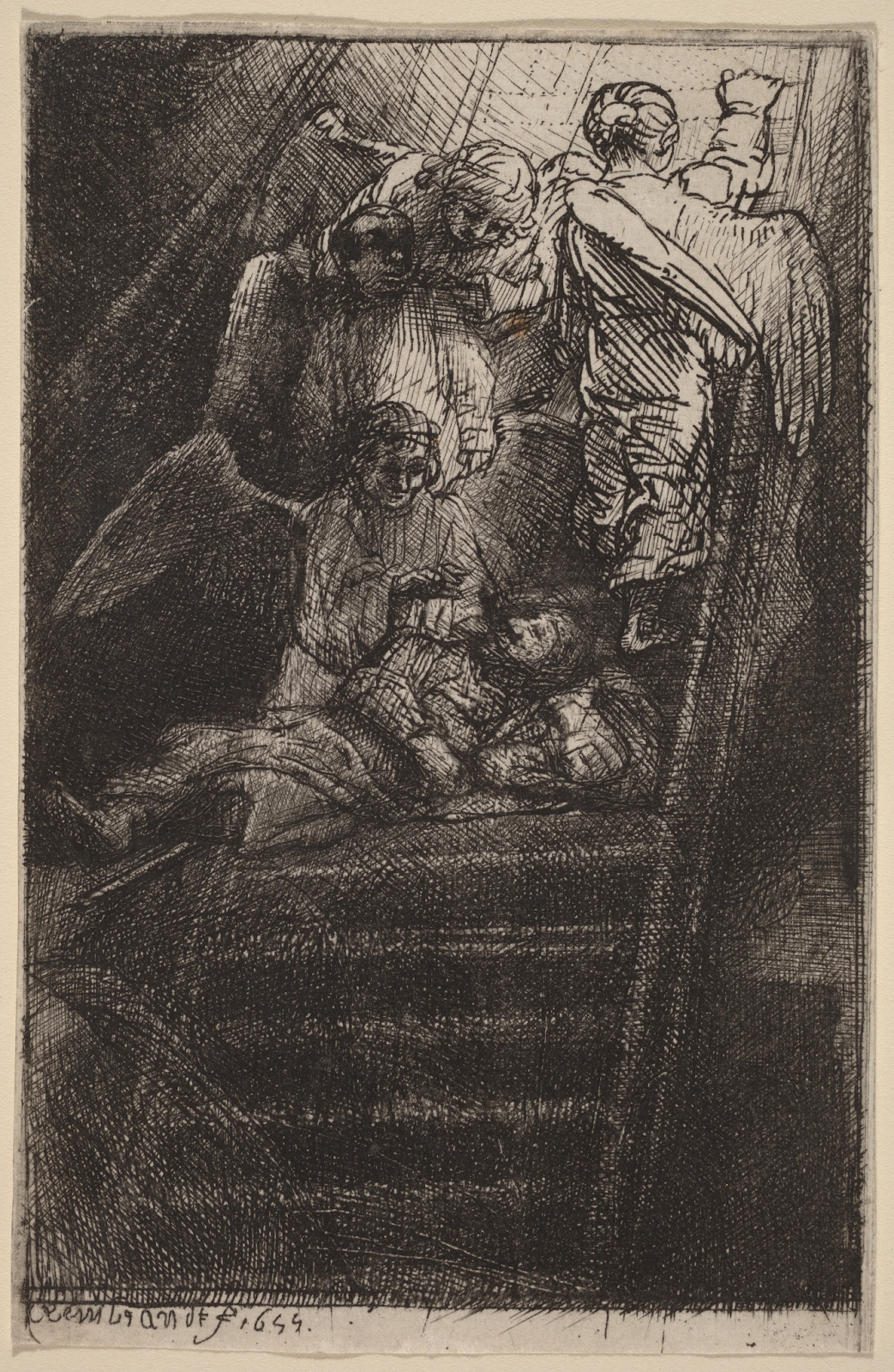
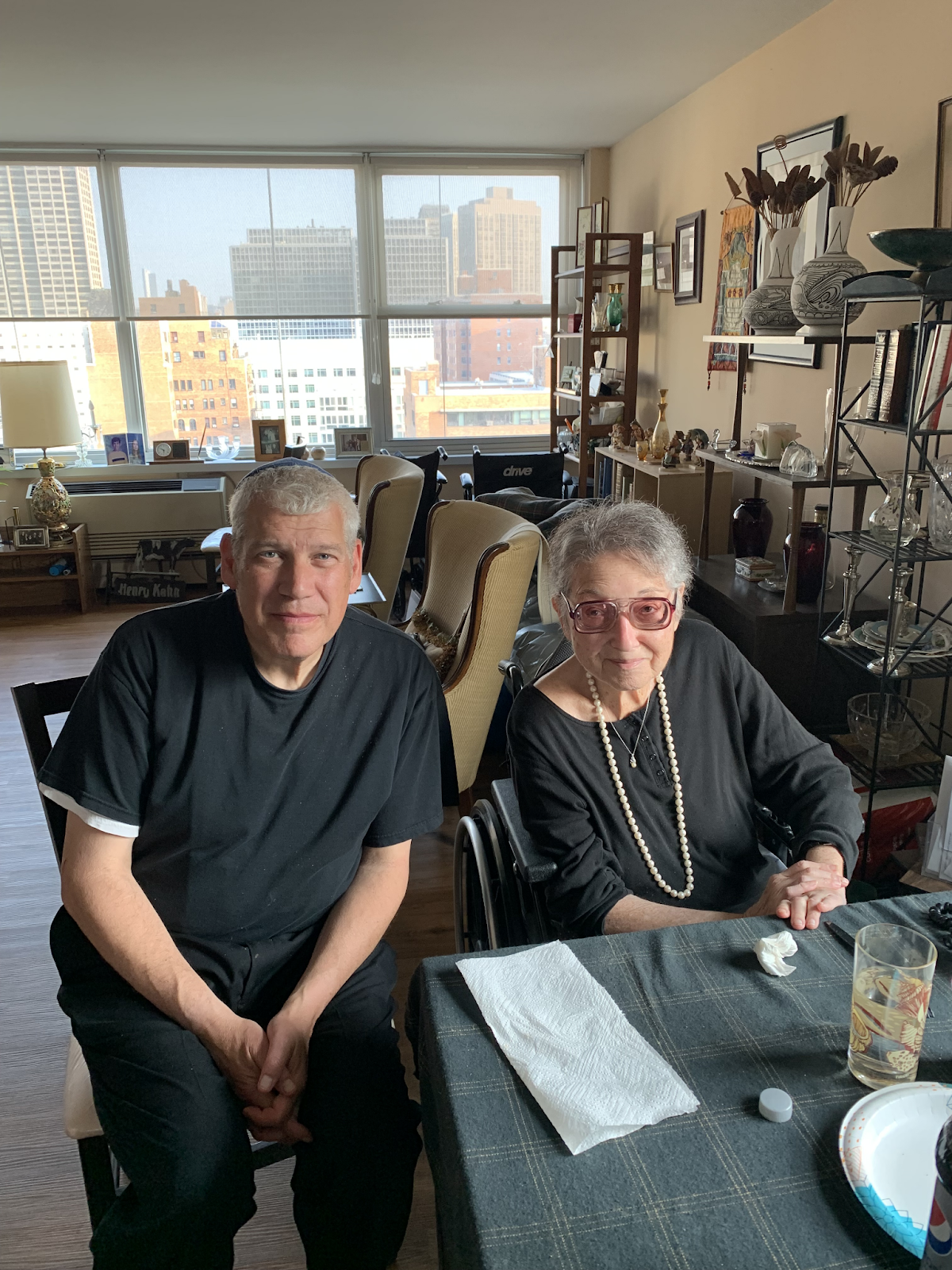


 Exploring Kotzk