Mother on Motzei Shabbos April 28, 2018 at her 94th birthday with her three “favorite” grandsons, Eli Morgenstern, Mattityahu Schwartz, and Eliyahu Sholem Glenner.
2010 picture of Mother (86 years old) with Eliana Tovah Bernstein, now from Nahariya, Israel.
On Monday night and Tuesday is my mother’s fourth Yahrzeit. Jean Morgenstern, Shayna Bas Sholem and Chana Feigl Sklar. I offer the below story in a merit and memory of my mother. My mother was great.
This past Friday, January 5, 2023 I received a call from George. Years ago I lent him over $30,000. He had a business which initially did well but over time he could not meet payroll. Sometimes he asked me to approve his overdrafts which I did and when he couldn’t cover, I would cover his account out of my pocket from my home equity credit line. Other times I would put money into his account without being asked.
When he was struggling, I tried to get him business from my customers. It was a Tuesday afternoon, it may have been a fast day, I was in my car and had a splitting headache. I was driving on Peterson Avenue, right past the Shul that Yosef Davis had in the ground floor of his building. The Rov was Rabbi Bechhoffer or Rabbi Henoch Plotnick. I just wanted to go home, daven, and go to bed. I forced myself to stop and go to daven. As I was walking down the three steps that led into the Shul, I thought about a customer who possibly would purchase product. Right after davening I called Eddie and Eddie told me that Gershon should call him and he will use his services. The next day Gershon went to Eddie’s place of business and Eddie’s bought $1,600 worth of advertising time. He cut a check and paid Gershon on the spot. He did not have to bill him and wait for his money. Because of this Gershon met payroll and survived another week. That Shabbos as Gershon walked into his house, he was a hero. He felt good about himself. Who knows what that Shabbos meant for him and his family, who knows what bad was prevented. Eddie by paying immediately did a great action. If he had said, bill me and I will pay in 30 days, it would have been a huge Chesed. By paying immediately this one business transaction out of millions of transactions that day went before the Kisa Hakovid.
Gershon closed his business. He felt terrible and told me that I should find solace in the fact that five people became Orthodox from his business. This was solace for me. I thought to myself, did I do the guy any favors? Had I not covered his overdrafts, his business would have folded three months earlier. It was clear that he was not going to make it, but now he racked up my debt, and other debt. Was I a sucker, an easy mark, a fool with money I did not have? This was not the only time this happened when I covered overdrafts and paid out of my pocket. I would like to believe that while I suffered internally and felt foolish; ultimately, Hashem would reward me.
He did tell me that he will pay everyone back. At that time he had no money. His wife worked and made maybe $40,000. He had a side hustle which brought in a few dollars. He needed a real job with a growing family. He eventually got a job managing a local office for an east coast successful businessman. Gershon started paying me back at about $500 monthly, paying the debt down to $23,400. However, he stopped paying years ago. I wondered and assumed that with his growing family he just did not have left over money to repay me. We did speak to one another over the years and to his credit he did try to refer business to me. The last deal he referred to me before I retired in 2020 was one company that I was trying to get as a customer and was excited. However, the bank was turning down almost every deal coming from our Healthcare department, so after expressing my excitement on the deal, I had to turn it down. To my bosses credit, she called Gershon and was honest with him that the bank just was not lending money. She supported the loan.
Over the years when I met him and never asked for the money. I knew that he was not able to pay me back. A few years ago I found out that he lived in a very nice house and wondered if he forgot about the money. Rabbi Zev Cohen told me that he recently gave a Shiur on a lender who knows the borrower is not in a position to pay back, is the lender forbidden to ask for the loan to be repaid. I do not recall how Rabbi Cohen paskened but B’Siattah Dismaya, I did not ask him for the money back. Not that I am very Frum but because it is not in my nature.
Today he called me and said he is repaying the $23,400. Wow. I told him that now that I am living off my retirement money, I would have to take out $30,000 to get $23,400 net of taxes. He legally did not have to pay me back as I put the money into his corporate account. But he did pay me back and at the right time as I am about to withdraw money from my retirement account.
On Shabbos Parshas Shmos, January 14, 2023, Rabbi Shmuel Lesher, assistant Rabbi of the BAYT in Thornhill, Ontario spoke at the Hashkama minyan on the topic of why did Moshe refuse Hashem three times. The answer he gave is because Moshe owed gratitude to Yisro, Hakoras Hatov, and did not feel he could leave Yisro. At the conclusion of his speech, Rabbi Lesher mentioned Mishna 2:9 in Perkei Avos and discussed the following saying of Reb Shimon.
Rabbi Shimon said, one who borrows and does not repay for he that borrows from man is as one who borrows from God, blessed be He, as it is said, “the wicked borrow and do not repay, but the righteous deal graciously and give” (Psalms 37:21).
Reb Shimon says that what defines an evil person as someone who does not repay his loans. Gershon was never someone who does not repay his loans. I never told him it was a loan. He told me at the time and that he will repay me and all debts. It is great that Gershon has fulfilled that words of Reb Shimon, the holy Tanna. In the next world Gershgon will go to Reb Shimon. They will dance and Reb Shimon will kiss him and then they will learn together this Maamer. I can only hope that I will be Zocah.
Boruch Hashem that I had a mother whom we loved. She overcame obstacles and gave support.
The Soncino Chumash vs. the Hertz Chumash vs. Artscroll Stone Edition vs. Lubavitch Chumashim
I keep a collection of English translations of the Chumash for reference purposes.
This past Shabbos I picked up a Soncino Chumash and compared it to the Hertz Chumash. I rarely used these Chumoshim and I was curious as to their differences. My cousin in LA uses the Hertz Chumash and quotes from it. I occasionally used it but never for its commentary until Martin Brody praised Rabbi Hertz and his Hertz Chumash
I read the introduction to the Soncino Chumash and was amazed by what I saw. I have new-found respect for it and will use it every Shabbos. While the Hertz Chumash contained Christian commentaries, the Soncino’s comments are a condensed version of the Mikraos Gedolos. They use seven Reshonim, as follows:
Rashi – Rabbi Shlomo Yitzchoki 1040-1105
Rashbam – Rabbi Shmuel Ben Meir. Grandson of Rashi 1085-1174.
Avrohom Ibn Ezra 1092-1167
Redak – Rabbi Dovid Kimchi 1160-1235
Ramban – Rabbi Moshe Ben Nachman 1194-1270
Ralbag – Levi Ben Gershon known as Gershonides 1288 -1344
Sforno – Obadiah Ben Yaakov Sforno 1475-1550
What I like about the Soncino is that they bring down the 7 commentaries, identify them, and summarize their comments. They do not try to mix the Reshonim together and make a cholent. The people who compiled the comments were scholars and loyal to the Torah. It is basically an english Mikraos Gedolos.
Soncino Chumash:
The Soncino Chumash is best summarized by David Olivestone in 2017 as follows:
In his recounting of “The Story of the Hertz Chumash” (June 22, 2017), Mitchell First writes that “another English option did not appear until 1981 when the Reform movement published its own Chumash.” Mitchell First’s article is below.
Inexplicably, he overlooks the hugely popular “Soncino Chumash,” first published in 1947 and edited by Rev. Dr. Abraham Cohen. Cohen was the general editor of the entire set of the Soncino Books of the Bible, and also participated in the Soncino translations of the Talmud and the Midrash.
Unlike Chief Rabbi Hertz’s “Chumash,” Cohen’s commentary is based solely on traditional rabbinic sources, such as Rashi, Ibn Ezra, Radak and others. In the latter decades of the twentieth century, “The Soncino Chumash” replaced “The Hertz Chumash” in many Orthodox congregations in Great Britain and the Commonwealth, as well as in the USA.
David Olivestone
Jerusalem
David Olivestone is Rabbi Jonathan Sacks’s son-n-law and an acquaintance of our own Martin Brody of Los Angeles.
Hertz Chumash:
Rabbi Joseph Hertz published his English translation and commentary originally in 1936.
Rabbi Joseph Herman Hertz – 1913
Born 9/25/1872 died 1/14/1946 – 73 years old.
Chief Rabbi of Great Britain And the Commonwealth 1913 – 1946 – 33 years
Hertz Chumash
from Wikipedia:
Hertz edited a significant commentary on the Torah (1929–36,[17] one volume edition 1937). Published as The Pentateuch and Haftorahs and popularly known as the Hertz Chumash, this classic Hebrew-English edition of the Five Books of Moses, with corresponding Haftorahs, is used in many synagogues and classrooms throughout the English-speaking world.[18] The work – through its commentary and essays – is noted for its stance against Higher Criticism. [19]
It is also referred to as the Hertz Pentateuch, and it includes the following features:[20]
“extensive essays on … perceived conflict between science and religion”
comments from and source references to Christian sources,
The initial English translation of Hertz’s Chumash dated May 10, 1936 was the English Revised Version of the King James Bible. However, when the five volumes were combined into a single volume and published by Soncino Press, the English Revised Version translation,were replaced with the 1917 Jewish Publication Society translation.[23] Both translations were lightly edited by Hertz (e.g., at Lev. 27:29 RV and Num. 10:33 JPS). The Soncino version was published on October 15, 1937.
The actual writing, which produced five volumes, was done by four other people,[23] but “Hertz recast their material into his own style.”
The Hertz Chumach was revised in January 1960, primarily adding the Haftoorasfor the Holidays and other special days.
I found this fascinating article on the Hertz Chumash form 2017 by Mitchell First.
“The Pentateuch and Haftorahs” of Rabbi Dr. J.H. Hertz is one of the most important works of the Jewish religion in the 20th century. To quote one scholar, it “almost single-handedly [gave] shape to the way in which English-speaking Jewish laymen the world over have understood their Judaism over the course of the past two generations.” I recently came across a book that told the story of this work. The book is “A Vindication of Judaism: The Polemics of the Hertz Pentateuch,” by Harvey Meirovich (1998). I learned much from this book, and I would like to share some of it.
First, a bit of biography. Joseph Herman Hertz was born in 1872 in Slovakia. He was brought to the U.S. in 1884 and grew up in New York City on the Lower East Side. He attended City College and Columbia University. He received his rabbinic ordination from the Jewish Theological Seminary in 1894, as part of their first graduating class of eight students. After serving congregations in Syracuse (1894-98), Johannesburg (1898-1911) and New York City (1912), he was appointed chief rabbi of England in 1913. He held that position until his death in 1946.
Hertz began work on his commentary in 1920. But it was not until 1929 that the first volume came out. The last volume, Deuteronomy, came out in 1936. He did not produce this monumental commentary on his own. He had four Anglo-Jewish collaborators: Joshua Abelson, Abraham Cohen, Gerald Friedlander and Samuel Frampton. Periodically, these men submitted their initial drafts of the sections assigned to them. R. Hertz recast their material into his own style.
What was the background to this work? The author explains it all. In England, in 1901, one year before his move to New York, Solomon Schechter wrote: “[T]he new century does not open under very favourable auspices for Judaism…[O]ur Scriptures are the constant object of attack, our history is questioned, and its morality is declared to be an inferior sort…[T]he younger generation…if not directly hostile, are by dint of mere ignorance sadly indifferent to everything Jewish, and incapable of taking the place of their parents in the Synagogue…” Schechter argued that an English commentary on the Five Books (and the rest of the Bible as well), written under Jewish auspices, was needed to respond to these challenges.
There were already English commentaries on the Five Books before that of R. Hertz, but since they were almost always written by non-Jews, they would typically have an anti-Jewish bias. R. Hertz once remarked about such commentaries: “It is as if a version of Shakespeare were made into Spanish by a Spaniard who had but an imperfect acquaintance with English…and who was filled with hatred and contempt for the British character and the entire British people.”
In his preface, R. Hertz mentions the few and limited English commentaries written by Jews before him: a commentary published in 1844 by De Sola, Lindenthal and Raphall, of which Genesis alone appeared, and commentaries by Marcus Kalisch on Genesis, Exodus and Leviticus, which appeared over the years 1855-72. He also mentions some glosses in English on the Five Books published by David Levi and Isaac Delgado in 1796.
Schechter repeated his plea for a Jewish commentary again after his move to New York in 1902 (when he came to head the Jewish Theological Seminary). The commentary of R. Hertz was a response to the need expressed in Schechter’s plea.
The author explains further that traditional Judaism at the time of R. Hertz was threatened by the late 19th-century biblical criticism of Julius Wellhausen and by its reconstruction of history, which characterized Jewish law as anachronistic, as compared with Christianity’s emphasis on faith and morality. Also, R. Hertz was troubled by the mounting self-confidence of liberal/Reform Judaism. The work of R. Hertz should be read as a reaction to these challenges.
In his preface, R. Hertz makes the following remark: ”[T]he criticism of the Pentateuch associated with the name of Wellhausen is a perversion of history and a desecration of religion.” Using archaeology and philology, R. Hertz crafted a sophisticated work that attempted to underscore the Divinity and unity of the Torah, and the integrity of Judaism and its moral superiority to Christianity.
Aside from the need for a commentary on the Five Books written under Jewish auspices to defend and promote traditional Judaism, there was the more practical need for a commentary that could be used in the synagogue. Before the commentary of R. Hertz, if an English-speaking Jew wanted to follow the Torah reading in shul with one work in his hand that included a Hebrew text of the entire Chumash, an English translation and any kind of English commentary, there was no such work! As we walk into our shuls with hundreds of ArtScroll and Hertz Chumashim, this is hard for us to imagine! (On the very unlikely chance that there was such a work, the commentary would have been written by a non-Jew, and it certainly would not have been divided into parshiyot, let alone include haftarot!)
While R. Hertz’ work was completed before the Holocaust, it became even more useful thereafter, as the destruction of European Jewry shifted the center of gravity in Jewish life to the English-speaking world. As one scholar wrote: “Hertz had forged in advance for the Jews of England and America a tool to sustain their fortitude and faith.”
The two most interesting discussions in the book are the story of the complaint of his collaborators, and the story of how R. Hertz’ work did not sell well initially, despite the tremendous amount of work that went into it.
With regard to the collaborators, on July 8, 1929, after Genesis came out, three of his four collaborators (the other one was already deceased) wrote a letter of complaint about how their names were not included on the title page, even though he did acknowledge their assistance in the introduction. They wrote: “On the title page of the Commentary the names of your collaborators do not appear. In all similar works, proper tribute is paid in this way to those who have collaborated, as for instance in Kittel’s ‘Biblia Hebraica.’ Accordingly, we feel strongly that following the words: ‘Edited by the Chief Rabbi’ some such phrase as ‘With the collaboration of…’ should certainly follow. We do not consider that our point is covered by the bare reference in the Introduction. We submit that in the subsequent volumes, and also when a new edition of Genesis appears, we should be favored in the way indicated.”
Hertz wrote back: “[N]othing is further from my nature than to deprive others of the honour which is justly their due….Your complaint, moreover, is unjustified. The English usage in regard to any collective enterprise of a literary nature is that only the editor’s name appears. (The example of Kittel’s Bible is not an analogous case). An absolute parallel case is…..Such is the rule when the contribution of each man is reprinted as it is, without any recasting on the part of the editor. How much the more should it apply in a case where the contributions have been recast and often altogether rewritten by the editor!”
Genesis sold very poorly initially, causing R. Hertz extreme disappointment. He even considered canceling the publication of the remaining volumes! But people were hesitant to buy the single volumes in view of the anticipated publication of the entire five books in one work. In 1936, the Soncino Press approached him, as they understood that tremendous sales would result by combining the five volumes into one. Also, a large donation by a friend of R. Hertz enabled the work to be sold at a much lower price. (The Soncino edition also changed the text used for the English translation at the top. Instead of the revised King James version, the more readable 1917 Jewish Publication Society translation was chosen. I admit that, until I prepared this column, I had always assumed that the translation was by R. Hertz himself!) With the Soncino Press edition, sales took off and the work became the mainstay of English-speaking synagogues of every denomination for decades. (Another English option did not appear until 1981 when the Reform movement published its own Chumash.)
For another interesting article on the Hertz Chumash, see the article by Yosef Lindell, of May 29 2017, at www.thelehrhaus.com.
By Mitchell First
Mitchell First is a personal injury attorney and Jewish history scholar. His most recent book is “Esther Unmasked: Solving Eleven Mysteries of the Jewish Holidays and Liturgy” (Kodesh Press, 2015). He can be reached at MFirstAtty@aol.com.
For more articles by Mitchell First, and information on his books, please visit his website at rootsandrituals.org.
David Berger on the Hertz Chumash:
“I still regret the eclipse of the Hertz humash, which, for all its drawbacks, introduced a generation of Jews to a humane and uplifting vision of Judaism.”–
Artscroll Stone Chumash:
The English translation is excellent. I feel that the commentaries are a Cholent and compromise the integrity of the individual Reshonim.
Lubavitch:
There are three Lubavitch translations. The Gutnick version 2008, the Chaim Miller version 2011, and the Kehot Version 2015.
All the Lubavitch translations put in Rashi’s Pshat either in brackets or in lighter print. They are good but are hard at times to get the literal translation of the words which are important to me.
A – Gutnick Version – 2008
Contains great Torah from the Lubavitcher Rebbe on the Torah, analyzing Rashi and other Reshonim.
B – Rabbi Chaim Miller – December 7, 2011
From the Amazon web site:
:This Torah tells a story… your own. It invites you to discover yourself within its pages.
With a charming, colorful presentation, multiple strands of commentary and groundbreaking, interactive features, the Lifestyle Books Torah transforms the text into an experience-personalized, engaging and happening now. Its goal is to uncover the spiritual potential and human relevance in every line.
C – Kehot Version – October 28, 2015
The english translation gives one a running commentary based on Rashi. You get a deeper understanding of the Parsha when you read the english. However, I do not want to read the narrative based only on rashi. I want to put in my understanding of the narrative based on Rashi and other Rishonim.
From AMAZON – The Synagogue Edition of the Kehot Publication Society Chumash was formally released and will be available in stores next week, in anticipation of the International Conference of Chabad Shluchim (Nov. 5).
The single-volume edition includes the five-volume interpolated translation Kehot Chumash acclaimed for the new Torah study experience it had brought to its users. The interpolated translation renders the text of the Chumash intelligible to the reader with an explicated Rashi commentary including the Rebbe’s exposition on Rashi.
Hundreds of Chasidic insights culled from the works of the Rebbe and his predecessors supplement the lucid translation. Each parsha (Torah reading) is preceded by a concise introduction highlighting its particular theme as it considers the Torah’s message. Helpful introductions precede each haftarah, designed to provide the reader with historical and literary background as an aid to study of the prophetic lessons of the haftarot and their relation to the weekly parsha.
On December 29th right after the morning minyan, I plopped down next to Danny Berger and asked him how Rashi in verse 44:18 understood. It happened to be that he was working on the Rashi in 44:13 and the Rashi 44:18. Together we put together a very nice explanation.
Danny Berger:
Parshas Miketz and Vayigash – “Prepared for War While Negotiating Peace”
It was the metropolis and yet Scripture says העירה — an ordinary city! But this is because in their eyes it was regarded as a very medium-sized city of only ten inhabitants if it became a matter of waging war against it (Genesis Rabbah 92:8).
Rashi explains that they were so physically strong that they did not to need to assist each other in loading up their donkeys. Rashi also tells us while they were in fact headed back to a big, well-fortified city, they were so strong and confident that their perception of the city was one that was like a small town which they could easily defeat if they waged war against it.
But what is the relevance of the Torah telling us about their strength specifically here?
Continuing in Parshas Vayigash, the Torah tells us Yehuda appeals to Yoseph for Binyomin’s release. The pasuk states:
Then Yehuda approached him and said, “If you please, my lord, let your servant speak a word in my lord’s ears and may your anger not flare up at your servant – for you who are like Pharaoh. (Bereishis 44:18)
Rashi seems to be bothered why Yehuda has to say “may your anger not flare up” if he was talking respectfully to him. Rashi teaches the following on this pasuk:
ואל יחר אפך. מִכָּאן אַתָּה לָמֵד שֶׁדִּבֵּר אֵלָיו קָשׁוֹת
From here you may infer that he (Yehuda) spoke to him (Yoseph) in harsh terms.
1 – In my opinion you are as important as the king. This is the literal meaning,
2 – but a Midrashic explanation is: You will ultimately be stricken with leprosy for detaining Benjamin even as your ancestor Pharaoh was stricken because he detained my ancestress Sarah one night.
3 – Another Midrashic explanation is: you are as unreliable as Pharaoh — just as Pharaoh issues decrees and does not carry them out, makes promises and does not fulfill them, so also do you. Is this what you meant by “setting your eyes” upon him when you said (Genesis 44:21) “Bring him down and I will set mine eyes upon him”?
4 – Still another Midrashic interpretation of כי כמוך כפרעה FOR THOU SHALT BECOME EVEN AS PHARAOH: if you provoke me I will slay you and your master (Genesis Rabbah 93:6).
Rashi has 4 interpretations for כִּ֥י כָמ֖וֹךָ כְּפַרְעֹֽה. Why?
The simple approach to the narrative leads us to perceive that Yehuda and the brothers were scared and were reacting to this tense situation in a state of weakness. However, Rabbi Elie Teitelman points out this is not so. Considering Rashi’s explanations, what becomes apparent is that Yehuda and the brothers are extremely confident as they are willing and able to act aggressively towards Yoseph and Egypt if they so choose. Rashi is telling us the Torah went out of its way at this juncture to inform us they were strong (“בַּעֲלֵי זְרוֹעַ הָיוּ”) and confident about waging war against Egypt if necessary (“לְעִנְיַן הַמִּלְחָמָה … כְעִיר בֵּינוֹנִית”) even if it meant killing Egypt’s leadership (“אִם תַּקְנִיטֵנִי אֶהֱרֹג אוֹתְךָ וְאֶת אֲדוֹנֶךָ
Therefore, the way to read Rashi on Verse 44:18 is that Yehuda was negotiating with Yosef and outwardly expressed respect, but he was thinking that Yosef is an evil person, one who was a liar and a cheat, and we will fight you on Binyamin. Meaning that if Yosef does not let Binyamin go there will be a war and based on the Rashis in the previous Parsha they were strong and had confidence that they would be successful.
Judah replied, “What can we say to my lord? How can we plead, how can we prove our innocence? God has uncovered the crime of your servants. Here we are, then, slaves of my lord, the rest of us as much as he in whose possession the goblet was found.”
Amazingly, Yehuda knows they are innocent yet s willing to go into slavery with his brothers and says that we have previously sinned to God and we are being punished by God. Despite the fact that they were very strong, he was willing to go into slavery because he assumed that this is G-ds doing. Here he doesn’t mention any specific sin. He may have had the sale of Yoseph in mind.
Yet two Pesukim later, Yehuda is negotiating and willing to go to war. What changed is Pasuk 45:17.
וַיֹּ֕אמֶר חָלִ֣ילָה לִּ֔י מֵעֲשׂ֖וֹת זֹ֑את הָאִ֡ישׁ אֲשֶׁר֩ נִמְצָ֨א הַגָּבִ֜יעַ בְּיָד֗וֹ ה֚וּא יִהְיֶה־לִּ֣י עָ֔בֶד וְאַתֶּ֕ם עֲל֥וּ לְשָׁל֖וֹם אֶל־אֲבִיכֶֽם׃ {ס} But he replied, “Far be it from me to act thus! Only the one in whose possession the goblet was found shall be my slave; the rest of you go back in peace to your father.”
Yehuda realizes that this decree is not from G-d and is not willing to accept Yosef’s demand to keep Binyomin. Binyomin never sinned. Yehuda is now willing to go to war. In his negotiations Yehuda does say that I am willing to be your slave if you agree to let Binyomin go. Verse 44:33 – וְעַתָּ֗ה יֵֽשֶׁב־נָ֤א עַבְדְּךָ֙ תַּ֣חַת הַנַּ֔עַר עֶ֖בֶד לַֽאדֹנִ֑י וְהַנַּ֖עַר יַ֥עַל עִם־אֶחָֽיו׃ Therefore, please let your servant remain as a slave to my lord instead of the boy, and let the boy go back with his brothers.
If Yehuda knew that he was innocent and in the first verse of VaYigash Rashi says that Yehuda was willing to go to war, why would he agree to be a slave. After all, Yosef initially never said he was not going to let Binyomin go. All Yoseeh said was I want to see him.
The answer to this is perhaps go9ng back to the theme of 44:16 that he still felt that he sinned and G-d was punishing him or perhaps he was afraid that some of the brothers would be killed and was not willing to risk a war.
Rabbi Yosef Rothbart talked about these Pesukim in his speech today. He said like what Danny and I said that he negotiated but was prepared for war. Rabbi Rothbart said that the word וַיִּגַּ֨שׁ implies three activities negotiation, prayer, and war, see Yalkut below.. Just like Yaakov when he was about to meet Eisav, rashi says והיה המחנה הנשאר לפליטה. עַל כָּרְחוֹ, כִּי אֶלָּחֵם עִמּוֹ. הִתְקִין עַצְמוֹ לִשְׁלֹשָׁה דְּבָרִים, לְדוֹרוֹן, לִתְפִלָּה וּלְמִלְחָמָה. Negotiation is equivalent to דוֹרוֹן . Rabbi Rothbart mentioned a Reb Tzadok that when Yehuda said בִּ֣י אֲדֹנִי֒ he was also saying, in me is G-d. Yehuda had faith in Hashem and this faith would carry him in battle. This is why Jews are called Yehudim. Because we have to always feel that Hashem is within us – בִּ֣י אֲדֹנִי֒.
This explains beautifully why in Verse 44:16 Yehuda was willing for all the brothers to be slaves. He when he could not say בִּ֣י אֲדֹנִי֒. He felt that Hashem was punishing the brothers and that G-d was not with them. Now that Yosef was going to keep Binyomin and let the brothers leave, he realized that this was not a punishment from G-d, he felt בִּ֣י אֲדֹנִי֒ and that he could fight Yosef.
Yalkut Shimoni on 44:18 –
ויגש אליו יהודה רבי יהודה אומר הגשה למלחמה כמה דאת אמר ויגש יואב והעם אשר אתו למלחמה. רבי נחמיה אומר הגשה לפיוס כמה דאת אמר] ויגשו בני יהודה אל יהושע לפייסו ורבנן אמרי הגשה לתפלה ויגש אליהו.
ד”א ויגש אליו יהודה נכנסו לתוכחות אמר יהודה לנפתלי קפוץ וראה כמה שווקים יש במצרים קפץ וראה אמר שנים עשר שווקים אמר כל אחד ואחד יחריב שלו ואני אחריב שלשה. א”ל יוסף מצרים לא כשכם אם תחריב מצרים תחריב את כל העולם דכתיב כגן ה’ כארץ מצרים. כי כמוך כפרעה אם אשלוף חרבי אהרוג את כל מצרים אמר יוסף אם אתה מוציאה אכרוך אותה על צוארך. א”ל יהודה אני פותח פי ובולעך א”ל יוסף אם תפתח את פיך אני סותמו באבן.
There Are three explanations as to who will die: Binyamin, Yaakov, or both of them.
Rashi says- ועזב את אביו ומת. אִם יַעֲזֹב אֶת אָבִיו, דּוֹאֲגִים אָנוּ שֶׁמָּא יָמוּת בַּדֶּרֶךְ, שֶׁהֲרֵי אִמּוֹ בַּדֶּרֶךְ מֵתָה:
Rashi is saying that Binyomin will die. However, the Rashbam says that Yaakov will die as a result. (Mesudah).
Sferno – says that both Yaakov and Binyamin will die and explains – מאז שיעזוב את עגועגי אביו והסברת פניו יתעצב ונפל למשכב ואז ימות: לא יוכל הנער לעזוב את אביו, from the moment he will have left his father, he will pine for his father and become sick or die. Furthermore
ועזב את אביו ומת. ועם זה אביו ימות בלי ספק: ועזב את אביו ומת, also his father will die without question if the lad leaves him.
Further expanaiotn of thethree explanation of Pasuk וַנֹּ֙אמֶר֙ אֶל־אֲדֹנִ֔י לֹא־יוּכַ֥ל הַנַּ֖עַר לַעֲזֹ֣ב אֶת־אָבִ֑יו וְעָזַ֥ב אֶת־אָבִ֖יו וָמֵֽת׃
The translation of the pasuk like Rashi is – We said to my lord, ‘The boy cannot leave his father; if he were to leave him, his father would die.’
The translation of the pasuk like the Rashbam is “And we said to my lord, The lad cannot leave his father: for if he should leave his father, his father would die.” (Koren and JPS)
The translation of the pasuk like the Sferno is”And we said to my lord. The boy cannot leave his father because Biyomin will so miss his father, that he will get sick or die and if the boy leaves his father, his father will also die,
These Pasukim repeat the same thing and are redundant. One was בְּרָעָ֖ה – with evil and 6 the second בְּיָג֖וֹן – with sorrow.
Comments/Question #3:
Verse 45:2
וַיִּתֵּ֥ן אֶת־קֹל֖וֹ בִּבְכִ֑י וַיִּשְׁמְע֣וּ מִצְרַ֔יִם וַיִּשְׁמַ֖ע בֵּ֥ית פַּרְעֹֽה – Yosef is crying , so loud that everyone heard him.
What is the difference between Egypt and the house of Pharah? How could the entire Egypt hear him? If anything, say the house of Pharaoh first as that is limited and then Egypt heard him.
Verse 45:3
וַיֹּ֨אמֶר יוֹסֵ֤ף אֶל־אֶחָיו֙ אֲנִ֣י יוֹסֵ֔ף הַע֥וֹד אָבִ֖י חָ֑י וְלֹֽא־יָכְל֤וּ אֶחָיו֙ לַעֲנ֣וֹת אֹת֔וֹ כִּ֥י נִבְהֲל֖וּ מִפָּנָֽיו׃ – was Yosef still crying?
Yosef said אֲנִ֣י יוֹסֵ֔ף הַע֥וֹד אָבִ֖י חָ֑י all in one breath. He did not pause after אֲנִ֣י יוֹסֵ֔ף, but it seemed as if he said both of these ideas in one stream of consciousness.
Did say הַע֥וֹד אָבִ֖י חָ֑י to rebuke them saying, you said that if Binyomin does not go back to our father, our father will die. Why didn’t you worry about our father when you sold me?
As i look at the Sedra, I doubt if he meant to rebuke them. He was crying. Just saying, “I am Joseph” is enough rebuke. Besides, he was one of the holy founders of 2 tribes. He had to see G-d’s hand in all the events. And the best revenge is success.
Rashi in verse 45:4 has to be explained. Rashi says that he saw them backing up and Joseph said to himself, “Now, I see that they are embarrassed.”Then he called to them in a soft voice and conciliatory voice, and showed that he is circumcised. It seems that when Yoseph said “I am Joseph, is my father alive” he was rebuking them.
Fred Weingust
At Kiddush I spoke to Fred Weingoth at length. Comes out he worked for IBM for years and worked on 5/3rds accounts. He understood their problems when I related to him their customer service issues. Every summer he would load his 5 kids in their Caravan minivan and go cross country in Canada. One year they drove route 66, first stopping off at Romanian in Chicago and loaded up with salami, hot dogs, etc. The Levy family from Florida is also driving Route 66 in May.
This week on Wednesday, December 21, 2022 went to Anshei Minsk for their Chanukah party. I parked my car by the Yorkdale Shopping Center and took the train. Anshei Minsk is in the Kensington Market Area, the old Jewish area of Toronto and is considered downtown. There are numerous schools and hospitals nearby. Dundas Street, one block to the South is China town.
David Atlman and myself. He went to the Diaspora Yeshiva and spent two years at Aish in Jerusalem. He heard classes from Rabbi Noah Weinberg. His family Shul was Beth Emet Kol Yehuda, a relatively strong Conservative Shul. He confirmed what I suspected that the Shul in the later half of the 20th century had the highest concentration of Holocaust survivors davening in the Shul
My mother in law is critical but stable. She is just not eating.
Shabbos Chanukah at the BAYT:
What a Shabbos. I got to Shul at 8:15 AM. It was 8 degrees outside. I wore the coat my kids got for me and was warm. The Minyan started at 7:45 AM and I arrived in time for Hallel. I davened Hallel and heard Leining at this Minyan, and went next door to the Turk Bais Medrash for Shacharis. I then grabbed Robert Benmurgy, David Fishman, and Nosson Weissreich and told him my Torah of Verse 41:12 as detailed below, I schmoozed with Nosson Westreich and discovered that his wife is a Siegal from Baltimore and is a third cousin to my cousin in Baltimore,, Elya Caplan. We talked for about 45 minutes, talking about Rabbi Price and many other topics. I then went into the Turk Bais Medrash for Kiddush and told my Torah to a Mr. Romain from South Africa. I then went upstairs to the main Minyan for Musaf. The Rabbi spoke excellently.
Rabbi Korobkin spoke about his recent trip with Shul members to Dubai. His speech is at the end of this Blog Post.
My Torah
I copied all the Verses in Chapter 41 Verse 1 – 57 and my Torah is in blue.
A Hebrew youth was there with us, a servant of the chief of the slaughters, and when we told him our dreams, he interpreted them for us, telling each of the meaning of his dream.
I saw a Pshet and do not remember who said that either Pharaoh ignored this law when it came to Joseph or that he discovered that Joseph was stolen by his brothers who sold him. They had no right to sell so Yoseph was never really a slave and therefore despite being a foreigner could be royalty in Egypt.
Rashi 3) עברי. אֲפִלּוּ לְשׁוֹנֵנוּ אֵינוֹ מַכִּיר – a Hebrew, who does not even know our language.
What was the שַׂ֣ר הַמַּשְׁקִ֔ים per Rashi trying to do? If you read the word of the Chumash it seems that the שַׂ֣ר הַמַּשְׁקִ֔ים was reporting the facts and there was no evil intent. However, all four Rashis on this Pasuk tell us that this was not the case. He purposely meant to denigrate Yoseph. The שַׂ֣ר הַמַּשְׁקִ֔ים was one of the officers of Egypt, a cabinet minister. He knew that Yosef would present well and knew that Yosef was talented, successful, and a leader of men. He was afraid that Yosef would be promoted into a leadership role, into a cabinet minister position and even into royalty. The שַׂ֣ר הַמַּשְׁקִ֔ים was protecting his turf. Rashi 2 the word גְדֻלָּה and Rashi 4 uses the word מוֹלֵךְ. He was trying to preempt this and effectively was saying that although Yosef will interpret your dream, do not be impressed. Yosef is still immature, just a lad (even though Joseph was 30 at the time) and cannot rise to greatness. Yes Pharaoh, Yosef has a talent but it is a unique, limited talent. Rashi 2 says that נער as in שׁוֹטֶה. I think Rashi is saying that because Yosef is immature he is a fool. Or you can say that Joseph was an idiot savant. All three things that the שַׂ֣ר הַמַּשְׁקִ֔ים said was to preempt Pharosh from making Yoseph a cabinet minister like himself or even higher. Despite his efforts, not only did Joseph rise to a high level, he became the #2 man in Egypt.
Rashi 2) נער. שׁוֹטֶה וְאֵין רָאוּי לִגְדֻלָּה – a lad, unwise and unfitted for a high position.
See above. Rashi is not translating נער as a fool, but rather he is a lad and immature, foolish.
Rashi 3) Let us now analyze this Rashi. עברי. אֲפִלּוּ לְשׁוֹנֵנוּ אֵינוֹ מַכִּיר – a Hebrew: who does not even know our language.
Rashi says that the Sar Hamashkim was denigrating Yoseph by saying he does not know our language! Huh! Yoseph spoke to the שַׂ֣ר הַמַּשְׁקִ֔ים, assumingly in Egyption. Yosef was in Egypt for twelve years at this point.
I would think that the translation of Rashi should be that he is a foreigner. How can he be a leader in Egypt? It is like the President of the US has to be born in America and not an immigrant.
I asked this question to an 11th grader from Darchai Torah who answered that perhaps it does not mean that Yosef could not speak Egyption; rather, that the Sar Hamashkim was saying he is not part of our culture. Language is culture. Rashi is telling us in a sophisticated way that the Sar Hamashkim was saying that Yosef is a foreigner, is not sensitive to our concerns, and doesn’t truly understand us. We can now understand Rashi as the Sar Hamashkim is saying that Yoseph will never be one of us and cannot be a leader in Egypt..
This fits in perfectly with the following Midrash Tanchuma quoted below from Rabbi Poliakoff of The Schwartz Institute Kollel, Jerusalem, Israel
When you look closely at this Medrash, there is a question. Did Pharaoh change any of the facts? Did he say there were 6 or 8 cows, there were sheep. No, all he changed was the order of how the cows and sheaves were described. Pharaoh dreamt the cows were good looking and healthy. He related to Yoseph they were healthy and good looking. Is this really a test? The facts were the same. Yospeh could have chosen to ignore this slight discrepancy of how Pharoh perceived them. This would not change the interpretation of the dream.
As Rabbi Poliakoff said – “The Midrash Tanchuma says that the reason for the inconsistent reporting of the dreams is that פרעה was testing יוסף. Nevertheless, there must be a reason that Pharaoh chose the particular details as his test.”
I think that the MedreshTanchuma is explaining the dialogue just like Rashi. The Sar Hamshkim told Pharaoh that Joseph does not understand our culture. This test is to see if the Sar Hamashkim is correct or if he is wrong that Yoseph understands Egyptian culture and can be an Egyptian leader. Pharaoh dreamt יְפוֹת מַרְאֶה וּבְרִיאֹת בָּשָׂר – good looking first and then healthy. Pharaoh’s initial reaction to these cows were beauty and then strength – healthy. This is because Egyptian culture worshiped beauty. His first reaction was יְפוֹת מַרְאֶה and only afterwards was he thoughts on וּבְרִיאֹת בָּשָׂר .
This is similar to Greece – Athanians who worshiped beauty vs. Spartans who worshiped war.
Pharaoh was testing Yosef to see if he understood Egyptian culture. Yoseph undersood this and told Pharoh you dreamt יְפוֹת מַרְאֶה וּבְרִיאֹת בָּשָׂר . Same thing when Pharaoh changed the language of the bad cows. The sheaves are a little more difficult to fit in.
Rabbi Elya Caplan from Baltimore, married to my cousin Chani added a beautiful Pasuk which I believe supports my Torah.
In Yirmiyahu 46:20 the Pasuk says: עֶגְלָ֥ה יְפֵה־פִיָּ֖ה מִצְרָ֑יִם קֶ֥רֶץ מִצָּפ֖וֹן בָּ֥א בָֽא
Rashi translates as – עגלה יפהפיה. מלכותא יאייא – a fair heifer – A beautiful kingdom.
Fascinating Medresh and Rashi.
We can have a deeper level of understanding in Rashi. Rashi is talking about the Jewish experience in Galus.
Throughout history Jews were always loyal to the country they lived in. Yet they were in most countries rejected as foreigners. There is a quote from Chaim Weitzman I found in Wikipedia:
The assimilatedJewish community in Germany, prior to World War II, has been self-described as “more German than the Germans”. Originally, the comment was a “common sneer aimed at people” who had “thrown off the faith of their forefathers and adopted the garb of theirFatherland“.[1] The German assimilation, followingthe Enlightenment, was “unprecedented”.[2]The quote is sometimes ascribed toChaim Weizmann.[3]
By extension Rashi is also alluding to us that we may know the language and the culture, but we are always considered as foreigners.
Jews by nature are good hearted and just want to do good. When the Jews are living in a foreign land they want to survive, raise their families, and live a Jewish life; be productive citizens and help the country. Be part of the solution.
The Meshech Chochma in Bechukosai talks about the phenomena when Jews try to assimilate and drop their Jewishness. However, that is not the subject of this Vort.
וְהָיָ֨ה הָאֹ֤כֶל לְפִקָּדוֹן֙ לָאָ֔רֶץ – Implies a security that the people will get back. However, Yoseph made them pay a steep price, made the Egyptians purchase it and impoverished the entire country.
Pharaoh is setting up his ministers. He got them to acknowledge that Joseph’s plan is excellent. In the next two verses Pharaoh pulls a major surprise. All of his ministers are thinking that one of them will be appointed to be in charge of gathering all the grain. They will have Yoseph be the brains of the operation. Pharoah does not do this, but rather to their shock appoints Yospeh, the slave, the Hebrew, not only to be in charge of the crops but to be the second in command of Egypt. Their mouths open in shock. You can bet that they had their knives out for Yoseph. They were waiting for him to slip up, so they could destroy him. Yospeh always had to watch his back. Perhaps this is why he never contacted his father because he would be accused of plotting to overthrow the government.
The Midrash says that Osnas was the daughter of Dina. Perhaps this is why she is called the daughter of פּ֥וֹטִי פֶ֛רַע and not Potiphar because she was an adopted daughter.
What is the first thing Yoseph does? He goes out and inspects the land. Similar to Moshe when he was appointed over the house of Pharaoh. Exodus 2:11 וַיְהִ֣י ׀ בַּיָּמִ֣ים הָהֵ֗ם וַיִּגְדַּ֤ל מֹשֶׁה֙ וַיֵּצֵ֣א אֶל־אֶחָ֔יו וַיַּ֖רְא בְּסִבְלֹתָ֑ם וַיַּרְא֙ אִ֣ישׁ מִצְרִ֔י מַכֶּ֥ה אִישׁ־עִבְרִ֖י מֵאֶחָֽיו׃ . I have to work on this.
Nothing new to report in Toronto. We are taking it day by day. It is cold and snow has fallen.
Friday night my mother in law came to the table and had some Kiddush. On Shabbos morning I davened at Chabad of Flamingo, a 1.8-mile walk. The Rabbi is Rabbi Mendel Kaplan and his son was being Bar Mitzvahed. Rabbi Kaplan Spoke beautifully before each Aliyah for 3 to 5 minutes and then gave a 20 minute speech. Davening was over at 12:40 PM. Kiddush afterwards, then walked to Victor and Debbi Janowski who live one block from the Shul.
Rabbi Mendel Kaplan:
My Torah:
First Vort:
Background:
In last week’s Sedra Pasuk 35:7 we read that Yaakov arrived to Chevron by his father
Chapter 36 is the story of the family of Eisav, which the Torah dispatches in 37 verses covering hundreds of years.
Opening of this week’s Sedra:
Verse 37:1:
וַיֵּ֣שֶׁב יַעֲקֹ֔ב בְּאֶ֖רֶץ מְגוּרֵ֣י אָבִ֑יו בְּאֶ֖רֶץ כְּנָֽעַן׃ – Now Jacob was settled in the land where his father had sojourned, the land of Canaan.
AND JACOB ABODE — After it (Scripture) has described to you the settlements of Esau and his descendants in a brief manner — since they were not distinguished and important enough that it should be related in detail how they settled down and that there should be given an account of their wars and how they drove out the Horites (see Deuteronomy 2:12) — it explains clearly and at length the settlements made by Jacob and his descendants and all the events which brought these about, because these are regarded by the Omnipresent as of sufficient importance to speak of them at length. Thus, too, you will find that in the case of the ten generations from Adam to Noah it states “So-and-so begat so-and-so”, but when it reaches Noah it deals with him at length. Similarly, of the ten generations from Noah to Abraham it gives but a brief account, but when it comes to Abraham it speaks of him more fully. It may be compared to the case of a jewel that falls into the sand: a man searches in the sand, sifts it in a sieve until he finds the jewel. When he has found it he throws away the pebbles and keeps the jewel (Midrash Tanchuma, Vayeshev 1).
: Analysis
Seemingly Rashi is not telling us a Pshat in the first Pasuk. Rashi is giving us an overview of why in the Torah the storyline of Esiav and other nations of the world are given short shrift. In fact Rashi did not have to put a heading – Divrei Hamaschil. Rashi could have labeled it Introduction.
Question #1 – Do we need Rashi to tell us this fact? We could easily figure it out. The storylines of the other nations of the world are simply not our storyline. The Bible is the story of the Jewish nation. The Torah’s purpose is to tell the story of how the Jewish nation came into being, the giving of the Torah on Mount Sinai, our formative years and the great closeness of our ancestors to Hashem. It is important to Hashem due to our special relationship with Him.
Question #2 – A) what does the מָשָׁל of the person searching for a jewel add to Rashi’s answer. Rashi’s answer is clear and does need a parable and B) it does not fit. Rashi’s answer is not that we are searching for anything. Also, the parable says that once we find the jewel, we throw away the pebbles. This is not at all what Rashi explained.
Answer
The answer is that Rashi is telling us something very important. Not only wasn’t their history important and G-d did not include it in the Torah, but their history is rubble, useless. We have to learn our history, our Tanach, how our righteous leaders led, and how we failed. The history of the world is one of brutality. death, and destruction. The history of the world is about man’s domination of man by brute force. Even the Greek empire from which the world got democracy, was harsh. The Romans were brutal. This includes all the way into the 20 century where three madmen of the world killed over 100 million people. Read the real story of the British exploitation and domination of India. This Is the one truth consistent about history.
There is a great story that illustrates this in the book by Herman Wouk, “The Will to Live On: This is Our Heritage” published in February 2001. He writes that when his father died, his philosophy professor who was a secular Jew, Professor Elbaum, came to pay a Shiva call. Herman Wouk introduced his grandfather, Rabbi Abraham Issac Wouk, to his college professor. Rabbi Abraham Isaac Wouk came from Minsk and lived in the south Bronx, was a Posak, and spoke little English. I believe he was a Lubavitcher Chasid. Professor Elbaum quoted Marcus Auerlous to impress Herman Wouk’s grandfather. Rabbi Wouk asked in Yiddish, Ve is dous Marcus? Professor Elbaum responds, a Roman. Rabbi Wouk says a Roman, phe, phe! I do not think Professor Elbaum or Herman Wouk understood what his grandfather was saying. He was saying, don’t quote me philosophy from a Roman; they were brutal, enslaved and killed millions of people. They have nothing to teach the world about morality.
Rashi says that learning in depth about their wars, conquests, and society is useless; especially since most of these societies discriminated against Jews, suffocated us, made us second class citizens, and threw us out of the country. European history led to the holocaust. I am sure that there is some worth but it is crucial for us to understand our history,
I admit I love Gettysburg and have studied the three day battle in depth where in my mind’s eye, I can see the entire three day battle. I could go to the battlefield site which is a huge empty tract of land, with many monuments and “see” the battle unfolding. Understanding Gettysburg did lead me to understand the greatness of the Kotzker. However, I do not know Tanach, which is terrible. I know Jewish history and I am conversant about the founding of the State of Israel, but do not have deep knowledge.
Moshe Revah
Dec 16, 2022, 2:28 PM (2 days ago)
Reply
Beauty!!
Great Vourt!
I really like it!
Have a great Shabbos!
elliott.baral@gmail.com
Dec 16, 2022, 1:22 PM (2 days ago)
Reply
Mitch, excellent! Very good observation. Thank you for sharing that with me. Have a great Shabbos! – Elliott
Rashi brings down another explanation of וישב יעקב from the Midrash Tanchuma VaYeshev 1:2
The camels of a flax dealer once came into a city laden with flax. A blacksmith asked in wonder where all that flax could be stored, and a clever fellow answered him, “A single spark caused by your bellows can burn up all of it.” “So, too, when Jacob saw (heard of) all these chiefs whose names are written above he said wonderingly, “Who can conquer all these?” What is written after the names of these chieftains? — and in this may be found the reply to Jacob’s question: These are the generations of Jacob — Joseph. For it is written (Obadiah 1:18) “And the house of Jacob shall be a fire and the house of Joseph a flame, and the house of Esau, for stubble: one spark issuing from Joseph will burn up all of these (descendants of Esau) . The passage beginning “Another explanation” is found in an old Rashi text.
This answer is also problematic. If the house of Jacob is a fire, a spark can burn all the straw. Why do we need a flame? Besides that, we had Shimon and Levi.
Why does it say that Potiphar was an Egyptian? Obviously he was an Egyption. Plus why in the first Pasik does it say אִ֣ישׁ מִצְרִ֔י, using the same word אִ֣ישׁ as in Pasuk 37:15 – וַיִּמְצָאֵ֣הוּ אִ֔ישׁ וְהִנֵּ֥ה תֹעֶ֖ה בַּשָּׂדֶ֑ה וַיִּשְׁאָלֵ֧הוּ הָאִ֛ישׁ לֵאמֹ֖ר מַה־תְּבַקֵּֽשׁ?
Rabbi Mendel Kaplan suggested that the אִ֔יש who was the angel Gavriel who represented Din. Din is harsh and Joseph had to overcome the din of Shamayim and accept it, Joseph also had to overcome his harsh reality with Potipher who also represented the ultimate Egyptian. This is why it says that Potiphar was an אִ֣ישׁ מִצְרִ֔י an ultimate Egyptian. When you look up the definition of an Egyptian in the dictionary, you saw a picture of Potiphar. Yoseph was able to overcome the harsh and brutal Egyptian culture which treat slaves like dirt, worthless human beings. Yosef was positive despite his circumstances because he had faith in G-d, always mentioned G-ds name in allowing him to be successful. Having faith in Hashem, giving him credit, and having a positive attitude can overcome the worst of times, depression, and other issues that bring one down.
The Lubavitcher Rebbe asks, that Rashi normally explains the plain meaning of the text so why doesn’t he say like the Ibn Ezra that the אִ֔ישׁ was an anonymous person. The Lubavitcher Rebbe explains like the Maskil L’Dovid that the word וימצאהו means that this אִ֔ישׁ was looking for Yoseph. It could not mean that Yoseph encountered any person, but rather it was an angel.
The Rebbe asks, why Gavriel? He answered that Gavriel represents Din. Yosef was facing Din – judgment which was harsh. Yoseph had to overcome Din by accepting it and looking forward to tomorrow, hoping that it would be better.
Vort #2) When the wife of Potiphar ( according to the Sefer haYasher her name was Zulycah) accused Joseph of attacking her, why wasn’t he killed? A slave was accused of attacking the wife of a high official in Egypt.
Rabbi Mendel Kaplan explained that there is a medresh that said Pharaoh did decree on Yoseph death. However, the angel Gavriel dressed as an official said let us investigate and see whose cloak was ripped. If it was the wife of Potiphar then we know the Yospeh attacked her, if it was Joseph’s then we know he has been falsely accused. They looked and saw it was Yoseph gasment that was torn. There was another test and it was clear that Joseph was innocent. Even though they knew Yoseph was innocent, they threw him in jail for life.
Vort #3) The Torah relates the story of the dreams of Pharaoh’s cupbearer and baker in 23 Pesukim in detail when many laws of the Torah are one Pasuk or less. The Rebbe or Rabbi Kaplan answered that all the Pasukim were put for the four words Verse 40:7 – “מַדּ֛וּעַ פְּנֵיכֶ֥ם רָעִ֖ים הַיּֽוֹם” .
Joseph could have been bitter and ignored the two officials of a regime that imprisoned him for life. Yet he did not and showed concern for them and wanted to help. This led to his redemption.
This idea of doing good in the world even one Mitzvah can bring light to the world.
In 1991 there was a hookup from around the world of Menorahs being lit at the same time. This is well before Zoom and it was unique and expensive to do a live hookup from around the world. The Lubavitcher Rebbe spoke and mentioned that we are seeing Menorahs being lit all over the world; in Moscow, Israel and many other locations. The Rebbe mentioned Calcutta, India. Rabbi Mendel Kaplan noted this because there was no official hookup from Calcutta. This mystery was solved about a year ago when someone told him the following story. The Jewish community in Calcutta was once vibrant and strong. In the early 1940s the girls school had 400 kids. By 1991, the community dwindled to a point where it was very difficult to get a minyan. It was Chanukah 1991 and David Ashkenzey, the leader of the Calcutta Jewish community, was depressed and told himself that he will not lite the Chanukah Menorah. It bothered him, gnawed at his heart, and eventually he lit the Menorah. He sat down to watch TV and was channel surfing. He happened upon the channel that was carrying the worldwide lighting ceremony from New York. He heard the Rebbe speaking and thought he heard the Rebbe saying that a menorah was lit in Calcutta. He was not sure if he heard correctly, and the Rebbe mentioned Calcutta a second time. This simple concern of the Rebbe for the act of David Ashkanezy (besides the miracle fact that there was no hookup from Calcutta) reignited the fire in his heart and he renewed his efforts on behalf of the remaining Jews of Calcutta, helping it survive for a number of years afterwards.
The Rebbe’s concern and mention of Calcutta was enough to change this man and Jewish life in Calcutta. This is what Yoseph did when he said to these two government ministers, “מַדּ֛וּעַ פְּנֵיכֶ֥ם רָעִ֖ים הַיּֽוֹם” .
Sholem and Hudi drove in to visit my mother in law. They were here for Wednesday December 7, 2022. It was great as they lit up Bubi’s spirits. Hudi is looking at my mother in law’s 90th birthday picture book. My mother in law wore a dazzling green dress that she remembers until today.
.
Dennis Wilson, Grandson of Menashe Skulnick
I received this email from Dennis Wilson who is a grandson of Menashe Skulnick. My aunt Alltie told me she remembers going with Bubi Sklar to Yiddish theater and hearing a song sung by Menashe Skulnick, “I have nothing, absolutely nothing”. Tovah was doing a presentation for college about Yiddish Theatre and she included my aunt’s recollection.
.
December 10. 2022
3:07 PM (7 hours ago)
Reply
Dennis Wilson
Mitchell,
I am sorry it has taken me so long to get back to you but I have had COVID for the last couple of weeks. I am just now starting to feel a little better. Menasha played the “Schlemiel” and was much loved by audiences similar to Jackie Gleason’s “The poor soul” or Charlie Chaplin’s “The Tramp”. In fact, Menasha had been called the Yiddish Charlie Chaplin.
Menasha did have a wonderful life in so much as he was able to do something he loved right up until the end. He was on the stage when he had the stroke that killed him after a six week hospital stay. His first wife died early in the 1940’s and he remarried his second wife a couple of years later. They were married until his death in 1970. Menasha made a very good living and lived very comfortably. If you google “Menasha Skulnick Videos” you will find an old film of him singing in Yiddish “The Doctor” song. I hope that answers all your questions.
Born in Warsaw, Poland, Skulnik reportedly ran away at the age of 10 to join a circus. In 1913 he emigrated to the United States, and sometime after his arrival joined a Yiddish stock company in Philadelphia, where his fellow actors included Molly Picon.[1] His diminutive stature (5’4″), high nasal voice, mannerisms and appearance, made him a natural for comedy.[citation needed]
Skulnik knew exactly what he was in comedy: “I play a schlemiel, a dope. Sometimes they call me the Yiddish Charlie Chaplin, and I don’t like this. Chaplin’s dope is a little bit of a wiseguy. He’s got a little larceny in him. I am a pure schlemiel, with no string attached.”[2] Skulnik was dubbed the “East Side’s Chaplin” by the New York Evening Journal in 1935.[2]
He collapsed on stage in New Haven, Connecticut, during a dress rehearsal of a show he was bringing to Broadway, and died several weeks later on June 4, 1970, in New York City.[3] He is buried in the Yiddish theater section of the Mount Hebron Cemetery.[1]
Rabbi Ari Cutler
Friday night Rabbi Ari Cotler spoke at the BAYT. He spoke beautifully and at 8:30 PM I went to Dr. Eddie Jessin’s house for a Tisch with Rabbi Cotler and boys from 12th grade in Orach Chaim. Yes, I crashed. I did want to speak but I was the interloper. Rabbi Cutler is so dynamic that I wanted to be on the next plane to learn at Yeshivat Hakotel and be his student.
I walked him partially the way home and I asked him if he knew Rabbi Sugerman. Rabbi Sugerman was his dorm counselor at Ohr Yerushalayim, OJ, and they both learned under Rabbi Moshe Chaim Sosevsky,https://www.ohryerushalayim.com/rebbeim. Rabbi Yehoshua Liss is Rabbi Ari Cutler’s student.
Rabbi Ari Cutler’s first Dvar Torah Friday night at the BAYT:
Rabbi Ari Cutler spoke out a Rav Yaakov Kaminetsky on this week’s Sedra. After Shminon and Levi wiped out the city of Shechem, Yaakov criticized them. Shimon and Levi respond in Verse 34:31. “ shall our sister be made into a harlot”. Yaakov does not respond. Did he agree with them or did he not agree with them? Rabbi Meir Kahana said years ago that Yaakov did not answer because he knew they were right. Jews have to stand up for themselves. Rabbi Cutler mentioned Rabbi Yaakov Kaminetsky who said that he did not agree with them and at the end of his life rebuked them, Verse 49:6. However, Reb Yaakov Kaminetsky did say that Yaakov was only criticizing their anger, that they have to channelled properly. Channelled wrongly they killed Shechme and his father, Chamor, Channelled properly they became the righteous tribe of Levi who were the gatekeepers of the Bais Hamikdash and were teachers for the Jewish people.
I discussed this last year in the following email thread:
From: Yehuda Leonard Oppenheimer <lenopp@gmail.com>
Date: Mon, Jan 3, 2022 at 4:41 PM
Subject: Re: This week’s article in the Jewish Press
To: Mitchell Morgenstern <mitchellamorgenstern@gmail.com>
Dear Mr Morgenstern
Thank you so much for taking the time to write to me…I greatly appreciate it. I referenced the Rambam from Avoda Zara in the article…perhaps I should have quoted it at length as you did. It is surely fascinating. A number of people have written to me about why Yaakov was so harsh to Levi – I will have to research that and write again! Your idea is certainly an interesting one.
Thank you for sharing about the עֲרַ֥ל שְׂפָתָֽיִם. It is true, those of us blessed not to be afflicted with it cannot really know how challenging it is. Kudos to you for overcoming it!
Once again thank you and kol Tuv
YLO
On Sun, Jan 2, 2022 at 5:50 PM Mitchell Morgenstern <mitchellamorgenstern@gmail.com> wrote:
Rabbi Yehuda Oppenheimer:
Excellent article in the Jewish Press. I saw your article and a Vort also on the Levim in the HTC Likutei Peshatim. They bring down a Rambam in Hilchos Avodah Zara 1:3
Yaakov also taught all of his children. He selected Levi and appointed him as the leader. He established him [as the head of] the academy to teach them the way of God and observe the mitzvot of Abraham.
[Jacob] commanded his sons that the leadership should not depart from the descendants of Levi, so that the teachings would not be forgotten. This concept proceeded and gathered strength among the descendants of Jacob and those who collected around them, until there became a nation within the world which knew God.
When the Jews extended their stay in Egypt, however, they learned from the [Egyptians’] deeds and began worshiping the stars as they did, with the exception of the tribe of Levi, who clung to the mitzvot of the patriarchs – the tribe of Levi never served false gods.
Within a short time, the fundamental principle that Abraham had planted would have been uprooted, and the descendants of Jacob would have returned to the errors of the world and their crookedness. Because of God’s love for us, and to uphold the oath He made to Abraham, our patriarch, He brought forth Moses, our teacher, the master of all prophets, and sent him [to redeem the Jews]. After Moses, our teacher, prophesied, and God chose Israel as His inheritance, He crowned them with mitzvot and informed them of the path to serve Him, [teaching them] the judgment prescribed for idol worshipers and all those who stray after it.
We see that Levi was designated by Yaakov to be the spiritual leaders of the Jewish people and yet he seemingly was derogatory towards them at the end of his life when he gave them a negative Bracha. While Rashi says he cursed their anger, he denigrated them. How does this Shtim with the Rambam? The source of the Rambam is the Pirkei Rav Eliezer. Did Rashi know this source? I have to assume yes.
What is the meaning of the negative “Bracha” of Yakov to Levi?
I thought about this and the answer you must say is that all of the Shevtai Ka were holy. Yakov recognized in Levi that he was the one to carry the Mesorah because he had Gevurah. He was telling Levi, you are destined for greatness, you will carry the Mesorah, your descendents will be in charge of the Bais Hamikdash, but you must control your anger and I curse your anger. Uncontrolled anger will lead to disastrous results as leaders of the Mesorah. You cannot lead, you cannot teach, and if your anger is not channeled properly, you will turn on your own people. Levi and his descendants took this to heart and they became the leaders of the Jewish people in Egypt. The problem is that Rashi did not give this generous interpretation of the negative “Bracha”.
I like what you said about the movie “Prince of Egypt”. I too, when I saw it, went to my teacher Rabbi Yosef Gavriel Bechhoffer and asked him if there are any Midrashim that speak about Moshe going back to the palace and seeing the mother who raised him, childhood friends. Was Moshe conflicted? Rabbi Bechhoffer just answered me, perhaps.
I want to say something which I also worked on this Shabbos. Moshe was an עֲרַ֥ל שְׂפָתָֽיִם, “a man of impeded speech!”. Rashi says ערל שפתים. אֲטוּם שְׂפָתַיִם; וְכֵן כָּל לְשׁוֹן עָרְלָה אֲנִי אוֹמֵר שֶׁהוּא אָטוּם, אָזְנָם” (ירמיהו ו’) – אֲטוּמָה מִשְּׁמֹעַ. Perhaps he was an אָטוּם not only for his slurred speech but for his feelings towards going back to where he was raised. I have nothing to base this on,only that Moshe consistently did not want to go on God’s mission to save the Jewish people.
Another interpretaton of עֲרַ֥ל שְׂפָתָֽיִם. Do you know what it is to be an עֲרַ֥ל שְׂפָתָֽיִם? I was an עֲרַ֥ל שְׂפָתָֽיִם for most of my life and it has cost me dearly in terms of my family and my work persona. B”H and despite all this I was able to retire with dignity and respect after a long career in banking. Even if Hashem put the correct words in my mouth I still would stumble when challenged. I am not saying that this is how Moshe felt, but one should never, never, underestimate what it means to be an עֲרַ֥ל שְׂפָתָֽיִם. It seems that Yosef and Dovid as leaders never suffered from being עֲרַ֥ל שְׂפָתָֽיִם. Again, I am interpreting עֲרַ֥ל שְׂפָתָֽיִם in the broadest sense, the ability to answer accusers, the ability to know the right thing to say, to convince people and to lead them, and not appear to be an idiot. Moshe could have been saying to Hashem, yes, by Pharaoh I am on your mission and I will be articulate and be clear on my mission, but as a leader to my people, I will not be able to project confidence and be the true leader to lead Israel.
Mitchell A. Morgenstern
773-647-8097
Yehuda Leonard Oppenheimer
Migdal HaEmek, Israel
Rabbi Ari Cutler’s second Dvar Torah – from the Tisch:
Rabbi Cutler spoke out the following Bais Halevi on Verse 32:12 at the Tisch.
There are two threats from Eisav to the Jewish people. 1) direct conflict and 2) befriending the Jewish people and we losing our religious compass.
Verse 32:12
הַצִּילֵ֥נִי נָ֛א מִיַּ֥ד אָחִ֖י מִיַּ֣ד עֵשָׂ֑ו כִּֽי־יָרֵ֤א אָנֹכִי֙ אֹת֔וֹ פֶּן־יָב֣וֹא וְהִכַּ֔נִי אֵ֖ם עַל־בָּנִֽים׃ Deliver me, I pray, from the hand of my brother, from the hand of Esau; else, I fear, he may come and strike me down, mothers and children alike.
The Bais Halevi comments:
הצילני נא מיד אחי מיד עשו. יש להבין אחרי כי לא היה לו רק אח אחד למה הוצרך לומר מיד עשו ובאמרו מיד אחי כבר מבואר בקשתו. ועיין בזוהר על פסוק וז”ל מכאן מאן דצלי צלותא דבעי לפרשא מיליה כדקא יאות כו’ מיד אחי ואי תימא קרבין אוחרנין סתם אחין איקרון מיד עשו בגין לפרשא מיליה כדקא יאות. אמנם אכתי יש להבין אמרו שני פעמים מיד אחי מיד עשו והיו סגי לומר באומרו מיד אחי עשו?
ויש לפרש הכוונה דיעקב בהודעו דעשו בא לקראתו הבין דלא ימלט מאחד משני האופנים, או דעשו ילחם עמו וירצה להורגו, או דיתרצה עמו וישוב מאפו וישב עמו בשלוה ואחוה כשני אחים. ומשני האופנים הללו נתיירא יעקב, דגם טובתו ואהבתו של עשו רעה היתה אצל יעקב, ועל אלו שני האופנים אמר הכתוב ויירא יעקב מאד ויצר לו דאמר ויירא על ספק שמא יהרגנו וייצר לו על הספק שמא יתקרב לו. וזהו שביקש על הני שני אופנים הצילני נא מיד אחי מיד עשו שאיננו רוצה בו לא לאח ולא לעשו וביקש שיצילו משני ידים הללו. ונתקבלה תפלתו,
דבתחילה היה בדעת עשו להרגו והקב”ה הצילו מידו ואח”כ כשנתרצה לו ביקש להיות עמו ביחד ואמר נסעה ונלכה ואלכה לנגדך ויהיו שניהם ביחד והוא דחה אותו בדברים וניצל גם בזה ממנו וכמו שאמר הכתוב וישב עשו ביום ההוא לדרכו שעירה, השמיענו הכתוב דבאותו יום עצמו נפרד עשו ממנו והלך לדרכו ולא נתעכב אפילו יום אחד עמו וכבקשתו. וכבר ראיתי במפרשים שנתקשו על דברי הכתוב וישב עשו ביום ההוא לדרכו דמאי אשמועינן הפסוק דבאותו יום שב לדרכו ולפי הנ”ל מבואר היטב:
Ari Cutler
Ram in Yeshivat Hakotel:
Rav Ari Cutler received Semicha from Yeshiva University and has a Masters in Social Work from Wurzweiler School of Social Work.
Rav Cutler’s daily Gemara shiur teaches students the necessary methodology and skills to be confident in building a sugya with in-depth analysis of Rishonim and Acharonim. The shiur is known for its culture of chevra, confidence to build sugyot by student-led chaburot and connection to Torah. His unique ‘vaad’ is a highlight for the talmid’s week in building their Avodat Hashem. Rav Cutler takes pride in the close relationships that he develops with talmidim.
Rav Cutler is also known for his passionate sichot, guidance delivered, and Halacha and Machshava Shiurim (with a focus on Machshevet Rav Soloveitchik and Rav Kook).
Rav Cutler is the Founder and Director of the Yeshivat Hakotel Leadership Program which features mentoring and practical experience in community and youth leadership.
1) Negotiations with Efron – What does וּפִגְעוּ־לִ֖י in Verse 23:8 Mean
2) Where was Avrohom Living?
3) Where was Yitzchok?
4) Eliezer’s Shidduch Mission
5) Success in America
This week was a tough week. On Sunday, November 13, 2022 we drove into Toronto because my mother in law, Blanche Janowski, was not well. Monday night we took her to Mount Sinai. She was not eating and was getting dehydrated. She was in the emergency room for two days. They drained fluid from her lungs and gave her fluids intravenously at my wife’s insistence. She was doing better and went home Thursday night. Once at home she perked up, and her eating and drinking picked up.
Dr. Shoshana Levy and her daughter Tovah came on Thursday afternoon, the 17th. I picked them up from the airport and took them to Dr. Laffa at 78 Gerrard Street East. Delicious. They froze in the cold Toronto weather coming from Florida. We had a great Shabbos.
Friday night at the BAYT Rabbi Chaim Silverstein spoke. He is the founder of Keep Jerusalem – Im Eshkachech – אם אשכחך
Shabbos morning I davened at the BAYT. Rabbi Korobkin spoke and was his usual best.
At the Shalosh Seudos meal, Rabbi Mordechai Becher spoke and his topic was Sarah is My Sister: Does the End Justify The Means. Excellent speech. https://www.yutorah.org/rabbi-mordechai-becher/
On Sunday morning my son Eli came in and we all went to breakfast at Cafe Sheli. I met Rabbi Chaim Silverstein who was having breakfast with his traveling companion. I paid for their lunch and then played Jewish Geography. He told me that he was recently in Chicago and met with Lisa and Sidney Glenner. My head exploded. I told him that Lisa is my sister. They are close to Rabbi Chaim Silverstein and when they are in Israel, Rabbi Chaim Silverstein takes them to hidden places in Yerushalayim.
Rabbi Chaim Silverstien and myself at Cafe Sheli on November 20, 2022
Torah from this Parsha:
I opened up Rabbi Leibush Noble’s חק לישׂראל on Shabbos morning at 4:00 AM to learn Chmosh. Rabbi Leibush Noble was my mother in law’s father and was a Tzadick, founder of the Etz Chaim elementary school in Toronto. The Chok l’Yisrael (Hebrew: חֹק לישראל) is a compendium of Jewish texts designed for daily or weekly study. The Chok was a very popular Sefer in Europe. His Chok was printed in Warsaw in 1898. The Sefer has a Perush on Chumash that is called עניני הסדרה which is a running Perush on the Torah that was compiled from 50 different Seforim. The only other Sefer that has the עניני הסדרה is a Mikros Gedolos published by Lewin-Epstein in the 1950s called Penimim. Notice that the Chok L’Yisrael of Reb Leibush Noble was published in Europe by the same publisher, Lewin-Epstein. Unfortunately, the עניני הסדרה is no longer in print. Rabbi Korobkin spoke out an Alishich, which was quoted in this Perush on this week’s Parsha and I will talk about it later.
I took my granddaughter to meet Dr. Barry Levy and discuss the Chok L’Yisrael with him. I lent this Sefer to Dr. Barry Levy who is writing a book for Urim Publications on the history of the Mikraos Gedolos. Dr. Barry Levy told me that the Chok was first published in Egypt. It only had Rashi and no other commentaries. Its purpose was not for in-depth study. Dr. Levy showed me a Chok published in 1890 that only had Rashi and no other commentators on Chumash. Reb Leibush Noble’s edition had Rashi, Sifsei Chacomin, Rashbam, Daas Zekeinim, Baal Haturim, and the עניני הסדרה. What is great is that when I used the Chok, the above Rishonim takes precedence. Dr. Levy gave my granddaughter two pieces of advice about her future education and career. Tovah wants to go into Jewish History. Dr. Levy said that 1) you have to know the language of the source documents to read them to be able to understand the topic at hand. 2) find a good professor/mentor/teacher who is excellent and you attach yourself to the professor and learn from him/her. There is a Maamer Chazel on a Rebbe/teacher that says this very thought.
Dr. Barry Levy and myself from this past summer.
Description of the Chok from Wikipedia:
Origin
The work is based on the rules of study laid down in the Peri Etz Chaim of Hayyim ben Joseph Vital, in the Sha’ar Hanhagat Limmud (chapter on study habits). In this he recommends that, in addition to studying the Torah portion for the forthcoming Shabbat each week, one should study daily excerpts from the other works mentioned, and lays down a formula for the number of verses or the topic to be studied each day depending on the day of the week.
The compendium was first issued in book form by Rabbi Yitzchak Baruch. Rabbi Chaim Joseph David Azulai added the extracts from books of law and morality and brought the collection to its present form.
Use
The work is often used by busy working people who do not have time for in-depth Talmud study, particularly in Sephardic and Mizrahi Jews. The approved method is to read the section for the day immediately after morning prayers, while still wearing tallit and tefillin. Hayyim Vital, in his Sha’ar Ha-mitsvot, parashat Va-etchanan, states “And this was the custom of my teacher (meaning Isaac Luria): after coming out of synagogue and eating his breakfast, he would wrap himself in tzitzit and put on tefillin, and afterwards read the readings as set out below, with the preliminary meditations set out below.”
Consistent with Wikipedia, on the face page there is a picture of the Ari, Reb Chaim Vital, and the Chida.
and he said to them, If it is your wish that I remove my dead for burial, you must agree to intercede for me with Ephron son of Zohar
What does וּפִגְעוּ־לִ֖י mean? When I first read it, I thought it meant to arrange a meeting. Avrohom was asking the people of Ches to set up a meeting for him with Efron and Avrohom would negotiate directly with Efron. However Rashi says that this is not the meaning rather –
Meaning that Avrohom was asking the people of Chas to ask Efron themselves on behalf of Avrohom. Very smart negotiating tactics. Avrohom was being very smart with his dealings with Efron. He got buy-in from all the people of Ches and had them talk to Efron and urge him to give the Machpelah cave to Avrohom. Avrohom would close the deal.
But Ruth replied, “Do not urge me to leave you, to turn back and not follow you. For wherever you go, I will go; wherever you lodge, I will lodge; your people shall be my people, and your God my God.
Rashi – אַל תִּפְגִּעִי בִי. אַל תִּפְצְרִי בִי:
In Bereshis Rashi uses the word בַּקָּשָׁה – a request and in Rus 1:16 he uses a different word
“אַל תִּפְצְרִי בִי “ which means do not press me, leave me alone.
A request is benign and urging is aggressive. I did not understand Rashi referencing Rus. If they are the same meaning of a request that in Rus, Rashi should have used the word .בַּקָּשָׁה ?
I called Rabbi Avrohom Isenberg, the son of the famous Rabbi Hersh (Adele) Isenberg who was Mr, Dikduk in Chicago, and he gave me the answer. The word פגע means to confront. There are many different types of confrontations. The Contemporary Shilo Dictionary defines פגע as “to meet; to stumble upon; to push; to attack; to entreat,beg; to afflict” Rashi also translates the word as to ask. Rashi is telling us that here in Bereshis that it does not mean like I originally thought “to arrange a meeting”, but is the language of requesting. Similarly by Rus, she is requesting from Noami not to further press Rus. Both Bereshis and Rus express the same idea of requesting. Asking is a benign request and pressing which is a more aggressive request.
Thought:
Life is a series of פגע’s – confrontations. We have to handle every confrontation properly. Facing confrontations properly enhances one’s life, our families, our jobs, and our overall well being. Not handling confrontation appropriately is destructive on all levels. Even if our failure is minor, it still wreaks havoc to one’s own self, one’s equilibrium. Sometimes we have to ask, sometimes we have to urge, cajole; sometimes we need a meeting to express ourselves in person; sometimes we have to be combative; and sometimes it is like Yaakov on his way to Charan, reaching a destination. The destination can just be that, an arrival – we confront the destination. It can be an arrival to somewhere special for us that is associated with joy and unfortunately other times with sorrow. The highest level is an arrival of holiness.
Torah #2) – Why did Avrohom go to Beer Sheva after the Akidah:
There is a question that I have dealt with in the past. Sarah died in Chevron, yet the previous Parsha said that Avrohom went back to Beer Sheva after the Akidah. In fact Rashi on this Parsha in Verse 23:2 says that Avrohom came from Beer Sheva to Chevron to bury Sarah from Beer Sheva. Why would he go to Beer Sheva when his wife was in Chevron? Rashi of Verse 21:34 clearly says that Avrohom and Sarah were living in Chevron when the Akedah happened. Additionally, the end of Rashi on Verse 21:34 says that Avrohom and Sarah went to Chevron 12 years before the Akaidah. You have to say that there was a reason why he went to Beer Sheva, however, the Torah does not tell us why.
The עניני הסדרה brings down a Peshet that in fact Avrohom and Sarah were living in Beer-Sheba before the Akediah. The עניני הסדרה argues on Rashi. The עניני הסדרה holds that they lived in Beer Sheva from the time Avrohom was 99 years old until he was 137, which was his age at the Akedah. Why was Sarah living in Chevron if their home was in Beer Sheva?
The answer is that Avrohom and Sarah were aging. Avrohom wanted to be buried in Chevron, in the cave where Adam and Chava were buried. He felt that if one of them dies and the surviving spouse comes to Chevron to purchase the cave of Machpelah, the people Ches and Efron would be suspicious and either not sell them the Machpelah cave or sell for a price that the surviving spouse did not have. Therefore they decided that Sarah would move to Chevron, establish residence, and then request to purchase the Machpelah cave for a burial spot. I guess that their life was in Beer Sheva and Avrohom could not just pick himself up and abandon the Eishel and their community. Only Sarah moves to Chevron. However, what happened was that Sarah died almost immediately after her move to Chevron. Therefore after the Akediah, Avrohom returned to Beer-Sheva, his place of residence. I assume that when Avrohom returned to Beer-Sheva, a messenger was waiting for him to tell him that Sarah had died. It’s interesting that although Avrohom was a prophet, he was not told about his wife’s death.
Torah #3) – Where was Yitzchok?
The Targum Yonasan Ben Uziel says on Genesis Verse 22:19 in last week’s Parsha “And the angels on high took Izhak and brought him into the school (medresha) of Shem the Great; and he was there three years. And in the same day Abraham returned to his young men; and they arose and went together to the Well of the Seven, and Abraham dwelt at Beira-desheva.”
My question is why did the angels have to take him, Shem was seemingly living in Yerushalayim and his Yeshiva must have been there. Why did angels have to take him when he could have gone there on his own. Now that I am thinking about this, perhaps it does not mean that they carried him and flew him, but they may have told Yitzchok to go to the Yeshiva of Shem and walked with him.
Torah #4) Rabbi Korobkin talked about Shidduchim; how the wrong words, a grimace can ruin a Shidduch.
When Eliezer relates the events, Besual and Levan say ”this is all from God, take Rivka and go.”
The next morning their tune is different. They say let Rivka stay here a year and if not a year, then ten months, as it says in Verse 24:55 וַיֹּ֤אמֶר אָחִ֙יהָ֙ וְאִמָּ֔הּ תֵּשֵׁ֨ב הַנַּעֲרָ֥ אִתָּ֛נוּ יָמִ֖ים א֣וֹ עָשׂ֑וֹר אַחַ֖ר תֵּלֵֽךְ ׃
Eliezer insists that they leave immediately, Verse 24:56 – וַיֹּ֤אמֶר אֲלֵהֶם֙ אַל־תְּאַחֲר֣וּ אֹתִ֔י וַֽיהֹוָ֖ה הִצְלִ֣יחַ דַּרְכִּ֑י שַׁלְּח֕וּנִי וְאֵלְכָ֖ה לַֽאדֹנִֽי ׃
Lavan and her mother still want to delay and says, let us ask Rivka
What happened between the night when they said, this is directed by God, take Rivka and go; and the next morning when they wanted to delay?
Rabbi Korobkin gave two answers and I will offer a third.
Answer #1 – My answer
Things always look differently in the night vs. the reality of the next morning. At night when Eliezer recaps the events, they are gung ho, however, after they slept on it, they ask themselves, what did we do? This always happens when I am at a banquet or fundraiser at night and pledge money. The next morning I have buyers remorse and regret what I did.
Answer #2 – Rabbi Korobkin’s first answer.
At night Eliezer was speaking to the men, Besual and Lavan. Men can easily be persuaded and say, Yes this is from God. The next morning Eliezer was talking to the mother. Women are more realistic and more practical. Rivka’s mother says, wait a minute, I want my daughter to stay a little longer with me.
Answer #3 – Alishiach brought down in the עניני הסדרה, modified by Rabbi Daniel Korobkin.
What changed between the night and the morning. Verse 24:53 happened.
Eliezer gave Rivka gold and silver vessels, and clothes. What did the family get? Godiva chocolate! They got מִ֨גְדָּנֹ֔ת – Rashi – ומגדנות. לְשׁוֹן מְגָדִים, שֶׁהֵבִיא עִמּוֹ מִינֵי פֵּרוֹת שֶׁל אֶרֶץ יִשְׂרָאֵל: – dried fruit, other delicacies from Israel. True it was delicacies but not money. Eliezer misread the situation and he should have given all the money to the family, not to Rivka. Lavan was greedy and was only interested in money. He thought to himself Rivka received expensive rings and bracelets just for drawing water, I should get much more gold and silver for feeding the entire caravan and providing lodging. The עניני הסדרה does not say that he wanted Shidduch money. It says that Lavan was greedy and that he was delaying until Eliezer got the hint and gave him big money. When they asked Rivka to stay longer at home, Lavan was hinting to her to agree to stay with the family.
If not for Rivkah’s insistence, the future of Klal Yisroel could have been different.
Torah #5) Success in America
Another thought hit me during Rabbi Korobkin’s speech.
Terach and Avrohom leave the family homestead while Terach’s other son, Nachor, stays in Aram Naharaim. I would guess that Nachor told his father, why are you leaving, we are successful here. You will struggle and Nachor probably told his brother, Avrohom, what is with this spiritual lifestyle? You will be poverty stricken. Avrohom subsequently traveled even further away, living as a sojourner in Canaan. As the Parsha says at the beginning of Lech Lecha that one who constantly travels generally does not have a large family size and is usually not successful monetarily. Rashi on Verse 12:4 says ואעשך לגוי גדול. לְפִי שֶׁהַדֶּרֶךְ גּוֹרֶמֶת לִשְׁלֹשָׁה דְבָרִים, מְמַעֶטֶת פְּרִיָּה וּרְבִיָּה וּמְמַעֶטֶת אֶת הַמָּמוֹן וּמְמַעֶטֶת אֶת הַשֵּׁם, לְכָךְ הֻזְקַק לִשְׁלֹשָׁה בְּרָכוֹת הַלָּלוּ, שֶׁהִבְטִיחוֹ עַל הַבָּנִים וְעַל הַמָּמוֹן וְעַל הַשֵּׁם: Additionally, Avrohom opened up an Eishel, spending huge money for good deeds.
Years later, who is greedy and wants money? Lavan, the one who stayed on the farm where his grandfather felt he had financial security, wants money from the Tzaddik Avrohom. Years later who is the rich one and who is the one who is greedy and wants money. Avrohom is the rich one and Lavan has this need for money.
My Zedi, Sholem Sklar came to America in 1923, the last of six siblings. My mother would always tell me that they said “Sholem, in America you cannot be Frum”. When my mother died in 2018 she had 133 living descendents and altogether my grandparents must have over 400 living descendents. They are successful financially, some very wealthy, learning Torah, and doing charity work. From my Zedi’s 5 other siblings, maybe there are 50 living relatives. When my mother’s first cousin was threatened with foreclosure, I stepped forward and made her mortgage payments for a year. The family members of the five siblings did not step up. I am not wealthy, but I could not see her on the street. Those family members whose parents said, in America to make it, one must throw off their religion, did not step up. My Zedi’s grandson stepped up, the descendent of the one who refused to work on Shabbos
Friday night I davened by Sidney Glenner at the Base Ment Minyan. I wore my light blue jacket I purchased from the Brown Elephant for $14. I love the jacket and how it looks on me. I also wore my Rose Gold Fossil watch also purchased from the Brown Elephant.
Shabbos morning davened with Mayer Chase at the Adas. Simi Mandelbaum made a Bar Mitzvah for his son. Cholent was great. Simi’s father TZL was a well known Rebi in Philadelphia for years, loved by everyone. I wanted to get a bracha from Simi’s mother, but she was not yet at the simcha. Spoke to Simi’s brothers, especially Shmuel. I saw Avi Goldfeder who was MC at Keshet dinners for many years. I described my granddaughter, Tiferet, who is autistic and the need to give her respect and told him of my dialogue with Michelle.
Caption for picture – Tammy took Tiferet for a waxing and out to Lunch.
My response – Being clean and neat and sitting with her drink at a restaurant speaks to me.
Michelle’s Answer – I know. She has a lot in her if she’s just respected.
My response – I sent $100
Michelle’s response –Thanks. She looks like such a beautiful young lady. She loves doing this stuff.
At the Bar Mitzvah I met many friends.
I worked on the Sedra and saw beautiful Torah. I always recall that Rabbi Shmuel Bowman of Efrat said that at CUFI events there are signs that say Genesis 12:3, which is the Pasuk וַאֲבָֽרְכָה֙ מְבָ֣רְכֶ֔יךָ – I will bless those that bless you.
I saw the Or Hachaim on Lot and the fight between the shepherds of Lot and the shepherds of Avrohom. I also saw a Pshet that Hashem did not want Lot to go with Avrohom, but that Lot attached himself to Avrohom. I also saw the Orach Chaim on Avrohom going down to Egypt. I saw beautiful Torah from Rabbi Riskin.
This is from Anshei Sholem:
We regret to inform you of the passing of Debra Tillinger, sister of Sara Wolkenfeld. (My cousin’s daughter, Amy Gross-Tarnor, went to school with Sara Wolkenfeld through high school and college at Penn. The funeral will take place this Monday, at 11 AM EST at Gutteran & Musicant Funeral Home (402 Park Street in Hackensack, NJ), followed by burial at Beth El Cemetery (735 Forest Avenue in Paramus, NJ).
Shiva will be observed at the Wolkenfeld home in Chicago (745 W. Buckingham Place) Wednesday 4:00 – 8:00 PM (Mincha/Ma’ariv at 4:20 PM); Thursday 9:00 – 11:00 AM & 4:00 – 8:00 PM (Mincha/Ma’ariv at 4:20 PM); and Friday 9:00 – 11:00 AM.
My Vort I want to take from this week’s Sedra.
In this week’s Parsha the Torah says in Verse 17:20:
Rashi does not say anything on Verse 20 and is rather disparaging that Yishmael’s princes will amount to nothing. We do know that the descendents of Yishmael will be a thorn in Israel’s side. I do not know if Avrohom knew this but in regards to Yishmael, Avrohom in Verse 20 is given a blessing for Yishmael that Yishmael will have a large family, will have 12 princes and be a great nation. If Hashem is giving Yishmael a blessing because Hashem listened to Avorhom it has to be good. The Or Hachaim explains this beautifully.
ולישמעאל שמעתיך וגו’. הכונה להיות שאברהם לא התפלל על ישמעאל אלא לצד שהוא לבדו זרעו מה שאין כן אחר שנתן לו ה’ זרע משרה אז לא יבקש עוד על ישמעאל לזה אמר לו הקב”ה ולישמעאל שמעתיך פי’ קבלתי דבריך והוא על דרך אומרם ז”ל (מכות יא.) קללת חכם אפילו על תנאי מתקיימת ומרובה מדה טובה ממדת וכו’ ולפי מה שפירשתי שתפלת אברהם על ישמעאל היתה שיהיה צדיק רמז לו ה’ שיחזור בתשובה כאומרו הנה ברכתי אותו שיחזור בתשובה שהברכה הוא שיהיה נכלל בברוך וברוך הוא מקור הקדושה. ואמר לשון עבר ברכתי וגו’ הוא מה שרמז באומרו (טו) תקבר בשיבה טובה, וכן היה כאומרם ז”ל (ב”ר 59:7) שעשה תשובה:
Look at Artscroll’s translation on שהברכה הוא שיהיה נכלל בברוך וברוך הוא מקור הקדושה.
The Torah tells us twice that Yishmael was circumcised, even telling us that it was on his Bar Mitzvah day. Looking at this Pasuk and projecting what a father feels when his son puts on Tefillin at his bar Mitzvah and is called up to theTorah, Avrohom must have felt great pride in his son and rejoiced. Avrohom’s joy was complete. This Is the image that Avrohom had of his son Yismael always, the image of Yishmael willingly going through a painful circumcision at the request of Hashem.
Every Pasuk in the Torah is be interpreted in 3D and in “living color”.
We know that Avrohom loved Yishmael. He never gave up on him. I heard a speech on this from Rabbi Zecharya Wallerstein, ZL, who mentioned a magnificent Midrash Tanchuma, which I subsequently saw, that Avrohom went to visit Yishmael twice. This love from Avrohom was felt by Yishmael and was one of the catalysts bringing Yishmael back to Avodas Hashem. The Torah testifies (per Rashi) to us twice; once when Avrohom died and a second time when Yishmael himself died that Yishmael was a Tzadick. Not only that but Avrohom never gave up on Yismael. Perhaps he became a student of Yitzchok in the later part of their lives. Not only that but in this week’s sedra which was during the Bris Bein Habesarim the Pasuk 15:15 says:
Rabbi Jonathan Sacks TZL explains that after Sarah’s death, Yitzchok went and brought Hagar back. Not only did he bring Hagar back but he brought Yishmael back.
Based on a Vort I said that Yismael not only did Tshuva and was a Tzadick, but during his lifetime, his influence impacted his entire family and they were likewise good people.
To answer the question that Yishmael descendents were destructive to the Jews, all I can answer is what Hashem told Chizkiyahu when Chizkiyahu prophesied that his son would be very evil and bring idol worship to Yehuda. Chizkiyahu refused to have children. Hashem told Chiziyahu, you do what you have to do, do not worry about heavenly matters.
Perhaps this can be a hopeful sign that ultimately the children of Yishmael will again become partners with the Jewish people to bring good into this world.
I was to be in Baltimore for Rabbi Jonathan Gross’s daughter’s Bas Mitzvah Shabbos, however on Thursday we received a call from Shoshana to go down to Florida and spend a week with them. Hashem rewarded me with the following Torah after the picture.
September 18, 2022 at the Bagel Store in Boca Raton. Serka and I with Shoshana and the grandkids.
Torah from Shabbos:Devarim 26:14 and 15:לֹא־אָכַ֨לְתִּי בְאֹנִ֜י מִמֶּ֗נּוּ וְלֹא־בִעַ֤רְתִּי מִמֶּ֙נּוּ֙ בְּטָמֵ֔א וְלֹא־נָתַ֥תִּי מִמֶּ֖נּוּ לְמֵ֑ת שָׁמַ֗עְתִּי בְּקוֹל֙ יְהֹוָ֣ה אֱלֹהָ֔י עָשִׂ֕יתִי כְּכֹ֖ל אֲשֶׁ֥ר צִוִּיתָֽנִי׃ *. I have not eaten it while in mourning, I have not cleared out any of it while I was impure, and I have not deposited any of it with the dead. I have obeyed my God יהוה; I have done just as You commanded me.Rashi quotes the Sefrei 303:18:עשיתי ככל אשר צויתני. שָׂמַחְתִּי וְשִׂמַּחְתִּי בוֹ (ספרי303:18) ; (מעש”ש פ”ה 12) : — I have myself rejoiced and made others rejoice by itVerse 26:15הַשְׁקִ֩יפָה֩ מִמְּע֨וֹן קׇדְשְׁךָ֜ מִן־הַשָּׁמַ֗יִם וּבָרֵ֤ךְ אֶֽת־עַמְּךָ֙ אֶת־יִשְׂרָאֵ֔ל וְאֵת֙ הָאֲדָמָ֔ה אֲשֶׁ֥ר נָתַ֖תָּה לָ֑נוּ כַּאֲשֶׁ֤ר נִשְׁבַּ֙עְתָּ֙ לַאֲבֹתֵ֔ינוּ אֶ֛רֶץ זָבַ֥ת חָלָ֖ב וּדְבָֽשׁ׃ {ס} Look down from Your holy abode, from heaven, and bless Your people Israel and the soil You have given us, a land flowing with milk and honey, as You swore to our fathers.” Rashi on this verse also quotes the Sefrei and adds two verses from בְּחֻקֹּתַ֖י: Verses 26:3 and 264:השקיפה ממעון קדשך. עָשִׂינוּ מַה שֶּׁגָּזַרְתָּ עָלֵינוּ, עֲשֵׂה אַתָּה מַה שֶּׁעָלֶיךָ לַעֲשׂוֹת (ספרי), שֶׁאָמַרְתָּ (ויקרא כ”ו) “אִם בְּחֻקֹּתַי תֵּלֵכוּ … וְנָתַתִּי גִשְׁמֵיכֶם בְּעִתָּם”: “We have done what You have laid upon us, do Thou now what has upon Thee to do, because Thou hast said, (Leviticus 26:3, 4) If you walk in My ordinances … Then I will give you rain in its season etcBoth Rashi’s on Verses 14 and 15 are from the Sefrei, while in Verse 15 Rashi adds שֶׁאָמַרְתָּ (ויקרא כ”ו) “אִם בְּחֻקֹּתַי תֵּלֵכוּ … וְנָתַתִּי גִשְׁמֵיכֶם בְּעִתָּם”: The Sefrie on Verse 14 of I rejoiced and nade other rejoice by it seems not to be in accordance with the plain meaning of the verse. Rashi’s explanation from the Sefrei in Verse 14 that the words שָׁמַ֗עְתִּי בְּקוֹל֙ יְהֹוָ֣ה אֱלֹהָ֔י עָשִׂ֕יתִי כְּכֹ֖ל אֲשֶׁ֥ר צִוִּיתָֽנִי׃ not in the normal sense of obeying God’s commandments, but it means that when I observed God’s commandments I rejoiced and others rejoiced with me. In the next Pasuk Rashi explains that now Hashem has to reciprocate. for us because of our joy. Rashi also bring down the Pasuk in Vechoksasi אִם בְּחֻקֹּתַי תֵּלֵכוּ … וְנָתַתִּי גִשְׁמֵיכֶם בְּעִתָּם”: Why does Rashi bring down this Pasuk? We understand naturally what a Bracha means for us. Is Rashi telling us that it is the same Bracha as expressed in VaYikra verse 26:4 – 10? It seems more than that. Rashi is saying that there is a parallel in Bechukosei. It we keep the statues, which Rashi translates as ( שֶׁתִּהְיוּ עֲמֵלִים בַּתּוֹרָה (ספרא, and the commandments then Hashem will give us a Bracha which starts from verse 4 and goes through Verse 10; God will give us rain in its proper time and all the other Brachos listed in Bechukosai. Interesting that both the Rashi her and the Rashi in BHechukosia are Sefreis.Rashi is drawing a parallel between Dvorim 26 Verses 14 and 15 and Bechukosai 26 Verse 3 – 10? What is the parallel?My answer is that this supports the Torah I said on אִם בְּחֻקֹּתַי תֵּלֵכוּ. I combined Rashi on VaYikra 26:3, which says that “if we are עֲמֵלִים בַּתּוֹרָה – diligent in Torah study” with the Ibn Ezra’s one word on Verse 6 on וְנָתַתִּ֤י שָׁלוֹם֙ בָּאָ֔רֶץ. The Ibn Ezra says “ ונתתי שלום בארץ. ביניכם” . What is this internal peace? How is this done? Only through all the Jewish people learning and having עֲמֵלִים בַּתּוֹרָה , will there be internal peace. Everyone’s diligent study of Torah Is true. If I have an answer for the Gadol hador of a Pesht in the Gemara, I am correct if what I said fits into the Pshat. Once we are עֲמֵלִים בַּתּוֹרָה can we have internal peace. Talking about politics, theology, Halacha, Zionism, Kippa Seruga yes or no, all leads to fighting that is divisive. We all have different viewpoints. Fighting בּמלחמתה של תורה where we are fighting to ascertain the truth of God’s Torah will bring internal peace. We can have a connection between all the various groups. This is what Rashi is saying here in our Pasuk. Just like doing God’s commandments with joy and a joy that permeates and gives others joy brings peace among people in their physical and emotional needs, so to the thoughts expressed in Behukosai in terms of spiritual needs. If the entire nation are עֲמֵלִים בַּתּוֹרָה in the מלחמתה של תורה there will be internal peace. Story of the Chiddushei Harim and the Lssa Riv – the Nessivos. When I was in Brisk Yeshiva in Chicago as a student in the 1970s, I was told that after Purim the learning in Israel gets weak because everyone is thinking about Pesach, going home, etc. I told my study partner, wouldn’t it be great if every Rosh Yeshiva gave Shiur in a Yshevia different from his own Yeshiva. Reb Aaron Lichtenstein would give Shiur in Ponovitch, the Ponovitcher Rosh Yeshiva would give Shiur in bar Elon University, the Rosh Yeshivas of the Hesder Yeshivas in Chevron, Mir etc., we would have a different Israel today.
I hope I captured in my translation of this Maamor and in my speech the essence of my great Uncle, Moshe Mordechai Morgenstern, known as the Pilaver Rebbe.
Friday night we ate by the Glenners and had a great Shabbos meal. They always put out a great spread.
Shabbos morning the first time since my stroke back in late June, I walked to Anshei Shalom and davened. Spoke to Mateo Aceves, who told me his wife is just about due. She had a baby boy on Wednesday, September 29th, 2022. Rabbi Wolkenfled’s speech was about the word “Hayom” mentioned twenty times in this week’s Sedra. I then walked to Chabad. The Kiddush was excellent. Marcel’s daughter recently had a baby girl and he sponsored the Kiddush. There were ten people at the Shiur; Paul, Avigail, Tamar, Ray, Herb, Peggy and Sid, Mia, Lisa and myself. I spoke out the below Medresh Moshe. I also said a new translation of the words לְעַרְבֵּב הַשָּׂטָן used in Talmud Rosh Hashana 16B different than the plain meaning. Plain meaning is to confuse the Satan; however, Rashi seems to say to silence, and I want to translate to sweeten based on the Midrash Moshe, similar to the word והערב in Bircas Hatorah.
After the speech I went to my son’s apartment and slept. Went for Maariv to Anshei Shalom. After Shabbos I walked home. At 4100 N. Clark, a car stopped and asked if everything was okay. I asked to use his phone and asked if he could drive me home. He did and we had a number of delightful conversations. We talked about Torah, Gettysburg, America, his parents and his life. His name is Jan – John W. Dressel. He is a Navy contractor and specializes in asbestos removal. Overall a very pleasant Shabbos.
The below Gemora in Horayos 12A brings down three related ideas about סימנים – omens :
1) Braissa that says kings are anointed only by a spring. A spring is always flowing and it is an omen that the king’s monarchy should endure. Proof is a Pasuk in Kings 1 when Dovid instructed his son Shlomo to be anointed king.
2) Rav Ami – talks about a test to see if one will be successful
3) Abaya who says we eat certains types of specific foods for us to have a good omen,
The Gemora in Horayos from Sefaria:
ת”ר אין מושחים את המלכים אלא על המעיין כדי שתמשך מלכותם שנא’ (מלכים א א, לג) ויאמר המלך להם קחו עמכם את עבדי אדוניכם [וגו’] והורדתם אותו אל גחון The Sages taught: One anoints the kings only upon a spring, as an omen, so that their kingdom will continue like a spring, as it is stated with regard to the coronation of Solomon before the death of David: “And the king said unto them: Take with you the servants of your lord, and let Solomon my son ride upon my own mule, and bring him down to Gihon. And let Tzadok the priest and Nathan the prophet anoint him there king over Israel and sound the shofar and say: Long live King Solomon” (I Kings 1:33–34).
אמר רבי אמי האי מאן דבעי לידע אי מסיק שתיה אי לא ניתלי שרגא בעשרה יומי דבין ראש השנה ליום הכפורים בביתא דלא נשיב זיקא אי משיך נהוריה נידע דמסיק שתיה § Apropos good omens, the Gemara cites a statement that
Rabbi Ami said: This person who seeks to know if he will complete his year or if he will not, i.e., whether or not he will remain alive in the coming year, let him light a lamp, during the ten days that are between Rosh HaShana and Yom Kippur, in a house in which wind does not blow. If its light continues to burn, he knows that he will complete his year.
ומאן דבעי למיעבד בעיסקא ובעי למידע אי מצלח אי לא מצלח לירבי תרנגולא אי שמין ושפר מצלח And one who seeks to conduct a business venture and wishes to know if he will succeed or if he will not succeed, let him raise a rooster. If the rooster grows fat and healthy, he will succeed.
האי מאן דבעי למיפק [לאורחא] ובעי למידע אי חזר ואתי לביתא אי לא ניקום בביתא דחברא אי חזי בבואה דבבואה לידע דהדר ואתי לביתא ולאו מלתא היא דלמא חלשא דעתיה ומיתרע מזליה אמר אביי השתא דאמרת סימנא מילתא היא [לעולם] יהא רגיל למיחזי בריש שתא קרא ורוביא כרתי וסילקא ותמרי One who seeks to embark on a journey and wishes to know if he will return and come to his home or if he will not, let him go to a dark [daḥavara] house. If he sees the shadow of a shadow he shall know that he will return and come home. The Sages reject this: This omen is not a significant matter. Perhaps he will be disheartened if the omen fails to appear, and his fortune will suffer and it is this that causes him to fail.
אמר אביי השתא דאמרת סימנא מילתא היא [לעולם] יהא רגיל למיחזי בריש שתא קרא ורוביא כרתי וסילקא ותמרי
Abaye said: Now that you said that an omen is a significant matter, a person should always be accustomed to seeing these on Rosh HaShana: Squash, and fenugreek, leeks, and chard, and dates, as each of these grows quickly and serves as a positive omen for one’s actions during the coming year.
Shulchan Aruch Siman 583 – דברים שנוהגים לאכול בליל ר”ה ובו ב”ס:
יהא אדם רגיל לאכול בראש השנה רוביא דהיינו תלתן כרתי סילקא תמרי קרא וכשיאכל רוביא יאמר יהי רצון שירבו זכיותינו כרתי יכרתו שונאינו סלקא יסתלקו אויבינו תמרי יתמו שונאינו קרא יקרע גזר דיננו ויקראו לפניך זכיותינו: הגה ויש נוהגין לאכול תפוח מתוק בדבש (טור) ואומרים תתחדש עלינו שנה מתוקה (אבודרהם) וכן נוהגין ויש אוכלים רימונים ואומרים נרבה זכיות כרמון ונוהגין לאכול בשר שמן וכל מיני מתיקה: (מרדכי דיומא): (1) One should eat beans, leeks, beets, dates, and pumpkin. And as one eats the beans (rubiya), they say: God, may our merits increase (yirbu)! Eating leeks (karti), they say: God, may our enemies be wiped out (yekartu)! Eating dates (tamri), say: God, may our enemies disappear (yetamu)! Eating pumpkin (kra), say: God, may our judgement be ripped up (yikra) and may our merits be called out (yikrau) before You! RAMA: Some have a custom of eating a sweet apple in honey, and saying: May a sweet year be renewed on us! This is what we do. Some eat pomegranates, and say: may our merits be as many as pomegranate seeds! And we are accustomed to eat fatty meat and all sorts of sweets.
אוכלים ראש כבש לומר נהיה לראש ולא לזנב וזכר לאילו של יצחק: הגה יש מדקדקים שלא לאכול אגוזים שאגוז בגימטריא חט ועוד שהן מרבים כיחה וניעה ומבטלים התפלה (מהרי”ל) והולכין אל הנהר לומר פסוק ותשליך במצולות ים כל חטאתינו וגומר (מנהגים) וגם נוהגים שלא לישן ביום ראש השנה (ירושלמי) ומנהג נכון הוא: Eat a head of a lamb saying: Let us be as a head and not a tail. It is also a remembrance of the ram of Isaac. Rema: There are those who are careful not to eat nuts, as the word “egoz” in gematriah [is equal to the value of] chet (sin). They also cause a lot of excess saliva and phloem and cause abrogation of prayers. They also go to a river and say the verse: And Thou wilt cast all their sins into the depths of the sea (Micah 7:19). There are also those who do not sleep during Rosh Hashana during the day, and this is the correct thing to do.
The Medresh Moshe asks:
#1 – It seems that Abayah is basing his law on Reb Ami. However, Reb Ami’s case is different because his cases are a test which if the test is successful, he will be successful in his endeavor. How can Abayeh prove his point from Reb Ami. How is eating Rubya – fenugreek a good sign that our merits should increase or our enemies should be destroyed. There is no test.
The Drisha on Orach Chaim 583:
סימנא מילתא היא ק”ק מאי ענין סימנא דאביי לסימנא דרבה דבשלמא סימנא דרבה י”ל כיון שרואה שהנר דולק יפה והתרנגול משמן שפיר יכול לידע שהש”י הסכים עמו להיות לו לסימן טוב אבל בהאי דאכל כרתי ואתרוגא ואינך מאי סימנא מילתא שייך לומר ביה וי”ל דלאו לדמות אתא אביי אלא ה”ק השתא דאמרת סימנא מילתא בעלמא היא ולית ביה משום ניחוש א”כ בהאי נמי לית ביה משום ניחוש ומותר וכ”פ בתשובת הגאונים והביא הג”ה במנהגים ז”ל ומנהג לאכול מתיקה ואין בוה משום ניחוש מרדכי ריש יומא עכ”ל:
#2 – Reb Ami’s statement was rejected by the Gemora so how can Abayeh use Reb Ami for his Halacha.
#3 – Why didn’t Abayah bring his proof from a Mishna in Chulin 83A:
בארבעה פרקים בשנה המוכר בהמה לחבירו צריך להודיעו אמה מכרתי לשחוט בתה מכרתי לשחוט ואלו הן ערב יום טוב האחרון של חג וערב יום טוב הראשון של פסח וערב עצרת וערב ראש השנה וכדברי רבי יוסי הגלילי אף ערב יום הכפורים בגליל
ערב יו”ט האחרון של חג – הא דלא נקט (יום) הראשון של חג לפי שהם טרודים במצות לולב וסוכה ואין להם פנאי להרבות בסעודות וי”מ דבהנך ארבעה פרקים טעמא רבה אית בהו יו”ט האחרון של חג לפי שהוא זמן בפ”ע וחלוק משלפניו תקנו להרבות בסעודה משא”כ בשביעי של פסח וגם הקרבנות שבשמיני היו בשביל ישראל וכל החג היו מקריבין נגד העובדי כוכבים וערב פסח לפי שהוא יום גאולה ויציאה לחירות ועצרת כדאמרינן בפרק אלו דברים (פסחים דף סח:) הכל מודים בעצרת דבעינן נמי לכם ור”ה מפני שהוא תחלת השנה מרבים בסעודה לעשות סימן יפה וכמה עניני’ עושים בו לסימן יפה כדאמר במסכת הוריות (דף יב.) וכריתות (דף ה:):
The Medresh Moshe answers the three questions:
Abayah is really referring back to the Braissa about kings being anointed by a stream. The flow of the Gemora is as follows:
We have the Braissa that Simanim are effective based on a Pasuk in Kings I verses 1:33 and 1:34. Comes along Reb Ami and says this type of sign also works. Even though Reb Ami is pushed off, we see from Reb Ami that signs do work from the fact that Dovid said to take Shlomo down to the Gichon. The Medresh Moshe continues that Abayah says his thought based on our Braissa. He used this Brasisa of kings over the Mishna in Chulin 83A because our Braissa is based on a Pasuk vs. using the Mishan is Culin 83A.
In fact the Ein Yakov says directly that Abayeh is referring to the Braissa and not Reb Ami.
The Medresh Moshe continues – why do we need omens and signs. It says תָּמִ֣ים תִּֽהְיֶ֔ה עִ֖ם יְהֹוָ֥ה אֱלֹהֶֽיךָ׃
“You must be wholehearted with your God יהוה” The Haga in the Shulchan Aruch says in Chapter 664- Siman 1
כתבו הראשונים ז”ל שיש סימן בצל הלבנה בליל הו”ר מה שיקרה לו או לקרוביו באותה השנה ויש מי שכתב שאין לדקדק בזה כדי שלא ליתרע מזליה גם כי רבים אינם מבינים הענין על בוריו ויותר טוב להיות תמים ולא לחקור עתידות כנ”ל:
The Merdresh Moshe answers by asking a question –
What does anointing kings by a stream have to do with an enduring monarchy? The Torah says how to have a long reign in D’varim Verse 17:19-20 and it is not annoying the King by a stream.
The Medresh Mordechai answers that correct, going to stream by itself is meaningless. However, Dovid was attempting to “היינו כדי להיות נסמן בּשלמה שצריך מלכותו להמשיך” to reinforce in Shlomo that his kingdom must endure and how does the future king do this? By being faithful to God. Lessons are more impactful if they are delivered with symbolism.
Similarly this is the purpose of eating the simanim, the special foods on the night of Rosh Hashanah. It it is to awaken in us and inscribe in our hearts that when we pray for God’s mercy the next day that we ask in the strongest way possible that we have sufficient merits to give us what we need in life, that harsh decrees against us should be annulled,and we defeat our enemies. This is a preparation for our davening, at night prior to blowing the Shofar. As the Pasukim say:
וְהָיָ֥ה טֶֽרֶם־יִקְרָ֖אוּ וַאֲנִ֣י אֶעֱנֶ֑ה ע֛וֹד הֵ֥ם מְדַבְּרִ֖ים וַאֲנִ֥י אֶשְׁמָֽע׃ Before they pray, I will answer;
While they are still speaking, I will respond.
תַּאֲוַ֬ת עֲנָוִ֣ים שָׁמַ֣עְתָּ יְהֹוָ֑ה תָּכִ֥ין לִ֝בָּ֗ם תַּקְשִׁ֥יב אׇזְנֶֽךָ׃ You will listen to the entreaty of the lowly, O LORD,
You will make their hearts firm; You will incline Your ear.
We can further explain this based on a Gemora in Rosh Hashanah 16B;
Rather, Rabbi Yitzḥak asked about the common practice in Jewish communities, which is not explicitly stated in the Torah: Why does one sound a long, continuous shofarblast [tekia] and then a staccato series of shofarblasts [terua] while the congregation is still sitting before the silent prayer,and then sound again a tekia and a terua while they are standing in the Amida prayer?
The Gemora answers — כְּדֵי לְעַרְבֵּב הַשָּׂטָן. He answers: In order to confuse Satan, for this double blowing of the shofar demonstrates Israel’s love for the mitzva, and this will confuse Satan when he brings his accusations against Israel before the heavenly court, and the Jewish people will receive a favorable judgment.
Rashi says – כדי לערבב – שלא ישטין כשישמע ישראל מחבבין את המצות מסתתמין דבריו:
Rashi doesn’t say confuse, but rather silence Satan. When Satan sees that the Jews love Mitzvos, Satan is silenced. Both Artscroll and Seferai translate the word לערבב to confuse. However Rashi does not use the word that Satan is confused, but rather Satan is silenced. Granted the word עַרְבֵּב normally means to confuse, however, Rashi does not seem to be saying confuse. Rather it seems that Rashi is saying the Satan sees that Jews love the commandments of God and is silenced. You can say that rashi means that Satan thnks the Jews are sinful people and when he sees the Jews love Mitzvos he is confused and says to himself, these are not sinful people and is thus silenced.
However, Rashi says nothing about confusing, rather the word he uses is silenced,
Asks the Medresh Moshe – we should do this by all commandments, do it twice, The answer is since Rosh Hashanah is the judgment day, it is important we do the Mitzvah twice to show our love for the Mitzvos. Since during Musef we ask Hashem to remember us for good we are afraid that Satan will prosecute us. Therefore beforehand we blow Shofar sitting down, which is not the main time to blow Shofar and during this time we do not pray but are silent, Satan cannot prosecute. And based on the verse in Psalms 18:4 מְ֭הֻלָּל אֶקְרָ֣א יְהֹוָ֑ה וּמִן־אֹ֝יְבַ֗י אִוָּשֵֽׁעַ׃ .All praise! I called on the LORD-d and was delivered from my enemies. Through praising God Satan cannot prosecute so therefore we fist blow Shofer sitting where we are not davening, the blowing of Shofar without daening, we are saying praises to hashem and the Saan agrees with this sounding of the Shofer, then when we actually blow Shofar in the davening the Satan again thinks we are praising Hashem. However, now we are davening and Satan does not prosecute us because he is thinking we are only praising Hashem and according to Rashi the satan is silenced.
I think my great uncle is saying more than this. I think the word לערבב is to be translated like והערב
In Birchas Hatorah and it means to sweeten. Meaning Satan actually answers Amen because he thinks we are saying praises to Hashem and he affirms our prayers, so his words are sweetened. Look at the last 5 sentences of this Maamor in the Medresh Moshe.
To conclude, that on Rosh Hashanah we include our desires in praise of God, that all the prosecuting angels by their very nature being angels have to agree with the praises of the Jewish people since these are not requests from God.

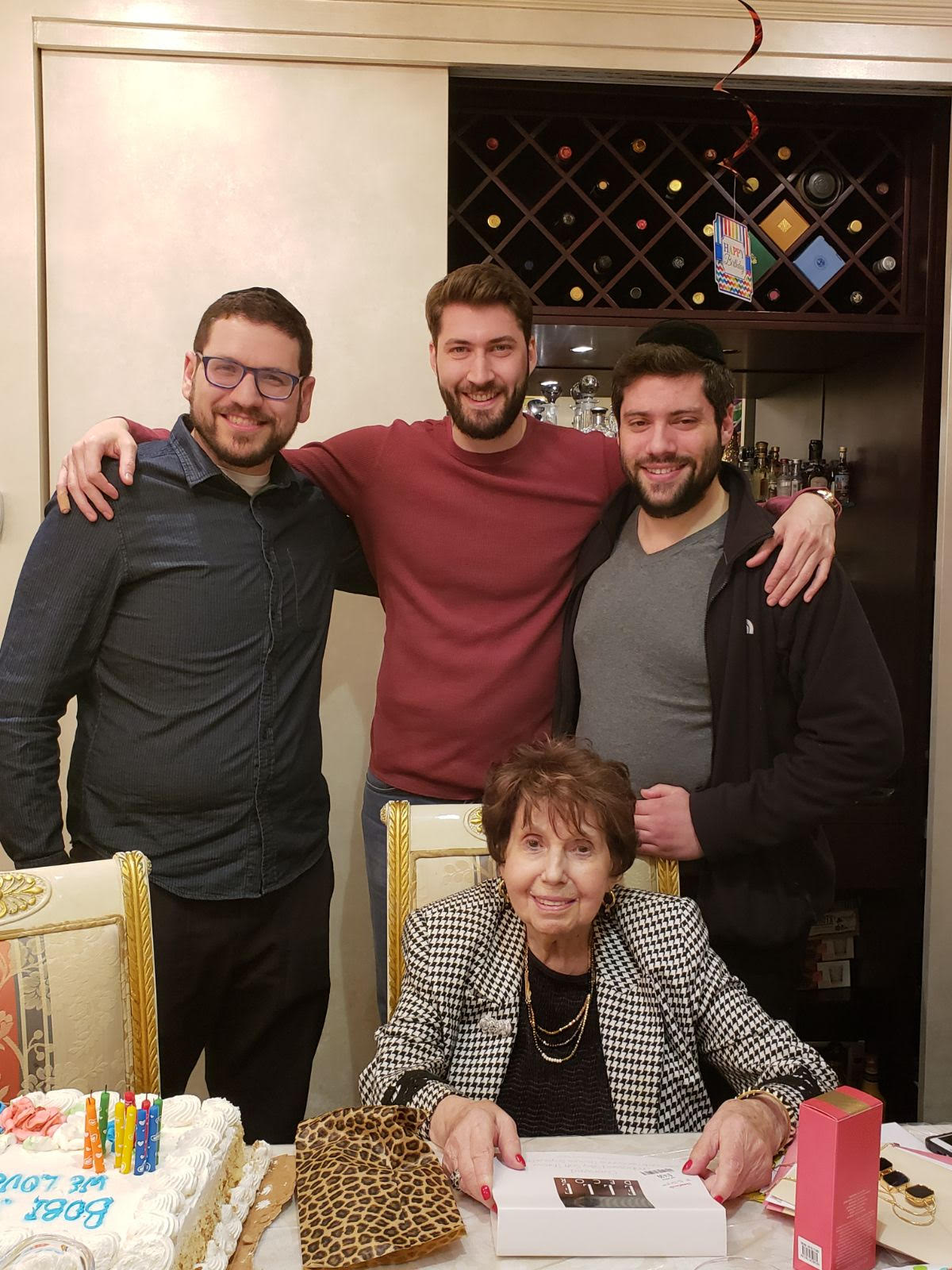
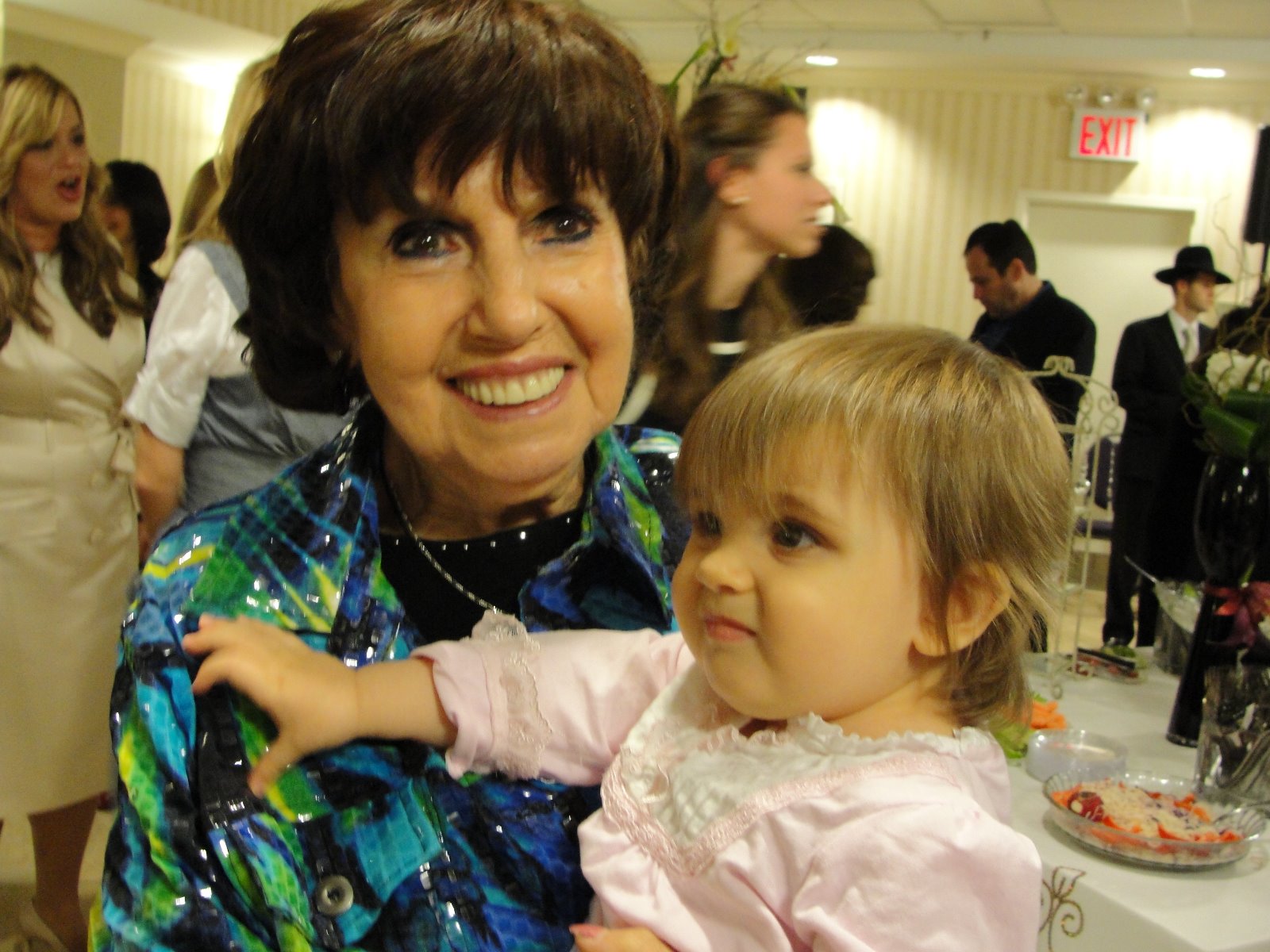


 Reply
Reply
 Reply
Reply
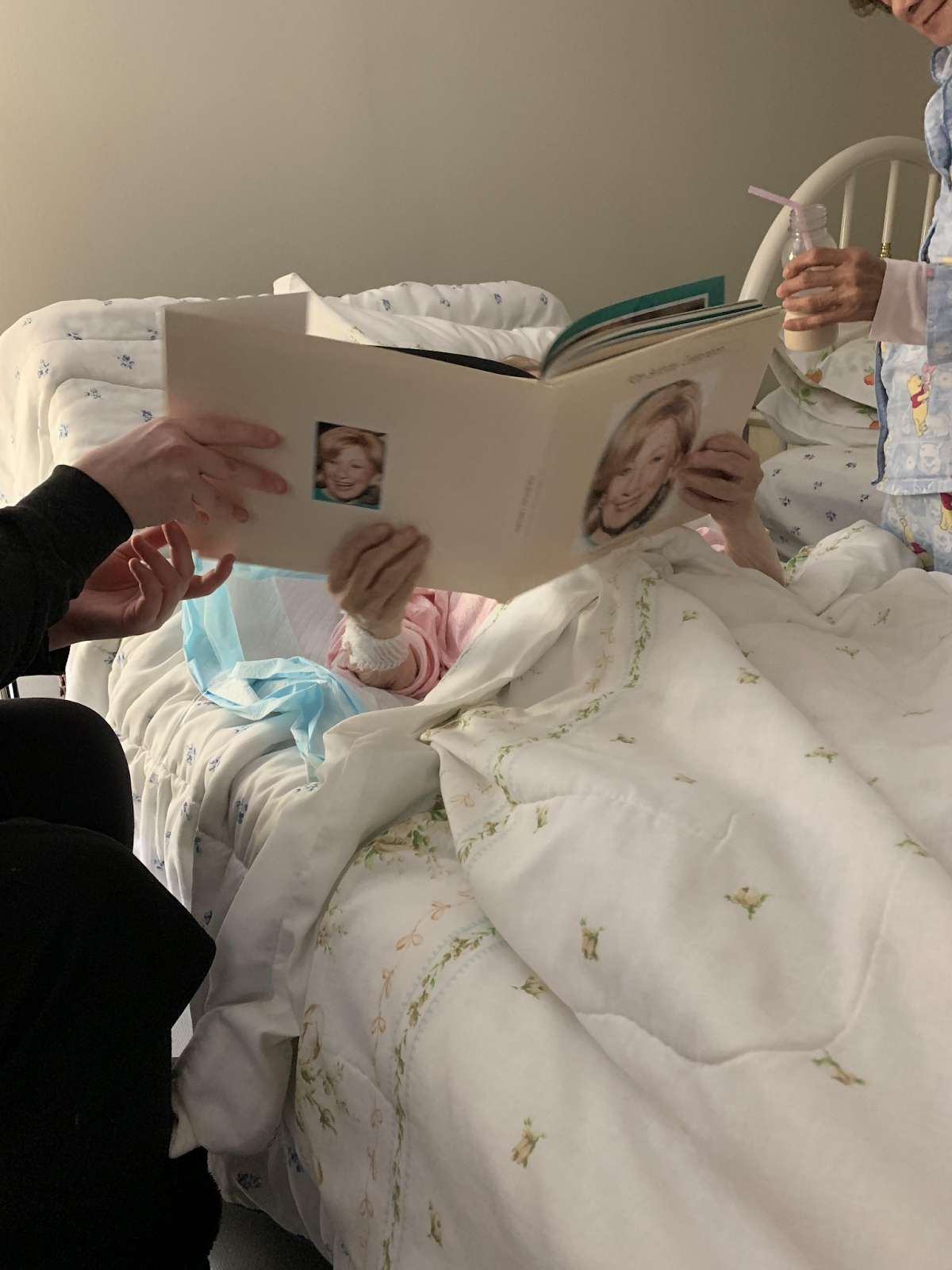
 Reply
Reply
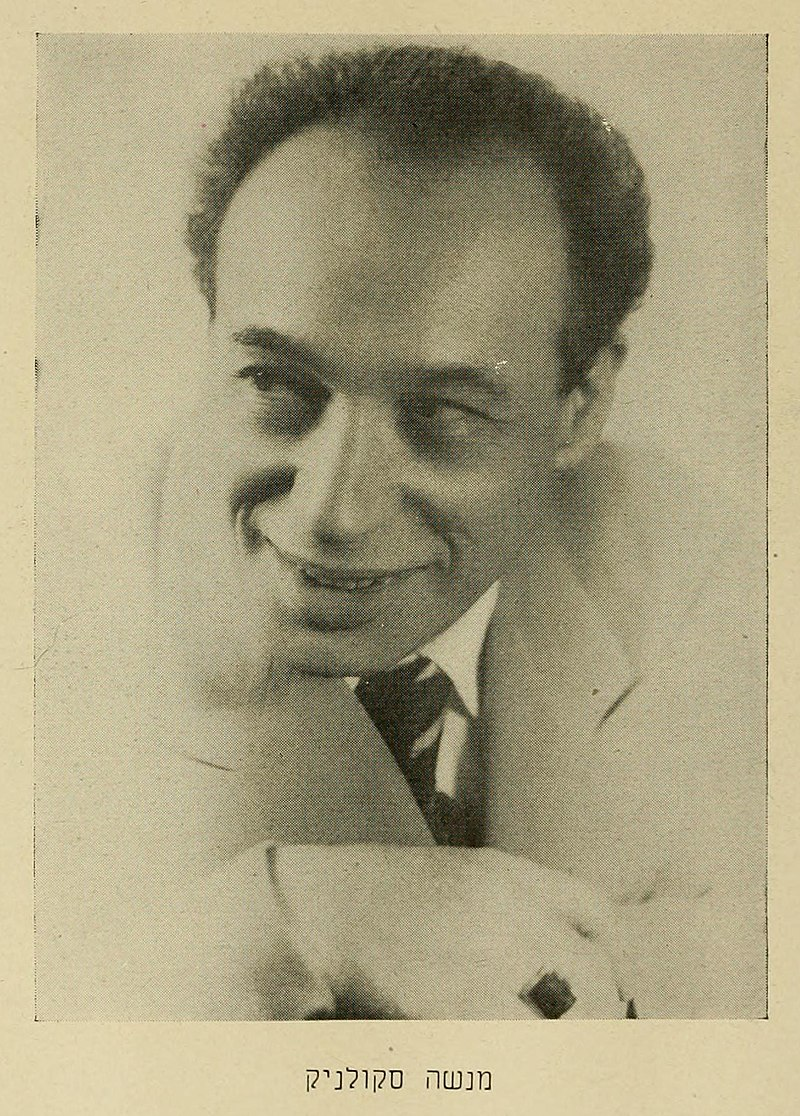

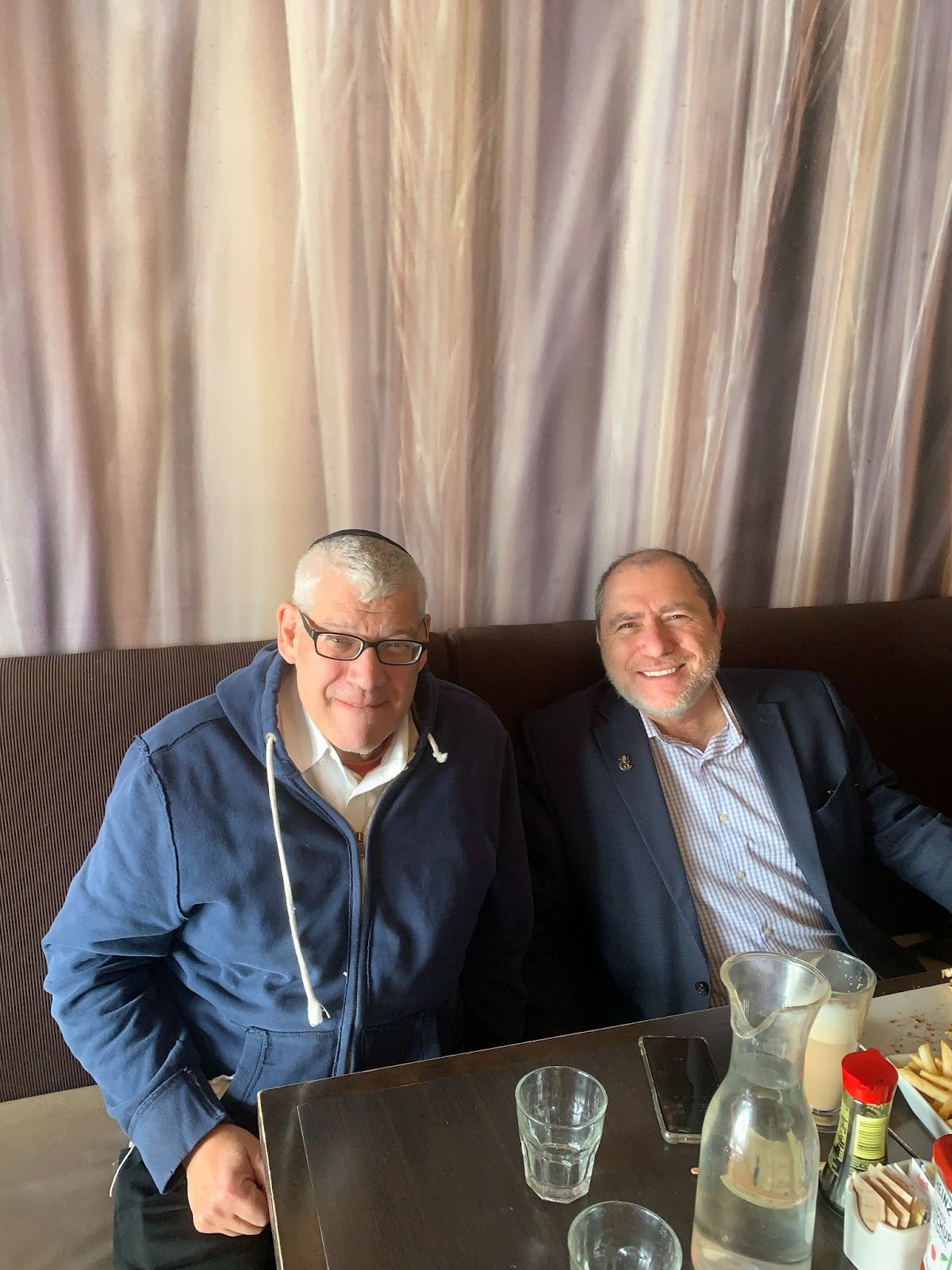
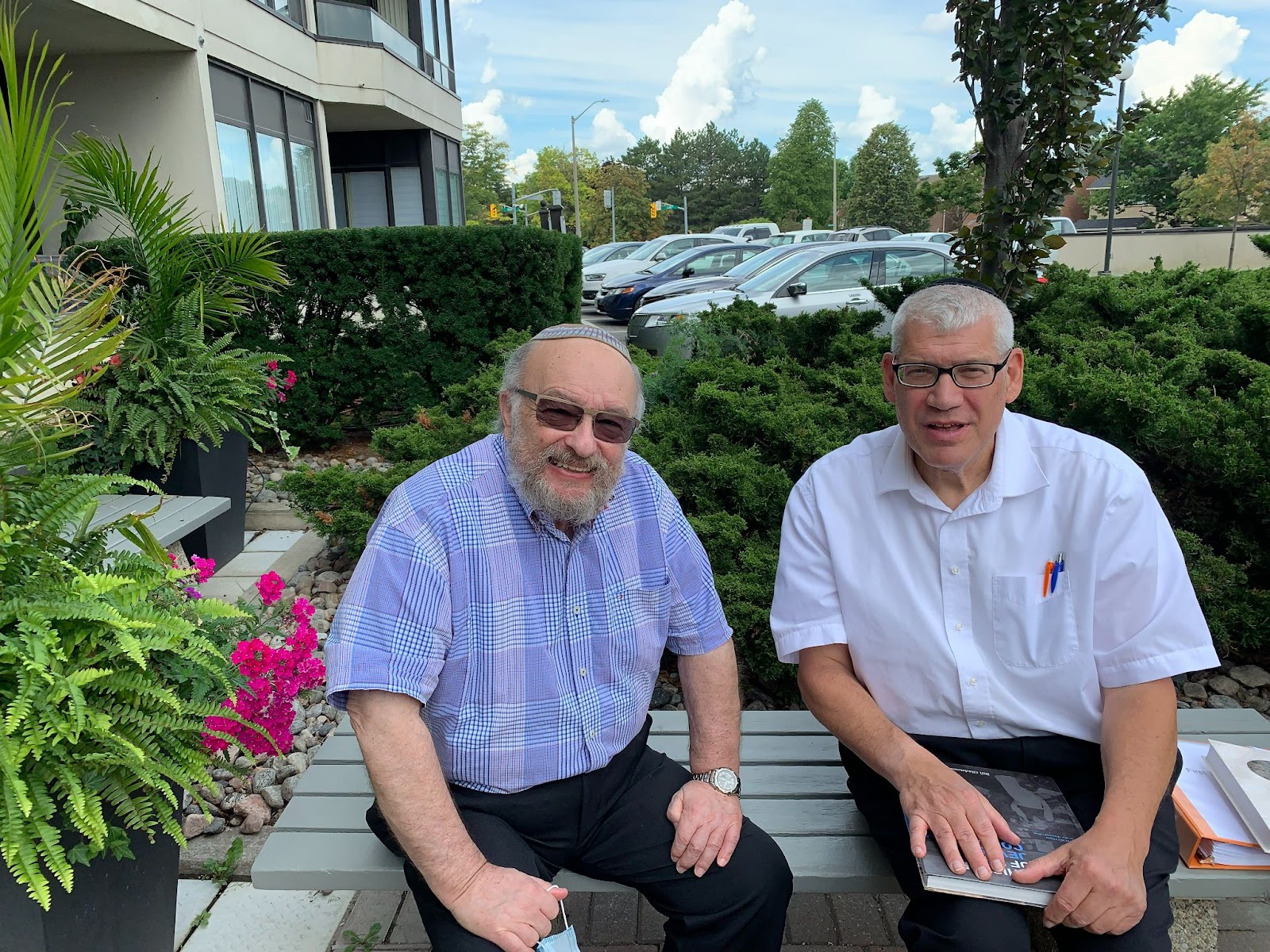
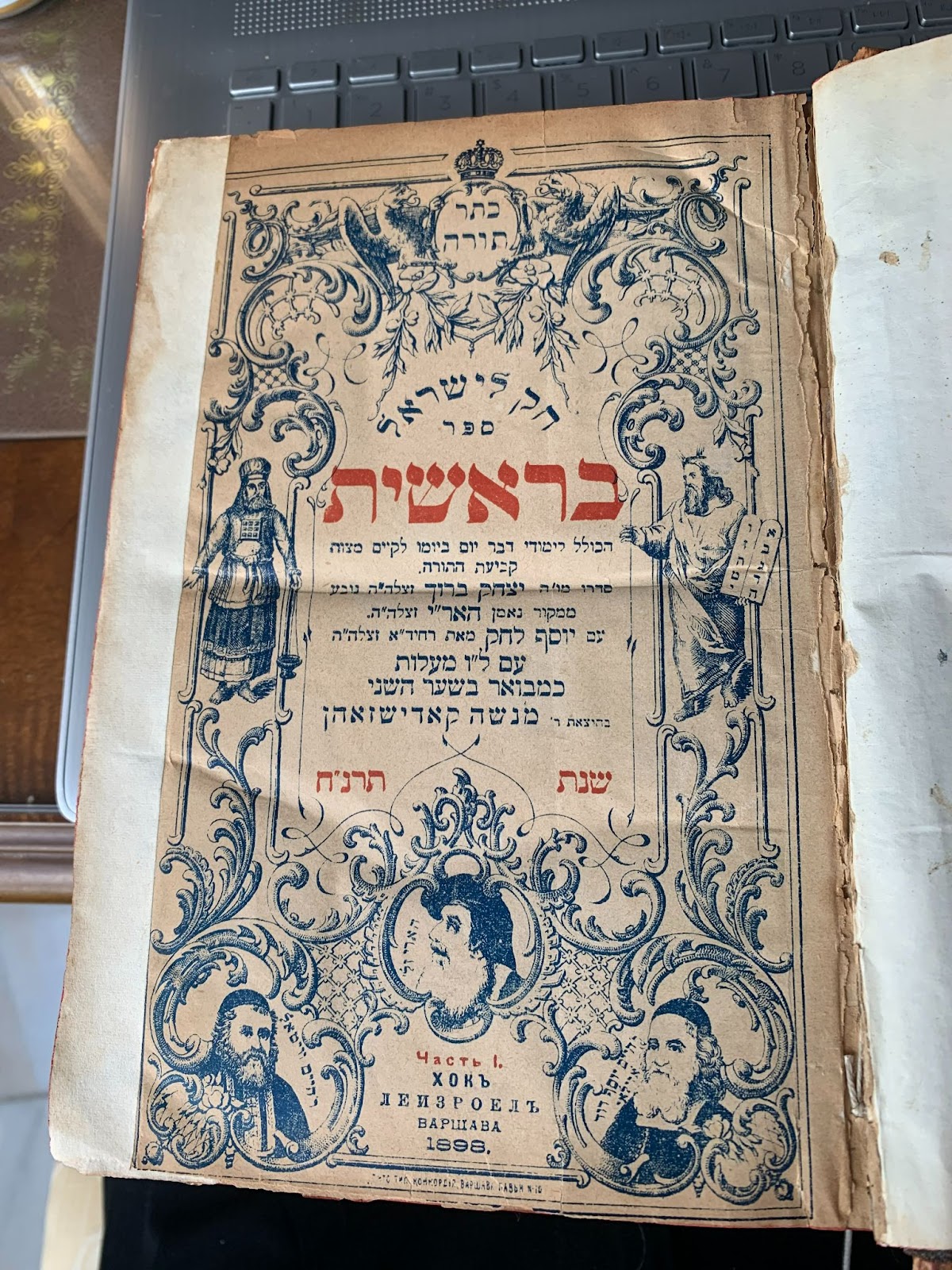
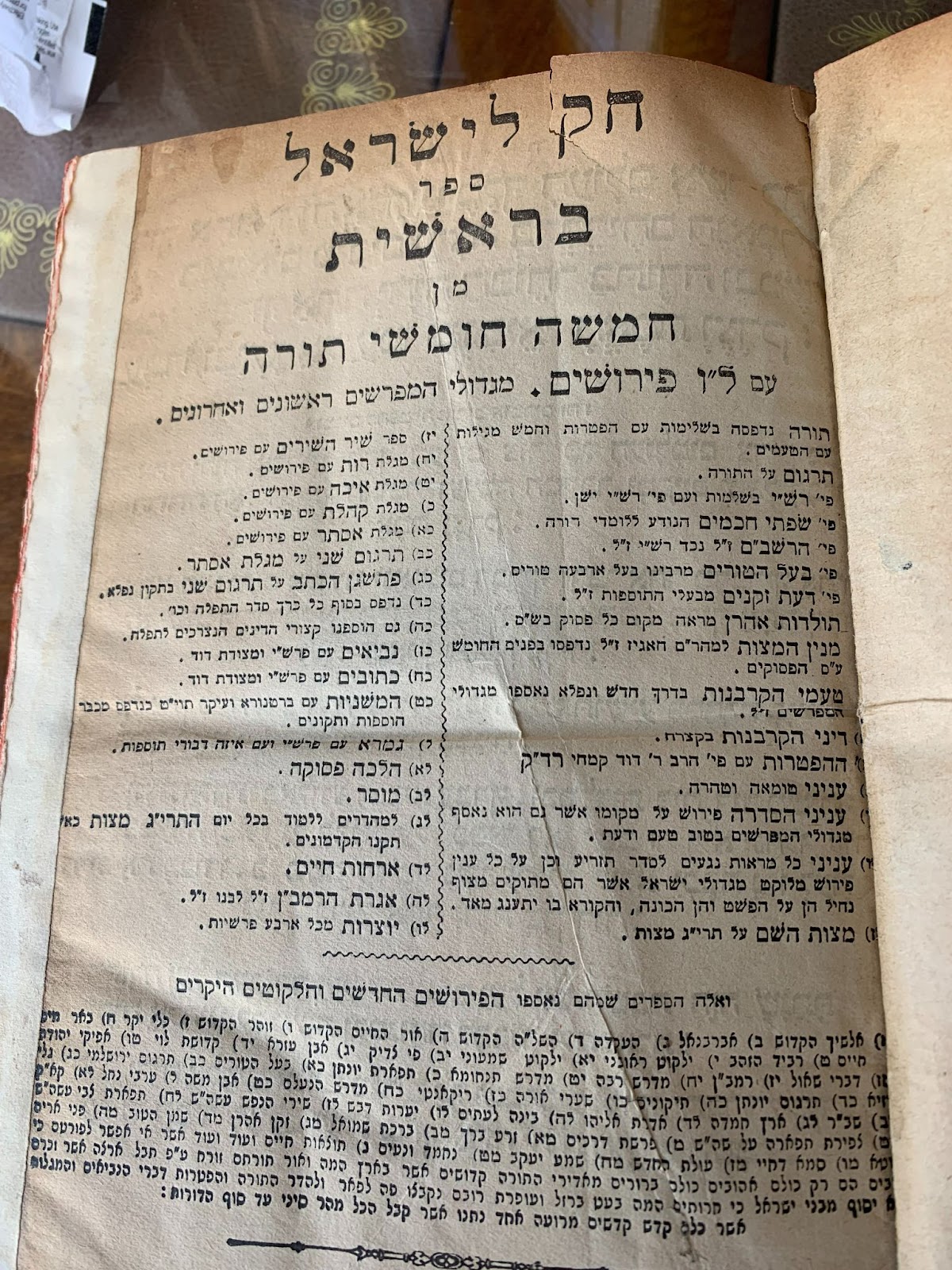


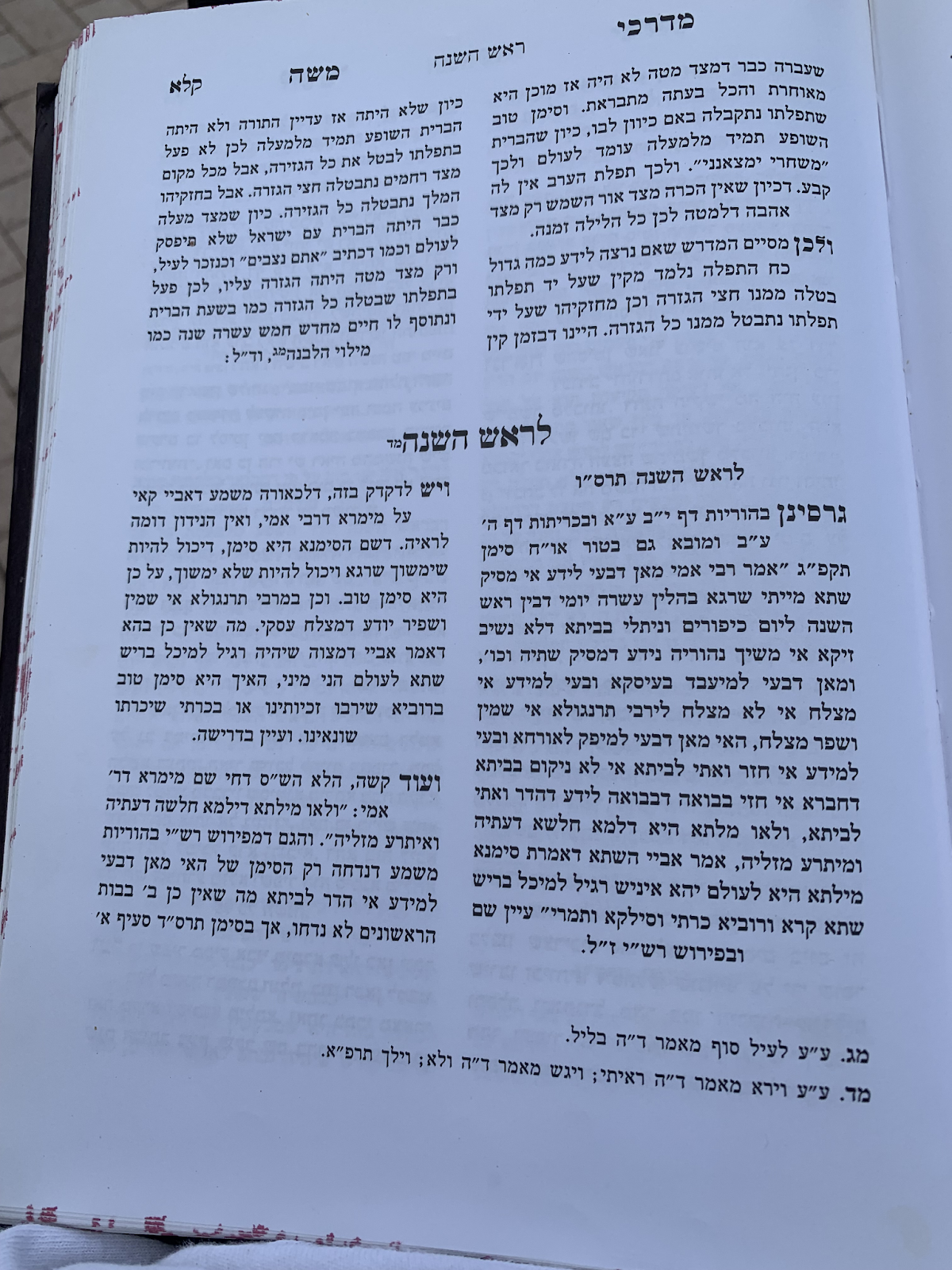
 Exploring Kotzk