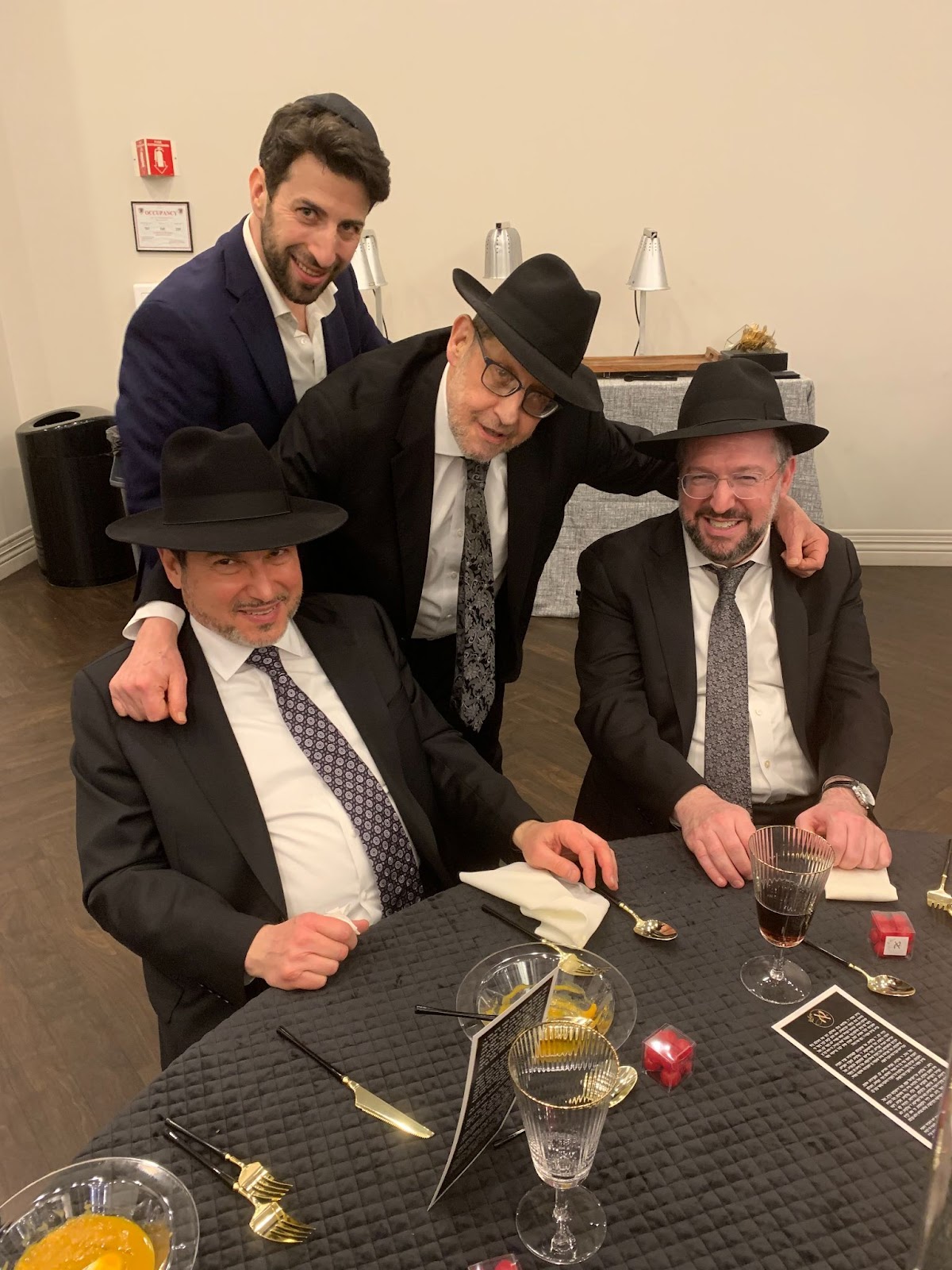
February 17, 2024 – Avrohom Chase Bar Mitzvah

Parshas Truma – Verse 25:2 – starts on Page 5

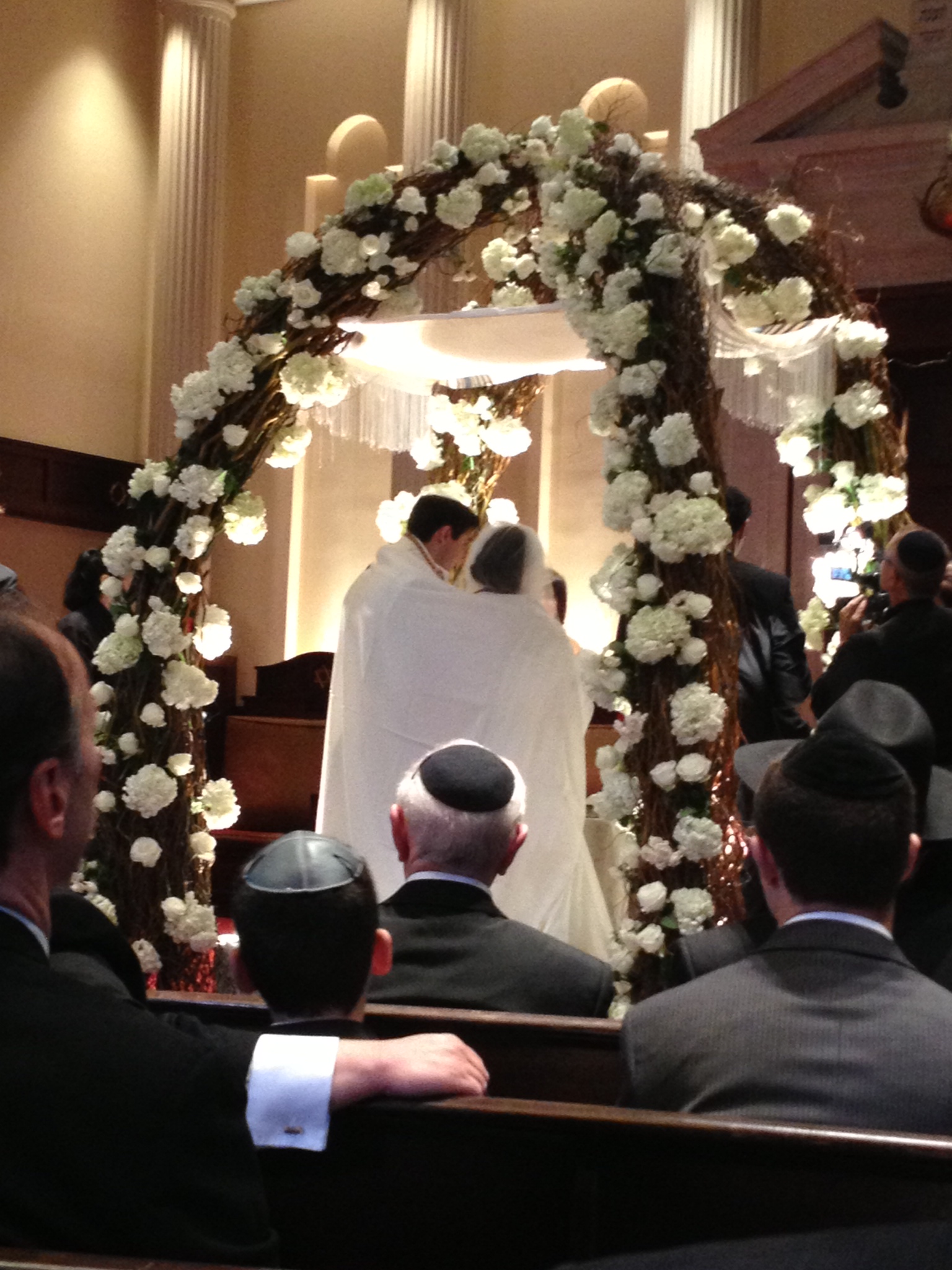
This past Wednesday night was Avrohom Chase’s Bar Mitzvah.  He is Mayer and Chanie Chase’s son.

Shabbos was at  the Adas, Rabbi Kaufman’s Shul.  I davened shabbos at the Bar Mitzvah and had an Aliyah.

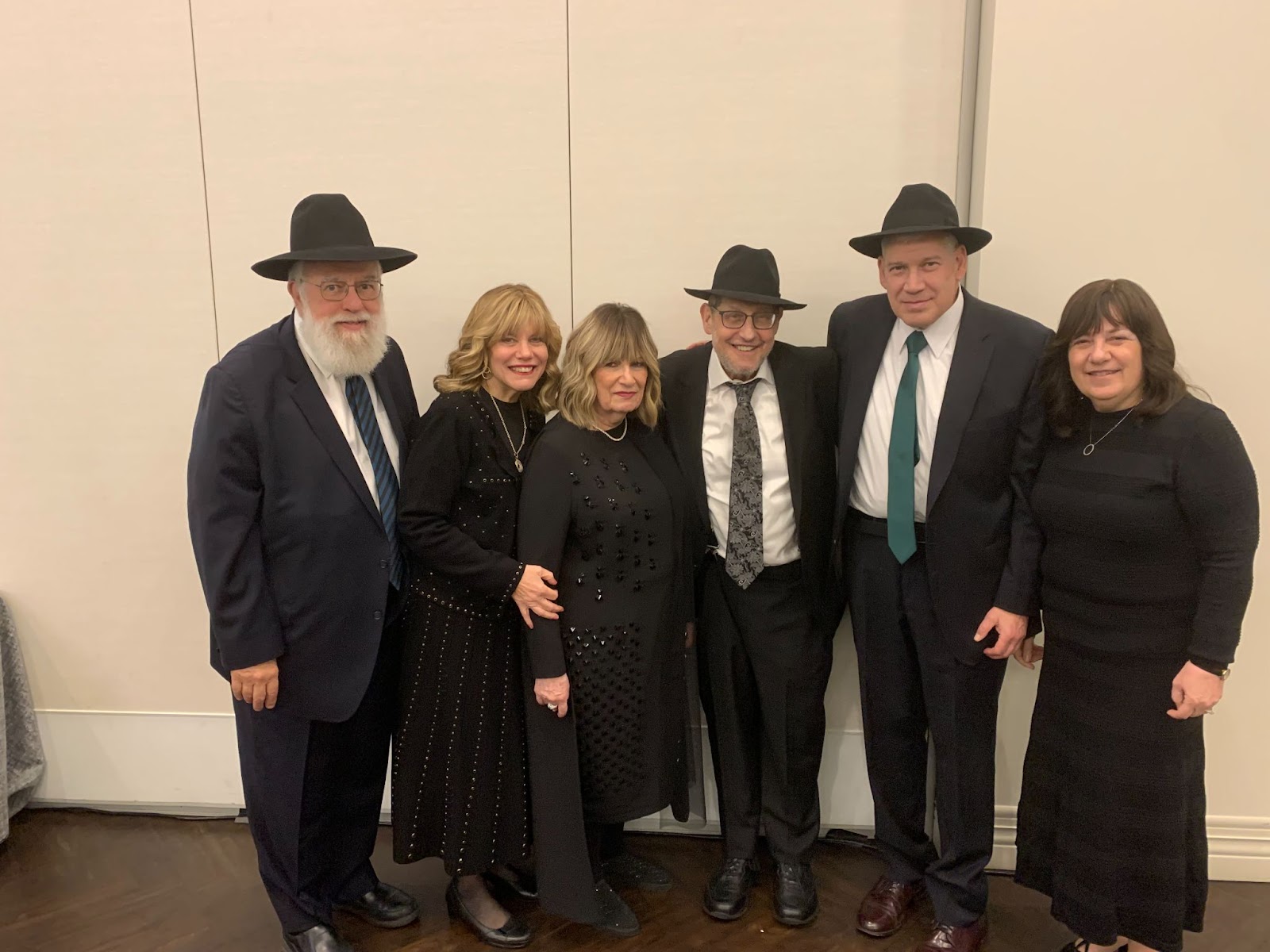
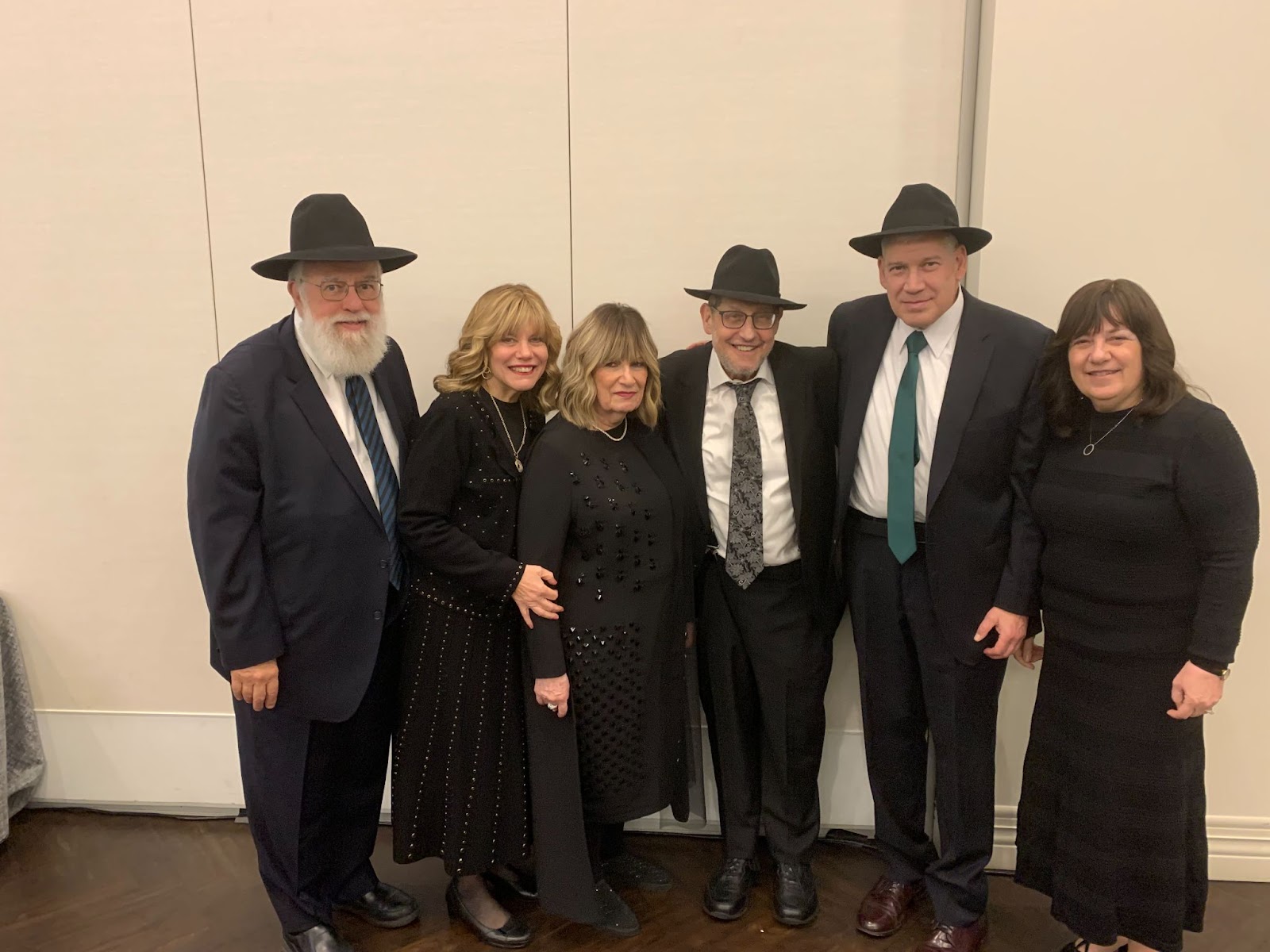
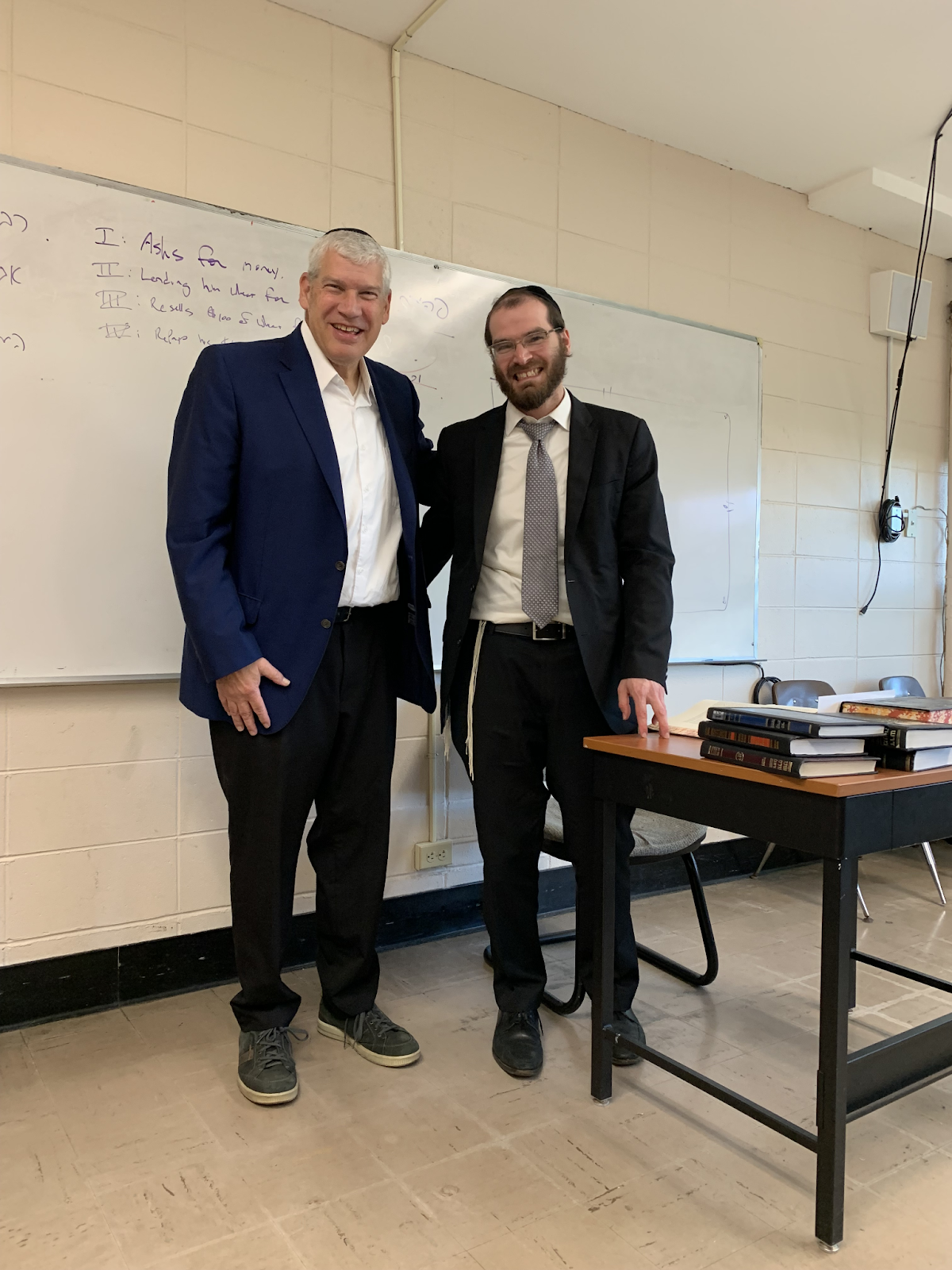
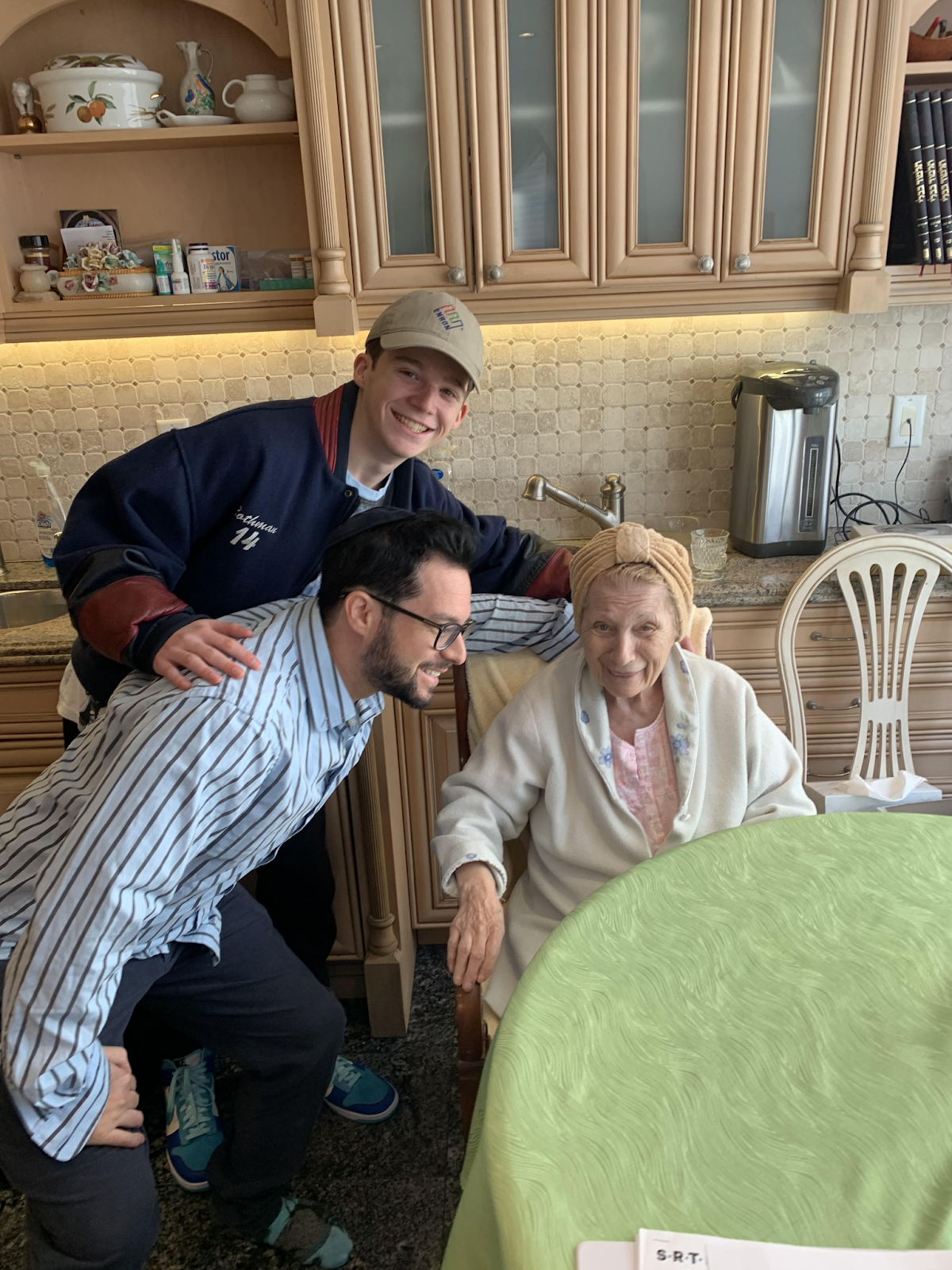
Sidney Glenner, Lisa Glenner, Esther Chase, Pesach Chase, Mitch Morgenstern, Serka Morgenstern

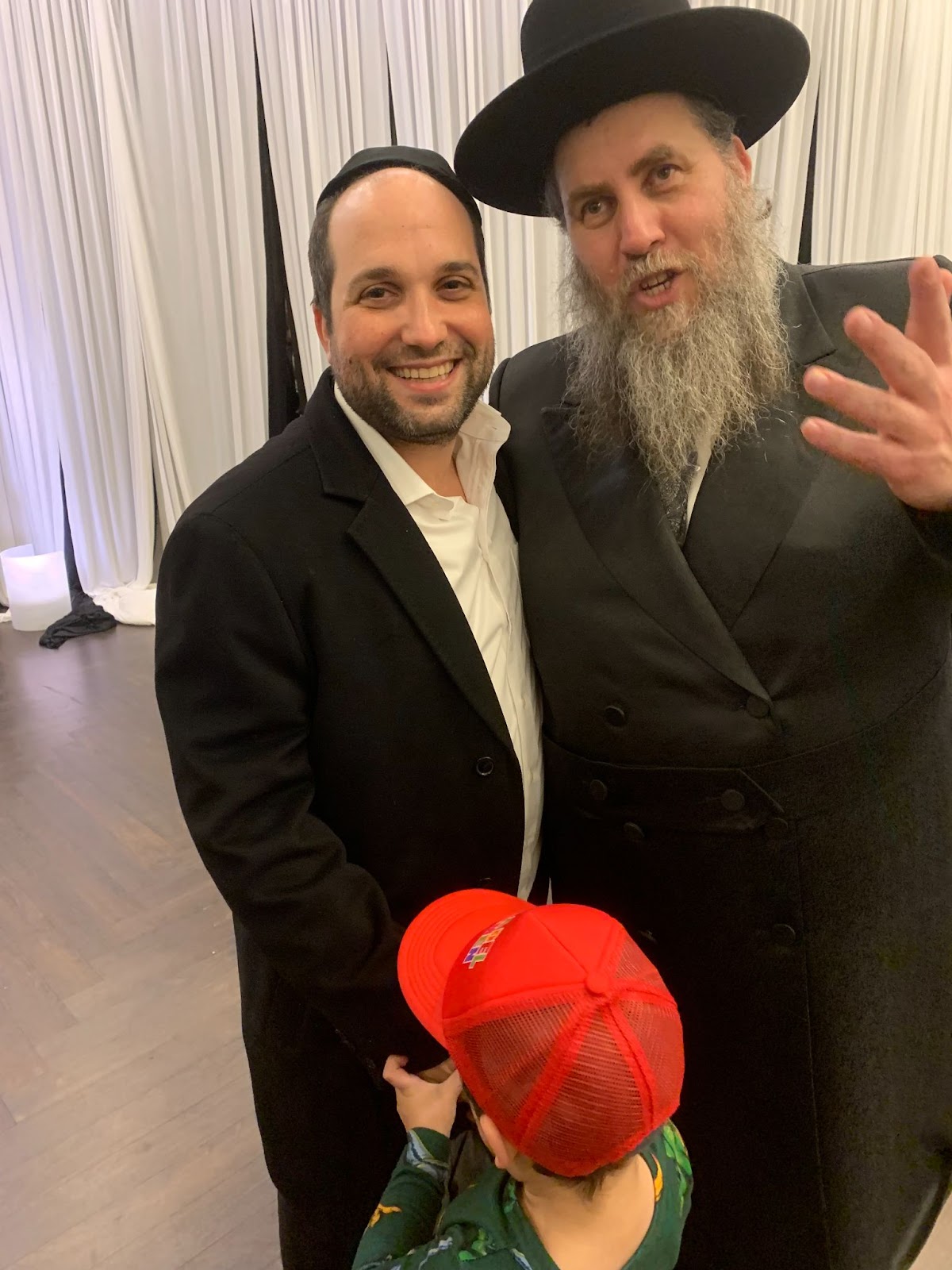
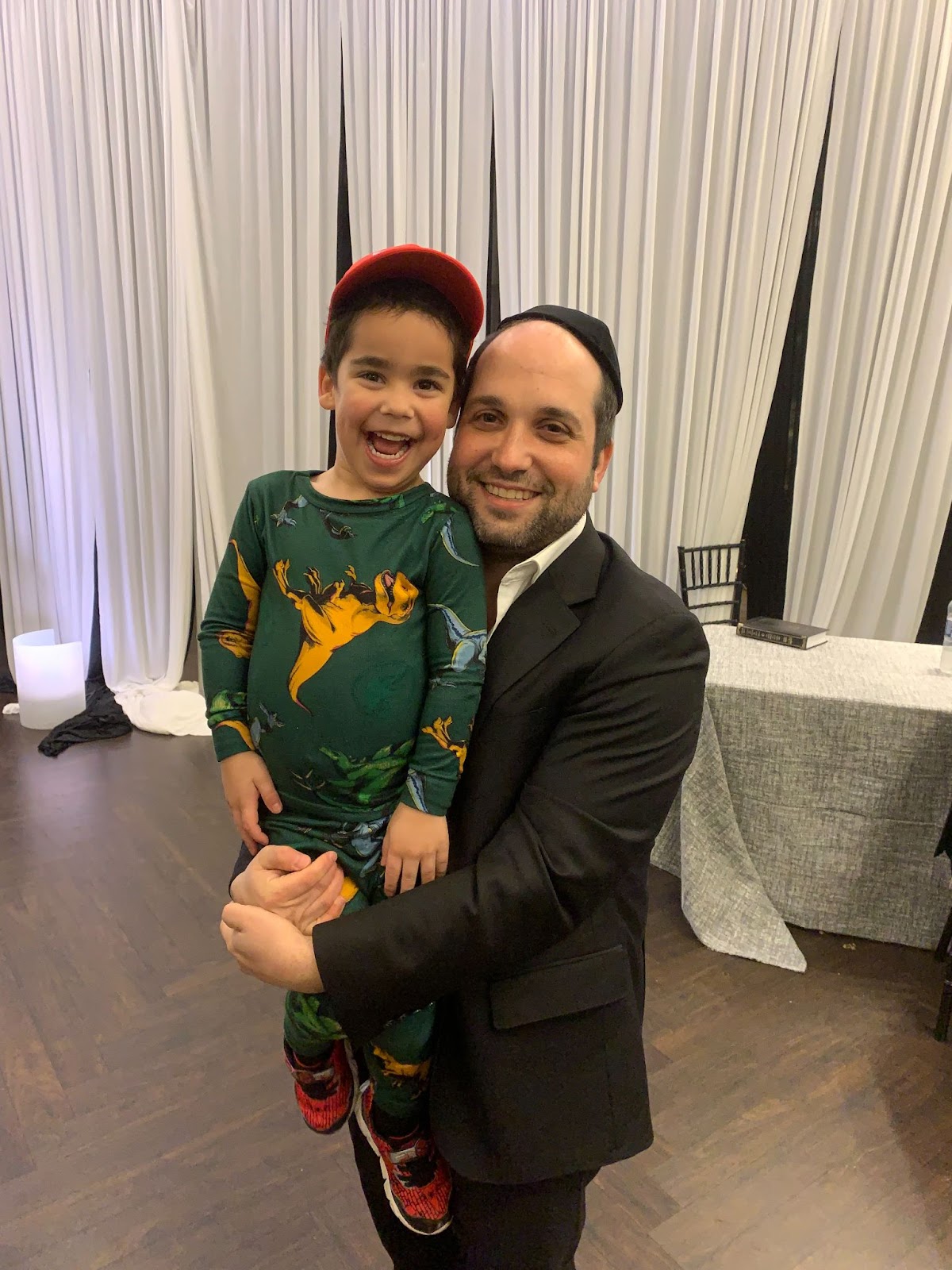
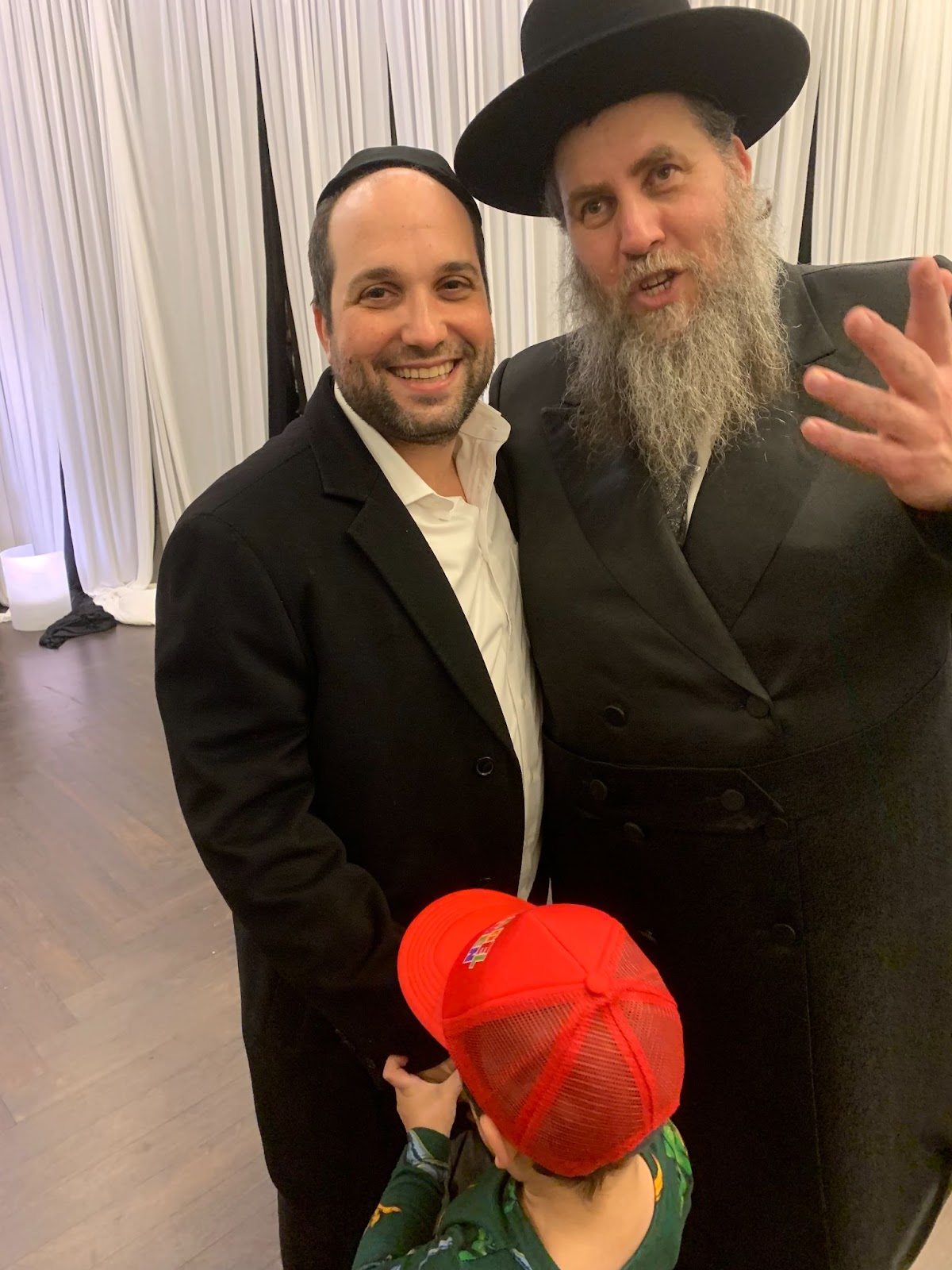
Mordy Siegal, Meyer Chase

Mordy Siegal, Itamer Yaakov Siegal

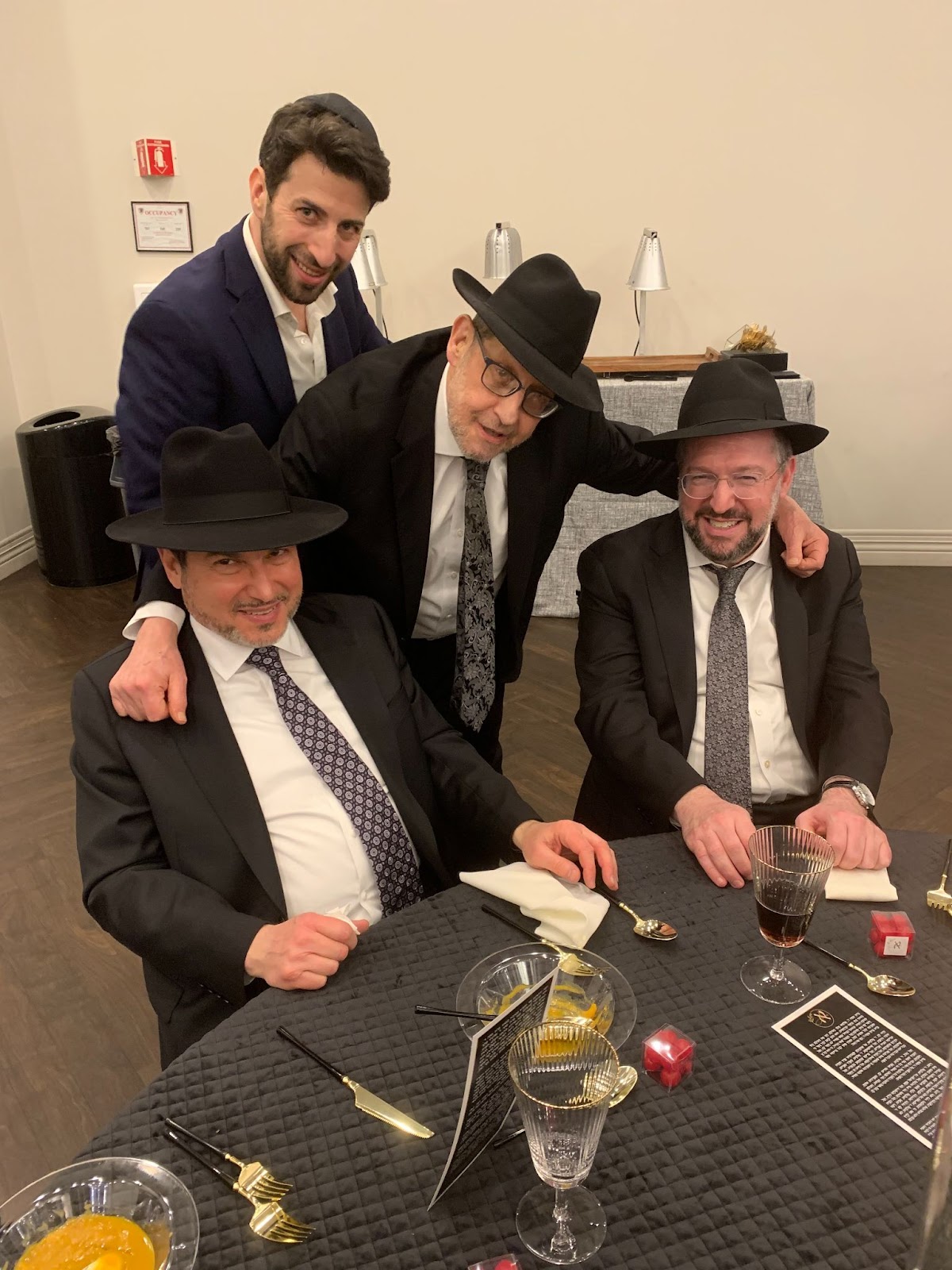
Aron Hoch, Sholem Chase, Pesach Chase, Yaakov Chase (Lakewood)

My Torah:

I love the opening Rashbam on this Parsha:  פרשיות של משכן חשן ואפוד אקצר בפירושן וימצאו בפירושי רבינו שלמה אבי אמי ז”ל.

The second pasuk in Truma Verse 25:2 states:

דַּבֵּר֙ אֶל־בְּנֵ֣י יִשְׂרָאֵ֔ל וְיִקְחוּ־לִ֖י תְּרוּמָ֑ה מֵאֵ֤ת כׇּל־אִישׁ֙ אֲשֶׁ֣ר יִדְּבֶ֣נּוּ לִבּ֔וֹ תִּקְח֖וּ אֶת־תְּרוּמָתִֽי׃

The plain meaning of the Pasuk is that Moshe should speak to the Jews and they should take (from their possessions) a donation from every man who generously offers that gift, you should take My donation.

Questions:

1 – the last three words of  תִּקְח֖וּ אֶת־תְּרוּמָתִֽי are redundant.

2 – The Alsich and many others ask why does is say  וְיִקְחוּ and not  ויתנו?

These are answered by the  אפּריון.  See details below.

Both answered  

3 – Rashi says on the word לִ֖י – the word לִשְׁמִי.   What does Rashi exactly mean?  I do not have a good answer for Rashi.  I did see somewhere that Rashi means do not give donations to the Mishkan because of social pressures or for other reasons, give only to serve God.

The Seifsei Chacomin explains why Rashi says לִשְׁמִי because   לִ֖י cannot mean “take 

from your possessions for me” because everything in the world is His, [therefore it

cannot mean, “so it will be Mine.”]  This is difficult because in this world people 

have ownership rights and people have a right to make decisions on their property.

Translations of this Pasuk:

Almost all of the English translations translate “Li” with the plain meaning “Me”.  Only Rabbi Kahane brings in Rashi.

JPS 2006

Tell the Israelite people to “bring Me gifts”; you shall accept gifts for Me from every person whose heart is so moved.

Mesudah:

Speak to the B’nei Yisrael and have them “take for Me” a terumah-offering. From every man whose heart impels him to generosity shall you take My terumah-offering.

Rabbi Charles Kahane:

Tell the Children of Israel to appoint collectors for taking a voluntary gift for “My Name’s sake”; you shall take My voluntary gift from every man whose heart willingly offers the donation.

Only one who brings in Rashi.

Artscroll

Speak to the children of Israel and they shall “take for Me” a portion, from every man whose heart will motivate him you shall take My portion.

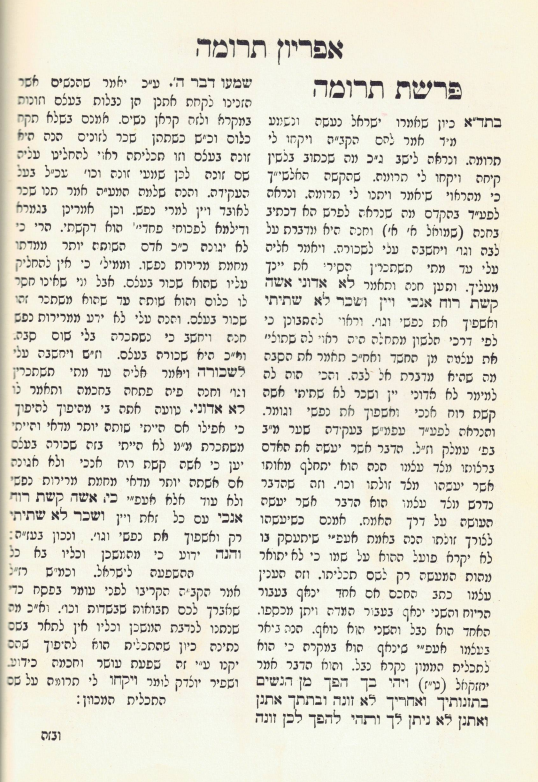
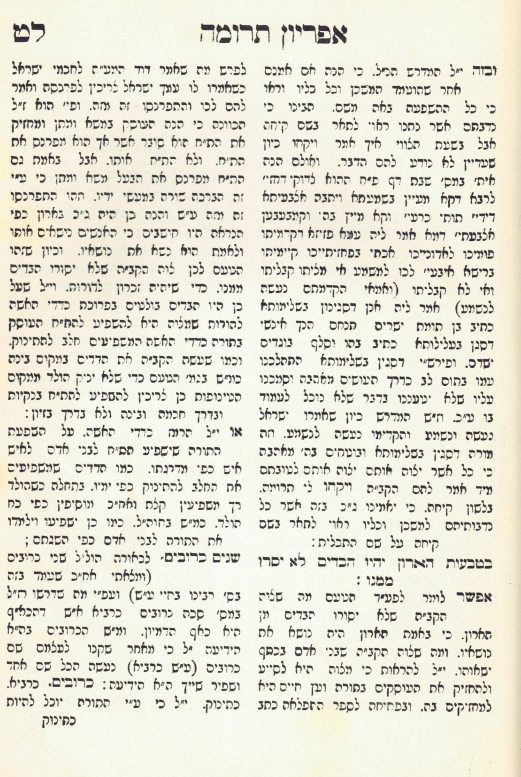
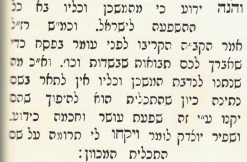
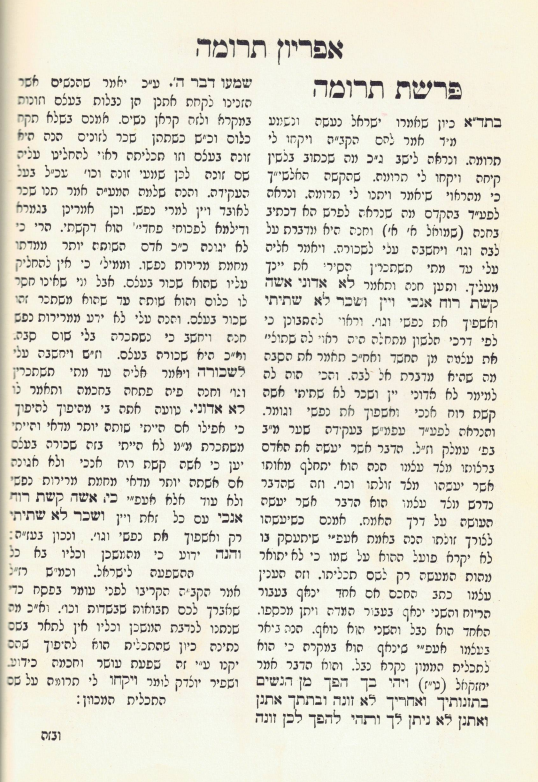
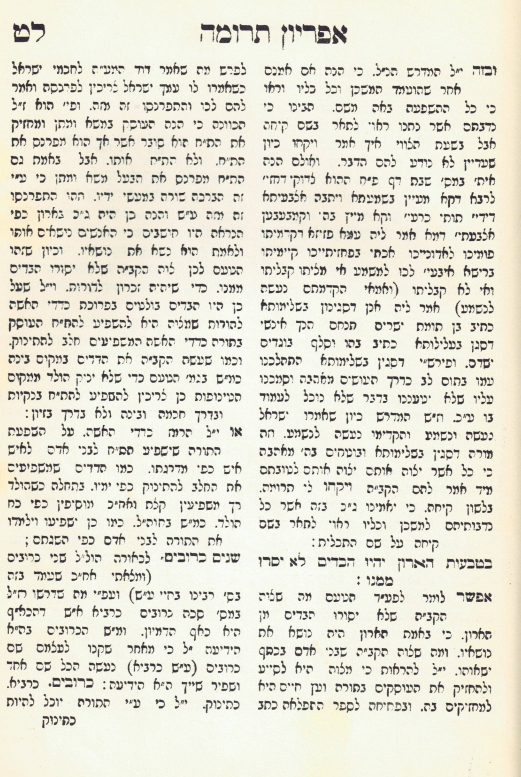
The  אפּריון   based on the Tanna Dvei Eliyahu:

Speak to the children of Israel.  And they will “take My gifts”; (this is done) by Moshe taking donations from all people whose heart will motivate him.  Ther Aperion will be explained below.

My Torah:

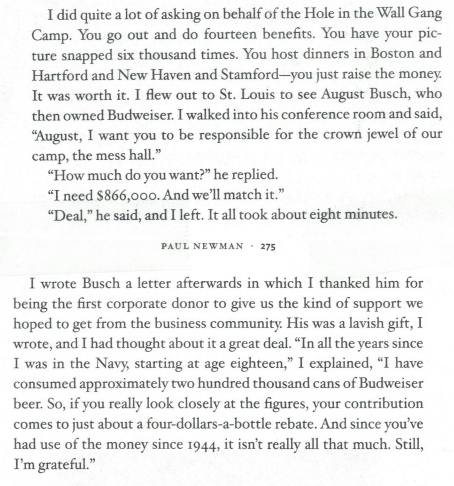
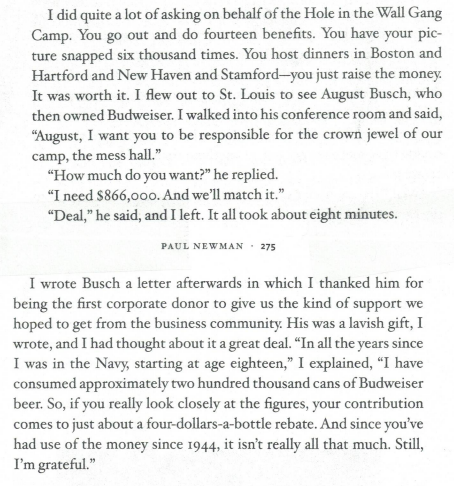
I want to start off something I read in Paul Newman’s autobiography this Shabbos morning, how coincidental.

Last year and today, I learned and analyzed the following  אפּריון.  See my blog post from last year.

Synopsis of the Torah of the Aperion:

Verse 25:2 – First Verse in the Parsha

דַּבֵּר֙ אֶל־בְּנֵ֣י יִשְׂרָאֵ֔ל וְיִקְחוּ־לִ֖י תְּרוּמָ֑ה מֵאֵ֤ת כׇּל־אִישׁ֙ אֲשֶׁ֣ר יִדְּבֶ֣נּוּ לִבּ֔וֹ תִּקְח֖וּ אֶת־תְּרוּמָתִֽי׃

Tell the Israelite people to bring Me gifts; you shall accept gifts for Me from every person whose heart is so moved.

The plain meaning is that the Jews in the desert were to give donations to build the Mishkan.

The אפּריון starts by bringing down a Tanna Dvei Eliyahu that says that when the Jewish people said we will do and we will listen, immediately Hashem said וְיִקְחוּ־לִ֖י תְּרוּמָ֑ה.  What is the connection?

By explaining the connection in the Tanna Dvei Eliyahu we can answer the Alshich’s question of why didn’t the Torah say, give me a gift.

Answer:

First Step:

Chana and Eli, the High Priest.  Eli misunderstood Chana.

The following verses in Shmuel 1:13-15 are explained.

וְחַנָּ֗ה הִ֚יא מְדַבֶּ֣רֶת עַל־לִבָּ֔הּ רַ֚ק שְׂפָתֶ֣יהָ נָּע֔וֹת וְקוֹלָ֖הּ לֹ֣א יִשָּׁמֵ֑עַ וַיַּחְשְׁבֶ֥הָ עֵלִ֖י לְשִׁכֹּרָֽה׃

Now Hannah was praying in her heart; only her lips moved, but her voice could not be heard. So Eli thought she was drunk.

וַיֹּ֤אמֶר אֵלֶ֙יהָ֙ עֵלִ֔י עַד־מָתַ֖י תִּשְׁתַּכָּרִ֑ין הָסִ֥ירִי אֶת־יֵינֵ֖ךְ מֵֽעָלָֽיִךְ׃

Eli said to her, “How long will you make a drunken spectacle of yourself? Sober up!”-e

וַתַּ֨עַן חַנָּ֤ה וַתֹּ֙אמֶר֙ לֹ֣א אֲדֹנִ֔י אִשָּׁ֤ה קְשַׁת־ר֙וּחַ֙ אָנֹ֔כִי וְיַ֥יִן וְשֵׁכָ֖ר לֹ֣א שָׁתִ֑יתִי וָאֶשְׁפֹּ֥ךְ אֶת־נַפְשִׁ֖י לִפְנֵ֥י יְהֹוָֽה׃

And Hannah replied, “Oh no, my lord! I am a very unhappy woman. I have drunk no wine or other strong drink, but I have been pouring out my heart to the LORD.

When accused of being drunk, Chana’s first response should have been, “I did not drink” and then she should have said, “I am a very unhappy woman”.  However, she reversed the order.

Step 2:

Describing people through their actions and why the purpose and result of their actions is the true definition of that person, not the action itself in a vacuum.  Meaning Chana was not a drunk, even if she drank at that time she only drank because of her bitterness.  This is what Chana is telling to Eli.  

Chana, even if she was drunk cannot be called a drunkard because if she had drunk, it was only because she was bitter.

Step 3 – Just like Chazal says that if the Omer is brought on the second day of Pesach Hashem will bless the crops, so too the Mishkan and its vessels bring down “Shefah” – goodness.  This is the mean of our verse of “וְיִקְחוּ־לִ֖י תְּרוּמָ֑ה “.

Step 4:  The Gemara in Shabbos:

The Gemara relates that a heretic saw that Rava was immersed in studying halakha, and his fingers were beneath his leg and he was squeezing them, and his fingers were spurting blood. Rava did not notice that he was bleeding because he was engrossed in study. The heretic said to Rava: You impulsive nation, who accorded precedence to your mouths over your ears. You still bear your impulsiveness, as you act without thinking. You should listen first. Then, if you are capable of fulfilling the commands, accept them. And if not, do not accept them. He said to him: About us,

88b

who proceed wholeheartedly and with integrity, it is written: “The integrity of the upright will guide them” (Proverbs 11:3), whereas about those people who walk in deceit, it is written at the end of the same verse: “And the perverseness of the faithless will destroy them.”

Step 5 – As it says in the Gemara in Shabbos, when the Jews said “we will do and we will listen”, we understood that everything God does for us is good and we do not hesitate to say, we will do before we will listen.

Step 6 – so too the idea of giving the donations to the Miskan was to receive blessings, so it was appropriate for the Torah to use the language of taking.  Had the Jews not said “we will do and we will listen” then the appropriate language would have been “ויתנו”.  

The language of the Aperion:

Although the Jews were giving money for the Mishkan, the ultimate goal was to take blessings from God.

The  אפּריון based on the Tanna Dvei Eliyahu is translating the Pasuk, וְיִקְחוּ־לִ֖י תְּרוּמָ֑ה, that the Jewish people are to take gifts from God.  They do this by giving donations for the construction of the Mishkan.

The Pasuk is thus translated:

דַּבֵּר֙ אֶל־בְּנֵ֣י יִשְׂרָאֵ֔ל וְיִקְחוּ־לִ֖י תְּרוּמָ֑ה מֵאֵ֤ת כׇּל־אִישׁ֙ אֲשֶׁ֣ר יִדְּבֶ֣נּוּ לִבּ֔וֹ תִּקְח֖וּ אֶת־תְּרוּמָתִֽי׃

Speak to the children of Israel.  And they will take My gifts; this is done by Moshe taking donations from all people whose heart will motivate him.

Analysis of Tanna Dvei Eliyahu:

Chapter 17:

כיון שקבלו ישראל עול מלכות שמים בשמחה ואמרו כל אשר דבר ה’ נעשה ונשמע מיד אמר הקב”ה למשה שיאמר לישראל 

שיעשו לו משכן שנאמר (שמות כה) דבר אל בנ”י וגו’ ועשו לי מקדש ושכנתי בתוכם וגו’. 

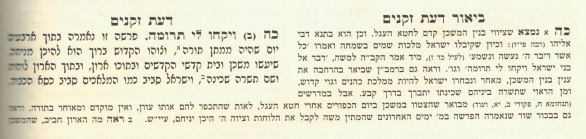
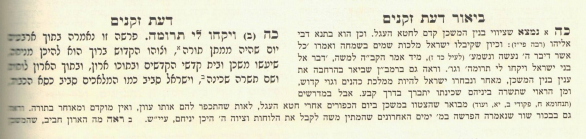
This Tanna Dvei Eliyahu is the source for the following Daas Zekeinim:

ויקחו לי תרומה. פרשה זו נאמרה בתוך ארבעים יום שהיה ממתן תורה וצוהו הקב”ה להיכן מניח’ שיעשו משכן ובית קדשי הקדשים ובתוכו ארון ובתוך הארון לוחות ושם תשרה שכינה וישראל סביב כמו המלאכים סביב כסא הכבוד ושכינה ביניהם וכן כתוב ושכנתי בתוכם כמו בתוך המלאכים ועל זה נאמר אמרתי אלהים אתם ובני עליון כלכם להיות שכינתי ביניהם:

The Oz Vehadar Chumash in their Perush of the Da’as Zekanimu says that the source of the above Da’s Zekanim is this very Tanna Dvei Eliyahu:

Da’as Zekanm translated into English:

ויקחו לי תרומה, “they shall take for Me a contribution;” this portion had been told to Moses during the forty days that Moses was on Mount Sinai, immediately after the revelation at that Mountain, [In other words, before the smashing of the Tablets, and the golden calf episode. Ed.] G–d, at that time, had already told Moses where to erect the Tabernacle, and that it would house the Holy Ark, inside the Holy of Holies, symbolizing G–d’s presence on earth. He told him that it would contain the Tablets, and that the Israelites would be encamped around the Tabernacle. This is what is meant in verse eight of our verse where G–d described Himself as residing in the midst of the people, i.e. as if surrounded by angels as He had been in heaven. Concerning this state of affairs, David had said in Psalms 82,6: אמרתי אלוהים אתם ובני עליון כולכם, “I had said: ‘you are the children of G–d all of you children of the Supreme Being.” [David bemoans the demotion of the Jewish people that followed the golden calf episode in the verse following. Ed.]

Continuation of the Tanna Dvei Eliyahu:

באותה שעה אמר הקב”ה בלבבו שמא לא יביאו בנ”י נדבתם לפני ושמא יהיו אומרים כלפי מעלה וכי לכסף וזהב הוא צריך והלא כל כסף וזהב ואבנים טובות ומרגליות וכל כלי חמדה שלו הוא שנאמר (חגי ב) לי הכסף ולי הזהב נאם ה’ צבאות. ומפני מה אומר לבני אדם הביאו לי נדבה ועשו לי מקדש אבל מה שביקש הקב”ה מישראל נתנו לו ישראל והוא עושה לישראל מה שאמר להן. וכשעשו ישראל רצון הקב”ה במדבר והקב”ה מצא בהן קורת רוח כמה שנאמר בהן (שמות לה) ויבואו כל איש אשר נשאו לבו וכל אשר נדבה רוחו אותו וגו’. ו

Avrohom Chase Bar Mitzvah

February 17, 2024

Parshas Truma – Verse 25:2 – starts on Page 5

This past Wednesday night was Avrohom Chase’s Bar Mitzvah.  He is Mayer and Chanie Chase’s son.

Shabbos was at  the Adas, Rabbi Kaufman’s Shul.  I davened shabbos at the Bar Mitzvah and had an Aliyah.

Sidney Glenner, Lisa Glenner, Esther Chase, Pesach Chase, Mitch Morgenstern, Serka Morgenstern

Mordy Siegal, Meyer Chase

Mordy Siegal, Itamer Yaakov Siegal

Aron Hoch, Sholem Chase, Pesach Chase, Yaakov Chase (Lakewood)

My Torah:

I love the opening Rashbam on this Parsha:(פרשיות של משכן חשן ואפוד אקצר בפירושן וימצאו בפירושי רבינו שלמה אבי אמי ז”ל).

The second pasuk in Truma Verse 25:2 states:

דַּבֵּר֙ אֶל־בְּנֵ֣י יִשְׂרָאֵ֔ל וְיִקְחוּ־לִ֖י תְּרוּמָ֑ה מֵאֵ֤ת כׇּל־אִישׁ֙ אֲשֶׁ֣ר יִדְּבֶ֣נּוּ לִבּ֔וֹ תִּקְח֖וּ אֶת־תְּרוּמָתִֽי׃

The plain meaning of the Pasuk is that Moshe should speak to the Jews and they should take (from their possessions) a donation from every man who generously offers that gift, you should take My donation.

Questions:

1 – the last three words of  תִּקְח֖וּ אֶת־תְּרוּמָתִֽי are redundant.

2 – The Alsich and many others ask why does is say  וְיִקְחוּ and not  ויתנו?

These are answered by the  אפּריון.  See details below.

Both answered  

3 – Rashi says on the word לִ֖י – the word לִשְׁמִי.   What does Rashi exactly mean?  I do not have a good answer for Rashi.  I did see somewhere that rashi means do not give donations to the Mishkan because of social pressures or for other reasons, give only to serve God.

The Seifsei Chacomin explains why Rashi says לִשְׁמִי because   לִ֖י cannot mean “take 

from your possessions for me” because everything in the world is His, [therefore it

cannot mean, “so it will be Mine.”]  This is difficult because in this world people 

have ownership rights and people have a right to make decisions on their property.

Translations of this Pasuk:

Almost all of the English translations translate it with the plain meaning.  Only Rabbi Kahane brings in Rashi.

JPS 2006

Tell the Israelite people to bring Me gifts; you shall accept gifts for Me from every person whose heart is so moved.

Mesudah:

Speak to the B’nei Yisrael and have them take for Me a terumah-offering. From every man whose heart impels him to generosity shall you take My terumah-offering.

Rabbi Charles Kahane:

Tell the Children of Israel to appoint collectors for taking a voluntary gift for My Name’s sake; you shall take My voluntary gift from every man whose heart willingly offers the donation.

Only one who brings in Rashi.

Artscroll

Speak to the children of Israel and they shall take for Me a portion, from every man whose heart will motivate him you shall take My portion.

The  אפּריון   based on the Tanna Dvei Eliyahu:

Speak to the children of Israel.  And they will take My gifts; (this is done) by Moshe taking donations from all people whose heart will motivate him.

My Torah:

I want to start off something I read in Paul Newman’s autobiography this Shabbos morning, how coincidental.

Last year and today, I learned and analyzed the following  אפּריון.  See my blog post from last year.

Synopsis of the Torah of the Aperion:

Verse 25:2 – First Verse in the Parsha

דַּבֵּר֙ אֶל־בְּנֵ֣י יִשְׂרָאֵ֔ל וְיִקְחוּ־לִ֖י תְּרוּמָ֑ה מֵאֵ֤ת כׇּל־אִישׁ֙ אֲשֶׁ֣ר יִדְּבֶ֣נּוּ לִבּ֔וֹ תִּקְח֖וּ אֶת־תְּרוּמָתִֽי׃

Tell the Israelite people to bring Me gifts; you shall accept gifts for Me from every person whose heart is so moved.

The plain meaning is that the Jews in the desert were to give donations to build the Mishkan.

The אפּריון starts by bringing down a Tanna Dvei Eliyahu that says that when the Jewish people said we will do and we will listen, immediately Hashem said וְיִקְחוּ־לִ֖י תְּרוּמָ֑ה.  What is the connection?

By explaining the connection in the Tanna Dvei Eliyahu we can answer the Alshich’s question of why didn’t the Torah say, give me a gift.

Answer:

First Step:

Chana and Eli, the High Priest.  Eli misunderstood Chana.

The following verses in Shmuel 1:13-15 are explained.

וְחַנָּ֗ה הִ֚יא מְדַבֶּ֣רֶת עַל־לִבָּ֔הּ רַ֚ק שְׂפָתֶ֣יהָ נָּע֔וֹת וְקוֹלָ֖הּ לֹ֣א יִשָּׁמֵ֑עַ וַיַּחְשְׁבֶ֥הָ עֵלִ֖י לְשִׁכֹּרָֽה׃

Now Hannah was praying in her heart; only her lips moved, but her voice could not be heard. So Eli thought she was drunk.

וַיֹּ֤אמֶר אֵלֶ֙יהָ֙ עֵלִ֔י עַד־מָתַ֖י תִּשְׁתַּכָּרִ֑ין הָסִ֥ירִי אֶת־יֵינֵ֖ךְ מֵֽעָלָֽיִךְ׃

Eli said to her, “How long will you make a drunken spectacle of yourself? Sober up!”-e

וַתַּ֨עַן חַנָּ֤ה וַתֹּ֙אמֶר֙ לֹ֣א אֲדֹנִ֔י אִשָּׁ֤ה קְשַׁת־ר֙וּחַ֙ אָנֹ֔כִי וְיַ֥יִן וְשֵׁכָ֖ר לֹ֣א שָׁתִ֑יתִי וָאֶשְׁפֹּ֥ךְ אֶת־נַפְשִׁ֖י לִפְנֵ֥י יְהֹוָֽה׃

And Hannah replied, “Oh no, my lord! I am a very unhappy woman. I have drunk no wine or other strong drink, but I have been pouring out my heart to the LORD.

Step 2:

Describing people through their actions and why the purpose and result of their actions is the true definition of that person, not the action itself in a vacuum.

Step 3 – Just like Chazal says that if the Omer is brought on the second day of Pesach Hashem will bless the crops, so too the Mishkan and its vessels bring down “Shefah” – goodness

Step 4:  The Gemara in Shabbos:

The Gemara relates that a heretic saw that Rava was immersed in studying halakha, and his fingers were beneath his leg and he was squeezing them, and his fingers were spurting blood. Rava did not notice that he was bleeding because he was engrossed in study. The heretic said to Rava: You impulsive nation, who accorded precedence to your mouths over your ears. You still bear your impulsiveness, as you act without thinking. You should listen first. Then, if you are capable of fulfilling the commands, accept them. And if not, do not accept them. He said to him: About us,

88b

who proceed wholeheartedly and with integrity, it is written: “The integrity of the upright will guide them” (Proverbs 11:3), whereas about those people who walk in deceit, it is written at the end of the same verse: “And the perverseness of the faithless will destroy them.”

Step 5 – As it says in the Gemara in Shabbos, when the Jews said “we will do and we will listen”, we understood that everything God does for us is good and we do not hesitate to say, we will do before we will listen.

Step 6 – so too the idea of giving the donations to the Miskan was to receive blessings, so it was appropriate for the Torah to use the language of taking.  Had the Jews not said “we will do and we will listen” then the appropriate language would have been “ויתנו”.  

The language of the Aperion:

Although the Jews were giving money for the Mishkan, the ultimate goal was to take blessings from God.

The  אפּריון based on the Tanna Dvei Eliyahu is translating the Pasuk, וְיִקְחוּ־לִ֖י תְּרוּמָ֑ה, that the Jewish people are to take gifts from God.  They do this by giving donations for the construction of the Mishkan.

The Pasuk is thus translated:

דַּבֵּר֙ אֶל־בְּנֵ֣י יִשְׂרָאֵ֔ל וְיִקְחוּ־לִ֖י תְּרוּמָ֑ה מֵאֵ֤ת כׇּל־אִישׁ֙ אֲשֶׁ֣ר יִדְּבֶ֣נּוּ לִבּ֔וֹ תִּקְח֖וּ אֶת־תְּרוּמָתִֽי׃

Speak to the children of Israel.  And they will take my gifts; (this is done) by Moshe taking donations from all people whose heart will motivate him.

Analysis of Tanna Dvei Eliyahu:

Chapter 17:

כיון שקבלו ישראל עול מלכות שמים בשמחה ואמרו כל אשר דבר ה’ נעשה ונשמע מיד אמר הקב”ה למשה שיאמר לישראל 

שיעשו לו משכן שנאמר (שמות כה) דבר אל בנ”י וגו’ ועשו לי מקדש ושכנתי בתוכם וגו’. 

This Tanna Dvei Eliyahu is the source for the following Daas Zekeinim:

ויקחו לי תרומה. פרשה זו נאמרה בתוך ארבעים יום שהיה ממתן תורה וצוהו הקב”ה להיכן מניח’ שיעשו משכן ובית קדשי הקדשים ובתוכו ארון ובתוך הארון לוחות ושם תשרה שכינה וישראל סביב כמו המלאכים סביב כסא הכבוד ושכינה ביניהם וכן כתוב ושכנתי בתוכם כמו בתוך המלאכים ועל זה נאמר אמרתי אלהים אתם ובני עליון כלכם להיות שכינתי ביניהם:

The Oz Vehadar Chumash in their Perush of the Da’as Zekanimu says that the source of the above Da’s Zekanim is this very Tanna Dvei Eliyahu:

Da’as Zekanm translate into English:

ויקחו לי תרומה, “they shall take for Me a contribution;” this portion had been told to Moses during the forty days that Moses was on Mount Sinai, immediately after the revelation at that Mountain, [In other words, before the smashing of the Tablets, and the golden calf episode. Ed.] G–d, at that time, had already told Moses where to erect the Tabernacle, and that it would house the Holy Ark, inside the Holy of Holies, symbolizing G–d’s presence on earth. He told him that it would contain the Tablets, and that the Israelites would be encamped around the Tabernacle. This is what is meant in verse eight of our verse where G–d described Himself as residing in the midst of the people, i.e. as if surrounded by angels as He had been in heaven. Concerning this state of affairs, David had said in Psalms 82,6: אמרתי אלוהים אתם ובני עליון כולכם, “I had said: ‘you are the children of G–d all of you children of the Supreme Being.” [David bemoans the demotion of the Jewish people that followed the golden calf episode in the verse following. Ed.]

Continuation of the Tanna Dvei Eliyahu:

באותה שעה אמר הקב”ה בלבבו שמא לא יביאו בנ”י נדבתם לפני ושמא יהיו אומרים כלפי מעלה וכי לכסף וזהב הוא צריך והלא כל כסף וזהב ואבנים טובות ומרגליות וכל כלי חמדה שלו הוא שנאמר (חגי ב) לי הכסף ולי הזהב נאם ה’ צבאות. ומפני מה אומר לבני אדם הביאו לי נדבה ועשו לי מקדש אבל מה שביקש הקב”ה מישראל נתנו לו ישראל והוא עושה לישראל מה שאמר להן. וכשעשו ישראל רצון הקב”ה במדבר והקב”ה מצא בהן קורת רוח כמה שנאמר בהן (שמות לה) ויבואו כל איש אשר נשאו לבו וכל אשר נדבה רוחו אותו וגו’. ו

January 27,  2024: Isaac Rothman’s Bar Mitzvah

We drove to Toronto on Wednesday, January 23, 2024.  We stayed at Chani Janowski’s house which was an 8 minute walk to the Shul, Aish Hatorah of Thornhill.  The Rabbi is the grandfather of the Bar Mitzvah boy.  The Rabbi spoke beautifully.  Friday night at Shul Rabbi Rothman spoke the Kotzker on the  Verse  וַיָּבֹ֣אוּ מָרָ֔תָה וְלֹ֣א יָֽכְל֗וּ לִשְׁתֹּ֥ת מַ֙יִם֙ מִמָּרָ֔ה כִּ֥י מָרִ֖ים הֵ֑ם עַל־כֵּ֥ן קָרָֽא־שְׁמָ֖הּ מָרָֽה׃.   The Kotzker on  כִּ֥י מָרִ֖ים הֵ֑ם says that it does not go on the waters but on the people.  The people were bitter.

Shabbos morning Rabbi Rothman spoke about the need to be awed.  He started  his speech about the piano of Beethoven.

I did not speak and it bothered me.  I did not  feel it was appropriate for me to ask.  

Alesha’s oldest son, Shimi, came in from Israel.  Joany Noble-Shokiet came in from Miami.  Joany was very close with my mother in law and Joany comes in for every Simcha.  Her father was my mother in law’s twin brother.

It is always a shame when the Simchas are over and on Sunday we drove back to Chicago.

If I had spoken, I would have spoken the below Vort in the Sefer Emes Ve Emunah, page 56 in the  new addition

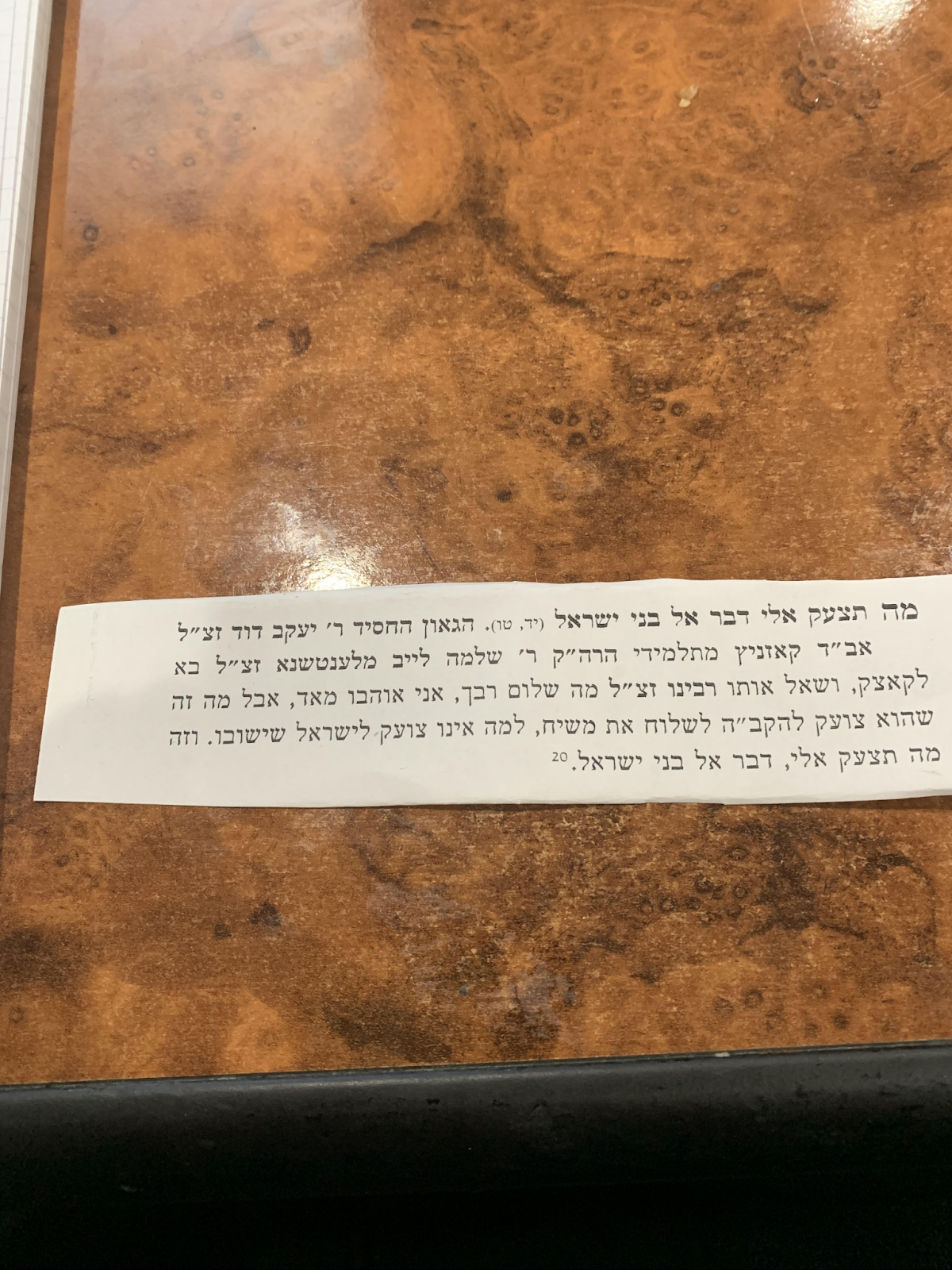
BeShalach Verse 14:15 says “And the Lord said to Moshe, Why dost thou cry to me? speak to the children of Yisrael, that they go forward”.

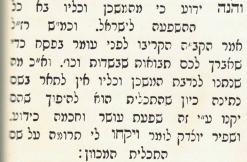
“The Goan, Chosid Reb Yaakov Dovid, the head of the Bais Din in Koshnitz was a

student of Reb Shlomo Leib from Lentshna and he came to Kotzk.  The Kotzker

asked Reb Yakov Dovid, he is your teacher, I love him very much.   But what can I do?

He cries to God in prayer to send the Mosiach, why can’t he cry to the Jews to repent.

The Kotzker ends by saying that this is the explanation of the verse.  Things are dependent 

on man.  Inspire the people to make themsleves better and this is the way to bring Moshiach.

Two comments on the Kotkzer. 

First Comment:

Reb Yaakov Dovid was the community leader in Koshnitz.  When we say Koshnitz we tremble.  The  holy Koshnitzer Magid  lived in Kozhnitz.  Koshnitz is the name of a Hasidic dynasty founded by the Kozhnitzer Maggid, Rebbe Yisroel Hopsztajn. Kozhnitz is the Yiddish name of Kozienice, a town in Poland.  Rebbe Yisroel Hopsztajn, the Maggid and founder of the Kozhnitz dynasty, and one of the three “patriarchs” of Polish hasidism, was a disciple of Rebbe Elimelech of Lizhensk (Rabbi Elimelech Lipman of Lizhensk), author of Noam Elimelech. The Rebbe Elimelech was a disciple of the Rebbe Dovber, the Maggid (“preacher”) of Mezeritch, the primary disciple of the Baal Shem Tov, the founder of Hasidism.

Yisroel Hopsztajn (c. 1733 – 1814), author of the classic Avodas Yisroel.    https://en.wikipedia.org/wiki/Kozhnitz_(Hasidic_dynasty).  My Zedi Sholem Skar would raise his hand when  he mentioned the Koshnitzer Magid.

Second Comment:

What is the Kotzker saying with his Vort?  Is it just a cute Vort?.  I think the answer is no.  This Vort tells us how the Kotzker advised people and how he looked at the world.  He had confidence in humans that with proper teaching and inspiration they will do the right thing.  We do not have to pray to Hashem as leaders, we have to lead and the Jews will do the right thing and bring Moshiach.  This is the Kotzke’s life outlook.  This is the Kotzker’s message to  Reb Shlomo Leib from Lentshna.  Inspire people and you can bring them to the mountain of God.

Thursday February 1, 2024 – 165th Yahrzeit of the Kotzker Rebbe.

I had a zoom with my family to discuss the Kotzker and his legacy.  I started with the above Vort.  I then played Avrohom Fried’s cappella, I Am I.   https://www.youtube.com/watch?v=G-HvhT8OPs0. The words are:

  • “If I am I because I am I, and you are you because you are you, then I am I and you are you. But if I am I because you are you and you are you because I am I, then I am not I and you are not you!”

This theme is consistent with many sayings of the Kotzker.

Serka, Debbi Janowski – grandmother of the bar Mitzvah boy, and Joany Noble-Shokit – our cousin.

Serka Morgenstern and Alesha Rothman – mother of Isaac.

Week of October 22 -26, 2024 – Week of Parshas Lech Lecha

October 20, 2023:  We started off the week in DelRay Beach, FL.  We spent four weeks in Florida, solely to help my kids in Boynton Beach.  Time to head back.  We said goodbye to the kids and were on the road by 8:30 AM.  We drove 13 hours and stopped overnight at a Comfort Inn in Manchester, TN.   

October 21, 2023:  This is me davening the next day outdoors.  When I stop overnight I always daven outdoors.  The air was crisp and refreshing.  

We had a good breakfast of oatmeal and were back on the road at 9:30 AM.  Normally I take 65 in Kentucky up through Louisville and into Indiana through Indianapolis.  However, Google maps led us to the western part of the state through Henderson, KY which is a twin city across the river to Evansville, IN, up through Terre Haute, IN traveling along Route 41.  Going through Indiana on Route 41 was using the back roads of Indiana.  I drove through many small towns and stretches of farmland, ending up in Hammond, Indiana.  Quite scenic.

In Henderson,Kentucky I stopped by Simon Shoes.  Simon Shoes was honored by Rand Paul in June 2022 on the Simon Bros 100th year anniversary.  I receive Rand Paul’s monthly newsletter.  Since then I wanted to stop by and say hello.  They are the remnants of the Jewish merchants that dotted small town America throughout the South and the entire country.   They are an old style shoe store that fits their customers and they shoe generations of families.  There are also few of these types of stores that fit shoes properly.   Many of these communities had Shuls and Jewish cemetaries.  Brian Simon, the third generation to operate the store, told me that Jeiwsh merchants just closed up shop when they were old.  Mostly, their children were not interested in keeping the store going.  July 5, 2022 article when they were honored by the Governor of Kentucky, Rand Paul..

A downtown Henderson shoe store has risen from humble beginnings to honors from a senator

Chuck Stinnett   Special to The Gleaner  July 5, 2022

HENDERSON, Ky. – Simon’s Shoes has long been an anchor in downtown Henderson, a magnet for shoppers from near and far seeking quality shoes in a range of sizes wider than a typical department store offers.

It could hardly have had more humble beginnings. Yet more than a century later, a U.S. senator recently visited the store to present it a statewide honor that celebrates its rich history.

Store founder Jacob W. “Jake” Simon immigrated to Henderson from Lithuania in 1910, following his two brothers who made Henderson their new home years before.

He disembarked from a train at the local Union Station and hailed a fellow who provided transportation with his horse and wagon. Simon, who knew essentially no English, uttered three words he had memorized: “Mrs. Youngbecker’s Hotel.”

That’s where, in an earlier letter, his older brother Ben had told him to go.

“Mrs. Youngbecker was German, and I could talk to her,” Simon told a Gleaner reporter more than 60 years later. 

“Her hotel was located where Tapp’s Funeral Home is now,” he recalled. “The food there was wonderful — good German dishes.”

Within a few weeks, Simon had gone into business for himself. Like many immigrants without a trade, he became an itinerant peddler. His brother bought him his first $26 of merchandise to peddle.

“I had a big pack on my back and two smaller packs under my arms,” Simon, who stood 5-foot-6 as a young man, said in the mid-1970s interview. “They were filled with buttons, laces, combs, bedspreads and needles. I carried all my stock.”

His first sale was a comb, for 10 cents, according to a short history written many years later by his granddaughter, Ellen Simon.

“I walked into the county to sell my wares. I went to Baskett Station, Spottsville, all those little country towns. Because I couldn’t speak English, the people were at first a little suspicious of me,” Simon said.

U.S. Sen. Rand Paul, left, recognizes Simon’s Shoes as his Senate Small Business of the Week during a visit on June 28 while current owner Bruce Simon looks on.

In those early days, farmers unsure of this foreigner would permit him only to sleep in their barns. “Sometimes he was so lonesome he would cry because they wouldn’t keep him at night,” Ellen Simon wrote.

“After a while, my face became familiar to them and my language seemed a little less strange,” Jacob Simon recalled. “Then the children began to look forward to my visits as if I were Santa Claus. The wares in my packs fascinated them.

“In the hot summer months, elderly ladies would spot me coming down the road and run out to the cistern where they kept cold jugs of buttermilk. They would draw me out a cup full, and it would taste better than anything. Those ladies began to call me their ‘boy.’ When they saw me walking toward their houses, they would say, ‘Here’s my boy!’ “

Eventually, some came to trust the young peddler and allowed him to spend the night in their farmhouses.

“In a short while, I grew to love these people … I was a stranger in a strange land, and they made me feel at home,” Simon recalled warmly.

Jacob Simon gradually prospered. Within two years, he was able to afford a horse named Prince and a buggy — perhaps a Delker-brand buggy manufactured in Henderson.

In 1916, he became an American citizen and he mastered English, speaking with only a “very slight” accent, according to his son, Larry.

After four years on the road, Simon established a small dry goods’ business on Elm Street, then moved to First Street. In January 1918, he sold his business to enter the army in World War I, though the war ended before he was deployed overseas.

Simon returned to Henderson and went into partnership with Arnold Kahn, who operated a small shoe and clothing store at First and Main streets. A year later, Kahn sold his interest to Simon.

On Jan. 19, 1919, Simon’s store was established, though it rented only a fraction of the big brick building it occupies today. In the 1950s, for instance, a portion of the ground floor of the building housed the Dairy Whip lunch counter and a jewelry store; the second floor directly above Simon’s held a lawyer’s and a doctor’s office, while the top floor housed a meeting hall.

The store proved to be a life-changing event for Jacob Simon, and not merely professionally. He periodically visited Louisville, where he purchased merchandise from a wholesaler named Louis Grossman. He became acquainted with his supplier’s daughter, and in 1921 Goldie Grossman became his wife. They remained together more than a half-century.

The store survived the Depression. But his poor upbringing, his lean early years in America and the turmoil of the Depression left a powerful impression on Jake Simon.

Jacob W. Simon was born in Lithuania May 18, 1890, came to Henderson in 1910, and founded what would become Simon's Shoes in 1919. He died Nov. 30, 1975.

“He was a very conservative man,” like many who lived through the Depression, Larry Simon said in a Gleaner interview several years ago.

“My dad was always very conscious to pay his bills on time,” he said.

“He was very frugal,” Larry said. “He was a concerned person, a worrier.”

Simon’s in recent decades has principally been a shoe and leather goods store. But for decades, it sold other merchandise, ranging from men’s suits and ties to long underwear. Beneath a large Florsheim sign on the side of the building in 1955, a smaller sign advertised Duck Head overalls. It even sold tobacco canvas that was used to protect tender young plants from late spring freezes.

During the infamous 1937 Ohio River flood, “We had to stay open on Sundays. Farmers wanted hip boots,” Larry Simon said.

“Farmers came in February or early March and bought on credit,” he said. “In November, after they sold their tobacco, they’d pay him.”

Larry joined the business in 1949 and, despite resistance from his father, nudged the business toward specializing in footwear.

Eventually, Larry bought the business, then later purchased the big building at First and Main. Years later, he acquired the former J.C. Penney building next door, which helps house the store’s large inventory.

During the past generation, Simon’s Shoes has become a destination store, drawing customers from Evansville, Owensboro, Louisville, even St. Louis, plus tourists traveling on Ohio River riverboats in recent years.

Today, the business is owned by Larry’s son, Bruce, who became the third generation of the family when he joined the business in 1979.

In 1975, then-85-year-old Jake Simon told The Gleaner, “When I draw my last breath, that store will be in my consciousness.”

The elder Simon might well have been astonished that U.S. Sen. Rand Paul, ranking member of the Senate Committee on Small Business and Entrepreneurship, on June 28 visited the store to proclaim Simon’s Shoes the Senate Small Business of the Week.

“Congratulations to the entire Simon family and to the whole team at Simon’s Shoes,” Paul said in a statement entered into the Congressional Record. “I look forward to seeing their continued growth and success in Kentucky.”

Brian Simon and myself purchasing socks.

We arrived back in Chicago at 7:30 PM. 

October 24, 2023:

 On Tuesday October 24, 2023, I was back in Yeshiva.  Tonight is Sori Chase’s wedding in Lakewood, NJ.  I had tickets but cancelled.becuase I could not miss Yeshiva.  I called Ephraim Chase, the Kallah’s father, the night before and said I cannot make it to the wedding. At 10:00 AM my son-in-law calls me and insists that I go into the wedding.  He booked a ticket on the 2:17 PM flight to Newark.  Normally I would be in the Bais Medrash at this time and would ot even know I was getting a phone call.  My Chavrusa was late and I was pacing out of the building listening to a Shiur.   My proble was how to get to Lakewood from Newark.    B’Siatta Dismaya, Uri Kahanow was on the flight.  He was leaving the NIC conference early.  He was a customer of mine when I worked and  had wanted to contact me.  He had a driver picking him to to take him and Avi Katz  home to Lakewood and I got a ride with him.  

I was able to surprise the family by showing up at the wedding.  I stayed at the wedding until the end at 12:30 PM, went to Yakov Chase’s house and took a LYFT to the airport at 1:45 PM.  Took the 6:00 AM flight back to Chicago and was back at yeshiva at 10:00 AM.

The Chosson and Kallah.

Aaron Chase, Ephreim and Chavie Chase’s son.

October 25, 2023

I come back to the Yeshiva and discover that Chaim Weg is a new Bais Medrash Rebbe.  I walked into his Shiur and hugged him. He told me that I am a Navi because  I told him six months ago that he should be.will be a Rebbe in Skokie Yeshiva.   I sold him my previous house in 2021 and he paid top dollar for it.  I felt terrible that he paid such a high price.   I only used a broker because I did not want to meet the people purchasing my house at the top of the market.  I did not want to get involved at all, but it did not work.   I told him that I would guarantee appliances for twelve months.   I gave him $20,000 to pay for repairs and other incidentals, and gave him another $2,000 to support a Talmud Chacom.  Last month I had the outside railing of the house scraped and painted.  I had wanted to do this for years.   If I would not have given him the money I would not have been able to look him in the face.  He is a Talmud Chacom and I am associated with him. Boruch Hashem. 

October 26, 2023

Dairy Star is closing for the season and I loaded up.

Parshas Lech Lecha 2023 – October 28, 2023

First Shabbos back since we were in  Florida.  We left for Florida on September 20, 2023.  On Friday night Naftoli Glenner ate with us and Naftoli has to have liv-liv, so I get to eat chopped liver.

On Shabbos morning Serka and I walked to Congregation Yehuda Moshe on Touhy Avenue.  It is 2.8 miles from our house.  It was the Auf Ruf of Jeffrey Ostro.  He is marrying Noelle Bruno.   His mother, Gail Ostro, is our cousin, and my wife Serka is very close with her.  It was great having Kiddush with the Ostros and Gail’s family.  

My Torah below is inspired by the upcoming wedding of Jeffrey and Noelle Ostro, Noelle being a convert and giving Gail Ostro the Nachas of being able to walk her son to Chupa.  She saw her daughter, Elana, walking down with Gail’s grandchildren.

Acco Prison Escape

I was talking to Gail’s sister-in-law, Aurelia Malatzky-Ostro, and she tells me her father was an Irgun fighter in Israel’s war of Independence and that he was imprisoned in the infamous Acco prison. During the famous escape, her father  was the one who dropped the grenade between the prison bars to be able to escape.  His rabbi was Rabbi Aryeh Levin and Rabbi Aryeh Levin’s son married her and her husband, Mickey Ostro.  Quoting from the internet.

Looking to free Irgun and Lehi fighters imprisoned by the British in the fortress in Acco, the Irgun staged a daring and dramatic jail break. Having smuggled information and explosives to prisoners inside the prison, and staged a simultaneous attack from the outside by fighters dressed as British soldiers, the Irgun breached the prison for only the second time in its 800-year history.

By the end of the operation, 27 of the 41 escaped Jewish prisoners made it. Six were killed and eight captured. Of the Irgun attack force, three were killed and five captured; one British soldier was killed. The New York Times hailed it as one of the biggest jail breaks in history, Menachem Begin deemed it heroic, the Jewish Agency condemned it, the Yishuv loved it, and even the British acknowledged how bad it made them look. 

The prison break was immortalized in the 1960 film Exodus, starring Paul Newman.

Wikepdia has more information  The Mandate for Palestine aka Greater Israel by fact and law 1920: The Acre Prison Break, The Irgun: (May 4, 1947) – Draiman (themandateforpalestine-greaterisrael.blogspot.com)   

Aurilla Malatzky-Ostro also told me that her Shul, Shaarei Shomayim in Toronto, hosted Rabbi Meir Yaakov Solovechik as a scholar in residence and that he stayed for Shabbos in her house.  Serka and I were married at Shaar Shomayim.  Aurilla’s son, Jonathanl, is the President of the Shul.

Mikros Gedolos Oz Vehedar:

Last week I purchased a Oz Vehadar Mikros Gedolos.  It is a great Sefer and brings understanding of Chumosh to a new level.  There was the old Mikros Gdeolos which used Rashi script.  When I was younger it was hard to understand.   There was also the Penimin Mikros Gedolos from the 1950s which had a Perish Anshei Shem that is no longer printed and is almost gone.  I believe this Perish is in the Chok.    In 1990 the Hameor Institute  redid the Mikos Gedolos, removed errors, and changed the script to block letters, greatly enhancing the learning experience.  This is what I have used since it came out.  Artscroll came out with their version around 2015, however, I feel that it is really not an improvement over the Hameor and a little harder to use.  The Oz Vehadar is just on a completely different universe and leaves everyone in its dust.  I could only say the Pshat below using the Oz Vehadar.

My Torah from today:

Genesis Verse 12:3

וַאֲבָֽרְכָה֙ מְבָ֣רְכֶ֔יךָ וּמְקַלֶּלְךָ֖ אָאֹ֑ר וְנִבְרְכ֣וּ בְךָ֔ כֹּ֖ל מִשְׁפְּחֹ֥ת הָאֲדָמָֽה׃

At CUFI, banners are posted that say Genesis 12:3.    https://cufi.org/about/cufi-team/.  As Rabbi Bowman said, “and they believe in the Bible.”  Let us analyze the back half of the Passuk  וְנִבְרְכ֣וּ בְךָ֔ כֹּ֖ל מִשְׁפְּחֹ֥ת הָאֲדָמָֽה.

There are three explanations and a fourth comment:

1 – Rashi – his opinion is in green

2 – Ramban in his second explanation.  His opinion is in purple.

3 – Rashbam and Chizkuni.  Their opinion is in rust.

4 – Ibn Ezra criticizes the Rashbam and Chizkuni’s Pshat and agrees to the Ramban.  His opinion is in black.   

I started the Parsha at four in the morning and looked at Rashi on Verse 12:3.  I was stunned.  I always thought that this Passuk means that the world will be blessed  through Avrohom’s merit and great deeds.   Not only that Avrohom  brings Hashem’s goodness to the world, but through his actions, the world was a better place.  Just like Israel today.   My son Sholem for my birthday gave me the book, Start Up Nation.  The world benefits greatly from Israel’s innovations, discoveries,and patents in medicine, technology, and everything else.  If the world let, peace would break out from Israel.   Yet Rashi says that the simple meaning is that people will bless their children by saying, you should be like Avrohom.     

Interpretation 1:

Rashi says.

ונברכו בך. יֵשׁ אַגָּדוֹת רַבּוֹת, וְזֶהוּ פְשׁוּטוֹ, אָדָם אוֹמֵר לִבְנוֹ תְּהֵא כְּאַבְרָהָם, וְכֵן כָּל וְנִבְרְכוּ בְךָ שֶׁבַּמִּקְרָא, וְזֶה מוֹכִיחַ בְּךָ יְבָרֵךְ יִשְׂרָאֵל לֵאמֹר יְשִׂמְךָ אֱלֹהִים כְּאֶפְרַיִם וְכִמְנַשֶּׁה (בר’ מ”ח):

 AND IN THEE SHALL BE BLESSED — There are many Agadoth concerning this but the plain sense of the text is as follows: A man says to his son, “Mayest thou become as Abraham”. This, too, is the meaning wherever the phrase ונברכו בך “And in thee shall be blessed” occurs in Scripture, and the following example proves this: (Genesis 48:20) בך יברך “By thee shall Israel bless their children saying, “May God make thee as Ephraim and Manasseh”.

Interpretation 2:

Words of the Ramban on Pasuk 12:2: 

He starts by explaining the last two words of Pasuk 12:2.

והיה ברכה אתה תהיה הברכה אשר יתברכו בך לאמר “ישימך אלהים כאברהם” והוסיף עוד כי כל משפחות האדמה יתברכו בו לא אנשי ארצו בלבד או ונברכו בך שיהיו מבורכים בעבורו 

The Ramban uses Rashi’s explanation as the meaning of the last two words of verse 12:2 of  וֶהְיֵ֖ה בְּרָכָֽה. and first explains the וְנִבְרְכ֣וּ בְךָ֔ כֹּ֖ל מִשְׁפְּחֹ֥ת הָאֲדָמָֽה in 12:3 as a continuation of this idea that not only will your city bless there children saying too be like Avrohom but the entire world.

But then the Ramban has a second explanation for וְנִבְרְכ֣וּ בְךָ֔ כֹּ֖ל מִשְׁפְּחֹ֥ת הָאֲדָמָֽה    The Ramban says “ ונברכו בך שיהיו מבורכים בעבורו”.  The world will be blessed because of Avrohom.  You could explain this two ways and both are probably correct; 1 – through his righteous deeds, Hashem will bless the world, or 2 -because Avrohom was moral and good, he was an example for the world and the world was a better place because of him.  His goodzkeit spread to the world.  He was a world leader and people emulated him.  

The Ibn Ezra says Pshat like the Ramban, see the end of this piece of Torah., where I bring down the Ibn Ezra.

What do the Tragumin say?  (See Mikros Gedolos Oz Vehadar in their explanation of the Ramban)

Rashi aligns with theTargum Yonason Ben Uziel 

Targum Yonasan Ben Usiel

וַאֲבָרֵךְ יַת כַּהֲנַיָא דְפַרְסִין יְדֵיהוֹן בִּצְלוֹ וּמְבָרְכִין יַת בְּנָךְ וּבִלְעָם דִמְלַטֵט יַתְהוֹן אֵילוֹט וְיִקְטְלוּנֵיהּ לְפִתְגַם דְחָרֶב וְיִתְבָּרְכוּן בָּךְ כָּל זַרְעַיַת אַרְעָא 

And I will bless the priests who will spread forth their hands in prayer, and bless thy sons; and Bileam, who will curse them, I will curse, and they shall slay him with the mouth of the sword; and in thee shall be blessed all the generations of the earth.

Since the Tragum Yonasan uses the same word as the Torah uses, the assumption is that he is learning like Rashi

However Targum Onkelos and Targum Yerushalmi align with the Ramban:

וֶאֱבָרֵךְ מְבָרְכָךְ וּמְלַטְטָךְ אֵילוּט וְיִתְבָּרֲכוּן בְּדִילָךְ כֹּל זַרְעֲיַת אַרְעָא 

I will bless those who bless you, and he who curses you, I will curse; and through you [and because of you], will be blessed all the families of the earth.

Targum Yerushalmi

וַאֲבָרֵךְ מַאן דִי בְרִיךְ יָתָךְ וּמַן דְלַיִיט יָתָךְ יֶהֱוֵי לִיט וְיִתְבָּרְכוּן בִזְכוּתָךְ כָּל זַרְעַיַת אַרְעָא:

And I will bless him who blesseth thee, and he who curseth thee shall be accursed; and in thy righteousness shall all the generations of the earth be blessed.

How do the English translations line up?

Like Rashi.

JPS 2006:

And all the families of the earth shall bless themselves by you.”

Artscroll 2018 (Avrohom Morgenstern on Targum Onkelos)

And all of the families of the earth will bless themselves by you.

Torah Yesharah –  Kahana 1963

all the families of the earth will bless themselves with the wish that they might be like you.”

(רש”י.)

Silverstein – 2013

and they shall bless themselves in you [i.e., in your name] all the families of the earth.

Like the Ramban and Onkelys:

Artscroll 1993: 

And all the families of the earth will be blessed through you.  

Soncino

And in thee shall all the families of the earth be blessed.

Interpretation #3:

There is a third interpretation of וְנִבְרְכ֣וּ בְךָ֔ כֹּ֖ל מִשְׁפְּחֹ֥ת הָאֲדָמָֽה and that is of the Rashbam, Chizkuni, and the Daas Zekeinim.  No English Chumashim translate it this way.  The word ונברכו is translated as  מבריך ומרכיב – grafting trees and layering – bending a tree branch back into the ground to grow a new tree.  Meaning that the non Jewish nations will want to marry into the Jewish nation.

Rashbam:

ונברכו – לשון מבריך ומרכיב, כלומר, יתערבו במשפחתך משפחות האדמה, שהרי משקל רפי הוא.

Chizkuni:

ונברכו משקל רפה, לשון ״‎מברכך ומרכיב״‎ (שביעית ב,ו), כלומר בך יתערבו משפחות שרי הארץ ולא תחשב כנכרי וגר ביניהם ולפיכך כתב כאן משפחת האדמה.

Daas Zekeinim:
ונברכו בך וגו’. כי יתערבו כל המשפחות שהכל יתאוו להתחבר עמך ונברכו לשון המבריך:

What is the source of the Rashbam et. al’s Pshat.  It appears to be a Gemora in Kidushim.

וְאָמַר רַבִּי אֶלְעָזָר, מַאי דִּכְתִיב: ״וְנִבְרְכוּ בְךָ כֹּל מִשְׁפְּחֹת הָאֲדָמָה״, אֲמַר לֵיהּ הַקָּדוֹשׁ בָּרוּךְ הוּא לְאַבְרָהָם: שְׁתֵּי הַבְרָכוֹת טוֹבוֹת יֵשׁ לִי לְהַבְרִיךְ בְּךָ: רוּת הַמּוֹאֲבִיָּה, וְנַעֲמָה הָעַמּוֹנִית.

 ״כֹּל מִשְׁפְּחוֹת הָאֲדָמָה״ — אֲפִילּוּ מִשְׁפָּחוֹת הַדָּרוֹת בָּאֲדָמָה אֵין מִתְבָּרְכוֹת אֶלָּא בִּשְׁבִיל יִשְׂרָאֵל. ״כׇּל גּוֹיֵי הָאָרֶץ״ (Bereshis 18:18)— אֲפִילּוּ סְפִינוֹת הַבָּאוֹת מִגַּלְיָא לְאַסְפַּמְיָא אֵינָן מִתְבָּרְכוֹת אֶלָּא בִּשְׁבִיל יִשְׂרָאֵל.

And Rabbi Elazar said: What is the meaning of that which is written: “And in you shall all the families of the earth be blessed [nivrekhu]” (Genesis 12:3)? The Holy One, Blessed be He, said to Abraham: I have two good shoots to graft [lehavrikh] onto you: Ruth the Moabite, the ancestress of the house of David, and Naamah the Ammonite, whose marriage with Solomon led to the ensuing dynasty of the kings of Judea. “All the families of the earth” means: Even families that live in the earth, i.e., who have land of their own, are blessed only due to the Jewish people. Similarly, when the verse states: “All the nations of the earth shall be blessed in him” (Genesis 18:18), it indicates that even ships that come from Galia to Hispania are blessed only due to the Jewish people.

Maharsha:

שתי בריכות כו’ לכאורה מכל משפחות גו’ מריבויא דכל דריש אפילו משפחות האסורות לבא בקהל יבריכו בך נקיבות שלהם דעמוני ולא עמונית מואבי ולא מואבית ואך יש לדקדק דמעיקרא דריש ונברכו מלשון הברכה ולבסוף דרשו ליה מלשון ברכה ממש אפי’ משפחות הדרות באדמה אין מתברכות אלא כו’ וע”כ נראה דמלתא באנפי נפשיה הוא בא לדרוש כל דמשפחות גו’ כמו שדרשו כל הגוים גו’ כמ”ש התוס’ והשתא אפשר דמעיקרא לאו מריבויא דכל דריש אלא משום דכל הני קראי דכתיבי כיוצא בזה כמו והתברכו בזרעך מתפרשים כי אדם אומר לבנו תהא כאברהם תהא כאפרים ומנשה אבל הכא שינה הכתוב למכתב ונברכו מלשון נפעל ע”י אחרים דהיינו שיעשה הקב”ה מהן שתי בריכות בתוכך או מלשון שיתברכו מן השמים ודו”ק:

The Gemora in Kedoshim is a little difficult to understand, it does appear that the Gemora translates  ונברכו in two ways, grafting and being a blessing.

Rashi clearly does not go like the Gemora in Yevamos at all..  The Rashbam is going like the Gemora in Yevamos, but only in the Gemora translation as grafting.  Why did the Rashbam choose grafting and not blessing,  It would seem that blessing would be the more plain meaning.  Perhaps he felt from the last two words of 12:2 והיה ברכה meaning that the world will be blessed through Avrohom, therefore the Rashbam has to explain that the meaning of Genesis 12:3 is grafting. 

The Gemora itself only talks about two people, Rus and Naama.     Perhaps the Gemara means Rus and Naama and all converts who convert to the Jewish nation.  The genoira seems to be saying that Rus and Naama who converted were beneficial to the Jewish nation and the Jeiwsh nation needed them.  The Rashbam says it refers to all converts from all the nations of the earth. The nations of the world will want to be part of the Jewish people and that the converts will be accepted as Jews. The Rashbam seems to be taking it that the non Jewish nations will want to feel a connection to the Jews.

Onkelos wanted to be connected to the Jewish people and he was a Torah scholar.  He published the first legitimate translation of the Torah into a foreign language.   He may have been the nephew of Titus.   Onkelos – Wikipedia

Ibn Ezra

There is no Ibn Ezra on this Pasuk in the regular Mikros Gedolos, however, the Oz Vehadar brings an Ibn Ezra on 12:3 from another source and it is simply great.  The Ibn Ezra was born in 1089 and lived to about 1164.   https://en.wikipedia.org/wiki/Abraham_ibn_Ezra

The words of the Ibn Ezra:

בשיטה אחרת:  חכם גדול אמר בּספרד כי ׳ונברכו בך׳ מגזרת הברכת האילן (עיין רשׁבּ״ם), ולא ידעתי מי הביאו צרה ההזאת.  רק ׳ונברכו׳ מבנין נפעל על דרך נכבד, כי ׳מתברך׳ הוא כמו ׳מתכבד׳, והנה הטעם שיהיו משפּחות האדמה בעבורו מבורכות וראה גם מה שכתב רבינו להלן (יח יח) בביאור ׳ונברכו׳[ואינו כפירוש רש”י שאנשי העולם יברכו זרעם בו]

Translated as – a wise man from Spain said it means grafting. I love the Ibn Ezra criticizing the Rashbam’s explanation by saying  ולא ידעתי מי הביאו צרה ההזאת.  I do not know who brought this trouble.

Perhaps Ibn Ezra wrote this line because of the conversion of his son to Islam in 1140.  And perhaps he saw  that people converting to Judaism was leading to importing foreign ideas into the Jewish people and in his time it was not beneficial.  

Wikedpeia writes: 

Little is known of ibn Ezra’s family from outside sources; however, he wrote of a marriage to a wife that produced five children. While it is believed four died early, the last-born, Isaac, became an influential poet and later convert to Islam in 1140. The conversion of his son was deeply troubling for ibn Ezra, leading him to pen many poems reacting to the event for years afterward.[3]

Lot – Avrohom’s Nephew

Genesis Verse 12:4 and 12:5

וַיֵּ֣לֶךְ אַבְרָ֗ם כַּאֲשֶׁ֨ר דִּבֶּ֤ר אֵלָיו֙ יְהֹוָ֔ה וַיֵּ֥לֶךְ אִתּ֖וֹ ל֑וֹט וְאַבְרָ֗ם בֶּן־חָמֵ֤שׁ שָׁנִים֙ וְשִׁבְעִ֣ים שָׁנָ֔ה בְּצֵאת֖וֹ מֵחָרָֽן׃ 

וַיִּקַּ֣ח אַבְרָם֩ אֶת־שָׂרַ֨י אִשְׁתּ֜וֹ וְאֶת־ל֣וֹט בֶּן־אָחִ֗יו וְאֶת־כׇּל־רְכוּשָׁם֙ אֲשֶׁ֣ר רָכָ֔שׁוּ וְאֶת־הַנֶּ֖פֶשׁ אֲשֶׁר־עָשׂ֣וּ בְחָרָ֑ן וַיֵּצְא֗וּ לָלֶ֙כֶת֙ אַ֣רְצָה כְּנַ֔עַן וַיָּבֹ֖אוּ אַ֥רְצָה כְּנָֽעַן׃

12:4 says that Lot  goes with Avrohom.  The first Pasuk says that Lot went with Avrohom.  12:5 says that Avrohom took Lot.   Is there a difference between the first Pasuk implies that Lot went on his own decision, while the second Pasuk seems to say that Avrohom took him, as if Lot did not know what to do and Avrohom grabbed him and siad your our coming with me.  Is there something to be learned from this?

In 12:4 its says  וַיֵּ֥לֶךְ אִתּ֖וֹ ל֑וֹט and not וַיֵּ֥לֶךְ ל֑וֹט אִתּ֖וֹ .  Does this word usage mean anything?

I saw a Ramban that I cannot find that Avrohom had no family going with him and Lot stepped up so Avrohom would have family with him.  I cannot find the Ramban.

Yismael:

Bereshis 15:15

By the Bris Bein Habesarim hashem tells Avrohom –

וְאַתָּ֛ה תָּב֥וֹא אֶל־אֲבֹתֶ֖יךָ בְּשָׁל֑וֹם תִּקָּבֵ֖ר בְּשֵׂיבָ֥ה טוֹבָֽה׃

As for you, You shall go to your ancestors in peace; You shall be buried at a ripe old age.

And Rashi says this means  that Yismael will repent in Avrohom’s lifetime.

Rashi:

תקבר בשיבה טובה. בִּשְּׂרוֹ שֶׁיַּעֲשֶׂה יִשְׁמָעֵאל תְּשׁוּבָה בְּיָמָיו, וְלֹא יֵצֵא עֵשָׂו לְתַרְבּוּת רָעָה בְּיָמָיו; וּלְפִיכָךְ מֵת ה’ שָׁנִים קֹדֶם זְמַנּוֹ, וּבוֹ בַיּוֹם מָרַד עֵשָׂו:

Why when Hagar was kicked out of Avrohoms’s house and Yismael was dying of thirst, the angels wanted Hashem to deny water to Yismael so he would die.  How do we understand this because Yismael will become a Tzadick and we also know that Avorhom loved Yismael.  The fact that 1,000 years henceforth, Yishmael’s descendants will kill  fleeing jews with thirst, we Jews have plenty of enemies.  In fact the Northern kingdom attacked the Yehuda during the first temple period.  Do we say that Hashem should have only had two tribes.  I will have to answer this next week.

Shabbos Parshas Beshalach: February 4, 2023

Shabbos Parshas Beshalach:

February 4, 2023

Bubi Blanche June 22, 1926 – January 29, 2023

Why didn’t Hashem take the Jews the shorter route to Israel

What does חֲמֻשִׁ֛ים mean in Shmos Verse 13:18 

Verse 13:19 – Moshe took up the bones of Joseph – Pelah Atzum on the Meciltah

On Tuesday January 31, 2023 we drove back from Toronto.  The Sheva was over on the previous Thursday, January 26, 2023.  Toronto is over.  

My mind thinks back to the 2 and a half months Serka and I spent with Bubi Jean with my wife taking care of her mother and giving her a quality of life even in the last few months of life.  Look at these pictures with her grandchildren.

February 1, 2023

Went back to Yeshiva and was welcomed by Rabbi Revah.  I am out of the Sugya and it was very getting back into the Sugya. I really do not want to go back to Yeshiva but Rabbi Revah keeps motivating me.

February 2, 2023

Went to Purim Spiel practice by Chabad of East Lakeview.  They actually want me to be the narrator.

February 3, 2013

Cold day.  Davened at the Base Ment Friday night.

Shabbos – February 4, 2023

Davened at Mishne Gemara.  It was a great feeling that the Misugayim who were part of the Shul are all gone and normal people are running the Shul.  Kiddush was great.

Torah from this Shabbos:

Torah #1:

 Verse 13:17 is the opening Passuk in the Sedra:

וַיְהִ֗י בְּשַׁלַּ֣ח פַּרְעֹה֮ אֶת־הָעָם֒ וְלֹא־נָחָ֣ם אֱלֹהִ֗ים דֶּ֚רֶךְ אֶ֣רֶץ פְּלִשְׁתִּ֔ים כִּ֥י קָר֖וֹב ה֑וּא כִּ֣י ׀ אָמַ֣ר אֱלֹהִ֗ים פֶּֽן־יִנָּחֵ֥ם הָעָ֛ם בִּרְאֹתָ֥ם מִלְחָמָ֖ה וְשָׁ֥בוּ מִצְרָֽיְמָה׃

Now when Pharaoh let the people go, God did not lead them by way of the land of the Philistines, although it was nearer; for God said, “The people may have a change of heart when they see war, and return to Egypt.”

Question:  How do you understand this Pasuk.  Just like Hashem fought with the Jewish people at Yam Suf, so he would fight with them against the Pelishtim.  Additionally, the next Pasuk says they left Egypt armed.

I do not have an answer.

Torah #2

Second Pasuk – Verse 13:18 –  

וַיַּסֵּ֨ב אֱלֹהִ֧ים ׀ אֶת־הָעָ֛ם דֶּ֥רֶךְ הַמִּדְבָּ֖ר יַם־ס֑וּף וַחֲמֻשִׁ֛ים עָל֥וּ בְנֵי־יִשְׂרָאֵ֖ל מֵאֶ֥רֶץ מִצְרָֽיִם׃

So God led the people round about, by way of the wilderness at the Sea of Reeds. Now the Israelites went up חֲמֻשִׁ֛ים out of the land of Egypt.

What does וַחֲמֻשִׁ֛ים mean?

There are at least five explanations of  חֲמֻשִׁ֛ים and some variations.

  1. Armed  – Onkelys, Rashi, Meciltah, Ba”al HaTurim, Or HaChaim

      1a) Armed with 5 weapons – Ba’al Haturim

  1. One of 5; one of 50; one of 500 – Rashi, Meciltah
  2. Every family had five children – Targum Yonasan Ben Uziel
  3. Every person was armed with good deeds – Targum Yerushalmi
  4. Kli Yaker – the merit of the five books of Moses
  5. For the Israelites went out with a high hand (Ex. 14:8), with weapons of war and not like fleeing slaves

This is the Pshat and you will dance.

The word חֲמֻשִׁ֛ים clearly means armed.  This Is how  Onkelys translate’s it.  This Is corroborated by the Pasuk in Joshua 1:14 “ואתם תעברו חמושים”.  How do we get other translations?   On Shabbos February 11, 2023 as I was walking to Chabed of East Lakeview the answer came to me and I was very excited.

There are three Hebrew words for armed. חֲמֻשִׁ֛ים,  חלוצים, and  מְזֻיָּנִים.  They are synonyms of each other but they have different meanings.    As in all Hebrew words, different words that have similar meaning convey different thoughts.

מְזֻיָּנִים means armed with weapons.

חלוצים means armed and being the vanguard of the army.

 חמושים means not only armed, but armed with confidence.    Armed with the self confidence that you will be successful in future challenges and battles.  You are confident because of the arms you carry,  your are confident in your training, you have God with you because he has given you the Torah, your leadership is faithful and strong, you have a family with kids to fight for, you have done charitable deeds, that God will look  upon you favorably, and you know you are on  the right side of history.    

This is why the Torah choose חמושים to describe being armed as it means being armed  in every sense of the word.  This allows for all the different interpretations. It also could be that all the explanations agree that they were armed for battle, but they differ in the source of their confidence.  The second Pshat in Rashi that 1 in 5 left Egypt and 4/5ths died in Egypt tells us that the individuals who lacked this awareness and confidence were killed during the three days of darkness, so as not to demoralize the Jewish people.

Explanation #1

Armed:

Rashi 

וחמשים. אֵין חֲמוּשִׁים אֶלָּא מְזֻיָּנִים; (לְפִי שֶׁהֱסִבָּן בַּמִּדְבָּר הוּא גָּרַם לָהֶם שֶׁעָלוּ חֲמוּשִׁים, שֶׁאִלּוּ הֱסִבָּן דֶּרֶךְ יִשּׁוּב, לֹא הָיוּ מְחֻמָּשִׁים לָהֶם כָּל מַה שֶּׁצְּרִיכִין, אֶלָּא כְּאָדָם שֶׁעוֹבֵר מִמָּקוֹם לְמָקוֹם וּבְדַעְתּוֹ לִקְנוֹת שָׁם מַה שֶּׁיִּצְטָרֵךְ

What is the יִּצְטָרֵך that they would purchase during  their travel?  I would say it means food, not arms. I do not think that the cities on their route would be able to equip an army traveling to Israel.   No one is going to sell 600,000 men arms.Why this big deal about arms? 

, אֲבָל כְּשֶׁהוּא פּוֹרֵשׁ לַמִּדְבָּר צָרִיךְ לְזַמֵּן לוֹ כָּל הַצֹּרֶךְ; וּמִקְרָא זֶה לֹא נִכְתַּב כִּי אִם לְשַׂבֵּר אֶת הָאֹזֶן, שֶׁלֹּא תִתְמַהּ בְּמִלְחֶמֶת עֲמָלֵק וּבְמִלְחֶמֶת סִיחוֹן וְעוֹג וּמִדְיָן מֵהֵיכָן הָיוּ לָהֶם כְּלֵי זַיִן שֶׁהִכּוּ אוֹתָם בַּחֶרֶב) וְכֵן הוּא אוֹמֵר “וְאַתֶּם תַּעַבְרוּ חֲמֻשִׁים” (יהושע א’), וְכֵן תִּרְגְּמוֹ אֻנְקְלוֹס “מְזָרְזִין”, כְּמוֹ “וַיָּרֶק אֶת חֲנִיכָיו” (בראשית י”ד) – וְזָרֵיז. דָּבָר אַחֵר, חֲמֻשִׁים אֶחָד מֵחֲמִשָּׁה יָצְאוּ וְאַרְבָּעָה חֲלָקִים מֵתוּ בִּשְׁלֹשֶׁת יְמֵי אֲפֵלָה (מכילתא):

  וּמִקְרָא זֶה לֹא נִכְתַּב כִּי אִם לְשַׂבֵּר אֶת הָאֹזֶן, שֶׁלֹּא תִתְמַהּ בְּמִלְחֶמֶת עֲמָלֵק וּבְמִלְחֶמֶת סִיחוֹן וְעוֹג וּמִדְיָן מֵהֵיכָן הָיוּ לָהֶם כְּלֵי זַיִן שֶׁהִכּוּ אוֹתָם בַּחֶרֶב .  This is called a “Kashah Af A Maasah”.  We would not have wondered how the Jews got arms.  If we wondered about it, we would answer that as Egypt was on its knees after the tenth plague, the Jews took armaments or they got it at the Yam Suf when the Egyptian army was wiped out.  The armaments ended up on the seashore along with the riches of Egypt.

The Or HaChaim answers the question why the armaments were important.

וחמושים עלו וגו’. ואולי כי זולת היותם מזויינים בכלי זיין לא יועיל מה שיסב ה’ אותם לבל יחזרו בראותם מלחמה כי על כל פנים ישובו מצרימה כיון שאין בידם כלי זיין לערוך עם אויב מלחמה ויראו עצמן אבודים, לזה אמר וחמושים עלו וגו’ פירוש 

מלבד טעם שיסב ה’ היו להם גם כן כלי זיין ובהצטרפות שני הטעמים לא ינחם העם בראותם מלחמה וגו’:

Explanation 1A)  Ba’al Haturim:

וחמושים מזויינים על שם חמשה כלי זיין הנזכרים בפסוק מגן וצנה ורומח וחצים ומקל יד

Shield and a buckler, small  shield,  spear, arrows, mace weapon 

Explanation #2:

Rashi’s second Pshat

Focus on Rashi in his second Pshat. What a Churban.  Wrap your head around it and we really cannot.  

Meciltah – This is the source of Rashi.:

וחמושים – אין חמושים אלא מזויינין, שנאמר “וחמושים עלו בני ישראל” – (יהושע א:14) “ואתם תעברו חמושים”. וכתיב (יהושע ד׳:י״ב) “ויעברו [בני] ראובן ובני גד וחצי שבט המנשה חלוצים ארבעים אלף חלוצי צבא”.

ד”א: וחמושים עלו – אחד מחמשה. ויש אומרים: אחד מחמשים. ויש אומרים: אחד מחמש מאות. רבי נהוראי אומר: העבודה! לא אחד מחמש מאות עלו, שנאמר (יחזקאל טז) “רבבה כצמח השדה נתתיך” וכתיב (שמות א) “ובני ישראל פרו וישרצו וירבו ויעצמו”, שהיתה האשה יולדת ששה בכרס אחד, ואתה אומר אחד מחמש מאות עלו? העבודה! לא אחד מחמש מאות עלו, אלא שמתו הרבה מישראל במצרים. ואימתי מתו? – בשלשת ימי אפלה, שנאמר (שמות י) “לא ראו איש את אחיו”, שהיו קוברים מתיהם, והודו ושבחו להקב”ה שלא ראו אויביהם וששו במפלתם:

(Ibid.) “And chamushim did the children of Israel go up from the land of Egypt”: “chamushim” indicates “armed,” as in (Joshua 1:14) “Then you shall cross over chamushim” (in context, “armed”), and (Ibid. 4:12) “And the children of Reuven and the children of Gad and half the tribe of Menasheh crossed over chamushim … (13) forty thousand armed men, etc.”

Variantly: “chamushim went up from the land of Egypt ” — one out of five ([‘chammishah’] who had been there). Others say: one out of fifty (‘chamishim’). Other says: one out of five hundred (‘chamesh me’oth’). R. Nehorai says: I swear: Not one in five hundred went up. For it is written (Ezekiel 16:7) “(In Egypt) I made you as numerous as the plants of the field,” and (Exodus 1:7) “And the children of Israel were fruitful, and teemed, and multiplied, and became exceedingly strong, and the land was filled with them” — a woman would bear six in one birth — and you say one in five hundred went up! Not one in five thousand, many of the Jews having died in Egypt. When? In the three days of darkness, of which it is written (Exodus 10:23) “One man did not see another.” They (the Jews) were burying their dead, and they gave thanks and praise to the Holy One Blessed be He that their foes did not see and rejoice in their downfall.

Explanation #3:

Targum Yonasan Ben Uziel

וְאַחֲזַר יְיָ יַת עַמָּא אוֹרַח מַדְבְּרָא דְיַמָא דְסוּף וְכָל חַד עִם חַמְשָׁא טַפְלִין סְלִיקוּ בְּנֵי יִשְרָאֵל מֵאַרְעָא דְמִצְרָיִם

But the Lord led the people round by the way of the desert of the sea of Suph; and every one of the sons of Israel, with five children, went up from the land of Mizraim.

Explanation #4

Targum Yershalmi:

וּדְבַר מֵימְרָא דַיְיָ יַת עַמָּא אוֹרַח מַדְבְּרָא יַמָא דְסוּף מְזַיְינִין בְּעוֹבָדָא טָבָא סְלִיקוּ בְנֵי יִשְרָאֵל פְּרִיקִין מֵאַרְעָא דְמִצְרַיִם:

And the Word of the Lord conducted the people by the way of the desert of the sea of Suph; armed in good works went up the sons of Israel, free from the land of Mizraim.

Explanation #5:

Kli Yakar

The Kli Yakur says, I do not understand this idea that חֲמֻשִׁ֛ים means armaments.  So he explains that it means the five books of Moses.  

ויהי בשלח פרעה את העם. ואח”כ נאמר פן ינחם העם ויסב אלהים את העם, ואח”כ נאמר וחמושים עלו בני ישראל, ויש להתבונן למה קראם ג’ פעמים העם וברביעי קראם בני ישראל אצל וחמושים דהיינו כלי זיין, וכפי הנראה שמצד היותם בני ישראל לא היו צריכין לכלי זיין ושלוחו של פרעה היה מצד היותם בני ישראל וא”כ איפכא הל”ל.

ונראה ליישב זה בשני פנים. האחד הוא, על דרך שמסיק בילקוט וחמושים עלו אין חמושים אלא מזויינים בחמשה כלי זיין, וקשה על זה וכי מלחמתן של ישראל תלויה ברבוי כלי זיין, והלא כתיב (שופטים ה ח) מגן אם יראה ורומח בארבעים אלף בישראל. כי הש”י מגן בעדם, והתורה והתפלה כלי זיינם של ישראל שנאמר (תהלים קמט ו) וחרב פיפיות בידם שני פיות כי שניהם תלוין בפה, ואם כן מה תפארת זה לישראל שעלו חמושים מזויינים כאילו לא היו בטחונם בה’ חלילה. ואף אם נאמר שחייב אדם לעשות בדרך הטבע כל אשר ימצא בכחו לעשות ומה שיחסר הטבע ישלים הנס, מ”מ קשה על מה זה הגיד לנו הכתוב שהיה לכל אחד ה’ כלי זיין ומנינא למה לי, ועוד כי קרה בדרך נס או במקרה שהיה לכל אחד ה’ לא פחות ולא יותר הלא דבר הוא, ועוד כי כפי הנראה לא היו ישראל מלומדי מלחמה כלל כי היו עסוקים בעבודת פרך כל הימים וכלי זיין אלו למה להם כי לא נסו באלה והיה להם לילך במקלות ובאבני קלע.

ע”כ נראה לפרש. שבא להודיענו שלא היה בידם שום כלי זיין כי אם ה’ חומשי תורה החלוקים לז’ ספרים למ”ד שפרשת ויהי בנסוע ספר בפני עצמו, וז”ש וחמשים היינו מזויינים הכל רמז לתורה, ונקט לשון חמשים שהלשון נופל על הלשון, וכן מזויינים, כי לשון חמשה וזיין, שמות כלי מלחמה המה, ואצל ישראל ירמוזו גם על התורה או חמשים היינו חמשה חומשי תורה כאמור, ומזויינים היינו התפלה כמ”ש (תהלים קיט קסד) שבע ביום הללתיך.

Tur HaAruch:

וחמושים עלו בני ישראל. פי’ אע”פ שהוליכם אלהים דרך המדבר היו יראים פן יבואו עליהם פלשתים או העמים אשר סביבותיהם והיו חלוצים כמו ההולך להלחם. וי”מ שבא לומר שיצאו ביד רמה כמו גאולים ולא כמו העבדים הבורחים:

“and the Israelites were armed when they went up.” The Torah records that although G’d led the Israelites in the direction of the uninhabited desert, where normally no encounter with sizable hostile forces need to be anticipated, they were armed, enabling them to cope with such unforeseen eventualities. They were still afraid that the Philistines or neigbouring tribes might fight a war of aggression against them, as opposed to defending their territory’s sovereignty. Alternately, the phrase is meant to depict the Israelites as marching with full confidence, not as people with a slave mentality.

Ibn Ezra:

Difficult to understand.   However, I like his last line.   For the Israelites went out with a high hand (Ex. 14:8), with weapons of war and not like fleeing slaves.

וחמושים. י”א מלאים הון שיש להם כל צרכיהם. והנה כתוב וגם צדה לא עשו להם ומה טעם להזכיר זה עתה. רק פירושו חגורי חומש למלחמה. כמו חלוצים תעברו. שפירושו חגורי חלוצים. והעד הנאמן ואתם תעברו חמושים ובמקום אחר קראם חלוצים. כי מה טעם להוליך צדה לפני אחיהם. וטעם להזכיר הכתוב וחמשים במקום הזה כי למעלה כתוב בראותם מלחמה. כי ביד רמה יצאו בכלי מלחמה. ולא כמו עבדים בורחים:

ARMED. Some say that chamushim (armed) means full of wealth, possessing all that they need. Now Scripture states, neither had they prepared for themselves any victual (Ex. 12:39). Furthermore, what reason is there to mention this now? The only meaning of chamushim is, girded with weapons for war. Compare, chalutzim ta’avoru (ye shall pass over armed) (Deut. 3:18), the meaning of which is: ye shall pass over with girded loins. The fact that Scripture in one place reads, ve-attem ta’averu chamushim (but ye shall pass over before your brethren armed) (Josh. 1:14) and in another place refers to the Israelites as chalutzim (Deut. 3:18) is true witness to the aforementioned. What reason was there for them to carry food before their brethren? The reason Scripture at this point notes that the children of Israel went up armed is that it is previously stated, Lest peradventure the people repent when they see war, and they return to Egypt (v. 17). For the Israelites went out with a high hand (Ex. 14:8), with weapons of war and not like fleeing slaves.

Chasam Sofer – Interesting.  Not sure if I would agree, but the Chasam Spfer said this and we have to think about his words and make it work for us.

*וחמושים עלו בנ”י מארץ מצרים, ברש”י וחמושים מזוינים, וי”ל כיון שיצאו ישראל מזוינים למלחמה למה בעמדם על הים לא צוה הקב”ה לבנ”י שילחמו עם מצרים וה’ ילחם להם וינצחו ישראל בדרך הטבע ולאיזה טעם עשה הקב”ה נס גדול שלא בדרך הטבע לקרוע להם הים ולנער פרעה וחילו בים סוף אבל באמת מדרך המוסר איננו נכון שישראל בעצמם יעמדו נגד המצרים ללחום נגדם בחרב שבידם כי אכסני’ היו להם ומפני כך צוה הקב”ה לא תתעב מצרי כי גר היית בארצו ובירא דשתית מיא מיניה לא תישדי ביה קלא לכן צוה הקב”ה ויבואו בנ”י בתוך הים ביבשה ויבקעו המים ולא ילחמו בנ”י בעצמם נגדם וזה דמשמיענו קרא הכי מוסר וד”א שחמושים עלו בנ”י ואעפ”כ לא רצה הקב”ה שילחמו עמהם אלא הקב”ה בקע הים לפניהם:

Torah #3:

Verse 13:19

וַיִּקַּ֥ח מֹשֶׁ֛ה אֶת־עַצְמ֥וֹת יוֹסֵ֖ף עִמּ֑וֹ כִּי֩ הַשְׁבֵּ֨עַ הִשְׁבִּ֜יעַ אֶת־בְּנֵ֤י יִשְׂרָאֵל֙ לֵאמֹ֔ר פָּקֹ֨ד יִפְקֹ֤ד אֱלֹהִים֙ אֶתְכֶ֔ם וְהַעֲלִיתֶ֧ם אֶת־עַצְמֹתַ֛י מִזֶּ֖ה אִתְּכֶֽם׃

And Moses took with him the bones of Joseph, who had exacted an oath from the children of Israel, saying, “God will be sure to take notice of you: then you shall carry up my bones from here with you.”

Rashi:

והעליתם את עצמתי מזה אתכם. לְאֶחָיו הִשְׁבִּיעַ כֵּן, לִמְּדָנוּ שֶׁאַף עַצְמוֹת כָּל הַשְּׁבָטִים הֶעֱלוּ עִמָּהֶם שֶׁנֶּאֱמַר אִתְּכֶם (מכילתא):

The Sefer haYasher page 289 says that all the families brought up their father’s coffins and the coffin of their tribes.

The Mecilta says something that cannot be understood.

ויקח משה את עצמות יוסף עמו – להודיע חכמתו וחסידותו של משה, שכל ישראל עוסקין בבזה – ומשה עוסק במצות עצמות יוסף. עליו הכתוב אומר (משלי י) “חכם לב יקח מצות, ואויל שפתים ילבט”. ומשה, מהיכן היה יודע היכן היה קבור יוסף? – אמרו: סרח בת אשר נשתיירה מאותו הדור, והיא הראתה למשה קבר יוסף. אמרה לו: במקום הזה שמוהו!

Moshe was involved with the Mitzvah of gathering up Yosef’s bones, while the Jews were involved with the spoils of Egypt.  What is going on here?  First of all you have Rashi and the Sefer haYasher who said that many Jews were involved in the same Mitzvah.  Secondly, Hashem asked the people to do him a favor to ask for the gold and silver of Egypt.  The Jews were involved in the commandment for m Hashem.  How can the Mecilita demean the jewish people with only caring about money.  

Pelah Atzum!

Torah #4:

The Mecilta continues:

עשו לו מצרים ארון של מתכת, ושקעוהו בתוך נילוס. בא ועמד על נילוס, נטל צרור וזרק לתוכו, וזעק ואמר: יוסף, יוסף, הגיעה השבועה שנשבע הקב”ה לאברהם אבינו, שהוא גאל את בניו. תן כבוד לה’ אלהי ישראל, ואל תעכב את גאולתך, כי בגללך אנו מעוכבים. ואם לאו – נקיים אנחנו משבועתך! מיד צף ארונו של יוסף ונטלו משה. ואל תתמה בדבר הזה, הרי הוא אומר (מלכים ב ו) “ויהי האחד מפיל את הקורה והברזל נפל למים, ויצעק ויאמר אהה אדוני, והוא שאול!” והרי דברים ק”ו: ומה אלישע, תלמידו של אליהו, הציף הברזל – ק”ו למשה רבו של אליהו.

רבי נתן אומר בקיפוסולין של מצרים    the royal cemetery

 היה קבור יוסף. ללמדך שבמדה שהאדם מודד בה מודדים לו: מרים המתינה למשה שעה אחת, שנאמר (שמות ב׳:ד׳) “ותתצב אחותו מרחוק לדעה”, והמקום עכב לה במדבר הארון והשכינה, והכהנים והלויים, וכל ישראל – שבעת ימים עם ענני כבוד; שנאמר (במדבר יב) “והעם לא נסע עד האסף מרים”.

יוסף זכה לקבור את אביו, שאין באחיו גדול ממנו, שנאמר (בראשית נ) “ויעל יוסף לקבור את אביו” כתיב שם “ויעל עמו גם רכב גם פרשים”. מי לנו גדול כיוסף, שלא נתעסק בו אלא משה!

משה נתעסק בעצמות יוסף, שאין בישראל גדול ממנו, שנאמר “ויקח משה את עצמות יוסף עמו”. מי לנו גדול כמשה, שלא נתעסק בו אלא שכינה, שנאמר (דברים לד) “ויקבור אותו בגיא”! ולא עוד, אלא שעם יעקב עלו עבדי פרעה וזקני ביתו – ועם יוסף הארון והשכינה והכהנים והלויים וכל ישראל ושבעה ענני כבוד. ולא עוד, אלא שהיה מהלך ארונו של יוסף עם ארון חי העולמים, והיו עוברים ושבים אומרים: מה טיבן של שני ארונות הללו? והם אומרים להם: זה ארונו של מת, וזה ארונו של חי העולמים. ואומרים להם: מה טיבו של מת להלוך עם ארון חי העולמים? – ואומרים להם: המונח בארון זה – קיים מה שכתוב במונח בארון זה.

We could have answered that Yosef was the leader who kept the people alive during the great famine, dedicated to his father, and he represents the best of the Jewish people.  Why did  the Mecilta say the Yosef kept the commandments?

The answer must be that being a leader is not the criteria for Jewish greatness.  It is being faithful to the Torah.

במונח בארון זה כתיב (שמות כ׳:ב׳) “אנכי ה’ אלהיך”, וביוסף כתיב (בראשית נ) “התחת אלהים אני”. במונח בארון זה כתיב (שמות כ׳:ג׳) “לא יהיה לך אלהים אחרים”, וביוסף כתיב (בראשית מב) “את האלהים אני ירא”. (שמות כ׳:ג׳) “לא תשא”, וביוסף כתיב (בראשית מב) “חי פרעה”. (שמות כ׳:ח׳) “זכור את יום השבת”, וביוסף כתיב (בראשית מ״ג:ט״ז) “וטבוח טבח והכן”, ואין “הכן” אלא ערב שבת – כתיב הכא והכן וכתיב התם (שמות טז) “והיה ביום הששי והכינו”. (שמות כ׳:י״ב) “כבד את אביך”, וביוסף כתיב (בראשית לז) “ויאמר ישראל אל יוסף הלא אחיך רועים בשכם, לך ואשלחך אליהם, ויאמר לו הנני” – יודע היה שאחיו שונאים אותו, ולא רצה לעבור על דברי אביו. (שמות כ׳:י״ג) “לא תרצח”, לא רצח לפוטיפר. (שמות כ׳:י״ג) “לא תנאף”, לא נאף לאשת פוטיפר. (שמות כ׳:י״ד) “לא תגנוב”, לא גנב פרעה, שנאמר (בראשית מז) “וילקט יוסף את כל הכסף” וגו’. (שמות כ) “לא תענה ברעך”, ויוסף לא הגיד לאביו מה שעשו לו אחיו. והרי דברים ק”ו: ומה דבר של אמת לא ענה, של שקר על אחת כמה וכמה! (שמות כ) “לא תחמוד”, שלא חמד אשת פוטיפר.

Parshas VaYetza 2020

November 28, 2020

Week of Thanksgiving.  We had our Thanksgiving dinner at Eli’s condo in Lakeview.  I spent Shabbos in Lakeview and davened at Anshe Sholem at their 7:45 AM minyan.  At 10:40 I went to Chabad of East Lakeview to teach Torah.

Parshas VaYetza

Chapter 29 verses 16 -31

Outline of my Torah – Everything in red is my flow of the Torah.  Everything else is additional beautiful Torah for more depth.  

  1. Verse 16 and 17 – two problems with Leah being the older sister
  2. Leah’s soft eyes
  3. Leah’s payer not to marry Eisav and God’s acceptance of her prayers
  4. Verse 21 – Yaakov’s extra words of  כִּ֥י מָלְא֖וּ יָמָ֑י based on Rashi’s intepertation
  5. Verse 22 – Medrash of conversation between Lavan and his community.
  6. Verse 31 – Did Lavan hate Leah or was it more benign.  Ramban and Medrash

Verse 16:

וּלְלָבָ֖ן שְׁתֵּ֣י בָנ֑וֹת שֵׁ֤ם הַגְּדֹלָה֙ לֵאָ֔ה וְשֵׁ֥ם הַקְּטַנָּ֖ה רָחֵֽל׃

Now Laban had two daughters; the name of the older one was Leah, and the name of the younger was Rachel.

My Torah:

The Torah is foreshadowing the problem.  Yaakov already met Rochal and felt that she was his Zivig – his soulmate.  However, there is a problem.  Rochel had an older sister.  Many people do not want a younger sister to marry before an older sister.  They  did not have to deal with this now because Leah had seven years to get married.  

There is a second problem brought out by the next Pasuk and also resolved.  Leah was “destined” to marry Eisav, however, she prayed to Hashem for her not to marry Eisav.  As the Rov wrote that Leah would not accept her fate of marrying an evil man.  Hashem answered her prayers and she was to marry Yaakov and not only that she would marry Yaakov before Rachel.  Based on  the Medresh this was a problem for Leah but for Yaakov and Rochel.  How can they let their sister marry an evil man.   This problem was resolved by Leah’s prayers and Hashem’s response.      

Verse 17:

וְעֵינֵ֥י לֵאָ֖ה רַכּ֑וֹת וְרָחֵל֙ הָֽיְתָ֔ה יְפַת־תֹּ֖אַר וִיפַ֥ת מַרְאֶֽה     

Rashi:

רכות  — She thought she would have to fall to the lot of Esau and she therefore wept continually, because everyone said, “Rebekah has two sons, Laban has two daughters — the elder daughter for the elder son, the younger daughter for the younger son” (Genesis Rabbah 70:16) .  I would say that according to Rashi the translation would be teary.  She was always crying.  Rashi does not bring down the second half of the Medresh.The Midrash says that this pasuk is speaking about her praise.  She did not want to marry Eisav as she knew he was evil.  She prayed to Hashem and was answered and not only did she marry Yaakov, but she preceded her sister.   

Rashi is based on the following Midrash Rabbah 70:16:

עֵינֵי לֵאָה רַכּוֹת (בראשית כט, יז), אֲמוֹרָאִי דְּרַבִּי יוֹחָנָן תִּרְגֵּם קוֹדְמוֹי וְעֵינֵי לֵאָה הֲווֹ רַכִּיכִין, אֲמַר לֵיהּ עֵינוֹהִי דְּאִמָּךְ הֲווֹ רַכִּיכִין, וּמַהוּ רַכּוֹת, רַכּוֹת מִבִּכְיָה, שֶׁהָיוּ אוֹמְרִים כָּךְ הָיוּ הַתְּנָאִים,וְ הַגְּדוֹלָה לַגָּדוֹל וְהַקְּטַנָּה לַקָּטָן, וְהָיְתָה בּוֹכָה וְאוֹמֶרֶת יְהִי רָצוֹן שֶׁלֹא אֶפֹּל בְּגוֹרָלוֹ שֶׁל רָשָׁע. אָמַר רַב הוּנָא קָשָׁה הִיא הַתְּפִלָּה שֶׁבִּטְלָה אֶת הַגְּזֵרָה, וְלֹא עוֹד אֶלָּא שֶׁקָּדְמָה לַאֲחוֹתָה,

Matnas Chuna – תְּנָאִים means agreemnt between Levan and Rivka. 

 Razv –  people thought that this was destined from Hashem .

If I were to translate רַכּ֑וֹת   I would say soft.  Soft eyes on a woman are beautiful.  It means she has empathy, she is welcoming, non-judgmental.  To quote William Shakespeare    The Eyes are a window to your soul. 

This is how Onkelyes and the Rashbam translate  רַכּ֑וֹת – 

Rashbam:

רכות – נאות וור”ש בלע”ז. וכלה שעיניה נאות אין כל גופה צריך בדיקה. ועיניים שחורות אינן רכות כלבנות..]

רכות – רכות, beautiful; our sages in Taanit 24 say that when a prospective bride has beautiful eyes, the bridegroom need not have the rest of her body checked out for possible blemishes. Black eyes are not considered as beautiful as white ones. [I suppose the reference is to blue ones. Ed.]

It is interesting that the Rashbam in the Gemara on 123A translates  רכות ממש – עיניה נוטפות דמעה:   Like Rashi here in Chumash.

Artscroll and Lubavitch Gutnick- Leah had tender eyes , while Rachel was beautiful of form and beautiful of appearance.  I do not know what “tender” means.

Sefaria -Leah had weak eyes; Rachel was shapely and beautiful.

Ohr  Chaim:

עיני לאה רכות וגו’. אין ראוי לספר הכתוב גנאי הצדקת אם הבנים שבטי יה ח”ו אלא נתכוין להודיע שאין מציאות ללבן להחליפם כי משונית היתה לאה מרחל, כי לאה מלבד שלא היתה יפיפיה אלא שעוד לה שעיניה רכות והוא ענף מכיעור הגוף, ורחל לא מלבד שלא היה בה כיעור אלא שהיתה יפת תואר ויפת מראה, ומעתה הרי ננעלו בפני לבן אופן הרמאות ובטלו רמאותיו:

ועיני לאה רכות, Leah’s eyes were soft, etc. It is not customary for the Torah to reveal physical blemishes of such righteous people as our matriarchs. Therefore, the meaning of this comment must be to tell the reader that Laban could never have claimed that Rachel was Leah or vice versa because even their eyes were totally different. Leah was not only not as beautiful as her sister Rachel, but she suffered from a blemish, i.e her eyes were not attractive. Since Leah and Rachel were so different from one another in their external appearance Laban had no way of cheating on Jacob by palming off the wrong daughter on him

Daas Zekeinim:

ועיני לאה רכות. לשון רך וטוב כלומר שהיתה נראית יפה מתוך שהיו עיניה יפות ונראית רכה וילדה אבל רחל היתה משובחת ביפיה אלא שהיו עיניה כואבות מן הבכי לפי שראתה שתפול לגורלו של עשו לפי שהיתה עקרה ויגרשנה יעקב וישאנה עשו:

Bartenura:

ועיני לאה רכות שהיתה סבורה לעלות בגורלו של עשו וכו’ קשה מנא לו. י”ל לפי שדרך המקרא לספר בשבחן של צדיקים ולא בגנותן ותמיד תמצא שהכתו’ אומ’ שהאמהות יפות תואר ולא נכתב כאן עיני לאה רכות אלא לשבחה שהיתה סבורה לעלות בגורלו של עשו והיינו שכתו’ למעלה שם הגדולה כלומ’ שמתוך שהיא היתה הגדולה לכך היו עיניה רכות שהיו הכל אומרים גדולה לגדול:

Verse 18

וַיֶּאֱהַ֥ב יַעֲקֹ֖ב אֶת־רָחֵ֑ל וַיֹּ֗אמֶר אֶֽעֱבָדְךָ֙ שֶׁ֣בַע שָׁנִ֔ים בְּרָחֵ֥ל בִּתְּךָ֖ הַקְּטַנָּֽה׃           

Jacob loved Rachel; so he answered, “I will serve you seven years for your younger daughter Rachel.”

Verse 19:

וַיֹּ֣אמֶר לָבָ֗ן ט֚וֹב תִּתִּ֣י אֹתָ֣הּ לָ֔ךְ מִתִּתִּ֥י אֹתָ֖הּ לְאִ֣ישׁ אַחֵ֑ר שְׁבָ֖ה עִמָּדִֽי׃

Laban said, “Better that I give her to you than that I should give her to an outsider. Stay with me.”

Notice – Lavan does not bring up the problem of their being an older unmarried sister.  

Ohr Chaim:

ויאהב יעקב את רחל. פי’ לא לצד יופיה אלא לצד מה שרחל בת זוגו:

ויאהב יעקב את רחל. Jacob loved Rachel. The reason the Torah mentions her name again is to tell us that Jacob did not love Rachel on account of her beauty but on account of the fact that she was the life-partner destined for him.

או יאמר על דרך אומרם ז”ל (שבת כה:) בדין זיווג תלמיד חכם שצריך שתהיה לו אשה נאה כנגד יצר הרע, והגם כי ישתנה יעקב למעליותא שמושלל מיצר הרע, עם כל זה התורה תלמד לאדם דעת:

Alternatively, we may approach the verse by citing Shabbat 25 where we are told that a Torah scholar should have an outwardly attractive wife so as to minimise temptations by the evil urge. Even though Jacob was on a spiritually far higher level and did not present much of a target for the evil urge, it is prudent to take whatever precautions against the evil urge that are feasible.

Verse 20:

וַיַּעֲבֹ֧ד יַעֲקֹ֛ב בְּרָחֵ֖ל שֶׁ֣בַע שָׁנִ֑ים וַיִּהְי֤וּ בְעֵינָיו֙ כְּיָמִ֣ים אֲחָדִ֔ים בְּאַהֲבָת֖וֹ אֹתָֽהּ׃

So Jacob served seven years for Rachel and they seemed to him but a few days because of his love for her.

Medresh:

 אָמַר רַבִּי חֲנִינָא בַּר פָּזִי, נֶאֱמַר כָּאן אֲחָדִים (בראשית כז, מד): וְיָשַׁבְתָּ עִמּוֹ יָמִים אֲחָדִים, וְנֶאֱמַר לְהַלָּן אֲחָדִים, מַה כָּאן שֶׁבַע שָׁנִים אַף לְהַלָּן שֶׁבַע שָׁנִים.

Orach Chaim HaKodesh:

ויעבוד יעקב ברחל וגו’. טעם אומרו ברחל פירוש היה מפרסם בשעת עבודה כי בעד רחל היה עובד והיא לו חלף עבודתו מלבן, גם מפרסם לשלול לאה לבל ישכח הדבר ותהיה כפירה בינו ובינו:

ויעבד יעקב ברחל, Jacob served for Rachel, etc. The reason the Torah mentions ברחל is that Jacob made a public announcement at the time that his service with Laban was for Rachel and that her hand in marriage was the wages Laban had agreed to pay him in return for his service. A major reason he made this public pronouncement was to make it clear that he did not serve for Leah.

Verse 21:

וַיֹּ֨אמֶר יַעֲקֹ֤ב אֶל־לָבָן֙ הָבָ֣ה אֶת־אִשְׁתִּ֔י כִּ֥י מָלְא֖וּ יָמָ֑י וְאָב֖וֹאָה אֵלֶֽיהָ׃

Then Jacob said to Laban, “Give me my wife, for my time is fulfilled, that I may cohabit with her.”

Onkelys, Targum Yonashan Ben Uziel and Rasham all say that I worked my seven years and fulfilled my agreement.   

                                                                                                         כי מלאו ימי – שבע שנים עבדתיך.

These words are extra because the previous verse says that Yaakov worked his seven yours. The simple answer is that the Torah is recording Yakov’s words to Lavan.  

 However, Rashi does not give the simple explanation.  Rashi says –  מלאו ימי. שֶׁאָמְרָה לִי אִמִּי

Yakov is telling Levan, not only did I fulfil my agreement with you to work for seven years, but my mother told me that I will be with you for יָמִים אֲחָדִים, and now I want to go back to your sister, Rivka.  Yakov was thinking that this is a benign statement and that Levan would agree and say, great go back to your mother, my sister.  Thank you for the loyal seven years of work.   However, instead Levan who was out for himself  did not say sure, no problem, Lavan 

 was worried about what it would mean to him and his city as the below Medresh states.  Levan schemed to get Yaakov to stay longer for personal benefit, not what would be for the benefit of Yaakov and Levan’s own sister.

We always meet people at work and even Jewish leaders who will always look out what is best for them.  At work, if someone left us and went for a better job at another bank, or a customer who left us, many of my bosses would be upset and not cooperate with the customer.  They would say about the employee who left, let us work against him.  Never mind that the employee had to leave for their own future or the customer had a much better deal.  I say this time and time again.

Text to Rabbi Moshe Revach:

In the Haskafah part of the Shiur this morning, I want to relate what was said to my Torah.   Yaakov added the extra words of Ki Malu Yami that he is telling Laban he is returning home and as a result Lavan  plotted. It is not that Yaakov could have prevented it but perhaps him marrying Leah would not have done through deception. 

I still think this is a great lesson for life that Chazal has said.  Be brief and to the point.  Every extra word you say can have far reaching effects.

This kind of fits in with a later Ohr Hachaim.

Rabbi Revah’s answer:

Nice. Maskim.

Verse 22:

 – וַיֶּאֱסֹ֥ף לָבָ֛ן אֶת־כָּל־אַנְשֵׁ֥י הַמָּק֖וֹם וַיַּ֥עַשׂ מִשְׁתֶּֽה׃ –  And Laban gathered all the people of the place and made a feast.

וַיֶּאֱסֹף לָבָן אֶת כָּל אַנְשֵׁי הַמָּקוֹם וַיַּעַשׂ מִשְׁתֶּה (בראשית כט, כב), כִּנֵּס כָּל אַנְשֵׁי מְקוֹמוֹ, אָמַר לָהֶם יוֹדְעִים אַתֶּם שֶׁהָיִינוּ דְחוּקִים לְמַיִם וְכֵיוָן שֶׁבָּא הַצַּדִּיק הַזֶּה לְכָאן נִתְבָּרְכוּ הַמַּיִם, אֲמַרִין לֵיהּ וּמָה אַהֲנֵי לָךְ, אֲמַר לְהוֹן אִין בָּעֲיִין אַתּוּן אֲנָא מְרַמֵּי בֵיהּ, וְיָהֵב לֵיהּ לֵאָה דְּהוּא רְחִים לַהֲדָא רָחֵל סַגִּי, וְהוּא עָבֵד הָכָא גַּבְּכוֹן שִׁבְעָה שְׁנִין אוֹחֳרִין. אֲמַרִין לֵיהּ עֲבֵיד מַה דַּהֲנֵי לָךְ. אֲמַר לְהוֹן הָבוּ לִי מַשְׁכּוֹן דְּלֵית חַד מִנְּכוֹן מְפַרְסֵם, וְיַהֲבוּן לֵיהּ מַשְׁכּוֹנִין, וַאֲזַל וְאַיְתֵי עֲלֵיהוֹן חֲמַר מְשַׁח וְקוֹפָר, הֱוֵי לָמָּה נִקְרָא שְׁמוֹ לָבָן הָאֲרַמִּי שֶׁרִמָּה בְּאַנְשֵׁי מְקוֹמוֹ. וְכוּלֵּי יוֹמָא הֲווֹ מְכַלְּלִין בֵּיהּ וְכֵיוָן דְּעָל בְּרַמְשָׁא אֲמַר לְהוֹן מָה הוּא כְּדֵין, אֲמַרִין לֵיהּ אַתְּ גָּמַלְתְּ חֶסֶד בִּזְכוּתָךְ, וְהָיוּ מְקַלְּסִין קוֹדְמוֹי וְאָמְרִין הָא לַיָא הָא לַיָא, הִיא לֵאָה הִיא לֵאָה. בְּרַמְשָׁא אֲתוֹן מַעֲלָתָא וַחֲפוֹן בּוֹצִינַיָא. אָמַר לָהֶן מַהוּ כְּדֵין, אָמְרֵי לֵיהּ מָה אַתְּ סָבוּר דַּאֲנַן דִּכְרִין דִּכְוַתְכוֹן. וְכָל הַהוּא לֵילְיָא הֲוָה צָוַח לָהּ רָחֵל, וְהִיא עָנְיָא לֵיהּ. בְּצַפְרָא וְהִנֵּה הִיא לֵאָה, אָמַר לָהּ מָה רַמָּיְתָא בַּת רַמָּאָה, לָאו בְּלֵילְיָא הֲוָה קָרֵינָא רָחֵל וְאַתְּ עֲנֵית לִי. אָמְרָה לֵיהּ אִית סַפָּר דְּלֵית לֵיהּ תַּלְמִידִים, לֹא כָךְ הָיָה צוֹוֵחַ לָךְ אֲבוּךְ, עֵשָׂו, וְאַתְּ עָנֵי לֵיהּ. וַיֹּאמֶר אֶל לָבָן מַה זֹּאת עָשִׂיתָ לִי וגו’, וַיֹּאמֶר לָבָן לֹא יֵעָשֶׂה כֵן וגו’, מַלֵּא שְׁבֻעַ זֹאת וגו’. אָמַר רַבִּי יַעֲקֹב בַּר אַחָא מִכָּאן שֶׁאֵין מְעָרְבִין שִׂמְחָה בְּשִׂמְחָה, אֶלָּא מַלֵּא שְׁבֻעַ זֹאת וגו’.

Verse 23:

וַיְהִ֣י בָעֶ֔רֶב וַיִּקַּח֙ אֶת־לֵאָ֣ה בִתּ֔וֹ וַיָּבֵ֥א אֹתָ֖הּ אֵלָ֑יו וַיָּבֹ֖א אֵלֶֽיהָ׃

When evening came, he took his daughter Leah and brought her to him; and he cohabited with her.—

וַיִּתֵּ֤ן לָבָן֙ לָ֔הּ אֶת־זִלְפָּ֖ה שִׁפְחָת֑וֹ לְלֵאָ֥ה בִתּ֖וֹ שִׁפְחָֽה׃

Laban had given his maidservant Zilpah to his daughter Leah as her maid.—

וַיְהִ֣י בַבֹּ֔קֶר וְהִנֵּה־הִ֖וא לֵאָ֑ה וַיֹּ֣אמֶר אֶל־לָבָ֗ן מַה־זֹּאת֙ עָשִׂ֣יתָ לִּ֔י הֲלֹ֤א בְרָחֵל֙ עָבַ֣דְתִּי עִמָּ֔ךְ וְלָ֖מָּה רִמִּיתָֽנִי׃

When morning came, there was Leah! So he said to Laban, “What is this you have done to me? I was in your service for Rachel! Why did you deceive me?”

וַיֹּ֣אמֶר לָבָ֔ן לֹא־יֵעָשֶׂ֥ה כֵ֖ן בִּמְקוֹמֵ֑נוּ לָתֵ֥ת הַצְּעִירָ֖ה לִפְנֵ֥י הַבְּכִירָֽה׃

Laban said, “It is not the practice in our place to marry off the younger before the older.

Verse 27:

מַלֵּ֖א שְׁבֻ֣עַ זֹ֑את וְנִתְּנָ֨ה לְךָ֜ גַּם־אֶת־זֹ֗את בַּעֲבֹדָה֙ אֲשֶׁ֣ר תַּעֲבֹ֣ד עִמָּדִ֔י ע֖וֹד שֶֽׁבַע־שָׁנִ֥ים אֲחֵרֽוֹת׃

Wait until the bridal week of this one is over and we will give you that one too, provided you serve me another seven years.”

וַיַּ֤עַשׂ יַעֲקֹב֙ כֵּ֔ן וַיְמַלֵּ֖א שְׁבֻ֣עַ זֹ֑את וַיִּתֶּן־ל֛וֹ אֶת־רָחֵ֥ל בִּתּ֖וֹ ל֥וֹ לְאִשָּֽׁה׃

Jacob did so; he waited out the bridal week of the one, and then he gave him his daughter Rachel as wife.—

וַיִּתֵּ֤ן לָבָן֙ לְרָחֵ֣ל בִּתּ֔וֹ אֶת־בִּלְהָ֖ה שִׁפְחָת֑וֹ לָ֖הּ לְשִׁפְחָֽה׃

Laban had given his maidservant Bilhah to his daughter Rachel as her maid.—

Verse 30:

וַיָּבֹא֙ גַּ֣ם אֶל־רָחֵ֔ל וַיֶּאֱהַ֥ב גַּֽם־אֶת־רָחֵ֖ל מִלֵּאָ֑ה וַיַּעֲבֹ֣ד עִמּ֔וֹ ע֖וֹד שֶֽׁבַע־שָׁנִ֥ים אֲחֵרֽוֹת׃

And Jacob cohabited with Rachel also; indeed, he loved Rachel more than Leah. And he served him another seven years.

Medresh:

וַיָּבֹא גַּם אֶל רָחֵל וַיֶּאֱהַב גַּם אֶת רָחֵל מִלֵּאָה וגו’ (בראשית כט, ל), אָמַר רַבִּי יְהוּדָה בַּר סִימוֹן בְּנֹהַג שֶׁבָּעוֹלָם פּוֹעֵל עוֹשֶׂה מְלָאכָה עִם בַּעַל הַבַּיִת שְׁתַּיִם וְשָׁלשׁ שָׁעוֹת בֶּאֱמוּנָה וּבַסּוֹף הוּא מִתְעַצֵּל בִּמְלַאכְתּוֹ, בְּרַם הָכָא מָה הָרִאשׁוֹנוֹת שְׁלֵמוֹת אַף הָאַחֲרוֹנוֹת שְׁלֵמוֹת, מַה הָרִאשׁוֹנוֹת בֶּאֱמוּנָה אַף הָאַחֲרוֹנוֹת בֶּאֱמוּנָה. אָמַר רַבִּי יוֹחָנָן כְּתִיב (הושע יב, יג): וַיִּבְרַח יַעֲקֹב שְׂדֵה אֲרָם וַיַּעֲבֹד יִשְׂרָאֵל בְּאִשָּׁה וגו’, אָמַר לָהֶם דֻּגְמָא שֶׁלָּכֶם דּוֹמָה לְיַעֲקֹב אֲבִיכֶם, מַה יַּעֲקֹב אֲבִיכֶם עַד שֶׁלֹא נָשָׂא אִשָּׁה נִשְׁתַּעְבֵּד, מִשֶּׁנָּשָׂא אִשָּׁה נִשְׁתַּעְבֵּד, אַף אַתֶּם מִשֶּׁלֹא נוֹלַד גּוֹאֵל נִשְׁתַּעְבַּדְתֶּם, מִשֶּׁנּוֹלַד גּוֹאֵל אַתֶּם מִשְׁתַּעְבְּדִים.

Verse 31:

וַיַּ֤רְא יְהוָה֙ כִּֽי־שְׂנוּאָ֣ה לֵאָ֔ה וַיִּפְתַּ֖ח אֶת־רַחְמָ֑הּ וְרָחֵ֖ל עֲקָרָֽה׃

The LORD saw that Leah was unloved and he opened her womb; but Rachel was barren.

Ramban:

כי שנואה לאה הנה לאה רמתה באחותה גם ביעקב כי אם נאמר שנהגה כבוד באביה שאחז בה והכניסה אליו ואל תמר בו היה לה להגיד או לרמוז כי היא לאה אף כי היתה מתנכרת כל הלילה ולפיכך לא הכירה עד שראה אותה בבקר ולכן שנאה יעקב והאלהים יודע כי להנשא אל הצדיק עשתה כן ורחם עליה וכך אמרו בבראשית רבה (עא ב) כיון שראה יעקב מעשים שרמתה לאה באחותה נתן דעתו לגרשה וכיון שפקדה הקב”ה בבנים אמר לאמן של אלו אני מגרש וזה טעם “וירא אלהים” כי חמל עליה שלא יעזבנה ויש אומרים (הרד”ק) כי שתים נשים שהאחת אהובה מאד תקרא השניה שנואה כנגדה כמו שאמר ויאהב גם את רחל מלאה לא ששנאה והיתה בושה בדבר וראה אלהים את עניה:

That Leah was hated: Behold Leah tricked her sister and also Yaakov. For if we say that she was behaving respectfully to her father who grabbed her and brought her into him and she must not cross him, then she should have said or hinted that she was Leah. Rather, she disguised herself all night and therefore, he did not recognize her until he saw her in the morning. And therefore, Yaakov hated her. But God knows that she did it in order to be married to a righteous man, and He had mercy on her. And thus they said in Bereishit Rabba (71:2) “When Yaakov saw the actions that Leah tricked her sister he intended to divorce her. And when God gave her children, he said ‘shall I divorce the mother of these?'”And this is the reason “God saw” that He had pity on her that he should not leave her. And there are those who say (the Radak) that two wives were one is very beloved, the second is called “hated.” As it says, ” he loved Rachel more than Leah”–not that he hated her. And it was embarrassing and God saw her oppression.

Hemek Daver:

וירא ה׳ כי שנואה לאה. הוא ית׳ ראה כי התנהגותו עמה הוא מחמת שנאה ממש אע״ג שמ״מ נוהג עמה דיני אישות:

Sferno:

כי שנואה לאה – שהכיר בה אחר כך סימני עקרה כאמרו ויפתח את רחמה וחשב שבשביל זה הסכימה להטעותו:      

, because after his first meeting with her Yaakov recognised that Leah bore the symptoms of a woman who is unable to have children, Yaakov had thought that the reason Leah had been willing to deceive him was because of her awareness of her barrenness.

ורחל עקרה היתה עקרה כטבעה ונשארה כך עד שהאל יתב’ פתח את רחמה:

She remained in such a state until G’d took pity on her and opened her womb.

Medresh:

וַיַּרְא ה’ כִּי שְׂנוּאָה לֵאָה וגו’ (בראשית כט, לא), (תהלים סט, לד): כִּי שֹׁמֵעַ אֶל אֶבְיוֹנִים ה’ וְאֶת אֲסִירָיו לֹא בָזָה, אָמַר רַבִּי בִּנְיָמִין בֶּן לֵוִי לֹא רֹאשׁוֹ שֶׁל פָּסוּק הַזֶּה סוֹפוֹ וְלֹא סוֹפוֹ רֹאשׁוֹ, לֹא הָיָה צָרִיךְ קְרָא לְמֵימַר אֶלָּא כִּי שׁוֹמֵעַ אֶל אֶבְיוֹנִים וְאֶת אֲסִירִים לֹא בָזָה, אוֹ כִּי שׁוֹמֵעַ אֶל אֶבְיוֹנָיו ה’ וְאֶת אֲסִירָיו וגו’, אֶלָּא כִּי שֹׁמֵעַ אֶל אֶבְיוֹנִים ה’, אֵלּוּ יִשְׂרָאֵל, דְּאָמַר רַבִּי יוֹחָנָן בְּכָל מָקוֹם שֶׁנֶּאֱמַר דַּל עָנִי וְאֶבְיוֹן, בְּיִשְׂרָאֵל הַכָּתוּב מְדַבֵּר, וְאֶת אֲסִירָיו לֹא בָזָה, אֵלּוּ הָעֲקָרוֹת שֶׁהֵן אֲסוּרוֹת בְּתוֹךְ בָּתֵּיהֶן וַעֲלוּבוֹת, וְכֵיוָן שֶׁהַקָּדוֹשׁ בָּרוּךְ הוּא פּוֹקְדָן בְּבָנִים הֵן נִזְקָפוֹת. תֵּדַע לְךָ שֶׁכֵּן לֵאָה שְׂנוּאַת הַבַּיִת הָיְתָה, וְכֵיוָן שֶׁפְּקָדָהּ הַקָּדוֹשׁ בָּרוּךְ הוּא נִזְקָפָה, הֲדָא הוּא דִכְתִיב: וַיַּרְא ה’ כִּי שְׂנוּאָה 

דָּבָר אַחֵר (תהלים קמה, יד): סוֹמֵךְ ה’ לְכָל הַנֹּפְלִים, אֵלּוּ הָעֲקָרוֹת, שֶׁהֵם נוֹפְלִין בְּתוֹךְ בָּתֵּיהֶם. (תהלים קמה, יד): וְזוֹקֵף לְכָל הַכְּפוּפִים, כֵּיוָן שֶׁהַקָּדוֹשׁ בָּרוּךְ הוּא פּוֹקְדָן בְּבָנִים הֵן נִזְקָפוֹת. תֵּדַע לְךָ שֶׁכֵּן לֵאָה שְׂנוּאַת הַבַּיִת הָיְתָה וְכֵיוָן שֶׁפְּקָדָהּ הַקָּדוֹשׁ בָּרוּךְ הוּא נִזְקָפָה, הֲדָא הוּא דִכְתִיב: וַיַּרְא ה’ כִּי שְׂנוּאָה לֵאָה, 

Another answer: (op. cit. 145) “God supports all those who have fallen” – these are the barren, whose [status] have “fallen” within their households. And “straightens the bent” – when the Holy One, Blessed be He rewards them with children, they straighten up [in joy.] Similarly, Leah was hated by her household, and when the Holy One, Blessed be He visited her [and gave her pregnancy], she was straightened.

כִּי שְׂנוּאָה לֵאָה שֶׁעָשְׂתָה כְּמַעֲשֵׂה הַשְֹּׂנוּאִים, שֶׁהָיְתָה אוֹמֶרֶת לְהִנָּשֵׂא לַשֹּׂוֹנֵא [נסח אחר: שהיתה אמורה לשונא], שֶׁכָּךְ הָיוּ הַתְּנָאִים שֶׁיְּהֵא גָדוֹל נוֹשֵׂא לַגְּדוֹלָה וְהַקָּטָן נוֹשֵׂא לַקְּטַנָּה, וְהָיְתָה בּוֹכָה וְאוֹמֶרֶת יְהִי רָצוֹן שֶׁלֹא אֶפֹּל בְּחֶלְקוֹ שֶׁל רָשָׁע. אָמַר רַב הוּנָא קָשָׁה הִיא הַתְּפִלָּה שֶׁבִּטְלָה אֶת הַגְּזֵרָה, וְלֹא עוֹד אֶלָּא שֶׁקָדְמָה לַאֲחוֹתָהּ, וְהָיוּ הַכֹּל סוֹנְטִין בָּהּ, מְפָרְשֵׁי יַמִּים הָיוּ סוֹנְטִין בָּהּ, מְהַלְּכֵי דְרָכִים הָיוּ סוֹנְטִין בָּהּ, אַף הַגִּתִּיּוֹת מֵאֲחוֹרֵי הַקּוּרִים הָיוּ סוֹנְטִין בָּהּ וְהָיוּ אוֹמְרִים לֵאָה זוֹ אֵין סִתְרָהּ כְּגִלּוּיָהּ, נִרְאָה צַדֶּקֶת וְאֵינָהּ צַדֶּקֶת, אִלּוּ הָיְתָה צַדֶּקֶת לֹא הָיְתָה מְרַמָּה בַּאֲחוֹתָהּ.

.

That is the same concept by “And God saw that Leah was hated” – “that Leah was hated” – that she behaved in the manner of the “hated”, since she was supposed to marry “the hater” [, Esav] (other mss. read “Assessed by the hater”) since that was the custom, the firstborn [Esav] marry the firstborn [Esav] and the younger one [Ya’akov] marry the younger one [Rachel]. Therefore Leah cried and said: “May it be your will, God, that I do not become the possession of an evildoer.” R’ Huna said: Davening is a strong force, that it annulled the decree, and not only that, but that it made her come before her sister [for marriage. Because of this] everyone would mock her: The unemployed people mocked her, the travelers mocked her, and even the ladies behind their backs mocked her, saying, “This Leah, her inside is not like her outside; she appears righteous but is not really righteous. For if she were righteous she would not have cheated her sister [and would have let her marry first.]

 רַבִּי חָנִין בְּשֵׁם רַבִּי שְׁמוּאֵל בַּר רַבִּי יִצְחָק אָמַר, כֵּיוָן שֶׁרָאָה אָבִינוּ יַעֲקֹב מַעֲשִׂים שֶׁרִמָּה לֵאָה בַּאֲחוֹתָהּ, נָתַן דַּעְתּוֹ לְגָרְשָׁהּ, וְכֵיוָן שֶׁפְּקָדָהּ הַקָּדוֹשׁ בָּרוּךְ הוּא בְּבָנִים, אָמַר לְאִמָּן שֶׁל אֵלּוּ אֲנִי מְגָרֵשׁ, וּבַסּוֹף הוּא מוֹדֶה עַל הַדָּבָר, הֲדָא הוּא דִכְתִיב (בראשית מז, לא): וַיִּשְׁתַּחוּ יִשְׂרָאֵל עַל רֹאשׁ הַמִּטָּה, מִי הָיָה רֹאשׁ מִטָּתוֹ שֶׁל אָבִינוּ יַעֲקֹב לֹא לֵאָה.

 Rabbi Chanin in the name of Rabbi Shmuel son of Rabbi Yitzchak said: When Yaakov our Forefather saw matters, that Leah had “cheated” her sister, he made up his mind to divorce her, but when she was blessed with children, he said: “To the mother of these I am divorcing?” And in the end he admitted he was wrong, and that is the meaning of the verse: (Genesis 47) “And Yisrael [Yaakov] bowed low at the head of the bed,” [and head of the bed is a euphemism for Leah, as she was the first one of his conjugal bed.] “And Rachel was barren,” said Rabbi Yitzchak, Rachel was the main part of the household, as it says

 וְרָחֵל עֲקָרָה, אָמַר רַבִּי יִצְחָק, רָחֵל הָיְתָה עִקָּרוֹ שֶׁל בַּיִת, כְּמָה שֶׁנֶּאֱמַר: וְרָחֵל עֲקָרָה, עִקָּרָה רָחֵל. אָמַר רַבִּי אַבָּא בַּר כַּהֲנָא רֹב מְסֻבִּין עִקָּר שֶׁל לֵאָה הָיוּ, לְפִיכָךְ עוֹשִׂים רָחֵל עִקָּר, וְרָחֵל עֲקָרָה, רָחֵל הָיְתָה עִקָּרוֹ שֶׁל בַּיִת. תָּנֵי רַבִּי שִׁמְעוֹן בֶּן יוֹחָאי, לְפִי שֶׁכָּל הַדְּבָרִים תְּלוּיִין בְּרָחֵל, לְפִיכָךְ נִקְרְאוּ יִשְׂרָאֵל עַל שְׁמָהּ (ירמיה לא, טו): רָחֵל מְבַכָּה עַל בָּנֶיהָ. וְלֹא סוֹף דָּבָר לִשְׁמָהּ, אֶלָּא לְשֵׁם בְּנָה (עמוס ה, טו): אוּלַי יֶחֱנַן ה’ צְבָאוֹת שְׁאֵרִית יוֹסֵף. וְלֹא סוֹף דָּבָר לְשֵׁם בְּנָהּ, אֶלָּא לְשֵׁם בֶּן בְּנָהּ, שֶׁנֶּאֱמַר (ירמיה לא, יט): הֲבֵן יַקִּיר לִי אֶפְרַיִם

, “And Rachel was barren (akarah)” – It’s main part (ikrah) was Rachel. Said Rabbi Abba son of Cahana, since most of the diners [at Ya’akov’s table] were Leah’s [progeny, as a courtesy] they named Rachel as the main part, as it says, “And Rachel was barren (akarah)” – It’s main part (ikrah) was Rachel. Rabbi Shimon bar Yochai said: Since all these matters [i.e. helping Leah cheat the system] were done by Rachel, therefore the Children of Israel were called by her name, (Jeremiah 31): “Rachel cries for her children,” and there was no end to her name, as her children’s names lived on, as it says in (Amos 5): “Perhaps the Lord of Hosts will have compassion on the remnant of Joseph [a son of Rachel]” – now her son’s name was recalled. And her son’s name did not die out either, as it says (Jeremiah 31) “How precious is my son Ephraim [, Joseph’s son and Rachel’s grandson.”

Verse 32:

וַתַּ֤הַר לֵאָה֙ וַתֵּ֣לֶד בֵּ֔ן וַתִּקְרָ֥א שְׁמ֖וֹ רְאוּבֵ֑ן כִּ֣י אָֽמְרָ֗ה כִּֽי־רָאָ֤ה יְהוָה֙ בְּעָנְיִ֔י כִּ֥י עַתָּ֖ה יֶאֱהָבַ֥נִי אִישִֽׁי׃

Leah conceived and bore a son, and named him Reuben; for she declared, “It

Shabbos Parshas Shimini – April 13 -14, 2018

  • Sheloshim for Reb Avraham Mordechai Janowski
  • Yahrzeit for the Yunge Bubbi- 1 Rosh Chodosh Iyar
  • The Legacy of Nadav V’Avihu

Sheloshim for Reb Avraham Mordechai Janowski

This Shabbos is the Sheloshim for our dear Uncle, Avraham Mordechai Janowski.  His parents, Eliyahu and Shoshana Bracha Janowski, had 4 children; Kelcha, Simon (my father-in-law), Sam, and the youngest son, Reb Avraham Mordechai.  His kids, Rachel and Aryeh Benjamin, made a Kiddush for their father at Bnei Ruvain. I davened at Bnei Ruvain in honor of my uncle. I took Naftali with me.  Of course Naftali disappeared and came back right before the opening of the ark. And of course, when the ark was about to be opened, Naftali zoomed up to the ark and opened it.  Since Naftali was born, there was a new condition in the world. Naftali has first rights to opening the ark in the entire world, even if someone else was given the honor and paid for it

The Kiddush was sumptuous, including sushi salad.  Aryeh Benjamin spoke beautifully about his father in law.  He praised his wife, Rachel, for her dedication to her father.  

I spoke about Reb Avraham Mordechai Janowski, and then made a Siyum on Meschita Avodah Zarah.  I felt a kinship to him. He and his wife graciously made a Shevah Brochos for me when I married Serka in May 1980.  I was impressed by his family. They had a very nice suburban home on Cactus Drive in Toronto in the Bnei Torah neighborhood.  I was (and some say, still) a ghetto Jew.  My family and I lived in an apartment in the city. We were not upwardly mobile and did not move to the suburbs with the majority of Jews, primarily secular Jews.  I would visit Reb Avraham Mordechai when I would go into Toronto. I did not realize his name was Avraham Mordechai. Avraham Mordechai is a major Gerrer name as it is the name of the oldest son of the Chidusshei Harim.  The Janowski family in Europe was Gerrer Chassidim, so it is very lively that he was named for the Chidusshei Harim’s son (or the Imrei Emes).

Shalosh Seudas Meal – The Legacy of Nadav V’Avihu

I spoke at the Shalosh Seudas meal.  I dedicated my Torah to:

  • The Sheloshim of my uncle Reb Avraham Mordechai Janowski
  • The 85th Yahrzeit of my mother’s Bubbe, known as the Yunge Bubbi.
  • To a speedy recovery for my mother who was in the hospital

When I first learned about Nadav and Avihu, I had a hard time with the unfairness of it all – to his father, Aaron, and the Jewish people.  Is this the legacy of the Jewish people that even in a time of great joy, we have to have tragedy? What was their sin that had to be a tragedy?   The simple answer is that, imagine at the inauguration of a President in the US, a soldier breaks protocol and does something on his own. That soldier would be reprimanded by either being  put in the brig, reduced in rank, or even discharged from the Army. If it happened with a King, that soldier would in all likelihood be executed on the spot. What Nadav and Avihu did was equally as bad.  

Let us understand the event in depth.  The following Verses discuss the death of Nadav and Avihu and its  aftermath.

Vayikra – Chapter 10:

Verse 1 tells us what Nadav and Avihu did –

And Aaron’s sons, Nadav and Avihu, each took his pan, put fire in them, and placed incense upon it, and they brought before the Lord foreign fire, which He had not commanded them.                                             

Verse 2 tells us how they died:

And fire went forth from before the Lord and consumed them, and they died before the Lord.

Verse 3 tells us what Moshe told Aaron and that Aaron was silent, he accepted what happened:

Then Moses said to Aaron, “This is what the Lord spoke, [when He said], ‘I will be sanctified through those near to me, and before all the people I will be glorified.’ “And Aaron was silent.

Verse 4 and 5 talk about removing the dead bodies –

  1. 4. And Moses summoned Mishael and Elzaphan, the sons of Aaron’s uncle Uzziel, and said to them, “Draw near; carry your brothers (actually first cousins) from within the Sanctuary, to the outside of the camp.
  2. 5.  So they approached and carried them with their tunics to the outside of the camp, as Moses had spoken.

Verse 6 and7  tells Aaron and his remaining g sons that they should not go into mourning –

  1. 6.  And Moses said to Aaron and to Eleazar and to Ithamar, his sons, “Do not leave your heads unshorn, and do not rend your garments, so that you shall not die, and lest He be angry with the entire community, but your brothers, the entire house of Israel, shall bewail the conflagration that the Lord has burned
  2. 7.  And do not go out of the entrance of the Tent of Meeting, lest you die, because the Lord’s anointing oil is upon you.” And they did according to Moses’ order.

Verse 7 – 11 warns Cohanim not to walk into the Ohel Moad after drinking wine.

Verse 12 goes back to the story of the dedication of the Mishkan.

Nadav and Avihu’s sin:

Aaron sees his dead sons.    Aaron is beyond words, The Ranban says the Aaron is weeping loudly.  At that moment Aaron was agonizing over the following:

1)  He sees his two sons’ dead.  

2)  He also sees his sons ignore the two great leaders, their uncle and father, Moshe and himself.   Not only that, they walked into the Mishkan after drinking wine. He is aghast.

Rashi on Verse 2 brings down two opinions. 1) Rebbe Eliezer who says that they decided a question of Jewish law themselves and did not go to their leaders, Moshe and Aaron.  2) Rebbe Yishmoel says that Nadav and Avihu entered the Mishkan after having drunk wine.

3)  He blames himself.   He feels he failed his kids.

Rashi on Verse 12 says that at as result of his sin by the golden calf, all of Aaron’s 4 sons were to die as punishment.  Moshe prayers helped to save two of them.

4)  Aaron   is worried that even his remaining two sons would die.

In Verse 3 Moshe consoles Aaron and Rashi eloquently explains:

‏וגו‎‎‎הוא אשר דבר ה:    ‎ THIS IS WHAT GOD SPOKE, etc. — Where had He spoken this? In the statement (Exodus 29:43), “And there I will be met by the children of Israel and the Tabernacle shall be sanctified by My glory (בכבודי).” Read not here בִכְבוֹדִי, “by My Glory” but בִּמְכֻבָּדַי, “through My honoured ones” (Zevachim 115b). “

Moses here said to Aaron:    “ אָחִי אַהֲרֹן” –  “Aaron My brother!”  with all the love of one brother to another – do not agonize over the circumstances and death of your sons –

“I knew that this House was to be sanctified by those who are beloved of the Omnipresent God and I thought it would be either through me or through thee; now I see that these (thy sons who have died) are greater than me and than thee!” (Leviticus Rabbah 12 .

Aaron – your sons were  great people, greater then us two.  The death of your two sons was preordained by God, their death had to happen at this time.   Do not focus on our and their shortcomings, we are all human. What happened is Gods plan.

Aaron accepts Moshe’s words and is consoled as he silences himself.    

Nadav is an accepted Jewish name.

Rashi on Verse 4 says that Moshe told Aaron’s nephews to remove the dead bodies, as not to disturb the joy of the dedication of the Mishkan.  The Mishkan and its deduction was a great moment for the Jewish people and  the Jewish people. The Mishkan is God’s place in this world. The acceptance by God and bringing his presence into the Mishkan is evidence that the sin of the golden calf was forgiven.   Rashi In effect is saying the death of Nadav and Avihu in Gods plan is not a tragedy. in fact the Nadav and Avihi are rejoicing as their souls ascend heavenward towards God. If I may add, the same way we believe that those that were martyred in the holocaust, were embraced by God as their souls rose heavenward.   Moshe understands and relates to Aaron that Nadav and Avihu in the next world are in joy realize they were integral to building and dedicating the Mishkan, therefore remove their bodies and let the joy continue. If I have the Chutzpah to suggest the martyrs of the holocaust were integral to creating a State of Israel and the building of Torah both in Israel and America.
During the week of Pesach Shenei I was by the Shul in Buckingham and Rabbi Unger spoke between Mincha and Maariv.  Rabbi Unger mentioned a Chidusshei Harim. Pesach Shenei is discussed in Numbers 9:6-13. Mishael and Elzaphan want desperately to do a Korban Pesach and go to Moshe and Aaron expressing   their desire to serve God like the rest of the Jews. Verse 8 says:

וַיֹּ֥אמֶר אֲלֵהֶ֖ם משֶׁ֑ה עִמְד֣וּ וְאֶשְׁמְעָ֔ה מַה־יְּצַוֶּ֥ה יְהֹוָ֖ה לָכֶֽם:

The Rim focuses on the last work in Verse 8 –  לָכֶֽם:.
Moshe says, what God will answer “you”, how will He respond to your strong wish to get closer to God.   The Rim continues and says that Hashem created a new law just for them. There is a make up Pesach sacrifice for them.  This is something we find no where else in the Torah. This was enacted solely because of the desire for Mishael and Elzaphan for closeness to God.  Perhaps this is the answer to Nadav and Avihu. Nadav and Avihu wanted to feel closeness to God. However, they decided for themselves how to get closer to God.  Our spiritual needs cannot be met by innovating against the Torah. Mishaal and Elzaphan wanted the same close spiritual connection to God. In contrast to their cousins, they went to their leaders to Moshe and Aaron and said we want to feel this closeness to God; we want to bring a Pesach Sacrifice.


BALTIMORE – A Jewish Wedding

July 27, 2013 – Saturday Night 10:30 PM – Motzei Shabbos:

Left Chicago for a 12 hour drive to Baltimore for Nachum Caplan’s wedding. I had 15 hours to make the afternoon wedding in Baltimore. 2:15 PM Kabulis Ponim and 3:00 PM Chuppah.

I folded the seats in the second and third row so I would have a comfortable place to sleep. I had my son Eli download Torah classes. I first listened to two Blatt of Daf Yomi. I was frustrated because I could not think through my drowsiness to fully understand the Shiurim. Pulled over at 1:30 PM to sleep for an hour and again at 4:00 PM. I got up at 6:30 AM. I was still tired, so I purchased a 5 hour energy drink. The drink hit me with a boost of energy and I was wide awake. I used up my three hour window, so I had to put the pedal to the metal.

I listened to two classes on Zionism from Rabbi Mordechai Torczyner given in Toronto. The classes were: The Roots of Anti- Zionism and the Unique Zionism of Menachem Begin, Was Menachem Begin a Religions Zionist. Great lectures.  One thing that was said is that one of the reasons for opposition to the Zionist movement was the way the religious  Jews were supported.  They had no economic base.  It was done from donations collected from Hungary and Poland and divided  among the people.    Israel was to be a spiritual place only.   The Zionists wanted to build up a land so that the jews in Israel would be self-sustaining.  My great-great grandfather, the Kozker – Pilaver Rebbe wrote in the 1880’s in his prophetic book, Sholem Yerushalim, that there is no commandment to live in Israel and be supported by donations from outside Israel.  Israel is to build up as an agricultural society and be self sustaining.  When I saw this, I understand the opposition to my great, great-grandfather.  I believe that this idea was also the position of Rabbi Yosef Chaim Engel, the author fo the Gelyon Hashas.

I had a problem as I would be pulling into the wedding right before the ceremony. I would prefer a shower, however I did not think it would happen. My mother called me a 1:00 PM that the caterer, Simcha Gross (who shadowed the holy Reb Naftoli in camp), would help. I called Simcha Gross and he told me that I can shower and change at the wedding hall. Problem solved thanks to my mother.

I pulled in at 2:56 PM, met Simcha Gross, thanked him profusely, showered, changed, and made it to the wedding as they were starting the Bedecking. I wished everyone a Mazel Tov. It was great. I was the sole representative of my family. My aunt, the grandmother of the Groom teared up when she saw me. The 12 hour drive and lack of sleep was all worth it.

Bonus – Rabbi Efrem Goldberg came in for the wedding. I thanked him for everything.

Even better, Rabbi Jonathan and Mashie Gross, the Rabbi in Middle America,  were at the wedding. Mashie is from Baltimore and they were visiting her parents.

Great wedding. Good meal. Thank you Simcha Gross for putting out the smorgasbord food during the meal. Everyone was happy, much dancing. After the wedding went to my cousin’s house, Elya and Chanie. Got a chance to catch up with this side of the family. My aunt was there along with some of her kids. Great conversation. Went to bed at 12:30 AM.

 In Baltimore, right after the wedding at Shomrei Emunah, I met a man whose wife is a descendant of Rabbi Samson Raphael Hirsch (1808-1881).  I expressed my love of the book of Haphtarah’s from Rabbi Samson Raphael Hirsch.   Among Rabbi Samson Raphael Hirsch’s themes is the need for Jews to be the Light to the Nations.  I also see Zionism as a major theme.   I reconcile the Zionism of Rabbi Samson Raphael Hirsch to religious Zionism.   He said that Jews can only go back to Israel with God bringing the messiah and the Jews have to wait in Europe and America.  Had Rabbi SRH seen the Dreyfus trial, the Kishinev massacre, spoken to Herzl, and read Moses Hess’s Rome and Jerusalem his views would have changed.

July 29, 2013 – Monday Morning:

Opened my eyes at 7:00 AM. Stayed in bed as it was the morning after. I felt a headache coming on, so I stayed in bed. Made it to the Agudah at 8:20 AM for morning prayers.

Went to visit Rabbi Jonathan Gross’s father in law, Aaron, Mashie’s father. I had a great visit. We are very much alike and enjoyed his company. They have a lovely home. Aaron has a mini-farm in his backyard. He gave me two bottles of his home-made wine. Aaron and his wife grew up in the 60s and 70s. We shared stories. Aaron should be teaching kids farming, carpentry, and other practical courses. He would be perfect.

At 10:30 AM left Baltimore.

Whirlwind of Simchos

TIME

I had a wonderful May and June. It was a whirlwind of family Simchos and I was able to visit with most of the family. The kids are going to be okay.

I met a number of Rabbonin and people much greater than me, including but not limited to:

Rabbi Jonathan Gross, Rov of Beth Israel Synogague, Omaha, NE and my cousin.

Rabbi Abraham Kelman, Rov of Prospect Park Shul, Brookyn, NY.  Rabbi Kelman inspired me to learn about Kotzker Chassidus and is a cousin via marriage to me.

Rabbi Yitzchok Wasserman, Rosh Hayeshiva of Yeshvia Toras Chaim, Denver, CO.  Rabbi Wasserman is a cousin of Rabbi Avrohom Kelman, who is a cousin to me via marriage.

Rabbi Yisroel Meir Kagan, Rosh Hayeshiva of Yeshvia Toras Chaim, Denver, CO

Rabbi Solomon Maimon, Rov of Sephardic Bikur Holim Congregation, Seattle, WA 

Rabbi Efrem Goldberg, Rov of Boca Raton Synogague, Boca Raton, FL

Rabbi Ben Sugerman, Rov of Boca Raton Synogague, Boca Raton, FL

Rabbi Zev Reichman Rov of the East Hill Synogague, Englewood, NY and RAM in YU.

Rabbi Sholem Baum, Rov of Keter Torah of Teaneck, NJ

Rabbi Stanley Miles, Rabbi of Temple Sholem in Louisville, KY

Rabbi Moshe Peleg and Rabbi Pinchos Levy of Jerusalam of Beera Miriam Seminary located in the Ben Yehuda area, http://www.shorashim-org.co.il/about.html

Chazzan Moshe Kraus of Ungvar, Hungary; Muncaz, Hungary; and Ottawa, CA

Rabbi Elliot Gertel , Rabbi of Rodfei Tedek in Hyde Park, Chicago, IL

Rabbi Moshe Schmuel Rotenberg, Rov of Rotenberg’s Shul on East 28th and Avenue R, Brooklyn, NY

Rabbi Barry Freundel, Rov of Kesser Israel in Georgetown, D.C.  Kesser Israel was the first great Shul across America I attended in 1978 when Rabbi Israel Rabinowitz was Rabbi.

Rabbi Avrohom Yitzchok Levin of Lower Merion, PA, grandson of the holy Rabbi Aryeh Levin.  Rabbi Avrohom Yitzchok Levin was the first child named after Reb Avrohom Yitzchok Kook, after Rabbi Kook passed away.

Rabbi Chaim Dovid Janowski of Coral Springs, FL, RAM in the Lubavitch Yeshiva in Coral Springs, FL and  my nephew.

FAMILY SIMCHOS:

  • May 1-6, 2013 – Boca Raton, FL.  Upsherin of my grandson, Aryeh Moshe Levy
  • May 7, 2013 -Brooklyn, NY.   Being honored by Yeshiva Toras Chaim.  Highlight             was giving Ephraim Chase and Rabbi Yitzchok Wasserman shoes.
  • May 12, 2013 – Philadelphia, PA.   Shoshana Parker’s wedding
  • May 24-26, 2013 – Omaha, NE.    Hosted by Rabbi and Rebbitzen Jonathan Gross
  • May 30, 2013 – Chicago, IL.         Dinner with Chazzan Moshe Kraus and Chazzan Silber
  • June 1, 2013 – Brooklyn, NY.        Amitai Schwartz’s Auf Ruf
  • June 2, 2013 – Closter, NJ.            Amitai Schwartz’s weddingimage001
  • June 9, 2013 – Lakewood, NJ.      Chana Tzipora Saltz’s wedding.
  • June 12, 2103 – Chicago, IL            Had dnner with Rabbi Moshe Peleg and Rabbi Pinchos Levy  both of Jeruslaem,  June 13, 2013 – Chicago, IL.         Dinner with Avi Maza at Milt

DEVAR TORAH ON CHUKAS:

The below Torah though has been percolating in my head for years and this year I am writing about it. Chapter 20, Verse 1 in this week’s Bible portion states:

א  וַיָּבֹאוּ בְנֵי-יִשְׂרָאֵל כָּל-הָעֵדָה מִדְבַּר-צִן, בַּחֹדֶשׁ הָרִאשׁוֹן, וַיֵּשֶׁב הָעָם, בְּקָדֵשׁ; וַתָּמָת שָׁם מִרְיָם, וַתִּקָּבֵר שָׁם. 1 And the children of Israel, even the whole congregation, came into the wilderness of Zin in the first month; and the people abode in Kadesh; and Miriam died there, and was buried there.
What is unique about this Verse?

Observation 1:
The Bible portion before this Verse is about the laws of the Parah Aduma, the Red Heifer. That Bible portion and everything before this verse in B’Midbar (Numbers) took place in the second year of leaving Egypt. The previous verse to Chapter 20, Verse 1 was the final verse of the laws of the Red Heifer. The very next verse, Chapter 20, Verse 1 takes place 38 years later. In one verse 38 years pass, seemingly uneventful. There is zero mention in the Bible as to what happened during these 38 years. People lived their lives, had children, got married, mourned their losses, but nothing eventful happened that the Bible felt it was important to mention.

Observation 2:
Compounding this is the first story in year 40 is the death of Miriam. This makes sense as the Bible is telling us of the passing of the old generation to make way for new leadership. However, Miriam dies and there is no water. Over 3 million people are dying of thirst. The same complaints heard 40 years ago by their parents, are echoed by the children, Why did you take us out of Egypt. This is followed by Moshe hitting the rock and not speaking to it, saying, “listen you rebels” and Moshe being punished. Tough times again. Nothing changed.

To me the simple but unsatisfying answer for the second observation and without looking at the Commentators is that life is tough. Nothing changed. Despite the fact that the Jews had all their needs met in the desert for 40 years, they still had to live life and life is not idyllic. I will say that in our day and age, for many people life has never been this good. However, don’t ever think that you can float by in life. Life will always catch up.

Comment on Observation 1:
I told the below to Rabbi Lopatin and he did not think I was correct. However, the below is my gut feel.

Time passes. Whether we live for 20 years or 80 years, after those 80 years life ceases and your 80 years is no different than that of another person living for 20 years, both are gone. Sometimes a full life is 20 years, sometimes 80 years, and sometimes one day. The quality is the same. We know that someone can acquire merit in the world to come in one hour. This is what the Torah is saying about the Jews in the desert. The years that mattered to the destiny of the Jewish people were up to and including year 2 after leaving Egypt and year 40. The intervening years were unimportant. Year 2 merges with year 40 and that is the continuum of time.

I have a friend who I did not see for 30 years. He moved on to Israel, married, had kids, etc. When I first met with him after the 30 years absence. I was looking for that youthful person I knew from 30 years earlier. I did not see it in him and I could not relate to my friend. I wondered what happened to the young man I met and it bothered me. We were sitting together the last time I was in israel and he sang. He was a Chazzan and only then was I able to see the same person from 30 years earlier. Time merged and the 30 years dropped out of the time continuum.

This coming Wednesday, Tamuz 11, is my father’s Yahrzeit. I did not see my father from 1970 to 1994, for 24 years. I spoke to him on the phone but it was not a relationship. My mother was very angry that I went to visit, but it was something I had to do. On January 17, 1994 when I knocked on his door, and for the next 8 years I went twice a year to visit him we did have a relationship. I was with my father from the date I was born in 1953 to 1970, then from 1994 to his death in 2002. 1970 merged with 1994 and it was a continuous relationship. The distance of time did not matter. It was an entire lifetime. The 24 years just dropped out of the timeline. This is what observation 1 in communicating. At times life truncates, years merge, and intervening years drop out because they do not matter to the relationship. I believe similar to Yaakov our forefather. My years may be off, but he leaves his father at age 58, comes back to his father at age 94, is with his father for 15+- years, goes thorough suffering when his son, Joseph, is gone for 22 years, reunites with Joseph at age 130. It is a great life, the bad times are gone and it is glorious life bound together by the times he spent with his father and with Joseph in peace and harmony.