Friday night I davened by Sidney Glenner at the Base Ment Minyan. I wore my light blue jacket I purchased from the Brown Elephant for $14. I love the jacket and how it looks on me. I also wore my Rose Gold Fossil watch also purchased from the Brown Elephant.
Shabbos morning davened with Mayer Chase at the Adas. Simi Mandelbaum made a Bar Mitzvah for his son. Cholent was great. Simi’s father TZL was a well known Rebi in Philadelphia for years, loved by everyone. I wanted to get a bracha from Simi’s mother, but she was not yet at the simcha. Spoke to Simi’s brothers, especially Shmuel. I saw Avi Goldfeder who was MC at Keshet dinners for many years. I described my granddaughter, Tiferet, who is autistic and the need to give her respect and told him of my dialogue with Michelle.
Caption for picture – Tammy took Tiferet for a waxing and out to Lunch.
My response – Being clean and neat and sitting with her drink at a restaurant speaks to me.
Michelle’s Answer – I know. She has a lot in her if she’s just respected.
My response – I sent $100
Michelle’s response –Thanks. She looks like such a beautiful young lady. She loves doing this stuff.
At the Bar Mitzvah I met many friends.
I worked on the Sedra and saw beautiful Torah. I always recall that Rabbi Shmuel Bowman of Efrat said that at CUFI events there are signs that say Genesis 12:3, which is the Pasuk וַאֲבָֽרְכָה֙ מְבָ֣רְכֶ֔יךָ – I will bless those that bless you.
I saw the Or Hachaim on Lot and the fight between the shepherds of Lot and the shepherds of Avrohom. I also saw a Pshet that Hashem did not want Lot to go with Avrohom, but that Lot attached himself to Avrohom. I also saw the Orach Chaim on Avrohom going down to Egypt. I saw beautiful Torah from Rabbi Riskin.
This is from Anshei Sholem:
We regret to inform you of the passing of Debra Tillinger, sister of Sara Wolkenfeld. (My cousin’s daughter, Amy Gross-Tarnor, went to school with Sara Wolkenfeld through high school and college at Penn. The funeral will take place this Monday, at 11 AM EST at Gutteran & Musicant Funeral Home (402 Park Street in Hackensack, NJ), followed by burial at Beth El Cemetery (735 Forest Avenue in Paramus, NJ).
Shiva will be observed at the Wolkenfeld home in Chicago (745 W. Buckingham Place) Wednesday 4:00 – 8:00 PM (Mincha/Ma’ariv at 4:20 PM); Thursday 9:00 – 11:00 AM & 4:00 – 8:00 PM (Mincha/Ma’ariv at 4:20 PM); and Friday 9:00 – 11:00 AM.
My Vort I want to take from this week’s Sedra.
In this week’s Parsha the Torah says in Verse 17:20:
Rashi does not say anything on Verse 20 and is rather disparaging that Yishmael’s princes will amount to nothing. We do know that the descendents of Yishmael will be a thorn in Israel’s side. I do not know if Avrohom knew this but in regards to Yishmael, Avrohom in Verse 20 is given a blessing for Yishmael that Yishmael will have a large family, will have 12 princes and be a great nation. If Hashem is giving Yishmael a blessing because Hashem listened to Avorhom it has to be good. The Or Hachaim explains this beautifully.
ולישמעאל שמעתיך וגו’. הכונה להיות שאברהם לא התפלל על ישמעאל אלא לצד שהוא לבדו זרעו מה שאין כן אחר שנתן לו ה’ זרע משרה אז לא יבקש עוד על ישמעאל לזה אמר לו הקב”ה ולישמעאל שמעתיך פי’ קבלתי דבריך והוא על דרך אומרם ז”ל (מכות יא.) קללת חכם אפילו על תנאי מתקיימת ומרובה מדה טובה ממדת וכו’ ולפי מה שפירשתי שתפלת אברהם על ישמעאל היתה שיהיה צדיק רמז לו ה’ שיחזור בתשובה כאומרו הנה ברכתי אותו שיחזור בתשובה שהברכה הוא שיהיה נכלל בברוך וברוך הוא מקור הקדושה. ואמר לשון עבר ברכתי וגו’ הוא מה שרמז באומרו (טו) תקבר בשיבה טובה, וכן היה כאומרם ז”ל (ב”ר 59:7) שעשה תשובה:
Look at Artscroll’s translation on שהברכה הוא שיהיה נכלל בברוך וברוך הוא מקור הקדושה.
The Torah tells us twice that Yishmael was circumcised, even telling us that it was on his Bar Mitzvah day. Looking at this Pasuk and projecting what a father feels when his son puts on Tefillin at his bar Mitzvah and is called up to theTorah, Avrohom must have felt great pride in his son and rejoiced. Avrohom’s joy was complete. This Is the image that Avrohom had of his son Yismael always, the image of Yishmael willingly going through a painful circumcision at the request of Hashem.
Every Pasuk in the Torah is be interpreted in 3D and in “living color”.
We know that Avrohom loved Yishmael. He never gave up on him. I heard a speech on this from Rabbi Zecharya Wallerstein, ZL, who mentioned a magnificent Midrash Tanchuma, which I subsequently saw, that Avrohom went to visit Yishmael twice. This love from Avrohom was felt by Yishmael and was one of the catalysts bringing Yishmael back to Avodas Hashem. The Torah testifies (per Rashi) to us twice; once when Avrohom died and a second time when Yishmael himself died that Yishmael was a Tzadick. Not only that but Avrohom never gave up on Yismael. Perhaps he became a student of Yitzchok in the later part of their lives. Not only that but in this week’s sedra which was during the Bris Bein Habesarim the Pasuk 15:15 says:
Rabbi Jonathan Sacks TZL explains that after Sarah’s death, Yitzchok went and brought Hagar back. Not only did he bring Hagar back but he brought Yishmael back.
Based on a Vort I said that Yismael not only did Tshuva and was a Tzadick, but during his lifetime, his influence impacted his entire family and they were likewise good people.
To answer the question that Yishmael descendents were destructive to the Jews, all I can answer is what Hashem told Chizkiyahu when Chizkiyahu prophesied that his son would be very evil and bring idol worship to Yehuda. Chizkiyahu refused to have children. Hashem told Chiziyahu, you do what you have to do, do not worry about heavenly matters.
Perhaps this can be a hopeful sign that ultimately the children of Yishmael will again become partners with the Jewish people to bring good into this world.
Rabbi Sholom Gold – read his book, Touching History
Wednesday August 10, 2022
We drove to Toronto and arrived at 11:30 PM. Serka drove for 7 of the 10 hours. We ended up not taking a hotel room in Port Huron at 8:00 PM – we drove on.
Thursday August 11, 2022
Serka went to purchase 50 muffins from Amazing Muffins. After Maariv, I was speaking to Rabbi Chaim Metzger about the dating issue with 2 Kings 18. He told me that Rabbi Alex Israel discusses it in his book which is available online on the Gush Etzion website. Rabbi Metzger and his wife are making Aliyah in two weeks. His wife is a daughter of Moshe Lichtman, who translates Seforim into English. He translated Eim HaBanim Semeicha. I recently obtained a copy of his book. I was leafing through it and I was reading tragedy. He is in Hungary in 1943, with the Nazi menace growing daily, wanting to talk about the need to go to Israel and the people just shutting him down.
Eim HaBanim Semeicha was written by Rabbi Yisachar Shlomo Teichtal and published in 1943 in Budapest, Hungary.[2] The title is taken from Psalms and means “A Joyous Mother of Children.”
Teichtal grew up as a staunch anti-ZionistChasid of the Munkatsher Rebbe. However, during the Holocaust, Rabbi Teichtal changed his position from the one he espoused in his youth. The physical product of that introspection is the book, Eim HaBanim Semeicha, in which he specifically retracts his previous viewpoints and argues that the true redemption can only come if the Jewish people unite and rebuild the land of Israel. Many of his coreligionists viewed the book with skepticism, some going so far as to ban Rabbi Teichtal from their synagogues.
In the book, Rabbi Teichtal strongly criticizes the Haredim for not supporting the settlement of the Land of Israel. When it was written, it was a scathing criticism of the Jewish Orthodox establishment, and Agudat Israel in particular.
He writes:
It is clear that he who prepares prior to the Sabbath will eat on the Sabbath (Avodah Zarah, 3a), and since the Haredim did not toil, they have absolutely no influence in the Land (of Israel). Those who toil and build have the influence, and they are the masters of the Land. It is, therefore, no wonder that they are in control… Now, what will the Haredim say? I do not know if they will ever be able to vindicate themselves before the heavenly court for not participating in the movement to rebuild the Land. (p. 23)
Friday August 12, 2022
Shabbos Nachamu. Friday night davened at the Conservatory. It was outside. Just beautiful.
August 13, 2022 Shabbos Parshas Ve’eschanan and Shabbos Nachamu
Davened at the BAYT. Rabbi Korobkin’s speech was okay, not his normal dynamic speech.
Went back at 7:30 PM for the Pirkei Avos Shiur and for Mincha.
He is in Toronto because his wife is sitting Shiva for her mother, Mrs. Sylvia Spiegel. About 18 months ago, Sylvia Spiegel got Parkinson’s, so her daughter moved from the east coast into her apartment to take care of her mother. Sylvia Spiegel was just shy of her 97th birthday when she passed away. Sylvia Spiegel’s sister was Gilda Spiegel-Nussbaum. Gilda was best friends with my mother-in-law, Blanche Janowski. David (Max) Spiegel is her son and is sitting Shiva. He was my roommate in the Ner Israel Yeshiva in 1973 with Reb Yosef Spiro. The oldest brother, Dr. Shmuel Spiegel, is a radiologist and dated Serka. It was just one date. My wife could have been married to a doctor.
Sunday August 14, 2022
I walked into the Froom wedding at the BAYT and met my nephew.
Tuesday August 16, 2022
I was davening at the Conservatory and afterwards I was talking to David Woolf. I also mentioned to him the dating issues of Nach. He directed me to Dr. Barry Levy.
David Woolf gave me his newly published book:
Wednesday August 17, 2022
At 11:00 AM I met with Dr. Barry Levy. Dr. Barry Levy was a professor at McGill University, Montreal, CA in Jewish studies. He had a stroke 10 years ago and his left side has been impacted. I asked him my question about Chizkiyahu and he told me that there is no clear answer. We had a delightful conversation about Jewish history. Wow. I am in awe of him. He has a collection of Mikraos Gedolos going back hundreds of years and is writing a book on the historical progression of the Mikraos Gedolos on Chumach. He had finished his manuscript and the publisher, Tzvi Mauer of Urim Publications wanted a final chapter discussing, ‘What does the history of the Mikraos Gedolos mean to us today?’ He will send me a copy of his final chapter.
B. Barry Levy
Emeritus Professor
Areas of Interest – Bible and the History of Jewish Interpretation of the Bible
Education- B.A., M.A., BRE (Yeshiva University), Ph.D. (New York University)
Publications:
Refereed books
LEVY, B. Barry. Jewish Masters of the Sacred Page (Jerusalem: Urim Publishers, forthcoming).
LEVY, B. Barry. Fixing God’s Torah: The Accuracy of the Hebrew Bible text in Jewish Law. Oxford University Press, 2001.
LEVY, B. Barry. Rabbinic Bible Interpretation after the Holocaust. Strange Fire: Reading the Bible After The Holocaust, edited by T. Linafelt, New York University and Sheffield Academic Press, May 2000.
Refereed journal articles
LEVY, B. Barry. Jewish, Christian, and Muslim Responses to the Hebrew Bible. ARC, 27, 1999, pp. 161-205.
Dictionary entries, book reviews, commentaries
LEVY, B. Barry. Review: The Bible As It Was, by James Kugel, ARC, 27, 1999, pp. 220-221.
LEVY, B. Barry. Review: The Dead Sea Scrolls and the Origins of the Bible, Reviews in Religion and Theology, 7, 2000, pp. 118-119.
LEVY, B. Commentary: Decoding the Torah’s secrets: Why can we not accept what the text actually says? Canadian Jewish News, 1-2, 1998.
LEVY, B. Review: The context of scripture. Volume I: Canonical compositions from the Biblical World, edited by William Hallo, Arc, vol. 26, 1998, pp. 147-149.
LEVY, B. Review: Magic and divination in ancient Palestine and Syria, by Ann Jeffers, Arc, vol. 26, 1998, pp. 149-151.
Scholarly Activities:
LEVY, B. Jubilee. Ottawa-Montreal Synod of United Church of Canada, May 1998.
LEVY, B. The History of Jewish Interpretation of the Bible Since the Holocaust. Thirtieth Anniversary Conference of the Department of Jewish Studies, McGill University, May 1999.
LEVY, B. The Ethics of Educational Leadership. Conference on Ethics, Faculty of Management, McGill University, May 1999.
Department and University Information
Department of Jewish Studies
Leacock Building, 7th floor
855 Sherbrooke Street West
Montreal, Quebec H3A 2T7
Tel.: 514-398-6543
Afterwards I saw Ellen Siegel and she showed me the book about Jewish Kitchener. Kitchener is about one hour west of Toronto. Ellen Siegal is married to Allen Siegal. Allen Sigel’s family had a major produce company in Kitchener, Ontario, from the 1920s through the 1970s. Ellen’s brother is a relative to Lynn Stone-Borlat’s husband. Aunt Rose Noble-Stone was Lynn’s mother, making her a first cousin to my wife. Rose and Blanche are sisters. Aunt Rose lived in the Conservatory and she would come over for Shabbos meals. Ellen told me that Lynn lives nearby. I called Lynn the next day to invite her over to our Shabbos meal. She is having a wedding in three weeks and her husband’s father is in Hospice at Sunnybrook Hospital.
Shimon Siegel opened a fruit stall which his sons, Louis, Norman and Gerald, expanded into a thriving fruit business located at 270 William Street. Gerald Siegel used to appear on a televised cooking show to discuss fruits and vegetables. Thursday August 18, 2022
I was sitting with my mother in law and my wife in the Conservatory garden. She received a wedding invitation to the Parshan and New wedding. The News are from Montreal. I dealt with Levi New, the older brother of the groom in April 2021. Danny Levy’s mother passed away, Tziporah Bas Mordechai, and he arranged to have a Minyan at the funeral and Zoomed us in. It was a Bchovidik funeral thanks to Levi New. I had to report the Chesed of Levi New to the Parshans and to his father, Rabbi Moshe New. At 6:30 PM I went over to the Parshans and had them call their Mechutan, Moshe New, in Montreal. I had to tell his father, Rabbi Moshe New, about what his son did for us and I found out I had not given them a donation. This was a sign from Hashem. I would normally not see a wedding invitation that my mother-in-law would receive and only because I was sitting in the garden with her and that she had her mail brought to her that I was able to thank the New family.
I davened Mincha and Maariv at the BAYT. I picked up the below Sefer that came out in 1981. It was published by “Zecher Naftali,” an institution set up by Naftali Carlbach’s son, Rabbi Eliyahu Chaim Carlbach. Rabbi Shlomo Carlbach was the brother of Eliyahu Chaim Carlbach. Rabbi Eliyahu Chaim was a huge Torah Scholar and wrote Torah for the Bobover Rebbe. Reb Eliyahu Chaim passed away in 1995. I was fortunate to attend a wedding and Sheva Brachos of Rabbi Eliyahu Chaim Carlbach’s grandson’s wedding right before Pesach 2021. The boy was a Citron, whose great-great-grandmother was the daughter of Eliyahu Chaim. The Citron boy married the daughter of Rabbi and Nechama Dina Turk. The boy’s grandfather is Rabbi Chaim Citron, who is a Rosh Yeshiva at Lubavitch Mesivta in LA and is the Rabbi of Ahavas Chesed, a Shul in LA on LaBrea just north of Melrose. In 2002 when we were cleaning out my father’s apartment in LA, we davened at Ahavas Chesed. Rabbi Citron spoke Friday night and Shabbos. Phenomenal. Shabbos he compared the wording in Parshas Ki Tatzeh Verses 25:13-16 of the laws of proper measures and a similar Parsha in Kedoshim 19:35-36. I remember him saying that in D’varim it says the word Toavah – abomination and not in Kedoshim.
The Choson’s father, Rabbi Naftali Citron is the Rabbi in the Carlebach Shul on the upper west side. I watched a video he did on the Kotzker Rebbe. Rabbi Eliyahu Chaim’s widow is still alive, Hadassah Carlebach and was a Schneerson. She came in for the wedding and gave my family a Bracha at the Sheva Brochos.
Ki Teitzei 25:13-16
לֹֽא־יִהְיֶ֥ה לְךָ֛ בְּכִֽיסְךָ֖ אֶ֣בֶן וָאָ֑בֶן גְּדוֹלָ֖ה וּקְטַנָּֽה׃ You shall not have in your pouch alternate weights, larger and smaller.
לֹא־יִהְיֶ֥ה לְךָ֛ בְּבֵיתְךָ֖ אֵיפָ֣ה וְאֵיפָ֑ה גְּדוֹלָ֖ה וּקְטַנָּֽה׃ You shall not have in your house alternate measures, a larger and a smaller.
אֶ֣בֶן שְׁלֵמָ֤ה וָצֶ֙דֶק֙ יִֽהְיֶה־לָּ֔ךְ אֵיפָ֧ה שְׁלֵמָ֛ה וָצֶ֖דֶק יִֽהְיֶה־לָּ֑ךְ לְמַ֙עַן֙ יַאֲרִ֣יכוּ יָמֶ֔יךָ עַ֚ל הָֽאֲדָמָ֔ה אֲשֶׁר־יְהֹוָ֥ה אֱלֹהֶ֖יךָ נֹתֵ֥ן לָֽךְ׃ You must have completely honest weights and completely honest measures, if you are to endure long on the soil that your God יהוה is giving you.
For everyone who does those things, everyone who deals dishonestly, is abhorrent to your God יהוה.
Kedoshim Verses 19:35-36
לֹא־תַעֲשׂ֥וּ עָ֖וֶל בַּמִּשְׁפָּ֑ט בַּמִּדָּ֕ה בַּמִּשְׁקָ֖ל וּבַמְּשׂוּרָֽה׃ You shall not falsify measures of length, weight, or capacity.
מֹ֧אזְנֵי צֶ֣דֶק אַבְנֵי־צֶ֗דֶק אֵ֥יפַת צֶ֛דֶק וְהִ֥ין צֶ֖דֶק יִהְיֶ֣ה לָכֶ֑ם אֲנִי֙ יְהֹוָ֣ה אֱלֹֽהֵיכֶ֔ם אֲשֶׁר־הוֹצֵ֥אתִי אֶתְכֶ֖ם מֵאֶ֥רֶץ מִצְרָֽיִם׃ You shall have an honest balance, honest weights, an honest ephah, and an honest hin.I יהוה am your God who freed you from the land of Egypt.
Rabbi Chaim Citron, my Rebbe, and I at the Citron-Turk wedding, April 2021.
The below are pictures: I showed it to Rabbi Lescher, the assistant Rov of the BAYT.
Friday, August 19, 2022
Went to Dr. Barry Levy’s unveiling for his wife, Cookie Levy, who passed away last year from cancer.
Debbi Krakowski-Janowski’s parents:
Shabbos Parshas Eikev – August 20, 2022
Aleasha and Mordy Rothman
Ateres Mordechai – Rabbi Bitterman’s Shul
Mr. Shiel – cousin to Gary Bajtner
Josh and Allen Gutterman
August and Naomi Maimon – Belmont
Birnbaum and Kushner
Professor Sharon Green and Cantor Jonathan Green
Rabbi Sholom Gold
Friday night:
On Friday night davened in the Conservatory Minyan at their Paleg Minyan. Ate a delicious meal at my mother-in-law’s house. At about 9:30 PM I went to visit Aleasha and Mordy Rothman and their kids. Hillel Janowski was there. Had a good time. Spoke over my Torah on Chizkiyahu. Shimmy listened to some of it. Egg Rolls were great. Went home at about 11:15 PM.
Shabbos Morning:
At 8:45 AM I walked onto Clark Street and it was magnificent. 75 degrees and sunshine. On the way to Shul I met Allan Fink who told me that he has never been to Boca Raton Synagogue but listens to Rabbi Efreim Goldberg every day. I decided to daven at Ateres Mordechai; Rabbi Bitterman is the Rov. Rabbi Bitterman is the son-in-law of Aaron Grubner, a lawyer from Toronto that has studied with my brother, Pesach, for 40 years. There were only 20 Talisim and I was a little surprised because I thought the Shul is always packed. People must be away at the cottages up North.
The Gemora says that we learn from the word מָ֚ה that one must make 100 blessings every day. What is the purpose? Rabbi Bitterman answered that we should always say thank you Hashem and that should lead us to say thank you to everyone we meet. Today was a beautiful day, thank you Hashem, your wife served you breakfast, thank you. We cannot be complaining and complaining nonstop.
As long as I have known you, you have been defiant toward יהוה.
The Ba’al Haturim says that the Pasuk begins with a Mem and ends with a Mem to say that all forty years in the desert the Jews complained. Nonstop complaining for forty years. What did they have to complain about, yet they did. As human beings we have to condition ourselves to appreciate what we have and say thank you, whether to Hashem or the waiter or to our spouses, and to everyone. This is a great rebuke and I decided that I will change my attitude.
Saw Jason Lapidus, the erstwhile South African and gave him a heartfelt hug. Davening was over at 11:30 AM. I talked to the Gabbai, whose last name is Shiel. He is about 62. His aunt is Paula Gassel who grew up in Winnipeg and is married to Arnold Gassel. Arnold’s first wife died of cancer about 25 years ago. Our family has known the Gassel family since the west side 90 years ago. Arnold Gassel is in the high 90s. He is the only person in Chicago that I knew that had Bubi Sklar as a kindergarten teacher. My mother was best friends with Arnold Gassel’s ex sister-in-law. In fact my mother got her a job at Kemper Insurance in the 1960s.
On the walk home met Allen Guttenberg and his son Josh Guttenberg. Two months ago Josh made a Bris that I crashed. I actually was looking for Josh. He spoke for a women’s group about Mechitzas in Shuls which in the 1930s, 1940s, and 1950s was a major dividing line between Orthodox and non Orthodox. I told him what Rov said and my comments on it. Please see my blog post at https://kotzk.com/?s=eleff.
Then I met August Belmont and his wife, Naomi, whose maiden name was Maimon. She grew up in the Bnei Torah area and knows Abie’s and Sarah’s kids. Belmont’s family name was Blumenkrantz, but his father came to Toronto in the 1930s and wanted to completely assimilate. He loved the Belmont racetrack and its founder, August Belmont, Jr., so he changed his last name to Belmont and named his son August.
Then I met a young couple in their 20s who had one child in a stroller. His last name is Birnbaum and she is a Kushner. He told me that his grandfather, Nathan Birnbaum, was a Zionist with Herzel, etc., but became more Orthodox, became disillusioned, and ultimately rejected Zionism.
From Wikepedia:
Nathan Birnbaum (Hebrew: נתן בירנבוים; pseudonyms: “Mathias Acher”, “Dr. N. Birner”, “Mathias Palme”, “Anton Skart”, “Theodor Schwarz”, and “Pantarhei”; 16 May 1864 – 2 April 1937) was an Austrian writer and journalist, Jewish thinker and nationalist.[1][2] His life had three main phases, representing a progression in his thinking: a Zionist phase (c. 1883 – c. 1900); a Jewish cultural autonomy phase (c. 1900 – c. 1914) which included the promotion of the Yiddish language; and religious phase (c. 1914–1937) when he turned to Orthodox Judaism and became staunchly anti-Zionist.
The last people I met were Professor Sharon Green and her three children. Her son is Jonathan Green and is Cantor at the Manhattan Jewish Center. Davening was over at 11:30 and her son is friendly with my own nephew, Matt Schwartz. https://ca.linkedin.com/in/sharon-hart-green-764924a
Davening was over at 11:30 AM and I made it back to my mother-in-law’s at 12:50 PM.
I read Sholom Gold’s autobiography most of Shabbos afternoon. Mendel Rubinoff lent it to me and I have to return it tomorrow on Sunday.
Went to the BAYT for Daf Yomi, Michas, and Maariv. Josh (?) Stein The speaker at the Shalosh Suedas
He spoke over a Sfas Emes who says that Lev Tov doesn’t mean a good heart but rather someone who controls his heart and his desires to do good. It is about self-control.
Coming Home to Zion, a Pictorial History of Pre-Israel Palestine by Abraham Shulman
Chukkas
Verse 20:1
וַיָּבֹ֣אוּ בְנֵֽי־יִ֠שְׂרָאֵ֠ל כׇּל־הָ֨עֵדָ֤ה מִדְבַּר־צִן֙ בַּחֹ֣דֶשׁ הָֽרִאשׁ֔וֹן וַיֵּ֥שֶׁב הָעָ֖ם בְּקָדֵ֑שׁ וַתָּ֤מׇת שָׁם֙ מִרְיָ֔ם וַתִּקָּבֵ֖ר שָֽׁם׃ The Israelites arrived in a body at the wilderness of Zin on the *first new moon Of the fortieth year; cf. Num. 33.36–38. and the people stayed at Kadesh. Miriam died there and was buried there.
Verse 2
וְלֹא־הָ֥יָה מַ֖יִם לָעֵדָ֑ה וַיִּקָּ֣הֲל֔וּ עַל־מֹשֶׁ֖ה וְעַֽל־אַהֲרֹֽן׃The community was without water, and they joined against Moses and Aaron.
In Verse 1, 38 years have passed, and the Torah has moved the narrative to the 40th year in the desert. There was nothing of significance that happened during those 38 years other than the generation of the desert died out. The first event in the 40th year is the death of Miriam. The Torah is very cold in its description, Miriam dies and is buried. None of the emotional descriptions as when Aaron and Moshe died. Rashi adds color to her death that she was a righteous person, equal to that of her sibling and she also died by the kiss of God. It would have given Miriam’s death gravits, but the Torah chose not to because it is not proper to say God kissed a woman. We have to look into the Meforshim to find the greatness of Miriam. Verse 2 starts with a Vav Hachibur or as Rashi said the Smichos of the events tells us that there was no water because of the death of Miriam. Rashi explains that the well that supplied them water came in the merit of Miriam. Rabbinu Bachya further explains that the people had not appreciated this until the well ceased with Miriam’s death.
What was the merit of Miriam? It would seem it was her righteousness. However, as the Sifsei Chacomin asks, if it came because of her righteousness, why didn’t the water come in the merit of Moshe and Aaron, they were great Tzadikim. The Sifsie Chacomin and the Rabbinu Bachya answer that it was because of a specific action of Miriam, that when Moshe was put in a basket in the sea of reeds, she stayed with Moshe.
There is a question. Even if we did not have the merit of Miriam, Hashem would have provided the Jews in the desert with water. He would not take them in a desert without water. Why do we need the merit of Miriam?
We have three statements to consider based on these Pesukim:
1 – Miriam’s merit was not her righteousness, but her staying with Moshe when Moshe was put into the basket in the reed sea.
2 – Even without Miriam, the Jews would have had water. Hashem would have provided water.
3 – The nation did not appreciate Miriam – that through her water came. It was the absence of water that brought them to this realization that they needed to recognize Miriam’s contribution. In other words they did not show Hakaras Hatov. Lack of Hakaras Hatov leads to bad things. It led to a rebellion of sorts and Moshe and Aaron did not go into Israel. While you can argue that Hashem did not have to stop the water, but at the end of the day, the lack of gratitude caused bad things to happen.
Idea #1 is expounded in the below story from Rabbi Yaakov Haber, reprinted from his website.
A true story from the Six Day War:
Many areas of Jerusalem were being shelled, including Mea Shearim, which contained a number of yeshivot. The students of one of these, the famous Mir Yeshiva, just like everyone else, spent their time in a bomb shelter. They were praying, and learning, with great concentration, with the sounds of explosions around them all the time.
The shelter contained a number of people other than the members of the Yeshiva, and one of these, a woman, suddenly cried out: “L-rd of the universe! I have been married and divorced, and during my marriage, my husband treated me terribly for many years, abusing me and humiliating me in public. But now I’m prepared to forgive him, and I pray that You, L-rd, will then, similarly, forgive the Jewish people for whatever sins of theirs are causing this present suffering!”
The Rosh Yeshiva of Mir Yeshiva, Rabbi Chaim Shmuelevitz, one of the great Torah scholars of his generation, overheard this, and exclaimed: “If we get out of this alive, it will be on this woman’s merit!” And they did…
We can expand on these three statements:
Statement 1 and 2 explanation: Every Jew can be a merit and an inspiration for all their fellow Jews and the world. It is an individual righteous act that provides great benefits to the Jewish people. While Hashem would have provided water to the Jews of the desert, Hashem does it through the effort and the merit of man. We want to always do good and it should be through our efforts that individuals and the Jewish nation succeeds. We do not want our actions, even accidental, to produce negative results. At the end of our life we want to have a legacy. This is more of a universalist idea. What do the Tzadikim and Torah Scholars provide? We know that they protect a generation and their death is an atonement. However, individual acts by any Jew provides great benefits and salvation.
The Chovos Halevavos in Shaar Habitachon talks about having faith in God and that everything is directed through him. However, here is always a סובב ומסובב. A cause and an effect. The סובב is an action that a person does that results in a result. This is how Hashem deals with the world. We always want to be a סובב for good. This is what Miriam was. She was the סובב that brought water to the Jews in the desert. We want to be like Miriam bringing good to this world and we want this to be our legacy. We do not want the opposite, to the סובב for bad things to happen; e.g. cause a car accident, be the doctor that misses a diagnosis, make a mistake at work that causes a loss or someone to get fired.
Statement #3 Drahsa: The final idea is that we must always have proper Hakaras Hatov, gratitude to our fellow man. Miriam was the reason why the Jews of the desert had water and we have to properly appreciate her, which the people did not. I read a book, Coming Home to Zion – A Pictorial History of Pre-Israel Palestine which takes us through the history of the building up of Israel by the pioneers who came from 1882 to 1914. The book discusses the pioneers’ struggles, setbacks, and Mesiras Nefesh to create the foundation for the State of Israel. The land was inhospitable; they faced disease, swamps, and many other obstacles, yet they persevered. Their tireless efforts produced first the framework and then the actual State of Israel. We all owe the Hakaras Hatov, whether Frum, Charedi, leftist, secular, or recent immigrant to Israel. We cannot and should not dismiss these heroes. The problem I believe in Israel and the US is that we lack the capacity to give proper thanks.
To all this I want to add Martin Brody’s Torah on this week’s Parsha:
All three: Moshe, Aaron and Miriam taught us something about legacy.
Aaron’s death is reported at length, with great preparation and mourning. Part of that preparation is handing over the mantle of the Priesthood to his son and having the satisfaction of knowing his work will be continued.
Moses will die on the banks of the Jordan just shy of the goal, the Promised Land. Not everyone can cross the river, but as the sage R.Tarfon says in Pirkei Avot Chapter 2, you may not be able to finish the task, but you must not desist from trying.
Three different modes of legacy. What will yours be?
I retract that question. It’s inappropriate.
Instead, I ask myself, what will mine be?
Shabbat Shalom – Martin Brody
Another similar idea by Rabbis Stanley Wagner and Israel Drazin in the translation of Targum Onkelos:
Rabbi Stanley Wagner passed away in 2013.
This past Sunday I tracked down Rabbi Israel Drazin, who lives in Boca Raton, right near BRS.and spoke to him. He is 86 and has been living in Boca for 20 years. Last week I received his 2008 Sefer on Onkelos and used it for the first time this past Shabbos, July 9m 2022. It is a marvelous Sefer and I had to track him down to thank him.
My July 10, 2022 email to Rabbi Israel Drazin and his response.
Israel Drazin
To:
Me:
Thank you very much for your compliment Mitchell. I am very happy that you liked the Onkelos book. It is my favorite among the many books that I wrote. I wish you the very best.
As I mentioned I received your Sefer last week and used it this Shabbos. It enhanced my learning. I love your format and for me it is superior to the Artscroll that was recently published. It is an extra English translation of the Chumash based on Onkelos in a clear format.
I reread the portion I did not understand and now understand..
Next time I am in Boynton Beach where my daughter lives, I will definitely visit.
I arrived in Boca Raton Synagogue in 2012 and while not a regular attendee, I became familiar with the people. My daughter moved out of the area in 2016 so I visit less frequently.
I am diminished because I did not meet you. I became a Talmud of Rabbi Tzvi Yehudah and still miss him to this day.
Thank you again for putting out this scholarly work.
Mitchell A. Morgenstern
773-647-8097
Sources:
Rashi Verse 20:2
ולא היה מים לעדה AND THERE WAS NO WATER FOR THE CONGREGATION — Since this statement follows immediately after the mention of Miriam’s death, we may learn from it that during the entire forty years they had the “well” through Miriam’s merit (Taanit 9a).
The Rabbi Bachya and the Seifsei Chachomin add, specifically Miriam did, and not Moshe and Aaron. It was because Miriam stood by watching what would happen to her infant brother when he was in a basket in the reeds at the edge of the river (Exodus 2:4). G-d had rewarded her for that act of kindness by making her the provider of water for Moses’ people. The people had not appreciated this until the well ceased with Miriam’s death.
Rabbeinu Bachya, Bamidbar 20:2:1 – 2
Rabbeinu Bachya:ולא היה מים לעדה. כשמתה מרים נסתלק הבאר כי היה הבאר בזכות מרים שהיה לה זכות המים ממשה, שנאמר (שמות ב׳:ד׳) ותתצב אחותו מרחוק. ומה שנסתלק עתה במיתתה ראיה שבזכותה היה עמהם, ומכאן שכל ארבעים שנה היה להם הבאר.
ולא היה מים לעדה, “The congregation had no water.” As soon as Miriam died, the well which had traveled with the Israelites all these years ceased providing water. The water which the people had enjoyed all these years was due to the merit of Miriam who had stood by watching what would happen to her infant brother when he was in a basket in the reeds at the edge of the river (Exodus 2,4). G-d had rewarded her for that act of kindness by making her the provider of water for Moses’ people. The people had not appreciated this until the well ceased with Miriam’s death.
Siftei Chakhamim, Numbers 20:2:1
שפתי חכמים, במדבר כ׳:ב׳:א׳
הבאר בזכות מרים. שהרי מיד כשמתה מרים לא הי’ להם עוד מים. וא”ת למה לא היה הבאר בזכות אהרן או משה, וי”ל בזכות שהמתינה למשה על המים לראות מה יעשה לו כשהושלך בתיבה, לכן נעשה לה זכות זה של באר דהיינו מים שנתן הקב”ה מים לעדה בשבילה:
The well in Miriam’s merit. For immediately after Miriam died, they no longer had water. You might ask: Why was the well not in Aharon’s or Moshe’s merit? The answer is that it was in the merit of Miriam waiting for Moshe by the water, to see what would happen to him when he was placed there in the box [as a baby] (Shemos 2:4). In return, this merit of the well, i.e., the water that Hashem provided for the congregation was on her behalf.
Other Meforshim I saw and liked:
Ohr HaChaim:
Verses 20:3-5:
וירב העם וגו’ ולו גוענו. פירוש נתרעמו עליו שהתפלל עליהם שלא ימותו בדבר
ולמה הבאתם וגו’. תרעומת ב’ למה הביאום דרך מדבר שהוא מקום סכנת מיתת צמא שהיה להם להעלותם שלא על דרך המדבר, והכונה בזה כיון שאין כח ביד משה לתת להם מים במדבר על מי סמך להביאם דרך שם.
ואומרם ולמה העליתונו וגו’ פירוש ואם תשיבו אותנו כי אין דרך מובטח להעביר אתכם בו אלא דרך מדבר או הכרח היה הדבר שתעברו דרך מדבר, לזה נתרעמו ואמרו אם כן לא היה לכם להעלותינו ממצרים כיון שהוא מוכרח להביא אותנו אל המקום הרע הזה שיש בו סכנה שאינו מקום זרע וגו’ כאומרם ז”ל (חולין פח:) מדבר אינו מעלה צמחים.
In the above three comments, the Ohr HaChaim explains their complaints as legitimate, and it seems it wasn’t as if they were rebelling. Their complaints did not have the edge that their parents’ had when their parents complained. On the third, why did you bring us up from Egypt, their complaint was, you could have left us in the diaspora, in Egypt, as free men and we would have served Hashem there. Afterwards you could have brought us to Israel, in a way we would not be in danger.
Coming Home to Zion and the Lessons Learned
I purchased the book Coming Home to Zion, a Pictorial History of Pre-Israel Palestine from Half Price Books. The author is Abraham Shulman. Coming Home to Zion is the story of the birth of Israel – a stunning pictorial documentary of the formative years of the Jewsih nation. Coming Home to Zion captures the spirit as well as the heroic deed of the first israel. It also discusses the hardships of establishing a physical, agricultural and business framework for the State of israel. Many people died due to malaria and other diseases. Swamps had to be drained, inhospitable land had to be tamed and farmed. Cities had to be built. Many went back to Europe due to the uncompromising landscape and hardships. Yet the early pioneers succeeded and we have a beautiful state of Israel today, imperfect as it is.
It is easy to talk and pontificate. Hess, Herzl, and Rabbi Zvi Hirsch Klaisher were critical in advancing the idea of a state in Israel, but all they did was produce ideas and talk. And then there is the actual work. The early pioneers had to do the miserable, backbreaking work, and they did. As I said before we owe them gratitude. Maybe this was the thinking of Rabbi Avrohom Yitzxchok HaCohen Kook who understood what the pioneers had done and he tried to influence them with his holiness.
Biography of Abraham Shulman:
Abraham Shulman also Avrom Shulman (20 June 1918 — 1 November 1999) was a Polish-American journalist, author, writer of Yiddish and English short stories and essays. He began publishing poetry in Polish, later writing critical essays and mainly feature pieces in the Yiddish newspapers and periodicals of Warsaw, Paris, and New York.
LIFE AND CAREER
Shulman was born on June 20, 1918, in Warsaw, Poland. After graduating from high school in Warsaw in 1933, he studied at a journalism school there (1933-1935). His studies were interrupted by the Second World War and he and his wife managed to escape to Australia via Vladivostok, Russia, and Kobe, Japan, in 1939. He worked as a journalist in Melbourne for ten years and then moved to France, where he lived with his family for another ten years (1950-1960). His son and daughter were born in Paris during that time.
In 1961, Shulman emigrated to the United States, settling in New York, where he was employed by the Yiddish newspaper “The Forward” and wrote a satirical column.
I davened by Bnei Ruvain. The Benjamins were making a Seudas Hodah for the recovery of their son (Refael) Mechail Benjamin, who last Rosh Hashanah suffered burns over 55% of his body. Michail looks good. Aryah Benjamin, the father, spoke for 45 minutes adn talked about the ordeal the family went through, the community support, the time the hospital doctors said,all is lost, and the miracles. Aryah said that Michael always does things right. When he burnt himself over 55% of his body, it was the right 55%. The doctor was Dr. Schwartz who decided to put in Michael’s neck a third PICC line. . A PICC line is a thin, soft, long catheter (tube) that is inserted into a vein in your child’s arm, leg or neck. The tip of the catheter is positioned in a large vein that carries blood into the heart. The PICC line is used for long-term intravenous (IV) antibiotics, nutrition or medications, and for blood draws. Oxygen was not getting into Michael”s body and his organs started shutting down. Dr. Schwartz decided to put in a second oxygenator through the third PICC line. Dr. Schwartz said that in all of his 30 years of his burn ward practice he never put ina third PICC line or a second oxygenator. An oxygenator is a medical device that is capable of exchanging oxygen and carbon dioxide in the blood of a human patient during surgical procedures that may necessitate the interruption or cessation of blood flow in the body, a critical organ or great blood vessel.
Cheryl Steiner came in from Toronto to be with the family.
Torah:
I saw the beautiful Kotzker below. The Kotzker is self explanatory. The Kotzker speaks to the human condition. The Yeshiva world explains this Medresh that Dovid would always end up in the Bais Medrash and not do the work he had to do. The Kotzker asks, cannot be. If King David wanted to go to look at the defenses of Yerushalim or look at the waterworks, that is where he went.
Notice in the answer, the Kotzker says that when Dovid went to do his physical labor בּעסקים הגשמיים- with a חשבּון-, he had an increased desire to learn and delve into the Torah. The Kotzker does not define בּחשבּון and we are free to interpret. Most of us would interpret with the understanding that Dovid was working on behalf of the nation of Israel and therefore was doing Hashem’s work. You could say with a little twist that once we do work that helps ourselves, our people, and humanity, we connect to Hashem and to his Torah.
I also worked on the first Pasuk of the Parsha. Verse 26:3 says:
I never realized that both ideas in the Pasuk according to Rashi talk about studying Torah diligently. I looked at the Mizrachi and Sefisei Chacomin who talk about this.
Mizrachi:
אם בחקותי תלכו יכול זה קיום מצות כשהוא אומר ועשיתם אותם הרי קיום מצות אמר הא מה אני מקיים אם בחקותי תלכו שיהו עמלים בתורה. בתורת כהנים פי’ אם בחקותי תלכו וכן ואת מצותי תשמרו א”א לפרש לא זה ולא זה בקיום המצות שהרי כתוב אחריהם ועשיתם אותם שמורה על קיום המצות א”כ עכ”ל דאם בחקותי תלכו ואת מצותי תשמרו תרויהו ביהו עמלים בתורה קמיירי אלא דחד מנייהו בסתם עמלין וחד מינייהו בעמלין על מנת לשמור ולקיים:
כמו שנאמר ולמדתם אותם ושמרתם לעשותם. דשמירה בלב משמע שישמרו בלבם בעת שהם עמלים בה לעשות כל האמור בה וזהו ששנו בתורת כהנים וכה”א זכור את יום השבת לקדשו יכול בלבך כשהוא אומר שמור הרי שמירת הלב אמורה הא מה אני מקיים זכור שתהא שונה בפיך:
Sefsai Chocomin:
הרי קיום מצות. ה”ג כשהוא אומר ועשיתם אותם הרי קיום מצות אמור וכו’ ואם כן פירוש ואם בחקותי תלכו בעמלים סתם ואת מצותי תשמרו בעמליים ע”מ לשמור ולקיים:
שתהיו עמלים בתורה. מדכתיב תלכו ולא כתיב תלמדו אלא ללמד שתלכו אחר דרש חכמים: [נח”י] דייק מדכתיב תלכו דכיוצא בזה מצינו לשון הליכה בירמיה על עזבם את תורתי ולא הלכו בה. וכמו הוי כל צמא לכו למים שמורה על התעסקות בתורה:
ע”מ לשמור. רצונו בזה דהא אחרי כן כתיב ונתתי גשמיכם וגו’ והוי משמע שיתעסקו בתורה ע”מ שיקבלו שכר והלא אמרו רז”ל אל תהיו כעבדים המשמשין את הרב ע”מ לקבל פרס ל”פ ע”מ לקיים כמו שנ’ ולמדתם אותם ושמרתם לעשותם דמשמע שישמרו בלב בעת שעמלים בה לעשות כל האמור בה:
Rabbi Revah is learning Chovos Halevavos in Shiur. The portion we are learning today deals with the reasons why the Torah does not describe the reward for doing Mitzvos are in the next world. The Chovos Halevavos says that certain great Tzadikiem who are already attached to the next world are shown their reward in the next world. He brings down a Pasuk in Zechariah that says that Yehoshua Cohen Gadol was shown his reward in the next world because he understood what the next world is all about. The Chovos Halevavos writes:
אחד הטעמים הוא: מפּני שׁאין אנו משׂיגים איזה צורה ישׁ לנפשׁ כּשׁהיא בּלי גוף, ומכּל שׁאין בּכחנו להשׂיג איזה דברים גורמים לה תענוג וצער כּשׁהיא בּמצב זה, וה׳ פּרשׁ את הדברים הללו רק למי שׁמבין את הענין הזה, כמו שׁאמר ה׳ ליהושׁע הכּהן הגדול (זכריה ג ז): ונתתי לך מהלכים בּין העמדים האלה (עג)
We see that the reward for great people, great Tzadikim in the next world, is to be an angel on a higher level than angels who were created by God. Angels created by God are called עומדים. They are stationary, they cannot go up in levels of spirituality. People are called מהלכים because humans can go up and up in levels of Holiness, by doing MItzvos, learning Torah and connecting to God. Yehoshua Cohen Gadal will be better than an angel. He will be an angel directory connected to God with the ability to continue to grow.
When I heard this piece from the Chovovs Haelaovos, I told Rabbi Revah that this is the source of the Kotzker on Chanoch. The Kotzker learned the Chovos Halevavos, refer to Page 4..
The Chumash says in Bereshis 5:24 – וַיִּתְהַלֵּ֥ךְ חֲנ֖וֹךְ אֶת־הָֽאֱלֹהִ֑ים וְאֵינֶ֕נּוּ כִּֽי־לָקַ֥ח אֹת֖וֹ אֱלֹהִֽים׃.
The Kotzker Rebbe asks on Rashi, how can you say that Chanoch was Kal Bidato, when Chanoch became the angel מט״ט? Since Chanoch became the angel Mitat, it must be that Chanoch was a great Tzadick in this world. How do we understand Rashi who seems to diminish Chanoch? We see from the Chovos Halevavos and the Pasuk in Zechariah that great Tzaddikim become high level angels. This I believe is the source of Kotzker’s question. If Chanoch became the high level Metat, Chanoch must have been a great Tzaddik.
In my Shabbos October 26, 2019 Blog Post on this Kotzker I explained the Kotzker Vort on Chanoch and I added an addendum about Rabbi Shlomo Carlbach.
Much Earlier Blog Post:
Chanoch walked with God then he was no more, for God took him. Rashi explains that Chanoch was a righteous man, but his mind was easily induced to turn from his righteous ways and to become wicked, God therefore took him away quickly and made him die before his full time.
It appears to be very difficult to anyone who reads this Rashi. Is it possible to say about Chanoch who was the angel “Mitat”, the official angel of the inner sanctum of God, was heaven forbid easily influenced to do evil.
The Kotzker continues that it seems that the explanation is just the opposite – it was easy for Chanoch to speak to the heart of a sinner to leave his path of wickedness. God was therefore afraid through Chanoch that free choice (in the world) would be gone; therefore He hastened to remove Chanoch from this world before his time. Meaning Chanoch was a super Lubavitcher Rebbe. (Source Lekutai Magadim, Volume 1 (Page 11A).
Wow. The Kotzker turns Rashi 180 degrees and says that Rashi is talking in praise of Chanoch.
A few years ago Rabbi Pilchik told me the above Vort and said the below follow-up in the name of an anonymous Rebi. Rabbi Ephraim Twerski confirmed the Vort and told me that it was his Zedi, the Dizikor Rebbe.
The followup by Rabbi Pilchik – The night after saying the Vort the Dzikov Rebbe had a dream where Rashi appeared to the Dizikor Rebbe and thanked him for the explanation. Rashi told him that when Rashi saw Chanoch in the next world, they did not look at each other because Rashi disparaged Chanoch. Now that you explained what I said regarding Chanoch that he was a complete Tzadik, we are friendly. After Rabbi Pilchik and Rabbi Twerski told me this Vort, I found the Vort in this Sefer and also in the name of the Kotzker’s son, Admor Dovid Morgenstern TZL (1809-1873), and was ecstatic. The Kotzker lived from 1787-1859.
2019 addition:
Perhaps both interpretations in Rashi can be true at the same time. The more a Tzadik and people are out in the world interacting with people, the more he can be susceptible to be negatively influenced by the people and society he is trying to help, especially if they are speaking to the inner Neshmah of that person. Perhaps you can say something similar to what happened to Rabbi Shlomo Carlbach and this is why Reb Shlomo Carlebach’s music is greater than ever, because it came from a holy place.
This Maamer lends an important insight into the Kotzker. He was always looking to find the positive and good in everyone and everything. I have found that this mindset influences the writings, ideas, and thoughts of his descendants.
The following is from the Sefer Amud Haemes, page 248: Rabinu is the Kotzker.
So said the God of the Hosts. If you walk in My paths and keep My charge, and you in turn will rule over my house, and guard My courts; then after your death and you go up to the heavens, I will make you a מהלך among the עומדין – the עומדין refers to the Seraphim and administering angels whose level is fixed. However, Yehoshua Cohen Gadol will be a מהלך, able to go on higher and higher levels of holiness.
The PIschai Lev, a Perush on the Chovos Halevavos, says that בֵּ֥ין הָעֹמְדִ֖ים הָאֵֽלֶּה׃ refer to the Se to the Seraphim and the administering angel. Actual words of Rashi and Metzudas Dovid –
The Metzudas Dovid says –
ונתתי לך מהלכים. ר״ל ומלבד זאת לא יקופח שכרם בעולם הנשמות כי אתן להם מהלכים וטיולים בין המלאכים האלה העומדים פה כמ״ש למעלה ויאמר אל העומדים לפניו :
Yesterday, May 5, 2022, I was davening at Chabad of East Lakeview, listening to leining and following along in the Parsha. As the Parsha was being read, an idea I said a few months ago crystallized in my mind.
There is סמיכות between Holiness, Godliness and fearing (and I will include honoring ones parents – the Ba’al Haturim does make the connection here) and Shabbos. What is the connection?
On October 13, 2020, Behind the Bima out of Boca Raton Synagogue had as their guest Ben Shapiro. Rabbis Goldberg, Moskowitz, and Broide interviewed him. Minute 27:08 of the interview Ben Shapiro said the following, “I have gone to Shul with my dad since I was a kid. My parents have also moved into the area. My dad and I have sat next to each other since before my Bar Mitzvah.” When I heard this, I stopped figuratively and comprehended what Ben Shapiro just said. He has davened with his father on Shabbos year after year. During his father’s working career and during Ben’s years in building a brand, one thing was constant, his father got to see his son and now his grand kids every single Shabbos, and not just for a few minutes, an entire 2.5 hours. This cost Ben Shapiro no money and no time out of his day. He fulfilled the Mitzva of honoring ones parents.
As my father told me that when he was in the Warsaw Ghetto with his parents and supporting them, one day his father turned to him and said with deep emotion “you have fulfilled the commandant of honoring one’s parents כמו שכתוב בתורה ”
The famous song from 1974, Cats in the Cradle by Harry Chapin came to mind about a father who had no time for his son, while the son was growing up. Years later when his father retired and the son was raising a family , the son had no time for his father.
Ben Shapiro did the opposite without costing him time or money. He made sure to purchase a house near his father in LA and when Ben Shaprio moved to Boca Raton, his father also moved. All it was is a decision that I will do what it takes to daven with my father every Shabbos that I am in town. He may have not made a conscious decision but for him it may have been a natural decision. Greatness.
Going back to my question above, that there is סמיכות between Holiness, Godliness; and Shabbos and fearing *(and I will include honoring ones parents – the Ba’al Haturim does make the connection here) . What is the connection?
This has been fulfilled by what Ben Shapiro has done in life. On Shabbos he gives honor and respect to his father, which produces holiness and Godliness.
This past March, I was in Boynton Beach visiting my kids. Of course I went to Daf Yomi in Boca Raton Synagogue by Rabbi Ben Sugerman. After Shiur I walked into the Shul to daven. I see my cousin David Gross from Teaneck, New Jersey visiting his kids. Davening next to him was his son-in-law, Dr. Michael. Wow. I saw the above Torah of sons praying with fathers in action on a weekday morning. While this is a son-in-law, the same specialness and greatness is manifested. I am so inspired by this scene and it is glued to my memory. I also noticed that Dr. Michael davens with Kavanah; conviction and concentration. He does not fly through Shmonah Esray.
What a Rabbi in small town San Antonio, Texas Achieved
Pastor John Hagee
CUFI
Herb Eiseman
Helen Bloch’s Son’s Bar Mitzvah – Megill Shmuel Hameiri
Martin and Madelaine Brody-Seth’s Wedding-Remembering Aunt Flo
March 5, 2022 was a warm day with the temperatures into the 60’s. I walked to Chabad of East Lakeview. Rabbi Kotlarski was making a Kiddush for his new daughter, Shula. The place was packed. Normally he gets about 50 people, this Shabbos he had over 125. Great Kiddush. Rabbi Kotlariski named the baby after his maternal grandmother. His grandfather and grandmother were holy Jews. His grandfather was a Mohel and always pursued by the Russian authorities.
After Kiddush we had our class and I spoke out the Medresh which discusses Moshe’s accounting. Moshe was 1,775 Sheklim short in his accounting for money taken in and how it was used. Moshe was accused of benefiting from the donations to the Mishkan until God revealed that the missing money was used for the hooks in the Mishkan. See the below Medrash.
It should be noted that there were mockers and scoffers who pursued this nonsense. They could have said, this is only a small amount and we probably miscounted somewhere or forgot where it was spent. Yet they persisted in their nonsense and wanted every monetary donation to be accounted for. If Moshe was taking money, it would not make sense that Moshe would only take the 1,775 Silver Shekalim. In today’s dollars the 1,775 Silver Shekolim would be worth $165,000. One is not rich on this amount.
Why did Moshe forget about the 1,775 Shekalim which were used for the hooks in the Mishkan? Hooks are very small, almost insignificant, and additionally in the Mishkan’s courtyard they were covered by curtains. Moshe forgot them. If someone builds a $500,000 home; the hooks, door handles, and cabinet pulls maybe cost $5,000. They are inexpensive and when you consider the cost of the house you miss these items. When you look around your house you miss these items. You see the overall kitchen. not the door handles. This is what Moshe forgot and needed Hashem’s intervention to find. The Medresh also says that most people trusted Moshe, but there are always mockers and scoffers. This is so true. These mockers and scoffers cause great damage.
These hooks are called וָוִים They are critical for a house. They are connectors. Hooks and similar items allow a house to be used. You are able to open doors, drawers, hang towels, pictures, etc.
The letter Vav serves a similar purpose. It connects verses together. Most of the Pesukim in the Torah start with Vav. We darshan if the word is אֵ֣לֶּה or ואלה.
We all have small seemingly random and sometimes insignificant events that are forgotten that occur over a period of time. These events pieced together on their own timeline connect together to be the great influencer on our life, similar to the events in the story of Purim. Events that occurred over a ten- year period that when pieced together show the miracle of Purim.
My job and career and my identity are linked together by a chance meeting with Rabbi Chaim Stein. This is my Vav Hachibur. I graduated college in 1977. I struck out on campus job interviews and had zero job prospects. I did not feel successful and was worried about the future. I kind of felt I was a failure. I could not afford to give up. I put one foot in front of another and looked for a job. My mother told me she would call someone for a favor and I was against it. I had to find a job myself for my esteem.
I opened the Yellow Pages and wrote down each accounting firm’s name on a 3 x 5 index card and went knocking on doors. I recorded on each respective card what happened. I must have knocked on over 100 doors. Almost all of the firms were at downtown office buildings. At that time there were numerous accounting firms in each building. Very tough. After one fruitless day, I was walking to my car which I parked on the west side of the loop, west of the river. The area was not developed and it was easy to find free parking. I met Rabbi Chaim Stein who was also looking for a job. We spoke and he asked me, why don’t I take the Civil Service exam? I did not know it existed. On his advice I took the exam and that led me to a job with the FDIC. After 9 years I took a job at Peterson Bank. Peterson Bank ultimately became Fifth Third Bank and I had a very successful 40-year career in banking.
It was this chance meeting in the vastness of the western part of the loop that I met Rabbi Chaim Stein, which led to my career. What are the chances we would meet at that very time on that very day? Rabbi Chaim Stein was my angel. It was Hashgacha Pratis. It took twenty years for me to remember what Rabbi Chaim Stein did for me. That day as I was walking to my car, my life was closing in on me. That meeting unbeknownst to me, stretched out my life’s narrowing path, stretched it out into a wide boulevard. The chance meeting was the Vav Hachibor to the rest of my life. At the time it occurred it was a seemingly small event but God made it happen. I called Rabbi Chaim Stein to again thank him and his wife told me that he passed away two years ago.
Pesach Chase, my dear brother, told me that my Bris in 1953 was held at Pesach Stein’s restaurant on Roosevelt Road. Pesach Stein put up a Sukkah. Quite unique at that time.
I tried to call Chaim Stein today and found out that he passed away two years ago. Boruch Dayan Emes.
I took the Civil Service exam. I found a job right after I took the test in August 1977, and did not think I would need that test; however, I lost my job right after Rosh Hashanah 1977 because one of the two partners of the firm was having an existential crisis and wanted to experience life in the great outdoors. The firm needed someone with experience and they did not have the luxury of training me. A week after I was let go, I received notice of a job interview and was hired by the FDIC.
My Vav Hachibor with Rabbi Aryeh Scheinberg:
Rabbi Aryeh Scheinberg is a person who lived the dictum that we Jews have to be a light to the nations. Someone who lived well away from a major Jewish community, in San Antonio, Texas quietly changed the world and did great things for the Jews. Most Rabbis would stay in a small town for a few years and move on to larger and more prestigious positions. The Musser is that every Jew no matter where he or she is can change the world.
2012
Rabbi Lopatin speaks from the pulpit about the Christians United for Israel (CUFI) convention he recently attended. Rabbi Lopatin expressed the excitement of being only one of fifty Jews with 5,000+- Christians singing Am Yisroel Chai, the Shema, and Hatikvah. I was excited.
2013
Rabbi Shmuel Bowman of Efrat was a scholar in residence at the Boca Raton Synagogue. He spoke about collecting money from Christian Evangelicals. He also mentioned the signs at Christian Evangelical conventions. Genesis 12:4 – וַאֲבָֽרְכָה֙ מְבָ֣רְכֶ֔יךָ וּמְקַלֶּלְךָ֖ אָאֹ֑ר וְנִבְרְכ֣וּ בְךָ֔ כֹּ֖ל מִשְׁפְּחֹ֥ת הָאֲדָמָֽה; Esther 4:14 – וּמִ֣י יוֹדֵ֔עַ אִם־לְעֵ֣ת כָּזֹ֔את הִגַּ֖עַתְּ לַמַּלְכֽוּת׃. He added, and the Christian Evangelcials believe the Bible.
2015
Saw Herb Eisemen wearing his CUFI lapel pin.
2016
I shared the dais with Rabbi Aryeh Scheinberg in Brooklyn, New York when we were both honored by the Yeshiva Toras Chaim in Denver.
February 12, 2022
BRS has a Stand with Israel night with Pastor Mario Bramnick of the Latino Coalition for Israel.
February 2022
Listened to Behind the Bima with Rabbi Yitzchok Adlerstein. Rabbi Adlerstein is the director of Interfaith Affairs for the Simon Wiesenthal Center. He holds the Sydney M. Irmas Adjunct Chair in Jewish Law and Ethics at Loyola Law School and teaches senior high school girls at Yeshiva University High Schools of Los Angeles. Rabbi Adlerstein mentioned that when he was first offered the job he did not know what to do. He was a Yeshivisha guy and went to Kollel. He said “what did I know about Interfaith Dialogue?” He asked one of the Gadolim and the Gadol responded, it is a Pikuach Nefesh for the Jewish people. Of course, take the job. Klal Yisroel needs friends. He then said that the hero of Jewish Christain relationship is Rabbi Aryeh Scheinberg. I was astounded. I stood up and said Rabbi Aryeh Scheinberg! Why didn’t I know this? I sat on the same dais and his son lives in Chicago. When he was honored by Denver they never mentioned this aspect of Rabbi Scheinberg’s greatness. Rabbi Adlerstein said that 40 or some years ago Rabbi Scheinberg became friends with Pastor John Hagee. He told the Pastor, we can be friends but there are red lines that you cannot cross. Their friendship grew over the years. In David Brog’s book “Standing with Israel” he writes on Page 3,
Thirty-five years after the Holocaust, the Israeli air force destroyed an Iraqi nuclear reactor at Osirak, outside of Baghdad. The Israelis had determined that Iraq was usinght the reactor to develop a nuclear bomb, a weapon this implacable enemy might one day uese agaisnt them. Israeli Prime Minister Menachem Begin justified the action to the world by declaring the he would not permit “another Holocast in the history of the Jewish people.” Israel was universally condemned for the Osirak raid, including by its ally the United State.
In San Antonio, Texas, a pastor named John Hagee was dismayed by the loud outcry against Israel’s action. He decided to counter the chorus of criticism with a public show of support. With the help of a fellow pastor and two rabbis, Pastor Hagee organized a “Night to Honor Israel.” The day after he held a press conference to announce the upcoming event, someone phoned Pastor Hagee’s church and said, “Tell that preacher he’ll be dead by Friday.”
When asked why he so staunchly supports Israel, Pastor John Hagee speaks of a “biblical mandate to bless the Jews” and a Christian debt of gratitude to the Jewish people.
February 2022
I mention Rabbi Adlerstein’s statement to Herb Eiseman and a week later Herb brings me The Torch, the CUFI quarterly magazine. CUFI honors Rabbi Aryeh Scheinberg and they create the Rabbi Scheinberg Fellowship. The magazine states, “Rabbi Aryen Scheinberg changed the history of the JEWISH-Christian landscape as we see it today?”
I watched CUFI’s 2021 Night to Honor Israel at Cornerstone Church that was held on Sunday October 24th 2021. Pastor John Hagee told a great story. Rabbi Aryeh Scheinberg was dying of cancer and called Pastor John Hagee for a meeting. At their visit Rabbi Aryeh Scheinberg tells Rabbi Hagee that I called to meet with you because at my funeral there will be 6 speakers; five by my five sons, and the sixth by you. You Christians wait six days and then you have the funeral. Us Jews bury the deceased immediately and then wait 6 days. I want to be sure you have time to prepare my eulogy.
Pastor John Hagee and Rabbi Aryeh Scheinberg were like brothers. Rabbi Scheinberg’s favorite picture was when they were together at the Kotel. arms around each other and praying.
Peggy and Sid and Herb attend the annual CUFI convention in Washington DC pre-Covid every year, showing their support for this vital organization. This is Sid, Herb, and Rabbi Asher Lopatin.
Shabbos – March 12, 2022
After Shul I visited Rabbi Moshe Scheinberg, the Rov the West Rogers Park Agudah, and a son of Aryeh Scheinberg. I showed him the CUFI magazine, The Torch, and their tribute to his father. Moshe Scheinberg tells me that of course he has the magazine. I spoke to his family about their father and grandfather. As I am leaving the house Rabbi Moshe Scheinberg said that it is good for his kids to hear about his father from outsiders.
Rabbi Scheinberg’s oldest brother, Avrohom, took over the Shul in San Antonio and has continued the relationship with Pastor John Hagee and the Pastor’s son, Pastor Mike Hagee.
I found out from my brother-in-law that Rabbi Avrohom Scheinberg made a distant cousin Frum. The family lived in San Antonio. Their last name is Lifshitz. The family made Aliyah. The father got a job as a Doctor in Hadassah hospital and their son is known as the Ilyu of Yerushalayim. He has written 20 Seforim.
Shabbos – March 19, 2022 Parshas Tzav
I walked to Chabad of East Lakeview to attend Helen Block’s and Avikam Meiri’s son’s Bar Mitzvah, Megill Shmuel. Kiddush was huge and saw many friends. I spoke to Rabbi Wolkenfeld and his wife, Sara. I updated Sara about her friend, Amy Gross-Tarlow. They went to Penn together. Met some new friends. The caterer was Shmuel Diamond who is the chef at Evita’s. The chef is a regular by the Chabad of East Lakeview. There were about 250 people.
Helen Bloch spoke excellently. She talked about her unique and gifted son, Megill Shmuel Hameiri. He is empathic, kind, and carries with him the Midos of a Jew. Helen Bloch’s parents were Naftali Glenner’s vision coaches. My mother always took Naftali there for his therapy and Helen remembers her well. I took Naftali there once or twice.
We had our Dr. Leonard Kranzler Memorial Shiur at 2:30 PM. Peggy and Sid Kaz said that they attend the CUFI conventions every year. Peggy told me that Rabbi Aryeh Scheinberg always gives the closing remarks and is always excellent.
Sunday – March 20, 2022.
Madelaine Brody, my cousin from LA, mentioned that Rabbi Yitzchok Adlerstein may perform the wedding service for her son, Seth, who is getting married during Labor Day weekend 2022. I found out that Rabbi Adlerstein learned with her husband, Martin Brody, for many years. If he attends, I am ready. I am very excited about the wedding and I will be with the family for the Auf Ruf. I will be wearing a Tux. The only other time I wore one was for Karen Schwartz’s wedding.
Martin Brody is my Rabbi, made me a talmud of Rabbi Jonathan Sacks, and overall, a good guy. We both loved running. I used to go into LA for the City of Angels half-marathon that started at the LA Zoo in the Hollywood Hills. The half marathon was on the first Sunday in December of each year until the owners of the hospital were caught on Medicaid fraud. I would fly in on Thursday and stay at his mother-in -law, Flo. One Friday afternoon we were running late and she was driving us to Martin and Madelaine’s house. I was frightened of being in the car with her. Another time I was at his house years ago for the Friday night meal. Martin fancies himself as a wine connoisseur and I have no use for wine. I put ice and diet coke in my wine. Martin says to me, you heathen.
I loved going. There is nothing like LA, especially on a warm Friday evening during the winter when the angels are singing in the Shabbos. We also got in a 14 flight of stairs walk.
I was able to stay at my mother-in-law’s sister, Aunt Florence. She was special. She was a happy person
Email to Rabbis Efreim Goldberg, Philup Moskowitz, and Josh Brody on March 16, 2022
Rabbis:
I hope I am not overstepping my bounds by sending this to you.
Rabbi Yitchok Adlerstein mentioned that the hero of Jewish – Christian relations is Rabbi Aryeh Scheinberg who recently passed away. I did not know this. In 2015 I shared a dais with Rabbi Aryeh Scheinberg when we were both honored by Denver Yeshiva. His kids went to the Denver Yeshiva. They did not mention Rabbi Scheinberg’s great work on behalf of Jewish -Christian relations at the dinner. Rabbi Aryeh Scheinberg has a son in Chicago, who is Rabbi of the Agudah Shul in West Rogers Park. I approached Rabbi Moshe Scheinberg and asked him if he knew about his father’s activities and he said of course.
I mentioned all this to my friend Herb Eiseman who pre-Covid regularly attended CUFI conventions. Herb lent me the CUFI Fall 2021 magazine, The Torch. It was dedicated to the legacy of Rabbi Ayeh Scheinberg, with the following words. “Rabbi Aryeh Scheinberg changed the history of the Jewish-Christian landscape as we see it today”. They created the Rabbi Scheinberg Fellowship. Wow. My head exploded. His story is untold. It took a one-line statement from Rabbi Adlerstein to reveal this great story to me. Rabbi Aryeh Scheinberg is a person who lived the dictum that we Jews have to be a light to the nations. Someone who lived in an out-of-the way Jewishly, San Antonio, Texas quietly changed the world and did great things for the Jews. There is a speech about this concept of how every Jew no matter where can change the world.
This past Shabbos I went to Rabbi Moshe Scheinberg’s house to further discuss his father with his family. Sometimes I do get carried away. As I left Moshe Scheinberg he told me that it is important for outside people to praise his father so his kids hear about the greatness of his father from outsiders. Rabbi Moshe Scheinberg told me that his older brother took over the Shul in San Antonio and has continued his father’s work with Pastor John Hagee and their world. His brother was in Israel this past Shabbos to support Pastor John Hagee, who was receiving an award from an organization.
My humble suggestion is that on Behind the Bima you have a show about Rabbi Aryeh Scheinberg with his son, Rabbi Avrohom Scheinberg, with perhaps Rabbi Adlerstein to discuss the legacy of his father. I envision that perhaps even Pastor John Hagee would agree to be on that show.
I do not want you to Jump the Shark by having such a program. Let me know what I can do to facilitate.
I believe it was the influence of Pastor John Hagee who helped push President Trump to move the embassy to Jerusalem.
PS: I heard from Rabbi Shmuel Bowman about Jewish – Christian relationships about 8 years ago when he was a scholar in residence at BRS. Also Rabbi Asher Lopatin from his pulpit expressed his excitement right after he attended his first CUFI convention.
I would like to come full circle. As I mentioned before Moshe Rabbenu had to contend with mockers and scoffers. They challenged Moshe on everything. Despite all the efforts of these heroes, ignorant people say, Aah, Aah – the Christians only do it because they want all Jews to be in Israel for the “rapture”. These mockers and scoffers feel that they can negate all the good work of Rabbi Aryeh Scheinberg, Rabbi Adlerstein, and many others. They reveal their ignorance and prejudice.
Sefer HaYasher talks about Yisro, Iyov , and Bilaam giving advice to Pharoah regarding what to do with the Jews.
Herzl’s T’shuvah
Chani Morgenstern is still here with us. Friday night’s meal was great. Went to Mayer Chase at 7:30 PM. Went to bed at 9:00 PM. Got up at 5:30 AM to learn. Shabbos morning I davened at Sidney. Sidney, Lisa, and Naftali were in Miami Beach, FL. After my meal, I walked to Rabbi Revah to tell him over my Torah. Afterwards went over to my son in law, Mordy Siegal. Davened Mincha and had Shalosh Suedos by his grandfather, Joseph Siegal. I spoke out the Kotzker Vort.
The following is my Torah from this Shabbos.
Torah Vort #1:
One can write psychology books based on Kotzker Torah. The Kotzker on Verse 15:23 has such a classical piece of Torah in a one liner.
The Kotzker said, הם בעצמם היו מרים ולכן לא יכלו לשתות. Bitter people can turn sweet water into bitter water. Bitter people ruin everything. Lest you say that this Vort is Drush and not Pshat, we can use this concept to understand and contrast the hitting of the rock later on in this Parsha and the Mai Merivah in Bamidbar, where Moshe was punished for hitting the rock. Why?
Moshe was told to hit the rock to provide water while in Bamidbar Moshe was to speak to the rock. Moshe gets confused and hits the rock. Why was Moshe punished for hitting the rock?
The answer is the above Pasuk. The Jews just left Israel where they had over 100 years of brutal slavery. They led bitter lives. They understood brutality and had to be led with toughness, with hitting the rock. Forty years later there is a new generation of kids who grew up in the desert under the protection of God, with God and Torah, in peace with daily miracles and manna. The new generation had a different outlook in life, they had to be led with softness, with words. Moshe had to speak to the rock to produce water and not hit it. They cannot be led with hitting. When Moshe could not find the rock he should not have hit the rock, but should have prayed to God. Hitting the rock sent the wrong message and showed that Moshe could not be the leader of the new generation. This is why Moshe took his staff and why God hid the rock. To show Moshe why Moshe could not be the leader taking he Jews into Israel.
Torah Vort #2:
Sefer HaYasher talks about Yisro, Iyov , and Bilaam giving advice to Pharoah regarding what to do with the Jews. The Sefer Hayashar mentios Iyov asking to give advice twice.
115 years of the Jews being in Egypt – pages 248 – 251 in the Sefer HaYasher
The Egyptions are afraid of the Jews and they trick the Jews into slavery, Shmos verses 1:10 – 1:14
125 years of the Jews being in Egypt – pages 252 – 253 in the Sefer HaYasher .
The Jewish people keep growing and the Egypts are more fearful. Pharaoh asks his wise men what to do. Iyov steps up and says kill all the Jewish babies. Pharoah instructs the midwives to kill the Jewish babies. Verses Shmos 1:15 – 1:22.
130 years of the Jews being in Egypt – Pages 254-257 in the Sfer Hayasher.
Pharaoh has a dream. Yisro, Iyov, and Bilaam give him advice. Yisro tells Pharaoh to leave the Jews alone. Iyov says do whatever you decide, ויאמר המלך לאיוב העוצי, מה תאמר אתה איוב ומה תהיה עצתך בעברים. ויאמר איוב אל המלך, הלא כל יושבי הארץ בידך כטוב בעיני המלך יעשה. Iyov is silent in the face of brutality.
Bilaam advises throw all the Jewish babies in the Nile.
In the year 125 Iyov says kill the Jewish babies. Pharaoh tries to implement Iyov’s advice, however due to Shifra and Puah it does not happen. Five years later Iyov does not want to get involved so he basically says nothing.
Was Iyov a Rasha or a decent person? He seems to be an evil person as he first suggested killing all the babies. He obviously was very accomplished as he was one of the three advisors of Pharaoh.
Perhaps Iyov saw that his attempt of solving the “Jewish” problem did not happen. Iyov reflected on this and five years later decides not to get involved. Perhaps God did not let his evil advice happen because Iyov was a decent person who made a terrible decision. Therefore God did not want evil to be attributed to Iyov. Being silent was a step in the right direction, but was still wrong.
As the words attributed to Edmund Burke states, “The only thing necessary for the triumph of evil is that good men should do nothing.”
Edmund Burke 12 January 1729 – 9 July 1797) was an Anglo-Irish statesman, economist, and
Burke was a proponent of underpinning virtues with manners in society and of the importance of religious
institutions for the moral stability and good of the state.
There is a Sefer in Tanach on Iyov’s life, written about his tragedy and triumph. Iyov lost his ten children and wealth all on a single day. The Sefer Tanach opens up with the following line,
There was a man in the land of Uz named Job. That man was blameless and upright; he feared God and shunned evil.
How do we reconcile the first time the Sefer Hayasher mentions אִיּ֣וֹב with this opening Pasuk in Iyov. It remains an open question.
The Jews leaving Egypt and crossing the reed sea takes place eighty years after אִיּ֣וֹב refuses to defend Israel. He does not attempt to stop the evil plans of Pharaoh.
The Medresh in this week’s Sedra mentions Iyov. We have not heard from אִיּ֣וֹב for eighty years. Why does he now appear on the scene?
I had been untroubled, and He broke me in pieces; He took me by the neck and shattered me; He set me up as His target.
Upon reading the Medresh it seems that God gave Iyov to Samael for Sameal to batter and hurt Iyov, thereby distracting Samael from pursuing his court case. Samael contended that God should kill all the Jews by saying, both the Egyptians and the Jews worshiped idols, why are you saving the Jews?
I want to say that the Medresh means that Iyov will fight with Sameal in court. God was going to save the Jews. Of course the Jews worshipped idols but that is beucase the Jews were slaves. The Tshuva process of the Jewish nation started with the Korban Pesach, Miscu U’Kichu, as Reb Yossi Hagelili said withdraw from idol worship and cling onto Mitzvos. God will save the Jewish people and not listen to Samael. God is giving Iyov a chance to redeem himself. Iyov is being given the chance to defend the Jews, to tell Samael you are wrong, the Jews have great potential. They are from the Avos, they will be receiving the Torah, and will be the moral compass of the world. Iyov will slap Samael across his cheek and say, you paskunyak, stop with your nonsense.
God gives people the chance to do Tshuva. Herzl did Tshuva in January 1904 when he refused to kiss the pope’s hand. Herzl was granted an audience with the pope after waiting years for a chance to ask the pope to help the Jewish people. Herzl was told protocol is to kiss the pope’s hand. Herzl refused to do so and saw it irritated the pope. Herzl was desperate to find a place for the Jews to escape the horrible Galus, yet he would not compromise on Jewish values. The pope was never going to grant Herzl’s wish for help. Herzl transformed and became a proud Jew. See https://kotzk.com/2020/07/13/shabbos-parshas-pinchos-july-11-2020-19-tammuz-5780/
Sefer Hayasher:
ויאמר המלך לאיוב העוצי, מה תאמר אתה איוב ומה תהיה עצתך בעברים. ויאמר איוב אל המלך, הלא כל יושבי הארץ בידך כטוב בעיני המלך יעשה
ועתה אדוננו המלך הבו לכם עצה על הדבר הזה ואבדתם את תקות בני ישראל ואת תוחלתם, טרם תצמח הרעה הזאת על כל מצרים. ויאמר המלך אל בלעם, ומה לנו לעשות לישראל הלא כזה וכזה יעצנו עליהם בתחילה ולא יכולנו עליהם. ועתה הבה לנו עצה גם אתה עליהם, במה נוכל אליהם. ויען בלעם את המלך לאמור, שלח נא וקרא אל שני יועציך ונראה מה עצתם על הדבר הזה ואחר ידבר עבדך. וישלח המלך ויקרא את שני יועציו את רעואל המדיני ואת איוב העוצי, ויבואו וישבו לפני המלך. ויאמר אליהם המלך, הנה כולכם שמעתם את החלום אשר חלמתי ופתרונו. ועתה עוצו נא עצה ודעו וראו מה לעשות לבני ישראל ובמה נוכל עליהם, טרם אשר תצמח רעתם עלינו.
Yisro
ויען רעואל המדיני את המלך ויאמר, יחי המלך יחי המלך לעולם. אם על המלך טוב, יחדל לו מעל העברים ויעזוב אותם ואל ישלח ידו בהם. כי אלוקיהם בחר בם מימי קדם, ויקחם לחבל נחלתו מכל גויי הארץ ומכל מלכי האדמה. ומי אשר שלח ידו בהם וניקה, ולא עשה בו אלוקיהם נקם. הלא ידעת כי ברדת אברהם אביהם מצרימה, וירא פרעה מלך מצרים הקדמוני את שרה אישתו ויקחה לו לאישה. כי אמר אברהם אחותי היא, כי ירא פן יהרגוהו אנשי מצרים על אישתו. ויהי בקחת מלך מצרים את שרה, וינגעהו אלוקיהם נגעים גדולים ואת ביתו עד אשר השיב לאברהם את שרה אישתו, אז נרפאו. וגם לאבימלך הגררי מלך פלישתים הוכיח אלוקימו בעבור שרה אשת אברהם, בעצור להם כל רחם למאדם ועד בהמה. יבוא אלוקימו אל אבימלך בחלום הלילה ויפחידהו, למען ישיב לאברהם את שרה אשר לקח. ואחרי כן התווכחו כל אנשי גררה בעבור שרה, ויתפלל אברהם עליהם אל אלוקיו ויעתר לו וירפאם. וירא אבימלך את כל הרעה הבאה עליו ועל עמו וישב לאברהם את שרה אישתו, ויתן לו עמה מנות ומתנות רבות.
וגם אל יצחק כה עשה בגרשם אותו מגרר, ויפליא אלוקיו עמו פליאות ויתיבשו כל מוצאי מימי גררה ועצי תנובתם לא צמחו עד אשר הלכו אליו אבימלך מגרר ואחוזת מרעהו ופיכול שר צבאו ויקדו וישתחוו לו ארצה. ויבקשו ממנו תחינה להתפלל עליהם אל ה׳, ויעתר לו ה׳ וירפא אותם. וגם יעקב איש תם הוצל בתומו מיד עשו אחיו, ומיד לבן הארמי אחי אמו המבקשים את נפשו. וגם מיד כל מלכי כנען אשר באו כולם יחד עליו ועל בניו להשמידם, ויצל אותם ה׳ מידם וישובו עליהם וימיתום כי מי אשר שלח ידו בהם וניקה. הלא פרעה הקדמוני אבי אביך גידל את יוסף בן יעקב על כל שרי ארץ מצרים בראותו את חכמתו, כי בחכמתו מלט את כל יושבי הארץ מן הרעב. ואחרי כן ציוה להוריד את יעקב ובניו מצרימה, למען תמלט ארץ מצרים וארץ גושן בחסדם מן הרעב. ועתה אם אוב בעיניך חדל לך מהשחית את בני ישראל, ואם אין בלבך להושיבם מצרימה שלח אותם מזה וילכו ארצה כנען ארץ מגורי אבותיהם. ויהי כשמוע פרעה את דברי יתרו ויחר אפו מאוד עליו, ויקם מאת פני המלך בבושת ויצא ממצרים ביום ההוא וילך אל ארצו מדינה ומטה יוסף לקח בידו.
Iyov:
ויאמר המלך לאיוב העוצי, מה תאמר אתה איוב ומה תהיה עצתך בעברים. ויאמר איוב אל המלך, הלא כל יושבי הארץ בידך כטוב בעיני המלך יעשה..
Bilaam:
ויאמר המלך אל בלעם, מה תאמר אתה בלעם דבר את דבריך ונשמענו
ויאמר בלעם למלך, כל אשר יעץ המלך על העברים ימלטו ממנה ולא יוכל המלך עליהם בכל עצה. כי אם בלהבת אש תאמר להמעיטם, לא תוכל עליהם בה כי הלא אלוקיהם מילט את אברהם אביהם מאור כשדים. אם בחרב תאמר להשמידם, הלא יצחק אביהם נמלט ממנה וינתן איל תחתיו. ואם בעבודת פרך וקושי תאמר להמעיט אותם, לא תוכל על זה הלא יעקב אביהם עבד את לבן בכל עבודה קשה והצליח.
ועתה אדוני המלך שמע נא את דברי וזאת העצה היעוצה עליהם אשר תוכל עליהם בה, וממנה לא תסור. אם על המלך טוב יצוה להשליך ילדיהן אשר יולידו מהיום ההוא והלאה אל המימה, כי בזה תוכל למחות את שמם כי לא נוצל אחד מהם ומאבותם בדבר הזה. וישמע המלך את דברי בלעם, ויטב בעיני המלך והשרים ויעש המלך כדבר בלעם. ויצו המלך ויעבירו קול ותנתן דת בכל ארץ מצרים לאמור, כל זכר היולד לעברים מהיום הזה והלאה ישלך אל המימה. ויקרא פרעה אל כל עבדיו לאמור, צאו נא ובקשו בכל ארץ גושן אשר שם בני ישראל וראו כל בן הילוד לעברים היאורה תשליכוהו וכל הבת תחיון. ויהי כשמוע בני ישראל את הדבר אשר ציוה פרעה להשליך את זכוריהם היאורה, ויפרדו מקצת העם מנשיהם, ומקצתם דבקו בהנה. ויהי מהיום ההוא והלאה בעת לדת נשי ישראל אשר עודם דברו בהנה, ותצאן השדה ללכת שמה ותלדן בשדה ותעזובנה ילדיהן על פני השדה וישובו אל בתיהם. וה׳ אשר נשבע לאברהם להרבותם, שלח להם מלאך ממשרתיו אשר בשמים לרחצו במים ולסוכו ולמושחו ולהחתלו, ולשום בידו שתי חלוקי אבנים מן האחת ינק חלב ומן השנית יונק דבש. וגם את שערות ראשו מגדל עד ארכובותיו, למען יתכסה בהם לענגו ולדבקו בחמלו עליו. ויהי בחמול האלוקים עליהם ובבקשו להרבותם על פני האדמה ויצו לתבל ארצו ותקבלם להישמר בתוכם עד עת גדולם. ואחרי כן פתחה הארץ פיה ותקיא אותם, ויציצו מעיר כעשב הארץ וכתמסי יער וישובו איש אל משפחתו ואיש אל אבותיו וידבקו בהם. ויהיו ילדי בני ישראל בתבל הארץ כעשב השדה, בחמלת ה׳ עליהם. ויראו כל מצרים את הדבר הזה ויצאו כל מצרים איש אל שדהו איש בצמד בקרו ובמחרשתו, ויחרישו על גביו כמשדד תבל בעת הזרע. ויהי כחרשם ולא יכלו להזיק את ילדי בני יעקב, וירב העם ויעצמו מאוד
Meir Leibush ben Yehiel Michel Wisser (March 7, 1809 – September 18, 1879), better known as the Malbim (Hebrew: מלבי”ם), was a rabbi, master of Hebrew grammar, and Bible commentator. The name Malbim was derived from the Hebrew initials of his name. He used this acronym as his surname in all his published works, and became known by it in common usage. When we spent a Shabbos in Pinsk in 2007, the Rabbi, Moshe Dema, took us on a walk on Shabbos afternoon. He showed us about where the Malbim was buried. In Belarus there was a law that if a cemetery had no burial for 50 years, the cemetery was destroyed and the land reused. The government plowed up the cemetery, I guess they moved the graves, and built houses on part of the cemetery land. Wikipedia said the Malbim died in 1879 in Kiev. I would go with Rabbi Dema.
Thursday – January 13, 2022 – :
On Thursday morning after Shabbos I was still reviewing my Torah from the past Shabbos. I came across a beautiful Malbim. The night before I read through the Malbim and I did not fully understand what he said. This morning at 5:30 AM I learned the Malbim again and it came into clear focus. I was very joyous. My grandfather Rabbi Sholem Sklar praised his father (died in 1923) that his father knew all the Malbims. I have the Malbim of my wife’s grandfather, Rabbi Leibush Noble. It seemed that the Malbim was in every Jewish home and when the Eastern European Jews came to America, they brought their Malbims with them.
I was very B’Simcha. This is the first Malbim that I worked on and understood. There was one before but this one I put it within a larger Torah thought. I connected to the Malbim and to my grandfathers. I had the same Simcha when I learned and understood my first Netziv. I spoke this Torah to the Kollel at Skokie Yeshiva in front of Rabbi Revah.
Moses then summoned all the elders of Israel and said to them, “Go, pick out lambs for your families, and slaughter the passover offering.
What doesמִֽשְׁכ֗וּ וּקְח֨וּ לָכֶ֥ם צֹ֛אן mean?
Pashut Pshat:
Targum Onkelos – נְגִידוּ וְסִיבוּ לְכוֹן (מִן בְּנֵי) עָנָא – translated in the Artscroll by Avrohom Morgenstern as “Draw forth and take lambs for yourselves.”
Translating this Pasuk like Onkelos are:
Sefaria – “Go, pick out lambs for your families”
Artscroll – “Draw forth and take for yourselves”
JPS, Mechon Mamre, and Soncino – Draw out and take you lambs,
Reb Shimshon Raphael Hirsch – Go out and take for yourselves
See Artscroll on Pasuk 12:6, note five that says, “Rashi explains why two verbs, “משכו” – “draw” and
“קְח֨וּ” – “take” are used for a single action of taking. What this note is saying that the plain meaning of these two verbs are used for a single action of taking, like Targum Onkelos. Rashi both here 12:6 and 12:21 is the deeper meaning of the Pasuk. As we delve into Pasuk 12:21 we see that there are four ways to Darshen the two words of שְׁכ֗וּ וּקְח֨וּ .
Interpretation #1
Rashi:
משכו. מִי שֶׁיֵּשׁ לוֹ צֹאן יִמְשֹׁךְ מִשֶּׁלּוֹ
וקחו. מִי שֶׁאֵין לוֹ יִקַּח מִן הַשּׁוּק
Reb Yosef Ber Soloveichik (Rabbi AJ Rosenberg) – Draw forth or buy for yourselves..
Gutnick Lubavitch Chumash – Draw (from your own flock) or buy for yourselves
Artscroll Green Tanach – Draw forth or buy for yourselves
What is interesting is that you see that although the Jews were slaves, they had property rights. They owned flocks.
Interpretation #2 – Rashi on Verse 12:6:
ר’ יוסי הגלילי אומר, משכו מעבודה זרה והדבקו במצוה.
Targum Yonasan Ben Uziel – נְגוּדוּ יְדֵיכוֹן מִטַּעֲוַות מִצְרָאֵי וּסְבוּ לְכוֹן מִן בְּנֵי עָנָא Withdraw your hands from the idols of the Mizraim, and take to you from the offspring of the flock. Does not mention”sheep of a Mitzvah”
Targum Yonasan Ben Uziel did not quote Reb Yosi Hagelili completely. He quotes the first half exactly as Rashi and the Mechlita to withdraw from idol worship; however regarding the second half he does not say take a sheep and cling to the Mitzvah. You could say that this is what he meant, but I am not happy with this Pshat.
Why does Rashi on Verse 21 translate משכו וקחו differently?
Answer:
The Seifsei Chacomin, which is the Mizrachi asks and answers this question.
מי שיש לו צאן ימשוך משלו. והא דלא פי’ נמי הכא משכו ידיכם מעבודת אלילים כדפירש לעיל (פסוק ו). י”ל דהתם לאו בפירוש המקרא קאי אלא בטעם המצוה, ובטעם המצוה סגי אפי’ מילתא דאגדתא, אבל הכא מיירי בפירוש המקרא, לכן פי’ אותו היותר לפי פשוטו. [רא”ם]
English Translation of the Seifsei Chacomin from Sefaria:
Whoever owns lambs shall draw one of his own. Why does Rashi not explain this as he did above (v. 6), “Withdraw your hands from idol worship”? The answer is: Above, Rashi was not explaining the meaning of the verse, but the reason for the mitzvah. For that, a midrashic explanation is sufficient. But here Rashi is explaining the meaning of the verse; thus he offers its simple meaning (Re”m).
The two versions in Rashi is actually a Memra in the Mekhilta D’Rav Yismael who cites both interpretations and has another two:
Words of the Mekhilta:
משכו וקחו לכם. משכו מי שיש לו וקחו מי שאין לו. ר’ יוסי הגלילי אומר, משכו מעבודה זרה והדבקו במצוה. רבי ישמעאל אומר, בא הכתוב ללמד (על כל העולין) למנין על הפסח (ומושכין) [שמושכין] את ידיהם ממנו עד שישחט, ובלבד (שיניח) את הפסח (כל) [כמות] שהוא. ר’ יצחק אומר, בא (הפסח) [הכתוב] ללמדד על בהמה דקה שהיא נקנית במשיכה.
English translation of the Mekhilta from Seferia:
“Draw forth and take for yourselves”: “Draw forth” — he who possesses his own; “and take” (i.e., acquire) — he who does not possess his own. R. Yossi Haglili says (The meaning is:) “Draw away from idol worship and cleave to mitzvoth.” R. Yishmael says: Scripture here comes to apprise us that one may number himself for (the eating of) the Paschal lamb, and he may “depart” from it, until it is slaughtered, so long as it is not left without any owners. R. Yitzchak says: Scripture comes to teach us that a small beast is acquired by (the act of) משיכה
The list of the four interpretations as as follows:
1) Tanna Kama- משכו וקחו לכם. משכו מי שיש לו וקחו מי שאין לו
2) ר’ יוסי הגלילי אומר, משכו מעבודה זרה והדבקו במצוה.
3) רבי ישמעאל אומר, בא הכתוב ללמד (על כל העולין) למנין על הפסח שמושכין את ידיהם ממנו עד שישחט,
ובלבד (שיניח) את הפסח (כל) [כמות] שהוא.
4) ר’ יצחק אומר, בא (הפסח) [הכתוב] ללמדד על בהמה דקה שהיא נקנית במשיכה.
Mishna in Kiddushin 25b and the Yerushalmi has an identical Mishna:
Clearly the Chacomin that hold a בְּהֵמָה דַּקָּה is acquired with מְשִׁיכָה agree with Reb Yitzchok. The presumption is that Reb Meir who holds that a בְּהֵמָה דַּקָּה is acquired with lifting is like the Tanna Kammah, even though the Tanna Kammah does not say this directly.
How does Reb Yitzchok learn מְשִׁיכָה from the Pasuk? If he translates the Pasuk like the Tanna Kamma that Rashi brings down that משכו מי שיש לו וקחו מי שאין לו, how does he learn his Chiddush that בְּהֵמָה דַקָּה נִקְנֵית בִּמְשִׁיכָה. The acquisition is going on the קחו and not on the משכו .
Comes along the Malbim and explains Reb Yitzchok. The Malbim also says that the Tanna Kama is Reb Meir.
Malbim:
משכו וקחו לכם . . . במ”ש משכו וקחו, שהוא לדעת ר’ יצחק שמ”ש משכו הוא שמי שאין לו צריך לקנות הצאן במשיכה, והוא כדעת חכמים בקדושין (דף כה ע”ב), דבהמה דקה נקנית במשיכה, וכן *פרש”י ז”ל משכו מי שאין לו וקחו מי שיש לו, ומ”ד במכילתא משכו מי שיש לו וקחו מי שא”ל ס”ל כר’ מאיר בקדושין [שס] דבהמה דקה נקנית בהגבהה, ועז”א וקחו מי שא”ל שיקח ויגבהנו, ומי שי”ל ימשך ליחדו למצוה, וריה”ג מפרש ע”ד הרמב”ם שימשכו ידיהם מע”ז, כי עיקר טעם הפסח היה לבטל ע”ז שלהם שהיו עובדים למזל טלה, והוסיף ושחטו הפסח ולא אמר ושחטו אותם ללמד שישחט לשם פסח ואם שחט שלא לשמה פסול כמו שלמד בזבחים (דף ז) בכמה למודים:
*I do not know where this Rashi is located.
Based on the Malbim משכו וקחו has four different explanations
2) Reb Yitzchok who explains these words opposite of the Tannah Kamah/Rashi.
משכו. מִי שֶׁאֵין לוֹצריך לקנות הצאן במשיכה
וקחו. מִי שֶׁיֵּשׁ לוֹ ימשך ליחדו למצוה
3) Reb Yose Haglili who explains Reb Yose Haglili
מפרש ע”ד הרמב”ם שימשכו ידיהם מע”ז, כי עיקר טעם הפסח היה לבטל ע”ז שלהם שהיו עובדים למזל טלה
4) Reb Yishmael explains these words as referring to allowing the withdrawal from one group and adding yourself to another group before the actual slaughter of the Korban Pesach.
(provided the first sheep has an owner).
When I learned and understood this Mekhilta unfortunately I did not feel that I was standing in the presence of these Tanauim, Reb Meir, Reb Yossi Hagelili, Reb Yismael, and Reb Yitzchok, and the Malbim. This is because my sins have caused me to lose this feeling. I hope one day to discuss it with them.
On Shabbos I was looking at a new Sefer written by Rabbi Shlomo Morgenstern on the Targum Yerushalmi and saw a beautiful addition to my Torah. The Targum Yerushalmi translated in Aramaic the words “משכו וקחו” as אתמנון וסבו . Rabbi Shlomo Morgenstern in his explanation says that the word משכו is to be translated the same way as the Targum Yerushalmi translated the word תָּכֹ֖סּוּ in Pasuk 4 – וְאִם־יִמְעַ֣ט הַבַּ֘יִת֮ מִהְי֣וֹת מִשֶּׂה֒ וְלָקַ֣ח ה֗וּא וּשְׁכֵנ֛וֹ הַקָּרֹ֥ב אֶל־בֵּית֖וֹ בְּמִכְסַ֣ת נְפָשֹׁ֑ת אִ֚ישׁ לְפִ֣י אׇכְל֔וֹ משכו עַל־הַשֶּֽׂה׃. The Targum Yerushalmi תָּכֹ֖סּוּ is תִּתְמְנוּן in Aramaic. The Artscroll translates Verse 4 as “so shall you be counted for the lamb/kid.
Comes out that according to the Targum Yeruchalmi both משכו and תָּכֹ֖סּוּ mean to be counted. Normally משכו means to draw out so why does the Targum change the meaning of משכו to תָּכֹ֖סּוּ .
A) The Targum was bothered by the same question as the other תנאים, why did the Torah use two verbs to describe the same action, so they understood that they are not to be interpreted as the same verbs. B) Then how are we to translate the word משכו? I spoke to Rabbi Avrohom Isenberg who told me that whenever the Targum Yerushalmi translates a word differently than the normal Pshat you have to look at Remez and Sod. The Gematria of משכו וקחו is 486, the same Gmatria of תָּכֹ֖סּוּ. The Targum Yerushalmi is therefore learning like Reb Yishmoel of the Mekhilta and they hold that the word משכו means that you can do a counting after you withdraw from an original counting which you can do up until the slaughter of the animal.
Perhaps the reason why Reb Yismoel did not learn like the Tanna Kama and Reb Yitzchok is that this Pasuk is talking about Hilchos Korban Pesach which is the same Inyan while the Tanna Kama and Reb Yitzhcok are in Hilchos Kinyan. Perhaps also since the Tanna Kama and Reb Yitzchok use the same words two different ways for the concept of Kinyan, Reb Yishmoel felt that their explanations are not correct. Therefore there is no limud of Kinyan from this Pasuk. Reb Yishmoel did not learn like Reb Yosi Hagelili as the Sefisei Chacomin said that Reb Yossi Hagelili is Aggdata.
Gur Aryeh adds the source of Reb Yossi Hagelili
משכו מי שיש לו צאן ימשוך משלו כו’. אף על גב דלעיל פירש (רש”י פסוק ו) “משכו וקחו” ‘משכו ידיכם מעבודה זרה ו
קחו לכם צאן של מצוה’, אין המקרא יוצא מידי פשוטו *(יבמות כד. ), וצריך לפרש “משכו” מי שיש לו ימשוך משלו, “וקחו” וגו’, אלא שקשה דלמה לי למכתב, דפשוט מי שיש לו ימשוך משלו, ולא היה צריך לומר “[משכו] וקחו צאן”, ולכך דרשינן “משכו” ידיכם מעבודה זרה “וקחו” צאן של מצוה:
I would add that perhaps the main Drasha of Reb Yossi Hagleli is from the word “לָכֶ֥ם” in מִֽשְׁכ֗וּ וּקְח֨וּ לָכֶ֥ם צֹ֛אן. If you take something of course it is yours. Therefore Reb Yose Hagelili says that the Korban Pesach is your mitzvah, so that you will have the merit to leave Egypt. The Malbim and Torah Teminah add a beautiful wrinkle.
The Torah Temimah says on Reb Yosi Hagalili – משכו וקחו. משכו מי שיש לו וקחו מי שאין לו קפזכלומר קנו מי שאין לו, ומפרש קחו מלשון קנין וכמ”ש בקדושין ב’ א’ קיחה אקרי קנין וכמ”ש בירמיה ל”ב שדות בכסף יקנו. , ר’ יוסי הגלילי אומר משכו מעבודת כוכבים והדבקו במצוה קפחנראה הבאור ע”פ מש”כ הרמב”ם במורה פ”ל משלישי דתכלית מצות הקרבנות היתה מפני שקשה היה לישראל להפרד ממנהגי האומות בזביחתם והקטרתם לאלהיהם, ולכן נצטוו להתרגל בעבודה זו בקודש לשם ה’. ואע”פ שהרבו לטעון נגד הרמב”ם בענין זה, אבל האמת הוא, כי יש לו להרמב”ם על מי להשען, ודבריו ממקום קדוש יהלכון, שכן מ
בואר במ”ר פ’ אחרי, איש איש וגו’ אשר ישחט, משל לבן מלך שלבו היה גס עליו והוא למוד לאכול נבילות וטריפות, אמר המלך, יאכל על שלחן זה תדיר ומעצמו הוא נוזר [פורש], כך לפי שהיו ישראל להוטים אחר ע”ז והיו מביאים קרבנותיהם לשעירים באיסור ופורעניות בא עליהם, אמר הקב”ה, יהיו מקריבים קרבנותיהם לפני באהל מועד והם נפרשים מע”ז, ע”כ. וזה מורה ממש כדברי המורה, ויותר מזה הכתוב עצמו מורה מפורש כדבריו, והוא בפ’ אחרי במצות קרבנות מסיים למען וגו’ ולא יזבחו עוד וגו’ לשעירים, יעו”ש. והנה גם ממאמר זה שלפנינו משכו מע”ז והדבקו במצוה יש סמוכים נאמנים לדעת הרמב”ם. ועפי”ז יש לפרש לשון הגמרא בתמורה ל’ ב’ עה”פ דפ’ פינחס תשמרו להקריב לי במועדו, לי ולא לאדון אחר, יעו”ש לפנינו. .
I purchased these two Seforim at the Lubavitch in Chabad Gate, the Shem Hagedolin Hachadash and the Tur HaAruch.
It is interesting to note that in the Shem Hagedolim Hachadosh’s face page, the author’s name is not listed. The Chida is listed. This Sefer is a continuation of the Chida’s Sefer, Shem Hagedolim. Rabbi Ahron Walden updated the Chida’s Sefer with a list of Rabbis and scholars where the Chida’s sefer ends. The Chida died in 1806.
I was made aware of the Tur HaAruch through Sefaria. I was overjoyed to obtain my own copy of this Reshon.
Spent this week in Toronto. My mother in law is doing well.
December 17, 2021 – Friday night
Davened in the building. They require masks and the Gabbai lectured everyone. Very distasteful.
Had a great meal with my mother- in-law. After the meal went to visit Yosef and Heather Kelman. Yosef Kelman is Auntie Ruthie’s grandson. Auntie Ruthie is my mother-in-law’s sister. Yosef’s mother, Beverly, was my Shadchan. Yosef and Heather’s daughter is getting married in Lakewood during January 2022. Heather is a runner and has corresponded with Beatie Duetsch. We had running in common. I found out that Heather grew up in Denver, CO. In November I was in Denver for the 50th anniversary of Yeshiva Toras Chaim’s first graduation class and we spoke about Denver. Yosef Kelman has a beautiful family and is doing well. The below is a picture of his mother in the high chair, his grandparents, Marvin and Ruth Lister, and his great grandparents, Rabbi Leibush and Zelda Bayla Noble.
Zelda Baila Noble (my mother-in-law’s mother), Ruth Noble-Lister, Rabbi Leibush Noble, with Beverley in the high chair.
December 18, 2021 – Shabbos Morning
Got up at 1:00 AM, read and learned Chumash. Went back to sleep at 4:00 AM. Got up at 8:00 AM. Walked to Ateras Mordechai, Rabbi Bitterman is the Rabbi. It was snowing and for me this was the first snow of the season. The first snow of the season is beautiful and I felt joy, a lightness. I was invited by Jason Lapidus to daven at his Shul. I sat with the South African contingent at Ateres Mordechai.
The Shul is at 230 Arnold, a converted home. I was invited there by Jason Lapidus. They davened relatively slowly. There was a Bar Mitzvah, last name of the family is Dabush. The boy leined nicely. His Bar Mitzvah speech was on the father’s Bracha of Bracha Sh’Petrani.
Rabbi Bitterman spoke nicely on the following Verses 50:15-21, especially Verse 50:17.
Rabbi Bitterman commented on Yosef’s crying. Yosef cried because he realized that their fighting was so counterproductive. He was responsible for the animosity. How much was lost because they fought. They did not grow and lost many opportunities to move forward. People fight over nothing. He mentioned a Rabbi Efraim Goldberg story, https://mishpacha.com/what-kind-of-friend/., how a little mistake can create major fights. Rabbi Bitterman said how many family fights are over nothing and years later, people do not even know why they are fighting. Rabbi Bitterman mentioned the story of Kamtza and Ben Kamitza.
After the davening, I stayed for the Kiddush. Delicious. I sat across from Jason Lapidus, Sheldon Tennabaum, and Stan Vanik; and next to Douglas Chillovitz. Douglas Chillovitz employed my nephew, Dovie Janowski. Dovie’s mother told me that Doug Chillovitz is a nice guy and was good to Dovie. I told them my Torah from this week that I learned in the early morning.
I ended up being the last to leave. I looked around to find someone to walk with however, no one was around. I started walking home. On Atkinson near Clark I saw someone walking in the opposite direction, wearing a knit hat. I stopped him and asked where he Davened this Shabbos morning. He davened at Netivot. I asked him if I could say over my Torah and he said yes. I started and after a few minutes, I said that I do not want to hold him from his Shabbos meal. He said no problem with me saying over the Torah and that he would walk me. I asked, but you are walking the opposite way from your destination, and he said no problem. He turned and accompanied me. After I finished my Vort we were at Clark and Hilda, across the street from my mother in law. I was not sure if he was married and asked if he wanted to come over for lunch? He told me that he is married and has four kids. I apologized for making him late for his family meal. He said no problem. I asked his name and he is Noam Horowitz. He is a Levi and from the Shelah Hakodesh. He learned in the Gush. I told him how much I love Rabbi Moshe Teragin, https://mizrachi.org/speaker/rabbi-moshe-taragin/. Rabbi Moshe Teragin is one of the few people in the world that can say Torah in perfect English, using the right descriptive words, being efficient while speaking, and able to teach and be understood. Additionally, he teaches history while he speaks Torah. I mentioned that my nephews learned at the Gush, Matt and Elyasaf Schwartz. He responded, of course. I am good friends with Matt and that they were also together at YU. His Rebbi was Rabbi Rosenzweig. After Shabbos Matt told me that Noam Horowitz is a great guy, will do anything, has a great wife, and four cute kids. Noam Schartz walking me, and going out of his way is Noam Horowitz. He is an inspirational Rebbe. Gevaldig. I met the only person who knows Matt Schwartz in Toronto.
Got to my mother in law, walking on a cloud. Had the Shabbos meal, cold cuts sandwiches.
Torah #1 – the Theme of Yakov Kissing and being Kissed:
This week I focused on kissing. It seems that more than anyone else in the Torah, kissing played a role in Yakov’s life. How are we to understand this? Is it just happenstance or is there something deeper.
We find Yakov kissing or being kissed in the following six times:
1 – Yitzchok kissing Yakov when he blessed Yakov posing as Eisav. Berehsis 17:27 – וַיִּגַּשׁ֙ וַיִּשַּׁק־ל֔וֹ וַיָּ֛רַח אֶת־רֵ֥יחַ בְּגָדָ֖יו וַֽיְבָרְכֵ֑הוּ וַיֹּ֗אמֶר רְאֵה֙ רֵ֣יחַ בְּנִ֔י כְּרֵ֣יחַ שָׂדֶ֔ה אֲשֶׁ֥ר בֵּרְכ֖וֹ יְהֹוָֽה
Both reasons are powerful. Yakov found his soulmate, the love of his life, the one who he would give his everything to. Rashi says that Yakov saw with his holy spirit that they would not be buried together. Yakov’s kiss with Rochel was tragic. Yakov sensed that something would happen that would get in the way of true happiness in marriage. He cries over this impending darkness.
Lavan kissed and hugged Yosef not out of love but to see if Yakov was hiding diamonds in his mouth and money around his chest. Lavan reasoned that Eliezer, the servant of Avrohom, come with ten camels full of riches, so he thought Yakov would also be coming with great wealth, Lavan did not see camels laden with riches, so he kissed and hugged to see if Yakov was hiding the wealth on his body protecting it from thieves. This kissing has an ulterior motive. Yakov tells Lavan that he is penniless and the reason as Rashi says in 29:13. .ויספר ללבן. שֶׁלֹּא בָא אֶלָּא מִתּוֹך אֹנֶס אָחִיו, וְשֶׁנָּטְלוּ מָמוֹנוֹ מִמֶּנּוּ
Yakov feels compelled to say what happened. Not sure if Yakov admitted to taking the Brochos deceitfully, but he did reveal that Eisav wants to kill Yakov and he gave his money to Eliphaz. Lavan got the upper hand, as Yakov is a pauper, estranged from his family. He knew that Yakov did something to antagonize his brother and that Yakov could not go home.
This is another example of Yakov divulging too much information. See my Torah from last year.
4 – When Yosef revealed himself to his brothers, he kissed his brothers.
It does say in Verse 32:1 that Lavan kissed his daughters and grandchildren – וַיַּשְׁכֵּ֨ם לָבָ֜ן בַּבֹּ֗קֶר וַיְנַשֵּׁ֧ק לְבָנָ֛יו וְלִבְנוֹתָ֖יו וַיְבָ֣רֶךְ אֶתְהֶ֑ם וַיֵּ֛לֶךְ וַיָּ֥שׇׁב לָבָ֖ן לִמְקֹמֽוֹ׃, however, since it was not Yakov we will ignore it.
Let us trace Yakov’s life using the above mileposts.
Yakov is kissed by his father and results in getting the blessings in a deceptive manner. This is the beginning of the tragedy of Yakov’s life and is the סיבּה, the cause of all of Yakov’s trevails. Yakov deceives his brother. His brother swears revenge and Yakov has to flee. As Yakov was making his way to Choron, he is overtaken by Eliphaz who is told to kill Yakov. Yakov gives Eliphaz all of his money and Yakov arrives at Choron penniless. He does not arrive at his uncle’s home as the honored family member. As a result he has to work for Lavan for seven years for Rochel’s hand in marriage. Yakov is tricked to marry Leah and Leah’s justification is that Yakov tricked his own brother Eisav, saying whatever goes around, comes around. Yakov is powerless to dictate anything because he arrived in a weakened position. Had Yakov come with money, Yakov would have been treated as an honored guest and in all likelihood married Rochel immediately without any trickey and having to marry Leah. Yakov sensed this tragedy when he kissed Rochel. All this traces itself back to when Yakov deceived his father.
The dysfunction continues. Yakov’s marriage to Leah created friction in his marriages and between the brothers. This friction leads to animosity and the animosity leads to the brothers selling Yosef and splitting the family. Yosef is sold into slavery and Yakov does not see his beloved son for twenty two years. During this time Yosef became monarch in Egypt. Finally at age 130 father and son are reunited. It takes a dramatic scene of Yosef revealing to his brothers that this despot, this Egyptian they were dealing with, is indeed their brother and Yosef kisses them and they cry. This is the kiss of Godliness, of brotherhood, of unity.
Yakov is now 130 years old and is able to live out the last seventeen years of his life in total peace and harmony. As the Medresh Rabah says, 96:1, דָּבָר אַחֵר, לָמָּה הִיא סְתוּמָה מִפְּנֵי שֶׁסָּתַם מִמֶּנּוּ כָּל צָרוֹת שֶׁבָּעוֹלָם and the Kli Yakur elaborates:
וללשון שלישי הדורש, לפי שנסתמו ממנו כל צרות שבעולם יאמר הכתוב אע״פ שהיה כל ימיו בצרה וגרות כמ״ש ימי מגורי ק״ל שנה מעט ורעים, מ״מ לגודל השלוה שהיה לו תוך י״ז שנים שראה ישיבת בניו בשלום ויאחזו בארץ ויפרו וירבו נשכחו ממנו כל הצרות הראשונות שעברו עליו והיו כלא היו, לכך נאמר ויהי ימי יעקב שני חייו קמ״ז שנה כי *אותן ק״ל שנים לא היו נחשבים מכלל ימי חייו לגודל צרותיו, ועכשיו למפרע נחשבו כולם שני חייו, וזה לפי שנסתמו ממנו כל הצרות שעברו וכאילו היה חי חיים נעימים ועריבים בכל שנותיו, שהרי באמת יוסף היה חי, לכך סמך ויחי יעקב אל הפסוק הקודם,
The Kli Yakur is explaining the first pasuk on a deeper level than the plain meaning. The plain meaning is that Yosef lived for 17 years in Egypt and his total life was 147 years.
“Jacob lived seventeen years in the land of Egypt, so that the span of Jacob’s life came to one
hundred and forty-seven years.”
The Medresh and Kli Yakur are saying that Yakov’s life of 17 years in Egypt was in
such bliss and peace, that Yakov was able to forget the pain and
suffering of the first 130 years of his life, so much so that he felt as if he lived for 147 years in
goodness and sweetness. To expand on this, Yakov felt that he did not live the first 130
years. He was tossed and turned by life and he had no control over life. He could not smell
the roses and every breath he took was loaded with stress. Once he went to Egypt and was
supported by Yosef and surrounded by his other kids, did he feel alive. He had a joy of
waking up every day.
Now that Yakov has had 17 years of life of peace and harmony, he is able to kiss his grandchildren with this same kiss of Godliness that Yitzchok blessed him with, however, that kiss ended in tragedy and Yakov kiss was full of light and ended in greatness for his grandchildren.
As Yakov leaves this world, Yosef kisses his father, the kiss of one’s soul being bound up in another soul.
Torah #2:
The Tur HaAruch and understanding the kiss and hug Yakov gave to Ephraim and Menassha:
This past Tuesday I davend in Lubavitch on Chabad Gate in Toronto. There is a bookstore in Lubavitch and they have many older Seforim on sale. I picked up two Seforim that I was looking for for years. One is a Shem Hagdolim Hachodesh by Rabbi Ahron Walden, published in 1864. He has two great paragraphs of a first person account of the Kotzker. It is very poetic and draws on many Pesukim in which one has to understand. I had Barnea Sellavan translate it. The second is the Tur HaAruch. I did not know that the Tur HaAruch existed until I saw it on Sefaria a number of years ago. I was B’Simcha Gedolah when I found these Sefroima nd was able to purchase.
This Pasuk is saying that Yakov was blind from old age and he (Yosef) brought Ephraim and Menashe close to Yakov. Yakov hugged and kissed them.
.
The Tur HaAruch says
וישק להם ויחבק להם. שאין שכינה שורה אלא מתוך שמחה וכדרך שנעשה לו שאביו חבקו ונשקו כשברכו:
Yakov hugged and kissed his two grandchildren to create Simcha so that the Schinah should rest on him to bless his grandchildren, just like Yitzxhok kissed Yakov posing as Eisav. However in Bereshis Verses 27:26 and 27:27 speaks to the kiss of Yakov, as follows:
And Yitzchok his father ssiad come close and kiss me, my son. Yakov approaches and kisses his father and smells the smell of his clothes and he blesses him, saying see the smell of my son is that of a field that Hashem has blessed.
However, the Tur HaAruch does not say that Yitzchok’s kiss was done to create Simcha. The Tur HaAruch gives a very practical reason –
גשה נא ושקה לי בני. אמר הנה שני סימנין בקול דומה ליעקב במשוש דומה לעשו אראה עוד סימן ג’ בבגדיו ויכריע בין
ב’ סימנים ועל כן כשקרב אליו והריח ריח בגדי עשו ברכו:
Yitzchok was not sure who was standing in front of him, Yitzchok performed one more test to see if he has an earthy smell or would the person smell like Yakov, so he kissed him to test him. Yirzchok was being practical. Kissing his son, Yizchok smelled the smell of the field (not someone sitting in the Bais Medrash), confirmed in his mind it was Eisav and blessed him.
We seem to have a contradiction in the Tur HaAruch. In Breshis 27:27 the Tur HaAruch gave a practical reason for Yitzchok’s kiss, for a test; however, in the week’s Sedra the Tur HaAruch refers back to Yitzchok’s kiss and said it generated Simcha. Both kisses in VaYicha and in Toldos were for Simcha.
The answer is that while true the purpose of the kiss was very practical, the outcome was that it created great Simcha. What was the joy? On a simple level you can say that Yakov felt he had proof that the person in front of him was Eisav and was now happy that he can give a Bracha to Eisav. In both cases the kiss created joy, by Ephreim and Menashe he hugged and kissed to create joy, by Yitzchok the outcome of the kiss was joy and Yitzchok had clarity. I think the answer is much deeper than this. Yitzchok already had a good meal and wine. Knowing with clarity would seem to bring some joy, but not great joy.
I think the Pshet is that Yitzhok’s kiss created unbelievable joy for him and this is what the Tur HaAruch is saying. Everyone asks the question, what was Yitzchok thinking? He knew Eisav was an evil person, albeit mitigated by Eisav’s fulfillment of honoring his parents. The mainstream answer said by Rabbi Aaron Solovechik in 1974 is that Yitzchok options were to either give the blessing to Eisav and teach Eisav to do good, after all Eisav excelled in the commandment of honoring one’s father and mother; or give the Bracha to Yakov, who was physically and emotionally weak, not equipped with the strength to be the foundation of the Jewish perople. Yitzchok felt it is best to give the blessing to Eisav and Rivka understood the disaster that would occur if Eisav received the blessing.
When Yitzchok kisses the person in front of him and smells a field, it is a field of blossoming floors, a touch of Gan Eden. As Rashi on this Pasuk says,
“ ’וירח וגו AND HE SMELLED etc.— Surely there is no more offensive smell than that of washed goat-skins! But Scripture implicitly tells us that the perfume of the Garden of Eden entered the room with him (Genesis Rabbah 65:22)” .
The smell of blossoming flowers, enhanced by the smell of Gan Eden brought tremendous Simcha to Yitzchok. Yitzchok according to the Tur HaArcuh has now confirmed in his mind that Eisav is standing in front of him ready to receive the blessing and Yitzchok smells Gan Eden. Yitzchok is overjoyed. He confirmed in his mind that he made the right decision, Eisav is the correct person to receive the blessing of the nation of Israel. This was his great Simcha and this is the comparison between the two kisses, one in Toldos and the other in Vayechi.
This is exactly what the Tur HaAruch is effectively saying in his next piece on the next Pasuk, which discusses the actual kiss.
ראה ריח בני כריח שדה. פי’ ראה הוא הדבור במחשבת הלב שאמר בלבו ודאי עשו הוא זה שריח בגדיו מריחים כריח השדה פי’ כציצי הפרחים שהוא איש שדה וקלטו בגדיו ריח השדה ועל כן ברכו. וי”מ שהיה בגדיו מגומרים בבשמים הגדלים בשדה:
ראה ריח בני כריח שדה, “indeed the fragrance of my son is like the fragrance of the field.” The meaning of the word ראה here is that the expression does not reflect something Yitzchok saw with his eyes, but that this is what he observed internally, when thinking about what his son Esau’s presence projected. He felt that there could not be any doubt that of his two sons it was Esau who represented the fragrance of blossoming flowers and all the blessings associated with nature when it unfolds. This is why he determined to accord him the blessing. Other commentators see in this statement about the fragrance simply a reference to the perfume with which Esau sprayed his garments, something which matched what could be found in the field.
Torah #3 – Yakov’s blindness and kissing and hugging his two grandchildren are in the same Pasuk, Verse 48:10. Is there a connection?
Pasuk is saying that Yakov was blind because of old age. The same Pasuk that talks about his blindness also says Yakov hugged and kissed his two grandchildren. There seems to be a connection.
I believe that the answer is based on the above Torah. Kissing represents connecting to someone one a deep level, your soul’s touch one arbiter. I believe that the juxtaposition of Yakov’s blindness and his kissing his two grandchildren is to tell us although a poor person and a blind person are both considered “dead”, when Yakov lost his money before going to Choron, this was “death” for Yakov. This led to bad outcomes in Yakov’s life. You can even say that Yitzchaks blindness also led to “death”, to the deception which defined UYakov’s life for years and not seeing Yakov for 22 years. However, in this Parsha Yakov’s blindness did not result in “death”. Yakov saw and radiated light. He woke up every day with joy knowing that he had another day to be with his family, to learn Torah with his grandchildren. He was able to kiss and hug his grandchildren to pass on Yakov’s neshama of purity and holiness.
An alternative explanation and other Reshonim discussing Yakov’s blindness.
The Ohr Hachaim is bothered by this connection and says:
ועיני ישראל וגו’. צריך לדעת למה כתיב הודעה זו במקום זה, ומה קשר ושייכות לדבר זה עם הסמוך לו וישק להם ויחבק להם. עוד צריך לדעת אומרו להם שהיה לו לומר וישק אותם. ואולי ששני דקדוקים אלו כל אחת מתרצת חברתה כי לצד שכבדו עיניו מזוקן היה מחבק שלא במקום החיבוק ומנשק שלא במקום הנישוק ולזה אמר להם ולא אמר אותם והבן:
Israel’s eyes were heavy with old age, etc. Why did the Torah choose this point to inform us of Jacob’s failing eyesight? What does it have to do with his proceeding to embrace and kiss Joseph’s children? Besides, why did the Torah have to describe these kisses as להם instead of אותם? Perhaps one of these details will help us understand the other detail. Jacob embraced the children in the wrong places and kissed them in the wrong places due to his failing eyesight. If that were true the expression להם instead of אותם is quite understandable.
The Ohr Hachaim’s explanation leaves us wanting more.
Contrast Yakov blindness to Yitzchok’s, Verse 27:1
Notice that Rashi does not say that he lost his sight due to old age, even though the Pasuk says he was old. The Rashban says that Yitzchok did lose his sight because of old age.
Rashbam – ותכהין עיניו – מן הזקנה, כמו שמצינו בספר שמואל: ועיניו החלו כהות.
The Netziv in his Hemek Dvar and others say that Yitzchok was only 127 and he was not old enough to lose his sight from age, rather there is another reason.
ותכהין עיניו מראות. אין לפרש שהזקנה גרמה זאת שהרי לא הי׳ זקן כ״כ לפי ערך ימי חייו. שהי׳ חי עוד ששים שנה. אלא סיבה הי׳ מן השמים. וכמבואר עוד ברבה הרבה טעמים וגם דקדקו לשון מראות שהוא מיותר אלא נרמז בזה הסיבה לכך וא״כ צריך לפרש ויהי כי זקן יצחק אירע סיבה שכהו עיניו. אבל הזקנה גרמה לו לחשוב מחשבות כי קרבו ימיו שהוא בעצמו לא שיער שהוא סיבה מן השמים. אלא חשב כי סוף ימיו המה




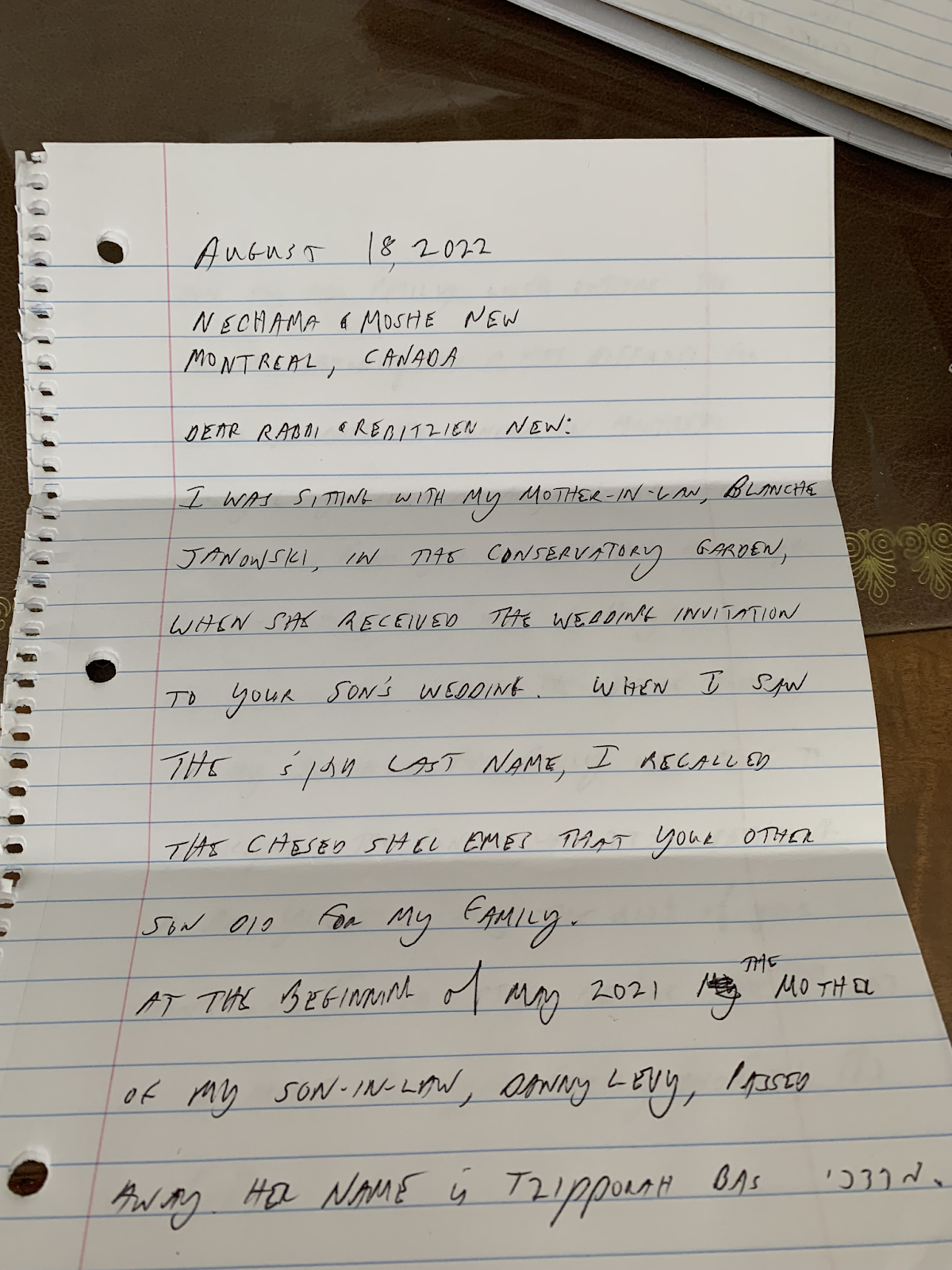
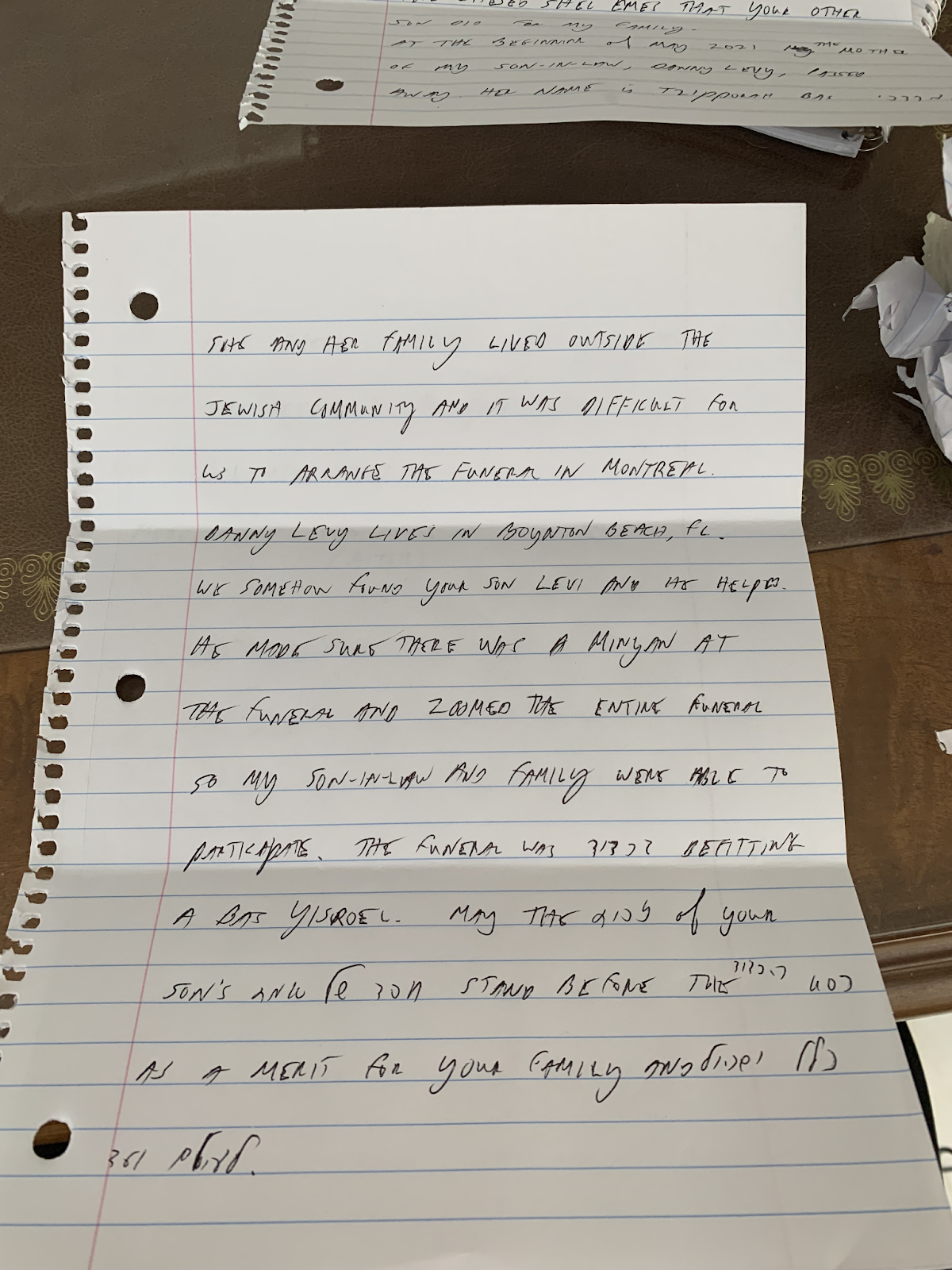
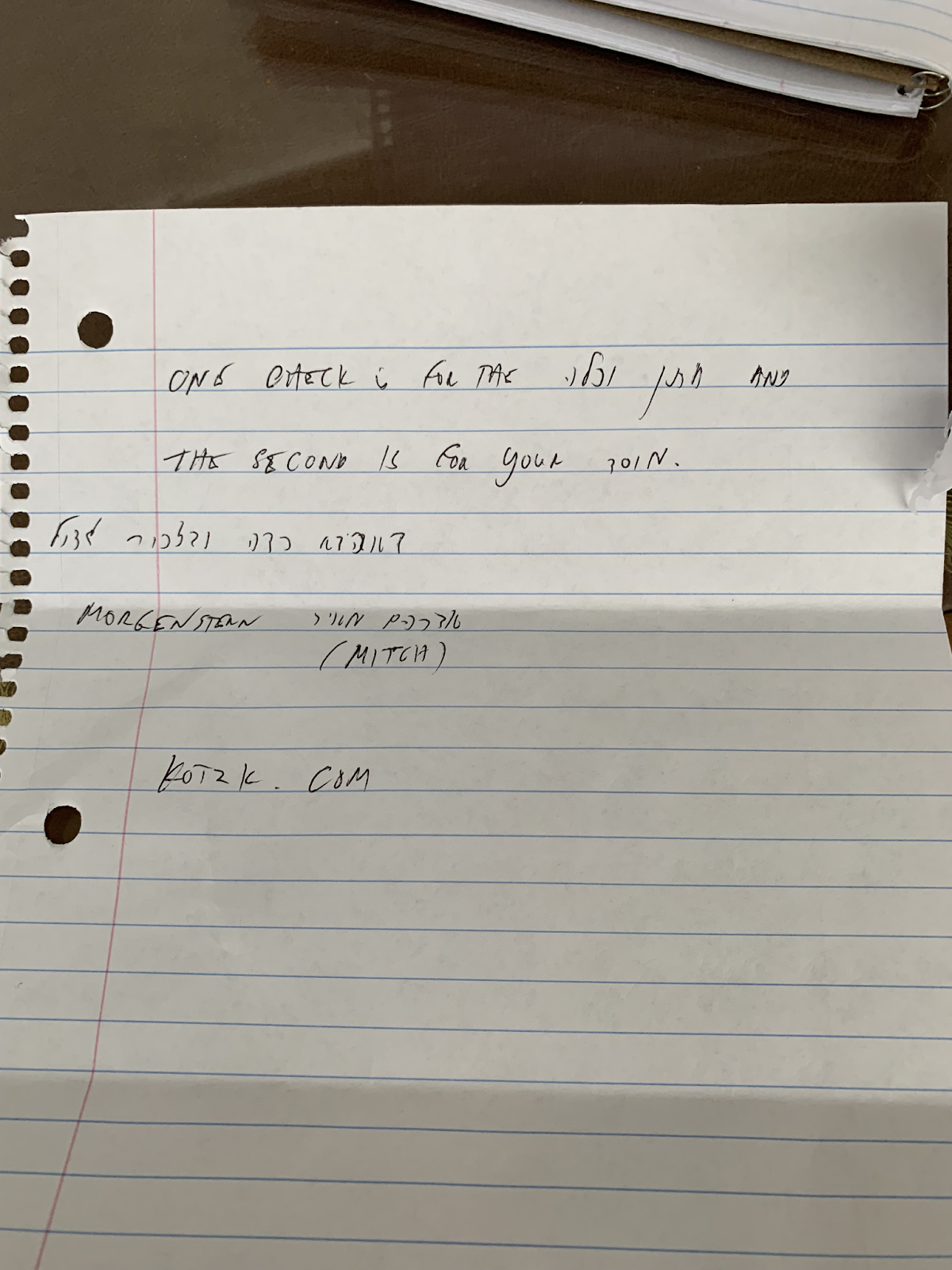


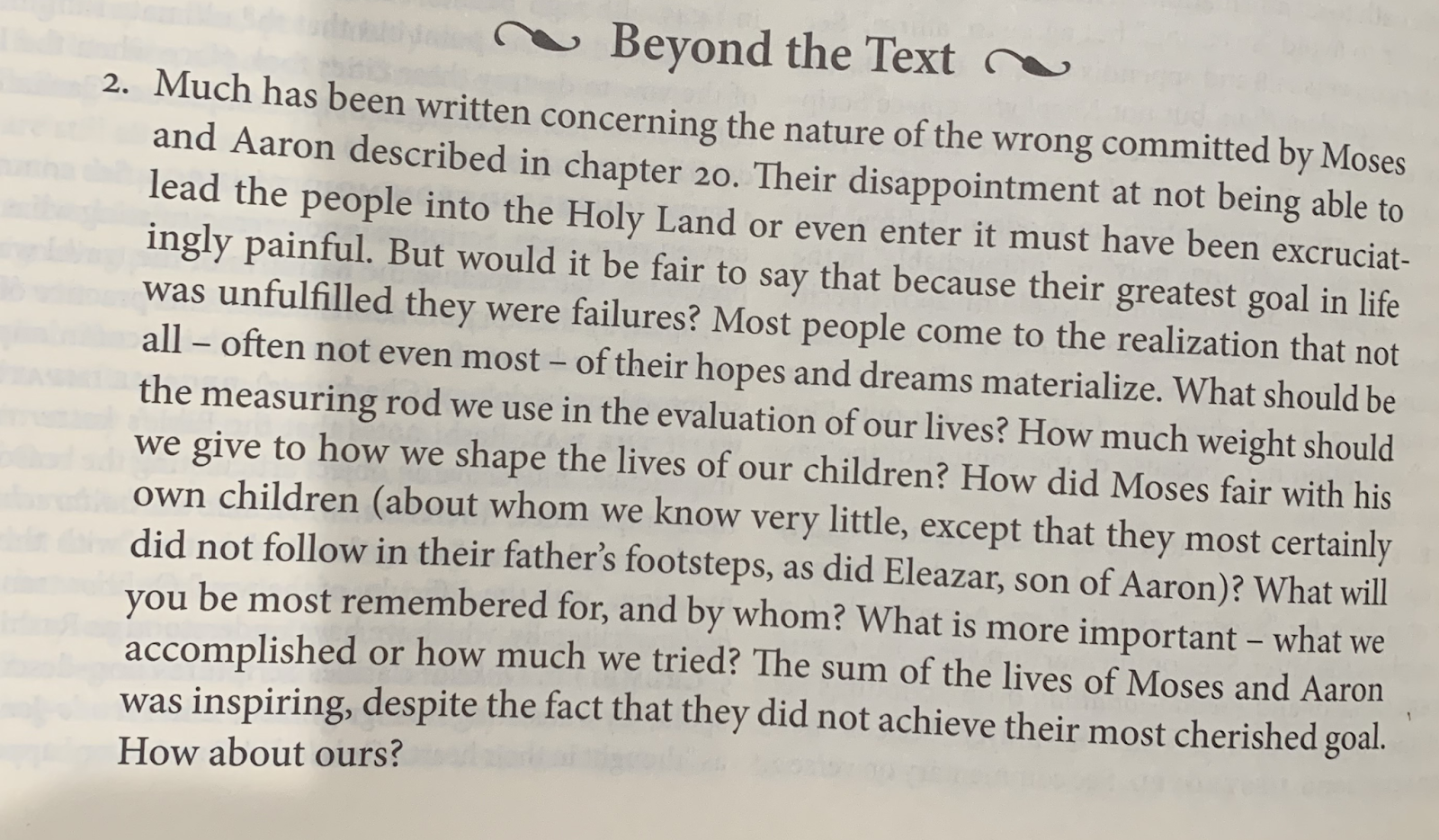
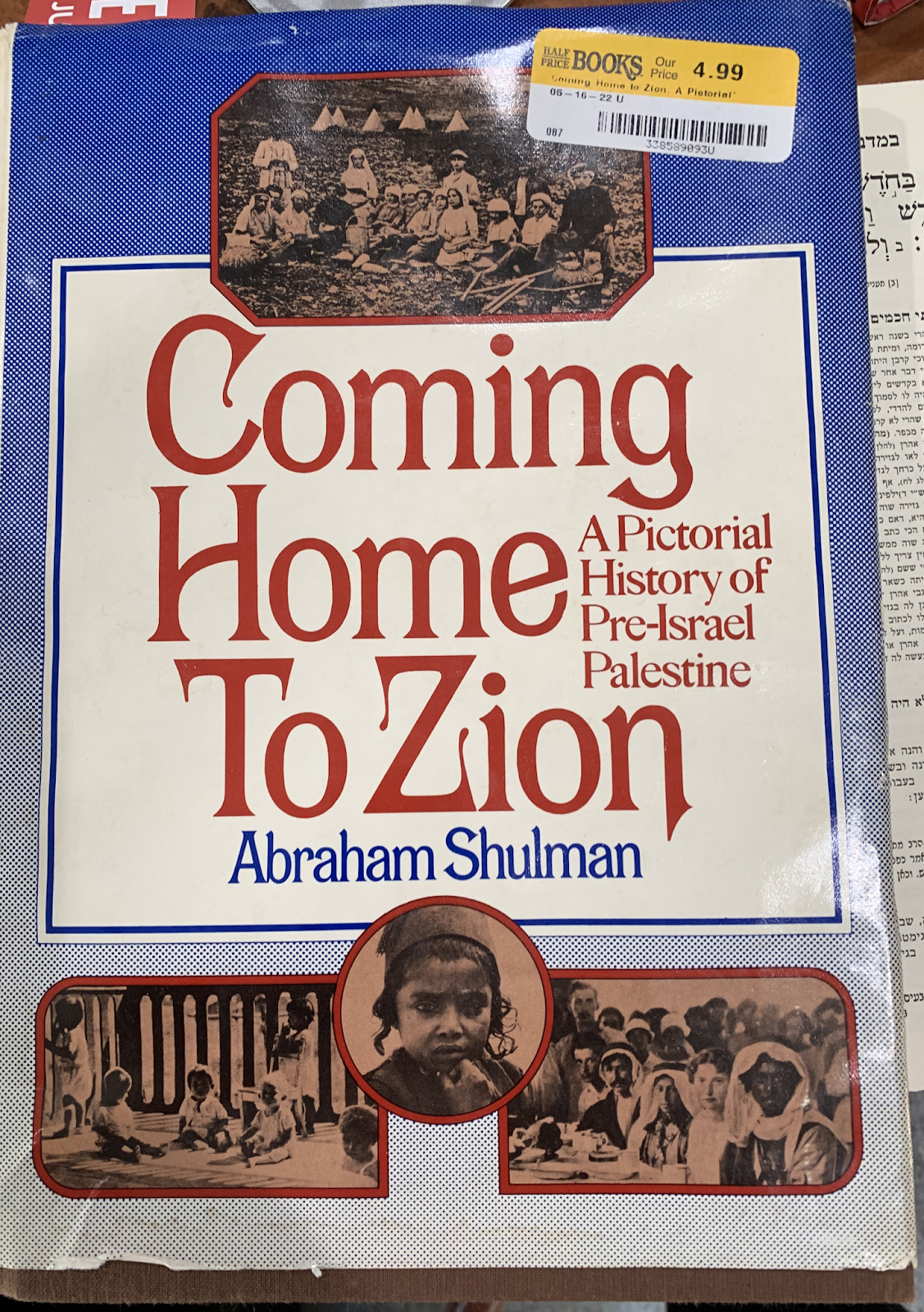
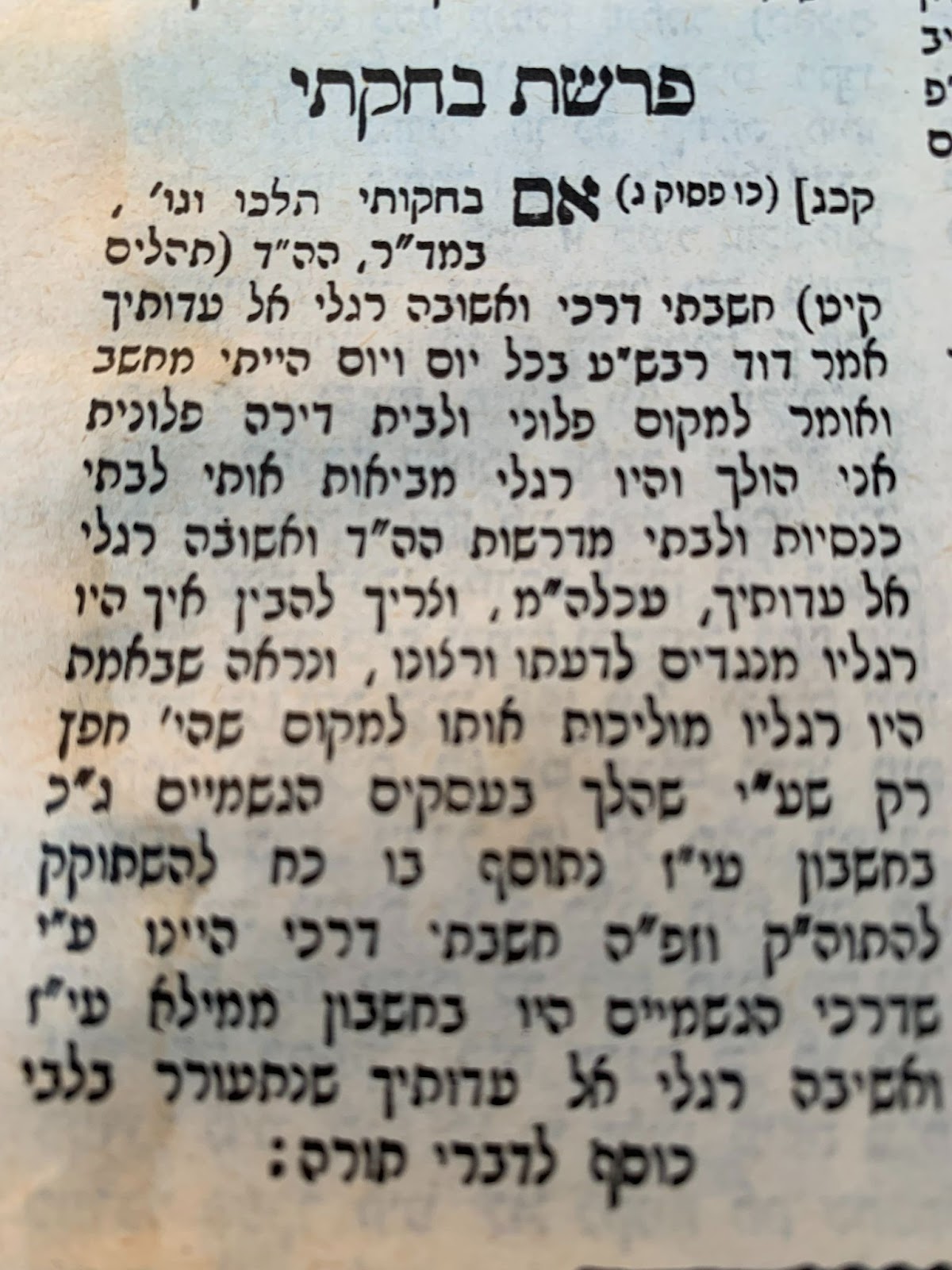
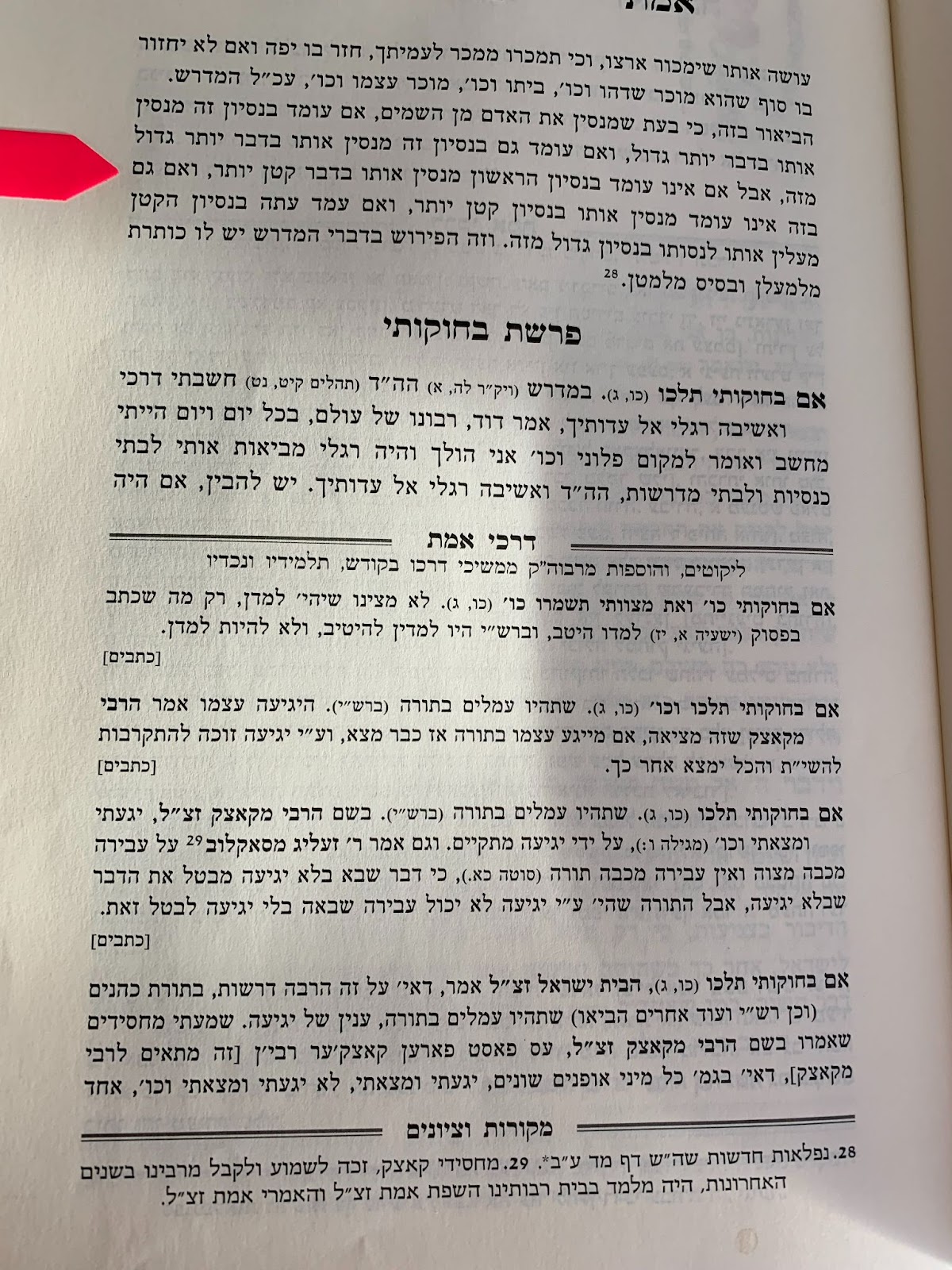
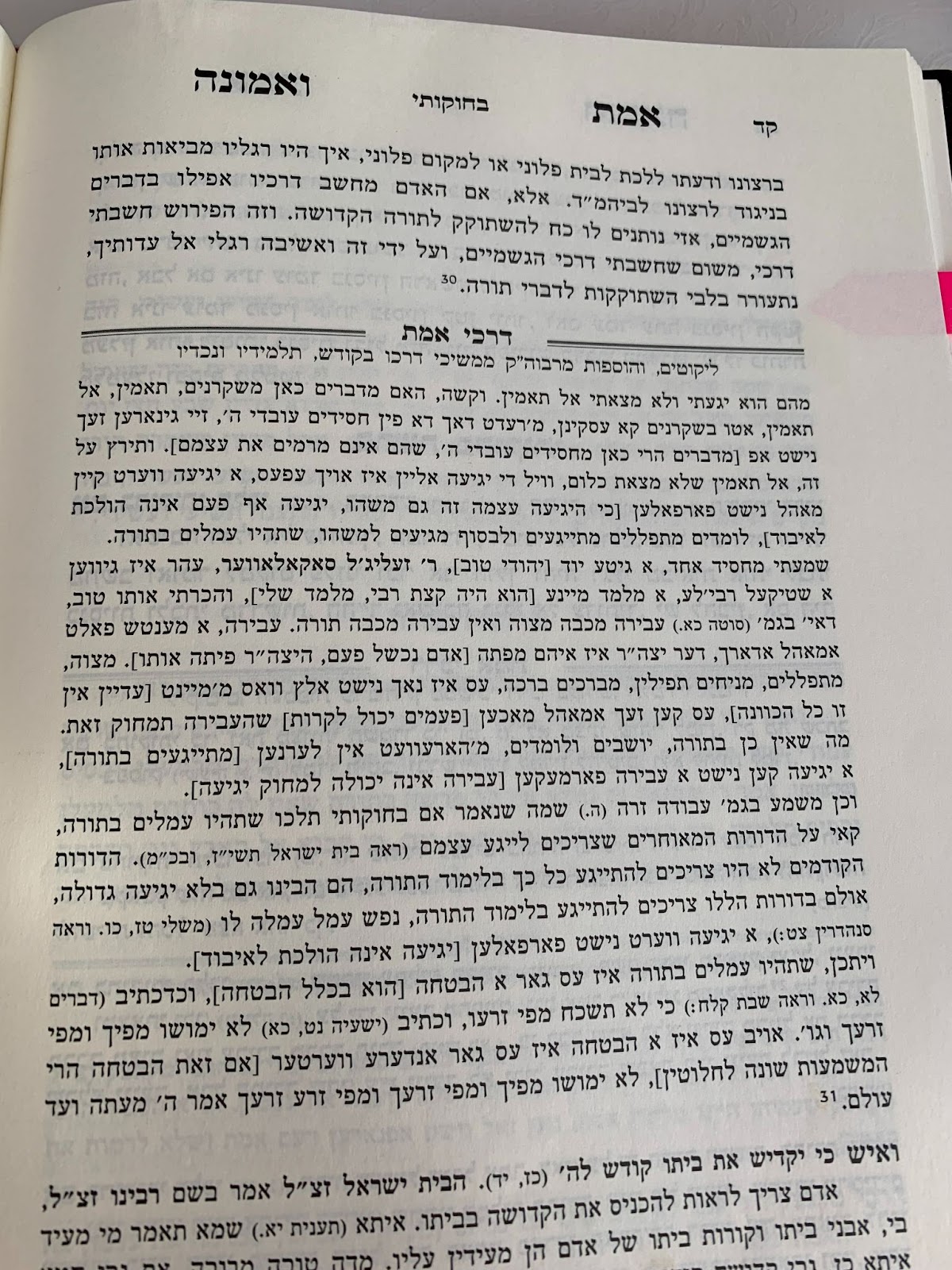


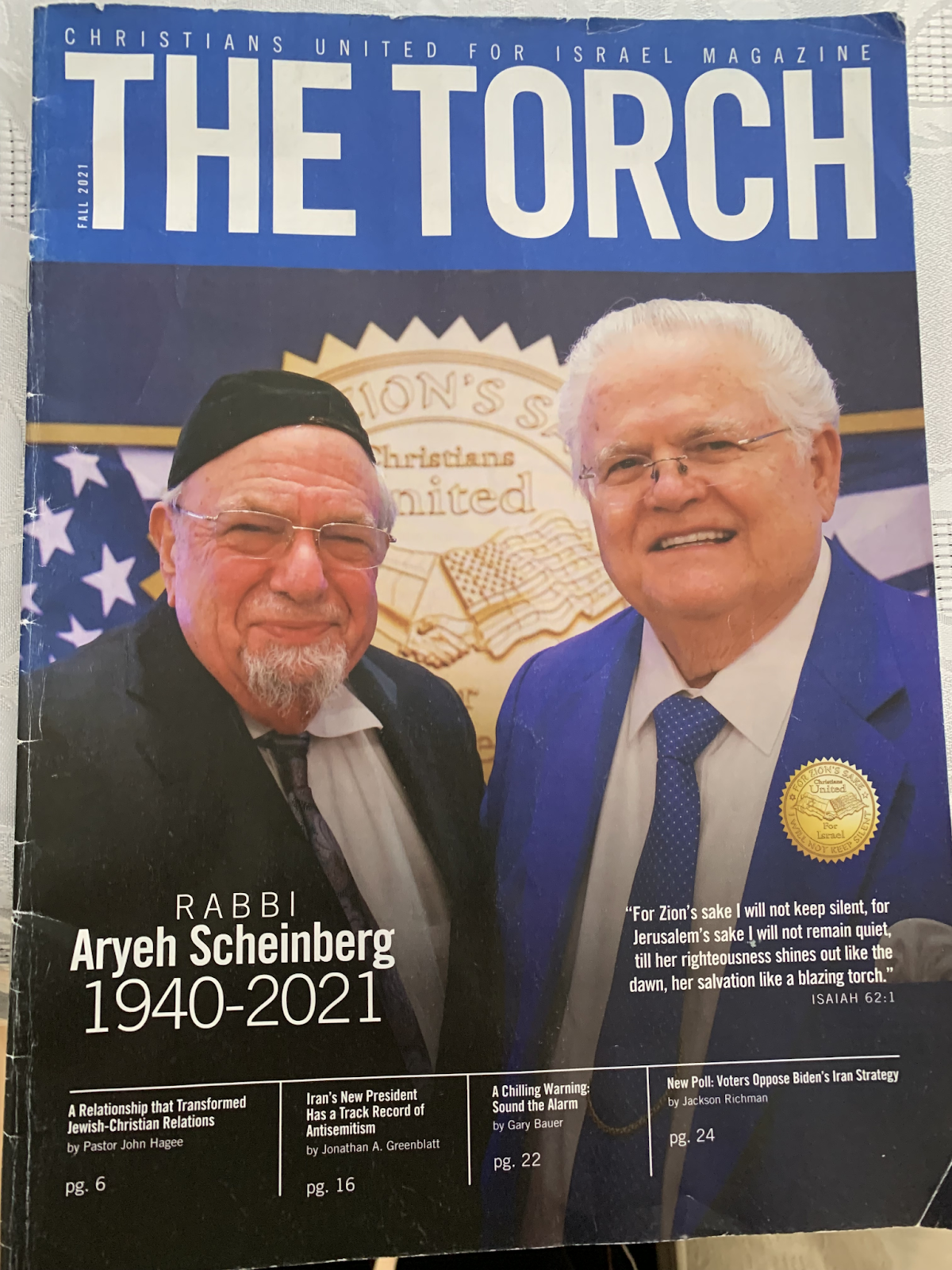
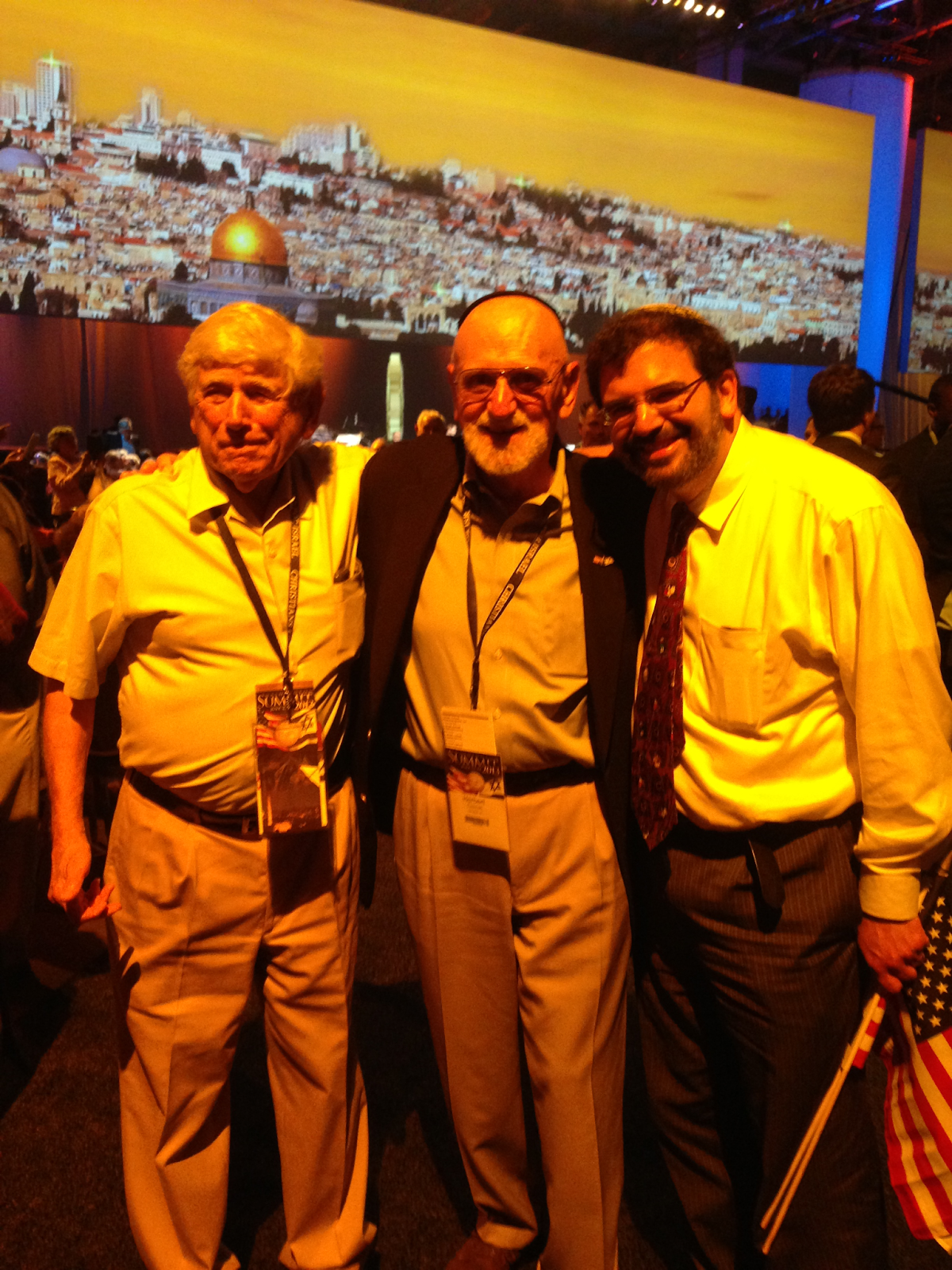
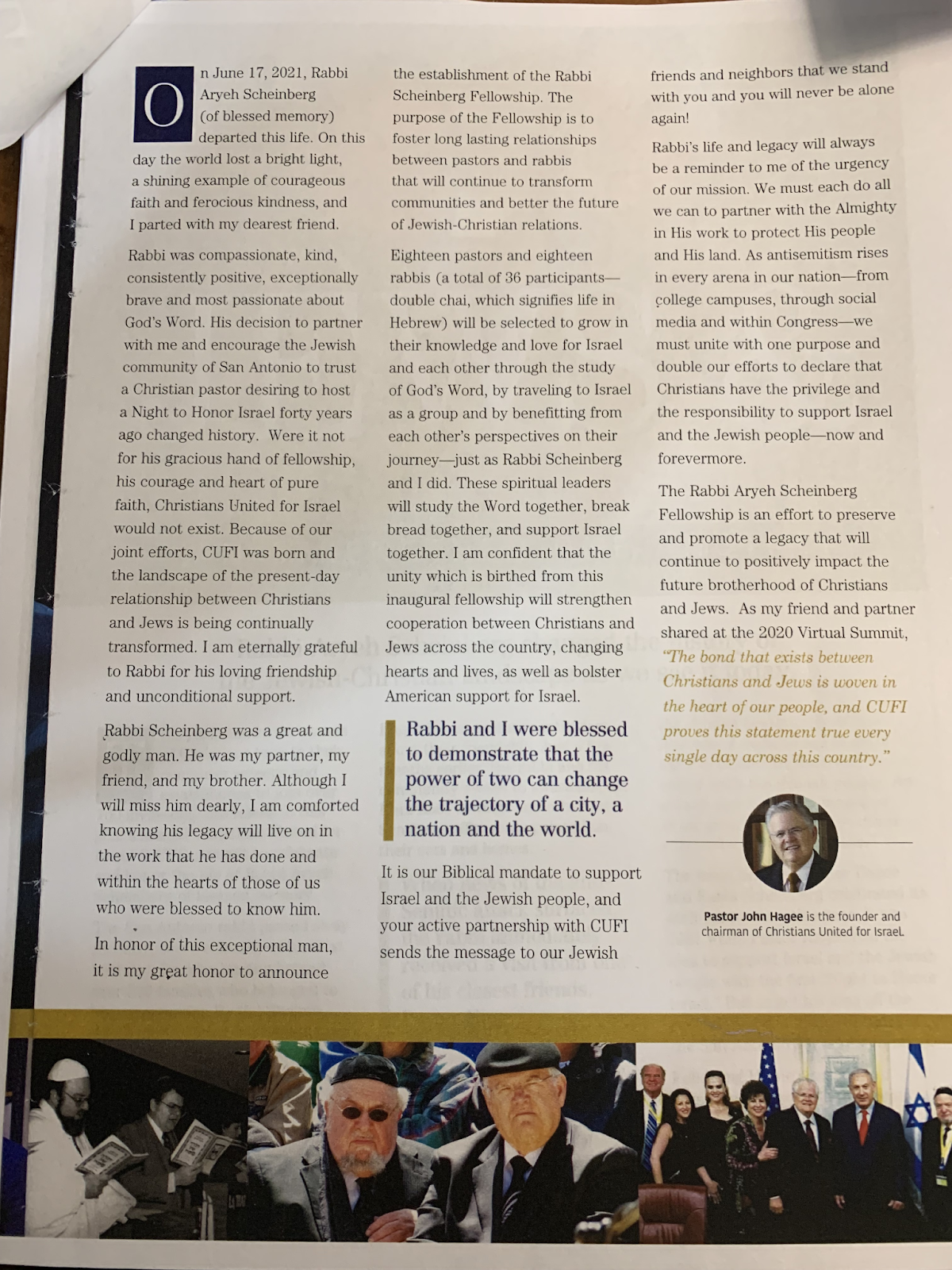


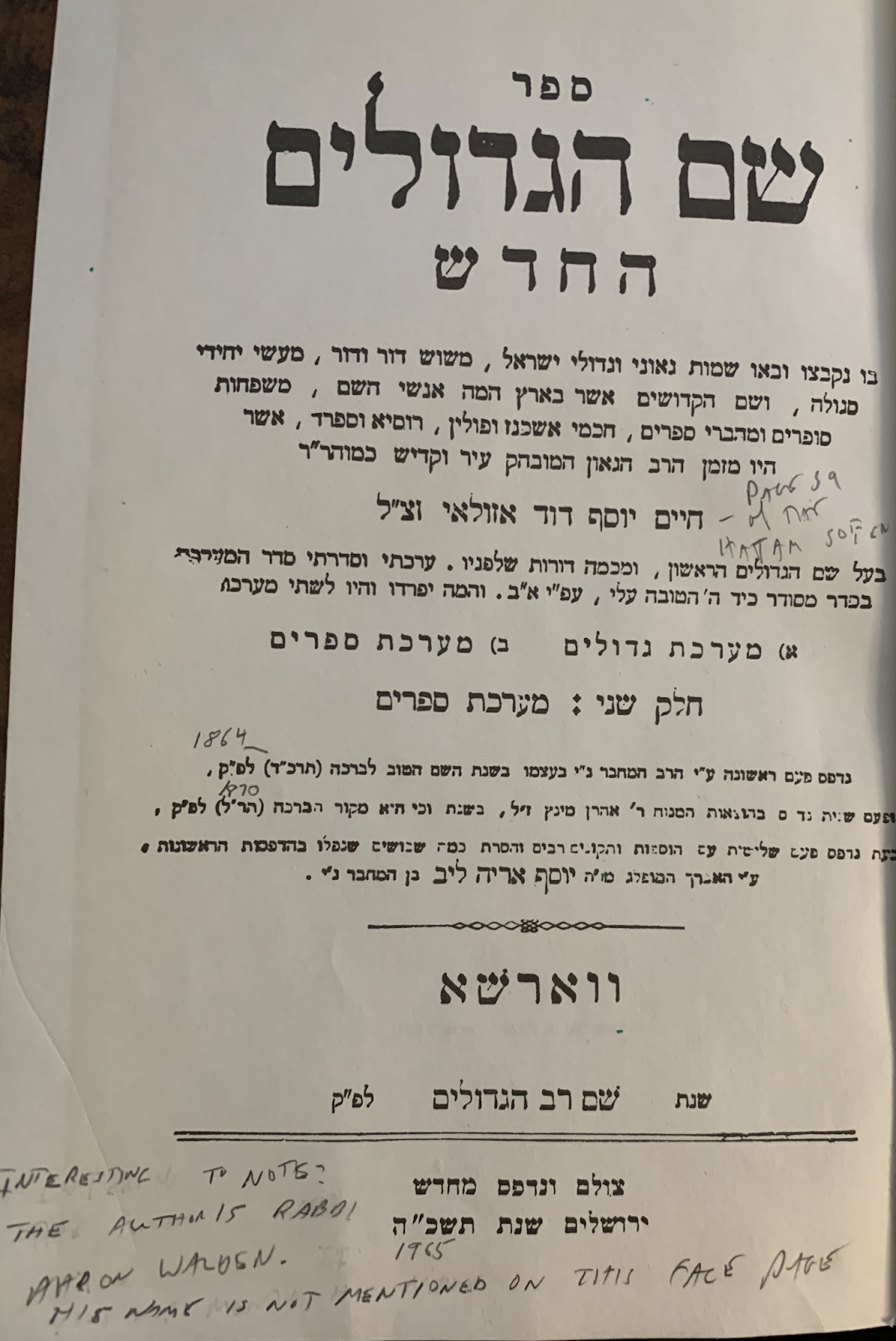
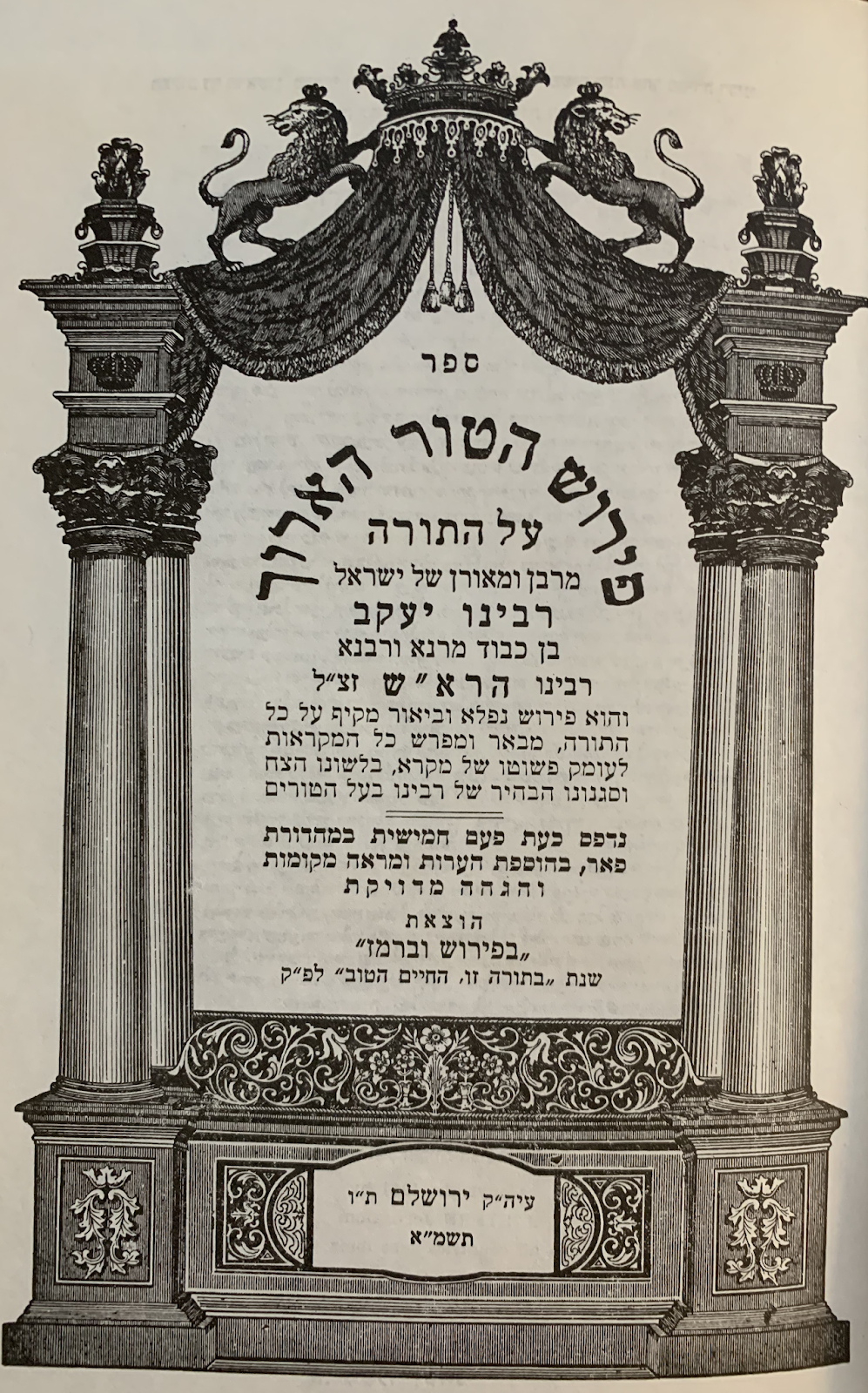
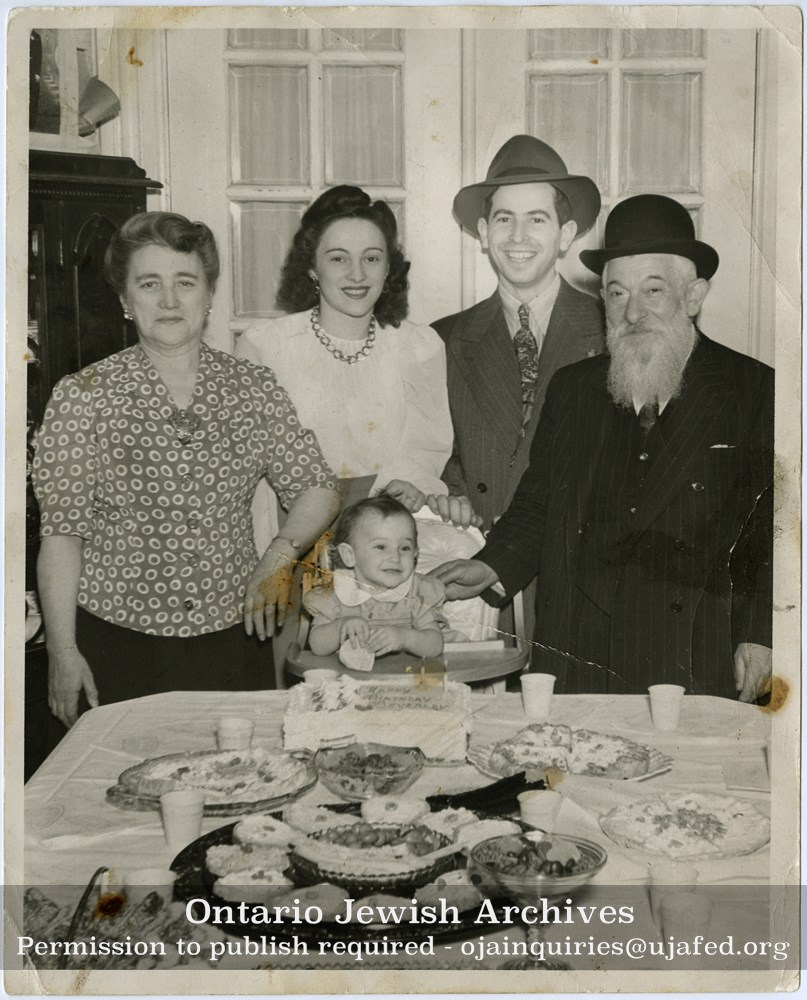
 Exploring Kotzk