
Shabbos Parshas Behaaloscha
Chabad of East Lakeview
Torah from Shabbos
Torah 1 – Verse 8:2
Torah 2 – Verse 12:1
June 13, 2025
Eruv Shabbos. I learned with Tzvi Morgenstern, my son, Chapter 2 from the book, הרבי מקאצק וששים גבּורים סביב לו. Tzvi is an intellectual and he pushes me to think and express my thoughts clearly.
Davened by Base Ment and Naftali Glenner ate over Friday night.
June 14, 2025
Shabbos morning walked to Chabad. Got to Shul at 11:05 AM, during Chazaras Hashatz. Kiddush was sponsored by Beryl – Bernie and Chanah – Anne Green for their son’s birthday. They lived in Lakeview and moved to Houston. Rabbi Moshe Kotlarsky is their spiritual father. He did their conversion and their marriage was at Chabad. Rabbi Moshe was their spiritual father.
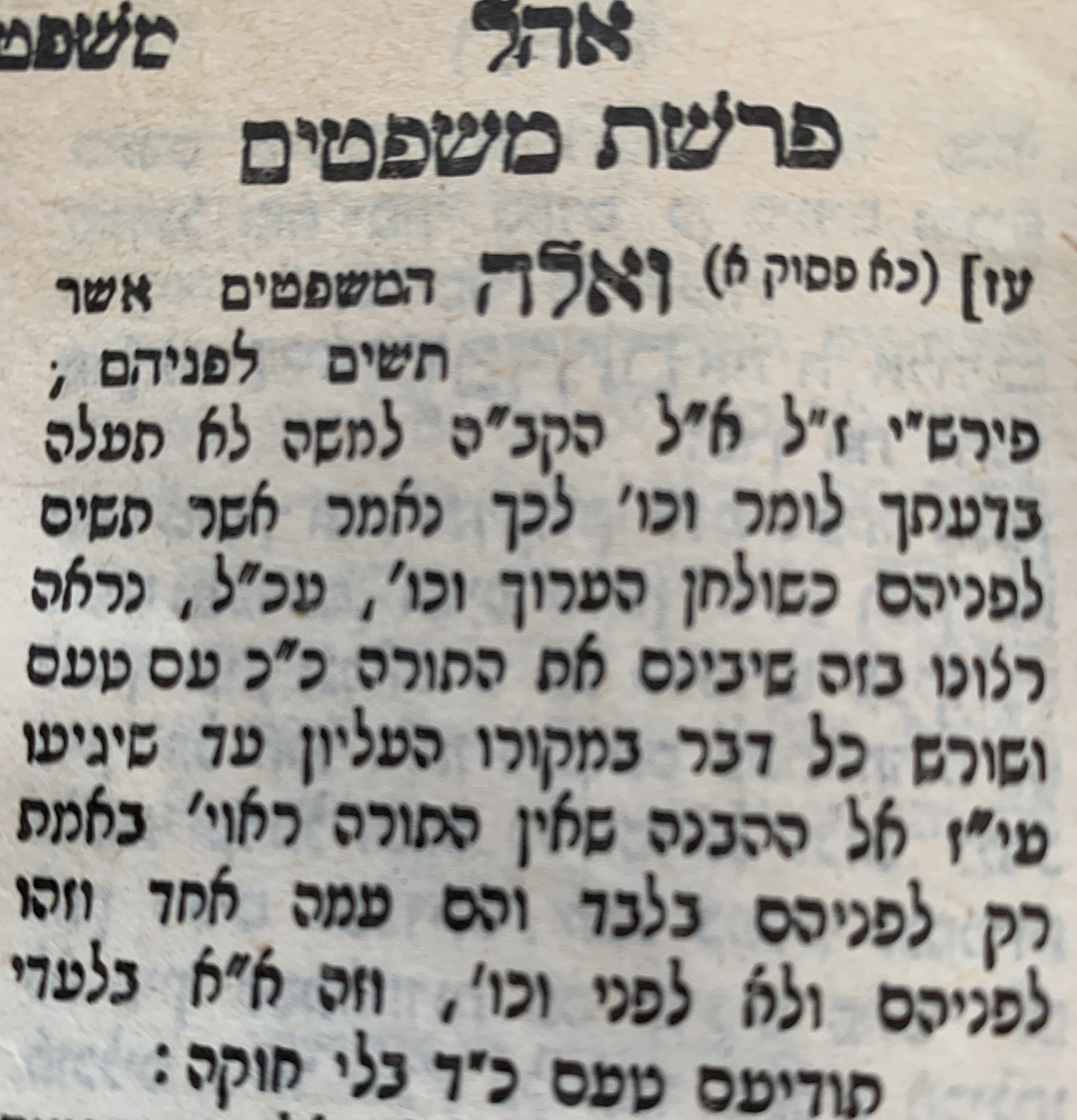
Shiur had Paul, Tamar, Avigail, Peggy, Henry, Marcel, and Professor Isaac Kalimi. Professor Kalimi argued with my explanation of Rasi on Verse 8:2 and called himself the מהרי׳ק, an abbreviation of his name. Is he a descendent of the first מהרי׳ק was Rabbi Yosef Karo, the author of the Shulchan Aruch, the Torah’s law book. From a Shulchn Aruch printed in 1722

Torah from Shabbos:
Torah 1:
The question I dealt with over Shabbas is the translation of the word בְּהַעֲלֹֽתְךָ֙ in the second verse of this week’s Parsha. The verse states –
דַּבֵּר֙ אֶֽל־אַהֲרֹ֔ן וְאָמַרְתָּ֖ אֵלָ֑יו בְּהַעֲלֹֽתְךָ֙ אֶת־הַנֵּרֹ֔ת אֶל־מוּל֙ פְּנֵ֣י הַמְּנוֹרָ֔ה יָאִ֖ירוּ שִׁבְעַ֥ת הַנֵּרֽוֹת׃
When one looks at the word בְּהַעֲלֹֽתְךָ֙ and contemplates its meaning, how would it be translated? בְּהַעֲלֹֽתְךָ֙ should mean to lift up. Lift up the lamps, go up to the lamps or when you arrange the lamps. The word for lighting a lamp, a candle is להדלק. Comes along Onkleys and tells us that the translation for בְּהַעֲלֹֽתְךָ֙ is to light. Indeed most English translations use “to light” – “when you go up to light the lamps”.
Some English translations use the word “kindle” like Artscroll and Silverstein. Not sure why they use kindle. Does it mean something different than light or is this just stylistic? Is it that a person sounds more intellectual using the word kindle?
Kindle meaning per AI
In the Bible, “kindle” generally means to ignite or set something on fire, both literally and metaphorically. This can refer to the physical act of starting a fire, but more often it’s used to describe the stirring up or arousing of emotions, particularly anger or wrath. It can also refer to the kindling of faith or other spiritual qualities within a person.
Let us analyze Rashi. Rashi says:
בהעלתך. עַל שֵׁם שֶׁהַלַּהַב עוֹלֶה, כָּתוּב בְּהַדְלָקָתָן לְשׁוֹן עֲלִיָּה שֶׁצָּרִיךְ לְהַדְלִיק עַד שֶׁתְּהֵא שַׁלְהֶבֶת עוֹלָה מֵאֵלֶיהָ (שבת כ”א), וְעוֹד דָּרְשׁוּ רַבּוֹתֵינוּ מִכָּאן שֶׁמַּעֲלָה הָיְתָה לִפְנֵי הַמְּנוֹרָה, שֶׁעָלֶיהָ הַכֹּהֵן עוֹמֵד וּמֵטִיב (ספרי):
Let us read Rashi carefully like the Sifsei Chachomin. We will break down Rashi into three components:
בהעלתך. עַל שֵׁם שֶׁהַלַּהַב עוֹלֶה – 1
כָּתוּב בְּהַדְלָקָתָן לְשׁוֹן עֲלִיָּה, שֶׁצָּרִיךְ לְהַדְלִיק עַד שֶׁתְּהֵא שַׁלְהֶבֶת עוֹלָה מֵאֵלֶיהָ (שבת כ”א),- 2
וְעוֹד דָּרְשׁוּ רַבּוֹתֵינוּ מִכָּאן שֶׁמַּעֲלָה הָיְתָה לִפְנֵי הַמְּנוֹרָה, שֶׁעָלֶיהָ הַכֹּהֵן עוֹמֵד וּמֵטִיב (ספרי): – 3
Rashi starts out by translating the word בהעלתך. What does בהעלתך mean. Normally it means to lift and in this context it means to light. In this first line of Rashi, Rashi is telling us why is it appropriate to use the word בהעלתך to light. This is because a flame goes up so when you light the fire ascends.
Rashi continues in statement #2 – ( כָּתוּב בְּהַדְלָקָתָן לְשׁוֹן עֲלִיָּה שֶׁצָּרִיךְ לְהַדְלִיק עַד שֶׁתְּהֵא שַׁלְהֶבֶת עוֹלָה מֵאֵלֶיהָ (שבת כ”א, – and explains why does the Torah use בהעלתך instead of בְּהַדְלָקָתָן? To teach us the need to properly light the Menorah. Light it so that the lamp fire will not go out. Do not hold it at the top and just light the tip and expect the flame to grow as it engulfs the wick. Do it properly. Hold the kindling flame by the new wick until there is a strong fire so that it will not flicker and/or go out. Having the lamps go out and relighting is not proper.
In statement #3 Rashi based on the Sefri says that there is a second meaning in this usage of בהעלתך that there should be steps in front of the Menorah. I assume that this is also for decorum. Properly arrange and be able to properly light the candles. Stand over it so that you do not drip it on his sleeves, you will not make a mess, and that he can light the candles. Make sure you stand well above the lamps.
Rashi agrees with Onkelys that the basic meaning of בְּהַעֲלֹֽתְךָ֙ is to light. This is how to translate the word. Rashi then tells us what we learn from the usage of this word. One is based on a Gemara in Shabbos and the second is a Sifrei. Kehot – Lubavitch indprates all there into their English translation. JPS 2014 says when you climb up the steps and the Septangunat says and the S
In conclusion Rashi is not saying three explanations of the word בהעלתך. Rather, Rashi is translating the word as “to light” and then says two lessons we learn out front the Torah’s choice of this word and not then normal word for to light which is להדלק. These two are not part of the 613 Mitzvos but rather a procedure to be followed in the Mishkan and tempe.
Sources:
Targum Onkelos:
מַלֵּל עִם אַהֲרֹן וְתֵימַר לֵיהּ בְּאַדְלָקוּתָךְ יָת בּוֹצִינַיָּא לָקֳבֵל אַפֵּי מְנַרְתָּא יְהוֹן מְנַהֲרִין שִׁבְעָא בוֹצִינַיָּא:
Speak to Aharon, and say to him; When you light the lamps towards the face of the Menorah shall the seven lamps cast [their] light.
Artscroll – When you kindle the lamps, toward the face of the Menorah shall you light seven candles.
Silberstein translation
Speak to Aaron and say to him: When you kindle the lamps (of the menorah), towards the face [the central shaft] of the menorah shall the seven lamps light [i.e., shall their light (by manipulation of the wicks) be directed (so that people not say that He needs the menorah for its light)].
Mesudah translation
Speak to Aharon, and say to him; When you light the lamps towards the face of the Menorah shall the seven lamps cast [their] light.
King James Version:
Kehot: Merges all three ideas in Rashi.
GOD spoke to Moses, saying: “Speak to Aaron and say to him: ‘The spouts of the Candelabrum’s lamps face its central shaft. When you ascend the steps in front of the Candelabrum in order to kindle the lamps, be sure to place the wicks in these spouts so the seven lamps shine toward the central shaft of the Candelabrum. Also, be sure to hold the fire to the wick until it burns by itself.’”
Kehot incorporates Rashi into the flow of the translation of the Pasuk.
JPS 2014
Speak to Aaron and say to him, “When you mount the lamps, let the seven lamps give light at the front of the lampstand.” This mirrors the Septuagint.
Sferno
בהעלתך את הנרות. כשתדליק את שש הנרות:
Rav Bartunara
בהעלותך על שם שהלהב עולה וכו’ ועוד דרשו רז”ל שמעלה היתה לפני המנורה שעליה כהן עומד ומטיב קשה מה ענין הטבה לכאן המקרא מדבר בהדלקה ורש”י מפרש בהטבה וי”ל דהואיל וכתב בסוף המקרא יאירו שבעת הנרות הרי ההדלקה אמורה ואם כן זה שכתוב כאן בהעלותך לא הוצרך ליכתב כי היה די לומ’ ואמרת אליו אל מול פני המנורה יאירו שבעת הנרות ואם אינו עניין [להדלקה] תנהו עניין להטבה ולכך תפס רש”י לשון זה דעומד ומטיב:
Torah #2
Bamidbar 12:1
וַתְּדַבֵּ֨ר מִרְיָ֤ם וְאַהֲרֹן֙ בְּמֹשֶׁ֔ה עַל־אֹד֛וֹת הָאִשָּׁ֥ה הַכֻּשִׁ֖ית אֲשֶׁ֣ר לָקָ֑ח כִּֽי־אִשָּׁ֥ה כֻשִׁ֖ית לָקָֽח׃
Miriam and Aaron spoke against Moses because of the Cushite woman he had taken [into his household as his wife]: “He took a Cushite woman!”
Who is this Cushite woman? Almost all explain it was Tzipora. Rashi explains that the Torah is saying she was beautiful both in terms of physical beauty and she was beautiful in her actions. Means she had all the right qualities. This adds to Miriam’s complaint against Moshe that he divorced his wife even though she is a perfect wife.
Targum Yerushalmi says what Rashi says and my be the source of Rashi:
וְאִשְׁתָּעוּ מִרְיָם וְאַהֲרן בְּמשֶׁה עַל עֵיסַק אִיתָא כּוּשְׁיָיתָא דִנְסִיב וְהָא לָא אִיתָא כּוּשְׁיָיתָא הֲוָת צִפּוֹרָה אִתַּת משֶׁה אֶלָא הֵיךְ מַה דְהַדֵין כּוּשְׁיָא מְשַׁנֵי בִּשְרֵיהּ מִכָּל בִּרְיָיתָא כֵּן הֲוָת צִפּוֹרָה אִתַּת משֶׁה יָאֶה בְּרֵיוָהּ וְשַׁפִּירָא בְחִזְוָהּ וּמְשַׁנְיָא בְּעוֹבָדַיָא טָבָא מִכָּל נְשַׁיָא דְדָרַיָא הַהוּא:
However, Targum Yonasan ben Uziel says it refers to the queen Moshe had to marry when he became king of the land of Cush which occurred after Moshe had to flee Egypt. I do not know exactly what was Miriam’s complaint? Was this Cushite wife with Moshe in the desert at this time? The Tarbum
Targum Yonasan Ben Uziel:
וְאִשְׁתְּעִיוּ מִרְיָם וְאַהֲרן בְּמשֶׁה פִּתְגָמִין דְלָא מְהַגְנִין עַל עֵיסַק אִתְּתָא כּוּשְׁיָיתָא דְאַסְבוֹהִי כוּשָׁאֵי לְמשֶׁה בְּמֵיעַרְקֵיהּ מִן קֳדָם פַּרְעה וְרִיחְקָהּ אֲרוּם לְאִיתָא אַסְבוֹהִי יַת מַלְכְּתָא דְכוּשׁ וְרָחִיק מִינָהּ
And Miriam and Aharon spake against Mosheh words that were not becoming with respect to the Kushaitha whom the Kushaee had caused Mosheh to take when he had fled from Pharaoh, but whom he had sent away because they had given him the queen of Kush, and he had sent her away.
According to Targum Yonasan Ben Uziel, when did he send her away? Is it now in the desert? Tzippora had died and Moshe’s only wife was his original Cushite wife.
 Exploring Kotzk