Repost of Shabbos Parshas Pinchos – July 11, 2020 – 19 Tammuz 5780Repost of

Shabbos Parshas Pinchos – July 11, 2020 – 19 Tammuz 5780

The Three Weeks – Very Zionistic Period

Hertzl’s Yahrzeit – 20 Tammuz 1904 (July 12, 2020)

Herzl’s Repentance

Admor Dovid Morgenstern – 22 Tammuz  1873 (July 14, 2020)

Zev Jabotinsky – 29 Tammuz 1940 (July 21, 2020)

Herzl’s Diary entry on his meeting with the Pope January 1904 

Herzl’s Reburial on Mt. Herzel on August 18, 1949

Shabbos Day July 11, 2020:

I spoke today before Krias Hatorah at the Bais-ment and the following is my speech:

On Thursday was the fast of the 17th of Tammuz and the beginning of the three weeks, which are times of great sadness in the Jewish calendar when the two Temples were destroyed.  It is a time that we talk about Moshiach.  Even the Chicago Community Kollel this year had an article about Moshiach.   All the years I worked these were not easy weeks.  Even though I did try to minimize the feelings of depression to do my job, I still felt the weight of Jewish history on my shoulders.  Once my associate presented a loan for Frum people on Tisha B’av and I thought about how when the customer is fasting, his loan is being presented for approval.   

At the same time it is a time of great hope that the Jews will overcome all hardships and Moshiach will come.  We have come very far as Jews being privileged to have the State of Israel and as for myself, living in America.  However, the journey is not yet over.   I consider this time a very Zionistic time.

There are three Yahrzeits of great people in the Zionistic movement during the three weeks.

  • Hertzl’s Yahrzeit – 20 Tammuz 1904 (July 12, 2020)
  • Admor Dovid Morgenstern Yahrzeit – 22 Tammuz  1873 (July 14, 2020)
  • Ze’ev JabotinskyYahrzeit – 29 Tammuz 1940 (July 21, 2020)

Hertzl’s Yahrzeit – 20 Tammuz 1904 (July 12, 2020)

Binyomin Zev Ben Yaakov, known as Theodore Herzl, died at only 44 years old during his struggle to get the Jews out of Europe and establish a country in Eretz Yisroel.  I have said in the past that the Imrei Emes who in 1903 criticized Herzl and the movement back to Israel is now learning B’Chavrusa with Herzl.

What was Theodore Herzl’s repentance? 

Early on Theodore Herzl proposed to the Archbishop of Vienna a mass conversion to Chirtianity of Jewish children.  Herzl was laughed out of the church.

Fast forward about 15 years later to early 1904.  Herzl’s dream of establishing a State in Israel was not going well.  His friend, Count Lippay, got him an audience with the pope. Pius X at the Vatican.  Herzl had wanted an audience with the pope for years to request the Church’s help in settling the Jews in Eretz Yisroel.   Herzl was told by his friend that protocol is to kiss the Pope’s hand.  Herzl refuses to kiss the Pope’s hand.  Despite Herzl’s fight to establish a Jewish state in Israel, he refused to humble himself in such a way to the pope. The pope would never have agreed to help Herzl and the Jewish people even with the kissing of his hand.  Herzl stood as a proud Jew, aware of his  role representing a proud and noble people, and that he is an equal to the pope.  He represents a proud people, entitled to live freely and openly as Jews.  Wow.  Similar to Mordechai who refused to bow to Haman.

This was Herzl’s repentance.  Years earlier, Herzl thought the answer to the “Jewish problem” was mass conversion.  Herzl changed, he understood the holiness of the Jewish people.  Despite the major roadblocks and seeing his dream of Israel in his lifetime fading, Herzl refuses to kiss the pope’s hand.  As you read the below, Count Lippay who got Herzl the audience with the pope, said to Herzl to impress the pope, reminded Herzl, Herzl himself said he wanted to kiss the pope’s foot.  

Throughout Herzl’s writing he writes about the  specialness of Jewish people.

At the end of his audience with the pope, Herzl writes, “ Then I realized that the Pope liked this sort of thing. But on parting, too, all I did was to give him a warm hand-squeeze and a low bow.”

I have copied a little background and text from Herzl’s diary at the end of this speech.  

Admor Dovid Morgenstern – 22 Tammuz  1873 (July 14, 2020)

Admor Dovid Morgenstern was the son of the Kotzker Rebbe. He was my grandfather’s great grandfather.  He is second generation and I am seventh with the Kotzker rebbe being the first generation.   Admor Dovid Morgenstern was a Chosid of the Rebbe, Reb Bunim of Peshischa.  His Chasuna was on the day Reb Bunim of Peshischa passed away.   He was more of a calmer nature than his father, the Kotzker.   It is tragic that he nor his father wrote anything down, so the world does not have a legacy of his Torah.   His legacy is the Torah of his children.     Bourch Gutter put out a Sefer on Admor Dovid called Ahavas Dovid, however, there are few first person stories or life stories. 

In the Sefer Bais Kotzk from Yehuda Leib Levin, there are eleven pages on Admor Dovid Morgenstern.  After the Kotzker’s passing in 1859, most of the Chasidium became aligned with the RIM, the first Gerrer Rebbe.  There is little known about Admor Dovid  Morgenstern.    I read page 282 in Yehuda Levin’s Bais Kotzk, which is a story when Admor Dovid’s nephew, Reb Yechiel Moshe Greenwald, came to visit his uncle.  Rabbi Yechiel Moshe Greenwald is the sole source of stories about Admor Dovid Morgenstern.  He lived until around 1920 and remarried into his 80’s.   He has a grandson in Toronto bearing his name.   Reb Yechial Moshe has family living in Chicago.  

Page 282  says the Admor Rabbi Dovid did not push away any man.  He was willing to purify sinners from their sin, and to cleanse their body.  He could not tolerate people with false piety and arrogance.   

What was Admor Dovid Morgenstern’s Zionism?  As I spoke over the last three weeks, the essence of Kotzk was Ahavas Yisroel.  Admor Doivd’s son, Reb Chaim Yisroel Morgenstern, known as the Pilaver Rebbe, in 1885 wrote a Sefer Shalom Yerushalayim that it is time for the Jews to go back to Israel.  I read the first Chapter a number of times.  Around the 5th time, I read it with Ahavas Yisroel and it was a different Chapter.   This to me is one of the unknown legacies of the Kotzker Rebbe and his son Admor Dovid Morgenstern.

Pages from Bais Kotzk.

Ze’ev Jabotinsky – 29 Tammuz 1940 (July 21, 2020)

Ze’ev Jabotinsky, despite being born into an assimilated family in Odessa, Russia, became entwined with the Jewish people and his legacy continues to benefit the Jewish people.   He was born and not given a Jewish name, and later in life took on a jewish name.   He was a prophet and in the 1930s saw the holocaust coming.  He worked tirelessly to awaken the Jews about the nazi threat.  My friend Eliykum Schwartz told me that despite not being Frum, when he traveled throughout Europe. insisted on Kosher food, as he understood that he represented the Jewish people. His great student was Menachem Begin.

I met Rabbi Naphtali Jaeger of Shaarei Yoshuv, in Far Rockaway, New York.  He told me that his father was from Alkush in Poland.  I said, wow, the first position of the Sochachover Rebbe in the 1860s was Alkush.  I asked Rabbi Jaeger when did his father leave Europe?  Upon hearing that it was in the early 1930s, I asked why did your father leave Europe?   He answered that his father heard Ze’ev Jaobtinsky speak, came home, and said we are leaving Europe.   He took Jabotinsky’s words to heart.

THEODOR HERZL: Audience with Pope Pius X (1904)

Pius XOn January 26, 1904, Theodor Herzl had an audience with Pope Pius X in the Vatican to seek his support for the Zionist effort to establish a Jewish state in Palestine.  He recorded his account of the meeting in his diary. Source: Raphael Patai, The Complete Diaries of Theodor Herzl, translated by Harry Zohn (New York/London: Herzl Press, Thomas Yoseloff, 1960), 1601-1605.  The “Lippay” to whom he refers is Count Berthold Dominik Lippay, an Austrian papal portraitist, whom Herzl had met in Venice and who had arranged the audience with the pope.Herzl

Yesterday I was with the Pope. The route was already familiar since I had traversed it with Lippay several times.

Past the Swiss lackeys, who looked like clerics, and clerics who looked like lackeys, the Papal officers and chamberlains.

I arrived 10 minutes ahead of time and didn’t even have to wait.

I was conducted through numerous small reception rooms to the Pope.

He received me standing and held out his hand, which I did not kiss.

Lippay had told me I had to do it, but I didn’t.

I believe that I incurred his displeasure by this, for everyone who visits him kneels down and at least kisses his hand.

This hand kiss had caused me a lot of worry. I was quite glad when it was finally out of the way.

He seated himself in an armchair, a throne for minor occasions. Then he invited me to sit down right next to him and smiled in friendly anticipation.

I began:

Ringrazio Vostra Santità per il favore di m’aver accordato quest’udienza” [I thank Your Holiness for the favor of according me this audience].”

È un piacere [It is a pleasure],” he said with kindly deprecation.

I apologized for my miserable Italian, but he said:

No, parla molto bene, signor Commendatore [No, Commander, you speak very well].”

For I had put on for the first time—on Lippay’s advice—my Mejidiye ribbon. Consequently the Pope always addressed me as Commendatore.

He is a good, coarse-grained village priest, to whom Christianity has remained a living thing even in the Vatican.

I briefly placed my request before him. He, however, possibly annoyed by my refusal to kiss his hand, answered sternly and resolutely:

Noi non possiamo favorire questo movimento. Non potremo impedire gli Ebrei di andare a Gerusalemme—ma favorire non possiamo mai. La terra di Gerusalemme se non era sempre santa, è santificata per la vita di Jesu Christo (he did not pronounce it Gesu, but Yesu, in the Venetian fashion). Io come capo della chiesa non posso dirle altra cosa. Gli Ebrei non hanno riconosciuto nostro Signore, perciò non possiamo riconoscere il popolo ebreo [We cannot give approval to this movement. We cannot prevent the Jews from going to Jerusalem—but we could never sanction it. The soil of Jerusalem, if it was not always sacred, has been sanctified by the life of Jesus Christ. As the head of the Church I cannot tell you anything different. The Jews have not recognized our Lord, therefore we cannot recognize the Jewish people].”

Hence the conflict between Rome, represented by him, and Jerusalem, represented by me, was once again opened up.

At the outset, to be sure, I tried to be conciliatory. I recited my little piece about extraterritorialization, res sacrae extra commercium [holy places removed from business]. It didn’t make much of an impression. Gerusalemme, he said, must not get into the hands of the Jews.

“And its present status, Holy Father?”

“I know, it is not pleasant to see the Turks in possession of our Holy Places. We simply have to put up with that. But to support the Jews in the acquisition of the Holy Places, that we cannot do.”

I said that our point of departure had been solely the distress of the Jews and that we desired to avoid the religious issues.

“Yes, but we, and I as the head of the Church, cannot do this. There are two possibilities. Either the Jews will cling to their faith and continue to await the Messiah who, for us, has already appeared. In that case they will be denying the divinity of Jesus and we cannot help them. Or else they will go there without any religion, and then we can be even less favorable to them.

“The Jewish religion was the foundation of our own; but it was superseded by the teachings of Christ, and we cannot concede it any further validity. The Jews, who ought to have been the first to acknowledge Jesus Christ, have not done so to this day.”

It was on the tip of my tongue to say, “That’s what happens in every family. No one believes in his own relatives.” But I said instead: “Terror and persecution may not have been the right means for enlightening the Jews.”

But he rejoined, and this time he was magnificent in his simplicity:

“Our Lord came without power. Era povero [He was poor]. He came in pace [in peace]. He persecuted no one. He was persecuted.

He was abbandonato [forsaken] even by his apostles. Only later did he grow in stature. It took three centuries for the Church to evolve. The Jews therefore had time to acknowledge his divinity without any pressure. But they haven’t done so to this day.”

“But, Holy Father, the Jews are in terrible straits. I don’t know if Your Holiness is acquainted with the full extent of this sad situation. We need a land for these persecuted people.”

“Does it have to be Gerusalemme?”

“We are not asking for Jerusalem, but for Palestine—only the secular land.”

“We cannot be in favor of it.”

“Does Your Holiness know the situation of the Jews?”

“Yes, from my Mantua days. Jews live there. And I have always been on good terms with Jews. Only the other evening two Jews were here to see me. After all, there are other bonds than those of religion: courtesy and philanthropy. These we do not deny to the Jews. Indeed, we also pray for them: that their minds be enlightened. This very day the Church is celebrating the feast of an unbeliever who, on the road to Damascus, became miraculously converted to the true faith. And so, if you come to Palestine and settle your people there, we shall have churches and priests ready to baptize all of you.”

Count Lippay had had himself announced. The Pope permitted him to enter. The Count kneeled, kissed his hand, then joined in the conversation by telling of our “miraculous” meeting in Bauer’s Beer Hall in Venice. The miracle was that he had originally planned to spend the night in Padua. As it happened, I had expressed the wish to be allowed to kiss the Holy Father’s foot.

At this the Pope made une tête [a long face], for I hadn’t even kissed his hand. Lippay went on to say that I had expressed myself appreciatively on Jesus Christ’s noble qualities. The Pope listened, now and then took a pinch of snuff, and sneezed into a big red cotton handkerchief. Actually, these peasant touches are what I like best about him and what compels my respect.

In this way Lippay wanted to account for his introducing me, perhaps to excuse it. But the Pope said: “On the contrary, I am glad you brought me the Signor Commendatore.”

As to the real business, he repeated what he had told me: Non possumus [We can’t]!

Until he dismissed us Lippay spent some time kneeling before him and couldn’t seem to get his fill of kissing his hand. Then I realized that the Pope liked this sort of thing. But on parting, too, all I did was to give him a warm hand-squeeze and a low bow.

Duration of the audience: about 25 minutes.

In the Raphael stanze [rooms], where I spent the next hour, I saw a picture of an Emperor kneeling to let a seated Pope put the crown on his head.

That’s the way Rome wants it.

Herzl’s reburial in israel from the JTA:

Moving Ceremony Marks Reburial of Herzl’s Remains; Israeli Cabinet in Full Attendance

August 18, 1949

SEE ORIGINAL DAILY BULLETIN FROM THIS DATE

The remains of Dr. Theodor Herzl, father of political Zionism, were brought today to their final resting place on Mt. Herzl here after being interred in Austria 45 years. Present at the ceremony at which Herzl’s coffin was lowered into the grave was the entire Israeli Cabinet, all members of the Israeli parliament, the Jewish Agency executive and more than 6,000 persons invited to attend the rites.

Army units presented arms when the coffin arrived from the courtyard of the Jewish Agency to the burial place at Mt. Herzl. The chiefs of the military services carried the coffin to the grave where it was put on a special platform from which it was slowly lowered into the grave. The casket was then covered with small blue-white sacks of soil brought by delegations from 380 Jewish settlements from all parts of Israel.

The blowing of a military trumpet, accompanied by the roll of drums, signaled the conclusion of the ceremony. Earlier, the traditional Kaddish prayer was chanted by a cantor while the choir of Tel Aviv’s Great Synagogue sang verses from the Book of Psalms as well as a special song composed in memory of Dr. Herzl.

THOUSANDS FOLLOW CORTEGE ON ROAD FROM TEL AVIV TO JERUSALEM

Thousands of Jews followed the cortege of 64 vehicles which brought the coffin from Tel Aviv to Jerusalem. The convoy reached the premises of the Jewish Agency here at 8:15 A.M. after passing dense crowds of settlers and Army units lined up along the entire road from Tel Aviv to Jerusalem. The cortege slowed down when it passed Jewish settlements along the route.

The procession made its first stop near the Mikveh Israel settlement in exactly the same place where Dr. Herzl, in 1898, met with Kaiser Wilhelm of Germany to whom he appealed for support of his idea to acquire Palestine for the Jews as a Jewish state. It then proceeded to the Rishon L’Zion colony where Dr. Herzl spent his first night on his only visit to Palestine. The settlers at each colony met the cortege with placards and banners, most of which carried the excerpt from Dr. Heral’s diary, “When we arrive, Jerusalem will be the most beautiful city in the world.”

When the convoy reached the Jerusalem suburb of Romema, it was met by thousands of Jerusalemites who lined up on both sides of the streets. It proceeded to the premises of the Jewish Agency where it was met at the courtyard by Premier David Ben Gurion, members of his Cabinet, the Jewish Agency executive and all the members of the Jerusalem Municipal Council. The chiefs of the Army services then carried the coffin from the black-draped vehicle to a specially-erected platform surrounded by 45 Israeli flags symbolizing the number of years that Dr. Herzl was buried abroad.

A proclamation on behalf of the Jewish Agency was then read by Berl Locker, chairman of the executive, which said: “We are now bringing to their final rest the remains of the creator of the Zionist movement, a great visionary whose dream is now fulfilled. But the Zionist movement has not as yet fulfilled its task and will continue its endeavor until the final goal–the ingathering of all dispersed Jews–is reached.”

Approximately 20,000 people filed peat the coffin while it lay in state in the courtyard of the Agency. Jerusalem has not been as crowded since the 1948 siege. Hotels are full and for several days visitors have been sleeping on cots in schools or in hotel corridors. The city is beflagged and traffic through many of the main thoroughfares has been rerouted since early this morning to avoid congestion.

Thousands of members of the Jerusalem population sought in vain to enter the courtyard of the Agency to witness the coffin of Dr. Herzl during the several hours it lay on the special platform. Members of the “Neturei Karta” extreme Orthodox sect boycotted the funeral despite the fact that Agudah leaders, including Cabinet Minister I.M. Lewin, joined in the rites.

Three red flags were hoisted amid an ocean of blue-white banners along the Tel Aviv-Jerusalem route which the cortege followed this morning. Not a single untoward incident was reported throughout the day. Police Inspector-General Yeahezkiel Shauher told the Jewish Telegraphic Agency that the behavior of the crowds was exemplary, with not a single complaint lodged with the police.

The funeral of Dr. Herzl’s parents and sister, whose coffins were brought here together with the leader’s casket yesterday, is scheduled to be held Friday. They will be reburied in a gravesite near that of Dr. Herzl. (See P. 6 for other observances of Herzl’s funeral.)

Shabbos Parshas Chukas – Balak

July 1, 2023

Kiddush for my Father’s 21st Yahrzeit

Torah on Parshas Balak

Walked to Chabad of East Lakeview.  It was over 70 degrees when I left the house at 8:30 AM.   I made it to Shul at 10:30 AM before Shemona Esra.  I leined the Haftarah.  Eli, Sholem, and Tzvi came for the Kiddush.  It was a pleasure to see them.   The Rabbi asked that I say a few words about my father and boy did I say a few words.  I spoke about my father, his life before the war, the war years, the Chicago years and the LA years.  I also mentioned that he married my mother, a marriage that should never have happened.  I said that my family says it is always about me and I will talk about me.  I disrespected my father.  When I got to yeshiva at age 14, I was embarrassed to tell people that my father had a feather business and that he drove a cab.  I barely understood it.  I remember the big bales of feather that had large vacuums, vacuuming up the feather.  My father went to farms and also purchased old pillows and comforters for the feathers. My first mistake was that any job performed with honesty, where someone went to work to provide for his family is one to be proud of.  I also did not realize that in Europe, in the city of Kielce, my father’s wife’s parents had a feather company from which they exported throughout the world and were very wealthy. My father saw the potential of turning his company into what he saw in Europe. This was my immaturity and took me many years to understand my father in this aspect of his life.

At 2:00 PM I gave the class at our Dr. Leonard Kranzler Memorial Class and spoke over Rabbi Meir Yakov Soloveichik’s lecture on “The rabbinic Roots of the Gettysburg Address.”

At 3:40 PM I walked home and got home at 5:40 PM.  It was over 80 degrees and very humid.  It drizzled lightly most of the way and I came home soaked.

At 7:15 PM I learned the first Medresh in Balak.  I thought about it and tied it into President Abraham Lincoln and Rabbi Soloveichik’s lecture.

First Midrash on Parshas Balak:

וַיַּרְא בָּלָק בֶּן צִפּוֹר (במדבר כב, ב), זֶה שֶׁאָמַר הַכָּתוּב (דברים לב, ד): הַצּוּר תָּמִים פָּעֳלוֹ כִּי כָל דְּרָכָיו מִשְׁפָּט, 

“And Balak son of Zippor saw”: The Torah says (Deuteronomy 32) “The Rock–perfect is His work for all of His ways are justice.”

לֹא הִנִּיחַ הַקָּדוֹשׁ בָּרוּךְ הוּא לְעוֹבְדֵי כּוֹכָבִים פִּתְחוֹן פֶּה לֶעָתִיד לָבוֹא לוֹמַר שֶׁאַתָּה רִחַקְתָּנוּ, מֶה עָשָׂה הַקָּדוֹשׁ בָּרוּךְ הוּא, כְּשֵׁם שֶׁהֶעֱמִיד מְלָכִים וַחֲכָמִים וּנְבִיאִים לְיִשְׂרָאֵל, כָּךְ הֶעֱמִיד לְעוֹבְדֵי כּוֹכָבִים. הֶעֱמִיד שְׁלֹמֹה מֶלֶךְ עַל יִשְׂרָאֵל וְעַל כָּל הָאָרֶץ, וְכֵן עָשָׂה לִנְבוּכַדְנֶצַּר, זֶה בָּנָה בֵּית הַמִּקְדָּשׁ וְאָמַר כַּמָּה רְנָנוֹת וְתַחֲנוּנִים, וְזֶה הֶחֱרִיבוֹ וְחֵרֵף וְגִדֵּף, וְאָמַר (ישעיה יד, יד): אֶעֱלֶה עַל בָּמֳתֵי עָב.

 Hashem did not give the non-Jews an opening to say in the future “You have distanced us.” What did Hashem do? Just like He set up kings and sages and prophets for the Jews, He set these up for the non-Jews. He set up Shlomo as a king over the Jews and the entire earth, and He did the same for Nebuchadnezzar. This one built the Beit Hamikdash and said “How many praises and supplications there are!” and this one destroyed it and scoffed and said (Isaiah 14): “I will ascend to the heights of the clouds.”

 נָתַן לְדָוִד עשֶׁר וְלָקַח הַבַּיִת לִשְׁמוֹ, וְנָתַן לְהָמָן עשֶׁר וְלָקַח אֻמָּה שְׁלֵמָה לְטָבְחָהּ. 

 He gave David riches, and he took his house for His Name. And he gave Haman riches, and he took an entire nation to be slaughtered.

כָּל גְּדֻלָּה שֶׁנָּטְלוּ יִשְׂרָאֵל אַתְּ מוֹצֵא שֶׁנָּטְלוּ הָאֻמּוֹת כַּיּוֹצֵא בָּהּ, הֶעֱמִיד משֶׁה לְיִשְׂרָאֵל, וּבִלְעָם לְעוֹבְדֵי כּוֹכָבִים. רְאֵה מַה בֵּין נְבִיאֵי יִשְׂרָאֵל לִנְבִיאֵי עוֹבְדֵי כּוֹכָבִים, נְבִיאֵי יִשְׂרָאֵל מַזְהִירִין אֶת יִשְׂרָאֵל מִן הָעֲבֵרוֹת, שֶׁנֶּאֱמַר (יחזקאל לג, ז): וְאַתָּה בֶן אָדָם צֹפֶה נְתַתִּיךָ וגו’, וְנָבִיא שֶׁעָמַד מִן הַגּוֹיִם הֶעֱמִיד פִּרְצָה לְאַבֵּד אֶת הַבְּרִיּוֹת מִן הָעוֹלָם, וְלֹא עוֹד אֶלָּא שֶׁכָּל הַנְּבִיאִים הָיוּ בְּמִדַּת רַחֲמִים עַל יִשְׂרָאֵל וְעַל עוֹבְדֵי כּוֹכָבִים, שֶׁכֵּן יִרְמְיָה אוֹמֵר (ירמיה מח, לו): לִבִּי לְמוֹאָב כַּחֲלִלִים יֶהֱמֶה, וְכֵן יְחֶזְקֵאל (יחזקאל כז, ב): בֶן אָדָם שָׂא עַל צֹר קִינָה, וְזֶה אַכְזָרִי עָמַד לַעֲקֹר אֻמָּה שְׁלֵמָה חִנָּם עַל לֹא דָּבָר. לְכָךְ נִכְתְּבָה פָּרָשַׁת בִּלְעָם לְהוֹדִיעַ לָמָּה סִלֵּק הַקָּדוֹשׁ בָּרוּךְ הוּא רוּחַ הַקֹּדֶשׁ מֵעוֹבְדֵי כּוֹכָבִים, שֶׁזֶּה עָמַד מֵהֶם וּרְאֵה מֶה עָשָׂה.

 All the greatness that the Jews took, you find that the nations took. Another example: He set up Moshe for the Jews and Bilaam for the nations. Understand what the difference is between Jewish prophets and non-Jewish prophets? Jewish prophets exhort the people about their sins, as it says (Ezekiel 3): “And you, son of man, I have appointed you as a watchman etc.” And the prophet from among the nations caused a breach to drive the creations from the world. Not only this, but all the prophets were [given prophecy] from the attribute of mercy on the Jews and the non-Jews, as Yirmiyah said (Jeremiah 48): “My heart to Moav is as pipes moan.” And as Yechezkel said (Ezekiel 27): “Son of man, lament for Tyre.” And this cruel one stood to uproot an entire nation for no reason. Therefore the passage of Bilaam was written, to make it known why Hashem took away the holy spirit from non-Jews, for this one was from them and see what he did.

Analysis:

The below Medresh tells us that God gave kings, prophecy and riches to both the Jewish people and the non-Jewish people.  Shlomo Hamelech built a place to worship God, to bring blessing to the world.  The non-Jewish king, Nebuchadnezzar, destroyed the temple.  Jews built, non-Jews destroyed.  Understand what the difference is between Jewish prophets and non-Jewish prophets? Jewish prophets exhort the people about their sins, as it says (Ezekiel 3): “And you, son of man, I have appointed you as a watchman etc.” And the prophet from among the nations caused a breach to drive the creations from the world. Not only this, but all the prophets were [given prophecy] from the attribute of mercy on the Jews and the non-Jews, 

It is true that there were bad kings and false prophets in Israel. In fact when corruption became rampanet and the people did not live up to Jewish ideals as espoused by the Torah and its righteous men, God destroyed both temples and exiled its people.  The DNA of Jews and the Jewish leadership is rooted in faith in God and to do righteousness.  The Jewish people’s DNA starts with King David  and Shlomo.  Both were rooted in justice.  As it says about King David that he ruled with justice for forty years.    The Israeli government and its people’s DNA goes back to Dovid Hamelech and all of its great leaders who promote justice and fairness.  Israel just wants to do good.   In 1948 Israel was willing and able to export its know-how in agriculture and other industries to third world countries.   Israel does have to protect itself in a world where being nice and conciliatory is viewed as a weakness, so it has to be harsh.  However, Israel is a leading country in improving the world with its cutting edge technology, research, and an open society.

The DNA of the non Jewish world are kings who were dictators, evil people.  Look at the kings and queens of the dark ages. 

 Today we have three basic forms of government in the world; democracy, Communism, and dictatorships.   Democracy in America is rooted in our founding fathers and Abraham Lincoln.  They were religious men who believed in following the goodness of God and the creed that all men are created equal.  They were wrong about slavery and it took a courageous President in Abraham Linoch and a civil war with over 550,000 dead Americans to get it right and we still have work to do. Despite everything, America is a great country.  

The next system of government is communism rooted in the evil Stalin. Their DNA is death and destruction.   There is nothing redeeming and there will be nothing redeeming about communism.   

The third is dictatorships, military control, and despots.   Their DNA is the worst in human nature.  Their willingness to exercise raw naked power, kill or torture anyon who gets in your way.  

Look at the Arab world.  The Arab world which wants to destroy the world and uses their billions not to improve their own people’s lives, but in attaining weapons to control their own people and to destroy others.  Be a woman or a gay person in the Arab world.  Be a regular person in the Arab world. 

This is the lesson of the medresh.  We have to tap into our righteous DNA, the DNA of justice, freedom.  This Is the DNA of America brought to its ultimate by President Abrahm Lincoln.

Wednesday June 7, 2023

Linda Kahn

Yoel Petashnik

Rabbi Yehuda D. Goldman

Donnies and Susan Kates

Rabbi Alex Goldman

Judy Mendelson

In the afternoon I cut down a tree in my backyard.  I fell off the ladder when the tree was cut and landed on my backside.  Boruch Hashem nothing happened.

At 5:00 PM, I picked up dinner from Tel Aviv Kosher Pizza for Linda Kahn.  Linda had her right foot amputated.  She is in great spirits but in pain.  I picked up excess food, thinking that Linda could have the food for tomorrow.  Boruch Hashem this thought was put in my mind. I bought three portions of eggplant parmesan, a whole falafel, two halves, and a large salad.

I arrived at her place at 5:50 PM at 336 W. Wellington, of course, an hour late.  Her sister Susan Kahn was there along with their cousin’s kid, Yoel (Joel) Petashnick.  The Kahns are from Milwaukee and his family made Aliyah in 1978, when Yoel was 10 years old.  Linda and Susan Kahn are first cousins to Bert Kahn, who I sat with in Daf Yomi for years.  Bert was a dignified person.   

I spent a delightful hour with Yoel.  He is interested in the writings of the Ishbitzer, Rabbi Mordechai Yosef Leiner, 1801-1854, and the Radzin dynasty.

https://en.wikipedia.org/wiki/Mordechai_Yosef_Leiner.

Dr. Yoel Petashnik is a PHD professor at Bar Ilan University and lives in the Golan.

We touched upon many subjects, talked history, talked about Kotzk and I told him about my ancestors.  We played Jewish Geography.  His wife is a Kates (daughter of Donnie and Susan Kates).  Donny’s mother, Eileen Kates,  was the daughter of Rabbi Yehuda D. Goldman.  The Kates family was one of the first families to make Aliyah to Israel in the 1970s,  Rabbi Goldman and his wife, Sarah Esther nee Rubenstein lived in East Rogers Park.  

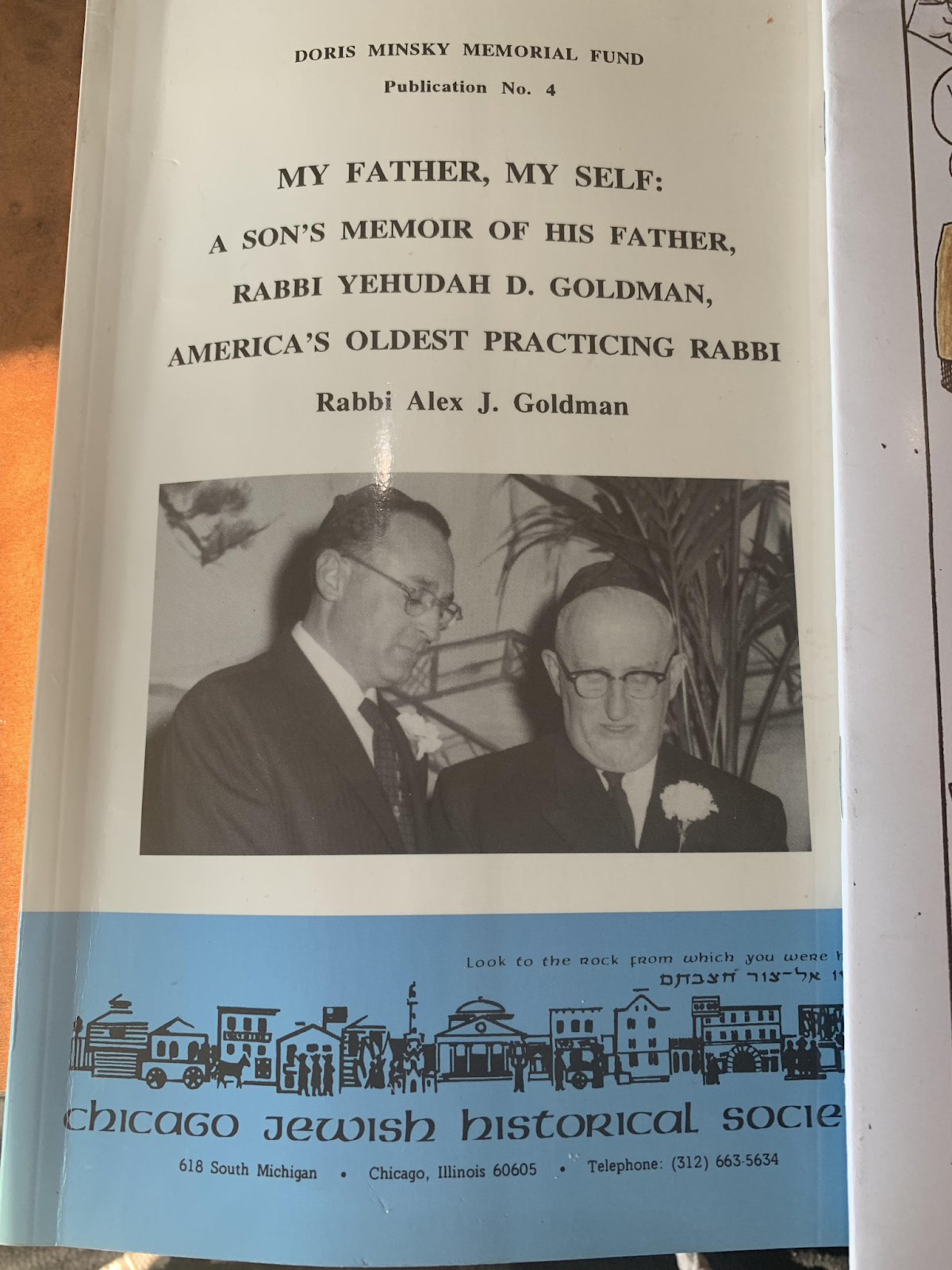
I used to take my grandfather, Sholem Sklar, to Rabbi Yehuda  Goldman’s Shul at Devon and Damen.  We lived at that time at Rosemont and Western a 5 block walk from the Shul. Zedi and Rabbi Goldman would schmooze about the west side  and Europe.  For a few years, I took Rabbi Goldman to the Brisk Dinner.  I found the below book written by Rabbi Alex Goldman, the son of Rabbi Yehuda Goldman and a great uncle of Yoel Petashnik’s wife, Sari Kates (named for Rabbi Goldman’s wife). Yoel’s first son, Yehuda David, is named after Rabbi Goldman.

The book My Father, My Self: “ A Son’s Memoir of his father Rabbi Yehuda D. Goldman, America’s Oldest Practicing Rabbi” has Chicago Jewish history and great history of the Jewsih world.  He brings alive some of the HTC Rabbis of the 1940’s.  The book came out in 1996.

I think the late Judy Mendelson is part of their extended family.

Boruch Hashem I am able to bring alive the past and present while involving Linda Kahn.

1981 HaPardes

The next page is a book given to Judy Mendelson when she recovered from an  illness in 1980.  I found this book at Beth Sholem Agudas Achim, Reb Moshe Soloveichik’s Shul at 5655 N. Jersey.  I took the book for the people who signed the page below and not for the book itself.  I started reading the book and I did a study of Tanach because of this book, In the Footsteps of the Prophets. It was written by Moses Perlman.  In my website Kotzk.com, I have an entire write up of this book.

Parshas Terumah – February 25, 2023

We started out the week in Boynton Beach.

Went for Daf Yomi in Boca, however, Rabbi Sugerman’s Rosh Yeshiva passed away and he went into New York for the funeral.  I went to pay a Shiva call to Rabbi and Rebbetzin Philip Mocowitz who lost their 9 year old daughter.  Afterwards I met Amy Gross-Tarlow at the BRS field.  Amy is Zlat and David Gross’s daughter from Teaneck, NJ.   The Shul has a soccer league for kids and her son Henry is in the league.  Amy moved to Boca two years ago when her company relocated to Fort Lauderdale during the pandemic.  She loves living in Florida and loves the Shul.  She said that the center of her life is the Shul.  Later in the afternoon we went with the entire family to Orchid Gardens for the Shloshim of my mother in law, Blanche Janowski.

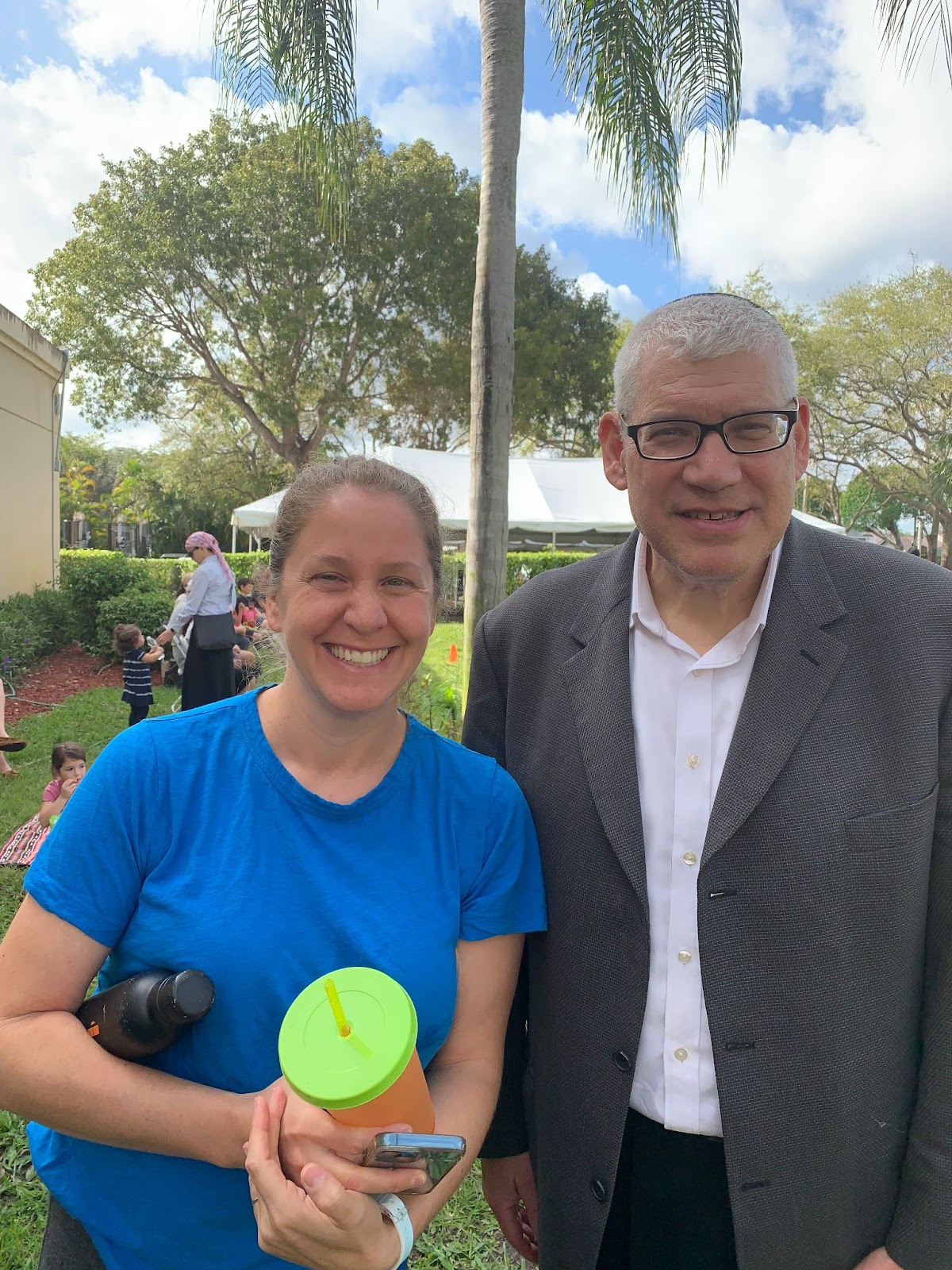
Amy Gross-Tarlow and myself.

Monday – February 20, 2023

Drove to Miami Beach, FL and settled into Tower 41. 

Tuesday – February 21, 2023

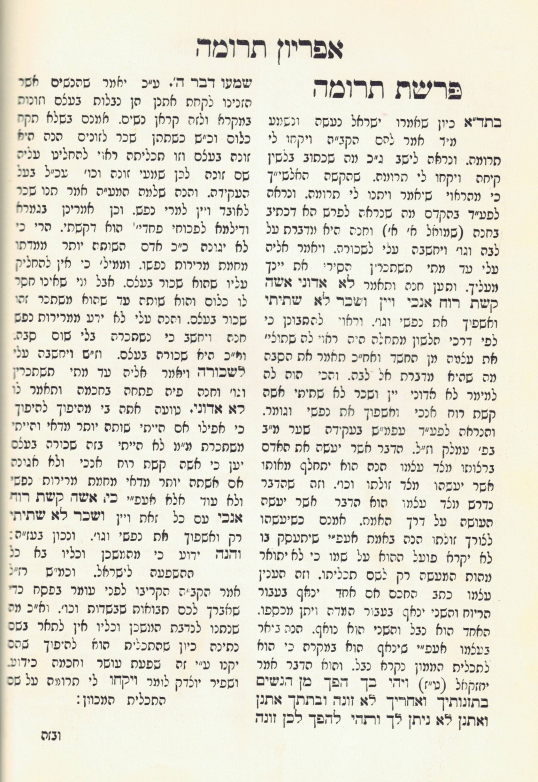
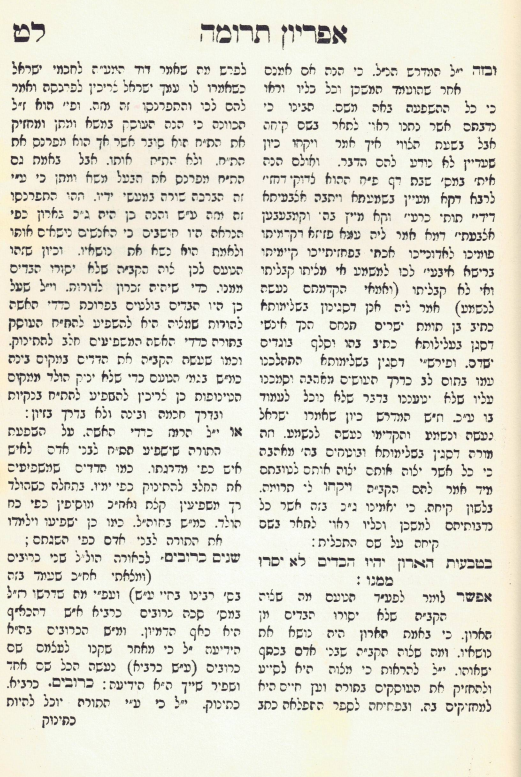
At Shacharis,  I found the Sefer אפּריון in the bookshelf of the Shul in Tower 41.   My Zedi, Rabbi Sholom Sklar, had an earlier edition of the Sefer in his house.  I am going back to the 1960s.  I  remember opening the Sefer as a bochur and could not figure out his Torah.  It simply made no sense to me.  I could not let this opportunity pass; and during davening I studied his first piece of Torah on Sefer Terumah.   Boruch Hashem, I succeeded in understanding his words. I turned to the person sitting at the same table with me and showed him the Sefer.  We worked on it together.   It came out that this person is Moshe Hirth who is an uncle (father’s brother) to my nephew and niece in Lakewood, Heshie and Chavie Hirth.

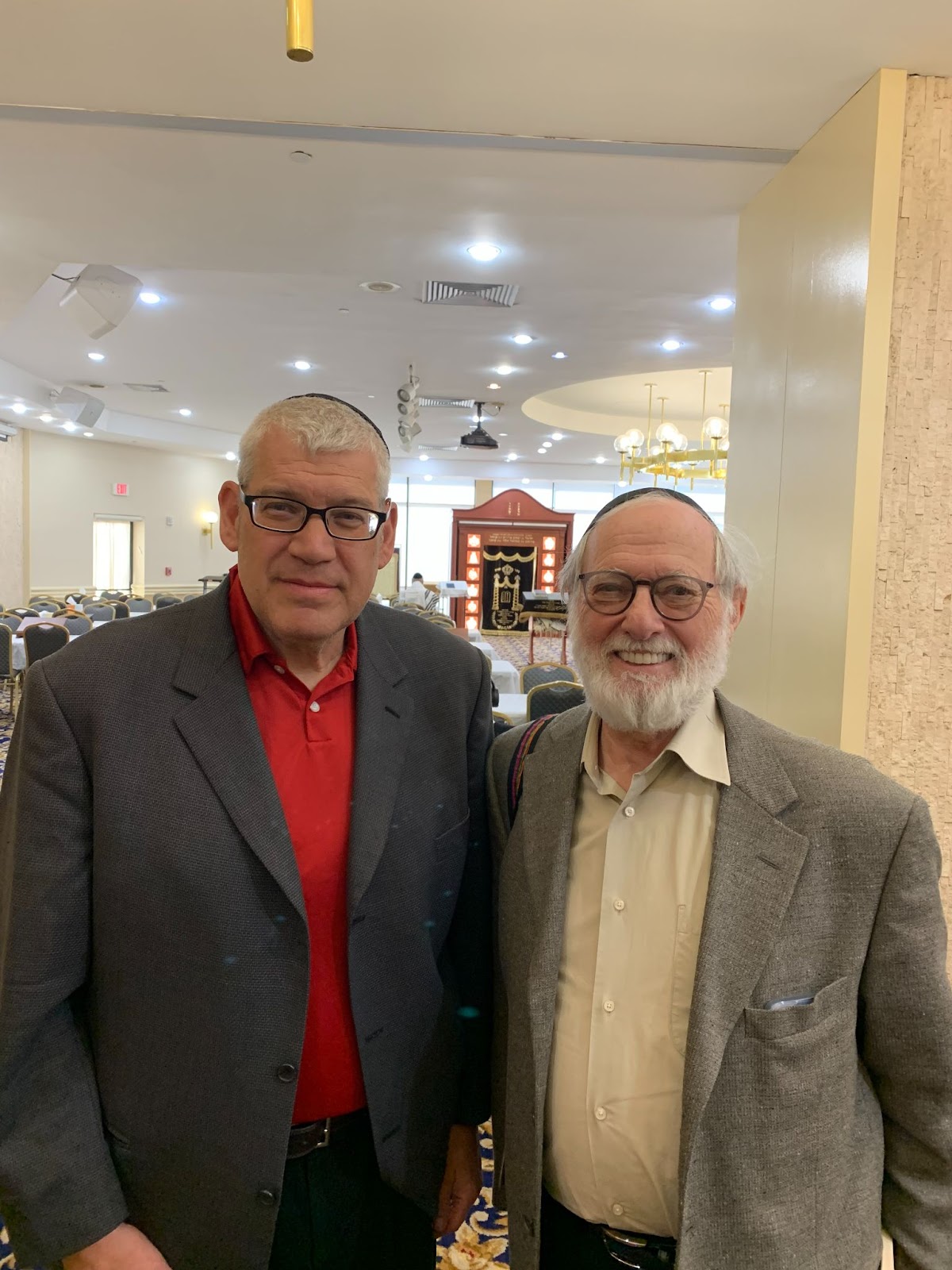
Moshe Hirth and myself.

 In the afternoon we went to lunch with Michelle and Avi Beer’s kids. Nina and Sam Beer and their beautiful baby Charlotte.  We went to 41 Pizza and Bakery.  Food was great.

Shabbos Parshas Terumah – February 24 and 25, 2023

Friday night Naftali ate over and it was a treat.

Serka and I sponsored the Kiddush at Chabad of East Lakeview.

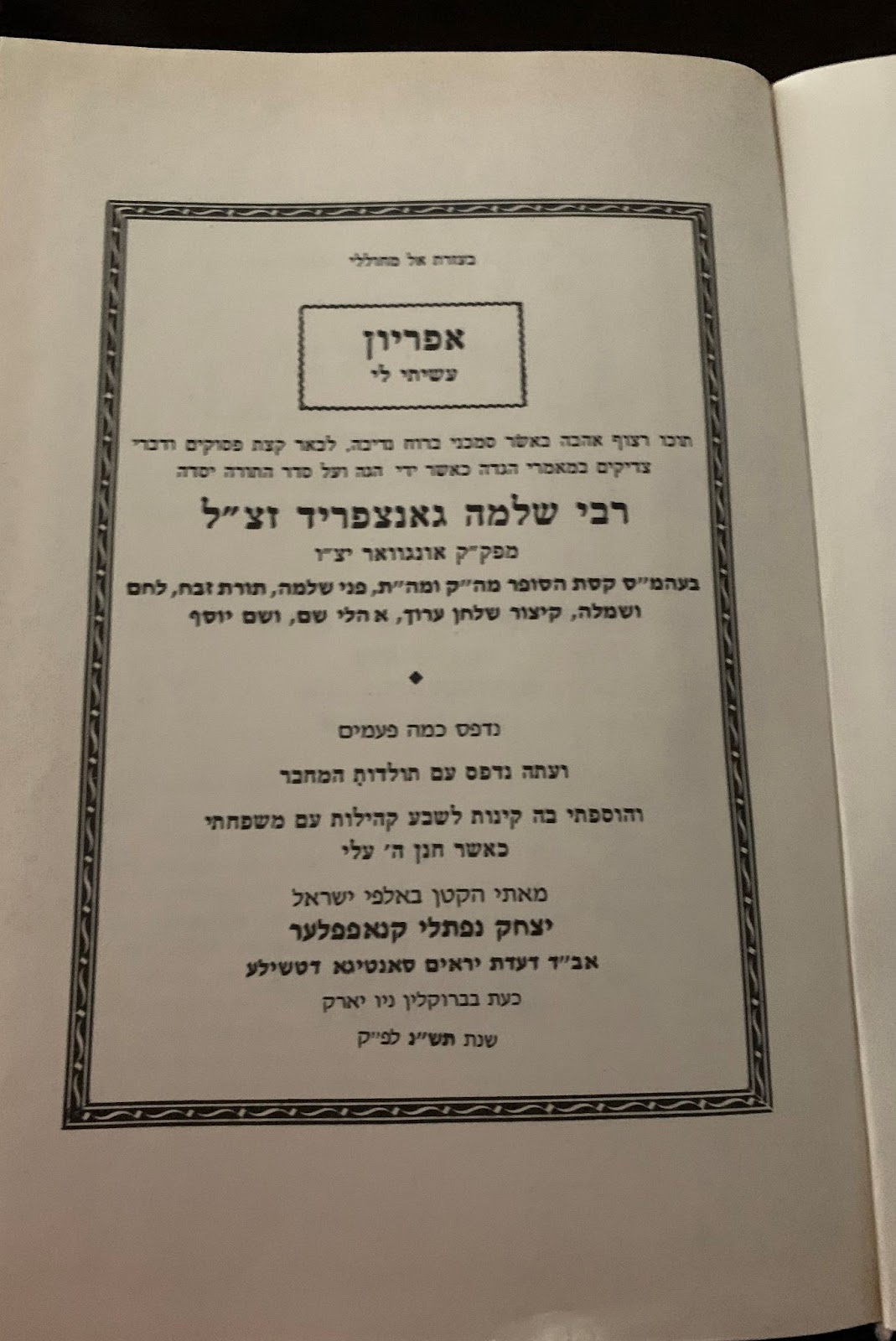
Face Page of the Sefer:

I was excited to discover that the person who reprinted the Sefer is Yitzchok Knofler who lived in Santiago Chile.  There was a sizable Sephardi community in Chile after WWII with a number of Sefardi Chacomin.

This is the Torah we worked on and I spoke over at the Shiur in Chabad.

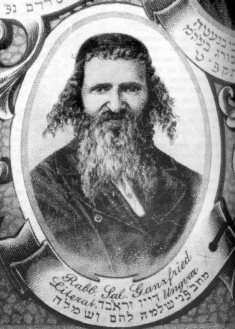
I gave the class at the Dr. Leonard Kranzler memorial Shiur at Chabad and read through and explained this  אפּריון and discussed who author was.  In the piece of Torah we met Reb Shlomo Ganzfried,  the Tanna Dvei Eliyahu and the Alshich. The author of the Aperion, Reb Shlomo Ganzfried lived in the 1800’s, the Tanna Devei Eliyahu goes back to the third century and was first printed in the 10th century, while the Alshich lived in Sefes in the 1500s.  Torah spans generations and that is what we have here.    

Herb, Peggy, Marcel, Ray, Jeff Flicker, and a young Jeff Camras who had quite the beard going. along with Aaron Lustiger.  I told them that we are the only people in the world learning the Torah of Reb Shlomo Ganzfried.

אפּריון – Canopy, sedan-chair

Synopsis of the Torah of the Aperion:

Verse 25:2 – First Verse in the Parsha

דַּבֵּר֙ אֶל־בְּנֵ֣י יִשְׂרָאֵ֔ל וְיִקְחוּ־לִ֖י תְּרוּמָ֑ה מֵאֵ֤ת כׇּל־אִישׁ֙ אֲשֶׁ֣ר יִדְּבֶ֣נּוּ לִבּ֔וֹ תִּקְח֖וּ אֶת־תְּרוּמָתִֽי׃

Tell the Israelite people to bring Me gifts; you shall accept gifts for Me from every person whose heart is so moved.

The plain meaning is that the Jews in the desert were to give donations to build the Mishkan.

The Aperion starts by quoting a Tanna Dvei Eliyahu that says that when the Jewish people said we will do and we will listen,  immediately Hashem said וְיִקְחוּ־לִ֖י תְּרוּמָ֑ה.  What is the connection?

By explaining the connection in the Tanna Dvei Eliyahu we can answer the Alshich’s  question of why didn’t the Torah say, give me a gift.

Answer:

Step 1:

Chana and Eli, the High Priest.  Eli misunderstood Chana.

The following verses in Shmuel 1:13-15 are explained.

וְחַנָּ֗ה הִ֚יא מְדַבֶּ֣רֶת עַל־לִבָּ֔הּ רַ֚ק שְׂפָתֶ֣יהָ נָּע֔וֹת וְקוֹלָ֖הּ לֹ֣א יִשָּׁמֵ֑עַ וַיַּחְשְׁבֶ֥הָ עֵלִ֖י לְשִׁכֹּרָֽה׃

Now Hannah was praying in her heart; only her lips moved, but her voice could not be heard. So Eli thought she was drunk.

וַיֹּ֤אמֶר אֵלֶ֙יהָ֙ עֵלִ֔י עַד־מָתַ֖י תִּשְׁתַּכָּרִ֑ין הָסִ֥ירִי אֶת־יֵינֵ֖ךְ מֵֽעָלָֽיִךְ׃

Eli said to her, “How long will you make a drunken spectacle of yourself? Sober up!”-e

וַתַּ֨עַן חַנָּ֤ה וַתֹּ֙אמֶר֙ לֹ֣א אֲדֹנִ֔י אִשָּׁ֤ה קְשַׁת־ר֙וּחַ֙ אָנֹ֔כִי וְיַ֥יִן וְשֵׁכָ֖ר לֹ֣א שָׁתִ֑יתִי וָאֶשְׁפֹּ֥ךְ אֶת־נַפְשִׁ֖י לִפְנֵ֥י יְהֹוָֽה׃

And Hannah replied, “Oh no, my lord! I am a very unhappy woman. I have drunk no wine or other strong drink, but I have been pouring out my heart to the LORD.

Step 2:

Describing people through their actions and why the purpose and result of their actions is the true definition of that person, not the action itself in a vacuum.

Step 3 – Just like Chazal says that if the Omer is brought on the second day of Pesach Hashem will bless the crops, so too the Mishkan and its vessels bring down “Shefah” – goodness

Step 4:  The Gemara in Shabbos:

The Gemara relates that a heretic saw that Rava was immersed in studying halakha, and his fingers were beneath his leg and he was squeezing them, and his fingers were spurting blood. Rava did not notice that he was bleeding because he was engrossed in study. The heretic said to Rava: You impulsive nation, who accorded precedence to your mouths over your ears. You still bear your impulsiveness, as you act without thinking. You should listen first. Then, if you are capable of fulfilling the commands, accept them. And if not, do not accept them. He said to him: About us,

88b

who proceed wholeheartedly and with integrity, it is written: “The integrity of the upright will guide them” (Proverbs 11:3), whereas about those people who walk in deceit, it is written at the end of the same verse: “And the perverseness of the faithless will destroy them.”

Step 5 – As it says in the Gemara in Shabbos, when the Jews said “we will do and we will listen”, we understood that everything God does for us is good and we do not hesitate to say, we will do before we will listen.

Step 6 – so too the idea of giving the donations to the Miskan was to receive blessings.  It was appropriate for the Torah to use the language of taking.  Had the Jews not said “we will do and we will listen” then the appropriate language would have been “ויתנו”.  Meaning they understood the reference of taking.

The language of the Aperion:

Although the Jews were giving money for the Mishkan the ultimate goal was to take blessings from God.

The Aperion based on the Tanna Dvei Eliyahu is translating the Pasuk, וְיִקְחוּ־לִ֖י תְּרוּמָ֑ה, that the Jewish people are to take gifts from God.  They do this by giving donations for the construction of the Mishkan.  You could say the you read וְיִקְחוּ־לִ֖י תְּרוּמָ֑ה as the Jews should take form their possessions a donatin for me, so that I will give them gifts.

The Pasuk is thus translated:

דַּבֵּר֙ אֶל־בְּנֵ֣י יִשְׂרָאֵ֔ל וְיִקְחוּ־לִ֖י תְּרוּמָ֑ה מֵאֵ֤ת כׇּל־אִישׁ֙ אֲשֶׁ֣ר יִדְּבֶ֣נּוּ לִבּ֔וֹ תִּקְח֖וּ אֶת־תְּרוּמָתִֽי׃

Speak to the children of Israel.  And they will take my gifts; (this is done) by Moshe taking donations from all people whose hearts will motivate them.

The question on the Aperion is that even if the Jews did not say “we will do and we will listen”, it does not change the purpose of the giving, which was to take.  There had to be a Mishkan which would be the source of blessing to Klal Yisroel and this would have been the lesson for Hashem to the Jewish people that when you give to me, you get back more than you gave.

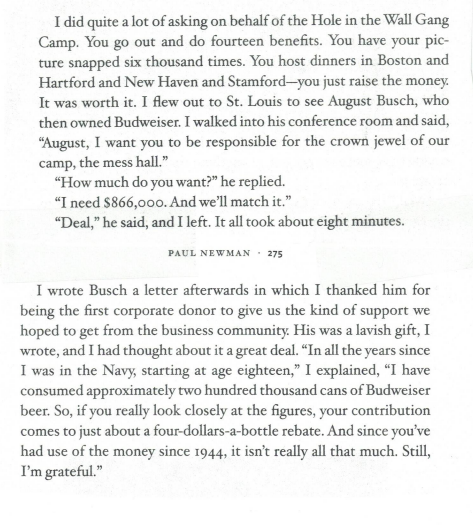
On Shabbos February 18, 2024 I was reading an autobiography of Paul Newman and saw this vignette which tangentially expresses the above.

Introducing the Players:

Shlomo Ganzfried (or Salomon ben Joseph Ganzfried; 1804 in Ungvár – 30 July 1886 in Ungvár) was an Orthodox rabbi and posek best known as the author of the work of Halakha (Jewish law), the Kitzur Shulchan Aruch (Hebrew: קיצור שולחן ערוך, “The Abbreviated Shulchan Aruch“), by which title he is also known.[1]

Biography[edit]

Ganzfried was born in 1804 in Ungvár, in the Ung County of the Kingdom of Hungary (present-day Ukraine). His father Joseph died when he was eight. Ganzfried was considered to be a child prodigy and Ungvár’s chief rabbi and Rosh yeshiva, Rabbi Zvi Hirsh Heller assumed legal guardianship; Heller was known as “Hershele the Sharp-witted” for his piercing insights into the Talmud. Heller later moved to the city of Bonyhád, and Ganzfried, then fifteen, followed him. He remained in Heller’s yeshiva for almost a decade until his ordination and marriage. After his marriage he worked briefly as a wine merchant.

In 1830, he abandoned commerce and accepted the position of Rabbi of Brezovica (Brezevitz). In 1849, he returned to Ungvár as a dayan, a judge in the religious court. At that time Ungvár’s spiritual head, Rabbi Meir Ash, was active in the Orthodox camp, in opposition to the Neologs. Through serving with Ash, Ganzfried realized that in order to remain committed to Orthodoxy, “the average Jew required an underpinning of a knowledge of practical halacha (Jewish law)”. It was to this end that Ganzfried composed the Kitzur Shulchan Aruch. This work became very popular, and was frequently reprinted in Hebrew and in Yiddish. This work often records more stringent positions.

Rabbi Ganzfried remained in the office of Dayan until his death on July 30, 1886.

Works[edit]

Kitzur Shulchan Aruch[edit]

Main article: Kitzur Shulchan Aruch (book)

The Kitzur Shulchan Aruch, first published in 1864, is a summary of the Shulchan Aruch of Joseph Karo with reference to later commentaries. This work was explicitly written as a popular text, in simple Hebrew, and does not have the same level of detail as the Shulchan Aruch itself.

Other works[edit]

  • Kesset HaSofer (קסת הסופר), a halachic primer for scribes published in 1835. Ganzfried composed this while he was still engaged in business.
  • Pnei Shlomo (פני שלמה), an elucidation of portions of the Talmud.
  • Torat Zevach (תורת זבח), a halakhic handbook for practitioners of shechita, ritual slaughter.
  • Sefer Apiryon (ספר אפריון), a commentary on the Bible. It contains a piece on every weekly Torah portion except for Parshat Massei, which is also the week in which his yahrzeit falls.
  • Lechem V’simlah (לחם ושמלה) on the laws of Niddah.
  • Ohalei Sheim (אהלי שם) on the official spellings of Hebrew names, as pertaining to gittin.
  • Sheim Shlomo (שם שלמה) on various sugyos in Shas.
  • Sefer Galuy A letter written at the time of the Congress of 1869.

Tanna Dvei Eliyahu

Tanna Devei Eliyahu: The divine, legal determination

What was the initial trigger for an unprecedented hasidic commentary on an aggadic work?

By LEVI COOPER Published: APRIL 22, 2021 02:16

Email
Twitter
Facebook
fb-messenger

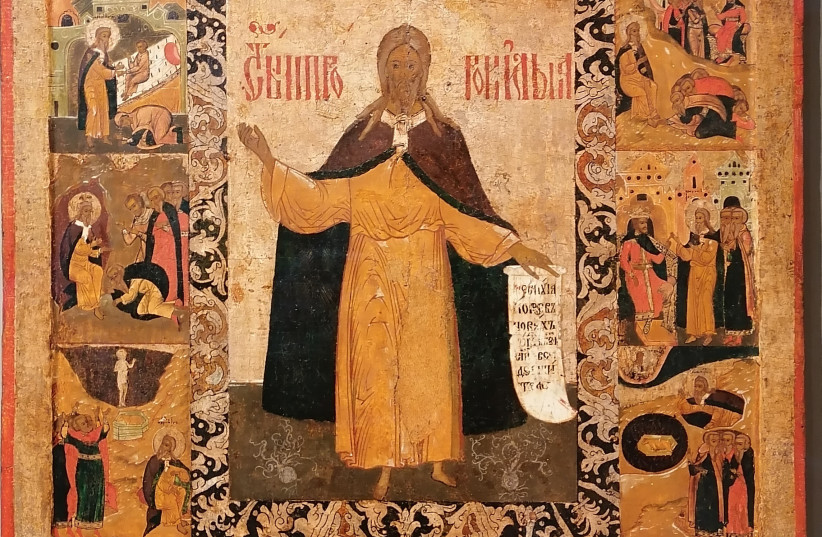
THE PROPHET Elijah, as depicted in this 17th-century icon in the Hermitage’s Winter Palace, St. Petersburg (photo credit: Wikimedia Commons)

THE PROPHET Elijah, as depicted in this 17th-century icon in the Hermitage’s Winter Palace, St. Petersburg

(photo credit: Wikimedia Commons)

Tanna Devei Eliyahu is unlike other nonlegal rabbinic works: As its name suggests, it is attributed to the biblical prophet Elijah.

The work is an eclectic collection of midrashim that does not follow the order of any particular book in the Bible.

The narrative of the source of this work can be found in the Babylonian Talmud: Elijah would regularly visit Rav Anan and study with him. On one occasion, Elijah objected to a ruling of Rav Anan that led to an inadvertent miscarriage of justice. Elijah, therefore, ceased these mystical rendezvous. Rav Anan fasted and prayed until Elijah returned. Alas, the relationship was not as before: Rav Anan was awestruck and frightened by his study partner. Rav Anan’s solution was to construct a box where he would sit while they studied.

Rav Anan’s notes from these study sessions with Elijah were divided into two sections: teachings inside the box and teachings outside the box. The resulting work was comprised, therefore, of two distinct parts. The Talmud identifies this work as Tanna Devei Eliyahu, made up of the longer Seder Eliyahu Raba and the shorter Seder Eliyahu Zuta (Ketubot 106a).

This foundational narrative linking the work to Rav Anan would suggest that Tanna Devei Eliyahu dates to third-century Babylonia. At the very least, the work predates the redaction of the Babylonian Talmud in the second half of the fifth century. Yet the text before us includes passages that are dated to the 10th century. Thus – like many other works of Aggada that have reached us – Tanna Devei Eliyahu has numerous historical layers.

Tanna Devei Eliyahu was first published in Venice in 1597-1598, yet a further distinct aspect of this work is the manner in which the 1676 Prague edition was produced by Rabbi Shmuel Haida (d. 1685). Since the text was corrupt, Rabbi Shmuel Haida fasted and prayed until Elijah appeared to him in a dream and directed him as to how to produce an accurate Tanna Devei Eliyahu text. Thus the production of the 1676 edition reenacted an aspect of the work’s foundational story.

BESIDES ITS mystical origins and inimitable reproduction, Tanna Devei Eliyahu stands out for a third reason: It is the only work of rabbinic Aggada to be published with a commentary from the hasidic school.

The hasidic commentary does not necessarily set out to explain the passages of Tanna Devei Eliyahu; rather, it associatively offers hassidic teachings and ideas that are linked – often tenuously – to the base text.

Tanna Devei Eliyahu with its hasidic companion was first published in Warsaw in 1881 and titled Ramatayim Tzofim – the biblical hometown of the prophet Samuel (I Samuel 1:1) and an allusion to the name of the author, Rabbi Shmuel of Sieniawa (1785-1873).

After serving in Sieniawa, Rabbi Shmuel continued to serve in the rabbinate in other places in Poland: Włodowa, Brok, Siedlce, Łowicz, and Nasielsk.

In addition to hasidic teachings, Ramatayim Tzofim includes invaluable personal recollections of the author. The work contains many teachings from Rabbi Shmuel’s teacher, Rabbi Simha Bunim of Przysucha (d. 1827), whom he first visited in 1803-1804. Even after Rabbi Shmuel took up rabbinic positions, he continued to visit his master in Przysucha.

What was the initial trigger for an unprecedented hasidic commentary on an aggadic work? For Rabbi Simha Bunim, Tanna Devei Eliyahu was key to the curriculum of study (Ramatayim Tzofim on Eliyahu Raba, ch. 1, sec. 34). When Rabbi Simha Bunim lost his eyesight in his old age, Rabbi Shmuel of Sieniawa would read Tanna Devei Eliyahu before his blind master. These study sessions led to a unique hasidic work fashioned around a work of aggada.

THE WORK includes a fascinating passage that relates to the interface between Jewish law and mysticism (Ramatayim Tzofim on Eliyahu Zuta, ch. 16, sec. 17). Rabbi Shmuel of Sieniawa recounted a halakhic ruling of Rabbi Yaakov Yitzhak Halevi Horowitz (1745-1815) – popularly known as the Seer of Lublin.

A married woman had spent private time together with a man other than her husband, raising suspicion of infidelity. The case came before the Seer of Lublin for a determination as to whether Jewish law permitted the husband and suspect wife to continue living together.

The Seer ruled that the husband and wife need not separate. Despite the wife having been in an inappropriate situation, we do not assume she had been unfaithful; hence, there was no divorce requirement.

This determination followed the ruling of Rabbi Yosef Karo (1488-1575) in his code of Jewish law: Without formal advance notification of suspicion by the husband, spending time alone with another man does not automatically lead us to assume that a married woman had an adulterous affair (Shulhan Aruch, EH 178:6).

The permissive ruling of the Seer was questioned. Rabbeinu Nissim – a 14th-century Spanish authority – had suggested that person who cares about his soul should be extra careful and not rely on such a license. Rather, the soul-sensitive husband should assume the worst-case scenario and separate from his wife (Ran, Nedarim 91b). Raising this medieval source as a challenge to the Seer’s ruling assumed that a person from the hasidic milieu who asked the Seer such a question was the type of person who cares deeply about his spiritual well-being. Alternatively, the Seer’s own spiritual insight should have influenced his ruling. Thus the Seer should have advised the couple to separate.

The Seer stood his ground and reiterated: According to the letter of the law, the husband and wife are allowed to continue living together. Only those who are scrupulous about the well-being of the soul need to separate. In such soul matters, I am allowed to rely on my own ru’ah hakodesh, communication by divine holy spirit, and I see – explained the Seer of Lublin – that the married woman was not adulterous.

The Seer added an important postscript: Had the prohibition been rooted in the letter of the law, employing ru’ah hakodesh when determining the law would not have been permitted. 

The writer is on the faculty of Pardes Institute of Jewish Studies and is a rabbi in Tzur Hadassah.


Levi Cooper
Thu, Feb 23, 5:16 AM (7 days ago)Reply

to me, David

R. Mitchell, shalom

I am honoured that you participated in that zoom class and have followed up with that JPost article.

Alas, I have yet to do further work on TDE and RT. So I don’t really have anything of substance to add at this time.

When I first read “I am a Kotzker” – I thought you meant a Kotzker chossid, but then I noticed your surname and realized that you are probably a Kotzker einikl! You will be happy to learn that in my forthcoming Hasidic Relics – there is some good material about Kotzk traditions of writing and printing. The book will be out later this year; stay tuned …

Best regards to Rabbi Wolkenfeld and the cong.

Kol tuv

Levi

On Wed, Feb 22, 2023 at 5:07 PM Mitchell Morgenstern <mitchellamorgenstern@gmail.com> wrote:

Rabbi Cooper:

I “met” you when you did a Zoom class for Anshei Sholem in Chicago.  I just read your article from the Jerusalem Post on the Tanna Devei Eliyahu from April 22, 2021.  Thank you so very much.  I plan to speak Shabbos and wanted some background of the Tanna Devei Eliyahu.  I have the Ramatayim Tzofim and the fact that the Rebbe, Reb Bunim was involved is important to me as I am a Kotzker.  I like what you said that the Ramatayim Tzofim is associatively related to the text is important because for me it is important to understand the Pshat and if one goes far afield fine, but we must understand the meaning first.

Do you have lectures on this? 

Mitchell A. Morgenstern

773-647-8097

Levi Cooper

FACULTY

T: +972 (0)2 673-5210

C: +972 (0)50 690 5490

F: +972 (0)2 673-5160

Moshe Alshich

Moshe Alshich
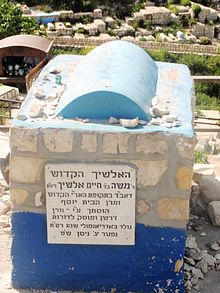
ציון האלשיך הקדוש.JPGAlshich’s grave in Safed
Personal
Born1508
Died1593Safed, Ottoman Empire
ReligionJudaism

Moshe Alshich Hebrew: משה אלשיך, also spelled Alshech, (1508–1593), known as the Alshich Hakadosh (the Holy), was a prominent rabbi, preacher, and biblical commentator in the latter part of the sixteenth century.

The Alshich was born in 1508 in the Ottoman Empire, and was the son of Hayyim Alshich. He later moved to Safed (now in Israel) where he became a student of Rabbi Joseph Caro. His students included Rabbi Hayim Vital and Rabbi Yom Tov Tzahalon. He died in Safed in 1593.

Significance[edit]

Only a few rabbis were granted the title “Hakadosh” throughout Jewish history. Alongside the Alshich were the Shelah HaKadosh, the Ari HaKadosh and the Ohr HaChaim HaKadosh, all of them distinctive personalities in their times.[1] Various reasons have been suggested as to why the Alshich received the “HaKadosh” (“Holy”) title.[2]

His homiletical commentaries on the Torah and the Prophets enjoy much popularity and are still studied today, largely because of their powerful influence as practical exhortations to virtuous life.

Life[edit]

He was a disciple of R. Joseph Caro, author of the “Shulchan Aruch“; and his own disciples included the Kabbalist R. Hayim Vital. Although the Alshich belonged to the circle of the Kabbalists who lived at Safed, his works rarely betray any traces of the Kabbalah. He is celebrated as a teacher, preacher, and casuist.

Little is known of his life. In his works he avoids mention of himself, telling only of his course of study; thus in the preface to his commentary on the Pentateuch he says:

I never aimed at things too high or beyond me. From my earliest days the study of the Talmud was my chief occupation, and I assiduously attended the yeshivah where I made myself familiar with the discussions of Abaye and Raba. The night I devoted to research and the day to Halakha. In the morning I read the Talmud and in the afternoon the Posekim (Rabbinic legal decisions). Only on Fridays could I find time for the reading of Scripture and Midrash in preparation for my lectures on the Sidra of the week and similar topics, which I delivered every Sabbath before large audiences, eager to listen to my instruction.

Legend has it that his son was taken as a child and became a Moslem, and the Arizal authored a special prayer for the son’s return.

Works[edit]

These lectures were afterward published as “Commentaries” (perushim) on the books of the Holy Scriptures, and Alshich gives a remarkable reason for their publication: “Many of those who had listened to my lectures repeated them partly or wholly in their own names. These offenses will be prevented by the publication of my own work”. These lectures, though somewhat lengthy, were not tedious to his audience. The author repeatedly declares that in their printed form (as “Commentaries”) he greatly curtailed them by omitting everything which was not absolutely necessary, or which he had already mentioned in another place.

Like Abravanel and some other commentators, Alshich headed each section of his comments with a number of questions which he anticipated on the part of the reader; he then proceeded to give a summary of his view, and concluded with answering all the questions seriatim. His Commentaries abound in references to Talmud, Midrash[3] and Zohar, but contain scant references to other commentaries, such as the works of Abravanel, Gersonides or Maimonides. His explanations are all of a homiletical character; his sole object being to find in each sentence or in each word of the Scriptures a moral lesson, a support for trust in God, encouragement to patient endurance, and a proof of the vanity of all earthly goods as compared with the everlasting bliss to be acquired in the future life. He frequently and earnestly appeals to his brethren, exhorting them to repent, and to abandon, or at least restrict, the pursuit of all worldly pleasures, and thus accelerate the approach of the Messianic era. Alshich possessed an easy and fluent style; his expositions are mostly of an allegorical character, but very rarely approach mysticism. In his commentary on the Song of Solomon, he calls peshaִt (literal explanation) and sod (mystical interpretation) the two opposite extremes, while he declares his own method of introducing allegorical exposition to be the safe mean between these extremes. Alshich wrote the following commentaries, most of which have appeared in several editions:

  1. “Torat Mosheh” (Commentary on the Pentateuch), first ed. Belvedere near Constantinople, about 1593. Complete, with Indexes, Venice, 1601.
  2. An abstract of this commentary was prepared by Jos. b. Aryeh Loeb, and has appeared in various forms (entitled: “Qitsur Alshich ‘al ha-Torah”), Amsterdam, 1748.
  3. “Marot ha-Tsobeot” (Collected Visions), on the prophets and their prophecies, Venice, 1803–7.
  4. Extracts from this commentary are included in “Minhah Qe’tannah,” a commentary on the earlier prophets; published in the Biblia Rabbinica (Qohelet Mosheh), Amsterdam, 1724.
  5. “Romemot El” (Praises of God), on the book of Psalms, Venice, 1605.
  6. “Rab Peninim” (Multitude of Pearls), on Proverbs, Venice, 1601.
  7. “Helqat Mehoqeq” (The Lawgiver’s Portion), on Job, Venice, 1603.
  8. “Shoshanat ha-‘Amaqim” (Lily of the Valleys), on the Song of Solomon. This commentary was the first to appear in print, and was edited by Alshich himself in 1591. According to this commentary, the Song is an allegory, and represents a dialogue between God and exiled Israel on the latter’s mission.
  9. “‘Ene Mosheh” (Eyes of Moses), on Ruth. Alshich says of the book of Ruth, “Surely from it we might take a lesson how to serve God”; and illustrates this statement throughout his commentary, Venice, 1601.
  10. “Devarim Nihumim” (Comforting Words), on the “Lamentations of Jeremiah“. The title is not merely a euphemism for Lamentations; the author repeatedly attempts to show that there is no cause for despair, God being with Israel, and though the Temple is destroyed the Shekinah has not departed from the Western Wall, Venice, 1601.
  11. “Devarim Tovim” (Good Words), on Ecclesiastes. Alshich calls Ecclesiastes, on account of its deep thoughts, “Waters without end” (oceans). He endeavors in the commentary to illustrate, as the central idea of the book, the dictum, “All is vain, except the fear of the Lord, which is the essential condition of man’s real existence,” Venice, 1601.
  12. “Massat Mosheh” (Moses’ Gift), on the book of Esther, presented by the author to his brethren as a Purim gift, Venice, 1601.
  13. The commentaries of Alshich on these last-named five books (“megillot“, “scrolls”) appeared in an abridged form, edited by Eleazer b. Hananiah Tarnigrad, Amsterdam, 1697.
  14. “Habatselet ha-Sharon” (The Rose of Sharon), on the book of Daniel, Safed, 1563, and Venice, 1592.
  15. A commentary on the “Hafִtarot” called “Liqqute Man” (Gatherings of Manna), was compiled chiefly from “Marot ha-Tsobeot,” by E. M. Markbreit, Amsterdam, 1704.
  16. “Yarim Mosheh” is the title of a commentary on Abot, gathered from the works of Alshich by Joseph B. M. Schlenker, Fürth, 1764.
  17. A commentary of Alshich on the Haggadah appears in the edition of the Haggadah called “Beit Horim” (House of Free Men). The commentary is full of interesting remarks and earnest exhortations (Metz, 1767). Even in the introduction the laws for Passover and the order for the evening are treated allegorically, and made the vehicle for religious meditation. It is, however, not likely that Alshich wrote these notes for the Haggadah. They were probably gathered from his works long after his death, as otherwise the Haggadah would have been published with his commentary much earlier.
  18. Responsa“; as a casuist he was frequently consulted by other rabbis, and his decisions were collected in a volume of responsa (Venice, 1605; Berlin, 1766). His contemporaries frequently quote his opinions. During his lifetime Azariah dei Rossi produced his “Meor Einayim” (Light for the Eyes), in which the author rejected some beliefs generally received as traditional; Alshich, at the request of his teacher, R. Joseph Caro, wrote a declaration against the “Meor Einayim” as being contrary and dangerous to the Jewish religion (Kerem Chemed, v. 141).
  19. Alshich wrote also a poem, “Dirge on the Exile of Israel,” in a very simple style in ten rhyming verses. It has been introduced into various earlier morning rituals, such as “Ayelet ha-Shachar” (The Morning Dawn). It is also contained in the collection of prayers and hymns called “Sha’are Zion” (The Gates of Zion).

Shabbos Parshas Beshalach: February 4, 2023

Shabbos Parshas Beshalach:

February 4, 2023

Bubi Blanche June 22, 1926 – January 29, 2023

Why didn’t Hashem take the Jews the shorter route to Israel

What does חֲמֻשִׁ֛ים mean in Shmos Verse 13:18 

Verse 13:19 – Moshe took up the bones of Joseph – Pelah Atzum on the Meciltah

On Tuesday January 31, 2023 we drove back from Toronto.  The Sheva was over on the previous Thursday, January 26, 2023.  Toronto is over.  

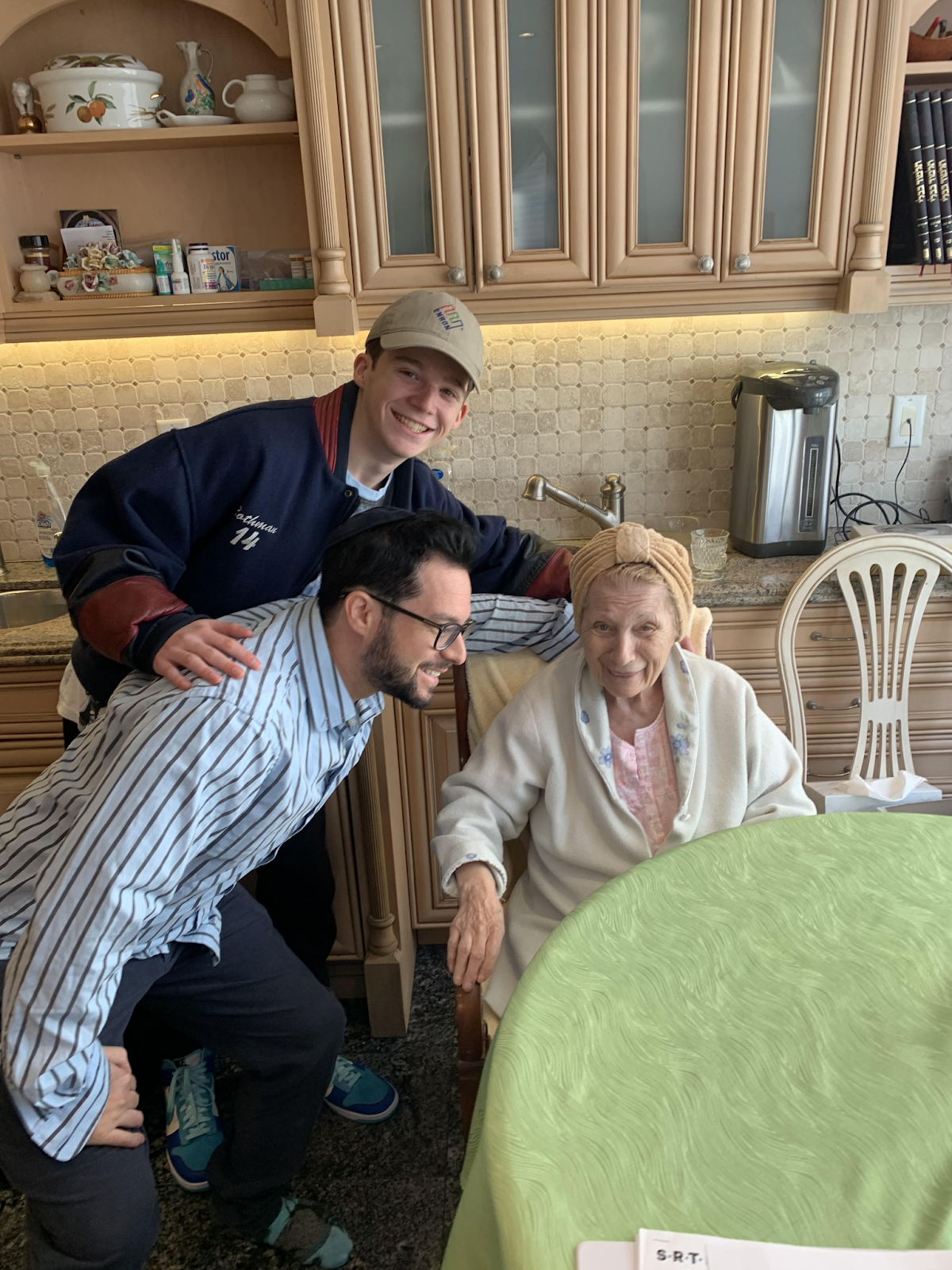
My mind thinks back to the 2 and a half months Serka and I spent with Bubi Jean with my wife taking care of her mother and giving her a quality of life even in the last few months of life.  Look at these pictures with her grandchildren.

February 1, 2023

Went back to Yeshiva and was welcomed by Rabbi Revah.  I am out of the Sugya and it was very getting back into the Sugya. I really do not want to go back to Yeshiva but Rabbi Revah keeps motivating me.

February 2, 2023

Went to Purim Spiel practice by Chabad of East Lakeview.  They actually want me to be the narrator.

February 3, 2013

Cold day.  Davened at the Base Ment Friday night.

Shabbos – February 4, 2023

Davened at Mishne Gemara.  It was a great feeling that the Misugayim who were part of the Shul are all gone and normal people are running the Shul.  Kiddush was great.

Torah from this Shabbos:

Torah #1:

 Verse 13:17 is the opening Passuk in the Sedra:

וַיְהִ֗י בְּשַׁלַּ֣ח פַּרְעֹה֮ אֶת־הָעָם֒ וְלֹא־נָחָ֣ם אֱלֹהִ֗ים דֶּ֚רֶךְ אֶ֣רֶץ פְּלִשְׁתִּ֔ים כִּ֥י קָר֖וֹב ה֑וּא כִּ֣י ׀ אָמַ֣ר אֱלֹהִ֗ים פֶּֽן־יִנָּחֵ֥ם הָעָ֛ם בִּרְאֹתָ֥ם מִלְחָמָ֖ה וְשָׁ֥בוּ מִצְרָֽיְמָה׃

Now when Pharaoh let the people go, God did not lead them by way of the land of the Philistines, although it was nearer; for God said, “The people may have a change of heart when they see war, and return to Egypt.”

Question:  How do you understand this Pasuk.  Just like Hashem fought with the Jewish people at Yam Suf, so he would fight with them against the Pelishtim.  Additionally, the next Pasuk says they left Egypt armed.

I do not have an answer.

Torah #2

Second Pasuk – Verse 13:18 –  

וַיַּסֵּ֨ב אֱלֹהִ֧ים ׀ אֶת־הָעָ֛ם דֶּ֥רֶךְ הַמִּדְבָּ֖ר יַם־ס֑וּף וַחֲמֻשִׁ֛ים עָל֥וּ בְנֵי־יִשְׂרָאֵ֖ל מֵאֶ֥רֶץ מִצְרָֽיִם׃

So God led the people round about, by way of the wilderness at the Sea of Reeds. Now the Israelites went up חֲמֻשִׁ֛ים out of the land of Egypt.

What does וַחֲמֻשִׁ֛ים mean?

There are at least five explanations of  חֲמֻשִׁ֛ים and some variations.

  1. Armed  – Onkelys, Rashi, Meciltah, Ba”al HaTurim, Or HaChaim

      1a) Armed with 5 weapons – Ba’al Haturim

  1. One of 5; one of 50; one of 500 – Rashi, Meciltah
  2. Every family had five children – Targum Yonasan Ben Uziel
  3. Every person was armed with good deeds – Targum Yerushalmi
  4. Kli Yaker – the merit of the five books of Moses
  5. For the Israelites went out with a high hand (Ex. 14:8), with weapons of war and not like fleeing slaves

This is the Pshat and you will dance.

The word חֲמֻשִׁ֛ים clearly means armed.  This Is how  Onkelys translate’s it.  This Is corroborated by the Pasuk in Joshua 1:14 “ואתם תעברו חמושים”.  How do we get other translations?   On Shabbos February 11, 2023 as I was walking to Chabed of East Lakeview the answer came to me and I was very excited.

There are three Hebrew words for armed. חֲמֻשִׁ֛ים,  חלוצים, and  מְזֻיָּנִים.  They are synonyms of each other but they have different meanings.    As in all Hebrew words, different words that have similar meaning convey different thoughts.

מְזֻיָּנִים means armed with weapons.

חלוצים means armed and being the vanguard of the army.

 חמושים means not only armed, but armed with confidence.    Armed with the self confidence that you will be successful in future challenges and battles.  You are confident because of the arms you carry,  your are confident in your training, you have God with you because he has given you the Torah, your leadership is faithful and strong, you have a family with kids to fight for, you have done charitable deeds, that God will look  upon you favorably, and you know you are on  the right side of history.    

This is why the Torah choose חמושים to describe being armed as it means being armed  in every sense of the word.  This allows for all the different interpretations. It also could be that all the explanations agree that they were armed for battle, but they differ in the source of their confidence.  The second Pshat in Rashi that 1 in 5 left Egypt and 4/5ths died in Egypt tells us that the individuals who lacked this awareness and confidence were killed during the three days of darkness, so as not to demoralize the Jewish people.

Explanation #1

Armed:

Rashi 

וחמשים. אֵין חֲמוּשִׁים אֶלָּא מְזֻיָּנִים; (לְפִי שֶׁהֱסִבָּן בַּמִּדְבָּר הוּא גָּרַם לָהֶם שֶׁעָלוּ חֲמוּשִׁים, שֶׁאִלּוּ הֱסִבָּן דֶּרֶךְ יִשּׁוּב, לֹא הָיוּ מְחֻמָּשִׁים לָהֶם כָּל מַה שֶּׁצְּרִיכִין, אֶלָּא כְּאָדָם שֶׁעוֹבֵר מִמָּקוֹם לְמָקוֹם וּבְדַעְתּוֹ לִקְנוֹת שָׁם מַה שֶּׁיִּצְטָרֵךְ

What is the יִּצְטָרֵך that they would purchase during  their travel?  I would say it means food, not arms. I do not think that the cities on their route would be able to equip an army traveling to Israel.   No one is going to sell 600,000 men arms.Why this big deal about arms? 

, אֲבָל כְּשֶׁהוּא פּוֹרֵשׁ לַמִּדְבָּר צָרִיךְ לְזַמֵּן לוֹ כָּל הַצֹּרֶךְ; וּמִקְרָא זֶה לֹא נִכְתַּב כִּי אִם לְשַׂבֵּר אֶת הָאֹזֶן, שֶׁלֹּא תִתְמַהּ בְּמִלְחֶמֶת עֲמָלֵק וּבְמִלְחֶמֶת סִיחוֹן וְעוֹג וּמִדְיָן מֵהֵיכָן הָיוּ לָהֶם כְּלֵי זַיִן שֶׁהִכּוּ אוֹתָם בַּחֶרֶב) וְכֵן הוּא אוֹמֵר “וְאַתֶּם תַּעַבְרוּ חֲמֻשִׁים” (יהושע א’), וְכֵן תִּרְגְּמוֹ אֻנְקְלוֹס “מְזָרְזִין”, כְּמוֹ “וַיָּרֶק אֶת חֲנִיכָיו” (בראשית י”ד) – וְזָרֵיז. דָּבָר אַחֵר, חֲמֻשִׁים אֶחָד מֵחֲמִשָּׁה יָצְאוּ וְאַרְבָּעָה חֲלָקִים מֵתוּ בִּשְׁלֹשֶׁת יְמֵי אֲפֵלָה (מכילתא):

  וּמִקְרָא זֶה לֹא נִכְתַּב כִּי אִם לְשַׂבֵּר אֶת הָאֹזֶן, שֶׁלֹּא תִתְמַהּ בְּמִלְחֶמֶת עֲמָלֵק וּבְמִלְחֶמֶת סִיחוֹן וְעוֹג וּמִדְיָן מֵהֵיכָן הָיוּ לָהֶם כְּלֵי זַיִן שֶׁהִכּוּ אוֹתָם בַּחֶרֶב .  This is called a “Kashah Af A Maasah”.  We would not have wondered how the Jews got arms.  If we wondered about it, we would answer that as Egypt was on its knees after the tenth plague, the Jews took armaments or they got it at the Yam Suf when the Egyptian army was wiped out.  The armaments ended up on the seashore along with the riches of Egypt.

The Or HaChaim answers the question why the armaments were important.

וחמושים עלו וגו’. ואולי כי זולת היותם מזויינים בכלי זיין לא יועיל מה שיסב ה’ אותם לבל יחזרו בראותם מלחמה כי על כל פנים ישובו מצרימה כיון שאין בידם כלי זיין לערוך עם אויב מלחמה ויראו עצמן אבודים, לזה אמר וחמושים עלו וגו’ פירוש 

מלבד טעם שיסב ה’ היו להם גם כן כלי זיין ובהצטרפות שני הטעמים לא ינחם העם בראותם מלחמה וגו’:

Explanation 1A)  Ba’al Haturim:

וחמושים מזויינים על שם חמשה כלי זיין הנזכרים בפסוק מגן וצנה ורומח וחצים ומקל יד

Shield and a buckler, small  shield,  spear, arrows, mace weapon 

Explanation #2:

Rashi’s second Pshat

Focus on Rashi in his second Pshat. What a Churban.  Wrap your head around it and we really cannot.  

Meciltah – This is the source of Rashi.:

וחמושים – אין חמושים אלא מזויינין, שנאמר “וחמושים עלו בני ישראל” – (יהושע א:14) “ואתם תעברו חמושים”. וכתיב (יהושע ד׳:י״ב) “ויעברו [בני] ראובן ובני גד וחצי שבט המנשה חלוצים ארבעים אלף חלוצי צבא”.

ד”א: וחמושים עלו – אחד מחמשה. ויש אומרים: אחד מחמשים. ויש אומרים: אחד מחמש מאות. רבי נהוראי אומר: העבודה! לא אחד מחמש מאות עלו, שנאמר (יחזקאל טז) “רבבה כצמח השדה נתתיך” וכתיב (שמות א) “ובני ישראל פרו וישרצו וירבו ויעצמו”, שהיתה האשה יולדת ששה בכרס אחד, ואתה אומר אחד מחמש מאות עלו? העבודה! לא אחד מחמש מאות עלו, אלא שמתו הרבה מישראל במצרים. ואימתי מתו? – בשלשת ימי אפלה, שנאמר (שמות י) “לא ראו איש את אחיו”, שהיו קוברים מתיהם, והודו ושבחו להקב”ה שלא ראו אויביהם וששו במפלתם:

(Ibid.) “And chamushim did the children of Israel go up from the land of Egypt”: “chamushim” indicates “armed,” as in (Joshua 1:14) “Then you shall cross over chamushim” (in context, “armed”), and (Ibid. 4:12) “And the children of Reuven and the children of Gad and half the tribe of Menasheh crossed over chamushim … (13) forty thousand armed men, etc.”

Variantly: “chamushim went up from the land of Egypt ” — one out of five ([‘chammishah’] who had been there). Others say: one out of fifty (‘chamishim’). Other says: one out of five hundred (‘chamesh me’oth’). R. Nehorai says: I swear: Not one in five hundred went up. For it is written (Ezekiel 16:7) “(In Egypt) I made you as numerous as the plants of the field,” and (Exodus 1:7) “And the children of Israel were fruitful, and teemed, and multiplied, and became exceedingly strong, and the land was filled with them” — a woman would bear six in one birth — and you say one in five hundred went up! Not one in five thousand, many of the Jews having died in Egypt. When? In the three days of darkness, of which it is written (Exodus 10:23) “One man did not see another.” They (the Jews) were burying their dead, and they gave thanks and praise to the Holy One Blessed be He that their foes did not see and rejoice in their downfall.

Explanation #3:

Targum Yonasan Ben Uziel

וְאַחֲזַר יְיָ יַת עַמָּא אוֹרַח מַדְבְּרָא דְיַמָא דְסוּף וְכָל חַד עִם חַמְשָׁא טַפְלִין סְלִיקוּ בְּנֵי יִשְרָאֵל מֵאַרְעָא דְמִצְרָיִם

But the Lord led the people round by the way of the desert of the sea of Suph; and every one of the sons of Israel, with five children, went up from the land of Mizraim.

Explanation #4

Targum Yershalmi:

וּדְבַר מֵימְרָא דַיְיָ יַת עַמָּא אוֹרַח מַדְבְּרָא יַמָא דְסוּף מְזַיְינִין בְּעוֹבָדָא טָבָא סְלִיקוּ בְנֵי יִשְרָאֵל פְּרִיקִין מֵאַרְעָא דְמִצְרַיִם:

And the Word of the Lord conducted the people by the way of the desert of the sea of Suph; armed in good works went up the sons of Israel, free from the land of Mizraim.

Explanation #5:

Kli Yakar

The Kli Yakur says, I do not understand this idea that חֲמֻשִׁ֛ים means armaments.  So he explains that it means the five books of Moses.  

ויהי בשלח פרעה את העם. ואח”כ נאמר פן ינחם העם ויסב אלהים את העם, ואח”כ נאמר וחמושים עלו בני ישראל, ויש להתבונן למה קראם ג’ פעמים העם וברביעי קראם בני ישראל אצל וחמושים דהיינו כלי זיין, וכפי הנראה שמצד היותם בני ישראל לא היו צריכין לכלי זיין ושלוחו של פרעה היה מצד היותם בני ישראל וא”כ איפכא הל”ל.

ונראה ליישב זה בשני פנים. האחד הוא, על דרך שמסיק בילקוט וחמושים עלו אין חמושים אלא מזויינים בחמשה כלי זיין, וקשה על זה וכי מלחמתן של ישראל תלויה ברבוי כלי זיין, והלא כתיב (שופטים ה ח) מגן אם יראה ורומח בארבעים אלף בישראל. כי הש”י מגן בעדם, והתורה והתפלה כלי זיינם של ישראל שנאמר (תהלים קמט ו) וחרב פיפיות בידם שני פיות כי שניהם תלוין בפה, ואם כן מה תפארת זה לישראל שעלו חמושים מזויינים כאילו לא היו בטחונם בה’ חלילה. ואף אם נאמר שחייב אדם לעשות בדרך הטבע כל אשר ימצא בכחו לעשות ומה שיחסר הטבע ישלים הנס, מ”מ קשה על מה זה הגיד לנו הכתוב שהיה לכל אחד ה’ כלי זיין ומנינא למה לי, ועוד כי קרה בדרך נס או במקרה שהיה לכל אחד ה’ לא פחות ולא יותר הלא דבר הוא, ועוד כי כפי הנראה לא היו ישראל מלומדי מלחמה כלל כי היו עסוקים בעבודת פרך כל הימים וכלי זיין אלו למה להם כי לא נסו באלה והיה להם לילך במקלות ובאבני קלע.

ע”כ נראה לפרש. שבא להודיענו שלא היה בידם שום כלי זיין כי אם ה’ חומשי תורה החלוקים לז’ ספרים למ”ד שפרשת ויהי בנסוע ספר בפני עצמו, וז”ש וחמשים היינו מזויינים הכל רמז לתורה, ונקט לשון חמשים שהלשון נופל על הלשון, וכן מזויינים, כי לשון חמשה וזיין, שמות כלי מלחמה המה, ואצל ישראל ירמוזו גם על התורה או חמשים היינו חמשה חומשי תורה כאמור, ומזויינים היינו התפלה כמ”ש (תהלים קיט קסד) שבע ביום הללתיך.

Tur HaAruch:

וחמושים עלו בני ישראל. פי’ אע”פ שהוליכם אלהים דרך המדבר היו יראים פן יבואו עליהם פלשתים או העמים אשר סביבותיהם והיו חלוצים כמו ההולך להלחם. וי”מ שבא לומר שיצאו ביד רמה כמו גאולים ולא כמו העבדים הבורחים:

“and the Israelites were armed when they went up.” The Torah records that although G’d led the Israelites in the direction of the uninhabited desert, where normally no encounter with sizable hostile forces need to be anticipated, they were armed, enabling them to cope with such unforeseen eventualities. They were still afraid that the Philistines or neigbouring tribes might fight a war of aggression against them, as opposed to defending their territory’s sovereignty. Alternately, the phrase is meant to depict the Israelites as marching with full confidence, not as people with a slave mentality.

Ibn Ezra:

Difficult to understand.   However, I like his last line.   For the Israelites went out with a high hand (Ex. 14:8), with weapons of war and not like fleeing slaves.

וחמושים. י”א מלאים הון שיש להם כל צרכיהם. והנה כתוב וגם צדה לא עשו להם ומה טעם להזכיר זה עתה. רק פירושו חגורי חומש למלחמה. כמו חלוצים תעברו. שפירושו חגורי חלוצים. והעד הנאמן ואתם תעברו חמושים ובמקום אחר קראם חלוצים. כי מה טעם להוליך צדה לפני אחיהם. וטעם להזכיר הכתוב וחמשים במקום הזה כי למעלה כתוב בראותם מלחמה. כי ביד רמה יצאו בכלי מלחמה. ולא כמו עבדים בורחים:

ARMED. Some say that chamushim (armed) means full of wealth, possessing all that they need. Now Scripture states, neither had they prepared for themselves any victual (Ex. 12:39). Furthermore, what reason is there to mention this now? The only meaning of chamushim is, girded with weapons for war. Compare, chalutzim ta’avoru (ye shall pass over armed) (Deut. 3:18), the meaning of which is: ye shall pass over with girded loins. The fact that Scripture in one place reads, ve-attem ta’averu chamushim (but ye shall pass over before your brethren armed) (Josh. 1:14) and in another place refers to the Israelites as chalutzim (Deut. 3:18) is true witness to the aforementioned. What reason was there for them to carry food before their brethren? The reason Scripture at this point notes that the children of Israel went up armed is that it is previously stated, Lest peradventure the people repent when they see war, and they return to Egypt (v. 17). For the Israelites went out with a high hand (Ex. 14:8), with weapons of war and not like fleeing slaves.

Chasam Sofer – Interesting.  Not sure if I would agree, but the Chasam Spfer said this and we have to think about his words and make it work for us.

*וחמושים עלו בנ”י מארץ מצרים, ברש”י וחמושים מזוינים, וי”ל כיון שיצאו ישראל מזוינים למלחמה למה בעמדם על הים לא צוה הקב”ה לבנ”י שילחמו עם מצרים וה’ ילחם להם וינצחו ישראל בדרך הטבע ולאיזה טעם עשה הקב”ה נס גדול שלא בדרך הטבע לקרוע להם הים ולנער פרעה וחילו בים סוף אבל באמת מדרך המוסר איננו נכון שישראל בעצמם יעמדו נגד המצרים ללחום נגדם בחרב שבידם כי אכסני’ היו להם ומפני כך צוה הקב”ה לא תתעב מצרי כי גר היית בארצו ובירא דשתית מיא מיניה לא תישדי ביה קלא לכן צוה הקב”ה ויבואו בנ”י בתוך הים ביבשה ויבקעו המים ולא ילחמו בנ”י בעצמם נגדם וזה דמשמיענו קרא הכי מוסר וד”א שחמושים עלו בנ”י ואעפ”כ לא רצה הקב”ה שילחמו עמהם אלא הקב”ה בקע הים לפניהם:

Torah #3:

Verse 13:19

וַיִּקַּ֥ח מֹשֶׁ֛ה אֶת־עַצְמ֥וֹת יוֹסֵ֖ף עִמּ֑וֹ כִּי֩ הַשְׁבֵּ֨עַ הִשְׁבִּ֜יעַ אֶת־בְּנֵ֤י יִשְׂרָאֵל֙ לֵאמֹ֔ר פָּקֹ֨ד יִפְקֹ֤ד אֱלֹהִים֙ אֶתְכֶ֔ם וְהַעֲלִיתֶ֧ם אֶת־עַצְמֹתַ֛י מִזֶּ֖ה אִתְּכֶֽם׃

And Moses took with him the bones of Joseph, who had exacted an oath from the children of Israel, saying, “God will be sure to take notice of you: then you shall carry up my bones from here with you.”

Rashi:

והעליתם את עצמתי מזה אתכם. לְאֶחָיו הִשְׁבִּיעַ כֵּן, לִמְּדָנוּ שֶׁאַף עַצְמוֹת כָּל הַשְּׁבָטִים הֶעֱלוּ עִמָּהֶם שֶׁנֶּאֱמַר אִתְּכֶם (מכילתא):

The Sefer haYasher page 289 says that all the families brought up their father’s coffins and the coffin of their tribes.

The Mecilta says something that cannot be understood.

ויקח משה את עצמות יוסף עמו – להודיע חכמתו וחסידותו של משה, שכל ישראל עוסקין בבזה – ומשה עוסק במצות עצמות יוסף. עליו הכתוב אומר (משלי י) “חכם לב יקח מצות, ואויל שפתים ילבט”. ומשה, מהיכן היה יודע היכן היה קבור יוסף? – אמרו: סרח בת אשר נשתיירה מאותו הדור, והיא הראתה למשה קבר יוסף. אמרה לו: במקום הזה שמוהו!

Moshe was involved with the Mitzvah of gathering up Yosef’s bones, while the Jews were involved with the spoils of Egypt.  What is going on here?  First of all you have Rashi and the Sefer haYasher who said that many Jews were involved in the same Mitzvah.  Secondly, Hashem asked the people to do him a favor to ask for the gold and silver of Egypt.  The Jews were involved in the commandment for m Hashem.  How can the Mecilita demean the jewish people with only caring about money.  

Pelah Atzum!

Torah #4:

The Mecilta continues:

עשו לו מצרים ארון של מתכת, ושקעוהו בתוך נילוס. בא ועמד על נילוס, נטל צרור וזרק לתוכו, וזעק ואמר: יוסף, יוסף, הגיעה השבועה שנשבע הקב”ה לאברהם אבינו, שהוא גאל את בניו. תן כבוד לה’ אלהי ישראל, ואל תעכב את גאולתך, כי בגללך אנו מעוכבים. ואם לאו – נקיים אנחנו משבועתך! מיד צף ארונו של יוסף ונטלו משה. ואל תתמה בדבר הזה, הרי הוא אומר (מלכים ב ו) “ויהי האחד מפיל את הקורה והברזל נפל למים, ויצעק ויאמר אהה אדוני, והוא שאול!” והרי דברים ק”ו: ומה אלישע, תלמידו של אליהו, הציף הברזל – ק”ו למשה רבו של אליהו.

רבי נתן אומר בקיפוסולין של מצרים    the royal cemetery

 היה קבור יוסף. ללמדך שבמדה שהאדם מודד בה מודדים לו: מרים המתינה למשה שעה אחת, שנאמר (שמות ב׳:ד׳) “ותתצב אחותו מרחוק לדעה”, והמקום עכב לה במדבר הארון והשכינה, והכהנים והלויים, וכל ישראל – שבעת ימים עם ענני כבוד; שנאמר (במדבר יב) “והעם לא נסע עד האסף מרים”.

יוסף זכה לקבור את אביו, שאין באחיו גדול ממנו, שנאמר (בראשית נ) “ויעל יוסף לקבור את אביו” כתיב שם “ויעל עמו גם רכב גם פרשים”. מי לנו גדול כיוסף, שלא נתעסק בו אלא משה!

משה נתעסק בעצמות יוסף, שאין בישראל גדול ממנו, שנאמר “ויקח משה את עצמות יוסף עמו”. מי לנו גדול כמשה, שלא נתעסק בו אלא שכינה, שנאמר (דברים לד) “ויקבור אותו בגיא”! ולא עוד, אלא שעם יעקב עלו עבדי פרעה וזקני ביתו – ועם יוסף הארון והשכינה והכהנים והלויים וכל ישראל ושבעה ענני כבוד. ולא עוד, אלא שהיה מהלך ארונו של יוסף עם ארון חי העולמים, והיו עוברים ושבים אומרים: מה טיבן של שני ארונות הללו? והם אומרים להם: זה ארונו של מת, וזה ארונו של חי העולמים. ואומרים להם: מה טיבו של מת להלוך עם ארון חי העולמים? – ואומרים להם: המונח בארון זה – קיים מה שכתוב במונח בארון זה.

We could have answered that Yosef was the leader who kept the people alive during the great famine, dedicated to his father, and he represents the best of the Jewish people.  Why did  the Mecilta say the Yosef kept the commandments?

The answer must be that being a leader is not the criteria for Jewish greatness.  It is being faithful to the Torah.

במונח בארון זה כתיב (שמות כ׳:ב׳) “אנכי ה’ אלהיך”, וביוסף כתיב (בראשית נ) “התחת אלהים אני”. במונח בארון זה כתיב (שמות כ׳:ג׳) “לא יהיה לך אלהים אחרים”, וביוסף כתיב (בראשית מב) “את האלהים אני ירא”. (שמות כ׳:ג׳) “לא תשא”, וביוסף כתיב (בראשית מב) “חי פרעה”. (שמות כ׳:ח׳) “זכור את יום השבת”, וביוסף כתיב (בראשית מ״ג:ט״ז) “וטבוח טבח והכן”, ואין “הכן” אלא ערב שבת – כתיב הכא והכן וכתיב התם (שמות טז) “והיה ביום הששי והכינו”. (שמות כ׳:י״ב) “כבד את אביך”, וביוסף כתיב (בראשית לז) “ויאמר ישראל אל יוסף הלא אחיך רועים בשכם, לך ואשלחך אליהם, ויאמר לו הנני” – יודע היה שאחיו שונאים אותו, ולא רצה לעבור על דברי אביו. (שמות כ׳:י״ג) “לא תרצח”, לא רצח לפוטיפר. (שמות כ׳:י״ג) “לא תנאף”, לא נאף לאשת פוטיפר. (שמות כ׳:י״ד) “לא תגנוב”, לא גנב פרעה, שנאמר (בראשית מז) “וילקט יוסף את כל הכסף” וגו’. (שמות כ) “לא תענה ברעך”, ויוסף לא הגיד לאביו מה שעשו לו אחיו. והרי דברים ק”ו: ומה דבר של אמת לא ענה, של שקר על אחת כמה וכמה! (שמות כ) “לא תחמוד”, שלא חמד אשת פוטיפר.

January 8, 2023 – 4th Yahrzeit of Bubi Jean – 16 Teves –

A Debt Repaid – The hand of Hashem is Revealed

“Cause Mama Didn’t Raise No Fool”

Mother on Motzei Shabbos April 28, 2018 at her 94th birthday with her three “favorite” grandsons, Eli Morgenstern, Mattityahu Schwartz, and Eliyahu Sholem Glenner.

2010 picture of Mother (86 years old) with Eliana Tovah Bernstein, now from Nahariya, Israel.

On Monday night and Tuesday is my mother’s fourth Yahrzeit.  Jean Morgenstern,  Shayna Bas Sholem and Chana Feigl Sklar.  I offer the below story in a merit and memory of my mother.   My mother was great.  

This past Friday, January 5, 2023 I received a call from George.   Years ago I lent him over $30,000.  He had a business which initially did well but over time he could not meet payroll.  Sometimes he asked me to approve his overdrafts which I did and when he couldn’t cover, I would cover his account out of my pocket from my home equity credit line.  Other times I would put money into his account without being asked.  

When he was struggling, I tried to get him business from my customers.  It was a Tuesday afternoon, it may have been a fast day,  I was in my car and had a splitting headache.  I was driving on Peterson Avenue, right past the Shul that Yosef Davis had in the ground floor of his building. The Rov was Rabbi Bechhoffer or Rabbi Henoch Plotnick.  I just wanted to go home, daven, and go to bed.  I forced myself to stop and go to daven.  As I was walking down the three steps that led into the Shul, I thought about a customer who possibly would purchase product.  Right after davening I called Eddie and Eddie told me that Gershon should call him and he will use his services.  The next day Gershon went to Eddie’s place of business and Eddie’s bought $1,600 worth of advertising time.  He cut a check and paid Gershon on the spot.  He did not have to bill him and wait for his money.  Because of this Gershon met payroll and survived another week.  That Shabbos as Gershon walked into his house, he was a hero.  He felt good about himself.  Who knows what that Shabbos meant for him and his family, who knows what bad was prevented.  Eddie by paying immediately did a great action.   If he had said, bill me and I will pay in 30 days, it would have been a huge Chesed.  By paying immediately this one business transaction out of millions of transactions that day went before the Kisa Hakovid.    

Gershon closed his business.  He felt terrible and told me that I should find solace in the fact that five people became Orthodox from his business.  This was solace for me.   I thought to myself, did I do the guy any favors? Had I not covered his overdrafts, his business would have folded three months earlier.  It was clear that he was not going to make it, but now he racked up my debt, and other debt.  Was I a sucker, an easy mark, a fool with money I did not have?  This was not the only time this happened when I covered overdrafts and paid out of my pocket.  I would like to believe that while I suffered internally and felt foolish; ultimately, Hashem would reward me.

He did tell me that he will pay everyone back.  At that time he had no money.   His wife worked and made maybe $40,000.  He had a side hustle which brought in a few dollars.  He needed a real job with a growing family.  He eventually got a job managing a local office for an east coast successful businessman.  Gershon started paying me back at  about $500 monthly, paying the debt down to $23,400.  However, he stopped paying years ago.  I wondered and assumed that with his growing family he just did not have left over money to repay me.  We did speak to one another over the years and to his credit he did try to refer business to me.  The last deal he referred to me before I retired in 2020 was one company that I was trying to get as a customer and was excited.  However, the bank was turning down almost every deal coming from our Healthcare department, so after expressing my excitement on the deal, I had to turn it down.  To my bosses credit, she called Gershon and was honest with him that the bank just was not lending money. She supported the loan.   

Over the years when  I met him and never asked for the money.  I knew that he was not able to pay me back.  A few years ago I found out that he lived in a very nice house and wondered if he forgot about the money.  Rabbi Zev Cohen told me that he recently gave a Shiur on a lender who knows the borrower is not in a position to pay back, is the lender forbidden to ask for the loan to be repaid.  I do not recall how Rabbi Cohen paskened but B’Siattah Dismaya, I did not ask him for the money back.  Not that I am very Frum but because it is not in my nature.

Today he called me and said he is repaying the $23,400.  Wow.  I told him that now that I am living off my retirement money, I would have to take out $30,000 to get $23,400 net of taxes.  He legally did not have to pay me back as I put the money into his corporate account.  But he did pay me back and at the right time as I am about to withdraw money from my retirement account.  

On Shabbos Parshas Shmos, January 14, 2023, Rabbi Shmuel Lesher, assistant Rabbi of the BAYT in Thornhill, Ontario spoke at the Hashkama minyan on the topic of why did Moshe refuse Hashem three times. The answer he gave is because Moshe owed gratitude to Yisro, Hakoras Hatov, and did not feel he could leave Yisro. At the conclusion of his speech, Rabbi Lesher mentioned Mishna 2:9 in Perkei Avos and discussed the following saying of Reb Shimon.

רַבִּי שִׁמְעוֹן אוֹמֵר, הַלֹּוֶה וְאֵינוֹ מְשַׁלֵּם. אֶחָד הַלֹּוֶה מִן הָאָדָם, כְּלֹוֶה מִן הַמָּקוֹם בָּרוּךְ הוּא, שֶׁנֶּאֱמַר (תהלים לז) לֹוֶה רָשָׁע וְלֹא יְשַׁלֵּם, וְצַדִּיק חוֹנֵן וְנוֹתֵן.

Rabbi Shimon said, one who borrows and does not repay for he that borrows from man is as one who borrows from God, blessed be He, as it is said, “the wicked borrow and do not repay, but the righteous deal graciously and give” (Psalms 37:21).

Reb Shimon says that what defines an evil person as someone who does not repay his loans. Gershon was never someone who does not repay his loans. I never told him it was a loan. He told me at the time and that he will repay me and all debts. It is great that Gershon has fulfilled that words of Reb Shimon, the holy Tanna. In the next world Gershgon will go to Reb Shimon. They will dance and Reb Shimon will kiss him and then they will learn together this Maamer. I can only hope that I will be Zocah.

 Boruch Hashem that I had a mother whom we loved. She overcame obstacles and gave support.

New Love for the Soncino Chumash

January 3, 2023

The Soncino Chumash vs. the Hertz Chumash vs. Artscroll Stone Edition vs. Lubavitch Chumashim

I keep a collection of English translations of the Chumash for reference purposes.  

This past Shabbos I picked up a Soncino Chumash and compared it to the Hertz Chumash. I rarely used these Chumoshim and I was curious as to their differences.   My cousin in LA uses the Hertz Chumash and quotes from it.  I occasionally used it but never for its commentary until Martin Brody praised Rabbi Hertz and his Hertz Chumash

 I read the introduction to the Soncino Chumash and was amazed by what I saw.  I have new-found respect for it and will use it every Shabbos.   While the Hertz Chumash contained Christian commentaries, the Soncino’s comments are a condensed version of the Mikraos Gedolos.  They use seven Reshonim, as follows:

Rashi – Rabbi Shlomo Yitzchoki    1040-1105

Rashbam – Rabbi Shmuel Ben Meir.   Grandson of Rashi    1085-1174.  

Avrohom Ibn Ezra  1092-1167

Redak – Rabbi Dovid Kimchi           1160-1235

Ramban – Rabbi Moshe Ben Nachman  1194-1270

Ralbag – Levi Ben Gershon known as Gershonides             1288 -1344

Sforno – Obadiah Ben Yaakov Sforno      1475-1550

What I like about the Soncino is that they bring down the 7 commentaries, identify them, and summarize their comments. They do not try to mix the Reshonim together and make a cholent.  The people who compiled the comments were scholars and loyal to the Torah.  It is basically an english Mikraos Gedolos.

Soncino Chumash:

The Soncino Chumash is best summarized by David Olivestone in 2017 as follows:

In his recounting of “The Story of the Hertz Chumash” (June 22, 2017), Mitchell First writes that “another English option did not appear until 1981 when the Reform movement published its own Chumash.”  Mitchell First’s article is below.

Inexplicably, he overlooks the hugely popular “Soncino Chumash,” first published in 1947 and edited by Rev. Dr. Abraham Cohen. Cohen was the general editor of the entire set of the Soncino Books of the Bible, and also participated in the Soncino translations of the Talmud and the Midrash.

Unlike Chief Rabbi Hertz’s “Chumash,” Cohen’s commentary is based solely on traditional rabbinic sources, such as Rashi, Ibn Ezra, Radak and others. In the latter decades of the twentieth century, “The Soncino Chumash” replaced “The Hertz Chumash” in many Orthodox congregations in Great Britain and the Commonwealth, as well as in the USA.

David Olivestone

Jerusalem

David Olivestone is Rabbi Jonathan Sacks’s son-n-law and an acquaintance of our own Martin Brody of Los Angeles.

Hertz Chumash:

Rabbi Joseph Hertz published his English translation and commentary originally in 1936.

Rabbi Joseph Herman Hertz – 1913

Born 9/25/1872  died 1/14/1946  – 73 years old. 

Chief Rabbi of Great Britain And the Commonwealth   1913 – 1946 – 33 years

Hertz Chumash

from Wikipedia:

Hertz edited a significant commentary on the Torah (1929–36,[17] one volume edition 1937). Published as The Pentateuch and Haftorahs and popularly known as the Hertz Chumash, this classic Hebrew-English edition of the Five Books of Moses, with corresponding Haftorahs, is used in many synagogues and classrooms throughout the English-speaking world.[18] The work – through its commentary and essays – is noted for its stance against Higher Criticism. [19]

It is also referred to as the Hertz Pentateuch, and it includes the following features:[20]

  • “extensive essays on … perceived conflict between science and religion”
  • comparisons of “Torah’s laws and those in the Code of Hammurabi
  • comments from and source references to Christian sources,
  • The initial English translation of Hertz’s Chumash dated May 10, 1936 was the English Revised Version of the King James Bible.     However, when the five volumes were combined into a single volume and published by Soncino Press, the English Revised Version translation,were replaced with the 1917 Jewish Publication Society translation.[23] Both translations were lightly edited by Hertz (e.g., at Lev. 27:29 RV and Num. 10:33 JPS).  The Soncino version was published on October 15, 1937.

It also includes views of the most important medieval Jewish commentators, such as Abraham ibn Ezra, Rashi, Ramban, Radak, Sforno and Ralbag (Gersonides).[21][22]

The actual writing, which produced five volumes, was done by four other people,[23] but “Hertz recast their material into his own style.”

The Hertz Chumach was revised in January 1960, primarily adding the Haftoorasfor the Holidays and other special days.

I found this fascinating article on the Hertz Chumash form 2017 by Mitchell First.

“The Pentateuch and Haftorahs” of Rabbi Dr. J.H. Hertz is one of the most important works of the Jewish religion in the 20th century. To quote one scholar, it “almost single-handedly [gave] shape to the way in which English-speaking Jewish laymen the world over have understood their Judaism over the course of the past two generations.” I recently came across a book that told the story of this work. The book is “A Vindication of Judaism: The Polemics of the Hertz Pentateuch,” by Harvey Meirovich (1998). I learned much from this book, and I would like to share some of it.

First, a bit of biography. Joseph Herman Hertz was born in 1872 in Slovakia. He was brought to the U.S. in 1884 and grew up in New York City on the Lower East Side. He attended City College and Columbia University. He received his rabbinic ordination from the Jewish Theological Seminary in 1894, as part of their first graduating class of eight students. After serving congregations in Syracuse (1894-98), Johannesburg (1898-1911) and New York City (1912), he was appointed chief rabbi of England in 1913. He held that position until his death in 1946.

Hertz began work on his commentary in 1920. But it was not until 1929 that the first volume came out. The last volume, Deuteronomy, came out in 1936. He did not produce this monumental commentary on his own. He had four Anglo-Jewish collaborators: Joshua Abelson, Abraham Cohen, Gerald Friedlander and Samuel Frampton. Periodically, these men submitted their initial drafts of the sections assigned to them. R. Hertz recast their material into his own style.

What was the background to this work? The author explains it all. In England, in 1901, one year before his move to New York, Solomon Schechter wrote: “[T]he new century does not open under very favourable auspices for Judaism…[O]ur Scriptures are the constant object of attack, our history is questioned, and its morality is declared to be an inferior sort…[T]he younger generation…if not directly hostile, are by dint of mere ignorance sadly indifferent to everything Jewish, and incapable of taking the place of their parents in the Synagogue…” Schechter argued that an English commentary on the Five Books (and the rest of the Bible as well), written under Jewish auspices, was needed to respond to these challenges.

There were already English commentaries on the Five Books before that of R. Hertz, but since they were almost always written by non-Jews, they would typically have an anti-Jewish bias. R. Hertz once remarked about such commentaries: “It is as if a version of Shakespeare were made into Spanish by a Spaniard who had but an imperfect acquaintance with English…and who was filled with hatred and contempt for the British character and the entire British people.”

In his preface, R. Hertz mentions the few and limited English commentaries written by Jews before him: a commentary published in 1844 by De Sola, Lindenthal and Raphall, of which Genesis alone appeared, and commentaries by Marcus Kalisch on Genesis, Exodus and Leviticus, which appeared over the years 1855-72. He also mentions some glosses in English on the Five Books published by David Levi and Isaac Delgado in 1796.

Schechter repeated his plea for a Jewish commentary again after his move to New York in 1902 (when he came to head the Jewish Theological Seminary). The commentary of R. Hertz was a response to the need expressed in Schechter’s plea.

The author explains further that traditional Judaism at the time of R. Hertz was threatened by the late 19th-century biblical criticism of Julius Wellhausen and by its reconstruction of history, which characterized Jewish law as anachronistic, as compared with Christianity’s emphasis on faith and morality. Also, R. Hertz was troubled by the mounting self-confidence of liberal/Reform Judaism. The work of R. Hertz should be read as a reaction to these challenges.

In his preface, R. Hertz makes the following remark: ”[T]he criticism of the Pentateuch associated with the name of Wellhausen is a perversion of history and a desecration of religion.” Using archaeology and philology, R. Hertz crafted a sophisticated work that attempted to underscore the Divinity and unity of the Torah, and the integrity of Judaism and its moral superiority to Christianity.

Aside from the need for a commentary on the Five Books written under Jewish auspices to defend and promote traditional Judaism, there was the more practical need for a commentary that could be used in the synagogue. Before the commentary of R. Hertz, if an English-speaking Jew wanted to follow the Torah reading in shul with one work in his hand that included a Hebrew text of the entire Chumash, an English translation and any kind of English commentary, there was no such work! As we walk into our shuls with hundreds of ArtScroll and Hertz Chumashim, this is hard for us to imagine! (On the very unlikely chance that there was such a work, the commentary would have been written by a non-Jew, and it certainly would not have been divided into parshiyot, let alone include haftarot!)

While R. Hertz’ work was completed before the Holocaust, it became even more useful thereafter, as the destruction of European Jewry shifted the center of gravity in Jewish life to the English-speaking world. As one scholar wrote: “Hertz had forged in advance for the Jews of England and America a tool to sustain their fortitude and faith.”

The two most interesting discussions in the book are the story of the complaint of his collaborators, and the story of how R. Hertz’ work did not sell well initially, despite the tremendous amount of work that went into it.

With regard to the collaborators, on July 8, 1929, after Genesis came out, three of his four collaborators (the other one was already deceased) wrote a letter of complaint about how their names were not included on the title page, even though he did acknowledge their assistance in the introduction. They wrote: “On the title page of the Commentary the names of your collaborators do not appear. In all similar works, proper tribute is paid in this way to those who have collaborated, as for instance in Kittel’s ‘Biblia Hebraica.’ Accordingly, we feel strongly that following the words: ‘Edited by the Chief Rabbi’ some such phrase as ‘With the collaboration of…’ should certainly follow. We do not consider that our point is covered by the bare reference in the Introduction. We submit that in the subsequent volumes, and also when a new edition of Genesis appears, we should be favored in the way indicated.”

  1. Hertz wrote back: “[N]othing is further from my nature than to deprive others of the honour which is justly their due….Your complaint, moreover, is unjustified. The English usage in regard to any collective enterprise of a literary nature is that only the editor’s name appears. (The example of Kittel’s Bible is not an analogous case). An absolute parallel case is…..Such is the rule when the contribution of each man is reprinted as it is, without any recasting on the part of the editor. How much the more should it apply in a case where the contributions have been recast and often altogether rewritten by the editor!”

Genesis sold very poorly initially, causing R. Hertz extreme disappointment. He even considered canceling the publication of the remaining volumes! But people were hesitant to buy the single volumes in view of the anticipated publication of the entire five books in one work. In 1936, the Soncino Press approached him, as they understood that tremendous sales would result by combining the five volumes into one. Also, a large donation by a friend of R. Hertz enabled the work to be sold at a much lower price. (The Soncino edition also changed the text used for the English translation at the top. Instead of the revised King James version, the more readable 1917 Jewish Publication Society translation was chosen. I admit that, until I prepared this column, I had always assumed that the translation was by R. Hertz himself!) With the Soncino Press edition, sales took off and the work became the mainstay of English-speaking synagogues of every denomination for decades. (Another English option did not appear until 1981 when the Reform movement published its own Chumash.)

For another interesting article on the Hertz Chumash, see the article by Yosef Lindell, of May 29 2017, at www.thelehrhaus.com.

By Mitchell First

 Mitchell First is a personal injury attorney and Jewish history scholar. His most recent book is “Esther Unmasked: Solving Eleven Mysteries of the Jewish Holidays and Liturgy” (Kodesh Press, 2015). He can be reached at MFirstAtty@aol.com.

For more articles by Mitchell First, and information on his books, please visit his website at rootsandrituals.org.

David Berger on the Hertz Chumash:

“I still regret the eclipse of the Hertz humash, which, for all its drawbacks, introduced a generation of Jews to a humane and uplifting vision of Judaism.”–

Artscroll Stone Chumash:

The English translation is excellent.  I feel that the commentaries are a Cholent and compromise the integrity of the individual Reshonim.

Lubavitch:

There are three Lubavitch translations.  The Gutnick version 2008, the Chaim Miller version 2011, and the Kehot Version 2015.

All the Lubavitch translations put in Rashi’s Pshat either in brackets or in lighter print.  They are good but are hard at times to get the literal translation of the words which are important to me.

A – Gutnick Version – 2008

Contains great Torah from the Lubavitcher Rebbe on the Torah, analyzing Rashi and other Reshonim.

B – Rabbi Chaim Miller – December 7, 2011

From the Amazon web site:

:This Torah tells a story… your own. It invites you to discover yourself within its pages.

With a charming, colorful presentation, multiple strands of commentary and groundbreaking, interactive features, the Lifestyle Books Torah transforms the text into an experience-personalized, engaging and happening now. Its goal is to uncover the spiritual potential and human relevance in every line.

C – Kehot Version – October 28, 2015

The english translation gives one a running commentary based on Rashi.  You get a deeper understanding of the Parsha when you read the english.  However, I do not want to read the narrative based only on rashi.  I want to put in my understanding of the narrative based on Rashi and other Rishonim.

From AMAZON – The Synagogue Edition of the Kehot Publication Society Chumash was formally released and will be available in stores next week, in anticipation of the International Conference of Chabad Shluchim (Nov. 5).

The single-volume edition includes the five-volume interpolated translation Kehot Chumash acclaimed for the new Torah study experience it had brought to its users. The interpolated translation renders the text of the Chumash intelligible to the reader with an explicated Rashi commentary including the Rebbe’s exposition on Rashi.

Hundreds of Chasidic insights culled from the works of the Rebbe and his predecessors supplement the lucid translation. Each parsha (Torah reading) is preceded by a concise introduction highlighting its particular theme as it considers the Torah’s message. Helpful introductions precede each haftarah, designed to provide the reader with historical and literary background as an aid to study of the prophetic lessons of the haftarot and their relation to the weekly parsha.

Parshas VaYigash – December 31, 2022

Danny Berger

Fred Weingust

On December 29th right after the morning minyan,  I plopped down next to Danny Berger and asked him how Rashi in verse 44:18 understood.  It happened to be that he was working on the Rashi in 44:13 and the Rashi 44:18.  Together we put together a very nice explanation.

Danny Berger:

Parshas Miketz and Vayigash – “Prepared for War While Negotiating Peace”

An idea from Rabbi Elie Teitelman

Written by Danny Berger (dberger36@gmail.com)

The black is from Danny Berger and the blue is from Avrohom Meir Morgenstern.

 Yoseph discovers the goblet in Benyamin’s saddlebag. The brothers are devastated and scared for what lies ahead. The pasuk reads:

וַיִּקְרְעוּ שִׂמְלֹתָם וַיַּעֲמֹס אִישׁ עַל־חֲמֹרוֹ וַיָּשֻׁבוּ הָעִירָה

They rent their garments; each one reloaded his donkey and they returned to the city. (Bereishis 44:13)

Simple p’shat is they tear kriah, pack up and leave to head back to the place in Egypt where they were staying. 

Rashi on above:

ויעמס איש על חמרו. בַּעֲלֵי זְרוֹעַ הָיוּ, וְלֹא הֻצְרְכוּ לְסַיֵּעַ זֶה אֶת זֶה לִטְעֹן

They were men of strength and did not require the assistance of each other in loading (Genesis Rabbah 92:8).

וישבו העירה. מֶטְרוֹפּוֹלִין הָיְתָה, וְהוּא אוֹמֵר הָעִירָה, הָעִיר כָּל שֶׁהוּא אֶלָּא שֶׁלֹּא הָיְתָה חֲשׁוּבָה בְעֵינֵיהֶם אֶלָּא כְעִיר בֵּינוֹנִית שֶׁל י’ בְּנֵי אָדָם לְעִנְיַן הַמִּלְחָמָה

It was the metropolis and yet Scripture says העירה — an ordinary city! But this is because in their eyes it was regarded as a very medium-sized city of only ten inhabitants if it became a matter of waging war against it (Genesis Rabbah 92:8).

Rashi explains that they were so physically strong that they did not to need to assist each other in loading up their donkeys. Rashi also tells us while they were in fact headed back to a big, well-fortified city, they were so strong and confident that their perception of the city was one that was like a small town which they could easily defeat if they waged war against it.

But what is the relevance of the Torah telling us about their strength specifically here?

Continuing in Parshas Vayigash, the Torah tells us Yehuda appeals to Yoseph for Binyomin’s release. The pasuk states:

וַיִּגַּשׁ אֵלָיו יְהוּדָה וַיֹּאמֶר בִּי אֲדֹנִי יְדַבֶּר־נָא עַבְדְּךָ דָבָר בְּאׇזְנֵי אֲדֹנִי וְאַל־יִחַר אַפְּךָ בְּעַבְדֶּךָ כִּי כָמוֹךָ כְּפַרְעֹה

Then Yehuda approached him and said, “If you please, my lord, let your servant speak a word in my lord’s ears and may your anger not flare up at your servant – for you who are like Pharaoh. (Bereishis 44:18)

Rashi seems to be bothered why Yehuda has to say “may your anger not flare up” if he was talking respectfully to him. Rashi teaches the following on this pasuk:

ואל יחר אפך. מִכָּאן אַתָּה לָמֵד שֶׁדִּבֵּר אֵלָיו קָשׁוֹת

From here you may infer that he (Yehuda) spoke to him (Yoseph) in harsh terms.

כי כמוך כפרעה. חָשׁוּב אַתָּה בְעֵינַי כְּמֶלֶךְ, זֶהוּ פְשׁוּטוֹ. וּמִדְרָשׁוֹ סוֹפְךָ לִלְקוֹת עָלָיו בְּצָרַעַת כְּמוֹ שֶׁלָּקָה פַרְעֹה עַל יְדֵי זְקֵנָתִי שָׂרָה עַל לַיְלָה אַחַת שֶׁעִכְּבָהּ (בראשית רבה). דָּבָר אַחֵר מַה פַּרְעֹה גוֹזֵר וְאֵינוֹ מְקַיֵּם, מַבְטִיחַ וְאֵינוֹ עוֹשֶׂה, אַף אַתָּה כֵן; וְכִי זוֹ הִיא שִׂימַת עַיִן שֶׁאָמַרְתָּ לָשׂוּם עֵינְךָ עָלָיו? דָּבָר אַחֵר, כִּי כָּמוֹךָ כְּפַרְעֹה, אִם תַּקְנִיטֵנִי אֶהֱרֹג אוֹתְךָ וְאֶת אֲדוֹנֶךָ

(בראשית רבה)

This Rashi has  four interpretations:

1 –  In my opinion you are as important as the king. This is the literal meaning, 

2 – but a Midrashic explanation is: You will ultimately be stricken with leprosy for detaining Benjamin even as your ancestor Pharaoh was stricken because he detained my ancestress Sarah one night.

3 – Another Midrashic explanation is: you are as unreliable as Pharaoh — just as Pharaoh issues decrees and does not carry them out, makes promises and does not fulfill them, so also do you. Is this what you meant by “setting your eyes” upon him when you said (Genesis 44:21) “Bring him down and I will set mine eyes upon him”? 

4 – Still another Midrashic interpretation of כי כמוך כפרעה FOR THOU SHALT BECOME EVEN AS PHARAOH: if you provoke me I will slay you and your master (Genesis Rabbah 93:6).

Rashi has 4 interpretations for  כִּ֥י כָמ֖וֹךָ כְּפַרְעֹֽה.  Why?

The simple approach to the narrative leads us to perceive that Yehuda and the brothers were scared and were reacting to this tense situation in a state of weakness. However, Rabbi Elie Teitelman points out this is not so. Considering Rashi’s explanations, what becomes apparent is that Yehuda and the brothers are extremely confident as they are willing and able to act aggressively towards Yoseph and Egypt if they so choose. Rashi is telling us the Torah went out of its way at this juncture to inform us they were strong (“בַּעֲלֵי זְרוֹעַ הָיוּ”) and confident about waging war against Egypt if necessary (“לְעִנְיַן הַמִּלְחָמָה … כְעִיר בֵּינוֹנִית”) even if it meant killing Egypt’s leadership (“אִם תַּקְנִיטֵנִי אֶהֱרֹג אוֹתְךָ וְאֶת אֲדוֹנֶךָ

Therefore, the way to read Rashi on Verse 44:18 is that Yehuda was negotiating with Yosef and outwardly expressed respect, but he was thinking that Yosef is an evil person, one who was a liar and a cheat, and we will fight you on Binyamin.  Meaning that if Yosef does not let Binyamin go there will be a war and based on the Rashis in the previous Parsha they were strong and had confidence that they would be successful.

However, Verse 44:16 is incredible and difficult.

וַיֹּ֣אמֶר יְהוּדָ֗ה מַה־נֹּאמַר֙ לַֽאדֹנִ֔י מַה־נְּדַבֵּ֖ר וּמַה־נִּצְטַדָּ֑ק הָאֱלֹהִ֗ים מָצָא֙ אֶת־עֲוֺ֣ן עֲבָדֶ֔יךָ הִנֶּ֤נּוּ עֲבָדִים֙ לַֽאדֹנִ֔י גַּם־אֲנַ֕חְנוּ גַּ֛ם אֲשֶׁר־נִמְצָ֥א הַגָּבִ֖יעַ בְּיָדֽוֹ׃ 

Judah replied, “What can we say to my lord? How can we plead, how can we prove our innocence? God has uncovered the crime of your servants. Here we are, then, slaves of my lord, the rest of us as much as he in whose possession the goblet was found.”

Amazingly, Yehuda knows they are innocent yet s willing to go into slavery with his brothers and says that we have previously sinned to God and we are being punished by God.  Despite the fact that they were very strong, he was willing to go into slavery because he assumed that this is G-ds doing.   Here he doesn’t mention any specific sin.  He may have had the sale of Yoseph in mind.

Yet two Pesukim later, Yehuda is negotiating and willing to go to war.  What changed is Pasuk 45:17.

וַיֹּ֕אמֶר חָלִ֣ילָה לִּ֔י מֵעֲשׂ֖וֹת זֹ֑את הָאִ֡ישׁ אֲשֶׁר֩ נִמְצָ֨א הַגָּבִ֜יעַ בְּיָד֗וֹ ה֚וּא יִהְיֶה־לִּ֣י עָ֔בֶד וְאַתֶּ֕ם עֲל֥וּ לְשָׁל֖וֹם אֶל־אֲבִיכֶֽם׃ {ס}     But he replied, “Far be it from me to act thus! Only the one in whose possession the goblet was found shall be my slave; the rest of you go back in peace to your father.”

Yehuda realizes that this decree is not from G-d and is not willing to accept Yosef’s demand to keep Binyomin.  Binyomin  never sinned.  Yehuda is now willing to go to war.  In his negotiations Yehuda does say that I am willing to be your slave if you agree to let Binyomin go. Verse 44:33 –  וְעַתָּ֗ה יֵֽשֶׁב־נָ֤א עַבְדְּךָ֙ תַּ֣חַת הַנַּ֔עַר עֶ֖בֶד לַֽאדֹנִ֑י וְהַנַּ֖עַר יַ֥עַל עִם־אֶחָֽיו׃ Therefore, please let your servant remain as a slave to my lord instead of the boy, and let the boy go back with his brothers.

If Yehuda knew that he was innocent and in the first verse of VaYigash Rashi says that Yehuda was willing to go to war, why would he agree to be a slave.  After all, Yosef initially never said he was not going to let Binyomin go.  All Yoseeh said was I want to see him.

The answer to this is perhaps go9ng back to the theme of 44:16 that he still felt that he sinned and G-d was punishing him or perhaps he was afraid that some of the brothers would be killed and was not willing to risk a war.

Rabbi Yosef Rothbart talked about these Pesukim in his speech today.  He said like what Danny and I said that he negotiated but was prepared for war.   Rabbi Rothbart said that the word  וַיִּגַּ֨שׁ implies three activities negotiation, prayer, and war, see Yalkut below..  Just like Yaakov when he was about to meet Eisav, rashi says והיה המחנה הנשאר לפליטה. עַל כָּרְחוֹ, כִּי אֶלָּחֵם עִמּוֹ. הִתְקִין עַצְמוֹ לִשְׁלֹשָׁה דְּבָרִים, לְדוֹרוֹן, לִתְפִלָּה וּלְמִלְחָמָה.  Negotiation is equivalent to  דוֹרוֹן .  Rabbi Rothbart mentioned a Reb Tzadok that when Yehuda said בִּ֣י אֲדֹנִי֒ he was also saying, in me is G-d.  Yehuda had faith in Hashem and this faith would carry him in battle.  This is why Jews are called Yehudim.  Because we have to always feel that Hashem is within us –  בִּ֣י אֲדֹנִי֒. 

This explains beautifully why in  Verse 44:16 Yehuda was willing for all the brothers to be slaves.     He when he could not say בִּ֣י אֲדֹנִי֒.  He felt that Hashem was punishing the brothers and that G-d was not with them.  Now that Yosef was going to keep Binyomin and let the brothers leave, he realized that this was not a punishment from G-d, he felt בִּ֣י אֲדֹנִי֒ and that he could fight Yosef.

Yalkut Shimoni on 44:18 – 

ויגש אליו יהודה רבי יהודה אומר הגשה למלחמה כמה דאת אמר ויגש יואב והעם אשר אתו למלחמה. רבי נחמיה אומר הגשה לפיוס כמה דאת אמר] ויגשו בני יהודה אל יהושע לפייסו ורבנן אמרי הגשה לתפלה ויגש אליהו.

ד”א ויגש אליו יהודה נכנסו לתוכחות אמר יהודה לנפתלי קפוץ וראה כמה שווקים יש במצרים קפץ וראה אמר שנים עשר שווקים אמר כל אחד ואחד יחריב שלו ואני אחריב שלשה. א”ל יוסף מצרים לא כשכם אם תחריב מצרים תחריב את כל העולם דכתיב כגן ה’ כארץ מצרים. כי כמוך כפרעה אם אשלוף חרבי אהרוג את כל מצרים אמר יוסף אם אתה מוציאה אכרוך אותה על צוארך. א”ל יהודה אני פותח פי ובולעך א”ל יוסף אם תפתח את פיך אני סותמו באבן.

Question #2:

Verse 44:22

 וַנֹּ֙אמֶר֙ אֶל־אֲדֹנִ֔י לֹא־יוּכַ֥ל הַנַּ֖עַר לַעֲזֹ֣ב אֶת־אָבִ֑יו וְעָזַ֥ב אֶת־אָבִ֖יו וָמֵֽת׃ 

There Are three explanations as to who will die:   Binyamin, Yaakov, or both of  them.

Rashi says- ועזב את אביו ומת. אִם יַעֲזֹב אֶת אָבִיו, דּוֹאֲגִים אָנוּ שֶׁמָּא יָמוּת בַּדֶּרֶךְ, שֶׁהֲרֵי אִמּוֹ בַּדֶּרֶךְ מֵתָה:

Rashi is saying that Binyomin will die.   However, the Rashbam says that Yaakov will die as a result. (Mesudah).

Sferno – says that both Yaakov and Binyamin will die and explains –  מאז שיעזוב את עגועגי אביו והסברת פניו יתעצב ונפל למשכב ואז ימות: לא יוכל הנער לעזוב את אביו, from the moment he will have left his father, he will pine for his father and become sick or die. Furthermore

ועזב את אביו ומת. ועם זה אביו ימות בלי ספק: ועזב את אביו ומת, also his father will die without question if the lad leaves him.

Further expanaiotn of thethree explanation of Pasuk  וַנֹּ֙אמֶר֙ אֶל־אֲדֹנִ֔י לֹא־יוּכַ֥ל הַנַּ֖עַר לַעֲזֹ֣ב אֶת־אָבִ֑יו וְעָזַ֥ב אֶת־אָבִ֖יו וָמֵֽת׃ 

The translation of the pasuk like Rashi is –   We said to my lord, ‘The boy cannot leave his father; if he were to leave him, his father would die.’

The translation of the pasuk like the Rashbam is “And we said to my lord, The lad cannot leave his father: for if he should leave his father, his father would die.”  (Koren and JPS)

The translation of the pasuk like the Sferno is”And we said to my lord.  The boy cannot leave his father because Biyomin will so miss his father, that he will get sick or die and if the boy leaves his father, his father will also die,   

Question #3

Verse 44:29

וּלְקַחְתֶּ֧ם גַּם־אֶת־זֶ֛ה מֵעִ֥ם פָּנַ֖י וְקָרָ֣הוּ אָס֑וֹן וְהֽוֹרַדְתֶּ֧ם אֶת־שֵׂיבָתִ֛י בְּרָעָ֖ה שְׁאֹֽלָה׃   

Verse 44:31

וְהָיָ֗ה כִּרְאוֹת֛וֹ כִּי־אֵ֥ין הַנַּ֖עַר וָמֵ֑ת וְהוֹרִ֨ידוּ עֲבָדֶ֜יךָ אֶת־שֵׂיבַ֨ת עַבְדְּךָ֥ אָבִ֛ינוּ בְּיָג֖וֹן שְׁאֹֽלָה׃   

These Pasukim repeat the same thing and are redundant.  One was בְּרָעָ֖ה – with evil and 6                                                                                                                                                                                                                                                                                                                                                                                                                                                                                                                                                                                                                                                                                                                                                                                                                                                                                                                                                                                                                                                                                                                                                                                                                                                                                                                                                                                                                                                                                                                                                                                                                                                                                                                      the second בְּיָג֖וֹן – with sorrow. 

Comments/Question #3:

Verse 45:2

 וַיִּתֵּ֥ן אֶת־קֹל֖וֹ בִּבְכִ֑י וַיִּשְׁמְע֣וּ מִצְרַ֔יִם וַיִּשְׁמַ֖ע בֵּ֥ית פַּרְעֹֽה – Yosef is crying , so loud that everyone heard him.

What is the difference between Egypt and the house of Pharah?  How could the entire Egypt hear him?  If anything, say the house of Pharaoh first as that is limited and then Egypt heard him.

Verse 45:3

 וַיֹּ֨אמֶר יוֹסֵ֤ף אֶל־אֶחָיו֙ אֲנִ֣י יוֹסֵ֔ף הַע֥וֹד אָבִ֖י חָ֑י וְלֹֽא־יָכְל֤וּ אֶחָיו֙ לַעֲנ֣וֹת אֹת֔וֹ כִּ֥י נִבְהֲל֖וּ מִפָּנָֽיו׃ – was Yosef still crying?    

Yosef said אֲנִ֣י יוֹסֵ֔ף הַע֥וֹד אָבִ֖י חָ֑י all in one breath.  He did not pause after אֲנִ֣י יוֹסֵ֔ף, but it seemed as if he said both of these ideas in one stream of consciousness.  

Did say  הַע֥וֹד אָבִ֖י חָ֑י to rebuke them saying, you said that if Binyomin does not go back to our father, our father will die.  Why didn’t you worry about our father when you sold me?

As i look at the Sedra, I doubt if he meant to rebuke them. He was crying.   Just saying, “I am Joseph” is enough rebuke.  Besides, he was one of the holy founders of 2 tribes. He had to see G-d’s hand in all the events.  And the best revenge is success.

Rashi in verse 45:4 has to be explained.  Rashi says that he saw them backing up and Joseph said to himself, “Now, I see that they are embarrassed.”Then he called to them in a soft voice and conciliatory voice, and showed that he is circumcised. It seems that when Yoseph said “I am Joseph, is my father alive” he was rebuking them.  

Fred Weingust

At Kiddush I spoke to Fred Weingoth at length.  Comes out he worked for IBM for years and worked on 5/3rds accounts.  He understood their problems when I related to him their customer service issues.   Every summer he would load his 5 kids in their Caravan minivan and go cross country in Canada.  One year they drove route 66, first stopping off at Romanian in Chicago and loaded up with salami, hot dogs, etc.  The Levy family from Florida is also driving Route 66 in May.

12-22-2022 – Parshas Miketz

12-22-2022

Parshas Miketz

Shabbos at the BAYT

Anshei Minsk

This week on Wednesday, December 21, 2022 went to Anshei Minsk for their Chanukah party.  I parked my car by the Yorkdale Shopping Center and took the train.   Anshei Minsk is in the Kensington Market Area, the old Jewish area of Toronto and is considered downtown.  There are numerous schools and hospitals nearby.  Dundas Street, one block to the South is China town.

David Atlman and myself.  He went to the Diaspora Yeshiva and spent two years at Aish in Jerusalem.  He heard classes from Rabbi Noah Weinberg.  His family Shul was Beth Emet Kol Yehuda, a relatively strong Conservative Shul.  He confirmed what I suspected that the Shul in the later half of the 20th century had the highest concentration of Holocaust survivors davening in the Shul

My mother in law is critical but stable.  She is just not eating.

Shabbos Chanukah at the BAYT:

What a Shabbos. I got to Shul at 8:15 AM.  It was 8 degrees outside.  I wore the coat my kids got for me and was warm.  The Minyan started at 7:45 AM and I arrived in time for Hallel.  I davened Hallel and heard Leining at this Minyan, and went next door to the Turk Bais Medrash for Shacharis.  I then grabbed Robert Benmurgy, David Fishman, and Nosson Weissreich and told him my Torah of Verse 41:12 as detailed below,  I schmoozed with Nosson Westreich and discovered that his wife is a Siegal from Baltimore and is a  third cousin to my cousin in Baltimore,, Elya Caplan.  We talked for about 45 minutes, talking about Rabbi Price and many other topics.  I then went into the Turk Bais Medrash for Kiddush and told my Torah to a Mr. Romain from South Africa.  I then went upstairs to the main Minyan for Musaf.  The Rabbi spoke excellently.

Rabbi Korobkin spoke about his recent trip with Shul members to Dubai.  His speech is at the end of this Blog Post.

My Torah


I copied all the Verses in Chapter 41 Verse 1 – 57 and my Torah is in blue.

Verse 1 וַיְהִ֕י מִקֵּ֖ץ שְׁנָתַ֣יִם יָמִ֑ים וּפַרְעֹ֣ה חֹלֵ֔ם וְהִנֵּ֖ה עֹמֵ֥ד עַל־הַיְאֹֽר

Verse 2 – וְהִנֵּ֣ה מִן־הַיְאֹ֗ר עֹלֹת֙ שֶׁ֣בַע פָּר֔וֹת יְפ֥וֹת מַרְאֶ֖ה וּבְרִיאֹ֣ת בָּשָׂ֑ר וַתִּרְעֶ֖ינָה בָּאָֽחוּ׃

Verse 3 – וְהִנֵּ֞ה שֶׁ֧בַע פָּר֣וֹת אֲחֵר֗וֹת עֹל֤וֹת אַחֲרֵיהֶן֙ מִן־הַיְאֹ֔ר רָע֥וֹת מַרְאֶ֖ה וְדַקּ֣וֹת בָּשָׂ֑ר וַֽתַּעֲמֹ֛דְנָה אֵ֥צֶל הַפָּר֖וֹת עַל־שְׂפַ֥ת הַיְאֹֽר׃

Verse 4 – וַתֹּאכַ֣לְנָה הַפָּר֗וֹת רָע֤וֹת הַמַּרְאֶה֙ וְדַקֹּ֣ת הַבָּשָׂ֔ר אֵ֚ת שֶׁ֣בַע הַפָּר֔וֹת יְפֹ֥ת הַמַּרְאֶ֖ה וְהַבְּרִיאֹ֑ת וַיִּיקַ֖ץ פַּרְעֹֽה׃

Verse 5 – וַיִּישָׁ֕ן וַֽיַּחֲלֹ֖ם שֵׁנִ֑ית וְהִנֵּ֣ה ׀ שֶׁ֣בַע שִׁבֳּלִ֗ים עֹל֛וֹת בְּקָנֶ֥ה אֶחָ֖ד בְּרִיא֥וֹת וְטֹבֽוֹת׃

Verse 6 – וְהִנֵּה֙ שֶׁ֣בַע שִׁבֳּלִ֔ים דַּקּ֖וֹת וּשְׁדוּפֹ֣ת קָדִ֑ים צֹמְח֖וֹת אַחֲרֵיהֶֽן׃

Verse 7 – וַתִּבְלַ֙עְנָה֙ הַשִּׁבֳּלִ֣ים הַדַּקּ֔וֹת אֵ֚ת שֶׁ֣בַע הַֽשִּׁבֳּלִ֔ים הַבְּרִיא֖וֹת וְהַמְּלֵא֑וֹת וַיִּיקַ֥ץ פַּרְעֹ֖ה וְהִנֵּ֥ה חֲלֽוֹם׃

Verse 8 – וַיְהִ֤י בַבֹּ֙קֶר֙ וַתִּפָּ֣עֶם רוּח֔וֹ וַיִּשְׁלַ֗ח וַיִּקְרָ֛א אֶת־כׇּל־חַרְטֻמֵּ֥י מִצְרַ֖יִם וְאֶת־כׇּל־חֲכָמֶ֑יהָ וַיְסַפֵּ֨ר פַּרְעֹ֤ה לָהֶם֙ אֶת־חֲלֹמ֔וֹ וְאֵין־פּוֹתֵ֥ר אוֹתָ֖ם לְפַרְעֹֽה׃

Verse 9 –   וַיְדַבֵּר֙ שַׂ֣ר הַמַּשְׁקִ֔ים אֶת־פַּרְעֹ֖ה לֵאמֹ֑ר אֶת־חֲטָאַ֕י אֲנִ֖י מַזְכִּ֥יר הַיּֽוֹם            

Verse 10 –  פַּרְעֹ֖ה קָצַ֣ף עַל־עֲבָדָ֑יו וַיִּתֵּ֨ן אֹתִ֜י בְּמִשְׁמַ֗ר בֵּ֚ית שַׂ֣ר הַטַּבָּחִ֔ים אֹתִ֕י וְאֵ֖ת שַׂ֥ר הָאֹפִֽים 

Verse 11 –  וַנַּֽחַלְמָ֥ה חֲל֛וֹם בְּלַ֥יְלָה אֶחָ֖ד אֲנִ֣י וָה֑וּא אִ֛ישׁ כְּפִתְר֥וֹן חֲלֹמ֖וֹ חָלָֽמְנוּ

My Torah:

Verse 12 – וְשָׁ֨ם אִתָּ֜נוּ נַ֣עַר עִבְרִ֗י עֶ֚בֶד לְשַׂ֣ר הַטַּבָּחִ֔ים וַ֨נְּסַפֶּר־ל֔וֹ וַיִּפְתׇּר־לָ֖נוּ אֶת־חֲלֹמֹתֵ֑ינוּ אִ֥ישׁ כַּחֲלֹמ֖וֹ פָּתָֽר

A Hebrew youth was there with us, a servant of the chief of the slaughters, and when we told him our dreams, he interpreted them for us, telling each of the meaning of his dream.

Rashi 1)  נער עברי עבד. אֲרוּרִים הָרְשָׁעִים, שֶׁאֵין טוֹבָתָם שְׁלֵמָה, מַזְכִּירוֹ בִּלְשׁוֹן בִּזָּיוֹן: 

Rashi 2)  נער. שׁוֹטֶה וְאֵין רָאוּי לִגְדֻלָּה  –  a lad, unwise and unfitted for a high position.  

Rashi 4) עבד. וְכָתוּב בְּנִמּוּסֵי מִצְרַיִם שֶׁאֵין עֶבֶד מוֹלֵךְ וְלֹא לוֹבֵשׁ בִּגְדֵי שָׂרִים

I saw a Pshet and do not remember who said that either Pharaoh ignored this law when it came to Joseph or that he discovered that Joseph was stolen by his brothers who sold him.  They had no right to sell so Yoseph was never really a slave and therefore despite being a foreigner could  be royalty in Egypt.

Rashi 3)  עברי. אֲפִלּוּ לְשׁוֹנֵנוּ אֵינוֹ מַכִּיר    –  a Hebrew, who does not even know our language.

What was the שַׂ֣ר הַמַּשְׁקִ֔ים per Rashi trying to do?  If you read the word of the Chumash it seems that the שַׂ֣ר הַמַּשְׁקִ֔ים was reporting the facts and there was no evil intent.  However, all four Rashis on this Pasuk tell us that this was not the case.  He purposely meant to denigrate Yoseph.  The  שַׂ֣ר הַמַּשְׁקִ֔ים  was one of the officers of Egypt, a cabinet minister.  He knew that Yosef would present well and knew that Yosef was talented,  successful, and a leader of men.     He was afraid that Yosef would be promoted into a leadership role, into a cabinet minister position and even into royalty.  The שַׂ֣ר הַמַּשְׁקִ֔ים was protecting his turf.    Rashi 2 the word גְדֻלָּה and Rashi 4 uses the word  מוֹלֵךְ.   He was trying to preempt this and effectively was saying that although Yosef will interpret your dream, do not be impressed. Yosef is still immature, just a lad (even though Joseph was 30 at the time) and cannot rise to greatness.  Yes Pharaoh, Yosef has a talent but it is a unique, limited talent.    Rashi 2 says that נער as in שׁוֹטֶה.  I think Rashi is saying that because Yosef is immature he is a fool.  Or you can say that Joseph was an idiot savant.   All three things that the שַׂ֣ר הַמַּשְׁקִ֔ים said was to preempt Pharosh from making Yoseph a cabinet minister like himself or even higher.   Despite his efforts, not only did Joseph rise to a high level, he became the #2 man in Egypt.

The explanation of the Rashis:

Rashi 1)  נער עברי עבד. אֲרוּרִים הָרְשָׁעִים, שֶׁאֵין טוֹבָתָם שְׁלֵמָה, מַזְכִּירוֹ בִּלְשׁוֹן בִּזָּיוֹן: 

Rashi 2)  נער. שׁוֹטֶה וְאֵין רָאוּי לִגְדֻלָּה  –  a lad, unwise and unfitted for a high position.  

See above.  Rashi is not translating נער as a fool, but rather he is a lad and immature, foolish.

Rashi 3)  Let us now analyze this Rashi.  עברי. אֲפִלּוּ לְשׁוֹנֵנוּ אֵינוֹ מַכִּיר    –  a Hebrew:  who does not even know our language.

Rashi says that the Sar Hamashkim was denigrating Yoseph by saying he does not know our language!  Huh!  Yoseph spoke to the שַׂ֣ר הַמַּשְׁקִ֔ים, assumingly in Egyption.  Yosef was in Egypt for twelve years at this point.

 I would think that the translation of Rashi should be that he is a foreigner.  How can he be a leader in Egypt?  It is like the President of the US has to be born in America and not an immigrant.  

I asked this question to an 11th grader from Darchai Torah who answered that perhaps it does not mean that Yosef could not speak Egyption; rather,  that the Sar Hamashkim was saying he is not part of our culture.  Language is culture.   Rashi is telling us in a sophisticated way that the Sar Hamashkim was saying that Yosef is a foreigner, is not sensitive to our concerns, and doesn’t truly understand us.   We can  now understand Rashi as  the Sar Hamashkim is saying that Yoseph will never be one of us and cannot be a leader in Egypt.. 

This fits in perfectly with the following Midrash Tanchuma quoted below from Rabbi Poliakoff of The Schwartz Institute Kollel,  Jerusalem, Israel

אָמַר פַּרְעֹה, חֲלוֹם חָלַמְתִּי. כְּשֶׁבָּא לוֹמַר לוֹ אֶת הַחֲלוֹם, בִּקֵּשׁ לְבָדְקוֹ וְהָיָה מְהַפֵּךְ לוֹ אֶת הַחֲלוֹם. אָמַר לוֹ: “וְהִנֵּה מִן הַיְאֹר עֹלֹת שֶׁבַע פָּרוֹת בְּרִיא֥וֹת בָּשָׂ֖ר וִיפֹ֣ת תֹּ֑אַר וַתִּרְעֶ֖ינָה בָּאָֽחוּ” (בראשית מא, יח). אָמַר לוֹ יוֹסֵף, לֹא כָךְ רָאִיתָ אֶלָּא יְפוֹת מַרְאֶה וּבְרִיאֹת בָּשָׂר – “וְהִנֵּ֣ה מִן־הַיְאֹ֗ר עֹלֹת֙ שֶׁ֣בַע פָּר֔וֹת יְפ֥וֹת מַרְאֶ֖ה וּבְרִיאֹ֣ת בָּשָׂ֑ר וַתִּרְעֶ֖ינָה בָּאָֽחוּ” (בראשית מא, ב). אָמַר לוֹ: הִנֵּה שֶׁבַע פָּרוֹת דַּלּוֹת וְרָעוֹת (בראשית מא, יט). אָמַר לוֹ: לֹא כָּךְ רָאִיתָ, אֶלָּא רָעוֹת מַרְאֶה וְדַקּוֹת בָּשָׂר (בראשית מא, ג). אָמַר לוֹ: הִנֵּה שֶׁבַע שִׁבֳּלִים מְלֵאוֹת וְטוֹבוֹת (בראשית מא, כב). אָמַר לוֹ: לֹא כָּךְ רָאִיתָ, אֶלָּא בְּרִיאוֹת וְטֹבוֹת (בראשית מא, ח). אָמַר לוֹ: וְהִנֵּה שֶׁבַע שִׁבֳּלִים צְנֻמוֹת דַּקּוֹת (בראשית מא, כג). אָמַר לוֹ: לֹא כָךְ רָאִיתָ, אֶלָּא דַּקּוֹת שְׁדֻפוֹת קָדִים (בראשית מא, ו). הִתְחִיל פַּרְעֹה תָּמֵהּ בְּעַצְמוֹ. אָמַר לוֹ: אַחֲרַי הָיִיתָ כְּשֶׁחָלַמְתִּי, שֶׁנֶּאֱמַר: אַחֲרֵי הוֹדִיעַ אֱלֹהִים אוֹתְךָ אֶת כָּל זֹאת. And Pharaoh said unto Joseph: “I have dreamed a dream (ibid.). As he).

When you look closely at this Medrash, there is a question.  Did Pharaoh change any of the facts? Did he say there were 6 or 8 cows, there were sheep.  No, all he changed was the order of how the cows and sheaves were described.  Pharaoh dreamt the cows were good looking and healthy.  He related to Yoseph they were healthy and good looking.  Is this really a test?  The facts were the same.  Yospeh could have chosen to ignore this slight discrepancy of how Pharoh perceived them.  This would not change the interpretation of the dream. 

As Rabbi Poliakoff said – “The Midrash Tanchuma says that the reason for the inconsistent reporting of the dreams is that פרעה was testing יוסף. Nevertheless, there must be a reason that Pharaoh chose the particular details as his test.”

I think that the MedreshTanchuma  is explaining the dialogue just like Rashi.  The Sar Hamshkim told Pharaoh that Joseph does not understand our culture.  This test is to see if the Sar Hamashkim is correct or if he is wrong that Yoseph understands Egyptian culture and can be an Egyptian leader.    Pharaoh dreamt  יְפוֹת מַרְאֶה וּבְרִיאֹת בָּשָׂר  – good looking first and then healthy. Pharaoh’s initial reaction to these cows were beauty and then strength – healthy.  This is because Egyptian culture worshiped beauty. His first reaction was   יְפוֹת מַרְאֶה  and only afterwards was he thoughts on וּבְרִיאֹת בָּשָׂר .

This is similar to Greece – Athanians who worshiped beauty vs. Spartans who worshiped war.  

Pharaoh was testing Yosef to see if he understood Egyptian culture.  Yoseph undersood this and told Pharoh you dreamt יְפוֹת מַרְאֶה וּבְרִיאֹת בָּשָׂר .   Same thing when Pharaoh changed the language of the bad cows.  The sheaves are a little more difficult to fit in.

Rabbi Elya Caplan from Baltimore, married to my cousin Chani added a beautiful Pasuk which  I believe supports my Torah.  

In Yirmiyahu 46:20 the Pasuk says:  עֶגְלָ֥ה יְפֵה־פִיָּ֖ה מִצְרָ֑יִם קֶ֥רֶץ מִצָּפ֖וֹן בָּ֥א בָֽא

Rashi translates as – עגלה יפהפיה. מלכותא יאייא  –   a fair heifer – A beautiful kingdom.

Fascinating Medresh and Rashi.

We can have a deeper level of understanding in Rashi.  Rashi  is talking about the Jewish experience in Galus.  

Throughout history Jews were always loyal to the country they lived in.  Yet they were in  most countries rejected as foreigners.  There is a quote from Chaim Weitzman I found in Wikipedia:

The assimilated Jewish community in Germany, prior to World War II, has been self-described as “more German than the Germans”. Originally, the comment was a “common sneer aimed at people” who had “thrown off the faith of their forefathers and adopted the garb of their Fatherland“.[1] The German assimilation, following the Enlightenment, was “unprecedented”.[2]  The quote is sometimes ascribed to Chaim Weizmann.[3]

By extension Rashi is also alluding to us that we may know the language and the culture, but we are always considered as foreigners.

Jews by nature are good hearted and just want to do good.  When the Jews are living in a foreign land they want to survive, raise their families, and live a Jewish life; be productive citizens and help the country.  Be part of the solution.

The Meshech Chochma in Bechukosai  talks about the phenomena when Jews try to assimilate and drop their Jewishness.  However, that is not the subject of this Vort.

There is a Medresh that Yoseph knew 71 languages.  

Verse 13 –  וַיְהִ֛י כַּאֲשֶׁ֥ר פָּֽתַר־לָ֖נוּ כֵּ֣ן הָיָ֑ה אֹתִ֛י הֵשִׁ֥יב עַל־כַּנִּ֖י וְאֹת֥וֹ תָלָֽה

Verse 14 – וַיִּשְׁלַ֤ח פַּרְעֹה֙ וַיִּקְרָ֣א אֶת־יוֹסֵ֔ף וַיְרִיצֻ֖הוּ מִן־הַבּ֑וֹר וַיְגַלַּח֙ וַיְחַלֵּ֣ף שִׂמְלֹתָ֔יו וַיָּבֹ֖א אֶל־פַּרְעֹֽה

Verse 15 – וַיֹּ֤אמֶר פַּרְעֹה֙ אֶל־יוֹסֵ֔ף חֲל֣וֹם חָלַ֔מְתִּי וּפֹתֵ֖ר אֵ֣ין אֹת֑וֹ וַאֲנִ֗י שָׁמַ֤עְתִּי עָלֶ֙יךָ֙ לֵאמֹ֔ר תִּשְׁמַ֥ע חֲל֖וֹם לִפְתֹּ֥ר אֹתֽוֹ

Verse 16 – וַיַּ֨עַן יוֹסֵ֧ף אֶת־פַּרְעֹ֛ה לֵאמֹ֖ר בִּלְעָדָ֑י אֱלֹהִ֕ים יַעֲנֶ֖ה אֶת־שְׁל֥וֹם פַּרְעֹֽה׃

And Yosef answered Pharaoh  saying, it is not me: God shall give Pharoh a favorable answer.

The word שְׁל֥וֹם is translated as:

    Koren – favorable

    Chabad – that will bring peace to Pharaoh

    JPS 2006 – see to Pharaoh’s welfare. 

Verse 17 –    וַיְדַבֵּ֥ר פַּרְעֹ֖ה אֶל־יוֹסֵ֑ף בַּחֲלֹמִ֕י הִנְנִ֥י עֹמֵ֖ד עַל־שְׂפַ֥ת הַיְאֹֽר

Verse 18 –   וְהִנֵּ֣ה מִן־הַיְאֹ֗ר עֹלֹת֙ שֶׁ֣בַע פָּר֔וֹת בְּרִיא֥וֹת בָּשָׂ֖ר וִיפֹ֣ת תֹּ֑אַר וַתִּרְעֶ֖ינָה בָּאָֽחוּ

Verse 19 – וְהִנֵּ֞ה שֶֽׁבַע־פָּר֤וֹת אֲחֵרוֹת֙ עֹל֣וֹת אַחֲרֵיהֶ֔ן דַּלּ֨וֹת וְרָע֥וֹת תֹּ֛אַר מְאֹ֖ד וְרַקּ֣וֹת בָּשָׂ֑ר לֹֽא־רָאִ֧יתִי כָהֵ֛נָּה בְּכׇל־אֶ֥רֶץ מִצְרַ֖יִם לָרֹֽעַ׃

. This is an editorial comment by Pharoh – לֹֽא־רָאִ֧יתִי כָהֵ֛נָּה בְּכׇל־אֶ֥רֶץ מִצְרַ֖יִם לָרֹֽעַ׃

Verse 20 –    וַתֹּאכַ֙לְנָה֙ הַפָּר֔וֹת הָרַקּ֖וֹת וְהָרָע֑וֹת אֵ֣ת שֶׁ֧בַע הַפָּר֛וֹת הָרִאשֹׁנ֖וֹת הַבְּרִיאֹֽת׃

Verse 21 – וַתָּבֹ֣אנָה אֶל־קִרְבֶּ֗נָה וְלֹ֤א נוֹדַע֙ כִּי־בָ֣אוּ אֶל־קִרְבֶּ֔נָה וּמַרְאֵיהֶ֣ן רַ֔ע כַּאֲשֶׁ֖ר בַּתְּחִלָּ֑ה וָאִיקָֽץ׃

Not in actual dream, rather an editorial comment by Pharaoh.

וָאֵ֖רֶא בַּחֲלֹמִ֑י וְהִנֵּ֣ה ׀ שֶׁ֣בַע שִׁבֳּלִ֗ים עֹלֹ֛ת בְּקָנֶ֥ה אֶחָ֖ד מְלֵאֹ֥ת וְטֹבֽוֹת׃

וְהִנֵּה֙ שֶׁ֣בַע שִׁבֳּלִ֔ים צְנֻמ֥וֹת דַּקּ֖וֹת שְׁדֻפ֣וֹת קָדִ֑ים צֹמְח֖וֹת אַחֲרֵיהֶֽם׃

Verse 24 –  וַתִּבְלַ֙עְןָ֙ הַשִּׁבֳּלִ֣ים הַדַּקֹּ֔ת אֵ֛ת שֶׁ֥בַע הַֽשִּׁבֳּלִ֖ים הַטֹּב֑וֹת  * וָֽאֹמַר֙ אֶל־הַֽחַרְטֻמִּ֔ים וְאֵ֥ין מַגִּ֖יד לִֽי

*Does not say וְהִנֵּ֥ה חֲלֽוֹם׃   like in verse 41:7

Verse 25 –  וַיֹּ֤אמֶר יוֹסֵף֙ אֶל־פַּרְעֹ֔ה חֲל֥וֹם פַּרְעֹ֖ה אֶחָ֣ד ה֑וּא אֵ֣ת אֲשֶׁ֧ר הָאֱלֹהִ֛ים עֹשֶׂ֖ה הִגִּ֥יד לְפַרְעֹֽה   

Verse 26 – שֶׁ֧בַע פָּרֹ֣ת הַטֹּבֹ֗ת שֶׁ֤בַע שָׁנִים֙ הֵ֔נָּה וְשֶׁ֤בַע הַֽשִּׁבֳּלִים֙ הַטֹּבֹ֔ת שֶׁ֥בַע שָׁנִ֖ים הֵ֑נָּה חֲל֖וֹם אֶחָ֥ד הֽוּא׃

Verse 27 – וְשֶׁ֣בַע הַ֠פָּר֠וֹת הָֽרַקּ֨וֹת וְהָרָעֹ֜ת הָעֹלֹ֣ת אַחֲרֵיהֶ֗ן שֶׁ֤בַע שָׁנִים֙ הֵ֔נָּה וְשֶׁ֤בַע הַֽשִּׁבֳּלִים֙ הָרֵק֔וֹת שְׁדֻפ֖וֹת הַקָּדִ֑ים יִהְי֕וּ שֶׁ֖בַע שְׁנֵ֥י רָעָֽב׃

 Verse 28 –  ה֣וּא הַדָּבָ֔ר אֲשֶׁ֥ר דִּבַּ֖רְתִּי אֶל־פַּרְעֹ֑ה אֲשֶׁ֧ר הָאֱלֹהִ֛ים עֹשֶׂ֖ה הֶרְאָ֥ה אֶת־פַּרְעֹֽה

Verse 29 – הִנֵּ֛ה שֶׁ֥בַע שָׁנִ֖ים בָּא֑וֹת שָׂבָ֥ע גָּד֖וֹל בְּכׇל־אֶ֥רֶץ מִצְרָֽיִם׃

Verse 30 –  וְ֠קָ֠מוּ שֶׁ֜בַע שְׁנֵ֤י רָעָב֙ אַחֲרֵיהֶ֔ן וְנִשְׁכַּ֥ח כׇּל־הַשָּׂבָ֖ע בְּאֶ֣רֶץ מִצְרָ֑יִם וְכִלָּ֥ה הָרָעָ֖ב אֶת־הָאָֽרֶץ    

Verse 31 –  וְלֹֽא־יִוָּדַ֤ע הַשָּׂבָע֙ בָּאָ֔רֶץ מִפְּנֵ֛י הָרָעָ֥ב הַה֖וּא אַחֲרֵי־כֵ֑ן כִּֽי־כָבֵ֥ד ה֖וּא מְאֹֽד

Verse 32 – וְעַ֨ל הִשָּׁנ֧וֹת הַחֲל֛וֹם אֶל־פַּרְעֹ֖ה פַּעֲמָ֑יִם כִּֽי־נָכ֤וֹן הַדָּבָר֙ מֵעִ֣ם הָאֱלֹהִ֔ים וּמְמַהֵ֥ר הָאֱלֹהִ֖ים לַעֲשֹׂתֽוֹ

And as for the repetition of the dream to Pharaoh twice; it is because the thing is fast determined by God, and God will shortly bring it to pass.

What is the understanding of   וּמְמַהֵ֥ר הָאֱלֹהִ֖ים לַעֲשֹׂתֽוֹ?  Strange language.

Verse 33 –  וְעַתָּה֙ יֵרֶ֣א פַרְעֹ֔ה אִ֖ישׁ נָב֣וֹן וְחָכָ֑ם וִישִׁיתֵ֖הוּ עַל־אֶ֥רֶץ מִצְרָֽיִם׃

Verse 34 – יַעֲשֶׂ֣ה פַרְעֹ֔ה וְיַפְקֵ֥ד פְּקִדִ֖ים עַל־הָאָ֑רֶץ וְחִמֵּשׁ֙ אֶת־אֶ֣רֶץ מִצְרַ֔יִם בְּשֶׁ֖בַע שְׁנֵ֥י הַשָּׂבָֽע   

 וְחִמֵּשׁ֙  – Means either to prepare or take ⅕ of the produce.

Verse 35 – וְיִקְבְּצ֗וּ אֶת־כׇּל־אֹ֙כֶל֙ הַשָּׁנִ֣ים הַטֹּב֔וֹת הַבָּאֹ֖ת הָאֵ֑לֶּה וְיִצְבְּרוּ־בָ֞ר תַּ֧חַת יַד־פַּרְעֹ֛ה אֹ֥כֶל בֶּעָרִ֖ים וְשָׁמָֽרוּ׃

אֶת־כׇּל־אֹ֙כֶל֙ הַשָּׁנִ֣ים – All?  probably means all the  produce that they took in.  

Verse 36 –  וְהָיָ֨ה הָאֹ֤כֶל לְפִקָּדוֹן֙ לָאָ֔רֶץ לְשֶׁ֙בַע֙ שְׁנֵ֣י הָרָעָ֔ב אֲשֶׁ֥ר תִּהְיֶ֖יןָ בְּאֶ֣רֶץ מִצְרָ֑יִם וְלֹֽא־תִכָּרֵ֥ת הָאָ֖רֶץ בָּרָעָֽב    

  וְהָיָ֨ה הָאֹ֤כֶל לְפִקָּדוֹן֙ לָאָ֔רֶץ – Implies a security that the people will get back.  However, Yoseph made them pay a steep price, made the Egyptians purchase it and impoverished the entire country.

Verse 37 –   וַיִּיטַ֥ב הַדָּבָ֖ר בְּעֵינֵ֣י פַרְעֹ֑ה וּבְעֵינֵ֖י כׇּל־עֲבָדָֽיו

Verse 38 –    וַיֹּ֥אמֶר פַּרְעֹ֖ה אֶל־עֲבָדָ֑יו הֲנִמְצָ֣א כָזֶ֔ה אִ֕ישׁ אֲשֶׁ֛ר ר֥וּחַ אֱלֹהִ֖ים בּֽוֹ

Pharaoh is setting up his ministers.    He got them to acknowledge that Joseph’s plan is excellent.   In the next two verses Pharaoh pulls a major surprise.  All of his ministers are thinking that one of them will be appointed to be in charge of gathering all the grain.  They will have Yoseph be the brains of the operation.  Pharoah does not do this, but rather to their shock appoints Yospeh, the slave, the Hebrew, not only to be in charge of the crops but to be the second in command of Egypt.  Their mouths open in shock.  You can bet that they had their knives out for Yoseph.  They were waiting for him to slip up, so they could destroy him.  Yospeh always had to watch his back.  Perhaps this is why he never contacted his father because he would be accused of plotting to overthrow the government.

Verse 39 – וַיֹּ֤אמֶר פַּרְעֹה֙ אֶל־יוֹסֵ֔ף אַחֲרֵ֨י הוֹדִ֧יעַ אֱלֹהִ֛ים אוֹתְךָ֖ אֶת־כׇּל־זֹ֑את אֵין־נָב֥וֹן וְחָכָ֖ם כָּמֽוֹךָ׃

Verse 40 – אַתָּה֙ תִּהְיֶ֣ה עַל־בֵּיתִ֔י וְעַל־פִּ֖יךָ יִשַּׁ֣ק כׇּל־עַמִּ֑י רַ֥ק הַכִּסֵּ֖א אֶגְדַּ֥ל מִמֶּֽךָּ׃

יִשַּׁ֣ק – the same word by Yaakov in Bershis 29: 10 and 29:11 when he met Rochel.

וַיְהִ֡י כַּאֲשֶׁר֩ רָאָ֨ה יַעֲקֹ֜ב אֶת־רָחֵ֗ל בַּת־לָבָן֙ אֲחִ֣י אִמּ֔וֹ וְאֶת־צֹ֥אן לָבָ֖ן אֲחִ֣י אִמּ֑וֹ וַיִּגַּ֣שׁ יַעֲקֹ֗ב וַיָּ֤גֶל אֶת־הָאֶ֙בֶן֙ מֵעַל֙ פִּ֣י הַבְּאֵ֔ר וַיַּ֕שְׁקְ אֶת־צֹ֥אן לָבָ֖ן אֲחִ֥י אִמּֽוֹ׃

וַיִּשַּׁ֥ק יַעֲקֹ֖ב לְרָחֵ֑ל וַיִּשָּׂ֥א אֶת־קֹל֖וֹ וַיֵּֽבְךְּ׃

Verse 41 – וַיֹּ֥אמֶר פַּרְעֹ֖ה אֶל־יוֹסֵ֑ף רְאֵה֙ נָתַ֣תִּי אֹֽתְךָ֔ עַ֖ל כׇּל־אֶ֥רֶץ מִצְרָֽיִם׃

Verse 42 – וַיָּ֨סַר פַּרְעֹ֤ה אֶת־טַבַּעְתּוֹ֙ מֵעַ֣ל יָד֔וֹ וַיִּתֵּ֥ן אֹתָ֖הּ עַל־יַ֣ד יוֹסֵ֑ף וַיַּלְבֵּ֤שׁ אֹתוֹ֙ בִּגְדֵי־שֵׁ֔שׁ וַיָּ֛שֶׂם רְבִ֥ד הַזָּהָ֖ב עַל־צַוָּארֽוֹ׃

Verse 43 – וַיַּרְכֵּ֣ב אֹת֗וֹ בְּמִרְכֶּ֤בֶת הַמִּשְׁנֶה֙ אֲשֶׁר־ל֔וֹ וַיִּקְרְא֥וּ לְפָנָ֖יו אַבְרֵ֑ךְ וְנָת֣וֹן אֹת֔וֹ עַ֖ל כׇּל־אֶ֥רֶץ מִצְרָֽיִם׃

Verse 44 – וַיֹּ֧אמֶר פַּרְעֹ֛ה אֶל־יוֹסֵ֖ף אֲנִ֣י פַרְעֹ֑ה וּבִלְעָדֶ֗יךָ לֹֽא־יָרִ֨ים אִ֧ישׁ אֶת־יָד֛וֹ וְאֶת־רַגְל֖וֹ בְּכׇל־אֶ֥רֶץ מִצְרָֽיִם׃

Verse 45 – וַיִּקְרָ֨א פַרְעֹ֣ה שֵׁם־יוֹסֵף֮ צָֽפְנַ֣ת פַּעְנֵ֒חַ֒ וַיִּתֶּן־ל֣וֹ אֶת־אָֽסְנַ֗ת בַּת־פּ֥וֹטִי פֶ֛רַע*(בספרי תימן פּֽוֹטִיפֶ֛רַע בתיבה אחת) כֹּהֵ֥ן אֹ֖ן לְאִשָּׁ֑ה וַיֵּצֵ֥א יוֹסֵ֖ף עַל־אֶ֥רֶץ מִצְרָֽיִם׃

The Midrash says that Osnas was the daughter of Dina.  Perhaps this is why she is called the daughter of פּ֥וֹטִי פֶ֛רַע and not  Potiphar because she was an adopted daughter.

Verse 46 – וְיוֹסֵף֙ בֶּן־שְׁלֹשִׁ֣ים שָׁנָ֔ה בְּעׇמְד֕וֹ לִפְנֵ֖י פַּרְעֹ֣ה מֶֽלֶךְ־מִצְרָ֑יִם וַיֵּצֵ֤א יוֹסֵף֙ מִלִּפְנֵ֣י פַרְעֹ֔ה וַֽיַּעֲבֹ֖ר בְּכׇל־אֶ֥רֶץ מִצְרָֽיִם

What is the first thing Yoseph does?  He goes out and inspects the land.  Similar to Moshe when he was appointed over the house of Pharaoh.  Exodus 2:11   וַיְהִ֣י ׀ בַּיָּמִ֣ים הָהֵ֗ם וַיִּגְדַּ֤ל מֹשֶׁה֙ וַיֵּצֵ֣א אֶל־אֶחָ֔יו וַיַּ֖רְא בְּסִבְלֹתָ֑ם וַיַּרְא֙ אִ֣ישׁ מִצְרִ֔י מַכֶּ֥ה אִישׁ־עִבְרִ֖י מֵאֶחָֽיו׃  .  I have to work on this.

Verse 47 – וַתַּ֣עַשׂ הָאָ֔רֶץ בְּשֶׁ֖בַע שְׁנֵ֣י הַשָּׂבָ֑ע לִקְמָצִֽים׃

Verse 48 –        וַיִּקְבֹּ֞ץ אֶת־כׇּל־אֹ֣כֶל ׀ שֶׁ֣בַע שָׁנִ֗ים אֲשֶׁ֤ר הָיוּ֙ בְּאֶ֣רֶץ מִצְרַ֔יִם וַיִּתֶּן־אֹ֖כֶל בֶּעָרִ֑ים אֹ֧כֶל שְׂדֵה־הָעִ֛יר אֲשֶׁ֥ר סְבִיבֹתֶ֖יהָ נָתַ֥ן בְּתוֹכָֽהּ׃

Verse 49 – יִּצְבֹּ֨ר יוֹסֵ֥ף בָּ֛ר כְּח֥וֹל הַיָּ֖ם הַרְבֵּ֣ה מְאֹ֑ד עַ֛ד כִּי־חָדַ֥ל לִסְפֹּ֖ר כִּי־אֵ֥ין מִסְפָּֽר

Verse 50 – וּלְיוֹסֵ֤ף יֻלַּד֙ שְׁנֵ֣י בָנִ֔ים בְּטֶ֥רֶם תָּב֖וֹא שְׁנַ֣ת הָרָעָ֑ב אֲשֶׁ֤ר יָֽלְדָה־לּוֹ֙ אָֽסְנַ֔ת בַּת־פּ֥וֹטִי פֶ֖רַע*(בספרי תימן פּֽוֹטִיפֶ֖רַע בתיבה אחת) כֹּהֵ֥ן אֽוֹן

Verse 51 – וַיִּקְרָ֥א יוֹסֵ֛ף אֶת־שֵׁ֥ם הַבְּכ֖וֹר מְנַשֶּׁ֑ה כִּֽי־נַשַּׁ֤נִי אֱלֹהִים֙ אֶת־כׇּל־עֲמָלִ֔י וְאֵ֖ת כׇּל־בֵּ֥ית אָבִֽי׃

Why did he say he wanted to forget his father’s house?  Perhaps he did not forget his father, but wanted to forget the house and the issues he had.

Verse 52 – וְאֵ֛ת שֵׁ֥ם הַשֵּׁנִ֖י קָרָ֣א אֶפְרָ֑יִם כִּֽי־הִפְרַ֥נִי אֱלֹהִ֖ים בְּאֶ֥רֶץ עׇנְיִֽי׃

Verse 53 – וַתִּכְלֶ֕ינָה שֶׁ֖בַע שְׁנֵ֣י הַשָּׂבָ֑ע אֲשֶׁ֥ר הָיָ֖ה בְּאֶ֥רֶץ מִצְרָֽיִם׃

Verse 54 – וַתְּחִלֶּ֜ינָה שֶׁ֣בַע שְׁנֵ֤י הָרָעָב֙ לָב֔וֹא כַּאֲשֶׁ֖ר אָמַ֣ר יוֹסֵ֑ף וַיְהִ֤י רָעָב֙ בְּכׇל־הָ֣אֲרָצ֔וֹת וּבְכׇל־אֶ֥רֶץ מִצְרַ֖יִם הָ֥יָה לָֽחֶם׃

Verse 55 – וַתִּרְעַב֙ כׇּל־אֶ֣רֶץ מִצְרַ֔יִם וַיִּצְעַ֥ק הָעָ֛ם אֶל־פַּרְעֹ֖ה לַלָּ֑חֶם וַיֹּ֨אמֶר פַּרְעֹ֤ה לְכׇל־מִצְרַ֙יִם֙ לְכ֣וּ אֶל־יוֹסֵ֔ף אֲשֶׁר־יֹאמַ֥ר לָכֶ֖ם תַּעֲשֽׂוּ׃

Verse 56 – וְהָרָעָ֣ב הָיָ֔ה עַ֖ל כׇּל־פְּנֵ֣י הָאָ֑רֶץ וַיִּפְתַּ֨ח יוֹסֵ֜ף אֶֽת־כׇּל־אֲשֶׁ֤ר בָּהֶם֙ וַיִּשְׁבֹּ֣ר לְמִצְרַ֔יִם וַיֶּחֱזַ֥ק הָֽרָעָ֖ב בְּאֶ֥רֶץ מִצְרָֽיִם

Verse 57 –   וְכׇל־הָאָ֙רֶץ֙ בָּ֣אוּ מִצְרַ֔יְמָה לִשְׁבֹּ֖ר אֶל־יוֹסֵ֑ף כִּֽי־חָזַ֥ק הָרָעָ֖ב בְּכׇל־הָאָֽרֶץ

Parshas VaYeshev: December 17, 2022

Verse 37:1 – וַיֵּ֣שֶׁב יַעֲקֹ֔ב בְּאֶ֖רֶץ מְגוּרֵ֣י אָבִ֑יו בְּאֶ֖רֶץ כְּנָֽעַן 

Nothing new to report in Toronto.  We are taking it day by day.  It is cold and snow has fallen. 

Friday night my mother in law came to the table and had some Kiddush.  On Shabbos morning I davened at Chabad of Flamingo, a 1.8-mile walk.  The Rabbi is Rabbi Mendel Kaplan and his son was being Bar Mitzvahed.  Rabbi Kaplan Spoke beautifully before each Aliyah for 3 to 5 minutes and then gave a 20 minute speech.  Davening was over at 12:40 PM.  Kiddush afterwards, then walked to Victor and Debbi Janowski who live one block from the Shul.

Rabbi Mendel Kaplan:

My Torah:

First Vort:

Background:

In last week’s Sedra Pasuk 35:7 we read that Yaakov arrived to Chevron by his father

וַיָּבֹ֤א יַעֲקֹב֙ אֶל־יִצְחָ֣ק אָבִ֔יו מַמְרֵ֖א קִרְיַ֣ת הָֽאַרְבַּ֑ע הִ֣וא חֶבְר֔וֹן אֲשֶׁר־גָּֽר־שָׁ֥ם אַבְרָהָ֖ם וְיִצְחָֽק׃

The next two Pasukim in VaYishlach talk about Yitzchok’s death as follows:

וַיִּֽהְי֖וּ יְמֵ֣י יִצְחָ֑ק מְאַ֥ת שָׁנָ֖ה וּשְׁמֹנִ֥ים שָׁנָֽה׃

וַיִּגְוַ֨ע יִצְחָ֤ק וַיָּ֙מׇת֙ וַיֵּאָ֣סֶף אֶל־עַמָּ֔יו זָקֵ֖ן וּשְׂבַ֣ע יָמִ֑ים וַיִּקְבְּר֣וּ אֹת֔וֹ עֵשָׂ֥ו וְיַעֲקֹ֖ב בָּנָֽיו׃

Chapter 36 is the story of the family of Eisav, which the Torah dispatches in 37 verses covering hundreds of years.

Opening of this week’s Sedra:

Verse 37:1: 

וַיֵּ֣שֶׁב יַעֲקֹ֔ב בְּאֶ֖רֶץ מְגוּרֵ֣י אָבִ֑יו בְּאֶ֖רֶץ כְּנָֽעַן׃  – Now Jacob was settled in the land where his father had sojourned, the land of Canaan.

Rashi

וישב יעקב וגו’. אַחַר שֶׁכָּתַב לְךָ יִשּׁוּבֵי עֵשָׂו וְתוֹלְדוֹתָיו בְּדֶרֶךְ קְצָרָה, שֶׁלֹּא הָיוּ סְפוּנִים וַחֲשׁוּבִים לְפָרֵשׁ הֵיאַךְ נִתְיַשְּׁבוּ וְסֵדֶר מִלְחֲמוֹתֵיהֶם אֵיךְ הוֹרִישׁוּ אֶת הַחֹרִי, פֵּרֵשׁ לָךְ יִשּׁוּבֵי יַעֲקֹב וְתוֹלְדוֹתָיו בְּדֶרֶךְ אֲרֻכָּה כָּל גִּלְגּוּלֵי סִבָּתָם, לְפִי שֶׁהֵם חֲשׁוּבִים לִפְנֵי הַמָּקוֹם לְהַאֲרִיךְ בָּהֶם, וְכֵן אַתָּה מוֹצֵא בְּי’ דוֹרוֹת שֶׁמֵּאָדָם וְעַד נֹחַ פְּלוֹנִי הוֹלִיד פְּלוֹנִי, וּכְשֶׁבָּא לְנֹחַ הֶאֱרִיךְ בּוֹ, וְכֵן בְּי’ דוֹרוֹת שֶׁמִּנֹּחַ וְעַד אַבְרָהָם קִצֵּר בָּהֶם, וּמִשֶּׁהִגִּיעַ אֵצֶל אַבְרָהָם הֶאֱרִיךְ בּוֹ. מָשָׁל לְמַרְגָּלִית שֶׁנָּפְלָה בֵּין הַחוֹל, אָדָם מְמַשְׁמֵּשׁ בַּחוֹל וְכוֹבְרוֹ בִּכְבָרָה עַד שֶׁמּוֹצֵא אֶת הַמַּרְגָּלִית, וּמִשֶּׁמְּצָאָהּ הוּא מַשְׁלִיךְ אֶת הַצְּרוֹרוֹת מִיָּדוֹ וְנוֹטֵל הַמַּרְגָּלִית. 

English Translation from Seferia  

AND JACOB ABODE — After it (Scripture) has described to you the settlements of Esau and his descendants in a brief manner — since they were not distinguished and important enough that it should be related in detail how they settled down and that there should be given an account of their wars and how they drove out the Horites (see Deuteronomy 2:12) — it explains clearly and at length the settlements made by Jacob and his descendants and all the events which brought these about, because these are regarded by the Omnipresent as of sufficient importance to speak of them at length. Thus, too, you will find that in the case of the ten generations from Adam to Noah it states “So-and-so begat so-and-so”, but when it reaches Noah it deals with him at length. Similarly, of the ten generations from Noah to Abraham it gives but a brief account, but when it comes to Abraham it speaks of him more fully. It may be compared to the case of a jewel that falls into the sand: a man searches in the sand, sifts it in a sieve until he finds the jewel. When he has found it he throws away the pebbles and keeps the jewel (Midrash Tanchuma, Vayeshev 1).

 : Analysis

Seemingly Rashi is not telling us a Pshat in the first Pasuk. Rashi is giving us an overview of why in the Torah the storyline of Esiav and other nations of the world are given short shrift.   In fact Rashi did not have to put a heading – Divrei Hamaschil.   Rashi could have labeled it Introduction.

Question #1 – Do we need Rashi to tell us this fact?  We could easily figure it out.  The storylines of the other nations of the world are simply not our storyline.    The Bible is the story of the Jewish nation.  The Torah’s purpose is to tell the story of how the Jewish nation came into being, the giving of the Torah on Mount Sinai, our formative years and the great closeness of our ancestors to Hashem.  It is important to Hashem due to our special relationship with Him. 

Question #2 – A) what does the מָשָׁל  of the person searching for a jewel add to Rashi’s answer.  Rashi’s answer is clear and does need a parable and B) it does not fit.    Rashi’s answer is not that we are searching for anything.   Also, the parable says that once we find the jewel, we throw away the pebbles.  This is not at all what Rashi explained.   

Answer

The answer is that Rashi is telling us something very important.  Not only wasn’t their history important and G-d did not include it in the Torah,  but their history is rubble, useless.  We have to learn our history, our Tanach, how our righteous leaders led, and how we failed.  The history of the world is one of brutality. death, and destruction.  The history of the world is about man’s domination of man by brute force.   Even the  Greek empire from which the world got democracy, was harsh.   The Romans  were brutal.   This includes all the way into the 20 century where three madmen of the world  killed over 100 million people.   Read the real story of the British exploitation and domination of India.  This Is the one truth consistent about history.

There is a great story that illustrates this in the book by Herman Wouk,  “The Will to Live On: This is Our Heritage” published in  February 2001.  He writes that when his father died, his philosophy professor who was a secular Jew, Professor Elbaum, came to pay a Shiva call.  Herman Wouk introduced his grandfather, Rabbi Abraham Issac Wouk, to his college professor.  Rabbi Abraham Isaac Wouk came from Minsk and lived in the south Bronx, was a Posak, and spoke little English.  I believe he was a Lubavitcher Chasid.   Professor Elbaum quoted Marcus Auerlous to impress Herman Wouk’s grandfather. Rabbi Wouk asked in Yiddish, Ve is dous Marcus?  Professor Elbaum responds, a Roman. Rabbi Wouk says a Roman, phe, phe!  I do not think Professor Elbaum or Herman Wouk understood what his grandfather was saying.  He was saying, don’t quote me philosophy from a Roman; they were brutal, enslaved and killed millions of people. They have nothing to teach the world about morality.

Rashi says that learning in depth about their wars, conquests, and society is useless; especially since most of these societies discriminated against Jews, suffocated us, made us second class citizens, and threw us out of the country.  European history led to the holocaust.  I am sure that there is some worth but it is crucial for us to understand our history,

I admit I love Gettysburg and have studied the three day battle in depth where in my mind’s eye, I can see the entire three day battle.  I could go to the battlefield site which is a huge empty tract of land, with many monuments and “see” the battle unfolding.  Understanding Gettysburg did lead me to understand the greatness of the Kotzker.  However, I do not know Tanach, which is terrible.  I know Jewish history and I am conversant about the founding of the State of Israel, but do not have deep knowledge.


Moshe Revah
Dec 16, 2022, 2:28 PM (2 days ago)Reply

Beauty!!

Great Vourt!

I really like it!

Have a great Shabbos!


elliott.baral@gmail.com
Dec 16, 2022, 1:22 PM (2 days ago)Reply

Mitch, excellent! Very good observation. Thank you for sharing that with me. Have a great Shabbos! – Elliott 

Rashi brings down another explanation of וישב יעקב from the Midrash Tanchuma VaYeshev 1:2

דָּ”אַ וישב יעקב, הַפִּשְׁתָּנִי הַזֶּה נִכְנְסוּ גְמַלָּיו טְעוּנִים פִּשְׁתָּן, הַפֶּחָמִי תָמַהּ אָנָה יִכָּנֵס כָּל הַפִּשְׁתָּן הַזֶּה? הָיָה פִּקֵּחַ אֶחָד מֵשִׁיב לוֹ נִצּוֹץ אֶחָד יוֹצֵא מִמַּפּוּחַ שֶׁלְּךָ שֶׁשּׂוֹרֵף אֶת כֻּלּוֹ, כָּךְ יַעֲקֹב רָאָה אֶת כָּל הָאַלּוּפִים הַכְּתוּבִים לְמַעְלָה, תָּמַהּ וְאָמַר מִי יָכוֹל לִכְבֹּשׁ אֶת כֻּלָּן? מַה כְּתִיב לְמַטָּה, אֵלֶּה תּוֹלְדוֹת יַעֲקֹב יוֹסֵף, דִּכְתִיב וְהָיָה בֵית יַעֲקֹב אֵשׁ וּבֵית יוֹסֵף לֶהָבָה וּבֵית עֵשָׂו לְקַשׁ (עובדיה א’) 

– נִצּוֹץ יוֹצֵא מִיּוֹסֵף שֶׁמְּכַלֶּה וְשׂוֹרֵף אֶת כֻּלָּם:

The camels of a flax dealer once came into a city laden with flax. A blacksmith asked in wonder where all that flax could be stored, and a clever fellow answered him, “A single spark caused by your bellows can burn up all of it.” “So, too, when Jacob saw (heard of) all these chiefs whose names are written above he said wonderingly, “Who can conquer all these?” What is written after the names of these chieftains? — and in this may be found the reply to Jacob’s question: These are the generations of Jacob — Joseph. For it is written (Obadiah 1:18) “And the house of Jacob shall be a fire and the house of Joseph a flame, and the house of Esau, for stubble: one spark issuing from Joseph will burn up all of these (descendants of Esau) . The passage beginning “Another explanation” is found in an old Rashi text.

This answer is also problematic.  If the house of Jacob is a fire, a spark can burn all the straw.   Why do we need a flame?  Besides that, we had Shimon and Levi.

I am working on an answer.

Second Vort:

Verses 39:1, 39:2, 39:5

וְיוֹסֵ֖ף הוּרַ֣ד מִצְרָ֑יְמָה וַיִּקְנֵ֡הוּ פּוֹטִיפַר֩ סְרִ֨יס פַּרְעֹ֜ה שַׂ֤ר הַטַּבָּחִים֙ אִ֣ישׁ מִצְרִ֔י מִיַּד֙ הַיִּשְׁמְעֵאלִ֔ים אֲשֶׁ֥ר הוֹרִדֻ֖הוּ שָֽׁמָּה׃

וַיְהִ֤י יְהֹוָה֙ אֶת־יוֹסֵ֔ף וַיְהִ֖י אִ֣ישׁ מַצְלִ֑יחַ וַיְהִ֕י בְּבֵ֖ית אֲדֹנָ֥יו הַמִּצְרִֽי

וַיְהִ֡י מֵאָז֩ הִפְקִ֨יד אֹת֜וֹ בְּבֵית֗וֹ וְעַל֙ כׇּל־אֲשֶׁ֣ר יֶשׁ־ל֔וֹ וַיְבָ֧רֶךְ יְהֹוָ֛ה אֶת־בֵּ֥ית הַמִּצְרִ֖י בִּגְלַ֣ל יוֹסֵ֑ף וַיְהִ֞י בִּרְכַּ֤ת יְהֹוָה֙ בְּכׇל־אֲשֶׁ֣ר יֶשׁ־ל֔וֹ בַּבַּ֖יִת וּבַשָּׂדֶֽה׃

Why does it say that Potiphar was an Egyptian?  Obviously he was an Egyption.  Plus why in the first Pasik does it say  אִ֣ישׁ מִצְרִ֔י, using the same word אִ֣ישׁ as in Pasuk 37:15 – וַיִּמְצָאֵ֣הוּ אִ֔ישׁ וְהִנֵּ֥ה תֹעֶ֖ה בַּשָּׂדֶ֑ה וַיִּשְׁאָלֵ֧הוּ הָאִ֛ישׁ לֵאמֹ֖ר מַה־תְּבַקֵּֽשׁ?

Rabbi Mendel Kaplan suggested that the  אִ֔יש who was the angel Gavriel who represented Din.  Din is harsh and Joseph had to overcome the din of Shamayim and accept it,    Joseph also had to overcome his harsh reality with Potipher who also represented the ultimate Egyptian.  This is why it says that Potiphar was an  אִ֣ישׁ מִצְרִ֔י an ultimate Egyptian. When you look up the definition of an Egyptian in the dictionary, you saw a picture of Potiphar.   Yoseph was able to overcome the harsh and brutal Egyptian culture which treat slaves like dirt, worthless human beings.  Yosef was positive despite his circumstances because he had faith in G-d, always mentioned G-ds name in allowing him to be successful.  Having faith in Hashem, giving him credit, and having a positive attitude can overcome the worst of times, depression, and other issues that bring one down.

Torah from Rabbi Mendel Kaplan:

Vort #1)

Verse 37:15 – וַיִּמְצָאֵ֣הוּ אִ֔ישׁ וְהִנֵּ֥ה תֹעֶ֖ה בַּשָּׂדֶ֑ה וַיִּשְׁאָלֵ֧הוּ הָאִ֛ישׁ לֵאמֹ֖ר מַה־תְּבַקֵּֽשׁ׃

Rashi:

וימצאהו איש. זֶה גַּבְרִיאֵל, שֶׁנֶּאֱמַר וְהָאִישׁ גַּבְרִיאֵל (דניאל ט כא):

Maskil L’Dovid:

18th century super commentary on Rashi from Reb Dovid Pardo, an Italian Rabbi and poet.

וימצאהו וכו׳ דייק הכי מדלא כתיב וימצא איש ש״מ דזה האיש מבקשו ומצאו ומי הוא זה אם לא מלאך:

Ibn Ezra:

וימצאהו איש. דרך הפשט אחד מעוברי דרך:  

Paanach Raza:

A 13th century commentator by one of the French Baala Tosfes explaining the plain meaning of the text while weaving in Gematrias and word schemes.

וימצאה”ו אי”ש גימט’ גבריא”ל מלא”ך מצ”א, וישאלה”ו האי”ש גימ’ מלא”ך גבריא”ל שאל”ו: 

The Lubavitcher Rebbe asks, that Rashi normally explains the plain meaning of the text so why doesn’t he say like the Ibn Ezra that the  אִ֔ישׁ was an anonymous person.  The Lubavitcher Rebbe explains like the Maskil L’Dovid that the word וימצאהו means that this אִ֔ישׁ was looking for Yoseph.  It could not mean that Yoseph encountered any person, but rather it was an angel. 

The Rebbe asks, why Gavriel?  He answered that Gavriel represents Din.  Yosef was facing Din – judgment which was harsh.  Yoseph had to overcome Din by accepting it and looking forward to tomorrow, hoping that it would be better.

Vort #2)  When the wife of Potiphar  ( according to the Sefer haYasher her name was Zulycah) accused Joseph of attacking her, why wasn’t he killed?  A slave was accused of attacking the wife of a high official in Egypt.

Rabbi Mendel Kaplan explained that there is a medresh that said Pharaoh did decree on Yoseph death.  However, the angel Gavriel dressed as an official said let us investigate and see whose cloak was ripped.  If it was the wife of Potiphar then we know the Yospeh attacked her, if it was Joseph’s then we know he has been falsely accused.  They looked and saw it was Yoseph gasment that was torn.  There was another test and it was clear that Joseph was innocent.  Even though they knew Yoseph was innocent, they threw him in jail for life.

Vort #3) The Torah relates the story of the dreams of Pharaoh’s cupbearer and baker in 23 Pesukim in detail when many laws of the Torah are one Pasuk or less. The Rebbe or Rabbi Kaplan answered that all the Pasukim were put for the four words Verse 40:7 –  “מַדּ֛וּעַ פְּנֵיכֶ֥ם רָעִ֖ים הַיּֽוֹם”  .

Joseph could have been bitter and ignored the two officials of a regime that imprisoned him for life.  Yet he did not and showed concern for them and wanted to help. This led  to his redemption.

This idea of doing good in the world even one Mitzvah can bring light to the world.

In 1991 there was a hookup from around the world of Menorahs being lit at the same time. This is well before Zoom and it was unique and expensive to do a live hookup from around the world.   The Lubavitcher Rebbe spoke and mentioned that we are seeing Menorahs being lit all over the world; in Moscow, Israel and many other locations.  The Rebbe mentioned Calcutta, India.  Rabbi Mendel Kaplan noted this because there was no official hookup from Calcutta.  This mystery was solved about a year ago when someone told him the following story.  The Jewish community in Calcutta was once vibrant and strong.  In the early 1940s the girls school had 400 kids.  By 1991, the community dwindled to a point where it was very difficult to get a minyan.  It was Chanukah 1991 and David Ashkenzey, the leader of the Calcutta Jewish community, was depressed and told himself that he will not lite the Chanukah Menorah.  It bothered him, gnawed at his heart, and eventually he lit the Menorah.  He sat down to watch TV and was channel surfing.  He happened upon the channel that was carrying the worldwide lighting ceremony from New York.  He heard the Rebbe speaking and thought he heard the Rebbe saying that a menorah was lit in Calcutta.  He was not sure if he heard correctly, and the Rebbe mentioned Calcutta a second time.  This simple concern of the Rebbe for the act of David Ashkanezy (besides the miracle fact that there was no hookup from Calcutta) reignited the fire in his heart and he renewed his efforts on behalf of the remaining Jews of Calcutta, helping it survive for a number of years afterwards.

The Rebbe’s concern and mention of Calcutta was enough to change this man and Jewish life in Calcutta.  This is what Yoseph did when he said to these two government ministers, “מַדּ֛וּעַ פְּנֵיכֶ֥ם רָעִ֖ים הַיּֽוֹם” .