I walked to Chabad of East Lakeview. Serka walked me the first two miles. We met Saltzman, who was walking to Chabad of Bucktown. I got there at 10:30 AM. Alan and Izzy sponsored the Kiddush for Alan’s 30th birthday. Izzy is pregnant. Nice crowd, especially when it got closer to the Kiddush.
Kiddush was excellent. Besides the usual food, there were cold cysts. Peggy made delicious Yerushalmi Kugel. I had brought some diet coke, so I was good. Eveline was there. Her husband, Jacques, was too weak to make it to Shul. The Professor, Isaac Kalimi, also came. He usually goes to Anshei Sholem.
The Shiur started at 2:10 PM. Attendees included Professor Isaac Kalimi, Henry, Matt, Marcel, Tamar, Peggy, and Ray.
I started the Shiur by talking about the need for sacrifices. I stated that we had no sacrifices for two thousand years and that if the Bais Hamikdash were to be absent for an additional two thousand years, we would still be fine. I also said Jerusalem, when there was a Bais Hamikdash, was the cultural center of Israel, the monarchy, and most importantly the Sanhedrin. When people went to Jerusalem at least three times a year, they also visited the great sages of the people of Israel, Hillel and Shammai, and thousands of others. It was the Torah center of the Jewish people.
I feel that overstating the need for a Bais Hamikdash encourages mishugayim, that the Jews must pray on the Temple Mount and build vessels for a future Bais Hamikdash. We had a lively debate in the Shiur.
However, as the weeks progressed, I am wrong. The temple was a magnificent structure and was the cultural center of the Jewish people at the time. I also said previously that when the third Bais Hamikdash is built, not only will they have two places for wine and water, but there will also be a third opening for Coke/Diet Coke. I am not a Cohen, but I will supply the Coke for it.
I presented the following chart of Korbonos at the Shiur, and it received a warm reception.
At 5:00 PM I walked back home. Tamar accompanied me to the corner of Lincoln and Addison. I sat down at a bench for 30 minutes to rest my back. An Ann Leibovitz was walking by, wearing a Chicago Marathon T-Shirt, and we talked about running the marathon. I made it home at 7:30 PM and davened at Bais Ment.
My questions on the Sedra:
Rabbi Breitowitz:
Does the below make sense? I did take some liberties. I am not an articulate writer, but I believe in the basic principles I have laid out.
Rabbi Breitowitz
In looking at this Sedra, several thoughts come to mind.
1 – I would assume that the laws of Korbanus were given at Mount Sinai, not in the Ohel Moed after the Mishkan was put up. How are we to understand the first Pasuk?
2 – We have the disagreement between the Rambam and Ramban on the idea of sacrifices. I believe both statements are true, and I offer the following explanation:
I have always wondered how Adam, Cain, Hevel, Noah, Avrohom, etc. knew to sacrifice animals to Hashem. God is unseen and does not really need our sacrifices. Did they suddenly wake up one day and decide, “Well, I believe I will sacrifice an animal to God today”? I answered that God instilled in human nature a natural instinct, an understanding that worshiping Him in this way is the proper thing to do. The entire idea of why the original generations knew to offer Korbanos was the divine plan and this extends to why Hashem commanded the Jews to offer Korbanos.
Why did Hashem choose to run the world this way? I have no clue. Perhaps a society requires people to not only believe in something but also to do a physical act. Without belief accompanied by a physical act, anarchy would prevail. Although the ancient world was a brutal world, even with korbanos. The world became corrupted with power.
This is what Rabbi Sacks writes about the unity of the Jews in building a Mishkan to create a unified nation. Belief alone is not enough.
The Mishkan makes sense. God could have let individuals have their own altars and have a Mishkan for communal sacrifices. This was the model in the pagan world. Why did Hashem centralize everything in a Mishkan and then in the two Bais Hamikdash’s temples? Its purpose is to create unity among people. The Jews would have to come together. In addition to the sacrifices, the Sanhedrin, the center of Torah, was right next to the temples to create a centralized location that is to be the heartbeat of the nation of Israel. The source of Hashem’s divine presence in this world and the Torah.
Once the Torah was given, there was probably no need for human sacrifices. The Torah could be the sole unifier. However, I would answer that this was not enough at that time. Rabbi Yitzchok Breitowitz’s response
1) Moshe Rabbeinu received these commandments at Sinai but was not authorized to communicate them to Bnei Yisrael until the Mishkan was set up .This is true for many, many mitzvos of the Torah that were given to Bnei Yisrael over a period of 40 years. We did not get the whole Torah at Sinai; only Moshe did.
2) Your thoughts are very true and I agree with you . Much bracha and hatzlacha ,yb
My niece Tzipporah Schwartz’s response:
On Fri, Mar 20, 2026 at 12:01 PM Tracey Nitzani \<tzipora.schwartz@gmail.com> wrote:
I do not know Rambam and Ramban’s opinions on korbanot – please can you share?
In my opinion, offering sacrifices seems like it would come from 2 inherent places
(1) the idea of giving up something you value greatly for the sake of proving fealty/submission to the Gd makes sense to me. Cattle and livestock were the currency at the time so that would make sense as the thing to choose and say here is our expression of total devotion to You.
(2) it was a prevalent practice at the time in other cultures/religions so I’d assume some influence, hope that’s not kfira to say lol
(3) another thought that comes to mind is that preparing an animal for cooking was a way of bringing people together and welcoming guests, as we see when Abraham welcomed the angels and instructed Sarah to get a few cattle ready. I wonder if that instinct of extending that same kind of offering to Gd felt natural since that was also how you showed people you valued and welcomed them?
Eliott Baral’s answer:
Good questions.
I thought Cayin invented it. He of course knew that Hashem created him as well as his parents. And that everything he had, including the ground he walked upon and the air he breathed, came from Hashem. Cayin was so grateful to Hashem for providing food with which to sustain himself and his family, that he couldn’t hold himself back from trying to connect with Hashem, and to thank Hashem. He refrained from connecting by shechting himself “to Hashem”, and instead thanked Hashem in the same terms that Hashem had blessed him. Namely, by offering some of those G-d-given vegetables as a korbon to Hashem.
Why burn them? Perhaps because fire was the first thing a human being ever invented. Maybe Cayin reasoned, “Let me combine G-d’s gift — vegetables — with that crazy thing Pop invented — fire.” He was trying to give of himself. Without, of course, doing any damage to the body Hashem had given him.
I would say, it is this that is instinctive in human beings. The need to connect with Hashem, to express one’s love for Hashem, to thank Hashem, and to offer of oneself to Hashem, something of the greatest value one could possibly offer. Hashem created human beings with this instinct, this need, because Hashem loves each of us and wants the closest possible relationship with each of us.
If one is realistic with oneself, one wouldn’t think of trying to help out Hashem (“Here, G-d, would you like some wine with your asparagus souffle? I think you’d like a nice dry red.”).
– Elliott
Jay Orlinsky’s response, which I completely disagree with.
Rambam states the exact same thing in his Hakdama to Mishneh Torah and explains it explicitly in Moreh Nevuchin There is no oi vey there If we look at the Torah and what it relates as children then you need to receive ‘stories’ as answers otherwise you need to think things through
On Fri, Mar 20, 2026 at 12:42 PM Mitchell Morgenstern \<mitchellamorgenstern@gmail.com> wrote: Oh vey.
Mitchell A. Morgenstern 773-647-8097
On Fri, Mar 20, 2026 at 11:33 AM Jay Orlinsky \<shamein@gmail.com> wrote: Lol Re your question about how Adam …. knew to offer Korbanos Not sure you’ll like this answer Am not a believer of accepting the story of Adam and Chava and Gan Aden literally So let’s start with Avraham Avinu and why di d he offer Korbanos to Hashem Society at that time viewed sacrifice as an acceptable way to appease the ‘spirits’ and the Gods they believed in…it was an upgrade from offering sacrifices to Avodah zarah to sacrifices for Hashem…thats the basis of why Rambam says the origin of our Korbanos was to alleviate the desire for Avodah Zarah
On Fri, Mar 20, 2026 at 11:53 AM Mitchell Morgenstern \<mitchellamorgenstern@gmail.com> wrote: Less? I say this with a smile.
On Fri, Mar 20, 2026 at 10:46 AM Jay Orlinsky \<shamein@gmail.com> wrote: Reb Mitchell All that you’ve said I agree with – more or less. What comforts me most is the thought of Rav Kook o”h that sometime in (the near) future we will not have Korbanos because inherently they are a brutal way to worship a Transcendent God. Korbanos in our modern world makes no sense. Rambam explains the sole reason for Korbanot was to assuage the the desire for bloodlust and Avodah zarah A Lichtige Shabbos jay
Walked to Chabad of East Lakeview. I found out that Matt proposed to Gabriella. I joined with Paul to sponsor the Kiddush in honor of the engagement. They are set to get married on or around Lag B’omer. I did the Haftorah and Musaf. I am always self-conscious because I have a flat voice. At the Kiddush the Rabbi said that I should start speaking. I wished the new couple a joyful marriage. I told Gabriella that I just want to let you know, in case you did not realize, that Matt is stubborn. Everyone laughed. I then opened the floor. Peggy spoke about the actual engagement proposal. Matt could not get it out completely, and Gabrialla had to put words in his mouth. The first time in Matt’s life that he was at a loss for words. The engagement happened on March 21st, which is the spring equinox. There is a Chicagohenge effect looking down Madison Avenue at the Bean: https://secretchicago.com/chicagohenge/ .. People nearby clapped. Marcel was not at the Koddush, so I asked if anyone could channel him, and our incomparable Ray stepped up. He said that we are having an “uplifted” celebration. The Kiddush was “uplifted” because it was moved upstairs to the second floor from the basement because of Pesach. Perfect, something that Marcel would say. Matt said a few words thanking everyone. The Rabbi ended off with very nice words of Mazel Tov. The food was excellent. Wraps from Sandwich Club and their homemade potato chips and, as always, a great Pesach-style Cholent.
The Shiur was okay. I really did not have good Torah. I spoke about when the 7-day dedication of the Mishkan started. I quoted Rashi who said that it started on the 23rd of Adar which is the 8th day on the first of the new month of Nissan. Rashi says that there is no chronological order in the Torah. The Mizrachi brings down the Sifrei, who says the 7-day training period known as the 7 days of dedication started on the first of Nissan and the eighth day was the 8th day of Nisan and this Parsha is in chronological order. This is dependent on who the impure people were who could not bring the Korban Pesach on the 14th of Nissan. Either the people who carried the bones of Yoseph or they were Eliezer and Itamar, Aaron’s youngest two sons who carried out the dead bodies of Nadav and Avihu. The Mizrachi said the 8 days of dedication depend on the Taniam’s disagreement over who was impure. I was unclear. I lost the Shiur. We had a nice hour-long discussion after that, but I don’t remember what it was about.
Almoog:
I put in sliding glass doors in my lanai in Florida. I asked the owner of the firm, Gil, if they did window treatments and he said no but referred me to Almoog. I called Almoog and we decided that he will come when we get back to Florida on April 16th. I asked him what Almoog is all about and he said that it is a modern Israeli name and means “coral” as in a coral reef. The name is from Tanach. I told him that I heard of names like Moshe and Aaron, Mah Zeh Almoog? He told me, Mitch, you are old school. His name is modern.
From AI:
Almog (אַלְמוֹג) is a Hebrew unisex given name and surname meaning “coral”. Primarily used in Israel, it evokes natural beauty, the sea, and is considered a modern nature-inspired name. It is also used to represent strength and resilience, sometimes associated with precious wood mentioned in the Bible, though the common modern meaning is the marine organism.
He told me that he recently had a baby. I asked him how his business was doing, and he said it was slow. In the meantime he had walked into a pizza store and asked for the special consisting of two slices of pizza and pop. He was told that there is no special. He started to say, “Okay, give me one slice.” I interjected and said, “Almoog, lunch is on me.” I am sure that money was tight for him and although he had the extra $5 to spend on a second slice, he just couldn’t. Better in his pocket than the store owner and he would forego the extra food. It is a mindset of keeping your wallet closed. I have somewhat lost that mindset and am paying the price for it, as I am living on my retirement money, which is running out quickly.
Sholem Zachor of my grandson, son of Rivkie and Mordy Siegal
Friday night we ate at home and walked to Mordy and Rivkie’s house for the Sholem Zachur. We arrived at 8:40 PM and the Shalom Zacher had started. It was very leibidick as well over 100 people streamed into the house over a 5-hour period. There were about 8 shortish speeches. I led off the parade and talked about the Zhalom Zachur of the Shem M’Shmuel in 1855, the son of the Avnei Nezer. I read the following story:
The Kotzker’s son-in-law, Avrohom Bornstein, known later in life as the Avnei Nezer, married the oldest twin daughter from the Kotzker’s second marriage. They got married in 1853 and in 1855 had their first child, Shmuel. The Avnei Nezer brought a bottle of wine and fruit to his father-in-law, the Kotzker, during Shalom Zachur. The Kotzker tasted the wine and said, “Whoever watches the covenant in his youth has, on Shabbos, the treasure of kings.”
I focused not on the interpretation of the words but on the scene of joy, of serenity, of calm, of love.
Ricky Rothner spoke and talked about Mordy being a hard child and he gave aggravation to his parents. He was very funny.
Rabbi Elisha Prero spoke longer and was great. He talked about Mordy and told a great story about his brother-in-law, who at age 15 was asked to read the Torah on Shabbos at Anshei Motole. It was over a mile’s walk from his house, and he was thinking of not accepting it. He asked his father, and his father replied, “What have you done for the Jewish people?” His brother-in-law understood the message and walked to Anshei Motole and read the Torah. This change altered the trajectory of his life, leading him to become a Torah scholar, write Sefroim, and grow close to the Kaneifsky family in Israel. Rabbi Chaim Kaneifsky who died a few years ago, was the leading Torah sage of this generation.
The Mohel, Rabbi Unger, also spoke elegantly. He is a Bobover Chasid with all the garb, yet his English was excellent.
Mordy received as a gift a $2,500 bottle of liquor. He opened it up late in the evening. I have zero appreciation for liquor, so I passed on tasting.
Food was excellent, and I had some good Cholent.
We left at 12:30 AM and got home at 1:00 AM. We walked with Jeffrey Ostrow. We found out that Aish had a Shabbaton and the kids came over to the Shalom Zacher after 1:00 PM.
March 14, 2026 – Shabbos Parshas Vayachel-Pekudei
Bar Mitzvah of Shmuel Pancer, son of Ari(sh) and Tzippi Pancer.
It was at Rabbi Fine’s Shul in Lincolnwood. We stayed for the meal and I schmoozed.
March 15, 2026 – Sunday
Itamer Yakov’s first grade siddur party at Arie Crown.
March 16, 2026 – Monday
Bris of Yosef Menasha Siegal, son of Rivkie and Mordy Siegal
The food was tasty, and there was an omelet station, along with bagels from Emma’s and sandwiches and lox from Lincoln Cafe. Presentation was beautiful. Aviva Applebaum did an excellent job. The colors were blue and green, reflecting Ralph Lauren. I thought it was for St. Patrick’s day.
My new grandson is named after Mordy ‘s grandfather, Joe Siegal. Joe Siegal lived to over 100 and enlisted in the US Army right after Pearl Harbor. He raised a beautiful family and Mordy was close to him. Joe Siegal was good friends with my grandfather, Rabbi Sholem Sklar. The second name is after Mordy’s, Uncle Avrohom Menasha Siegal, my good friend. Avrohom Menasha raised two great kids and was successful in life, doing well financially.
I spoke along with Nesanel Siegal, Mordy’s father, and Mordy himself. The following are the highlights of my speech:
Discussed Joe Siegal, Mordy Siegal’s illustrious grandfather.
Last Sukkos in the West Side of Chicago in 1956
Using doors for the walls of the Sukkah. Came from the thousands of houses
knocked down in the 1940s to build the Eisenhauer expressway.
Independence Square, Mitchell Alan vs Alan Mitchell
Moving to Greenleaf, bypassing Albany Park vs. the Sklars moving to Albany Park.
March 17, 2026 – Tuesday
Went to the Mesivta of Chicago, Rabbi Gross, to learn and work on my Sefer. Stayed from 11:30 AM to 4:30 PM. Worked on my below Torah from Shabbos. I texted the following to Ricky Rothner:
Ricky: Mitch Morgenstern here. I am sitting in the Bais Medresh of Mesivta of Chicago. I am blown away by what I am seeing. There is discipline, the boys listen in Shiur, it is a real Yeshiva. There is real learning happening. It is not Hefker. BEH the boys will grow personally and in learning. Thanks for helping establish the Yeshiva.
Talk is cheap and the yeshiva needs money. I told Rabbi Gross that I cannot give any meaningful donations. I told him that occasionally I will let him charge $250 for billers. He showed me his latest monthly electric bill, which was over $1,700. They only have electric heat which is expensive. It was cold as there are large windows, and the building is old and does not have proper insulation so I was cold the entire time. A Rabbi Goldson spoke and he was good. Not entirely my style, but his story is inspiring.
March 18, 2026 – Wednesday
Gave a scrap dealer $20, a bottle of pop, and a Think Thin bar. I arrived at Mesivta of Chicago at 12:00 noon. Davened at Chabad of East Lakeview and caught up on Daf Yomi. Left Chabad at 10:30 AM.
March 19, 2026 – Thursday
David S. called and said that Hatzalah is taking his wife to the hospital. He needed money and I zelled him $150.00
Torah on VaYakhal – Pikudei
Hur is mentioned five times in the Torah and once by Rashi.
17:10 in BeShalach. Moshe, Aaron, and Hur went to the top of the hill.
Rashi says that Hur was the son of Miriam and Caleb was her husband.
Caleb gets introduced to us in Bamidbar by the spies. He was 40 years old at the time of the spies. Miriam was 84 years old. THe Gur Aryeh discusses how Caleb could have had a great-grandson 13 years old. I did not understand the Gur Aryeh.
Seifsei Chachomin – Rashi had to tell us who Hur was because he is not mentioned before in the Torah.
17:12 in Beshalach. Hur stood with Aaron, holding up Moshe’s hands during the battle.
Rashi does not mention that Hur is the son of Miriam, obviously.
24:14 in Mishpatim. Hur is to stay with Aaron at the foot of the mountain of Sinai until Moshe comes back.
Rashi says the Hur is the son of Miriam and his father was Caleb ben Yiphunah and Rashi mentions the gemora in Sotah 11:b
31:2 in Ki Tzitzah. Hashem speaking to Moshe, telling him that Betzalel, the son of Uri, the son of Hur, is being chosen to build the Bais Hamikdosh. This is right before the sin of the golden calf. No mention that Hur is the son of Miriam.
Rashi Ki Tzizah on verse 32:5. During the sin of the golden calf, Rashi mentions that Aaron saw Hur being killed.
35:30. Moshe is telling the people that Hashem has chosen Betzalel, the son of Uri, the son of Hur to build the Bais Hamikdosh.
Rashi says Hur was the son of Miriam and does not mention that Caleb is his father or Miriam’s husband.
Seifsei Chachomin says that Rashi is telling us why Betzlal merited to have divine providence; because he was a (grand) son of Miriam and Miriam was a prophetess; therefore, he (Betzalel) merited to be made chief architect.
The Seifsei Chachomin is difficult. There is a Medrash that says that Hur’s sacrifice was rewarded by making Betzlal chief architect. Secondly, why would Miriam being a prophet flow down to Bezlael? There were many outstanding people. What did Betzalel do in his own lifetime to merit this position and have divine wisdom put in him? Additionally, it says in the Midrash that Betzalel was 13 years old when he became chief architect of the Mishkan. Awfully young, and how did the people accept Betzalel as a chief architect?
My answer is that why did Betzalel “merit” to be the chief architect. His great-grandmother, Miriam, bravely fought and sacrificed her life for the Jewish people by opposing Pharaoh. He had a grandfather Hur who stood up to the people when they wanted a golden calf and was killed. Betzalel was taught from a very young age to fight and work on behalf of the Jewish people. His “merit” was his inner drive to be a leader and work for the benefit of the Jews. This is why God rewarded him. This is what Rashi is telling us.
I read a book, Iron Rose, about Rose Kennedy, the mother of JFK. There were nine kids in the family, and at dinner, they were expected to be prepared to discuss the politics and issues of the day. She gave them reading material. She was training her kids to be thoughtful and become leaders, which is what happened. She kept her family together.
The Maskil L’Dovid uses a different reason to explain Rashi than the Seifsei Chachomin and supports my explanation.
The Maskil L’Dovid:
The Medresh is in Shmos Rabbah 48:4 and speaks about Betzalel.
א״נ י״ל כדאי׳ בש״ר מהיכן זכה בצלאל לכל החכמה הזאת בזכות מרים שנאמר ויעש להם בתים יוכבד נטלה כהונה וכו׳ ומרים נטלה חכמה שהעמידה בצלאל וכו׳ ע״כ והיינו דק״מל קרא באמרו בן חור וז״ש רש״י א״ה מהיכן זכה לחכמה גדולה כזו בנה של מרים היה
From where [did he merit] all this distinction? From the tribe of Judah. *This is implied by the phrase, “Betzalel, son of Uri, son of Ḥur, of the tribe of Judah.” From where did he merit all this wisdom? It was due to the merit of Miriam, as it is stated: “He established houses for them” (Exodus 1:21). What were those houses? They were a house of priesthood and a house of royalty. Yokheved took priesthood and kingdom; Aaron was High Priest, and Moses was king, as it is stated: “He became king in Yeshurun”
(Deuteronomy 33:5). Miriam took wisdom, as she produced Betzalel, from whom David, who became king, emerged, *Thus, she was awarded wisdom and royalty.
I think the Maskil L’Dovid may be supporting my explanation. The language he uses is Miraim העמידה Beetzlal. This word is translated by Sefaria as “produced”. To state it a drop better, it העמידה means to cause to rise. How? Through her example, her mentorship of her family. Not just because she was a prophet, Betzalel was chosen as chief architect because she put into his inner psyche leadership and dedication. I would add that even at a young age of 13 he was already exhibiting leadership and wisdom. Therefore the people accepted him. This is what Rashi means.
The problem with this Maskil L’Dovid is that the Medresh he uses seems to contradict the Rashi in Shmos 1:21 – ויעש להם בתים. בָּתֵּי כְהֻנָּה וּלְוִיָּה וּמַלְכוּת שֶׁקְּרוּיִין בָּתִּים, כְּמוֹ שֶׁכָּתוּב: “לִבְנוֹת אֶת בֵּית ה’ וְאֶת בֵּית הַמֶּלֶךְ” (מלכים א ט׳:א׳), כְּהֻנָּה וּלְוִיָּה מִיּוֹכֶבֶד וּמַלְכוּת מִמִּרְיָם. כִּדְאִיתָא בְּמַסֶּכֶת סוֹטָה:
The answer is that the wisdom led to the leadership of the house of Dovid.
His grandfather Hur was killed roughly two months earlier on the 16th of Tammuz.
As I always say, we were not there, and context is everything
The story of Hur is one of heroism, tragedy, and, ultimately, redemption.
Let us start from the beginning.
According to tradition, Moses’ older sister, Miriam, married Caleb, son of Yefuneh. Miriam and Caleb had a son, whose name was Hur.
The first time we meet Hur is during the war with Amalek. It was very soon after the Exodus, and the nation of Amalek aimed to poke a hole in the invincibility of this newborn nation:
Moses said to Joshua, “Pick men for us, and go out and fight against Amalek. Tomorrow I will stand on top of the hill with the staff of G‑d in my hand.” Joshua did as Moses had told him, to fight against Amalek; and Moses, Aaron, and Hur ascended to the top of the hill.
It came to pass that when Moses would raise his hand, Israel would prevail, and when he would lay down his hand, Amalek would prevail. Now, Moses’ hands were heavy; so they took a stone and placed it under him, and he sat on it. Aaron and Hur supported his hands, one from this [side], and one from that [side]; so he was with his hands in faith until sunset . Hur, one of the three people who went up the hill to pray for salvation, was obviously a man of stature who was close to his venerated uncle Moses.
The next time we meet him is when Moses is climbing Mount Sinai for a 40-day learning session with the Divine, and tells the elders, “Wait for us here until we return to you, and here Aaron and Hur are with you; whoever has a case, let him go to them.”
At the most important junctures of Jewish life in the desert, Hur was there, together with his uncle Aaron.
The subsequent—and final—time we meet Hur is just a few weeks later. Moses had told the Jews that he would ascend the mountain and remain up there for 40 days. The Jews miscalculated, and when Moses did not descend the mountain by the deadline, they decided to create a Golden Calf.
Just 40 days after hearing the words “Thou shall have no other god,” they danced and celebrated before a Calf of Gold. And just twoscore after saying yes to “Don’t commit adultery,” they broke that cardinal rule as well. Idolatry, adultery—and murder. They also committed murder at the scene of the Golden Calf.
Says the Midrash:
The sixth hour of the day arrived, and Moses had not descended from the heaven . . . They immediately gathered around Aaron. At that time Satan took advantage of the opportunity and made an image of Moses visible suspended lifeless between heaven and earth. The Jews pointed to the image with their fingers and said, “For this is the man Moses . . .”
At that moment, Hur arose against them and said, “You severed necks! Do you not remember the miracle that our G‑d did for you?” Immediately, they arose against him and killed him. You read that right. It was six weeks after “Thou shall not murder,” and there they were, murdering Moses’ own nephew!
At the foot of Sinai, the Jews committed the three cardinal prohibitions. Moses would break the Tablets and beseech G‑d for mercy, and history would be changed forever in many ways as a consequence of this one morning.
You might think that Hur, who had just helped save the Jews from a terrible enemy a few weeks prior, and was now murdered for standing up for the honor of G‑d and His servant Moses, would end his story here at this all-time low.
But there is a postscript to Hur’s story. The Torah tells us that when it came time to build the Tabernacle, G‑d told Moses to appoint an architect for this endeavor. The name of this young architect? Bezalel, son of Uri, son of Hur.6 The honor to build the home for G‑d was given to the grandson of he who stood up to sanctify G‑d’s name.
Meaning of the Name
The Ohr Hachaim offers an insight into the name Hur. Hur (Chur) shares the same root word as chorin, “freedom.” He explains that it was only through building the Tabernacle that the Jews were finally freed from the blemish of their sins at the Golden Calf. Building a home for G‑d was their rectification of the sinful behavior that pushed G‑d away from them.
In other words, Betzalel, grandson of Hur, provided the Jews with the freedom from their sins that included killing his grandfather.
Hur, the lover of Jews and defender of the faith, must have been deeply proud that the honor of G‑d and the unity of His people has been restored, thanks to his own grandson.
Thus, Hur’s story ends not with tragedy, but with forgiveness and redemption.
This Shabbos finished the book published by Koren, Kotzuji’s Gift: The Daring Rescue of Japan’s Jewish Refugees. The book has a foreword by Rabbi Meir Yaakov Soloveichik. It contains two smaller books. 1) The autobiography of Setsuzo Kutsuji, written in English in 1964, and 2) an English translation of Jundai Yamada’s Japanese book, which is a biography of Setsuzo Kutsuji’s life. His book is titled “Sanctuary Secured: The Man Who Extended the Visas For Life.” His book is excellent. One of his sources is Rabbi Marvin Tokayer.
I also read two essays in Lucy S. Dawidowicz’s book, The Golden Thread. She has selections from two secular jews who were in the revolutionary movements of socialism and communism, Pavel Borisovich Axelrod 1850 – 1928 and Chaim Zhitlowsky 1865 – 1943. Both had turned their backs on their Jewish heritage and assimilated in Russian culture. They worked for the Russian people until they came to the realization that their alleged compatriots were anti-semitic. They themselves believed in the worst of the Jews, that all Jews were exploiters of the working man and found fault even with impoverished Jews. They both saw the pogroms, and it did change their feelings. At least Chaim Zhitlowsky did somewhat come back to identifying with the Jewish people.
This was the tragedy of the Jewish people from the early 19th century all the way to WW II. The Jews faced constant discrimination, even after the ghetto walls fell, and they tried to assimilate but were unsuccessful. Read Moses Hess’s “Rome and Jerusalem.” The Jews had to hide and not acknowledge their Judaism to fit into the larger society. They had to look down on their religion and Jews. Hundreds of thousands of Jews gave their lives for communism, socialism, and other non-Jewish ideals. It got them nowhere. They gave up their lives for ideals that hated Jews. It ended with a Stalin who wanted to call all Jews and a Hitler who almost did.
Read what Professor Nancy Sinkoff wrote in her book, From Left to Right. It is the story of Lucy S. Dawidowicz, about her starting as a leftist and ending up as a conservative.
My February 11, 2026 email to Nancy Sinkoff:
Professor:
I am thoroughly enjoying your book. Lucy Davidowitz’s disagreement with Hannah Arendt and Raul Hilberg was excellent reading. On page 207 you write, “For her part Lucy Dawidowicz was acutely aware of the influence of the Jews’ long history in the European diaspora on the contemporary reality of American Jews. She rejected the enshrinement of liberalism as an essential characteristic of being Jewish much earlier than the New York intellectuals did.” Later on you continue, “Historically, European Jewish leaders . . . ” Excellent.
This rings true even more today, where a Jew has to submerge and even deny their positive feelings towards Israel to be accepted in progressive and perhaps even liberal circles.
And her response to me:
She was prescient. A Cassandra.
Dr. Nancy Sinkoff
Academic Director
The Allen and Joan Bildner Center for the Study of Jewish Life
I have been listening to Rabbi Rakeffet religiously. His speeches focused on reading Sefrim from people who may or may not have been Orthodox. He started with the Tshuvos of Reb Menashe Klien, the Ungaver Rebbe that discussed Professor Marcus Jastrow and using his Aramaic dictionary. Reb Menashe Klein was told that Professor Marcus Jastrow was not an Orthodox Rabbi. The Rebbe said you cannot use the Jastrow Dictionary. Rabbi Rakeffet argued with this Tshuva and brought out amazing history. First he said that one has to be in awe of the scholarship of Pabbi Professor Marcus Jastrow. He did not have a computer, yet he put together an amazing list of Aramaic words and provided sources of how the Aramaic words are used through Bavli, Yerushalmi, and Medresh. An amazing feat. He then discussed the issue of whether or not Rabbi Professor Marsuc Jastrow was a reform Rabbi. Rabbi Rakeffet said that Jastrow was a Shomer Torah and Mitzvos. He kept Shabbos, the Mitzvohs and learned Torah. The reason why people called him a Reform Rabbi was that he was a longstanding rabbi of Rodef Shalom in Philadelphia, which started out as an Orthodox synagogue and then became affiliated with the Reform movement.
The issue that Orthodox people cited for why Jastow was not orthodox was that in his synagogue, people wanted to get rid of or shorten Migilas Esther. It was written in Hebrew, a language that his congregants did not understand. It seems like he did shorten the reading of Migilas Esther. Additionally, Wikipedia states that although he opposed the reform’s Pittsburgh Platform, he allowed an organ to be installed in the Rodeph Shalom Congregation. Rabbi Rakeffet addressed these issues. Rabbi Professor Marcus Jastrow did not want the Rodef Shalom to become a reform temple. He tried to innovate so that the synagogue remains Orthodox with some modifications. Rabbi Rakeeffet said that there was tremendous pressure in those years to bow to the reform movement and Jastrow felt he had to do something to stem this tide. Yes, he did things that today we would not do, but he looked for areas to change that did not affect Halacha. Rabbi Rakeffet strongly disagreed with Reb Menashe Klein and said that Reb Menashe Klein was misinformed.
I read an article by Professor Mical T. Galas titled Jewish-Polish Relations in the Writings of Rabbi Marcus Jastrow, which seems to paint a different picture of Jastrow. In alignment with Rabbi Rakeefet, the article reads:
”He was also an advocate and promoter of the development of education and learning amongst the Jews of Warsaw, in order to link the traditions of Judaism with the spirit of the Haskalah (Jewish Enlightenment), and Reform Judaism. In this field he undertook a series of initiatives that had reverberated among the Jewish inhabitants of Warsaw and the Polish elites. As Jastrow wrote after leaving Warsaw: “Promotion of learning and culture, this is progress, and for this I was offered in Warsaw a great field which I worked to the best of my strength.”
I am sure the Chiddusshai Harim who also lived in Warsaw during this time did not agree with Jastrow. However, as can be seen by Rabbi Rakeffet, the Wikipedia article, and the above that Jastrow remained faithful to the Torah. He criticized the Reform movement and warned his congregation in Philadelphia not to align with the Reform movement. It seems he tried to adopt practices that were more liberal and innovative where he could without violating Torah principles. He aimed to incorporate the best aspects of Haskalah and implement reforms that did not contradict Torah principles.
His struggle is the eternal struggle of jews who want to live in modern society and integrate however possible with the country they live in.
From Wikipedia:
In the autumn of 1866 he went to Philadelphia as rabbi of the Ashkenazi congregation Rodeph Shalom, with which he was connected until his death, remaining in active service until 1892 and identifying himself with the interests of the Jewish community.
The problem under discussion at the time was organization, urged in the East by the Orthodox Isaac Leeser and in the West by the ReformIsaac Mayer Wise.
Jastrow initially allowed his congregation to join the Reform Union of American Hebrew Congregations. After the Reform movement united around the radical “Pittsburgh Platform” in 1885, Jastrow, along with many other rabbis of the time, withdrew his congregation’s membership.
He was removed by his congregation in September 1892 in favor of the Reform-ordained Henry Berkowitz. Jastrow attributed this decision to the growing popularity of radical reforms and the congregation’s desire to compete for membership with the more liberal synagogues. In his farewell speech, he chastised his congregation, insisting that “he who does not feel himself in unison with the tenets of Israel’s religion as they have been transmitted from generation to generation, [is] not justified in occupying a Jewish pulpit established for the proclamation of Jewish doctrines.” He made several efforts to prevent the introduction of certain reforms, including articles in the public press. In 1894, the Board felt the necessity to write him to ask him to refrain from publishing articles that might create strife in the congregation. He served as rabbi emeritus of the congregation until he died in 1903 on the Jewish holiday of Shemini Atzeret in Germantown, Philadelphia.
ויהם has the meaning of confusion. old French estordison. He cast them into confusion; He took away their סִגְנִיּוֹת – Signonos. And we read in the Chapters of Rabbi Eliezer, the son of Rabbi José, the Galilean: Wherever it speaks of מהומה (forms from the root המם) it signifies a thundering sound; and the following passage is the father of all of them (i. e. that from which this meaning is quite evident):
(I Samuel 7:10) “And the Lord thundered with a great sound … upon the Philistines and discomfited them (ויהמם)”.
Let us analyze this Rashi:
What does סִגְנִיּוֹת – Signeyos means. It seems that this is an Aramaic word, although I am not sure..
There are three translations:
1 – Commanding officers – Amara N’kei in Artscroll footnotes
2 – English blue cover Linear Chumosh and Sefaria – Ensigns
3 – Sifsei Chacomin, Artscroll – senses, their special
Sefsei Chachomim on this Rashi – נטל סגניות שלהם. פי’ שכל שלהם, לשון סגנון אחד עולה וכו’:
He took away their senses. סגניות means intelligence, as in: “One thought ( סגנון ) is presented to many prophets. . .” This is a Gemora on Sanhedrin 89A – דְּאָמַר רַבִּי יִצְחָק: סִיגְנוֹן אֶחָד עוֹלֶה לְכַמָּה נְבִיאִים, וְאֵין שְׁנֵי נְבִיאִים מִתְנַבְּאִין בְּסִיגְנוֹן אֶחָד. but two prophets do not prophesy employing one and the same style of expression.
B) Continuing the Rashi. And we read in the Chapters of Rabbi Eliezer, the son of Rabbi José, the Galilean: Wherever it speaks of מהומה (from the root המם) it signifies a thundering sound; and the following passage is the father of all of them (i. e. that from which this meaning is quite evident): (I Samuel 7:10) “And the Lord thundered with a great sound … upon the Philistines and discomfited them (ויהמם)”.
How do we understand Rashi? First Rashi says ויהם means confusion. Then Rashi seems to say – how did Hashem throw them into confusion? נָטַל סִגְנִיּוֹת שֶׁלָּהֶם – he took away either their senses or their ensigns or their commanding officers. Rashi then brings down a Pirkei D’Rav Eliezer that he took away their senses through thunderous noises. Rashi is telling us that do not think they were thrown into confusion losing their senses was based on the next verse,verse 25
[God] removed (by burning them off via the pillar of fire) the wheels of their chariots so that they moved forward with difficulty. And the Egyptians said, “Let us flee from the Israelites, for GOD is fighting for them against Egypt.”
However, Rashi is telling us that they lost their commanding officers and their senses due to thunderous noises. What were these thunderous noises? Verse 14:21 says that God brought an strong east wind – וַיֵּ֨ט מֹשֶׁ֣ה אֶת־יָדוֹ֮ עַל־הַיָּם֒ וַיּ֣וֹלֶךְ יְהֹוָ֣ה ׀ אֶת־הַ֠יָּ֠ם בְּר֨וּחַ קָדִ֤ים עַזָּה֙ כׇּל־הַלַּ֔יְלָה וַיָּ֥שֶׂם אֶת־הַיָּ֖ם לֶחָרָבָ֑ה וַיִּבָּקְע֖וּ הַמָּֽיִם׃
I think Rashi is saying that even though there were extremely thunderous, discomfiting strong winds, the Jews were protected by the walls of water. Once the Egyptians entered the reed sea, the walls did not offer them protection from the thunderous east wind; they could not think and lost their senses, they lost their order of the battlefield, and their commanding officers no longer could lead their army. They hit a brick wall of sound.
Translating Rashi like the Amara N’kei that it means “commanding officers,” means that he threw the Egyptian army into chaos by destroying their command structure. Their field generals and officers lost control of the battlefield because of the thunder of the “east wind”. The chariots and troops lost their way in the Reed Sea, crashing into each other and heading in every direction. In fact, verse 14:7 said the Egyptian army was strong because they had officers. The verse says וַיִּקַּ֗ח שֵׁשׁ־מֵא֥וֹת רֶ֙כֶב֙ בָּח֔וּר וְכֹ֖ל רֶ֣כֶב מִצְרָ֑יִם וְשָׁלִשִׁ֖ם עַל־כֻּלּֽוֹ׃ – he took six hundred of his picked chariots and the rest of the chariots of Egypt, with officers in all of them.
Bartenura has both explanations; their senses and their commanding officers – ויהם לשון מהומה ערבבן נטל סגניות שלהן פירש דעת וחכמה שלהן ויש מפרשים סגנין וראשין שבהן מלשון ויבא סגנים כמו חמר:
Divrei Dovid – ויהם כו’, נטל סגניות, פירוש בערוך ענין חכמה ודעת:
This Rashi may be the source for the Kotzker in the following story from the Sefer The Rebbe of Kotzker and the Sixty Warriors Surrounding Him.
During the Crimean War, which lasted from 1853 to 1855 and involved the allied forces of England, France, and Turkey fighting against Russia, the Rebbe of Kotzek took a stand for the allies and yearned for their victory. He followed with great interest what was happening on the battlefield. He once asked one of the Hasidim who came to him: “What is the news of the battlefield?” The Hasid replied: “I heard that Tsar Nicholas sent an order to the battlefield, that the officers remove their golden decorations from their uniforms because the decorations are shiny and attract the eyes of the enemy sharpshooters. The army is in great need of officers.” (The sharpshooters were targeting the officer, killing many of them, and the Russian army was losing too many experienced field officers.)
“So,” said the Rebbe of Kotzk, “if they removed the decorations, they lost the battle.”
And indeed, the days did not last long, and as he said, so it was.
When the war ended with the signing of a peace treaty, Russia undertook not to maintain an army for several years, resulting in the release of many Jewish soldiers and the “cantonists.” The Kotzker’s sister-in-law, Feigli, the wife of the Chiddushi Harim, traveled specifically from Warsaw to Kotzk, to tell this news to the Rebbe, because it was known how much he had expected to hear that the Russians were defeated. (Warsaw is 83 miles from Kotzk and before trains she had to go on horse and buggy, quite a distance. This was the joy in the family.)
What was the Kotzker worried about even during the days of Hester? He was worried and prayed that the thousands of cantonists, Jewish boys grabbed by the Russian government to serve 25 years in the Russian army, would be released and be able to go home. I assume that the Kotzker Rebbe realized that the defeat of the Russians would bring about the release of the cantonists.
How did the Kotzker Rebbe declare with certainty that if the Russian generals and field officers removed their distinctive clothing, then the Russian Army would lose the war? How did he know war strategy? The Kotzker was learning and dealing with Chassidim all his life. He did not attend war college. When I first read this story, I did not understand the relationship between removing the decorations until I took a trip to the Gettysburg battlefield in 2014 and spent a few years studying the three-day battle of Gettysburg.
On day three of Gettysburg, the Confederates lined up over 12,000 troops to march across an open field, about 8/10s of a mile, to attack the Union center where the second Corp were dug in. It was over 90 degrees and the confederates were wearing woolen uniforms. This has been called Pickett’s charge. The Confederates were decimated. I read that the Confederate Army lost so many generals and experienced field officers that they would not be able to win the war in battle.
More importantly, during Pickett’s charge, the Union’s Second Corps was under the leadership of Major General Winfred S. Hancock. During Pickett’s charge, Major General Winfred Hancock was prominent on horseback, reviewing and encouraging his troops. When one of his subordinates protested, “General, the corps commander ought not to risk his life that way,” Hancock is said to have replied, “There are times when a corps commander’s life does not count. Hancock was wounded, and despite his pain, he refused to evacuate to the rear until the battle was resolved. He had been an inspiration for his troops throughout the three-day battle.
This is what the Kotzker understood. An Army needs its commanding officers to lead and show courage on the battlefield. He understood that once the Russian officers were indistinguishable from the regular soldiers, the morale would collapse and that they would be defeated.
I am blown away by this, the wisdom of the Kotzker. I thought that this was because the Torah gives its great leaders and scholars all types of knowledge. However, during Shabbos Parshas VaYishlach, January 30, 2026, I may have found the source of the Kotzker in Rashi.
When the Torah mentioned the Egyptian army, Shmos verse 14:7 says: וַיִּקַּ֗ח שֵׁשׁ־מֵא֥וֹת רֶ֙כֶב֙ בָּח֔וּר וְכֹ֖ל רֶ֣כֶב מִצְרָ֑יִם וְשָׁלִשִׁ֖ם עַל־כֻּלּֽוֹ׃
“He took six hundred of his picked chariots and the rest of the chariots of Egypt, with officers in all of them.” I thought to myself that the Torah speaks about the lethality of the Egyptian army, not only in terms of its weaponry, but also because they were well organized, with capable officers leading the army.
Verse 14:24 talks about the Egyptians entering the reed sea and encountering all difficulties. The verse says: וַֽיְהִי֙ בְּאַשְׁמֹ֣רֶת הַבֹּ֔קֶר וַיַּשְׁקֵ֤ף יְהֹוָה֙ אֶל־מַחֲנֵ֣ה מִצְרַ֔יִם בְּעַמּ֥וּד אֵ֖שׁ וְעָנָ֑ן וַיָּ֕הׇם אֵ֖ת מַחֲנֵ֥ה מִצְרָֽיִם׃
“At the morning watch, GOD looked down upon the Egyptian army from a pillar of fire and cloud and threw the Egyptian army into panic.”
ויהםויהם means “confusion” in Old French as estordison. He cast them into confusion; He took away their commanding officers. And we read in the Chapters of Rabbi Eliezer, the son of Rabbi José, the Galilean: Wherever it speaks of מהומה (forms from the root המם) it signifies a thundering sound, and the following passage is the father of all of them (i.e., that from which this meaning is quite evident): (I Samuel 7:10) “And the Lord thundered with a great sound … upon the Philistines and discomfited them (ויהמם)”.
Let us analyze Rashi in his interpretation of verse 14:24
ויהם. לְשׁוֹן מְהוּמָה, אשדורד”ישון בְּלַעַז, עִרְבְּבָם, נָטַל סִגְנִיּוֹת שֶׁלָּהֶם. He threw the Egyptian army in disarray because he took away their “סִגְנִיּוֹת.” What are סִגְנִיּוֹת? This term is not a common word. Sefsei Chachomin translates the term as their שכל, which means senses or intelligence. This definition is based on a Gemora in Sanhedrin 89B. This is how Artscroll translates this word. The Divrei Dovid also says – ויהם כו’, נטל סגניות, פירוש בערוך ענין חכמה ודעת:
A second explanation is The Minchas Yaakov says it means “banners” “insignia” This is the translation of Sefaria of Ensigns.
However, the best Pshat is that of the Amar N’kei, as quoted in the footnotes of the Artscroll and also mentioned in the Bartenura . Amar N’kei renders it as “commanding officers.” This is perfect. The Egyptians were praised in verse 14:7 for having a strong officer corps that made their army invincible. When the Egyptian army went into the reed sea, he took away the effectiveness of their strong command structure by taking away their ability to lead. This beautiful rashi can be the source of the Kotzker Rebbe’s knowledge of when the Russians effectively lost the war.
This Shabbos finished the book published by Koren, Kotzuji’s Gift: The Daring Rescue of Japan’s Jewish Refugees. The book has a foreword by Rabbi Meir Yaakov Soloveichik. It contains two smaller books. 1) The autobiography of Setsuzo Kutsuji, written in English in 1964, and 2) an English translation of Jundai Yamada’s Japanese book, which is a biography of Setsuzo Kutsuji’s life. His book is titled “Sanctuary Secured: The Man Who Extended the Visas For Life.” His book is excellent. One of his sources is Rabbi Marvin Tokayer.
I also read two essays in Lucy S. Dawidowicz’s book, The Golden Thread. She has selections from two secular jews who were in the revolutionary movements of socialism and communism, Pavel Borisovich Axelrod 1850 – 1928 and Chaim Zhitlowsky 1865 – 1943. Both had turned their backs on their Jewish heritage and assimilated in Russian culture. They worked for the Russian people until they came to the realization that their alleged compatriots were anti-semitic. They themselves believed in the worst of the Jews, that all Jews were exploiters of the working man and found fault even with impoverished Jews. They both saw the pogroms, and it did change their feelings. At least Chaim Zhitlowsky did somewhat come back to identifying with the Jewish people.
This was the tragedy of the Jewish people from the early 19th century all the way to WW II. The Jews faced constant discrimination, even after the ghetto walls fell, and they tried to assimilate but were unsuccessful. Read Moses Hess’s “Rome and Jerusalem.” The Jews had to hide and not acknowledge their Judaism to fit into the larger society. They had to look down on their religion and Jews. Hundreds of thousands of Jews gave their lives for communism, socialism, and other non-Jewish ideals. It got them nowhere. They gave up their lives for ideals that hated Jews. It ended with a Stalin who wanted to call all Jews and a Hitler who almost did.
Read what Professor Nancy Sinkoff wrote in her book, From Left to Right. It is the story of Lucy S. Dawidowicz, about her starting as a leftist and ending up as a conservative.
My February 11, 2026 email to Nancy Sinkoff:
Professor:
I am thoroughly enjoying your book. Lucy Davidowitz’s disagreement with Hannah Arendt and Raul Hilberg was excellent reading. On page 207 you write, “For her part Lucy Dawidowicz was acutely aware of the influence of the Jews’ long history in the European diaspora on the contemporary reality of American Jews. She rejected the enshrinement of liberalism as an essential characteristic of being Jewish much earlier than the New York intellectuals did.” Later on you continue, “Historically, European Jewish leaders . . . ” Excellent.
This rings true even more today, where a Jew has to submerge and even deny their positive feelings towards Israel to be accepted in progressive and perhaps even liberal circles.
And her response to me:
She was prescient. A Cassandra.
Dr. Nancy Sinkoff
Academic Director
The Allen and Joan Bildner Center for the Study of Jewish Life
The Rabbi was away for Shabbos to attend Rabbi Hertz’s – his father-in-law’s 60th birthday. The 60th is a huge celebration because once a person hits 60 years old, he no longer is in the category of Karas, which is death with excommunication. The next milestone in a person’s life is 65 when one is eligible for medicare.
The Rabbi asked me to speak. I love speaking. During my 6-mile walk to Lakeview, I focused on my sermon and was peripherally aware of my surroundings. It was a “fast” two-hour walk. I spoke from the Torah below. Paul timed me and said I spoke for 17 minutes vs. the Rabbi who speaks for 15 minutes. I am not a proponent of Musser or Jewish thought. I love explaining the meaning of the Chumash, Rashi, and other Rishonim. The Rishonim (Hebrew for “the first ones”) were pivotal medieval rabbis and Jewish legal authorities (poskim) who lived roughly from the 11th to the 15th centuries, bridging the gap between the earlier Geonim (Babylonian leaders) and the later Acharonim (post-Shulchan Aruch scholars). I think my sermon went off well.
The Kiddush was at its usual excellence. The Professor came and was part of the Shiur. I davened at Anshei Sholem for Mincha and Maariv, and then Sholem picked me up.
Attending the Shiur were the Professor, Paul, Henry, Marcel, Peggy, Tamar, her brother Oren, Eva, and Ray. I was loaded with Diet Coke.
At the Shiur we had a heated debate on the authorship of the bible. We Frum Jews (it should be all Jews) know that the bible was composed by God and given to Moshe at Mount Sinai. Once you reject Torah from Sinai, everything is off the table, and Jews can do whatever they want and assimilate into the greater culture. This is what always happens. I was rolling my eyes when someone seemed to be saying that Torah is not from Sinai. He said, Mitch, stop rolling your eyes.
I present my Torah on the Sedra. Not to brag, but I think I outdid myself.
Jacob lived in the land of Egypt seventeen years. The years of his life were one hundred and forty-seven years.
When one reads this Pasuk, one has to feel the joy of Yaakov during these years. Every day he woke up every day he was ecstatic, on cloud 9. These were 17 glorious years. Yaakov had a very difficult life. Once Yaakov got to these 17 years, the previous 130 years melted away and were as if they never existed. Said another way, Yaakov felt that these 130 years were only a prelude to the 17 years. I saw this with my grandparents and my mother.
Da’as Zekanim continues on this theme:
ויחי יעקב בארץ מצרים. למה הזכיר הכתוב סך חייו בארץ מצרים לפי שמצינו שיוסף היה עם אביו קודם מכירתו י”ז שנה וכשם שפרנס יעקב ליוסף י”ז שנה כך יוסף פרנסו וכלכלו י”ז שנה כנגדן הה”ד אלה תולדות יעקב יוסף בן שבע עשרה שנה:
‘ויחי יעקב בארץ מצרים וגו, “Why did the Torah mention the number of years that Yaakov lived in Egypt? We could have figured this out from the data the Torah already provided us with about how old Joseph was when he left the house of his father (Genesis 37:2) how old he was when he was appointed as viceroy by Pharaoh, and from the age of Yaakov (130) at the time of his death which is listed in the same verse. The point the Torah wished us to appreciate is that just as for the first seventeen years of his life, Yaakov, his father, had provided for him, during the last seventeen years of his life, his son Joseph provided for his father.
I love the imagery and the words of this Da’as Zekanim. To extend the words of the Da’as Zekanim. Every day of these 17 years Yaakov woke up and smelled the roses.
The imagery of Yosef’s interaction with Yaakov and his family is from Allstate. Allstate used to have a commercial which they called their company the Good Hands People. I remember the image of a house within cupped hands. https://www.allstatecorporation.com/stories/good-hands-logo-slogan.aspx.
This is what Yosef did for his father and for his family. They were under his protection. Similarly, we Jews have to provide for our families, for our friends and for our community so that we have them under our protection.
Prologue:
Back in Vayeshev, 22 years earlier, Yaakov is reunited with his father and wants to retire. Yakov is 108 and what does Rashi say בִּקֵּשׁ יַעֲקֹב לֵישֵׁב בְּשַׁלְוָה, קָפַץ עָלָיו רָגְזוֹ שֶׁל יוֹסֵף – צַדִּיקִים מְבַקְּשִׁים לֵישֵׁב בְּשַׁלְוָה, אָמַר הַקָּבָּ”ה לֹא דַיָּן לַצַּדִּיקִים מַה שֶּׁמְּתֻקָּן לָהֶם לָעוֹלָם הַבָּא, אֶלָּא שֶׁמְּבַקְּשִׁים לֵישֵׁב בְּשַׁלְוָה בָּעוֹלָם הַזֶּה:
“Jacob wished to live at ease, but this trouble in connection with Joseph suddenly came upon him. When the righteous wish to live at ease, the Holy one, blessed be He, says to them: “Are not the righteous satisfied with what is stored up for them in the world to come that they wish to live at ease in this world too! (Genesis Rabbah)”
Twenty two years later, Yaakov can now retire and live a peaceful and great life under the protection of his favorite son.
I love the phrase רָגְזוֹ שֶׁל יוֹסֵף – it is a very strong word and should be translated as the fury of Yosef. Artscroll translates as “the ordeal of Joseph” and JPS translates as “ but this trouble in connection with Joseph suddenly came upon him.” These are wrong translations and that ‘s why one has to know Hebrew. I have always loved the title of William Faulkner’s book, “The Sound and the Fury,” which I owned, started to read a few times, and never read. This Sound and Fury of Yosef took 22 years to pass and once it passed, how glorious it was. Yaakov got the life that he desired and not just playing golf every day or going on a cruise down the Nile, but love of family, love of Torah, and love of the success of the son of his favorite wife. Learning with his grandchildren and great-grandchildren. He embraced his entire family. He saw the growth in Yehuda and I would presume all of his sons. (Thanks to Leonard Grunstein for this concept of the growth and maturity of Yehuda and Yosef.) Yaakov saw his grandchildren and great-grandchildren grow and he taught them. He died seeing the success of his family. Yosef was still in power, and although there might have been signs of Yosef’s weakness, Yaakov was living what Martin Bordy would call “a glorious life.”
With Yaakov’s death, an era had ended. Yaakov died knowing that he had succeeded with his kids. The era of stability and complete freedom had ended, and a slow descent into brutal slavery had started. Yaakov hoped that he had mitigated the ultimate slavery to some extent but he knew that hard times were to come. He knew about the prophecy of Avrohom Avinu at the Bris Ben Habesarim that Avrohom’s descendants would end up in bitter slavery. As I argued based on a Rashi in next week’s Parsha, the slavery was going to be a benign 9 to 5 slavery, but through Jewish treachery, it turned into a brutal slavery.
This is the 3,000 year destiny of the Jewish people. Times of greatness were followed by times of slaughter, quite often precipitated by Jews themselves.
Perhaps this is the underlying message of verses 49:1 and 49:2. Be unified together and in the faith of Hashem. Be loyal to God and to your brothers. Obviously this is not how these Pesukim are learned. However, perhaps we can read this into the verses.
“Jacob lived in the land of Egypt seventeen years; the days of Jacob, the years of his life, were one hundred and forty-seven years” (Genesis 47:28).
portions?* Why is this portion more closed than any of the Torah portions?* Typically between Torah portions there is a nine-letter long space in the Torah scroll. Leading into the Torah portion of Vayḥi, which begins with this verse, there is merely a one letter space. This is because the enslavement in Egypt began immediately after the death of our patriarch, Jacob.
Another reason, why is it closed [setuma]? It is because Jacob, our patriarch, sought to reveal the End of Days, and it was prevented [nistam] from him.
Another reason why it is closed [setuma]? Because he was shielded from all the troubles of the world.* Jacob had suffered greatly over the course of his life, but during these seventeen years, he was shielded from troubles.
Why doesn’t Rashi mention this third reason in the Midrash? Yet in the next verse, when Rashi quotes another Medresh as to why Yaakov did not want to be buried in Egypt, Rashi gives all three reasons stated in the Medresh.
Why did Yakov want to be buried in Chevron and not Egypt?
And when the time approached for Israel to die, he summoned his son Joseph and said to him, “Do me this favor: place your hand under my thigh as a pledge of your steadfast loyalty; please do not bury me in Egypt.
אל נא תקברני במצרים BURY ME NOT, I PRAY THEE, IN EGYPT — Because its soil will ultimately become lice, which would swarm beneath my body. Further, those who die outside the Land of Israel will not live again at the Resurrection except after the pain caused by the body rolling through underground passages until it reaches the Holy Land) And another reason is that the Egyptians should not make me (my corpse or my tomb) the object of idolatrous worship (Genesis Rabbah 76:3).
However, notwithstanding Rashi and the Midrash, the most obvious and simple reason is that the Cave of the Machpelah in Chevron was his burial spot. Of course he would want to be buried in Chevron, where his wife was buried along with his parents and grandparents. We can add that he was also afraid Eisav would take the spot. Even temporarily, like his sons, Yaakov did not want to wait until they left Egypt. Reb Moshe Soloveichik did not agree with what I said. He and the Ohr Hachaim say that it is reasonable for Yaakov to be buried temporarily in Egypt. I shout from the rooftops, no, no. Yaakov had a burial spot in Chevron and did not want to be buried in Egypt, even for one night.
There was another fundamental reason for Yaakov not wanting to be buried in Egypt. Yaakov knew that human nature is that having your family patriarch, grandfathers and ancestors buried in a country ties you to that country. You feel that you are part of the country; you are an Egyptian. Yaakov did not want his descendants to feel Egyptian. Yaakov insisted on being buried in the family’s homeland, in Israel. This is where we belong, in Eretz Yisroel. This was very important in keeping his family Jewish.
Yaakov knew it was a hard ask. His son Yosef was the viceroy and ran the country. It would be expected by Pharaoh that Yosef’s father would be buried in Egypt. Yosef was an Egyptian, ruled the country, “walked like an Egyptian and talked like an Egyptian,” so it should be natural for Yaakov to be buried in Egypt. Additionally, Yaakov brought blessing to Egypt and was revered by them. The Egyptians presumably wanted Yaakov to be buried in Egypt so that Yaakov in death would continue to bless Egypt. After all, the Egyptians believed in the afterlife, and ancient Egyptians strongly believed the dead continued to exist and actively influenced the living, acting as intermediaries, protectors, or even sources of trouble if neglected. They maintained this connection through offerings, rituals, and maintaining tombs so the deceased’s spirit (Ka and Ba) could thrive and help them.
When Yosef asked Pharaoh to bury Yaakov in Canaan, this came as a shock to Pharaoh and if not for the oath, Pharaoh may not have allowed Yosef to take Yaakov to Israel. Per Rabbi Shlomo Riskin, Yosef paid a price for this and after Yaakov died, Yosef’s relationship with Pharaoh changed and going back to the first Rashi of the Parsha, the slavery started after Yaakov’s death.
Yaakov knew that it would be a hard ask for Yosef and made Yosef swear to Yaakov. The Gemora says that חכם עדיף מנביא, a wise man is greater than a prophet.
In the Sefer Mesoras Harav, page 307 on verse 50:5:
The following incident explains the significance of this exchange: Edmond de Rothschild, the well-known French philanthropist, wanted to be buried in Israel, but his wish could not be immediately acted upon because of hostilities related to the 1948 War of Independence. Although he was buried in France, when conditions in Israel permitted, Rothschild’s children made a request through the French interior ministry that he be reinterred in Israel.
Time passed and they did not receive a reply. After some inquiries they were told that President De Gaulle himself was delaying the response. When asked, De Gaulle responded that he was troubled by the request. He had considered de Rothschild a loyal Frenchman. A true Frenchman is born, lives, dies and is buried on French soil. Rothschild’s request was therefore troubling, and although De Gaulle eventually acceded to the family’s request, his opinion of the family Rothschild as Frenchmen was irrevocably diminished.
Joseph’s dilemma was similar. He had spent many years as the Viceroy of Egypt and was considered a true Egyptian. How could he possibly want to have his father buried in a foreign land? Joseph therefore wished to communicate to Pharaoh that it was because he took an oath to his father that he was compelled to accede to Jacob’s wish.
The question for me is: Why didn’t the Medresh and Rashi mention the two simple and obvious reasons for Yakov not wanting to be buried in Egypt? What authority do I have to present my explanations? My answer is that the Rashi and definitely the Medrash are not here to provide us with the obvious reasons. Rashi wants us to think and answer it ourselves. He then gives us three additional reasons we would not know and these are from the Medresh. These reasons are also true, and Rashi wants to inform us of the other reasons why Yaakov did not want to be buried in Egypt.
Perhaps this is also why the first Rashi omits the third reason from the Medresh, which is “because he was shielded from all the troubles of the world,” this was more obvious, and Rashi felt it unnecessary to state this reason and to also think for ourselves.
But his father objected, saying, “I know, my son, I know. He too shall become a people, and he too shall be great. Yet his younger brother shall be greater than he, and his offspring shall be plentiful enough for nations.”
What does יָדַ֤עְתִּֽי בְנִי֙ יָדַ֔עְתִּי mean? Rashi says, “I KNOW IT, MY SON, I KNOW that he is the firstborn.
There is a major question here. How could Yaakov favor the younger son over the elder? He did this 39 years earlier and it created havoc. Why would he repeat this mistake? Matt in our Shiur mentioned an idea from Rabbi Nachman Kahana on this double language. Yaakov is in effect saying that I know what you are thinking: how can I repeat the same mistake again? On this Yaakov answered, I know the personality of Menashe; he is grounded and understands that Ephraim is destined for greatness and he accepts it. I have to give Ephraim the greater blessing because Yehoshua in the future (Rashi) needs this blessing. This is similar to King David and Yonasan, King Saul’s son. Yonasan should have been king, yet he recognized that David has greater potential and must be king. He saved Israel by recognizing his talents and David’s greater talents. How did Yaakov know that Menashe would accept what happened? This goes back to the 17 years of Yaakov living in peace. He learned with his children and grandchildren constantly and knew their personalities. He molded them into outstanding men.
Now Jacob was settled in the land where his father had sojourned, the land of Canaan.
The Ba’al Hatrurim says on Verse on this verse:
מגורי ב’ במסורה הכא ואידך מגורי אל חרב. אף על פי שהיה לו מגורי אל חרב ישב לו ביניהם משל לאחד שראה כת של כלבים ורצו לנשכו וישב ביניהם כך ישב לו יעקב בין עשו ואלופיו:
Sojournings. The masoretic note, ב – Bais, means that this word appears twice in the Tanach: (i) here; and (ii.) מְגוּרֵ֤י אֶל־חֶ֙רֶב֙ – Terrors of the sword. (Ezekiel 21:17). Although Jacob had terrors of the sword, he nevertheless settled among (Esau and his descendants). This is analogous to a person who saw a band of dogs (who as if they) sought to bite him. (To thwart their design) he settled among them; so too, Jacob settled among Esau and his Lords.
The word מְגוּרֵ֤י is used differently in Ezekiel, see the full verse below. According to Rashi in Ezekiel, it either means “an assemblage” or “fear,” and in Bereshis, it means sojournings. The Masoretic text uses the interpretation from Ezekiel to clarify our first verse in Vayeshev by combining it with the meaning in Bereshis of sojourning. This will be explained in the following Matnos Kuhunah.
This Ba’al Haturim is also a Medresh Rabbah 84:5.
One problem is that Yaakov and Esau lived far apart and the Ba’al Hatrim and Medrash is saying that Yaakov lived amongst Esau. Perhaps the Baal Haturim is talking far in the future, when the Jews will be exiled to foreign land and not at this moment when Yaakov came back to live with his father..
The Artscroll explains this Ba’al Haturim using the second explanation in the Matnas Kehuna in the Medresh.
Matnas Kehunah:
כלבים כו’ וישב לו ביניהם. שאז מניחים אותו ובספרים אחרים גרסי’ כת של שונאים וצ”ל שכיון שיושב הוא ביניהם בטוחים הם ממנו שלא יפרסם רשעתם או כיון שמראה עצמו שלבו שלם עמהם ומבקש אהבתם מניחים אותו:
Artscroll translation in the Ba’al Haturim:
When one sees that the dogs were howling and barking at him, he realizes that they feel threatened by the presence of a stranger. But once he joined them, they regarded him as if he were one of their own and did him no harm. Similarly, one who fears a band of evil doers should befriend them. As long as they think that he seeks their welfare, they will do him no harm.
The Ba’al Haturim and the Medresh as explained by the Matnas Kehunah in its second understanding,
או כיון שמראה עצמו שלבו שלם עמיהם ומבקש אהבתם מניחים אותו seems to be very enlightening and very progressive. Look at his words ומבקש אהבתם . It is not just that the Jews live with the evildoers; it is that we want to work to benefit their lives. We are not there just to take; we are there to work with them and give back to society. We don’t assimilate, but we work with them on social and national issues. The first understanding is also true at other times, וצריך לומר שכיון שיושב הוא ביניהם בטוחים הם ממנו שלא יפרסם רשעתם. There are times when we have to live in total isolation from general society. How the Jews react as a community is entirely based on the political situation and the times, based on our Gedolim. When the Jewish community is small, we can live in complete isolation; however, as the community grows and becomes more numerous, such as in prewar Poland when major cities were ¼ to ⅓ Jewish, or in New York City and Lakewood today, we must work for the betterment of society.
WOW. This is the Ba’al Haturim, who lived after the crusades in Germany. He is saying that the purpose of the Jews living in the diaspora is to be a light for the nations.
Cry out and wail, Son of Man, for this shall befall My people, this shall befall all the chieftains of Israel: an assemblage with swords came against My people. Therefore, clap your (hand) against your thigh [in grief].
those gathered to the sword Hebrew. מְגוּרֵי, a gathering of nations coming with the sword were around My people. So did Jonathan render מְגוּרֵי, related to the word in (Prov. 10:5): “An intelligent son gathers (אוֹגֵר) in the summer”; (ibid. 6:8), “She gathers (אָגְרָה) her food in the harvest”; (Joel 1:17), “garners (מַמְּגֻרוֹת) are demolished”; (Haggai 2:19), “The seed is still in the granary (בַּמְגוּרָה).” Menachem, however, connected it to the word for fear, like (Num. 22:3): “And Moab became terrified (וַיָגָר).”
“Jacob settled” – Rabbi Ḥunya said: This is analogous to one who was walking on the way and saw a pack of dogs. He was afraid of them and he sat in their midst. Dogs pursue those who run, so he sat and did not run. So, when our patriarch Jacob saw Esau and his chieftains, he feared them and settled in their midst.
Torah #2
While learning this Parsha, we can read the Pesukim two different ways. #1 is as a Shakespearean play. This is a story of sibling rivalry, where a father appears to create an atmosphere that fosters this rivalry, leading to one sibling wanting to kill the other. This is a story about a family and the mistakes they make. #2 is that the brothers were the foundations of the Jewish people, righteous men, and God’s intervention and directing of the events. Were there mistakes? definitely. However, it led to the Jewish people’s destiny being fulfilled.
We as Orthodox Jews who believe in Torah M’Sinai have to believe the scenario laid out in the Midrash that the tribes were the foundation of our people and were righteous and holy men and this is how we have to read the verses.
We start out the Parsha with Yakov loving Yosef above all his brothers and showing his love for him by making for Yosef a special coat, perhaps one that speaks of royalty. Yakov imparted all his knowledge to Yosef. Yosef reports seemingly bad actions of his brothers. Why did he do this? It appears that he misjudged them and was trying to rebuke them to change their ways.
The brothers hate him. Yosef has the dreams and tells his father about them in front of the brothers. The brothers’ hatred turns into hate fueled by jealousy. Pasuk 37:11 says
His brothers were jealous of him, but his father kept the matter in mind.
Why were they jealous? I believe their jealousy stemmed from the fact that they realized, either consciously or subconsciously, that Yosef possessed great talents and leadership qualities. He was on a higher level than them and suspected that he would be the leader of the family. The brothers were righteous, but even righteous men quarrel.
As the Medresh says that they felt that Yosef was trying to have Yaakov ostracize them from the family, just like Eisav was not part of the Jewish people. They believed that Yosef was a Rodef, meaning someone who was attempting to harm them spiritually and therefore deserving of death.
The Parsha continues, and we begin recounting the sequence of events that leads Yosef to Egypt, followed by Yaakov and his family traveling there to fulfill God’s prophecy at the Bris Ben Habesaurim.
Cause #1 – Pasuk 37:12: the brothers went to Shechem to לִרְע֛וֹת אֶׄתׄ־צֹ֥אן – to feed the sheep.
Rashi brings down a Midrash and says לרעות את צאן. נָקוּד עַל אֶת, שֶׁלֹּא הָלְכוּ אֶלָּא לִרְעוֹת אֶת עַצְמָן
What does the Medresh mean? They were righteous men. The Divrei Dovid answers:
ובלאו הכי נראה לתרץ שנדקדק עוד במה שיאמר הכתוב שהלכו לרעות את עצמן לפי זה מה תועלת יוצא לנו מזה. ונראה דהכוונה בזה לרמז שע”י הליכה זו נשתלשל הדבר שירד יעקב למצרים ונתעכב שם וע”י זה היו לבניו מזונות בימי הרעב כמ”ש הכתוב כי למחיה שלחני אלהים לפניכם ואלהים חשבה לטובה, ע”כ אמר כאן שלפי דעת השבטים הלכו לרעות הצאן בשכם אבל הנקודות מרמזים ברוח הקודש שהליכה שלהם היה לרעות את עצמן שע”י זה יהיה להם מחיה וקיום (כנ”ל נכון
Why did they go to Shechem? It was 50 miles from Chevron. Seems like a far distance just to graze their flock. Additionally, a bad thing happened in Shechem so why go back? If they went back at this time, I would guess that they went there many times. Maybe they went there when sheep had to be fattened. Perhaps Yaakov was okay with going to Shechem to remind people that the land is not abandoned. Perhaps based on the Rashi that Shechem was a place to murder and they went there to strengthen their resolve to kill Yosef.
Yisrael said to Yoseif, Aren’t your brothers pasturing [the sheep] in Shechem? Come, I will send you to them. He [Yoseif] said to him, Here I am.
Why would Yaakov send Yosef to inquire about their welfare? He knew they hated Yosef and probably knew they were not on speaking terms. Maybe Yaakov felt that this was business so they would talk to one another. Maybe Yaakov felt that by sending Yosef, Yakov was showing his love for the brothers and this would ease the fighting among the brothers. Yakov never suspected that Yosef’s life would be in danger.
He [Yisrael] said to him, Go please [now], see after the well-being of your brothers, and the welfare of the sheep, and bring me a report. He sent [Yoseif] from the depths [plain] of Chevron, and he came to Shechem.
Rashi says on וַיִּשְׁלָחֵ֙הוּ֙ מֵעֵ֣מֶק חֶבְר֔וֹן
But was not Hebron situated on a hill, as it is said (Numbers 13:22) “And they went up into the South and they came unto Hebron” why then does it state that Jacob sent him from the עמק, (the vale, the deep part) of Hebron? But the meaning is that Jacob sent him in consequence of the necessity of bringing into operation the profound (עמוקה) thought of the righteous man who was buried in Hebron (Midrash Tanchuma, Vayera 22) — in order that there might be fulfilled that which was spoken to Abraham when the Covenant was made ‘between the parts” (cf. 15:13), “thy seed shall be a stranger etc.”
This was preordained. Yosef was going to end up in Egypt. The question is – did the 10 brothers lose their freedom of choice and would be the case of Yosef going down to Egypt. Alternatively, they could have sent Yosef back to their father with a report, and the Yismaleim would have captured him on their own.
The man said, They have traveled on from here, for I heard them say, Let us go to Doson. Yoseif went after his brothers and found them in Doson.
Rashi says that the man is the angel Gavriel who seeks out Yosef and sends him the right direction, seemingly hinting that there are problems ahead. Rashi on Pasuk 17 says:.
נסעו מזה. הִסִּיעוּ עַצְמָן מִן הָאַחְוָה:
they have departed from all feelings of brotherhood.
“let us go to seek some legal (דתות) pretexts” to put you to death. According to the literal sense, however, it is the name of a place, and Scripture never really loses its literal sense (Shabbat 63a).
Cause #5 – Verses 19 -25: Yosef approaches the brothers. They want to kill him. Ruvian says we should not directly kill him. Throw him into a pit.
Why do they want to kill him? As I said before, they felt he was going to kill him spiritually. At this point I assume they were either going to stone him or plunge a knife into him.
Reuvein said to them, Do not commit bloodshed. Throw him into this pit which is in the wilderness, and do not lay a hand on him. His purpose was to rescue him from their hands, to bring him back to his father.
The Torah is saying that do not think the Ruevain plan was for the brothers not to kill him directly but rather to kill him indirectly. To put Yosef into a pit and Yosef would die from starvation or snake bites. The Torah tells us that his real motivation was to save Yosef. Either he felt Yosef was guilty of a death sentence but felt for whatever reason that cannot punish him or he felt Yosef was not guilty of the death penalty, but he couldn’t go up against his nine brothers.
They sat down [reclined] to eat bread. They raised their eyes and saw—behold a Yishmaelite [Arabian] caravan was coming from Gilod. Their camels were carrying spices, balsam and lotus, bringing them down to Egypt.
Rashi – וגמליהם נשאים AND THEIR CAMELS WERE BEARING etc. — Why does Scripture specially announce what they were laden with? It is to tell you how great is the reward of the righteous: it is not usual for Arabs to carry anything but naphta and itran (tar) which are evil-smelling, but for this one (Joseph, the righteous) it was specially arranged that they should be carrying fragrant spices so that he should not suffer from a bad odour (Genesis Rabbah 84:17).
This shows this entire sequence of events were pre-ordained. Yosef was going to be captured and put in that caravan. Either through sale by the brother or they would have captured him walking back to his father.
More importantly. They put Yosef in a pit to kill him and then seemingly casually go and have a meal. No emotion for their brother that they felt they had to kill, no introspection, no doubt. Look at the word לֶ֒חֶם֒ – two Segols on the top and two on the bottom. What does this mean, if anything? After research I decided it has no significance. I spoke to Rabbi Avrohom Isenberg, the Didduk and Pardas expert from Chicago and he said it had no significance. Normally a “Trop” Segol ֒ is on the last syllable of a word. When in time the pronunciation is one the first syllable, the Trop puts a Segol on both places and you only pronounce it on the first syllable.
Yehudah said to his brothers, “What will we gain if we kill our brother and cover up his blood?”
I do not understand. They believed that Yosef was guilty of spiritual murder and deserved a death sentence. That is the gain. However, Onkely and Rashi both say that this means what monetary gain do we get? This makes no sense. They were wealthy people and were righteous. Were they stooping so low and being so petty?
Rashi – מה בצע. מַה מָּמוֹן, כְּתַרְגּוּמוֹ
Rashi adds on the second half of the verse – וכסינו את דמו. וְנַעֲלִים אֶת מִיתָתוֹ
Rashi is adding that וכסינו את דמו not as to bury him, but hide his death.
This second Rashi is very telling and helps us understand this verse. I believe that the verse indicates Yehuda is experiencing second thoughts. His subconscious was coming to the surface and he told his brothers “what benefit do we get if we kill even indirectly?” We are covering up our killing of him and hiding it. This does not pass the smell test and does not feel right. We are like thieves in the night. Let us sell him to the Yismaelim. Our hands will be clean and we are, in effect, turning this situation to God. Hashem can return Yosef to his father.
Onkleys and Rashi are saying that Yehuda expressed his thoughts as what benefit do we get monetarily? Yes, even righteous people will end up being petty if they choose a path based on hatred and jealousy. I would add that even if they have good intentions; divisions and fighting cause bad things to happen. Unfortunately we know this to be true.
Come let us sell him to the Yishmaelites [Arabs], and let our hands not be upon him; for he is our brother, our own flesh. His brothers listened [to him.] [obeyed him].
The verses continue and the hand of God is manifested, however, tragedy unfolds. Yosef ends up in Egypt and they deceive their father and cause tremendous anguish to the family.
Midianite merchants passed by. They [the brothers] pulled Yoseif up from the pit and sold Yoseif to the Yishmaelites [Arabs] for twenty pieces of silver. They brought Yoseif to Egypt.
All his sons and all his daughters rose to console him, but he refused to be consoled [accept consolation]. He said, I will go down to the grave [while I am still] mourning for my son. His father wept for him.
Ready for the Chabad of East Lakeview Chanukah Menorah parade.
Wednesday, December 17th, 2025:
Tova had a tonsillectomy today. Boruch Hashem, it went well. Danny drove us to the Fort Lauderdale Airport for our 2:40 flight to Chicago. Boruch Hashem, it was an empty flight, only 30 percent full and we had a row of seats to ourselves. I was excited to travel back to Chicago. I needed to refresh myself. Shalom picked us up from the airport and drove us to Rivkie and Mordy’s house. We played and danced with our grandchildren and watched the Hanukkah menorah lighting. I had dinner there, which was schnitzel and white rice. Outstanding.
Thursday December 18th, 2025
I woke up at 5:30 AM to listen to Ben Sugarman’s Daf Yomi shiur. I have not been learning Daf Yomi for over 3 months, and hearing him again was great.
I davened at Chabad of East Lakeview. The weather was in the 40s and the snow had melted. I ate lunch at Eli’s office with Shalom.
I received a phone call from Rabbi Kotlarski and he told me to speak to Peggy. One of the members of the Shul is struggling and needs assistance. Peggy acted as a go between and I sent $1,000. I am trying to help that person secure a job.
David called me to inform me that his brother’s rent increased by $200, and he currently has no money to pay it. He sold me some artwork for $100.
Thank God that He has given me the ability and the financial resources to help others. I also received a text from Momi of Tel Aviv Pizza, now known as Slices, that I owe over $3,500 for my tab at the pizza store. By the time I went into Slices to pay, the bill was $4,038.92. He said that there were a lot of Mishulakhan in town. I do this for my mother and father; my father was a Holocaust survivor, and food was very important to him.
My father wrote in his will that money should be donated to food kitchens with the following statement attached to the donation.
“This is a donation from the late Mr. Israel J. Morgenstern, who was continuously hungry since September 1, 1939, when Hitler and his German army with his German Luftwaffe (air power) attacked Poland, until May 7, 1945, when he was liberated from Dachau Concentration Camp by the American Army”.
I have to get back to writing my Sefer.
Friday December 19th, 2025
It’s now Friday morning at 4:30 AM as I’m writing this. I just spoke to Serka Fisher in Ramat Gan in Israel. I haven’t spoken to her in years and it was enjoyable catching up.
Shoshana called me while I was at Shul at 7:20 AM. She said that they really miss us and need us.
We bought a condo in Florida, and I paid $50,000 over market. I am disheartened by this and live in a mild depression when I am in the condo. However, Hashem had me purchase the condo. I must accept it and be grateful that I am in Florida for the sake of my children.
I had a dentist visit at 11:00 AM. Really good visit.
Went to my grandson’s 7th birthday party at Chuck E. Cheese.
At our Friday night Shabbos meal we had Sholem, Tzvi, and Hudi. I davened at Bais Ment.
Saturday December 20, 2025
Got up at 4:30 AM to learn Chumash. I had some Cholent and chicken. I finished the Parsha.
At 8:40 AM I left my house to walk six miles to Chabad of East Lakeview. It takes two hours. During davening we had to evacuate the building due to an intruder. It appears that the intruder left through a back door, allowing us to continue the services. Kiddus was sponsored by Shayna in honor of her husband’s birthday.
The Leonard Kranzler Memorial Shiur took place at 2:00 PM, following Mincha. Attendees included Paul, Tamar, Tamar’s daughter Leora, Ray, Marcel, Matt, and his girlfriend Gabriella. I gave the Shiur on the Sassoon family from Bombay and England, focusing specifically on Flora Sassoon. Matt spoke on the Sedra and I added my Torah from last week.
Left at 3:45 to walk back home. I always walk with Paul and Tamar. Her daughter, who was with us, offered to drive me home after Shabbos. I was grateful for the offer because I feared my back pain would make it difficult to get home. I had considered asking them for a ride, but I felt uncomfortable doing so. I went to their house and Kent, Tamar’s husband, drove me home.
I went to the Chabad of East Lakeview for the Hanukkah menorah parade, which started at 7:15 and drove through Lakeview. The parade began at 7:15 PM and traveled through Lakeview. I went to support Rabbi Kotlarsky. It is always nice to be part of the menorah parade.
At 9:00 PM, I went with Serka and Sholem to the Genner Chanukah party. I enjoyed the delicious eggplant and breaded fried cauliflower. Delicious. I actually won the “guess the number of beans in the bottle” contest by correctly guessing 625 beans and earned me $300.
Sunday December 21, 2022
Davened Schachris at Sidney’s Bais Ment minyan. At 11:00 AM I attended Barry Ray’s funeral. He was a good guy. Although he had major back issues, he got sick about a month ago, ended up with sepsis, and died.
We had our family Chanukah party at my house. It was fun, and the food was great. Itamer won the “Right Left Center” game.
R. Simlai said: Even as the formation of man took place after that of every cattle, beast and fowl when the world was created, so, too, the law regarding him is set forth after the law regarding cattle, beast and fowl (Leviticus Rabbah 14:1).
What are Rashi and Rabbi Simlai saying? Is he only saying that this is why the laws of childbirth and plagues are discussed in this location? This seems to be flat, Yasher Koach — meaning so what.!
Nechma Leibowitz brings down the Ibn Ezra and asks what is the difference between Rashi and the Ibn Ezra:
Ibn Ezra:
אשה כי תזריע. אחר שהשלים תורת הטהור והטמא בנאכלין הזכיר טמא אדם
On Rashi the Sifsei Chacomin brings in the Gemara in Sanhedrin 38A and answers our question:
במעשה בראשית. ואם תאמר והתם גופא מ”ט יצירתן של בהמה וחיה קודם ליצירתו של אדם. כבר תירצו בגמרא סנהדרין ל”ח מפני מה נברא אדם בע”ש, כדי שלא יהו אומרים שותף היה להקב”ה במעשה בראשית. ד”א שאם תזוח דעתו עליו אומרים לו יתוש קדמך. ד”א כדי שיכנס למצוה מיד. ד”א כדי שיכנס לסעודה מיד, משל למלך וכו’.
וא”ת ואם נתפרשה התורה כסדר הבריאה היה לו להקדים סדר מצורע לפרשת כי תזריע, דהא מצורע מדבר באיש, ותזריע מדבר באשה, ואדם נברא קודם חוה. וי”ל דיותר תדיר שאשה תלד ממה שאיש להיות מצורע. ועי”ל מש”ה הקדים תזריע למצורע, דעיקר הצרעת בא כשמשמש עם אשתו נדה, כדאמרינן בגמרא. ועי”ל דאשה היא כמו קרקע עולם שמצמחת מה שזורעים בה, והאדם מקרקע עולם נברא, לכן כתב באשה כי תזריע וילדה זכר, כלומר שהזכר נברא מן האשה שהיא קרקע עולם וק”ל:
קשה מאי נ”מ מהיקש זה? ותו הקשה הרא”ם דבפרק א’ דיני ממונות אמרינן דלכך אדם נברא באחרונה, שאם יתגאה אומרים לו יתוש קדמך במעשה בראשית, וכדי שימצא הכל מוכן לסעודה, וכולם אינם שייכים כאן?גם הקושיא למה כתב דין אדם כי יהיה בעור בשרו אחר הדין האשה כי תזריע, הא האשה נבראת באחרונה?ונ”ל לתרץ כל זה דכוונת ר’ שמלאי לומר דכשם שיש טעם לשבח בבריאת האדם באחרונה כדי שיבא האדם וימצא סעודה מוכנת, ה”נ בתורת האדם שנתפרש אחר תורת בהמות וחיות ועופות, פירוש לענין איסור והיתר, כדאיתא במדרש על זאת החיה, כל אמרת אלוה צרופה, לא ניתנו המצות לישראל פירוש מה איסור לאכילה, אינו אלא לצרף בהן את הבריות ובזה הוא אוהב אותנו. כדאיתא במדרש, שמי שאוהב את עבדו הוא מזהירו מאכילות רעות, ע”כ אמר שכשם בשעת בריאה נברא האדם באחרונה בשביל מעלתו שימצא מזון ערוך, ה”נ בתורה ומצות שנתן הקב”ה לישראל הוא בשביל טובתן לצרף אותם, ע”כ נזכר באחרונה שיהי’ לו צירוף מצות ע”י תורת בהמה חיה ועוף, ומש”ה לק”מ מאדם כי יהיה בעור בשרו, דשם אין שייך צירוף:
In the Work of Creation. You might ask: Why did the creation of animals and beasts precede the creation of man? The Sages already answered in Sanhedrin (38a): “Why was man created on Erev Shabbos? So that they [i.e., the heretics] would not say Hashem had a partner in the Work of Creation. Another explanation: Because if man would be haughty they can say to him: The mosquito preceded you. Another explanation: So that he would immediately become obligated in a mitzvah [Shabbos]. Another explanation: So that he would find everything immediately prepared for his meal. This can be compared to a king…”
You might ask: If the Torah explains according to the order of creation, then Parshas Metzora should come before Parshas Ki Tazria, because Metzora speaks of a man and Tazria speaks of a woman, and Adam was created before Chavah!
The answer is: It is more common for a woman to give birth than for a man to become afflicted with tzora’as. Furthermore, we can say: The reason Tazria comes before Metzoro is because the main reason a person is afflicted with tzora’as is because he has relations with his wife when she is a menstruant, as the Gemara says (Erachin 16a, and Tanchuma Tazria 11). Another answer: The woman is compared to the earth’s soil, which causes what is planted (שזורעים) in it to grow. Man, as well, was created from the earth’s soil. Therefore, it is written regarding a woman: “When [a woman] conceives (תזריע) and gives birth to a male child,” i.e., the male is created from the female who is likened to the earth’s soil.
Divrei Dovid:
This raises a difficulty: What practical difference does this comparison make? Furthermore, Re’m raised the difficulty that the Gemora says in Sanhedrin (38a) that the reason Adam was created last was so that if he would be haughty it can be said to him: The mosquito preceded you in the work of creation, and so that he would find everything prepared for his meal, [and more reasons,] all of which are not applicable here! He also asks: Why does it mention the law [of tzora’as]: “When a man will have in the skin of his flesh” after the law pertaining to a woman: “When [a woman] conceives”? The woman was created last!
It appears to me the answer is: All this is what R. Simlai [who is cited in Rashi] means to say: Just as there is a good reason why Adam was created last — so that he would come and find everything ready for his meal — so too, regarding the law of man: It was explained after the laws of animals, beasts and birds, i.e., with regard to what is forbidden and permitted [among them]. This follows what it says in the Midrash (Vayikro Rabboh 13:3) on the verse (11:2): “These are the living things” — “Every word of Hashem is refined” (Mishlei 30:5), “The mitzvos were given to Israel” — i.e., what is forbidden to be eaten — “only for the sake of refining the people with them.”
In this way Hashem demonstrates his love for us, as it says in the Midrash that someone who loves his servant cautions him from eating harmful food. Therefore, R. Simlai said that just as Adam was created last at the time of Creation for his advantage, so that he finds his provisions prepared, so too, regarding Torah and mitzvos, Hashem gave them to Israel for their benefit, to refine them. Therefore, mankind was mentioned last so that they would have the refinement of mitzvos by means of the laws pertaining to animals, beasts and birds. Therefore, there is no difficulty posed from: “When a man will have, in the skin of his flesh” [the law of tzora’as of a man is mentioned after the section dealing with a woman], for there [the concept of] refinement is not relevant (Divrei Dovid).
I initially did not understand the Divrie Dovid because the Medreh on Zos Hachaya says that all Mitzvos are a refinement, not just food products. However, as I thought about it, the Divrei Dovid makes sense. Just like God gave us the laws of Kashrus to refine us, so too all Mitzvos refine us. This is the reason why the laws of purity by man are after the laws of Kosher food. It is all to refine us.
Maybe the answer to Professor Nechama Leibowitz is that Rav Simali is telling us a great lesson and the Ibn Ezra is Pshut Peshat.
On another Drush level you can answer that Rav Simlai is telling us that man is the crown of creation of Hashem. Man who has free choice can choose to become great and become heavenly or choose to degrade himself and become like animals. The entire idea of Korbanos and the need to remain with ritual purity is that Mitzvos refines us and we always have to make choices to live a holy life both in terms of spirtuality but also in terms of life choices. We always have two roads before us and as the Torah says in Devorim 30:19 we have to choose life:
Robert Frost’s poem “The Road Not Taken” talks about choices in life, while not addressing directly choosing good and evil is about choices we make and ends the poem with the line “And that has made all the difference.”
This idea to live a heavenly life applies to every aspect of our lives, even on mundane matters. I was once at a Target in a foul mood and the sales person offered me a product that was priced too low that seemed to be a mistake. I took it and paid the low price, not creating a Kiddush Hashem, I was wearing a Yarmulke. To this young sales person with piercings, I behaved no different than a person on the take and to this day I think about my failure to rise above the mundane. I felt terrible afterwards and still feel the pain of failure.
Not only that, had I done the right thing Hashem would have placed crowns on my head. Just like with Reuven, Moshe, and Boaz — see the end of this Blog Post.
Rabbi Rakeffet’s Shiur on Sunday morning May 4th was about the life of Sugihara who saved thousands of Jews. He used the book, “In Search of Sugihara” by Hillel Levine. It was a great speech. I had correspondence with a historian who knows the entire story and this person texted me:
“Sugihara has gotten the lion share of interest & gratitude — much of it overblown in my view. Hillel Levine (whom I know well) broke fresh ground on Sugihara… but also fed the exaggerations of his role in saving Jews.”
This bothered me. The overall email to me was very positive, however what was said bothered me. As the days have passed, I think I understand her point, however, Sugihara’s action changed the world. As Rabbi Rakeffet has said that these Torah Scholars from Mir in Shanghai came to America in the late 1940s and changed Torah in America. Rabbi Rakeffet greatly benefited from them and they changed his trajectory in life. I think the opposite is true that we cannot give him enough credit for what he did to change the course of history.
We all have moments of time that if we understand and grasp the opportunity it will change the course of our lives or we can change the course of other people’s lives. Avrohom Stein, OBM, in a chance meeting in 1977 changed my life and through him I found my purpose in life. This led to my job as a banker and throughout many of the 33 years I worked at Peterson Bank and MB Financial I was able to do Chesed almost every day at work. People come over to me and remind me of favors I did for them. I feel that maybe, just maybe I changed lives. Towards the end of my career my authority was taken away and I did less Chesed but always looked for opportunities to help, to be there for people.
If I knew the future ramifications of what I did, I would have walked, dancing with my customers and we would have crowns on my head.
I am not sure what the historian meant and I assume she did not diminish from the role Sugihara played in the lives of the people he saved. I do know that he changed destiny. I do not know exactly what she meant.
I am fond of saying that just like a Rashi and other Rishonim are Diamonds that sparkle from every different direction you look at it and through various angles we see great sparks of wisdom, so too with people, we have to see the holy sparks that they do. We may not see it from one angle, but we have to go 365 degrees to find their greatness and crown them. While this is not a perfect match, the idea is that we have to probe and find greatness in Torah and in people.
There is a Medresh that says by three incidents in Tanach, had the person doing the action realized what the Torah said about them they would have danced:
1 – By Reuven trying to save Yoseph
Medresh Lakach Tiv 37:22:1
ויאמר אליהם ראובן אל תשפכו דם. כוונתו לשמים. שנאמר למען הציל אותו מידם. אלולי היה יודע ראובן שעתיד הכתוב להעיד עליו למען הציל אותו מידם להשיבו אל אביו. לא היה נפרד ממנו כלל.
תנחומא בובר, וישב י״ג:ט׳
ויאמר אליהם ראובן אל תשפכו דם. למה שרוח הקודש אומרת למען הציל אותו מידם וגו’, אילו היה ראובן יודע שהקב”ה כותב עליו הפסוק הזה, היה נוטלו על שכמו והיה מוליכו אל אביו.
2 – When Aharon greeted Moshe in the desert
3 – When Boaz measured six measures of grain to Rus (Rus 3:17)


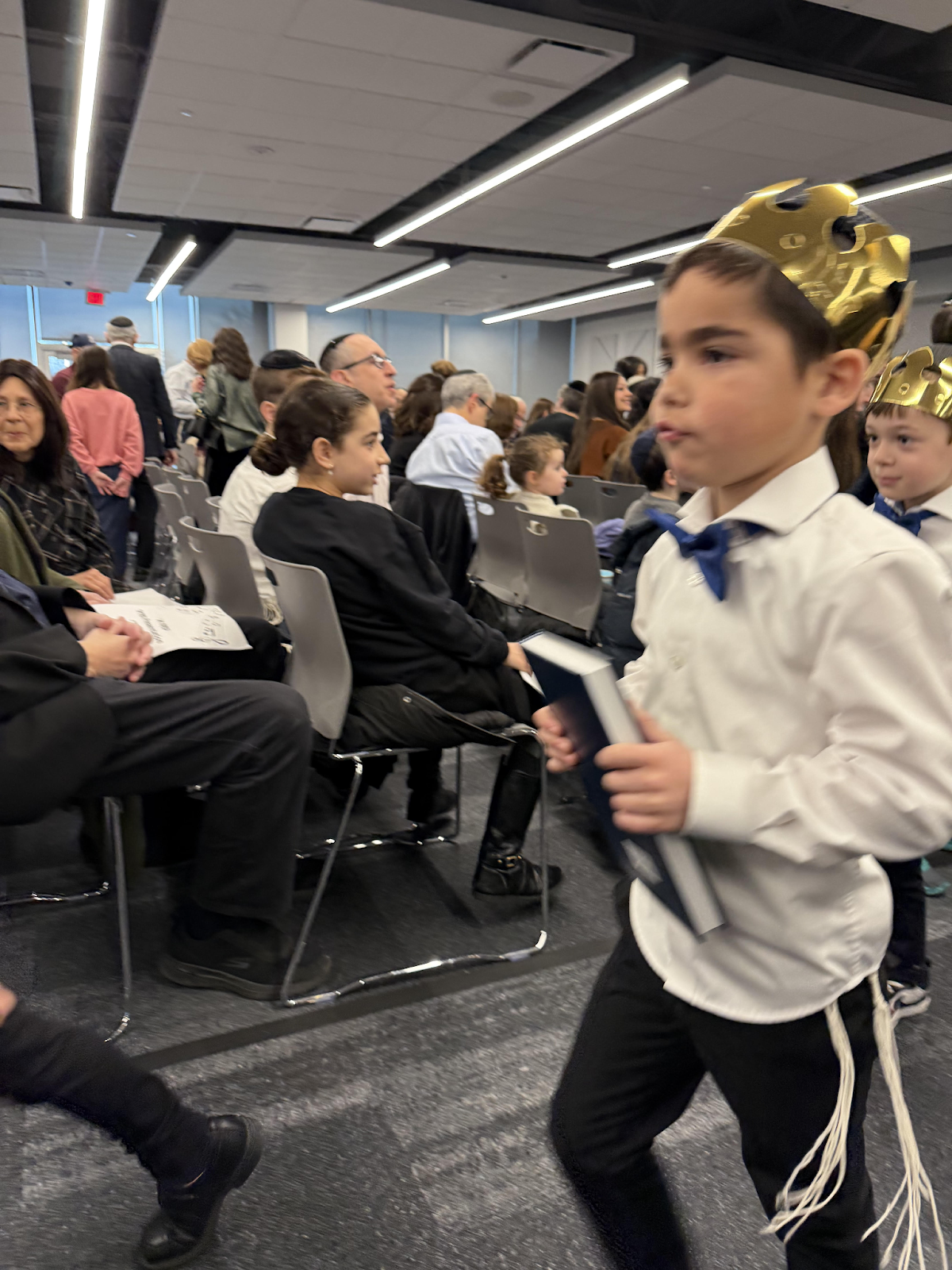

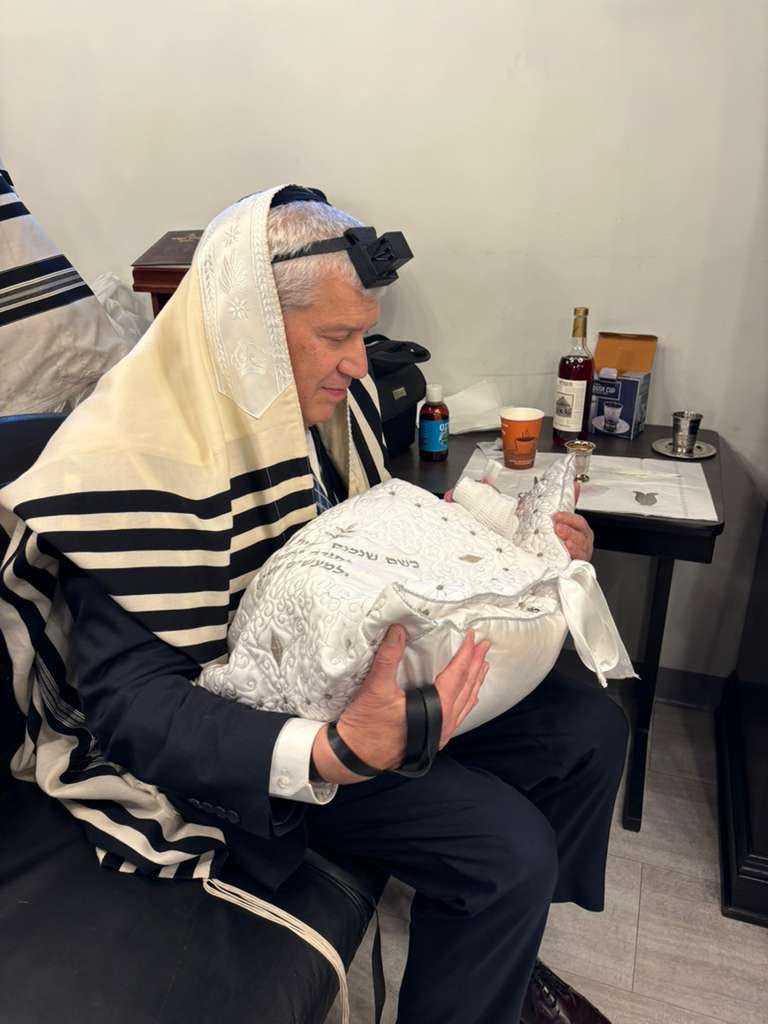


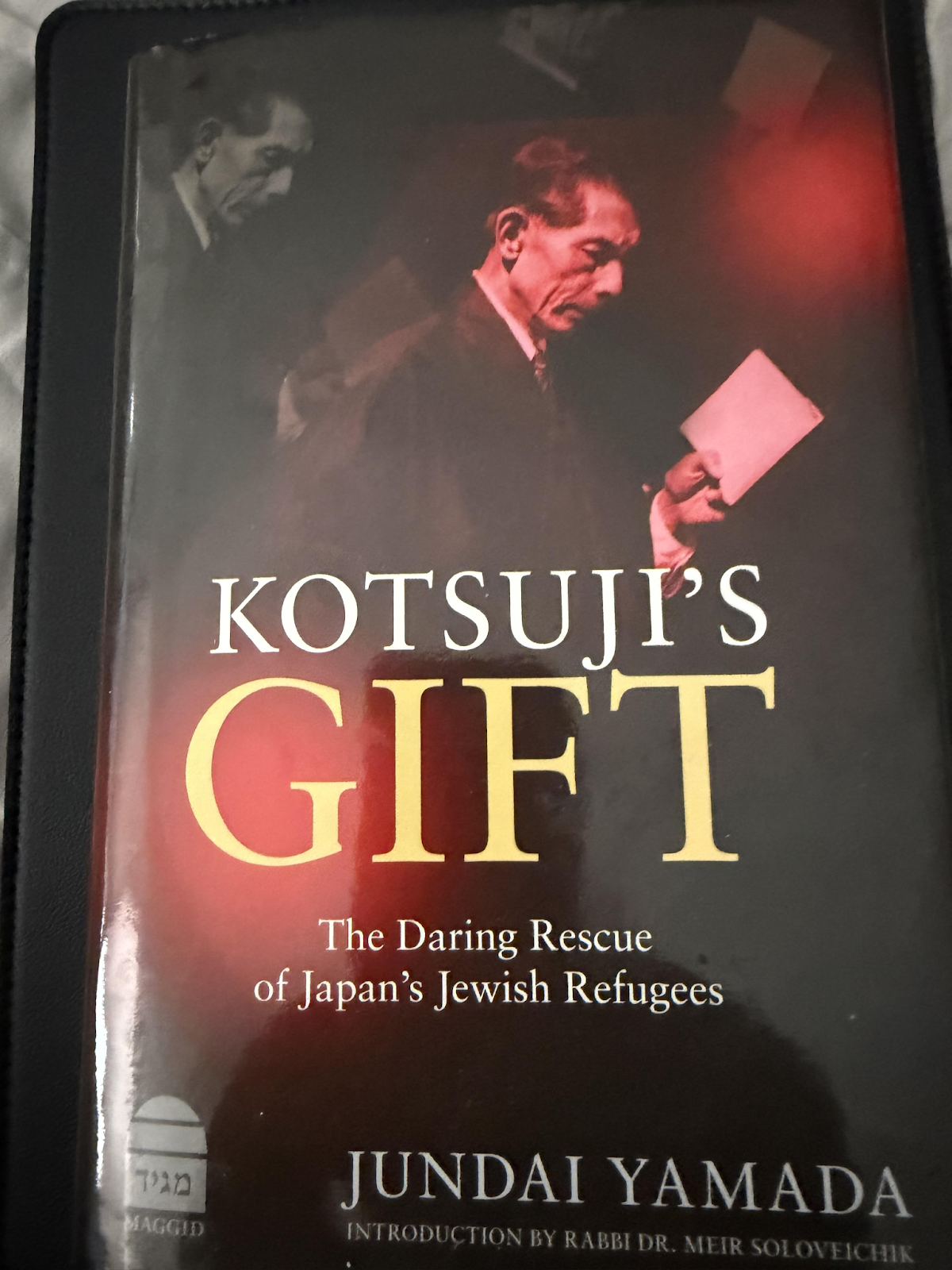
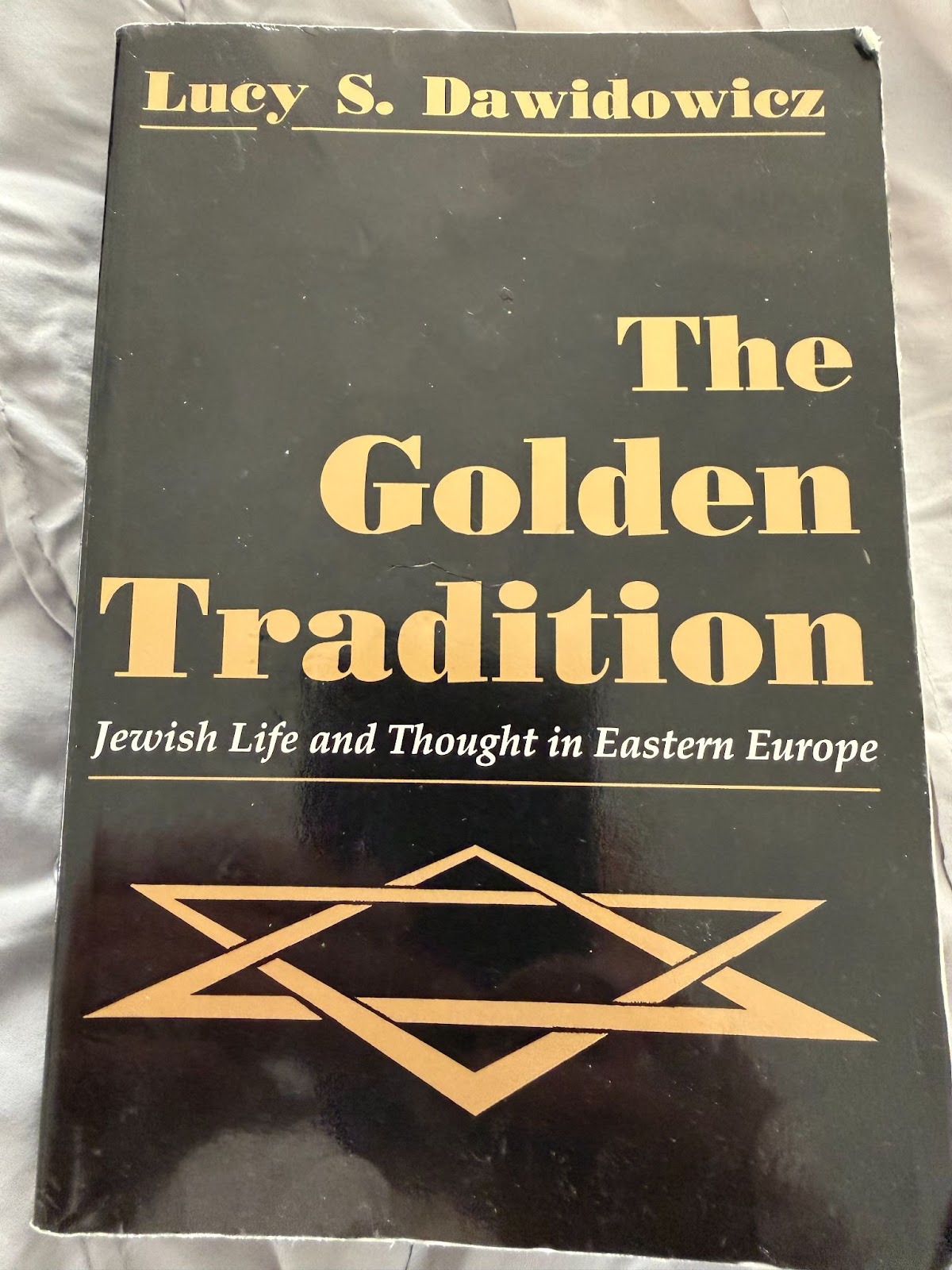
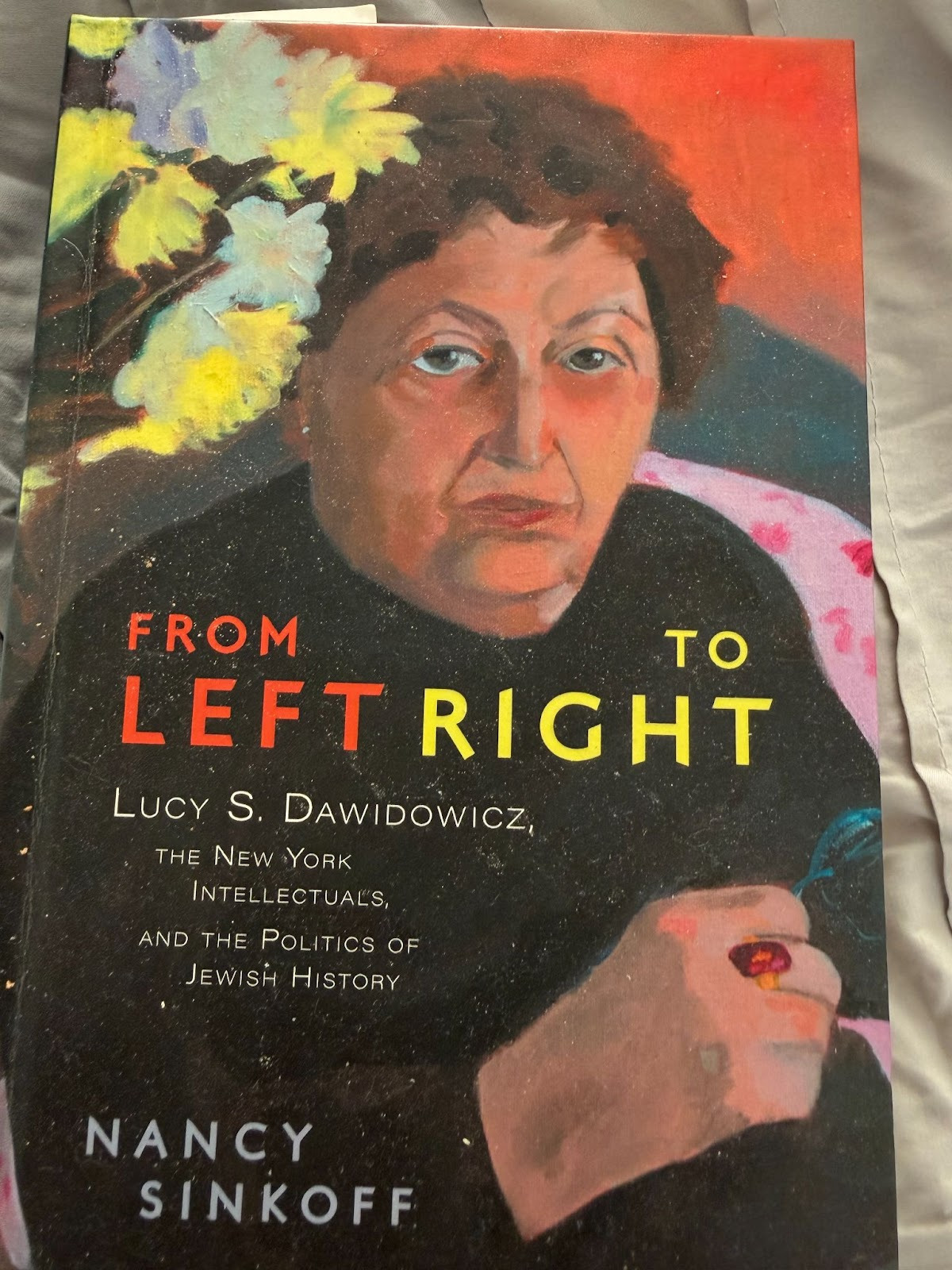

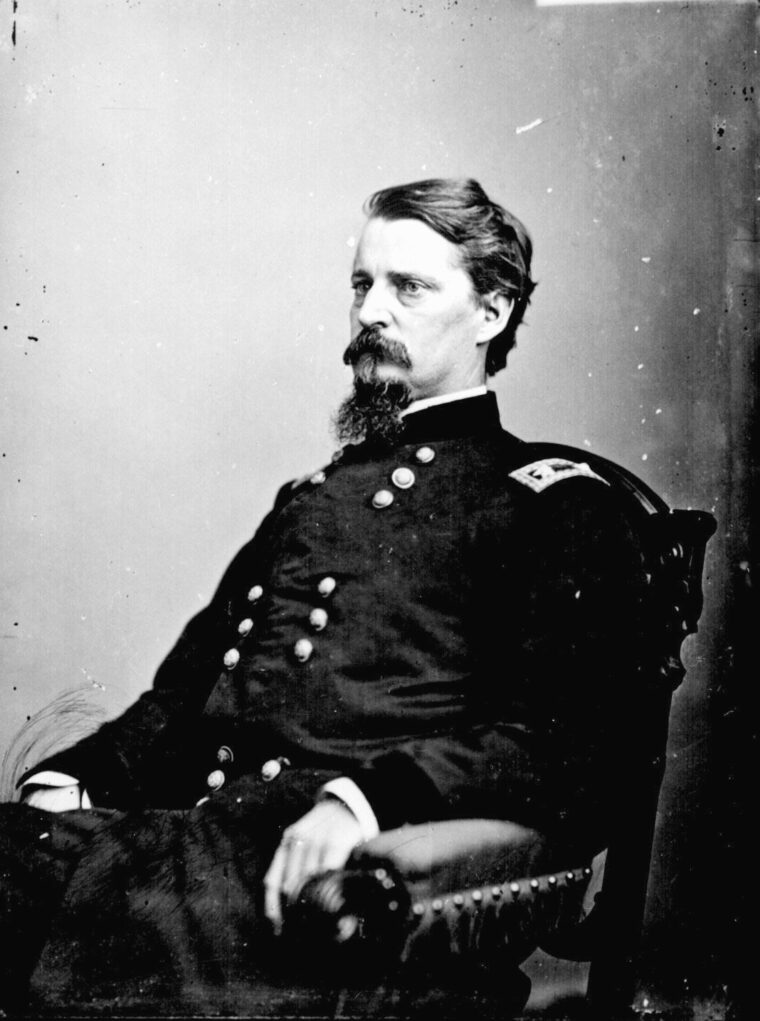
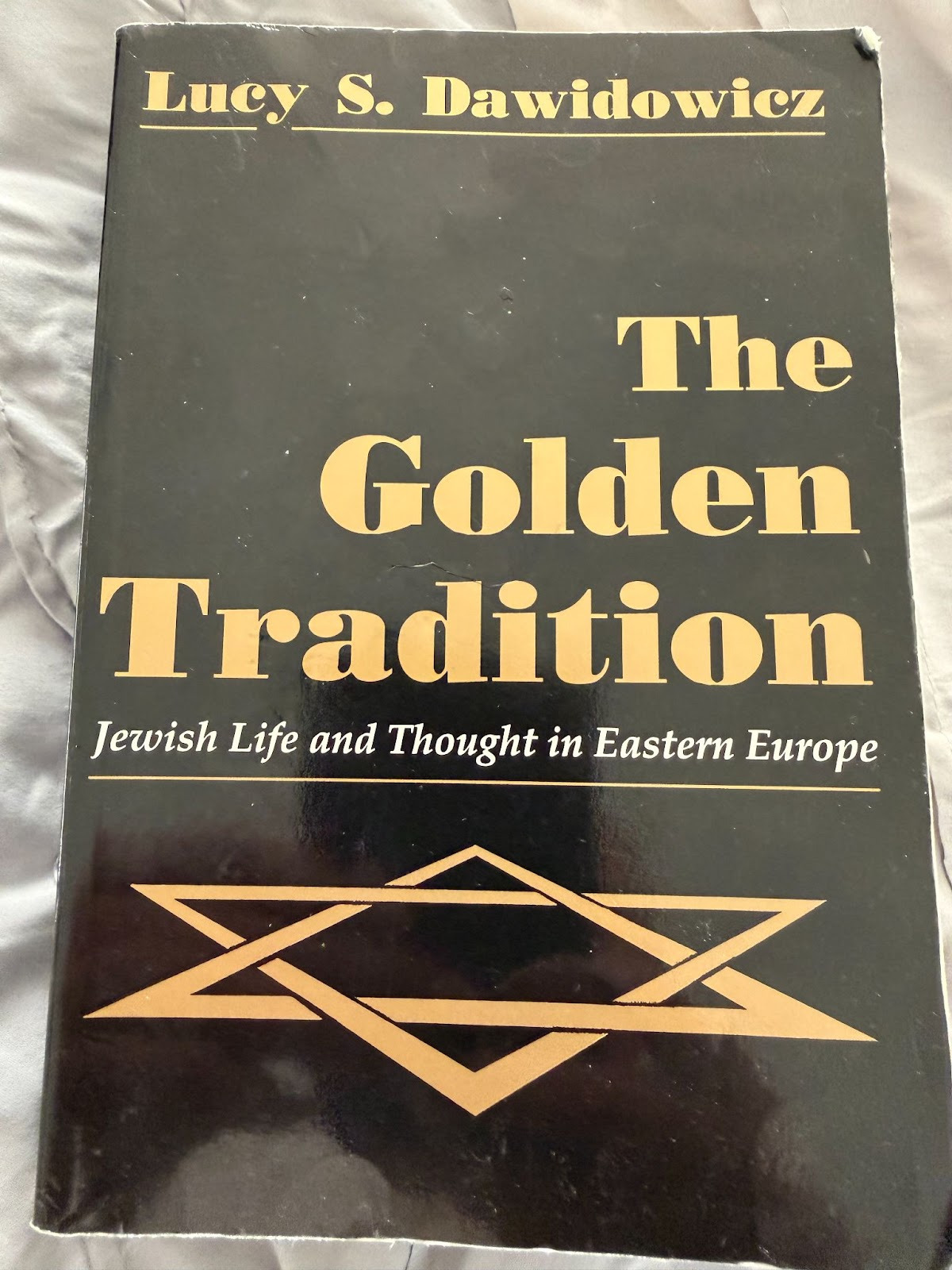
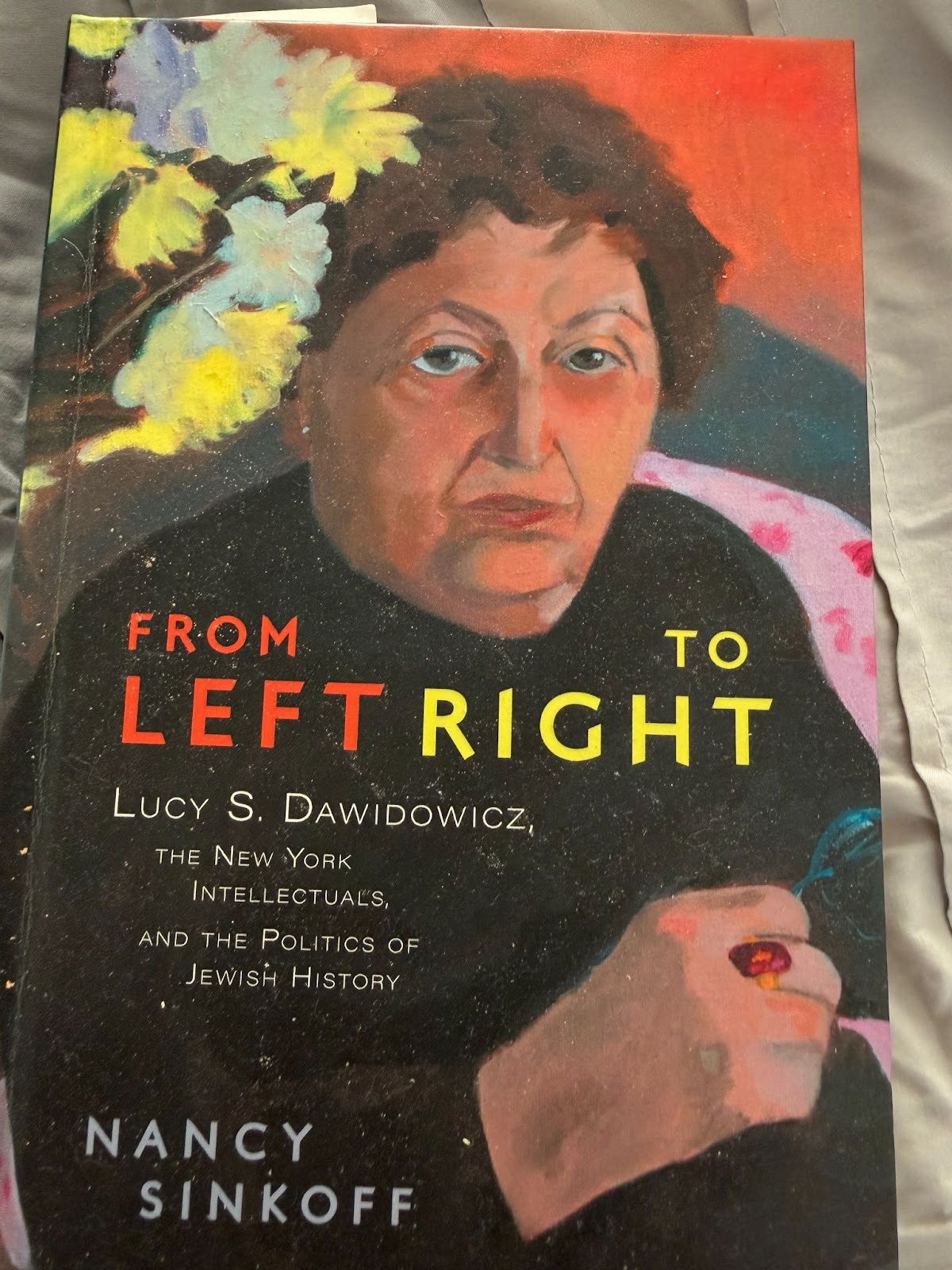




 Exploring Kotzk