The plain meaning of the Pasuk is that Moshe should speak to the Jews and they should take (from their possessions) a donation from every man who generously offers that gift, you should take My donation.
Questions:
1 – the last three words of תִּקְח֖וּ אֶת־תְּרוּמָתִֽי are redundant.
2 – The Alsich and many others ask why does is say וְיִקְחוּ and not ויתנו?
These are answered by the אפּריון. See details below.
Both answered
3 – Rashi says on the word לִ֖י – the word לִשְׁמִי. What does Rashi exactly mean? I do not have a good answer for Rashi. I did see somewhere that rashi means do not give donations to the Mishkan because of social pressures or for other reasons, give only to serve God.
The Seifsei Chacomin explains why Rashi says לִשְׁמִי because לִ֖י cannot mean “take
from your possessions for me” because everything in the world is His, [therefore it
cannot mean, “so it will be Mine.”] This is difficult because in this world people
have ownership rights and people have a right to make decisions on their property.
Translations of this Pasuk:
Almost all of the English translations translate it with the plain meaning. Only Rabbi Kahane brings in Rashi.
JPS 2006
Tell the Israelite people to bring Me gifts; you shall accept gifts for Me from every person whose heart is so moved.
Mesudah:
Speak to the B’nei Yisrael and have them take for Me a terumah-offering. From every man whose heart impels him to generosity shall you take My terumah-offering.
Rabbi Charles Kahane:
Tell the Children of Israel to appoint collectors for taking a voluntary gift for My Name’s sake; you shall take My voluntary gift from every man whose heart willingly offers the donation.
Only one who brings in Rashi.
Artscroll
Speak to the children of Israel and they shall take for Me a portion, from every man whose heart will motivate him you shall take My portion.
The אפּריון based on the Tanna Dvei Eliyahu:
Speak to the children of Israel. And they will take My gifts; (this is done) by Moshe taking donations from all people whose heart will motivate him.
My Torah:
I want to start off something I read in Paul Newman’s autobiography this Shabbos morning, how coincidental.
Last year and today, I learned and analyzed the following אפּריון. See my blog post from last year.
Tell the Israelite people to bring Me gifts; you shall accept gifts for Me from every person whose heart is so moved.
The plain meaning is that the Jews in the desert were to give donations to build the Mishkan.
The אפּריון starts by bringing down a Tanna Dvei Eliyahu that says that when the Jewish people said we will do and we will listen, immediately Hashem said וְיִקְחוּ־לִ֖י תְּרוּמָ֑ה. What is the connection?
By explaining the connection in the Tanna Dvei Eliyahu we can answer the Alshich’s question of why didn’t the Torah say, give me a gift.
Answer:
First Step:
Chana and Eli, the High Priest. Eli misunderstood Chana.
The following verses in Shmuel 1:13-15 are explained.
And Hannah replied, “Oh no, my lord! I am a very unhappy woman. I have drunk no wine or other strong drink, but I have been pouring out my heart to the LORD.
Step 2:
Describing people through their actions and why the purpose and result of their actions is the true definition of that person, not the action itself in a vacuum.
Step 3 – Just like Chazal says that if the Omer is brought on the second day of Pesach Hashem will bless the crops, so too the Mishkan and its vessels bring down “Shefah” – goodness
Step 4: The Gemara in Shabbos:
The Gemara relates that a heretic saw that Rava was immersed in studying halakha, and his fingers were beneath his leg and he was squeezing them, and his fingers were spurting blood. Rava did not notice that he was bleeding because he was engrossed in study. The heretic said to Rava: You impulsive nation, who accorded precedence to your mouths over your ears. You still bear your impulsiveness, as you act without thinking. You should listen first. Then, if you are capable of fulfilling the commands, accept them. And if not, do not accept them. He said to him: About us,
88b
who proceed wholeheartedly and with integrity, it is written: “The integrity of the upright will guide them” (Proverbs 11:3), whereas about those people who walk in deceit, it is written at the end of the same verse: “And the perverseness of the faithless will destroy them.”
Step 5 – As it says in the Gemara in Shabbos, when the Jews said “we will do and we will listen”, we understood that everything God does for us is good and we do not hesitate to say, we will do before we will listen.
Step 6 – so too the idea of giving the donations to the Miskan was to receive blessings, so it was appropriate for the Torah to use the language of taking. Had the Jews not said “we will do and we will listen” then the appropriate language would have been “ויתנו”.
The language of the Aperion:
Although the Jews were giving money for the Mishkan, the ultimate goal was to take blessings from God.
The אפּריון based on the Tanna Dvei Eliyahu is translating the Pasuk, וְיִקְחוּ־לִ֖י תְּרוּמָ֑ה, that the Jewish people are to take gifts from God. They do this by giving donations for the construction of the Mishkan.
Speak to the children of Israel. And they will take my gifts; (this is done) by Moshe taking donations from all people whose heart will motivate him.
Analysis of Tanna Dvei Eliyahu:
Chapter 17:
כיון שקבלו ישראל עול מלכות שמים בשמחה ואמרו כל אשר דבר ה’ נעשה ונשמע מיד אמר הקב”ה למשה שיאמר לישראל
שיעשו לו משכן שנאמר (שמות כה) דבר אל בנ”י וגו’ ועשו לי מקדש ושכנתי בתוכם וגו’.
This Tanna Dvei Eliyahu is the source for the following Daas Zekeinim:
ויקחו לי תרומה. פרשה זו נאמרה בתוך ארבעים יום שהיה ממתן תורה וצוהו הקב”ה להיכן מניח’ שיעשו משכן ובית קדשי הקדשים ובתוכו ארון ובתוך הארון לוחות ושם תשרה שכינה וישראל סביב כמו המלאכים סביב כסא הכבוד ושכינה ביניהם וכן כתוב ושכנתי בתוכם כמו בתוך המלאכים ועל זה נאמר אמרתי אלהים אתם ובני עליון כלכם להיות שכינתי ביניהם:
The Oz Vehadar Chumash in their Perush of the Da’as Zekanimu says that the source of the above Da’s Zekanim is this very Tanna Dvei Eliyahu:
Da’as Zekanm translate into English:
ויקחו לי תרומה, “they shall take for Me a contribution;” this portion had been told to Moses during the forty days that Moses was on Mount Sinai, immediately after the revelation at that Mountain, [In other words, before the smashing of the Tablets, and the golden calf episode. Ed.] G–d, at that time, had already told Moses where to erect the Tabernacle, and that it would house the Holy Ark, inside the Holy of Holies, symbolizing G–d’s presence on earth. He told him that it would contain the Tablets, and that the Israelites would be encamped around the Tabernacle. This is what is meant in verse eight of our verse where G–d described Himself as residing in the midst of the people, i.e. as if surrounded by angels as He had been in heaven. Concerning this state of affairs, David had said in Psalms 82,6: אמרתי אלוהים אתם ובני עליון כולכם, “I had said: ‘you are the children of G–d all of you children of the Supreme Being.” [David bemoans the demotion of the Jewish people that followed the golden calf episode in the verse following. Ed.]
Continuation of the Tanna Dvei Eliyahu:
באותה שעה אמר הקב”ה בלבבו שמא לא יביאו בנ”י נדבתם לפני ושמא יהיו אומרים כלפי מעלה וכי לכסף וזהב הוא צריך והלא כל כסף וזהב ואבנים טובות ומרגליות וכל כלי חמדה שלו הוא שנאמר (חגי ב) לי הכסף ולי הזהב נאם ה’ צבאות. ומפני מה אומר לבני אדם הביאו לי נדבה ועשו לי מקדש אבל מה שביקש הקב”ה מישראל נתנו לו ישראל והוא עושה לישראל מה שאמר להן. וכשעשו ישראל רצון הקב”ה במדבר והקב”ה מצא בהן קורת רוח כמה שנאמר בהן (שמות לה) ויבואו כל איש אשר נשאו לבו וכל אשר נדבה רוחו אותו וגו’. ו
We see that the Kotzker learned all the classical Seforim and he valued the same Torah as the Litvisha world.
Amud HaEmes starting on page 246 details what the Kotzker said about various leaders and Seforim. The Kotzker talks about the Rambam, Korban Nesaniel, Maharal M’Prague, the Sefer Chovos Halevovos, the Pri Megadim, Mesudos Dovid, Pnei Yehoshua, and all the Chassidic leaders starting with the Baal Shem Tov.
We see that the Kotkzer learned all the classical Seforim that were and are learned in the Misnagdishe – Litvishe world. He knew each one and understood their Dereck Lemudo – their method of learning. This is because first and foremost learning Torah was first and foremost. They learned Gemora, the Rishonim, the Posikim, and Achronim. I read in Professor Morris Faierstein’s book that the Chassidim did not learn Zohar and Kabbalah. There is no question that the Kotzker did learn Zohar and Kabbalah but his main learning was Neglah and not Nistar.
The Kotzker learned the Chovos Halevovs with his son Admor Dovid Morgenstern. In HTC I heard Shiurim from the Rosh Hayeshiva, Rabbi Revah, on the Chovos HaLevoros. This year Rabbi Weg of the Yeshiva is learning it with his Shiur.
The Kotzker learned and knew the Pri Megadim and the Chavos Daas, the Lissa Rov. The Pri Megadim died in 1792 and the Chavos Daas died in 1832. Kotzker was born in 1787 and I doubt that he ever met the Chavos Daas. There is a story in Siach Sarfei Kodesh where the Chidushei Harim met the Chavos Daas.
Read the following from the Emes Ve Emunah and Aber Harayim. Aber Harayim is the history of Rabbi Avrohom Bornstein, known as the Avnei Nezer, and the Sachochever Rebbe, and was the son-in-law of the Kotzker. The Avnei Nezer married the Kotzker’s oldest twin daughter, Sara Tzina, in 1853, when he was 13 or 14 years old. He spent six years learning by the Kotzker and the Kotzker felt that it was his job to make the Avnei Nezer the leading Torah scholar in Poland.
The Pri Megadim:
The Kotzker said about the Pri Megadim that he learned Torah for the sake of Hashem.
Rabbi Yehuda Gordon told me the following story. Reb Chaim Kenievsky said that the Chazon Ish put Sefroim written Leshem Samayim on a higher shelf than Seforim he felt were not written Leshem Shamayim.
The Pri Megadim was Joseph ben Meir Teomim 1727–1792. יוסף בן מאיר תאומים was a GalicianRabbi, best known as author of Pri Megadim, by which title he is also referenced. He was one of the foremost Torah Scholars of his time. Rabbi Teomim’s Pri Megadim (פרי מגדים, “choice fruits”, published 1782) [3] is a widely referenced work on the Shulkhan Aruch. It is composed, essentially, as a supercommentary on the major commentators there: Pri Megadim is however seen as authoritative in its own right, often quoted, for example, by the Mishna Berurah.
The following story is brought down about the Pri Megadim and the Chovavos Daas, the Lissa Rov –Yaakov Lorberbaum – Wikipedia. Page 435 of the 2022 edition of Emes Vemunu put out by Reb Simcha Morgenstern contains the following story.
Translation:
The Chasid Reb Ezriel Lowy from Kanstantin told me the story that when his father, the Goan and Chasid Reb Yaakov Aaron HaLevi, the head of the Jewish Court of Kanstantin, went to get Smicha from the Avnei Nezer TZL, the Avnei Nezer asked him, from where do you rely on to determine Halachic questions? Is it the Pri Megadim or the Chavos Daas, the Lissa Rov. My father answered that he uses the Lissa Rov because the Lissa Rov says the Halacha clearly, however, the Pri Megadim leaves many issues unresolved. The Avnei Nezer told him in the name of the his father-in-law, the Kotzker, that one who makes a mistake in the Pri Megadim (and Paskens against the Pri Megadim) is a טועה בּדבר משׁנה – someone who makes a mistake in a clear Halacha. Because our Reshonim are now like the words of a Mishnah and the Pri Megadim explains the Rishonim. This means that one can issue Jewish law only if the Posak knows the Reshonim, and the Pri Megadim clarifies the opinions of the Reshonim.
The Avnei Nezer concluded that I am not telling you who to use, and you can Paskim as you see fit, but I am telling you that a Posek who doesn’t know what the Pri Megadim says and if that Posak would know the Pri Megadim, he would have decided like the Pri Megadim, then it is that the Posak was טועה בּדבר משׁנה – made a clear mistake. In a sense the Kotzker felt that the Posak is committing malpractice.
The beautiful following story is told by the Avnei Nezer about the Pri Megadim:
The Avnei Nezar told that once when he entered the holy place he saw an elderly man with a regal manner that he did not recognize because he had never seen him in Kotzk. He spoke to the Kotzker with affection and love. When he, the Avnei Nezer, came into the room they both gave him their full attention to the words of his Pilpul – Talmudic discourse – that he laid out before the Kotzker and the guest. (It seems to me that in the above-mentioned Talmudic Discourse that he said in front of his father-in-law and the guest, who was the Pri Megadim, was also an answer to a question on the Pri Megadim.) When he left his room, the above-mentioned elderly man still remained with our Rabbi in the room. When he entered the second time, our Rabbi revealed to him that the above-mentioned elderly man was the tzaddik, the genius was the Pri Megadim. Because the Avnei Nezer worked hard to reconcile the words of the Pri Megadim, he was privileged to see him in the actual daylight. And he said that his father-in-law (our Rabbi) informed him of the names of the deceased tzaddikim who were with him that night.
I further explained that this story about the Pri Megadim visiting the Kotzker took place in 1854 or later. even though the Pri Megadim died in 1792.
I listen to Rabbi Sugerman’s Daf Yomi Shiur. As I have said in the past, when the Torah was given at Har Sinai, it was said in the voice and words of Ben Sugerman. Ben Sugerman has a unique way of saying and explaining the Gemora, in that he makes the Gemora three dimensional. The Gemora comes alive. Once while listening to Rabbi Ben Sugerman explain a Gemora that had a dispute between Rebi Yochanan and his brother-in-law, Resh Lakish, I felt as if I was in the Bais Medrash of Rebi Yochanan and Resh Lakish and could see Reb Yochanan saying his viewpoint and Resh Lakish arguing and saying, no, the Halacha is different. They went back and forth bringing proofs, refutations, and attempts at logic. It was a unique experience that happened only once.
I explained the above story about the Pri Megadim coming to the Kotzker in a similar manner. “The Kotzker who learned Torah day and night for over 60 years, and the Pri Megadim did not come to him?”
There is a very important story about the relationship between the Avnei Nezer and his father-in-law, the Kotzker. We see from the below story that the Avnei Nezer had complete access to learn and ask questions to the Kotzker. It cannot be emphasized enough that during the last 19 years of his life, known as the “days of Hester” that the Kotzker still engaged his family, learned Torah day and night, and taught.
Translation:
The Avnei Nazer, TZL, had a holy duty to come daily one time before his Holy father-in-law from Kotzk, and offer some of his innovations that he had innovated in his study, and he, the Holy one would proofread them if they were true to the Torah and if they were said in depth as befits the root of his high soul. More than once a day he would give him permission to enter without restriction. The Kotzker answered him in length and did not hold anything back from him.
In his introduction to the Eglei Tal, the Avnei Nezer writes:
Translation:
And Avrohom responded and said, this time I will give thanks to Hashem (mirrors Leah’s words when naming her fourth son Yehuda) that my portion is with those that dwell in the study hall. And I was always one who searches out the wisdom of the Torah. When I was young I was taught by my master, my father, and my teacher the method of Pilpul. When I was ten years old, I was was writing my own חידושׁים. Then I entered the inner rooms of the house of my father in law, the Admor of Kotzk, the source of wisdom and understanding. (a reference to the Kodesh Hakodashim where the ark was located in the Temple) From him, I learned my method of learning Torah in depth. And from him I learned what is a true statement of Torah. Because not all thoughts are חידושׁים. It is unbelievable when I tell about the extra effort that he watched over me with his wise eyes also in learning and חידושׁים.
And it has always been my way to write new things that I am pleased with. But to print the things and spread them over the world did not occur to me, and you have no beauty in modesty. And if it is from heaven that the things will be brought to print, it will be after a hundred years. That was my thinking, but I chose to learn with listening students. To teach the children of Yehudar a bow to fight the battle of the Torah, because in the 17th century the Torah is written. The commandment to teach. He teaches the ways of learning. But now at the time of my old age, in my seasons, I was overcome by the cough, R.A., and I could not study with students.
The following is another story that reflects on the Kotzker is a statement he made about his future son in law:
Professor Morris Faierstein lists five practices that form the practical expression of Kotzker Hasidism.
Most things the Professor got right. I would add one more and diminish #5. The first item I
I would add is Ahavas Yisroel. This is true of the Kotzker Rebbe and would like to believe that his Chassidim followed in his footsteps.
When I spoke about this list at Rabbi Sidney Glenner’s house, Rabbi Moshe Roberts said that Emes should be at the top. I did not agree. Perhaps Emes would be true of the Kotzker himself, but not of his Chassidim. Perhaps #4 on the list is Emes.
I do not know his source of #5, although I have heard it in the past. There is a story of Reb Leibele Eiger when his father Reb Shlomo Eiger sent a messenger to look in on his son with an ignorant farmer. #5 may still be true, but it may have not been so pronounced as Professor Faierstein says it is.
The understanding to #5, I believe, is that they were Torah scholars and they had no use for the mundane matters and gossip discussed by the masses. The masses felt excluded and that created animosity between the groups. This is only natural.
This article – based extensively on the research by Professors Evan Mayse and Daniel Reiser[1] − examines a fascinating anomaly within Chassidic literature: Most of the formal Chassidic texts used today are in Hebrew, but Hebrew was not the medium through which the discourses were generally transmitted. The original teachings were mainly presented orally and in Yiddish.
The question is whether or not this is a significant distinction, and can it have some bearing on how we read the popular Chassidic texts today?
This is what they write on Kotzk.
Kotzk through a Yiddish lens
The Kotzker Rebbe is known for his search for Truth (Emet). Astoundingly, however, by basing ourselves on the Hebrew word Emet, we actually have a very limited understanding of what he was really looking for.
“Heschel cites an oral Hasidic tradition maintaining that the Kotsker rebbe never uttered the word emet (or emes in Yiddish), the term often rendered as ‘truth.’ Rather than this standard Yiddish term, Menahem Mendel used the less common vorhayt, a word related to the German Wahrheit (truth, verity)” (Mayse and Reiser 2018:146).
To be accurate, Heschel informs us that, the Kotzker Rebbe used the word Emes, only once – but he quickly corrected himself by replacing the word with “oyf der vorhayt.” Language is so important because in this case, Vorhayt means something that neither the Hebrew word Emet nor the Yiddish word Emes, cancapture:
“Vorhayt gestures not toward an abstract or philosophical conception of truth but rather to a concept of verity that is totally grounded in reality. This tradition suggests that the Kotsker rebbe was uninterested in philosophical emes, which can be proven and cut down…Menahem Mendel of Kotsk was seeking an entirely different level of existential reality.
The Kotzker Rebbe was not so much searching for technical ‘truth.’ In Yiddish, ‘vorhayt’does not mean ‘truth’ – it means ‘realness,’ ‘genuineness,’ or ‘authenticity.’ Perhaps the English expression ‘salt of the earth’ conveys its meaning well. There is a vast, philosophical and existential difference between these two concepts which can only be comprehended by understanding the language of transmission.
Thursday February 1, 2024 – 165th yahrzeit of the Kotzker Rebbe.
We drove to Toronto on Wednesday, January 23, 2024. We stayed at Chani Janowski’s house which was an 8 minute walk to the Shul, Aish Hatorah of Thornhill. The Rabbi is the grandfather of the Bar Mitzvah boy. The Rabbi spoke beautifully. Friday night at Shul Rabbi Rothman spoke the Kotzker on the Verse וַיָּבֹ֣אוּ מָרָ֔תָה וְלֹ֣א יָֽכְל֗וּ לִשְׁתֹּ֥ת מַ֙יִם֙ מִמָּרָ֔ה כִּ֥י מָרִ֖ים הֵ֑ם עַל־כֵּ֥ן קָרָֽא־שְׁמָ֖הּ מָרָֽה׃. The Kotzker on כִּ֥י מָרִ֖ים הֵ֑ם says that it does not go on the waters but on the people. The people were bitter.
Shabbos morning Rabbi Rothman spoke about the need to be awed. He started his speech about the piano of Beethoven.
I did not speak and it bothered me. I did not feel it was appropriate for me to ask.
Alesha’s oldest son, Shimi, came in from Israel. Joany Noble-Shokiet came in from Miami. Joany was very close with my mother in law and Joany comes in for every Simcha. Her father was my mother in law’s twin brother.
It is always a shame when the Simchas are over and on Sunday we drove back to Chicago.
If I had spoken, I would have spoken the below Vort in the Sefer Emes Ve Emunah, page 56 in the new addition
BeShalach Verse 14:15 says “And the Lord said to Moshe, Why dost thou cry to me? speak to the children of Yisrael, that they go forward”.
“The Goan, Chosid Reb Yaakov Dovid, the head of the Bais Din in Koshnitz was a
student of Reb Shlomo Leib from Lentshna and he came to Kotzk. The Kotzker
asked Reb Yakov Dovid, he is your teacher, I love him very much. But what can I do?
He cries to God in prayer to send the Mosiach, why can’t he cry to the Jews to repent.
The Kotzker ends by saying that this is the explanation of the verse. Things are dependent
on man. Inspire the people to make themsleves better and this is the way to bring Moshiach.
Two comments on the Kotkzer.
First Comment:
Reb Yaakov Dovid was the community leader in Koshnitz. When we say Koshnitz we tremble. The holy Koshnitzer Magid lived in Kozhnitz. Koshnitz is the name of a Hasidicdynasty founded by the Kozhnitzer Maggid, RebbeYisroel Hopsztajn. Kozhnitz is the Yiddish name of Kozienice, a town in Poland. Rebbe Yisroel Hopsztajn, the Maggid and founder of the Kozhnitz dynasty, and one of the three “patriarchs” of Polish hasidism, was a disciple of Rebbe Elimelech of Lizhensk (Rabbi Elimelech Lipman of Lizhensk), author of Noam Elimelech. The Rebbe Elimelech was a disciple of the Rebbe Dovber, the Maggid (“preacher”) of Mezeritch, the primary disciple of the Baal Shem Tov, the founder of Hasidism.
What is the Kotzker saying with his Vort? Is it just a cute Vort?. I think the answer is no. This Vort tells us how the Kotzker advised people and how he looked at the world. He had confidence in humans that with proper teaching and inspiration they will do the right thing. We do not have to pray to Hashem as leaders, we have to lead and the Jews will do the right thing and bring Moshiach. This is the Kotzke’s life outlook. This is the Kotzker’s message to Reb Shlomo Leib from Lentshna. Inspire people and you can bring them to the mountain of God.
Thursday February 1, 2024 – 165th Yahrzeit of the Kotzker Rebbe.
I had a zoom with my family to discuss the Kotzker and his legacy. I started with the above Vort. I then played Avrohom Fried’s cappella, I Am I. https://www.youtube.com/watch?v=G-HvhT8OPs0. The words are:
“If I am I because I am I, and you are you because you are you, then I am I and you are you. But if I am I because you are you and you are you because I am I, then I am not I and you are not you!”
This theme is consistent with many sayings of the Kotzker.
Serka, Debbi Janowski – grandmother of the bar Mitzvah boy, and Joany Noble-Shokit – our cousin.
Serka Morgenstern and Alesha Rothman – mother of Isaac.
How is Rashi translated? Sefaria, Arscroll, and Chabad say the same thing.
Sefaria – Artscroll says the same Pshat.
Why is this section (Sidra) totally closed? Because, comprising as it does an account of the death of Jacob, as soon as our father Jacob departed this life the hearts and eyes of Israel were closed (their eyes became dim and their hearts troubled) because of the misery of the bondage which they then began to impose upon them. Another reason is: because he (Jacob) wished to reveal to his sons the date of the End of Days (i.e. when Israel’s exile would finally end; cf. Rashi on Genesis 49:1), but the vision was closed (concealed) from him (Genesis Rabbah 96:1).
Chabad from Mesudah:
And Jacob lived: Why is this section [completely] closed? Because, as soon as our father Jacob passed away, the eyes and the heart of Israel were “closed,” (i.e., it became “dark” for them) because of the misery of the slavery, for they (the Egyptians) commenced to subjugate them.
These three English translations say that the Jews in Egypt walked around with a cloud over their heads. They were depressed because they saw slavery starting. It was like being in America for the Jews in 1935
I was shocked. This is not the way I understood this Rashi and this Medresh for the first 70 years of my life. I understood מִצָּרַת הַשִּׁעְבּוּד as “from the misery of the enslavement”, not “because of the misery of enslavement.” Meaning the slavery in some fashion started and they did not realize it, consciously or subconsciously. After all, Yosef lived for another 54 years after Yaakov died so they were doing quite well.
Everyone asks that even after Yaakov dies Joseph was viceroy for another 54 years and the slavery did not start for over 20 years after Joseph’s death to when Levi died at 137 years. What does Rashi who quotes the Medresh mean that the slavery started at Yaakov’s death.
Explanations are given but I love Rabbi Riskin’s Vort based on the Rov’s Torah. His Vort is in his Sefer, Torah Lights – Bereshis, quoted below. Pages 307-311.
Everyone asks why couldn’t Yoseph speak to Pharaoh directly? Why did he have to ask בֵּ֥ית פַּרְעֹ֖ה? I assume that בֵּ֥ית פַּרְעֹ֖ה were high ranking offcials.
There are three answers.
1 – Sferno and Tur HaAruch both say that Yosef could not speak to Pharaoh directly because he was in mourning and wearing sackcloth.
Meshech Chochma says the same thing:
וידבר יוסף אל בית פרעה כו’ כו’ לשיטת רמב”ן אונן כ”ז שלא נקבר אסור לסוך ולרחוץ ולקשט וגם לרמב”ם דאונן שרי אין זה מדרך הנימוס וכבוד אביו לסוך וללבוש בגדי שררות כפי הראוי להיות בבואו אל המלך בעוד אביו מת מוטל לפניו לכן לא היה יכול לכנס אל פרעה לדבר עמו.
This is the simple answer. We see that although Achasverosh loved Esther, she could not approach him unless he called her. There is protocol. You just do not go into the king unless you are summoned or dressed in mourning clothes.
When Yaakov died Joseph’s profile in Egypt was lowered and he no longer had direct access to Pharaoh.
ונלע״ד דמ״מ מיד אחר מיתת יעקב אע״ג דהוה יוסף קיים מיד ראו סימני שעבוד וכדאמרי׳ נמי בפ״ק דסוטה מ״ש מעיקרא דכתיב ויעל יוסף לקבור וכו׳ ויעלו אתו כל עבדי פרעה וכו׳ והדר וכל בית יוסף ואחיו וכו׳ ומ״ש לבסוף דכתיב וישב יוסף מצרימה הוא ואחיו והדר וכו׳ אר״י בתחלה עד שלא ראו בכבודן של ישראל לא נהגו בהן כבוד וכו׳ הרי דמיד אחר מיתת יעקב התחיל סימן לשעבוד שהיו המצריים רוצים להשתרר עליהם ובר מן דין חזי׳ נמי שיוסף עצמו לא היתה גדולתו כ״כ כמו אביו שהוצרך לדבר עם בית פרעה ולחלות פניהם שיתחננו לפרעה שיניחהו לילך לקבור את אביו שכן כתיב אם נא מצאתי חן וכו׳ והיכן גדולתו וקורבתו עם המלך אלא שמיתת הזקן עשתה רושם ולפי׳ זה דייקי שפיר דברי רש״י שכתב מצרת השעבוד וכו׳ ולא קאמר מן השעבוד שלא היה שעבוד ממש אלא סימן המורה צרת השעבוד שהיה עתיד לבוא
3 – Rabbi Shlomo Riskin based on the Rov – Reb Yosef Ber Solovecihik. Gevaldig. The Pshat is as written in the following pages and is that Yosef was asking Pharaoh to bury Yaakov in Israel.This was a very tough ask and Yosef could not ask Pharoh directly. Read Rabbi Yosef Ber Soloveichik’s and Rabbi Shlomo Riskin’s words of Torah.
Rabbi Soloveichik says his Pshat on verse 50:5 on the first two words of the Pasuk אָבִ֞י הִשְׁבִּיעַ֣נִי .
Rabbi Risken beautifully uses the above to explain verse 50:4 of why Joseph could not ask Pharoh directly.
He then uses his explanation of verse 50:4 to understand the first explanation of Rashi in verse 48:28
Pages (bottom of) 309, 310, and 311 from Rabbi Riskin’s Sefer, Torah Lights – Bereshis.
“Joseph may have reached the top of the social ladder in Egypt. He speaks Egyptian, dresses as an Egyptian, has become named Egyption (Tzanat – Pane’ah), and is married to a native Egyptoins (perhaps even to his previous master’s daughter). From slave to Prime Minister, Joseph has certainly lived out the great Egyptian dream. Now, however, he is forced to face the precariousness and vulnerability of his position.”
“Ordinately a person wants to be buried in his own homeland where his body will become part of the earth to which he feels most deeply connected. Indeed, in the ancient world the most criticall right of citizenship was he right of burial. The wise Jacob understands that Pharaoh expects Joseph to completely identify with Egypt, to bring up generations of faithful and committed Egyptians after all that his adopted country has given to him. But this was impossible for Jacob- and the pariah hoped that it would also be impossible for his children and grandchildren as well. They were in Egypt but not of Egypt. They might contribute to Egyptian society and economy, but they never become Egyptionas. Jacob understood that his burial in Canaan would be the greatest test of Joseph’ career, and would define the character of his descendants forever. Hence he makes his beloved son solemnly swear not to bury him in Egypt.”
Joseph , too, understood that Pharaoh would be shocked at the request, a petition expressing the Hebrew rejection of the most powerful and civilized nation on earth. Indeed, it is such a difficult and sensitive matter that Joseph could not face his patron Pharaoh directly with it. At that moment Joseph understands an even deeper truth: were he, his brothers, his children and grandchildren to make the choice to live as Egyptians and to die as Egyptians, the chances are that they would be totally accepted in the mainstream of the land and life in that country. However,were they to choose to live as Jews, with their own concept of life and death, they would never be accepted and would probably be persecuted. It is this realization in the aftermath of Jacob;’s death which Rashi correctly sees as the beginning of the slavery of the Israelites. In Egypt, Joseph’s kinsman may have everything: Goshen Heights and Gopshen Green, progeny and patrimony. But as long as they are determined to remain Jews, servitude and persecution are inevitable. They may rejoice in the preferred Egyption status, where they ‘took possession of it and were fruitful and multiplied exceedingly’, but they cannot ever pause to enjoy the good fortune. The realization upon Jacob’s death of the transient and illusory nature of their good fortune comes upon them inexorably and imperceptibly, as in the blink of an eye, as in the following sentence without a change of paragraph.”
“And so this portion is closed just as Egypt will soon be closed to their children. Such is the ultimate fate of the children of Israel in every exile.”
How is Rashi translated? Sefaria, Arscroll, and Chabad say the same thing.
Sefaria – Artscroll says the same Pshat.
Why is this section (Sidra) totally closed? Because, comprising as it does an account of the death of Jacob, as soon as our father Jacob departed this life the hearts and eyes of Israel were closed (their eyes became dim and their hearts troubled) because of the misery of the bondage which they then began to impose upon them. Another reason is: because he (Jacob) wished to reveal to his sons the date of the End of Days (i.e. when Israel’s exile would finally end; cf. Rashi on Genesis 49:1), but the vision was closed (concealed) from him (Genesis Rabbah 96:1).
Chabad from Mesudah:
And Jacob lived: Why is this section [completely] closed? Because, as soon as our father Jacob passed away, the eyes and the heart of Israel were “closed,” (i.e., it became “dark” for them) because of the misery of the slavery, for they (the Egyptians) commenced to subjugate them.
These three English translations say that the Jews in Egypt walked around with a cloud over their heads. They were depressed because they saw slavery starting. It was like being in America for the Jews in 1935
I was shocked. This is not the way I understood this Rashi and this Medresh for the first 70 years of my life. I understood מִצָּרַת הַשִּׁעְבּוּד as “from the misery of the enslavement”, not “because of the misery of enslavement.” Meaning the slavery in some fashion started and they did not realize it, consciously or subconsciously. After all, Yosef lived for another 54 years after Yaakov died so they were doing quite well.
Everyone asks that even after Yaakov dies Joseph was viceroy for another 54 years and the slavery did not start for over 20 years after Joseph’s death to when Levi died at 137 years. What does Rashi who quotes the Medresh mean that the slavery started at Yaakov’s death.
Explanations are given but I love Rabbi Riskin’s Vort based on the Rov’s Torah. His Vort is in his Sefer, Torah Lights – Bereshis, quoted below. Pages 307-311.
Everyone asks why couldn’t Yoseph speak to Pharaoh directly? Why did he have to ask בֵּ֥ית פַּרְעֹ֖ה? I assume that בֵּ֥ית פַּרְעֹ֖ה were high ranking offcials.
There are three answers.
1 – Sferno and Tur HaAruch both say that Yosef could not speak to Pharaoh directly because he was in mourning and wearing sackcloth.
Meshech Chochma says the same thing:
וידבר יוסף אל בית פרעה כו’ כו’ לשיטת רמב”ן אונן כ”ז שלא נקבר אסור לסוך ולרחוץ ולקשט וגם לרמב”ם דאונן שרי אין זה מדרך הנימוס וכבוד אביו לסוך וללבוש בגדי שררות כפי הראוי להיות בבואו אל המלך בעוד אביו מת מוטל לפניו לכן לא היה יכול לכנס אל פרעה לדבר עמו.
This is the simple answer. We see that although Achasverosh loved Esther, she could not approach him unless he called her. There is protocol. You just do not go into the king unless you are summoned or dressed in mourning clothes.
When Yaakov died Joseph’s profile in Egypt was lowered and he no longer had direct access to Pharaoh.
ונלע״ד דמ״מ מיד אחר מיתת יעקב אע״ג דהוה יוסף קיים מיד ראו סימני שעבוד וכדאמרי׳ נמי בפ״ק דסוטה מ״ש מעיקרא דכתיב ויעל יוסף לקבור וכו׳ ויעלו אתו כל עבדי פרעה וכו׳ והדר וכל בית יוסף ואחיו וכו׳ ומ״ש לבסוף דכתיב וישב יוסף מצרימה הוא ואחיו והדר וכו׳ אר״י בתחלה עד שלא ראו בכבודן של ישראל לא נהגו בהן כבוד וכו׳ הרי דמיד אחר מיתת יעקב התחיל סימן לשעבוד שהיו המצריים רוצים להשתרר עליהם ובר מן דין חזי׳ נמי שיוסף עצמו לא היתה גדולתו כ״כ כמו אביו שהוצרך לדבר עם בית פרעה ולחלות פניהם שיתחננו לפרעה שיניחהו לילך לקבור את אביו שכן כתיב אם נא מצאתי חן וכו׳ והיכן גדולתו וקורבתו עם המלך אלא שמיתת הזקן עשתה רושם ולפי׳ זה דייקי שפיר דברי רש״י שכתב מצרת השעבוד וכו׳ ולא קאמר מן השעבוד שלא היה שעבוד ממש אלא סימן המורה צרת השעבוד שהיה עתיד לבוא
3 – Rabbi Shlomo Riskin based on the Rov – Reb Yosef Ber Solovecihik. Gevaldig. The Pshat is as written in the following pages and is that Yosef was asking Pharaoh to bury Yaakov in Israel.This was a very tough ask and Yosef could not ask Pharoh directly. Read Rabbi Yosef Ber Soloveichik’s and Rabbi Shlomo Riskin’s words of Torah.
Rabbi Soloveichik says his Pshat on verse 50:5 on the first two words of the Pasuk אָבִ֞י הִשְׁבִּיעַ֣נִי .
Rabbi Risken beautifully uses the above to explain verse 50:4 of why Joseph could not ask Pharoh directly.
He then uses his explanation of verse 50:4 to understand the first explanation of Rashi in verse 48:28
Pages (bottom of) 309, 310, and 311 from Rabbi Riskin’s Sefer, Torah Lights – Bereshis.
“Joseph may have reached the top of the social ladder in Egypt. He speaks Egyptian, dresses as an Egyptian, has become named Egyption (Tzanat – Pane’ah), and is married to a native Egyptoins (perhaps even to his previous master’s daughter). From slave to Prime Minister, Joseph has certainly lived out the great Egyptian dream. Now, however, he is forced to face the precariousness and vulnerability of his position.”
“Ordinately a person wants to be buried in his own homeland where his body will become part of the earth to which he feels most deeply connected. Indeed, in the ancient world the most criticall right of citizenship was he right of burial. The wise Jacob understands that Pharaoh expects Joseph to completely identify with Egypt, to bring up generations of faithful and committed Egyptians after all that his adopted country has given to him. But this was impossible for Jacob- and the pariah hoped that it would also be impossible for his children and grandchildren as well. They were in Egypt but not of Egypt. They might contribute to Egyptian society and economy, but they never become Egyptionas. Jacob understood that his burial in Canaan would be the greatest test of Joseph’ career, and would define the character of his descendants forever. Hence he makes his beloved son solemnly swear not to bury him in Egypt.”
Joseph , too, understood that Pharaoh would be shocked at the request, a petition expressing the Hebrew rejection of the most powerful and civilized nation on earth. Indeed, it is such a difficult and sensitive matter that Joseph could not face his patron Pharaoh directly with it. At that moment Joseph understands an even deeper truth: were he, his brothers, his children and grandchildren to make the choice to live as Egyptians and to die as Egyptians, the chances are that they would be totally accepted in the mainstream of the land and life in that country. However,were they to choose to live as Jews, with their own concept of life and death, they would never be accepted and would probably be persecuted. It is this realization in the aftermath of Jacob;’s death which Rashi correctly sees as the beginning of the slavery of the Israelites. In Egypt, Joseph’s kinsman may have everything: Goshen Heights and Gopshen Green, progeny and patrimony. But as long as they are determined to remain Jews, servitude and persecution are inevitable. They may rejoice in the preferred Egyption status, where they ‘took possession of it and were fruitful and multiplied exceedingly’, but they cannot ever pause to enjoy the good fortune. The realization upon Jacob’s death of the transient and illusory nature of their good fortune comes upon them inexorably and imperceptibly, as in the blink of an eye, as in the following sentence without a change of paragraph.”
“And so this portion is closed just as Egypt will soon be closed to their children. Such is the ultimate fate of the children of Israel in every exile.”
I purchased two Seforim at the Lubavitch in Chabad Gate.
The first Sefer is Shem Hagedolim Hachadosh written by Ahron Walden. It is interesting to note that in the Shem Hagedolim Hachadosh’s face page, the author’s name is not listed. The Chida is listed. This Sefer is a continuation of the Chida’s Sefer, Shem Hagedolim. Rabbi Ahron Walden updated the Chida’s Sefer with a list of Rabbis and scholars where the Chida’s sefer ends. The Chida died in 1806 and I think his Sefer came out in 1775..
Rabbi Ahron Walden also compiled Kol Simcha from the Rebbe, Reb Bunim of Peshischa.
The second Sefer purchased was the Tur HaAruch. I was made aware of the Tur HaAruch through Sefaria. I was overjoyed to obtain my own copy of this Reshon.
Spent this week in Toronto. My mother in law is doing well.
December 17, 2021 – Friday night
Davened in the Conservatory building Minyan They require masks and the Gabbai lectured everyone. Very distasteful.
Had a great meal with my mother in law. After the meal went to visit Yosef and Heather Kelman. Yosef Kelman is Auntie Ruthie’s grandson. Auntie Ruthie is my mother-in-law’s sister. Yosef’s mother, Beverly, was my Shadchan. Yosef and Heather’s daughter is getting married in Lakewood during January 2022. Heather is a runner and has corresponded with Beatie Duetsch. We had running in common. I found out that Heather grew up in Denver, CO. In November I was in Denver for the 50th anniversary of Yeshiva Toras Chaim’s first graduation class and we spoke about Denver. Yosef Kelman has a beautiful family and is doing well. The below is a picture of his mother in the high chair, his grandparents, Marvin and Ruth Lister, and his great grandparents, Rabbi Leibush and Zelda Bayla Noble.
Zelda Baila Noble (my mother-in-law’s mother), Ruth Noble-Lister, Rabbi Leibush Noble, with Beverley in the high chair.
December 18, 2021 – Shabbos Morning
Got up at 1:00 AM, read and learned Chumash. Went back to sleep at 4:00 AM. Got up at 8:00 AM. Walked to Ateras Mordechai, Rabbi Bitterman is the Rabbi. It was snowing and for me this was the first snow of the season. The first snow of the season is beautiful and I felt joy, a lightness. I was invited by Jason Lapidus to daven at his Shul. I sat with the South African contingent at Ateres Mordechai.
The Shul is at 230 Arnold, a converted home. I was invited there by Jason Lapidus. They davened relatively slowly. There was a Bar Mitzvah, last name of the family is Dabush. The boy leined nicely. His Bar Mitzvah speech was on the father’s Bracha of Bracha Sh’Petrani.
Rabbi Bitterman spoke nicely on the following Verses 50:15-21, especially Verse 50:17.
Rabbi Bitterman commented on Yosef’s crying. Yosef cried because he realized that their fighting was so counterproductive. He was responsible for the animosity. How much was lost because they fought. They did not grow and lost many opportunities to move forward. People fight over nothing. He mentioned a Rabbi Efraim Goldberg story, https://mishpacha.com/what-kind-of-friend/., how a little mistake can create major fights. Rabbi Bitterman said how many family fights are over nothing and years later, people do not even know why they are fighting. Rabbi Bitterman mentioned the story of Kamtza and Ben Kamitza.
After the davening, I stayed for the Kiddush. Delicious. I sat across from Jason Lapidus, Sheldon Tennabaum, and Stan Vanik; and next to Douglas Chillovitz. Douglas Chillovitz employed my nephew, Dovie Janowski. Dovie’s mother told me that Doug Chillovitz is a nice guy and was good to Dovie. I told them my Torah from this week that I learned in the early morning.
I ended up being the last to leave. I looked around to find someone to walk with however, no one was around. I started walking home. On Atkinson near Clark I saw someone walking in the opposite direction, wearing a knit hat. I stopped him and asked where he Davened this Shabbos morning. He davened at Netivot. I asked him if I could say over my Torah and he said yes. I started and after a few minutes, I said that I do not want to hold him from his Shabbos meal. He said no problem with me saying over the Torah and that he would walk me. I asked, but you are walking the opposite way from your destination, and he said no problem. He turned and accompanied me. After I finished my Vort we were at Clark and Hilda, across the street from my mother in law. I was not sure if he was married and asked if he wanted to come over for lunch? He told me that he is married and has four kids. I apologized for making him late for his family meal. He said no problem. I asked his name and he is Noam Horowitz. He is a Levi and from the Shelah Hakodesh. He learned in the Gush. I told him how much I love Rabbi Moshe Teragin, https://mizrachi.org/speaker/rabbi-moshe-taragin/. Rabbi Moshe Teragin is one of the few people in the world that can say Torah in perfect English, using the right descriptive words, being efficient while speaking, and able to teach and be understood. Additionally, he teaches history while he speaks Torah. I mentioned that my nephews learned at the Gush, Matt and Elyasaf Schwartz. He responded, of course. I am good friends with Matt and that they were also together at YU. His Rebbi was Rabbi Rosenzweig. After Shabbos Matt told me that Noam Horowitz is a great guy, will do anything, has a great wife, and four cute kids. Noam Schartz walking me, and going out of his way is Noam Horowitz. He is an inspirational Rebbe. Gevaldig. I met the only person who knows Matt Schwartz in Toronto.
The picture on the following page is Noam Horowitz and Matt Schwartz. Matt is my nephew. This picture is from December 2023.
Got to my mother in law, walking on a cloud. Had the Shabbos meal, cold cuts sandwiches.
Torah #1 – the Theme of Yakov Kissing and being Kissed:
This week I focused on kissing. It seems that more than anyone else in the Torah, kissing played a role in Yakov’s life. How are we to understand this? Is it just happenstance or is there something deeper.
We find Yakov kissing or being kissed in the following six times:
1 – Yitzchok kissing Yakov when he blessed Yakov posing as Eisav. Berehsis 17:27 – וַיִּגַּשׁ֙ וַיִּשַּׁק־ל֔וֹ וַיָּ֛רַח אֶת־רֵ֥יחַ בְּגָדָ֖יו וַֽיְבָרְכֵ֑הוּ וַיֹּ֗אמֶר רְאֵה֙ רֵ֣יחַ בְּנִ֔י כְּרֵ֣יחַ שָׂדֶ֔ה אֲשֶׁ֥ר בֵּרְכ֖וֹ יְהֹוָֽה
Both reasons are powerful. Yakov found his soulmate, the love of his life, the one who he would give his everything to. Rashi says that Yakov saw with his holy spirit that they would not be buried together. Yakov’s kiss with Rochel was tragic. Yakov sensed that something would happen that would get in the way of true happiness in marriage. He cries over this impending darkness.
Lavan kissed and hugged Yosef not out of love but to see if Yakov was hiding diamonds in his mouth and money around his chest. Lavan reasoned that Eliezer, the servant of Avrohom, come with ten camels full of riches, so he thought Yakov would also be coming with great wealth, Lavan did not see camels laden with riches, so he kissed and hugged to see if Yakov was hiding the wealth on his body protecting it from thieves. This kissing has an ulterior motive. Yakov tells Lavan that he is penniless and the reason as Rashi says in 29:13. .ויספר ללבן. שֶׁלֹּא בָא אֶלָּא מִתּוֹך אֹנֶס אָחִיו, וְשֶׁנָּטְלוּ מָמוֹנוֹ מִמֶּנּוּ
Yakov feels compelled to say what happened. Not sure if Yakov admitted to taking the Brochos deceitfully, but he did reveal that Eisav wants to kill Yakov and he gave his money to Eliphaz. Lavan got the upper hand, as Yakov is a pauper, estranged from his family. He knew that Yakov did something to antagonize his brother and that Yakov could not go home.
This is another example of Yakov divulging too much information. See my Torah from last year.
4 – When Yosef revealed himself to his brothers, he kissed his brothers.
It does say in Verse 32:1 that Lavan kissed his daughters and grandchildren – וַיַּשְׁכֵּ֨ם לָבָ֜ן בַּבֹּ֗קֶר וַיְנַשֵּׁ֧ק לְבָנָ֛יו וְלִבְנוֹתָ֖יו וַיְבָ֣רֶךְ אֶתְהֶ֑ם וַיֵּ֛לֶךְ וַיָּ֥שׇׁב לָבָ֖ן לִמְקֹמֽוֹ׃, however, since it was not Yakov we will ignore it.
Let us trace Yakov’s life using the above mileposts.
Yakov is kissed by his father and results in getting the blessings in a deceptive manner. This is the beginning of the tragedy of Yakov’s life and is the סיבּה, the cause of all of Yakov’s trevails. Yakov deceives his brother. His brother swears revenge and Yakov has to flee. As Yakov was making his way to Choron, he is overtaken by Eliphaz who is told to kill Yakov. Yakov gives Eliphaz all of his money and Yakov arrives at Choron penniless. He does not arrive at his uncle’s home as the honored family member. As a result he has to work for Lavan for seven years for Rochel’s hand in marriage. Yakov is tricked to marry Leah and Leah’s justification is that Yakov tricked his own brother Eisav, saying whatever goes around, comes around. Yakov is powerless to dictate anything because he arrived in a weakened position. Had Yakov come with money, Yakov would have been treated as an honored guest and in all likelihood married Rochel immediately without seven years of work and not having to marry Leah. Yakov sensed this tragedy when he kissed Rochel. All this traces itself back to when Yakov deceived his father.
The dysfunction continues. Yakov’s marriage to Leah created friction in his marriages and between the brothers. This friction leads to animosity and the animosity leads to the brothers selling Yosef and splitting the family. Yosef is sold into slavery and Yakov does not see his beloved son for twenty two years. During this time Yosef became monarch in Egypt. Finally at age 130 father and son are reunited. It takes a dramatic scene of Yosef revealing to his brothers that this despot, this Egyptian they were dealing with, is indeed their brother and Yosef kisses them and they cry. This is the kiss of Godliness, of brotherhood, of unity.
Yakov is now 130 years old and is able to live out the last seventeen years of his life in total peace and harmony. As the Medresh Rabah says, 96:1, דָּבָר אַחֵר, לָמָּה הִיא סְתוּמָה מִפְּנֵי שֶׁסָּתַם מִמֶּנּוּ כָּל צָרוֹת שֶׁבָּעוֹלָם and the Kli Yakur elaborates:
וללשון שלישי הדורש, לפי שנסתמו ממנו כל צרות שבעולם יאמר הכתוב אע״פ שהיה כל ימיו בצרה וגרות כמ״ש ימי מגורי ק״ל שנה מעט ורעים, מ״מ לגודל השלוה שהיה לו תוך י״ז שנים שראה ישיבת בניו בשלום ויאחזו בארץ ויפרו וירבו נשכחו ממנו כל הצרות הראשונות שעברו עליו והיו כלא היו, לכך נאמר ויהי ימי יעקב שני חייו קמ״ז שנה כי *אותן ק״ל שנים לא היו נחשבים מכלל ימי חייו לגודל צרותיו, ועכשיו למפרע נחשבו כולם שני חייו, וזה לפי שנסתמו ממנו כל הצרות שעברו וכאילו היה חי חיים נעימים ועריבים בכל שנותיו, שהרי באמת יוסף היה חי, לכך סמך ויחי יעקב אל הפסוק הקודם,
The Kli Yakur is explaining the first pasuk on a deeper level than the plain meaning. The plain meaning is that Yosef lived for 17 years in Egypt and his total life was 147 years.
“Jacob lived seventeen years in the land of Egypt, so that the span of Jacob’s life came to one
hundred and forty-seven years.”
The Medresh and Kli Yakur are saying that Yakov’s life of 17 years in Egypt was in
such bliss and peace, that Yakov was able to forget the pain and suffering of the first
130 years of his life, so much so that he felt as if he lived for 147 years in
goodness and sweetness. To expand on this, Yakov felt that he did not live the first 130
years. He was tossed and turned by life and he had no control over life. He could not smell
the roses and every breath he took was loaded with stress. Once he went to Egypt and was
supported by Yosef and surrounded by his other kids, did he feel alive. He had a joy of
waking up every day.
Now that Yakov has had 17 years of life of peace and harmony, he is able to kiss his grandchildren with this same kiss of Godliness that Yitzchok blessed him with, however, that kiss ended in tragedy and Yakov kiss was full of light and ended in greatness for his grandchildren.
As Yakov leaves this world, Yosef kisses his father, the kiss of one’s soul being bound up in another soul.
Torah #2:
The Tur HaAruch and understanding the kiss and hug Yakov gave to Ephraim and Menassha:
This past Tuesday I davened in Lubavitch on Chabad Gate in Toronto. There is a bookstore in Lubavitch and they have many older Seforim on sale. I picked up two Seforim that I was looking for for years. One is a Shem Hagdolim Hachodesh by Rabbi Ahron Walden, published in 1864. He has two great paragraphs of a first person account of the Kotzker. It is very poetic and draws on many Pesukim in which one has to understand. I had Barnea Sellavan translate it. The second is the Tur HaAruch. I did not know that the Tur HaAruch existed until I saw it on Sefaria a number of years ago. I was B’Simcha Gedolah when I found these Sefroima nd was able to purchase.
This Pasuk is saying that Yakov was blind from old age and he (Yosef) brought Ephraim and Menashe close to Yakov. Yakov hugged and kissed them.
.
The Tur HaAruch says
וישק להם ויחבק להם. שאין שכינה שורה אלא מתוך שמחה וכדרך שנעשה לו שאביו חבקו ונשקו כשברכו:
Yakov hugged and kissed his two grandchildren to create Simcha so that the Schinah should rest on him to bless his grandchildren, just like Yitzxhok kissed Yakov posing as Eisav. However in Bereshis Verses 27:26 and 27:27 speaks to the kiss of Yakov, as follows:
And Yitzchok his father said come close and kiss me, my son. Yakov approaches and kisses his father and smells the smell of his clothes and he blesses him, saying see the smell of my son is that of a field that Hashem has blessed.
However, the Tur HaAruch does not say that Yitzchok’s kiss was done to create Simcha. The Tur HaAruch gives a very practical reason –
גשה נא ושקה לי בני. אמר הנה שני סימנין בקול דומה ליעקב במשוש דומה לעשו אראה עוד סימן ג’ בבגדיו ויכריע בין
ב’ סימנים ועל כן כשקרב אליו והריח ריח בגדי עשו ברכו:
Yitzchok was not sure who was standing in front of him, Yitzchok performed one more test to see if he has an earthy smell or would the person smell like Yakov, so he kissed him to test him. Yirzchok was being practical. Kissing his son, Yizchok smelled the smell of the field (not someone sitting in the Bais Medrash), confirmed in his mind it was Eisav and blessed him.
We seem to have a contradiction in the Tur HaAruch. In Breshis 27:27 the Tur HaAruch gave a practical reason for Yitzchok’s kiss, for a test; however, in the week’s Sedra the Tur HaAruch refers back to Yitzchok’s kiss and said it generated Simcha. Both kisses in VaYicha and in Toldos were for Simcha.
The answer is that while true the purpose of the kiss was very practical, the outcome was that it created great Simcha. What was the joy? On a simple level you can say that Yakov felt he had proof that the person in front of him was Eisav and was now happy that he can give a Bracha to Eisav. In both cases the kiss created joy, by Ephreim and Menashe he hugged and kissed to create joy, by Yitzchok the outcome of the kiss was joy and Yitzchok had clarity. I think the answer is much deeper than this. Yitzchok already had a good meal and wine. Knowing with clarity would seem to bring some joy, but not great joy.
I think the Pshet is that Yitzhok’s kiss created unbelievable joy for him and this is what the Tur HaAruch is saying. Everyone asks the question, what was Yitzchok thinking? He knew Eisav was an evil person, albeit mitigated by Eisav’s fulfillment of honoring his parents. The mainstream answer said by Rabbi Aaron Solovechik in 1974 is that Yitzchok options were to either give the blessing to Eisav and teach Eisav to do good, after all Eisav excelled in the commandment of honoring one’s father and mother; or give the Bracha to Yakov, who was physically and emotionally weak, not equipped with the strength to be the foundation of the Jewish perople. Yitzchok felt it is best to give the blessing to Eisav and Rivka understood the disaster that would occur if Eisav received the blessing.
When Yitzchok kisses the person in front of him and smells a field, it is a field of blossoming floors, a touch of Gan Eden. As Rashi on this Pasuk says,
“ ’וירח וגו AND HE SMELLED etc.— Surely there is no more offensive smell than that of washed goat-skins! But Scripture implicitly tells us that the perfume of the Garden of Eden entered the room with him (Genesis Rabbah 65:22)” .
The smell of blossoming flowers, enhanced by the smell of Gan Eden brought tremendous Simcha to Yitzchok. Yitzchok according to the Tur HaArcuh has now confirmed in his mind that Eisav is standing in front of him ready to receive the blessing and Yitzchok smells Gan Eden. Yitzchok is overjoyed. He confirmed in his mind that he made the right decision, Eisav is the correct person to receive the blessing of the nation of Israel. This was his great Simcha and this is the comparison between the two kisses, one in Toldos and the other in Vayechi.
This is exactly what the Tur HaAruch is effectively saying in his next piece on the next Pasuk, which discusses the actual kiss.
ראה ריח בני כריח שדה. פי’ ראה הוא הדבור במחשבת הלב שאמר בלבו ודאי עשו הוא זה שריח בגדיו מריחים כריח השדה פי’ כציצי הפרחים שהוא איש שדה וקלטו בגדיו ריח השדה ועל כן ברכו. וי”מ שהיה בגדיו מגומרים בבשמים הגדלים בשדה:
ראה ריח בני כריח שדה, “indeed the fragrance of my son is like the fragrance of the field.” The meaning of the word ראה here is that the expression does not reflect something Yitzchok saw with his eyes, but that this is what he observed internally, when thinking about what his son Esau’s presence projected. He felt that there could not be any doubt that of his two sons it was Esau who represented the fragrance of blossoming flowers and all the blessings associated with nature when it unfolds. This is why he determined to accord him the blessing. Other commentators see in this statement about the fragrance simply a reference to the perfume with which Esau sprayed his garments, something which matched what could be found in the field.
Torah #3 – Yakov’s blindness and kissing and hugging his two grandchildren are in the same Pasuk, Verse 48:10. Is there a connection?
Pasuk is saying that Yakov was blind because of old age. The same Pasuk that talks about his blindness also says Yakov hugged and kissed his two grandchildren. There seems to be a connection.
I believe that the answer is based on the above Torah. Kissing represents connecting to someone on a deep level, your soul’s touch one arbiter. I believe that the juxtaposition of Yakov’s blindness and his kissing his two grandchildren is to tell us although a poor person and a blind person are both considered “dead”, when Yakov lost his money before going to Choron, this was “death” for Yakov. This led to bad outcomes in Yakov’s life. You can even say that Yitzchaks blindness also led to “death”, to the deception which defined UYakov’s life for years and not seeing Yakov for 22 years. However, in this Parsha Yakov’s blindness did not result in “death”. Yakov saw and radiated light. He woke up every day with joy knowing that he had another day to be with his family, to learn Torah with his grandchildren. He was able to kiss and hug his grandchildren to pass on Yakov’s neshama of purity and holiness.
An alternative explanation and other Reshonim discussing Yakov’s blindness.
The Ohr Hachaim is bothered by this connection and says:
ועיני ישראל וגו’. צריך לדעת למה כתיב הודעה זו במקום זה, ומה קשר ושייכות לדבר זה עם הסמוך לו וישק להם ויחבק להם. עוד צריך לדעת אומרו להם שהיה לו לומר וישק אותם. ואולי ששני דקדוקים אלו כל אחת מתרצת חברתה כי לצד שכבדו עיניו מזוקן היה מחבק שלא במקום החיבוק ומנשק שלא במקום הנישוק ולזה אמר להם ולא אמר אותם והבן:
Israel’s eyes were heavy with old age, etc. Why did the Torah choose this point to inform us of Jacob’s failing eyesight? What does it have to do with his proceeding to embrace and kiss Joseph’s children? Besides, why did the Torah have to describe these kisses as להם instead of אותם? Perhaps one of these details will help us understand the other detail. Jacob embraced the children in the wrong places and kissed them in the wrong places due to his failing eyesight. If that were true the expression להם instead of אותם is quite understandable.
The Ohr Hachaim’s explanation leaves us wanting more.
Contrast Yakov blindness to Yitzchok’s, Verse 27:1
Notice that Rashi does not say that he lost his sight due to old age, even though the Pasuk says he was old. The Rashban says that Yitzchok did lose his sight because of old age.
Rashbam – ותכהין עיניו – מן הזקנה, כמו שמצינו בספר שמואל: ועיניו החלו כהות.
The Netziv in his Hemek Dvar and others say that Yitzchok was only 127 and he was not old enough to lose his sight from age, rather there is another reason.
ותכהין עיניו מראות. אין לפרש שהזקנה גרמה זאת שהרי לא הי׳ זקן כ״כ לפי ערך ימי חייו. שהי׳ חי עוד ששים שנה. אלא סיבה הי׳ מן השמים. וכמבואר עוד ברבה הרבה טעמים וגם דקדקו לשון מראות שהוא מיותר אלא נרמז בזה הסיבה לכך וא״כ צריך לפרש ויהי כי זקן יצחק אירע סיבה שכהו עיניו. אבל הזקנה גרמה לו לחשוב מחשבות כי קרבו ימיו שהוא בעצמו לא שיער שהוא סיבה מן השמים. אלא חשב כי סוף ימיו המה
Why is this section (Sidra) totally closed? Because, comprising as it does an account of the death of Jacob, as soon as our father Jacob departed this life the hearts and eyes of Israel were closed (their eyes became dim and their hearts troubled) because of the misery of the bondage which they then began to impose upon them. Another reason is: because he (Jacob) wished to reveal to his sons the date of the End of Days (i.e. when Israel’s exile would finally end; cf. Rashi on Genesis 49:1), but the vision was closed (concealed) from him (Genesis Rabbah 96:1).
Chabad from Mesudah:
And Jacob lived: Why is this section [completely] closed? Because, as soon as our father Jacob passed away, the eyes and the heart of Israel were “closed,” (i.e., it became “dark” for them) because of the misery of the slavery, for they (the Egyptians) commenced to subjugate them.
These three English translations say that the Jews in Egypt walked around with a cloud over their heads. They were depressed because they saw slavery starting. It was like being in America for the Jews in 1935
I was shocked. This is not the way I understood this Rashi and this Medresh for the first 70 years of my life. I understood מִצָּרַת הַשִּׁעְבּוּד as “from the misery of the enslavement”, not “because of the misery of enslavement.” Meaning the slavery is some fashion started and they did not realize it, consciously or subconsciously. After all, Yosef lived for another 54 years after Yaakov died so they were doing quite well.
Everyone asks that after Yaakov dies Joseph was viceroy for another 54 years and the slavery did not start for over 20 years after Joseph’s death to when Levi died at 137 years. What does Rashi who quotes the Medresh mean that the slavery started at Yaakov’s death.
Explanations are given but I love Rabbi Riskin’s Vort based on the Rov’s Torah in Rabbi Riskin’s Sefer, Torah Lights, quoted below.
Everyone asks why couldn’t Yoseph speak to Pharaoh directly? Why did he have to ask בֵּ֥ית פַּרְעֹ֖ה? I assume that בֵּ֥ית פַּרְעֹ֖ה were high ranking offcials.
There are three answers.
1 – Sferno and Tur HaAruch both say that Yosef could not speak to Pharaoh directly because he was in mourning and wearing sackcloth.
Meshech Chochma says the same thing:
וידבר יוסף אל בית פרעה כו’ כו’ לשיטת רמב”ן אונן כ”ז שלא נקבר אסור לסוך ולרחוץ ולקשט וגם לרמב”ם דאונן שרי אין זה מדרך הנימוס וכבוד אביו לסוך וללבוש בגדי שררות כפי הראוי להיות בבואו אל המלך בעוד אביו מת מוטל לפניו לכן לא היה יכול לכנס אל פרעה לדבר עמו.
This is the simple answer. We see that although Achasverosh loved Esther, she could not approach him unless he called her. There is protocol. You just do not go into the king unless you are summoned or dressed in mourning clothes.
When Yaakov died Joseph’s profile in Egypt was lowered and he no longer had direct access to Pharaoh.
ונלע״ד דמ״מ מיד אחר מיתת יעקב אע״ג דהוה יוסף קיים מיד ראו סימני שעבוד וכדאמרי׳ נמי בפ״ק דסוטה מ״ש מעיקרא דכתיב ויעל יוסף לקבור וכו׳ ויעלו אתו כל עבדי פרעה וכו׳ והדר וכל בית יוסף ואחיו וכו׳ ומ״ש לבסוף דכתיב וישב יוסף מצרימה הוא ואחיו והדר וכו׳ אר״י בתחלה עד שלא ראו בכבודן של ישראל לא נהגו בהן כבוד וכו׳ הרי דמיד אחר מיתת יעקב התחיל סימן לשעבוד שהיו המצריים רוצים להשתרר עליהם ובר מן דין חזי׳ נמי שיוסף עצמו לא היתה גדולתו כ״כ כמו אביו שהוצרך לדבר עם בית פרעה ולחלות פניהם שיתחננו לפרעה שיניחהו לילך לקבור את אביו שכן כתיב אם נא מצאתי חן וכו׳ והיכן גדולתו וקורבתו עם המלך אלא שמיתת הזקן עשתה רושם ולפי׳ זה דייקי שפיר דברי רש״י שכתב מצרת השעבוד וכו׳ ולא קאמר מן השעבוד שלא היה שעבוד ממש אלא סימן המורה צרת השעבוד שהיה עתיד לבוא
3 – Rabbi Shlomo Riskin based on the Rov – Reb Yosef Ber Solovecihik. Gevaldig. The Pshat is as written in the following pages and is that Yosef was asking Pharaoh to bury Yaakov in Israel.This was a very tough ask and Yosef could not ask Pharoh directly. Read Rabbi Yosef Ber Soloveichik’s and Rabbi Shlomo Riskin’s words of Torah.
Rabbi Soloveichik says his Pshat on verse 50:5 on the first two words of the Pasuk אָבִ֞י הִשְׁבִּיעַ֣נִי .
Rabbi Risken beautifully uses the above to explain verse 50:4 of why Joseph could not ask Pharoh directly.
He then uses his explanation of verse 50:4 to understand the first explanation of Rashi in verse 48:28
Pages (bottom of) 309, 310, and 311 from Rabbi Riskin’s Sefer, Torah Lights – Bereshis.
“Joseph may have reached the top of the social ladder in Egypt. He speaks Egyptian, dresses as an Egyptian, has become named Egyption (Tzanat – Pane’ah), and is married to a native Egyptoins (perhaps even to his previous master’s daughter). From slave to Prime Minister, Joseph has certainly lived out the great Egyptian dream. Now, however, he is forced to face the precariousness and vulnerability of his position.”
“Ordinately a person wants to be buried in his own homeland where his body will become part of the earth to which he feels most deeply connected. Indeed, in the ancient world the most criticall right of citizenship was he right of burial. The wise Jacob understands that Pharaoh expects Joseph to completely identify with Egypt, to bring up generations of faithful and committed Egyptians after all that his adopted country has given to him. But this was impossible for Jacob- and the pariah hoped that it would also be impossible for his children and grandchildren as well. They were in Egypt but not of Egypt. They might contribute to Egyptian society and economy, but they never become Egyptionas. Jacob understood that his burial in Canaan would be the greatest test of Joseph’ career, and would define the character of his descendants forever. Hence he makes his beloved son solemnly swear not to bury him in Egypt.”
Joseph , too, understood that Pharaoh would be shocked at the request, a petition expressing the Hebrew rejection of the most powerful and civilized nation on earth. Indeed, it is such a difficult and sensitive matter that Joseph could not face his patron Pharaoh directly with it. At that moment Joseph understands an even deeper truth: were he, his brothers, his children and grandchildren to make the choice to live as Egyptians and to die as Egyptians, the chances are that they would be totally accepted in the mainstream of the land and life in that country. However,were they to choose to live as Jews, with their own concept of life and death, they would never be accepted and would probably be persecuted. It is this realization in the aftermath of Jacob;’s death which Rashi correctly sees as the beginning of the slavery of the Israelites. In Egypt, Joseph’s kinsman may have everything: Goshen Heights and Gopshen Green, progeny and patrimony. But as long as they are determined to remain Jews, servitude and persecution are inevitable. They may rejoice in the preferred Egyption status, where they ‘took possession of it and were fruitful and multiplied exceedingly’, but they cannot ever pause to enjoy the good fortune. The realization upon Jacob’s death of the transient and illusory nature of their good fortune comes upon them inexorably and imperceptibly, as in the blink of an eye, as in the following sentence without a change of paragraph.”
“And so this portion is closed just as Egypt will soon be closed to their children. Such is the ultimate fate of the children of Israel in every exile.”
Got up at 4:15 AM Shabbos morning to prepare for my Shiur at Chabad of East Lakeview. Left for the Shiur at 8:30 AM and arrived at Chabad at 10:30 AM. There was no minyan when I arrived as many people were away for Thanksgiving. About 15 minutes later, the Minyan came. Kiddush was great as always. The Cholent is phenomenal. Davened Mincha.
Gave my Shiur at 2:00 PM. It was a smaller Shiur than usual. I went through Perek 29 which starts with Yakov arriving in Haran, meeting Rochel, their mg B arriage, and the birth of their kids. . I read the rich dialogue and explained it using Rashi. I explained the deception, what is like for Yakov to wake up the next morning thinking he married the love of his life and it was someone else; Leah’s prayers changed history, what she must have felt like during the seven years that Yaakov worked for the family, Yakov before he introduced himself kissed Rochel, was she wearing a veil or not, he knew that Rochel is my life mate, but there will be problems, etc, etc.
I said that tragedy and hardships in life produces greatness. I mentioned my mother and June chimed in about her life.
Walked back home at 3:55 PM and got home at 5:40 PM.
Then Jacob said to Laban, “Give me my wife, for my time is fulfilled, that I may cohabit with her.”
Fulfilled is an okay word but completed would probably be a better word. In Hebrew כִּ֥י כלו יָמָ֑י .
There seems to be a Machlokes in how to translate Yakov’s statement כִּ֥י מָלְא֖וּ יָמָ֑י. Onkleys and Rashbam says that it means I worked for you for seven years, I fulfilled my end of the bargain. Rashi does not say this but rather it means two things 1) that I have completed the days that my mother told me to stay in Haran and then come back home. 2) It is time for me to get married and raise my family.
I will end up saying that Rashi agrees with Onkelys and the Rashbam, but adds depth to Yaakov’s words.
MY DAYS ARE FULFILLED — which my mother told me to remain with you. And another explanation is: MY DAYS ARE FULFILLED for I am now eighty-four years old and when shall I beget twelve tribes? That is what he meant by adding “that I may go in unto her”; for surely even the commonest of people would not use such an expression. But he said this because his mind was intent upon having issue (to fulfill his mission of rearing children who would carry on the religious traditions of his fathers) (Genesis Rabbah 70:18).
Rashi is Difficult:
The question on Rashi is that the simple meaning is clearly like Onkelys and Rashbam. Why does Rashi come up with two other reasons and does not say the simple meaning. Is Rashi saying that Yakov’s words of כִּ֥י מָלְא֖וּ יָמָ֑י is not telling Lavan that I have finished my years of service., but rather the two other things. Yes, says the Maskil L’Dovid. Yakov wasn’t saying that I Completed my service because Lavan knew that Yakov completed the seven years and he did not have to tell Lavan this fact.. The Maskil L’Dovid as quoted by Artscroll page 324, note 2. “Rashi does not understand ‘my days are filled” as referring to Jacob’s term of labor, as Targum Onkelos does, because that would have been obvious to Laban and Jacob would not have needed to mention it.”
I do not agree with the Maskil L’Dovid. There is no question in my mind that Yakov told Lavan, I fulfilled my end of the bargain, now I want you to fulfill your end of the bargain. This is how people talk and especially to an evil person. This Sedra is rich with dialogue and I am sure this is the dialogue between Yakov and Lavan. There was no need for Rashi to explain that Yakov said I have completed my days because this is obvious from the context of the words and anyone reading the Torah would understand this. Rashi does not come to tell us the obvious. Onkelys is a translation so he translates it as we read it.
Why does Rashi then come up with two other explanations for כִּ֥י מָלְא֖וּ יָמָ֑י. The answer is that while the reason for Yaakov saying כִּ֥י מָלְא֖וּ יָמָ֑י is the obvious reason and Rashi agrees to this, Yakov had other emotions and motivations which he expressed to Lavan. Rashi is speaking to these deeper emotions of Yakov. Yakov told Lavan that it has been 21 years since I left my parents and I want to go back home. Rashi also expresses Yakov’s second motivation, that I am 84 years old and when will I establish twelve tribes if I do not get married now.
(I am not sure if he actually expressed this to Lavan. As I thought about it Yakov who was an Ish Tam did express it. Lavan, who was a Rasha, did not want Yakov to leave because he and his town were blessed because of Yakov. There is a medresh on this that the townspeople did not want to trick Yakov but Lavan convinced them that they had to trick Yaokv to get Yakov to stay in Haran.)
When I told my Torah to Rabbi Revah he disagreed and said just because I feel this way does not make it so. The answer to Rabbi Revah is as follows. How did Rashi know that Yakov expressed these other reasons? The language Yakov used is כִּ֥י מָלְא֖וּ יָמָ֑י . The language Yakov should have used is כִּ֥י כלו יָמָ֑י , meaning I ended/completed the terms of our agreement. By using כִּ֥י מָלְא֖וּ יָמָ֑י, Yakov is saying other reasons. Yakov is saying I have fulfilled my mother’s statement that you will stay in Haran for יָמִ֣ים אֲחָדִ֑ים . Verse 27:44. The reason of fathering twelve tribes is in Rashi itself and learning from the end of the Pasuk, וְאָב֖וֹאָה אֵלֶֽיהָ.
Rabbi Mayer Twersky in his Sefer, Insights and Attitudes, adds depth to Yakov’s last reason. He says, page 44, “Upon reflection, there is a remarkable message in Yakov Avinu’s words. On the one hand, he knows through Ruach Hakodesh that he is destined to father twelve tribes. Yet, on the other hand he is very concerned that he may not do so. The message is clear: Hashem may prepare a destiny for us, but he does not not decree fulfillment of that destiny. We must, with alacrity and determination, apply ourselves to realize that destiny. Hashem may assign us a role in history, but we must carry out that assignment. Otherwise, our destiny will remain unfulfilled and Hashem will find other means to guide history according to His will.
Rabbi Mayer Twersky is saying that כִּ֥י מָלְא֖וּ יָמָ֑י – I have to complete my days that I was put on this earth to accomplish, I have live my destiny which is to have twelve tribes and create a nation. I cannot lose it.
I compare this to myself. Everything I do has a primary reason and secondary reasons embedded into my primary reason. For example – I love going to Tel Aviv Pizza to eat. What are my reasons?
Primary reason:
The primary reason is to have lunch
Secondary reasons:
When I was a kid, there were no restaurants in Chicago and even if there were, my parents would not have spent the money going to restaurants. Going to restaurants and having someone serve me food without having to prepare the meal is a treat for me. I still feel that deprivation and the subsequent joy of going to restaurants to this day.
To give the owner business
To schmooze with people.
I have an open line of credit and look around to pay for people’s meals.
I love pizza stores and they are needed in the frum world. Frum people need relatively inexpensive places to feed their families. Pizza stores are places of Chesed.
Additional Information:
Maskil L’Dovid – Rav Dovid Pardo (1718-1790)
מלאו ימי שאמרה וכו׳ לא ניחא ליה לרבינו לפ׳ כי מלאו ימי יומי פולחני וכדתרגם אונקלוס דהא הוה ידע לבן שעברו הז׳ שנים ולא הול״ל אלא הבה את אשתי ותו לא.
ומה שהוצרך לפרש עוד שהרי אני בן פ״ד שנה וכו׳ משום שגם בפי׳ ימים שאמרה לי אמי יש בו דוחק דהא לא חזי׳ עד השתא שהזכיר יעקב מידי מהימים אחדים שאמר׳ לו אמו ואיך שייך לומר לו סתם מלאו ימי מהיכן יבין לבן כוונתו
I do not understand what Reb Dovid Pardo means that how would Lavan know. According to Rashi, Yakov told him that he missed his parents and wanted to go back home.
ועל פי׳ הב׳ ג״כ ק״ק דלא שייך בזה לשון מלאו דמשמע נשלמו ומ״ש רש״י על ואבואה אליה והלא קל שבקלים אינו אומר כן וכו׳ ק׳ דמאי נ״מ שלהוליד תולדות אמר כן והלא הקו׳ במקומה עומדת והלא קל שבקלים וכו׳ שהרי יכול להוליד תולדות מבלי שיאמר כן. ונר׳ שכוונת יעקב באומרו ואבואה אליה משום דידוע שיעקב לא הו״ל כסף מידי ולא שוה כסף לקדש את רחל ואם בדמי העבודה הו״ל מלוה וקי״ל המקדש במלוה אינה מקודשת ולכך א״ל ללבן דאפ״ה יקדישנה בביאה ועל זה מקשי רבינו והלא קל שבקלים וכו׳ אינו אומר כן דאפילו דיבור אסור דהויא פריצותא דאמרי׳ רב מנגיד אמאן דמקדש בביאה דפריצות׳ היא ולכך משני שהוצרך לומר כן כדי שלא ידחהו לבן עד שיהיה לו כסף לקדש והוא היה צריך להוליד תולדות לכך הוצרך לומר לו כן
There is a Ramban that discusses this Rashi and I am not sure I understand the Ramban.
Ramban
כי מלאו ימי שאמרה לי אמי ועוד כי מלאו ימי הריני בן פ”ד שנה ואימתי אעמיד י”ב שבטים לשון רש”י (רש”י על בראשית כ״ט:כ״א):
FOR MY DAYS ARE FULFILLED. This means “the time which my mother told me to remain away from home.” Another explanation is: For my days are fulfilled — “I am now eighty-four years old and when shall I beget twelve tribes?” These are the words of Rashi.
29:27
מלא שבוע זאת דבק הוא בחטף שבוע של זאת והן ז’ ימי המשתה גם זה לשון רש”י (רש”י על בראשית כ״ט:כ״ז) ואם כן למה לא פירש הרב מלאו ימי על שני העבודה והתנאי ששלמו כדברי אונקלוס (תרגום אונקלוס על בראשית כ״ט:כ״ז) והוא משמעות הכתוב באמת ובשביל הימים שאמרה לו אמו גם מפני זקנתו לא יתן לו לבן בתו קודם זמנו אשר התנו שניהם ודי שיקיים תנאו וכדברי אונקלוס הוא שנצטרך לפרש מלא שבוע זאת על ימי המשתה כי ימי העבודה שלמים היו כאשר אמר לו יעקב וכן פירש רבי אברהם (אבן עזרא על בראשית כ״ט:כ״ז) ואני לא ידעתי כי שבעת ימי המשתה תקנת משה רבינו לישראל (ירושלמי כתובות פ”א ה”א) ואולי נאמר שנהגו בהם מתחלה נכבדי האומות כענין באבילות דכתיב (בראשית נ׳:י׳) ויעש לאביו אבל שבעת ימים ומה שלמדו כאן בירושלמי (מו”ק פ”א ה”ז) ובבראשית רבה (בראשית רבה ע׳:י״ט) שאין מערבין שמחה בשמחה סמך בעלמא ממנהגי הקדמונים קודם התורה אבל בגמרא שלנו (מו”ק ט) לא למדוה מכאן ודרשוה מויעש שלמה את החג (מלכים א ח סה) ויתכן לומר כי היה זה מחלוף משכורתו עשרת מונים (בראשית ל״א:מ״א) כי יעקב אמר לו מתחלה כי מלאו הימים ולבן שתק ונתן לו לאה ואחר כן אמר לו לבן מלא שבוע זאת כי עדיין לא מלאו ימי עבודת לאה וקודם זמני נתתיה לך ויעקב שמע אליו וימלא אותם כדברי לבן כי מה יוכל לעשות והוא ברחל יחפוץ ולכן לא אמר הכתוב בתחילה “ויהי במלאת הימים ויאמר יעקב וגו'” ועוד יתכן לומר כי כאשר היה בשנה השביעית אמר יעקב ללבן הבה את אשתי כי מלאו ימי שזו שנת מלאת הימים וכן זקן עם מלא ימים (ירמיהו ו יא) הוא אשר הגיעו לשנת סופו וכן עד יום מלאת ימי מלואיכם (ויקרא ח לג) עד יום השביעי שבו ימלאו ימי המלואים או שאמר “מלאו” בעבור שהיו קרובים להמלא וחשובים כמלאים וכמוהו רבים וכן בסדר האחר (בראשית ל״ה:י״ח) בצאת נפשה כי מתה בהיותה קרובה לכך וחשובה כאילו מתה וזה טעם ואבואה אליה כלומר לא שתתן אותה ואלכה אבל שאשאנה ואשלים מעט הימים אשר עלי כי מעתה לא תירא ממני שאעזבך ורבותינו עשו מדרש (ב”ר ע יח) בלשון “ואבואה אליה” בעבור שאיננו דרך מוסר להזכיר כן אף כי בצדיקים אבל הכוונה היא מה שאמרתי ואחרי כן אמר לו לבן מלא שבוע השנים של לאה זאת כי אולי בעבור שעברתי על דעתך לא תשלים אותן או כדי שיהיה ידוע מתי התחילו ימי עבודת רחל ואז אתן לך האחרת בעבודה אשר תעבוד עמדי לאחר הנישואין:
FULFILL ‘SHVUA’ (THE WEEK OF) THIS ONE. The word shvua is in the construct state for it is punctuated with a sheva. It thus means the seven days of this wife, referring to the seven days of the wedding feast. These too are the words of Rashi.
But if so, [i.e., if Rashi interprets shvua as referring to the seven days of the wedding feast rather than, more simply, the seven years of labor, thus implying that the seven years of work had been completed], why did not the Rabbi [Rashi] explain the verse above, my days are fulfilled, as referring to the years of work and the condition which were completed, as Onkelos has it, and which is the true sense of the verse, [instead of explaining it as referring to the length of time his mother told him to remain there or to his advanced age]? For merely because the days his mother told him to remain with him were completed or because of his advanced age, Laban would not give him his daughter before the mutually agreed time, and it is enough to expect of Laban that he fulfill his condition. It is according to Onkelos, [who says that Jacob’s seven years of work had been completed], that we are bound to explain, fulfill ‘shvua’ this one, as referring to the seven days of the wedding feast for as Jacob had told him, the days of work had already been completed. So also did Rabbi Abraham ibn Ezra explain it.
And I do not know [how the reference here could be to “the seven days of the marriage feast,” as Rashi claims], for “the seven days of the wedding feast” is an ordinance established for Israel by our teacher Moses. Perhaps we may say that the dignitaries of the nations had already practiced this custom of old, just as was the case with mourning, as it is written, And he made a mourning for his father seven days. And that which the Rabbis have deduced from here in the Yerushalmi and in Bereshith Rabbah, “One must not mix one rejoicing with another,” that is merely a Scriptural intimation based upon the customary practices of the ancient ones prior to the giving of the Torah. But in our Gemara, the Rabbis did not derive it from here, [i.e., from Laban’s statement], but instead they deduced it from the verse, And Solomon held the feast etc.
Now it is possible to say that this was part of “the changing of the hire ten times” of which Jacob accused Laban. For Jacob told Laban originally that the days were fulfilled, and Laban kept quiet and gave him Leah. Later, Laban told him, “Fulfill ‘shvua’ this one, for the work period for Leah has not been fulfilled, and I gave her to you before the time I had agreed upon.” And Jacob listened to Laban and completed the days as defined by Laban, for he desired Rachel, and what could he do? Therefore, Scripture does not say at first, “And it came to pass when the days were fulfilled, and Jacob said, etc.,” [for this would have indicated mutual agreement concerning the completion of the work period, whereas Laban, as explained, claimed that that time had not yet arrived].
It is also possible to say that when the seventh year arrived, Jacob said to Laban, Give me my wife, for my days are fulfilled, meaning that this is the year in which the days will be fulfilled. Similarly, The aged with him that is full of days, which means, “he who is attaining his final year.” Similarly, Until the day of your consecration be fulfilled, which means, “until the seventh day in which the days of your consecration will be fulfilled.” It is possible that Jacob said, My days are fulfilled, because they were about to be fulfilled and are considered as if fulfilled. There are many similar examples in Scripture. Likewise, in the next Seder (portion of the Torah), As her soul was departing, for she died, which means, “when she was near death, and was considered as if she had already died.” And this is the meaning of the expression, that I may come unto her, that is to say, Jacob said, “My request is not that you give her to me and I will then leave, but rather that I marry her and complete the few days which are still obligatory upon me for now that the period is almost over, you will not be afraid that I might leave you.” Our Rabbis have given a Midrashic interpretation to the words, that I may come unto her, because it is not the ethical way to mention it in this manner, the more so with righteous people, but the intent is as I have said.
Laban then told Jacob, “Fulfill the seven years of this one, Leah, for perhaps since I transgressed your will by giving you Leah instead of Rachel you will not fulfill them.” Perhaps he mentioned it in order that it be known when the days of work for Rachel begin, and then he told him, “I will give you the other daughter, Rachel, for the service which thou shalt serve with me after the wedding.”
History of the Maskil L’Dovid – Rabbi Dovid Pardo
The twelfth of Sivan is the yahrzeit of Rav Dovid Pardo (1718-1790). Born into a rabbinical family in Venice, he was orphaned at a young age. He and his sister were raised by a wealthy, childless relative named Shmuel Ashkenazi. Mr. Ashkenazi left his fortune to the sister, Rachel, as she had helped him with household chores, with the stipulation that she marry a worthy young man. Unfortunately, she died before she had a chance to marry.
The executors of the estate refused to allow the fortune to pass to Rav Dovid because they felt that since it had never passed to his sister, he had no rights to it. Instead, they gave it to nephews of Mr. Ashkenazi. Desperate for funds and upset at the outcome of the inheritance, Rav Dovid moved to Croatia where he took a position as a tutor. There he became a student of Rav Avraham Dovid Papo, who was the rav of Split, and after his passing Rav Dovid was appointed as rabbi.
Halachic queries from all over the Balkans were sent to Rav Dovid and he opened a yeshiva in which a number of leaders of the next generation were educated. In 1761 Rav Shlomo Shalem, the rav of Belgrade, moved to Amsterdam to take up a position. Rav Dovid went to Belgrade with the understanding that the position would be given to him, but then found out that Rav Shlomo was refusing to relinquish the title despite his moving to Amsterdam. In 1773 Rav Dovid was appointed rav of Sarajevo where he spent nine years. His student Rav Shabsi Ventura took his place in Split. Most of Rav Dovid’s seforim and piyyutim were authored while he was in Sarajevo. He also opened a yeshiva there and founded Torah study initiatives for the lay people and created welfare institutions for the community.
In 1775 Rav Dovid traveled to Livorno to publish a sefer and met the Chida who was there raising funds for Chevron Kollel. The two immediately became close friends (although they often argued about interpretations of Chumash) and Rav Dovid’s son Avraham married Simcha, the daughter of the Chida. While in Livorno, Rav Dovid also met Rav Yom Tov Elgazi and Rav Yaakov Chazan who were also traveling to raise funds for the community in Yerushalayim. They wrote approbations for his seforim and ignited within him a desire to move to Eretz Yisrael. He also met Rav Chaim HaKohen Dwek in Belgrade while Rav Dwek was there raising funds for the community in Teveriah.
Rav Dovid arrived in Yerushalayim in 1782 and was immediately invited by the Ri”t Elgazi to join the Bais Din. Shortly thereafter he was invited to serve as rosh yeshiva in Yeshivas Chesed L’Avraham. He lived in Yerushalayim until his passing.
Rav Dovid was a prolific writer. Among his more well-known seforim are Chasdei Dovid a Rashi-like commentary on the Tosefta and Maskil L’Dovid a super-commentary to Rashi’s commentary on Chumash. He also wrote on mishna and halacha.
First Shabbos back since we were in Florida. We left for Florida on September 20, 2023. On Friday night Naftoli Glenner ate with us and Naftoli has to have liv-liv, so I get to eat chopped liver.
On Shabbos morning Serka and I walked to Congregation Yehuda Moshe on Touhy Avenue. It is 2.8 miles from our house. It was the Auf Ruf of Jeffrey Ostro. He is marrying Noelle Bruno. His mother, Gail Ostro, is our cousin, and my wife Serka is very close with her. It was great having Kiddush with the Ostros and Gail’s family.
My Torah below is inspired by the upcoming wedding of Jeffrey and Noelle Ostro, Noelle being a convert and giving Gail Ostro the Nachas of being able to walk her son to Chupa. She saw her daughter, Elana, walking down with Gail’s grandchildren.
Acco Prison Escape
I was talking to Gail’s sister-in-law, Aurelia Malatzky-Ostro, and she tells me her father was an Irgun fighter in Israel’s war of Independence and that he was imprisoned in the infamous Acco prison. During the famous escape, her father was the one who dropped the grenade between the prison bars to be able to escape. His rabbi was Rabbi Aryeh Levin and Rabbi Aryeh Levin’s son married her and her husband, Mickey Ostro. Quoting from the internet.
Looking to free Irgun and Lehi fighters imprisoned by the British in the fortress in Acco, the Irgun staged a daring and dramatic jail break. Having smuggled information and explosives to prisoners inside the prison, and staged a simultaneous attack from the outside by fighters dressed as British soldiers, the Irgun breached the prison for only the second time in its 800-year history.
By the end of the operation, 27 of the 41 escaped Jewish prisoners made it. Six were killed and eight captured. Of the Irgun attack force, three were killed and five captured; one British soldier was killed. The New York Times hailed it as one of the biggest jail breaks in history, Menachem Begin deemed it heroic, the Jewish Agency condemned it, the Yishuv loved it, and even the British acknowledged how bad it made them look.
The prison break was immortalized in the 1960 film Exodus, starring Paul Newman.
Aurilla Malatzky-Ostro also told me that her Shul, Shaarei Shomayim in Toronto, hosted Rabbi Meir Yaakov Solovechik as a scholar in residence and that he stayed for Shabbos in her house. Serka and I were married at Shaar Shomayim. Aurilla’s son, Jonathanl, is the President of the Shul.
Mikros Gedolos Oz Vehedar:
Last week I purchased a Oz Vehadar Mikros Gedolos. It is a great Sefer and brings understanding of Chumosh to a new level. There was the old Mikros Gdeolos which used Rashi script. When I was younger it was hard to understand. There was also the Penimin Mikros Gedolos from the 1950s which had a Perish Anshei Shem that is no longer printed and is almost gone. I believe this Perish is in the Chok. In 1990 the Hameor Institute redid the Mikos Gedolos, removed errors, and changed the script to block letters, greatly enhancing the learning experience. This is what I have used since it came out. Artscroll came out with their version around 2015, however, I feel that it is really not an improvement over the Hameor and a little harder to use. The Oz Vehadar is just on a completely different universe and leaves everyone in its dust. I could only say the Pshat below using the Oz Vehadar.
At CUFI, banners are posted that say Genesis 12:3. https://cufi.org/about/cufi-team/. As Rabbi Bowman said, “and they believe in the Bible.” Let us analyze the back half of the Passuk וְנִבְרְכ֣וּ בְךָ֔ כֹּ֖ל מִשְׁפְּחֹ֥ת הָאֲדָמָֽה.
There are three explanations and a fourth comment:
1 – Rashi – his opinion is in green
2 – Ramban in his second explanation. His opinion is in purple.
3 – Rashbam and Chizkuni. Their opinion is in rust.
4 – Ibn Ezra criticizes the Rashbam and Chizkuni’s Pshat and agrees to the Ramban. His opinion is in black.
I started the Parsha at four in the morning and looked at Rashi on Verse 12:3. I was stunned. I always thought that this Passuk means that the world will be blessed through Avrohom’s merit and great deeds. Not only that Avrohom brings Hashem’s goodness to the world, but through his actions, the world was a better place. Just like Israel today. My son Sholem for my birthday gave me the book, Start Up Nation. The world benefits greatly from Israel’s innovations, discoveries,and patents in medicine, technology, and everything else. If the world let, peace would break out from Israel. Yet Rashi says that the simple meaning is that people will bless their children by saying, you should be like Avrohom.
AND IN THEE SHALL BE BLESSED — There are many Agadoth concerning this but the plain sense of the text is as follows: A man says to his son, “Mayest thou become as Abraham”. This, too, is the meaning wherever the phrase ונברכו בך “And in thee shall be blessed” occurs in Scripture, and the following example proves this: (Genesis 48:20) בך יברך “By thee shall Israel bless their children saying, “May God make thee as Ephraim and Manasseh”.
Interpretation 2:
Words of the Ramban on Pasuk 12:2:
He starts by explaining the last two words of Pasuk 12:2.
והיה ברכה אתה תהיה הברכה אשר יתברכו בך לאמר “ישימך אלהים כאברהם” והוסיף עוד כי כל משפחות האדמה יתברכו בו לא אנשי ארצו בלבד או ונברכו בך שיהיו מבורכים בעבורו
The Ramban uses Rashi’s explanation as the meaning of the last two words of verse 12:2 of וֶהְיֵ֖ה בְּרָכָֽה. and first explains the וְנִבְרְכ֣וּ בְךָ֔ כֹּ֖ל מִשְׁפְּחֹ֥ת הָאֲדָמָֽה in 12:3 as a continuation of this idea that not only will your city bless there children saying too be like Avrohom but the entire world.
But then the Ramban has a second explanation for וְנִבְרְכ֣וּ בְךָ֔ כֹּ֖ל מִשְׁפְּחֹ֥ת הָאֲדָמָֽה The Ramban says “ ונברכו בך שיהיו מבורכים בעבורו”. The world will be blessed because of Avrohom. You could explain this two ways and both are probably correct; 1 – through his righteous deeds, Hashem will bless the world, or 2 -because Avrohom was moral and good, he was an example for the world and the world was a better place because of him. His goodzkeit spread to the world. He was a world leader and people emulated him.
The Ibn Ezra says Pshat like the Ramban, see the end of this piece of Torah., where I bring down the Ibn Ezra.
What do the Tragumin say? (See Mikros Gedolos Oz Vehadar in their explanation of the Ramban)
And I will bless the priests who will spread forth their hands in prayer, and bless thy sons; and Bileam, who will curse them, I will curse, and they shall slay him with the mouth of the sword; and in thee shall be blessed all the generations of the earth.
Since the Tragum Yonasan uses the same word as the Torah uses, the assumption is that he is learning like Rashi
However Targum Onkelos and Targum Yerushalmi align with the Ramban:
I will bless those who bless you, and he who curses you, I will curse; and through you [and because of you], will be blessed all the families of the earth.
And I will bless him who blesseth thee, and he who curseth thee shall be accursed; and in thy righteousness shall all the generations of the earth be blessed.
How do the English translations line up?
Like Rashi.
JPS 2006:
And all the families of the earth shall bless themselves by you.”
Artscroll 2018 (Avrohom Morgenstern on Targum Onkelos)
And all of the families of the earth will bless themselves by you.
Torah Yesharah – Kahana 1963
all the families of the earth will bless themselves with the wish that they might be like you.”
(רש”י.)
Silverstein – 2013
and they shall bless themselves in you [i.e., in your name] all the families of the earth.
Like the Ramban and Onkelys:
Artscroll 1993:
And all the families of the earth will be blessed through you.
Soncino
And in thee shall all the families of the earth be blessed.
Interpretation #3:
There is a third interpretation of וְנִבְרְכ֣וּ בְךָ֔ כֹּ֖ל מִשְׁפְּחֹ֥ת הָאֲדָמָֽה and that is of the Rashbam, Chizkuni, and the Daas Zekeinim. No English Chumashim translate it this way. The word ונברכו is translated as מבריך ומרכיב – grafting trees and layering – bending a tree branch back into the ground to grow a new tree. Meaning that the non Jewish nations will want to marry into the Jewish nation.
Rashbam:
ונברכו – לשון מבריך ומרכיב, כלומר, יתערבו במשפחתך משפחות האדמה, שהרי משקל רפי הוא.
Chizkuni:
ונברכו משקל רפה, לשון ״מברכך ומרכיב״ (שביעית ב,ו), כלומר בך יתערבו משפחות שרי הארץ ולא תחשב כנכרי וגר ביניהם ולפיכך כתב כאן משפחת האדמה.
Daas Zekeinim: ונברכו בך וגו’. כי יתערבו כל המשפחות שהכל יתאוו להתחבר עמך ונברכו לשון המבריך:
What is the source of the Rashbam et. al’s Pshat. It appears to be a Gemora in Kidushim.
And Rabbi Elazar said: What is the meaning of that which is written: “And in you shall all the families of the earth be blessed [nivrekhu]” (Genesis 12:3)? The Holy One, Blessed be He, said to Abraham: I have two good shoots to graft [lehavrikh] onto you: Ruth the Moabite, the ancestress of the house of David, and Naamah the Ammonite, whose marriage with Solomon led to the ensuing dynasty of the kings of Judea. “All the families of the earth” means: Even families that live in the earth, i.e., who have land of their own, are blessed only due to the Jewish people. Similarly, when the verse states: “All the nations of the earth shall be blessed in him” (Genesis 18:18), it indicates that even ships that come from Galia to Hispania are blessed only due to the Jewish people.
Maharsha:
שתי בריכות כו’ לכאורה מכל משפחות גו’ מריבויא דכל דריש אפילו משפחות האסורות לבא בקהל יבריכו בך נקיבות שלהם דעמוני ולא עמונית מואבי ולא מואבית ואך יש לדקדק דמעיקרא דריש ונברכו מלשון הברכה ולבסוף דרשו ליה מלשון ברכה ממש אפי’ משפחות הדרות באדמה אין מתברכות אלא כו’ וע”כ נראה דמלתא באנפי נפשיה הוא בא לדרוש כל דמשפחות גו’ כמו שדרשו כל הגוים גו’ כמ”ש התוס’ והשתא אפשר דמעיקרא לאו מריבויא דכל דריש אלא משום דכל הני קראי דכתיבי כיוצא בזה כמו והתברכו בזרעך מתפרשים כי אדם אומר לבנו תהא כאברהם תהא כאפרים ומנשה אבל הכא שינה הכתוב למכתב ונברכו מלשון נפעל ע”י אחרים דהיינו שיעשה הקב”ה מהן שתי בריכות בתוכך או מלשון שיתברכו מן השמים ודו”ק:
The Gemora in Kedoshim is a little difficult to understand, it does appear that the Gemora translates ונברכו in two ways, grafting and being a blessing.
Rashi clearly does not go like the Gemora in Yevamos at all.. The Rashbam is going like the Gemora in Yevamos, but only in the Gemora translation as grafting. Why did the Rashbam choose grafting and not blessing, It would seem that blessing would be the more plain meaning. Perhaps he felt from the last two words of 12:2 והיה ברכה meaning that the world will be blessed through Avrohom, therefore the Rashbam has to explain that the meaning of Genesis 12:3 is grafting.
The Gemora itself only talks about two people, Rus and Naama. Perhaps the Gemara means Rus and Naama and all converts who convert to the Jewish nation. The genoira seems to be saying that Rus and Naama who converted were beneficial to the Jewish nation and the Jeiwsh nation needed them. The Rashbam says it refers to all converts from all the nations of the earth. The nations of the world will want to be part of the Jewish people and that the converts will be accepted as Jews. The Rashbam seems to be taking it that the non Jewish nations will want to feel a connection to the Jews.
Onkelos wanted to be connected to the Jewish people and he was a Torah scholar. He published the first legitimate translation of the Torah into a foreign language. He may have been the nephew of Titus. Onkelos – Wikipedia.
Ibn Ezra
There is no Ibn Ezra on this Pasuk in the regular Mikros Gedolos, however, the Oz Vehadar brings an Ibn Ezra on 12:3 from another source and it is simply great. The Ibn Ezra was born in 1089 and lived to about 1164. https://en.wikipedia.org/wiki/Abraham_ibn_Ezra
The words of the Ibn Ezra:
בשיטה אחרת: חכם גדול אמר בּספרד כי ׳ונברכו בך׳ מגזרת הברכת האילן (עיין רשׁבּ״ם), ולא ידעתי מי הביאו צרה ההזאת. רק ׳ונברכו׳ מבנין נפעל על דרך נכבד, כי ׳מתברך׳ הוא כמו ׳מתכבד׳, והנה הטעם שיהיו משפּחות האדמה בעבורו מבורכות וראה גם מה שכתב רבינו להלן (יח יח) בביאור ׳ונברכו׳[ואינו כפירוש רש”י שאנשי העולם יברכו זרעם בו]
Translated as – a wise man from Spain said it means grafting. I love the Ibn Ezra criticizing the Rashbam’s explanation by saying ולא ידעתי מי הביאו צרה ההזאת. I do not know who brought this trouble.
Perhaps Ibn Ezra wrote this line because of the conversion of his son to Islam in 1140. And perhaps he saw that people converting to Judaism was leading to importing foreign ideas into the Jewish people and in his time it was not beneficial.
Wikedpeia writes:
Little is known of ibn Ezra’s family from outside sources; however, he wrote of a marriage to a wife that produced five children. While it is believed four died early, the last-born, Isaac, became an influential poet and later convert to Islam in 1140. The conversion of his son was deeply troubling for ibn Ezra, leading him to pen many poems reacting to the event for years afterward.[3]
12:4 says that Lot goes with Avrohom. The first Pasuk says that Lot went with Avrohom. 12:5 says that Avrohom took Lot. Is there a difference between the first Pasuk implies that Lot went on his own decision, while the second Pasuk seems to say that Avrohom took him, as if Lot did not know what to do and Avrohom grabbed him and siad your our coming with me. Is there something to be learned from this?
In 12:4 its says וַיֵּ֥לֶךְ אִתּ֖וֹ ל֑וֹט and not וַיֵּ֥לֶךְ ל֑וֹט אִתּ֖וֹ . Does this word usage mean anything?
I saw a Ramban that I cannot find that Avrohom had no family going with him and Lot stepped up so Avrohom would have family with him. I cannot find the Ramban.
Why when Hagar was kicked out of Avrohoms’s house and Yismael was dying of thirst, the angels wanted Hashem to deny water to Yismael so he would die. How do we understand this because Yismael will become a Tzadick and we also know that Avorhom loved Yismael. The fact that 1,000 years henceforth, Yishmael’s descendants will kill fleeing jews with thirst, we Jews have plenty of enemies. In fact the Northern kingdom attacked the Yehuda during the first temple period. Do we say that Hashem should have only had two tribes. I will have to answer this next week.
Amazing Rashi – Rashi explains the events that resulted in the Akada. Rashi quotes the Gemara in Sanhedrin that lists two reasons:
Number 1:
א”ר יוחנן משום רבי יוסי בן זימרא אחר דבריו של שטן דכתיב (בראשית כא, ח) ויגדל הילד ויגמל וגו’ אמר שטן לפני הקב”ה רבונו של עולם זקן זה חננתו למאה שנה פרי בטן מכל סעודה שעשה לא היה לו תור אחד או גוזל אחד להקריב לפניך אמר לו כלום עשה אלא בשביל בנו אם אני אומר לו זבח את בנך לפני מיד זובחו מיד והאלהים נסה את אברהם
Number 2:
ר’ לוי אמר אחר דבריו של ישמעאל ליצחק אמר לו ישמעאל ליצחק אני גדול ממך במצות שאתה מלת בן שמנת ימים ואני בן שלש עשרה שנה אמר לו ובאבר אחד אתה מגרה בי אם אומר לי הקב”ה זבח עצמך לפני אני זובח מיד והאלהים נסה את אברהם
Number 3 – not in Rashi:
The Rashbam has a third explanation that Rabbi Charles Kahana explains in his Toras Yesaurah, a translation on the Chumash, as follows:
“After Abraham had made the covenant with Abimelech, the Almighty was angry with Abraham for this, since the land belonged to the descendants of Abraham. The Almighty was angry and tested Abraham. He said to him: “Abraham,” and he replied “Here I am, ready to serve.” (רשב”ם.)
Rashbam:
ויהי אחר הדברים האלה – כל מקום שנאמר: אחר הדברים האלה מחובר אל הפרשה שלמעלה. אחר הדברים האלה שהרג אברם המלכים אמר לו הקב”ה: אל תירא אברם מן האומות. ויהי אחר הדברים האלה, שנולד יצחק ויוגד לאברהם לאמר כו’ ובתואל ילד את רבקה. וכן אחר הדברים האלה שהגיד מרדכי על בגתן ותרש גדל המלך אחשורוש את המן שרצה להרוג את מרדכי והועיל לו מה שהציל את המלך ונתלה המן. אף כאן אחר הדברים שכרת אברהם ברית לאבימלך לו ולנינו ולנכדו של אברהם ונתן לו שבע כבשות הצאן וחרה אפו של הקב”ה על זאת, שהרי ארץ פלשתים ניתן לאברהם וגם ביהושע מטילים על ערי חמשת סרני פלשתים גורל בכלל גבול ישראל והקב”ה ציוה עליהם לא תחיה כל נשמה לכן –
The first two reasons have to be understood. The first reason of Avrohom not offering a sacrifice to God, happened when Yitzchol was born, 37 years before the Akedia!.
What is the big deal that Avrohom did not bring an animal offering to God. Avrohom discovered God and was God’s emissary in this world. Avrohom was a man of God, did kindness and goodness in this world.
The idea of animal sacrifices is a question that I have had for years. How did the world starting with Cain and Hevel know that you have to bring offerings to God. Why isn’t faith enough? Now we have the Satan creating problems for this seemingly nonsense complaint?
The second reason is that Yishmael bragging to Yitzchok happened when Yitzchok was 14 and Yishmael 27. This conversation took place 23 years before the Akediah!
For both of these reasons It is odd to say ויהי אחר הדברים האלה, that one event followed the other. Only the third reason of God’s displeasure with the treaty was in time proximity to one another and you can say ויהי אחר הדברים האלה.
The answer is that when someone does something wrong or otherwise, and there is a price to pay, it can take 24 years or even longer for that action to have an effect, to the person who made the first action, to him when the result happens, it is as if it was the next day. In our minds we see the cause and effect as if it happened simultaneously.
I have seen this in my lifetime. Although two events can be separated by years and years, the thread that links them together is always there and the time lapse between them melts away. It feels as if the events happened simultaneously. Once time passes, it is gone and at times it feels as if we never lived it. This is the meaning of the last 17 years of Yaakov’s life. I worked for 33 years at Peterson Bank/Manufacturers Bank/MB Financial/5/3, and am now retired. The 33 years of having my head beat in at work are all gone and it is almost as if I never lived through them. In life I do have to deal with the results of past decisions, good and bad; but it is as if I never lived through them. This is because we live in the present and look to the future.
Question on the Rashbam:
The first two explanations we get the linkage between the transgression and test. However, according to the Rashbam, what is the link? I do not have an answer for this and have to think about this.
Location of Be’er Lachai Roi
Verse 16:7 says that the well where the angel found Hagar was on the road to Shur. Shur is the same location mentioned in Shmos 15:22 that after the Jews crossed the Reed Sea they entered the desert of Shur and traveled for three days. The end of Gensis Verse 16:14 locates Be-er Lachi Roi as between הִנֵּ֥ה בֵין־קָדֵ֖שׁ וּבֵ֥ין בָּֽרֶד. Odd that the Torah gives us two descriptors for the location of the Beer Lahai Roi.
Sforno – בדרך שור. הוא חגר כמו שתרגם אונקלוס והיא עיר בגבול ארץ ישראל או חוצה לה כמו שאמרו ז”ל בגיטין הודיע כי היתה בדעתה לצאת אז מארץ ישראל:
Rabbi Aryeh Kaplan:
road to Shur – This was a well known road to Egypt, some 50 miles south of the Mediterranean coast. It is obvious that Hagar was returning to Egypt, her homeland (Verse 16:1)
The Targum translate Shur as Chagra, a city on the border of the holy land, possibly on the “
“River of Egypt” (Wadi el Arish see above 15:18 – some 90 miles east of the present Suez Canal.)
This would place it near the present Al Qusayma, approximately 100 miles southwest of Hebron.
Onkelys describes Shur in both places Bershis 16:7 and in Shmos 15:22 as Chigra and describes Kodesha and Barad in verse 16:14 as between Rekem and Chigra. The Gemora in the first Mishna of Gittin says that if one brings a Get from Rekem and Chegar to Israel propeller, the person bringing the Get has to say it was written and signed before me. Rashi says that this Rekem and Chegar is the same location mentioned in Bershis 16:7 per Onkelys. However, the Ramban says that the Kadosh and Barad is a different location than the Mishna’s cities of Rekam and Chigar. The Ramban says that Kodesh and Rekam in Bershis by Hagar are in Israel proper.
At this time Avrohom was living in Chevron.
Email to Rabbi Shmuel Wasserman, head of manuscript acquisition for Seferia.
Rabbi Shmuel Wasserman:
Gmar V’Chisma Tovah.
In the following Perkei DeRabbi Eliezer 30:4, the Hebrew and the English translation do not fit.
This Pirkei is the source of Rashi 21::14 – ותלך ותתע. חָזְרָה לְגִלּוּלֵי בֵית אָבִיהָ (פרקי דרבי אליעזר פ’ ל’):
When I learned Rashi, I assumed that Rashi is saying that when she left Avrohom, she lived a life of idol worship and no longer was a believer in God. However, we do not find that she actually went back to Egypt, rather she lived in the desert of Paran.
After I read the Pirkie, I now understand that she was starting to go back to idol worship, which makes sense because she was kicked out of Avrohom’s house. I believe that after she saw the angel
and the promise that her son will be a great nation, she did not actually go back to idol worship and stayed loyal to the God of Avrohom. That is why 23 years later when Yitzchoks’s mother died,
Yitzchok, according to Rabbi Jonathan Sacks, went to Be’er Lachai Roi to bring Hagar back and re-marry Avrohom. In fact, it says in Genesis verse 25:1 that after divorcing Avrohom her deeds were beautiful and she did not attach herself to any other man. Seemingly, she waited and probably was hoping that she would remarry Avrohom. This is what happened and this is what Yitzchok helped facilitate. This also brought Yishmael back into the family and Yismael was now on his path to becoming a Tzaddik.

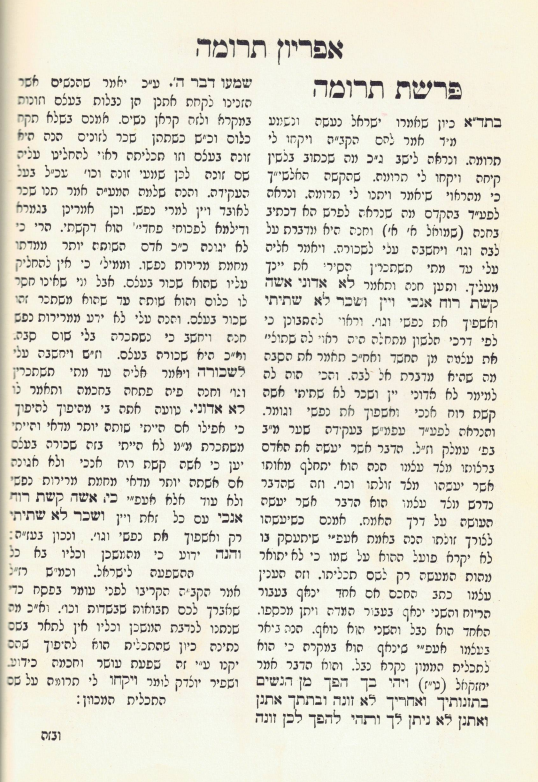
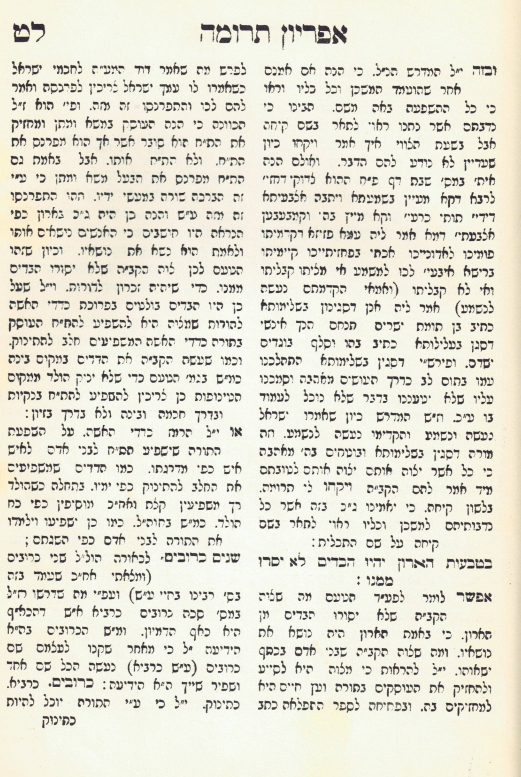
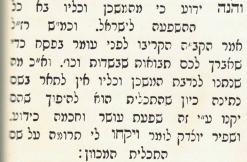
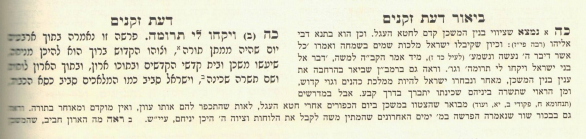
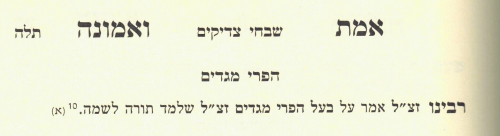
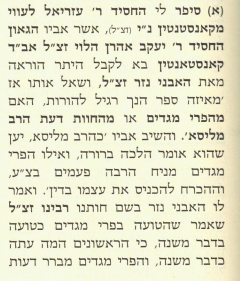
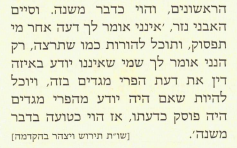
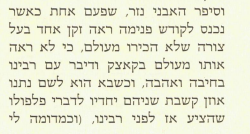
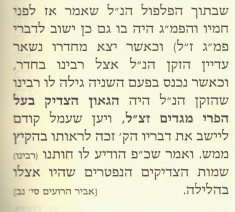
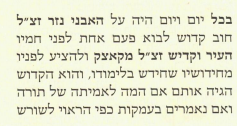
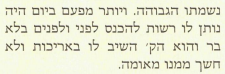
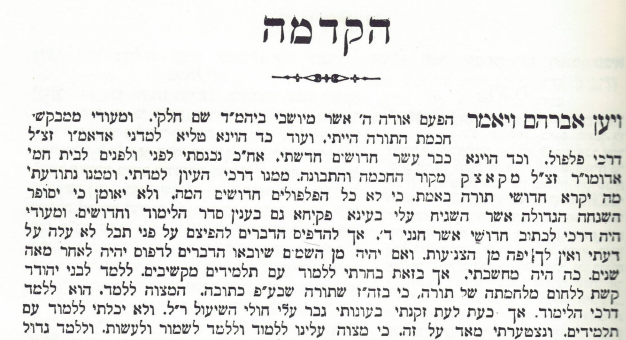
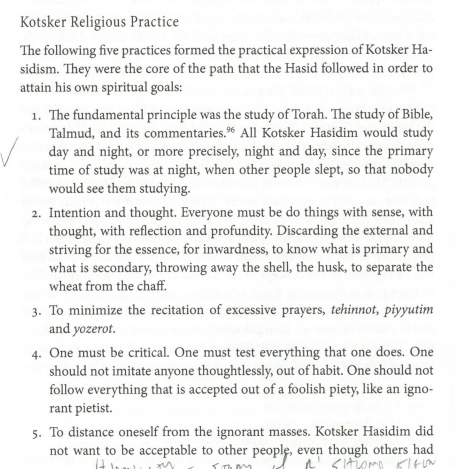
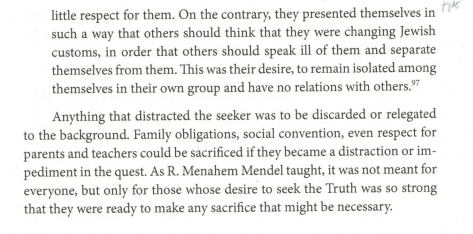
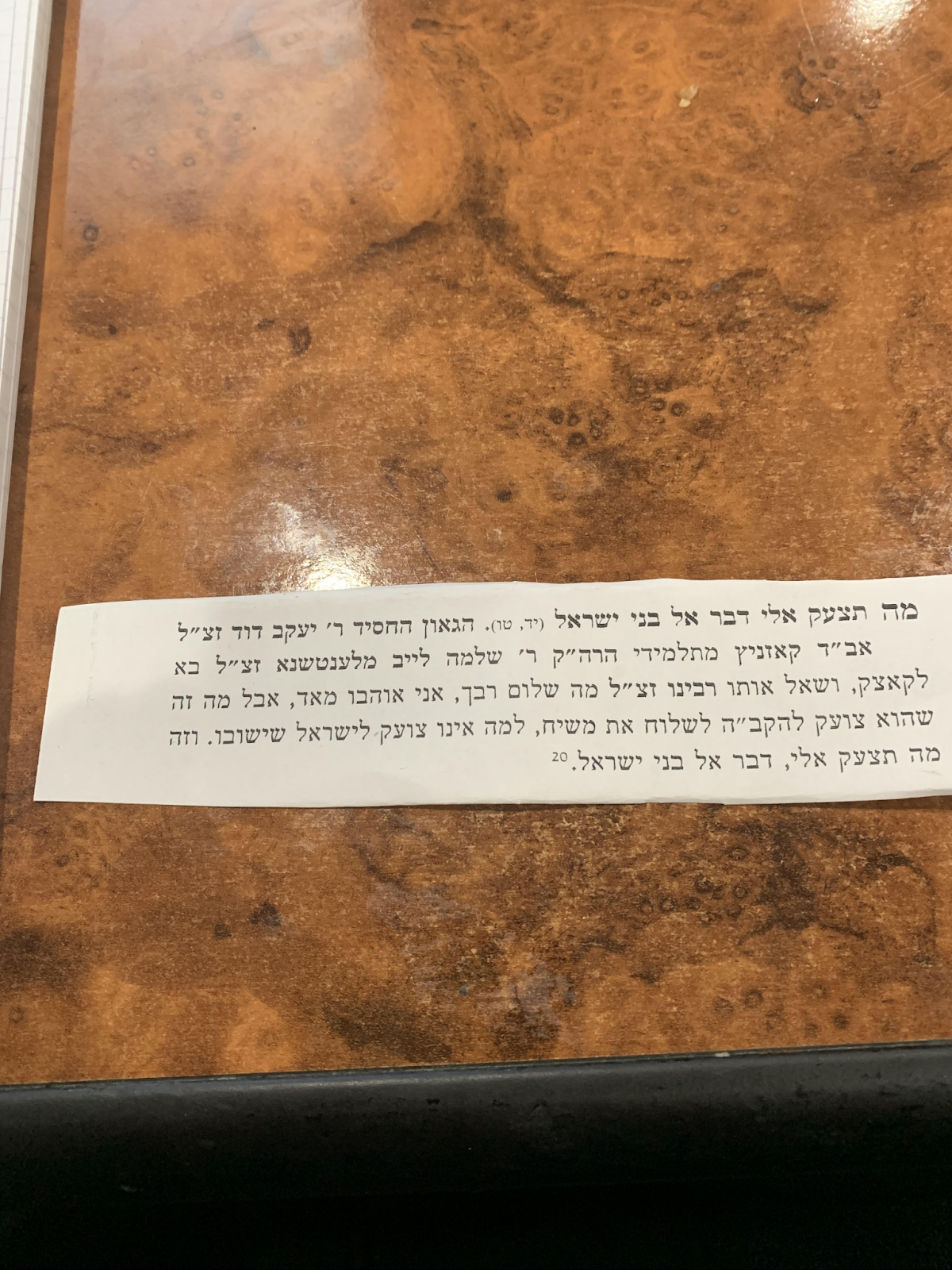


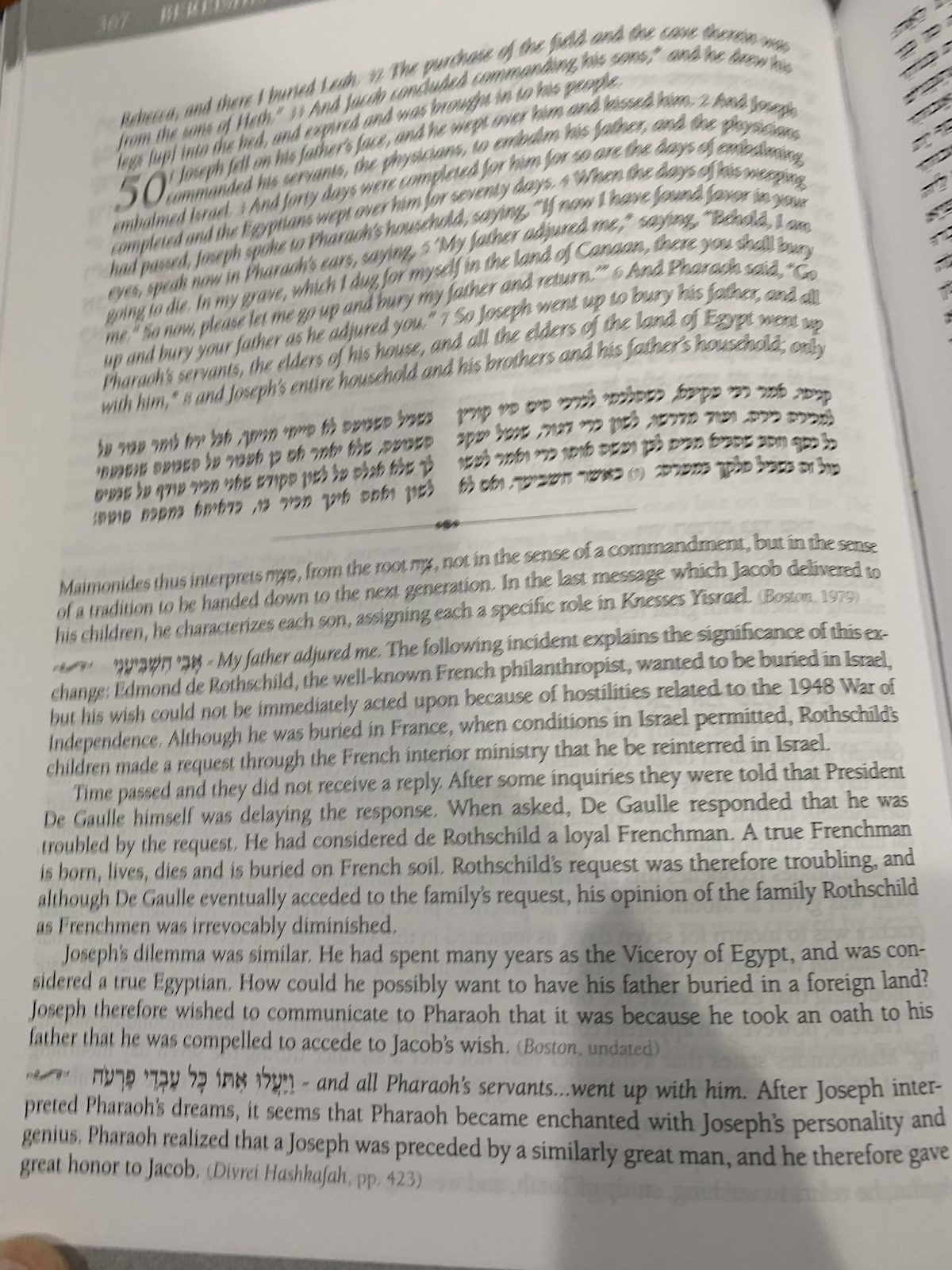
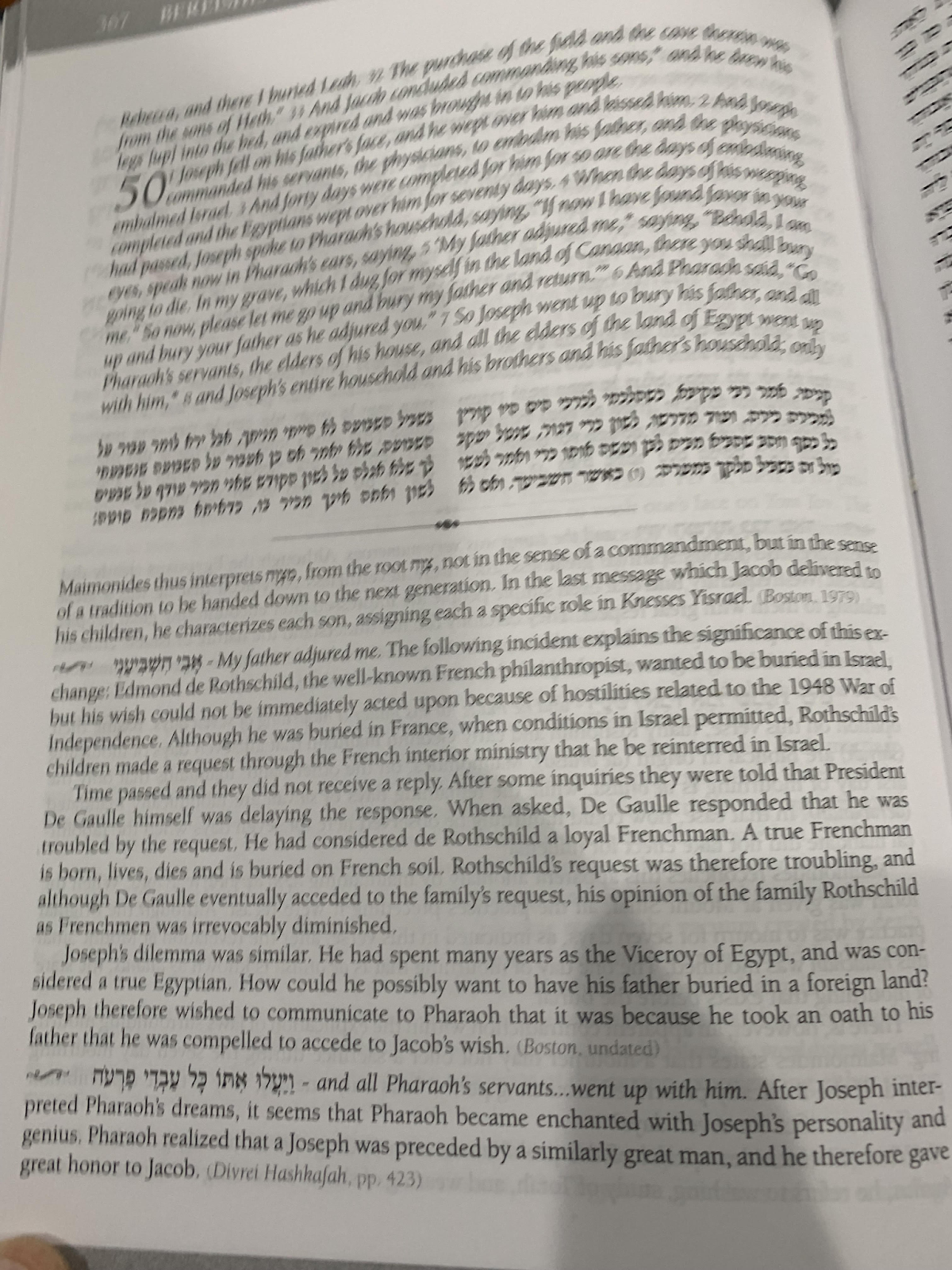
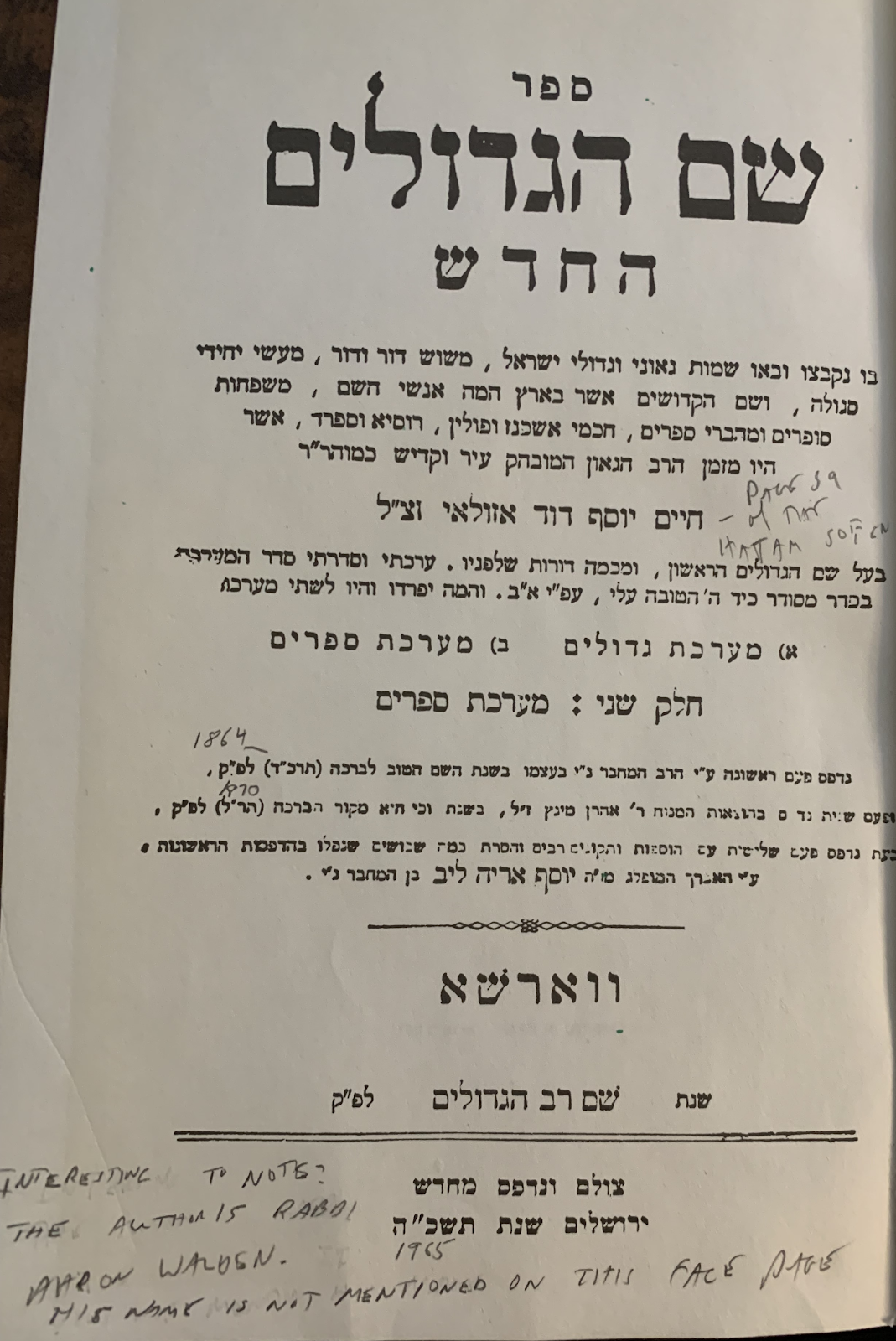
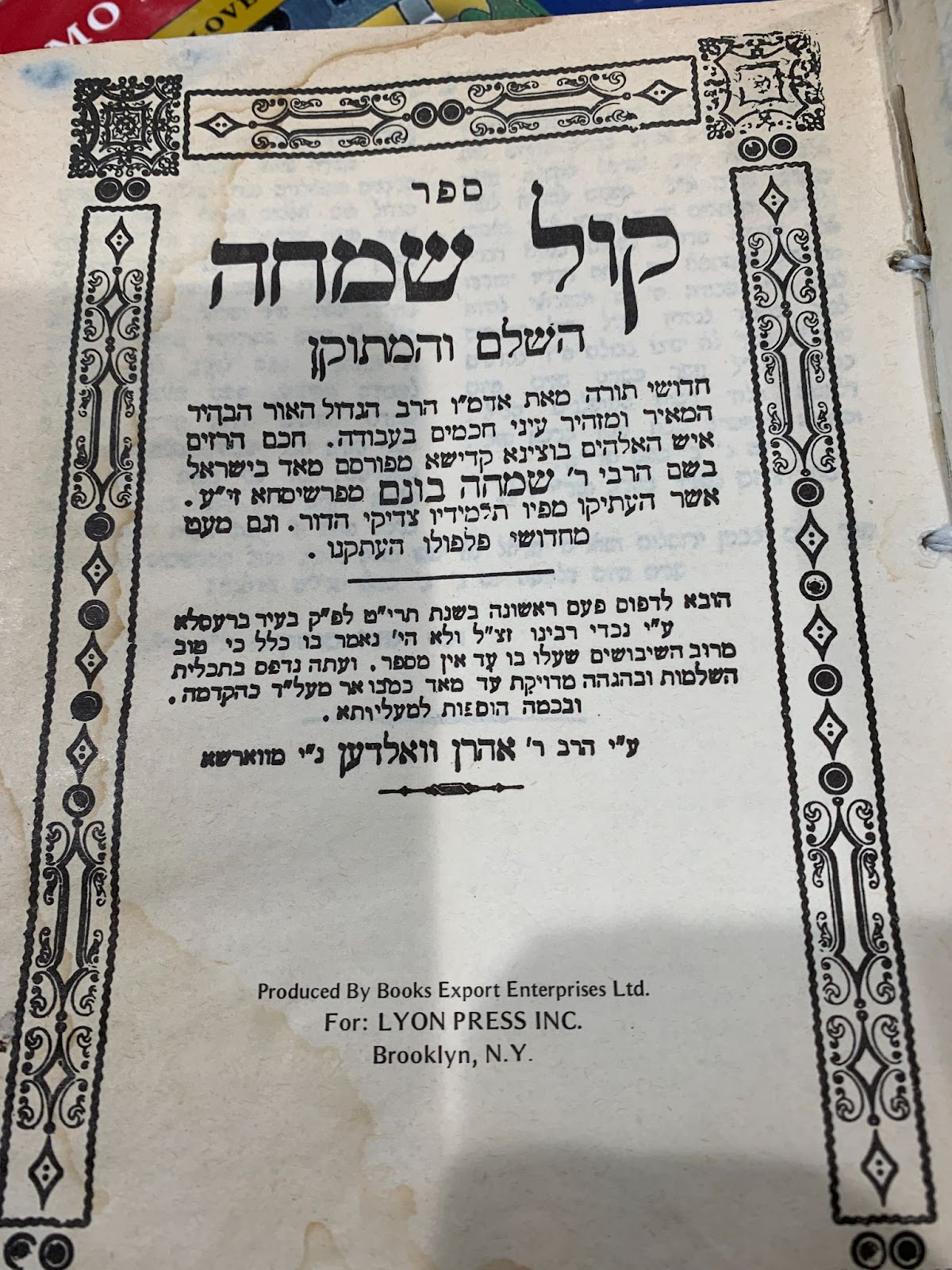
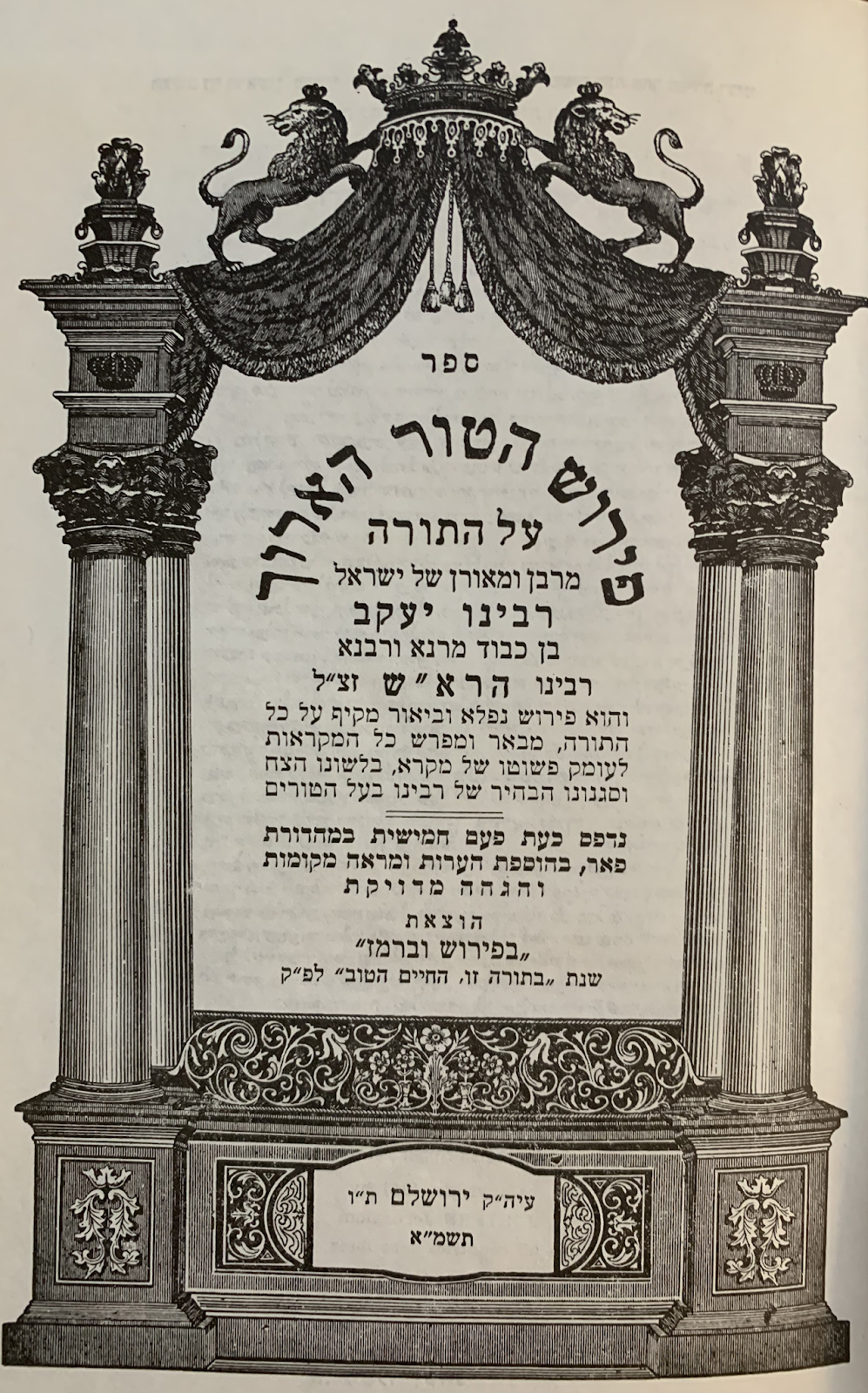
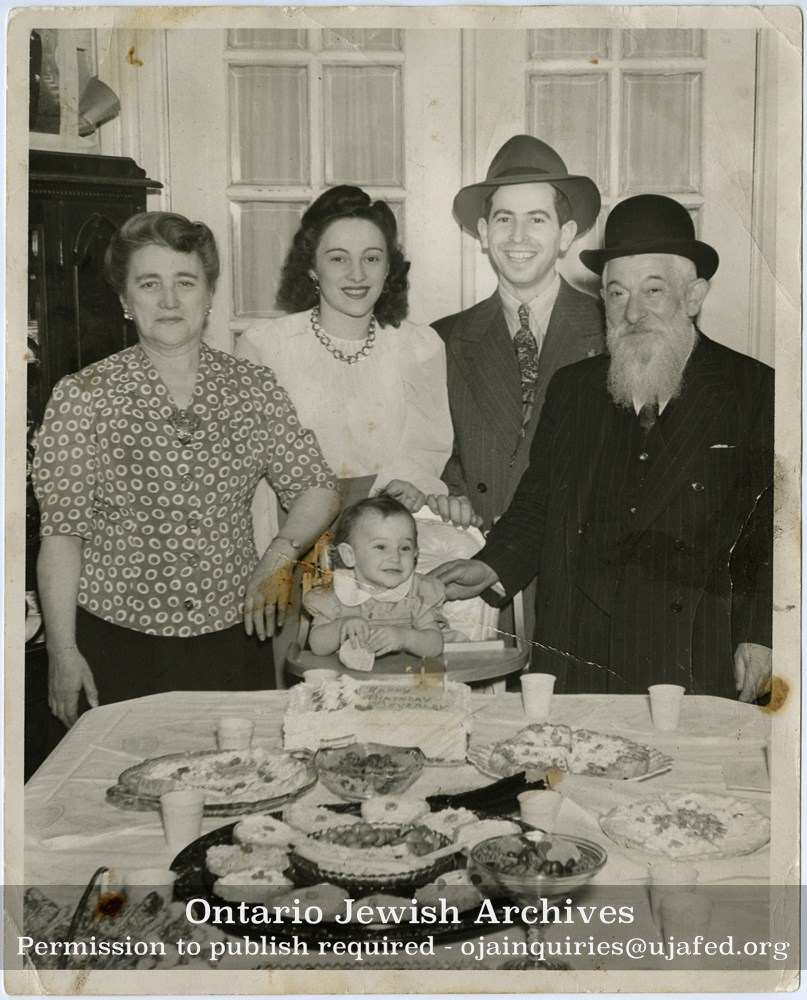
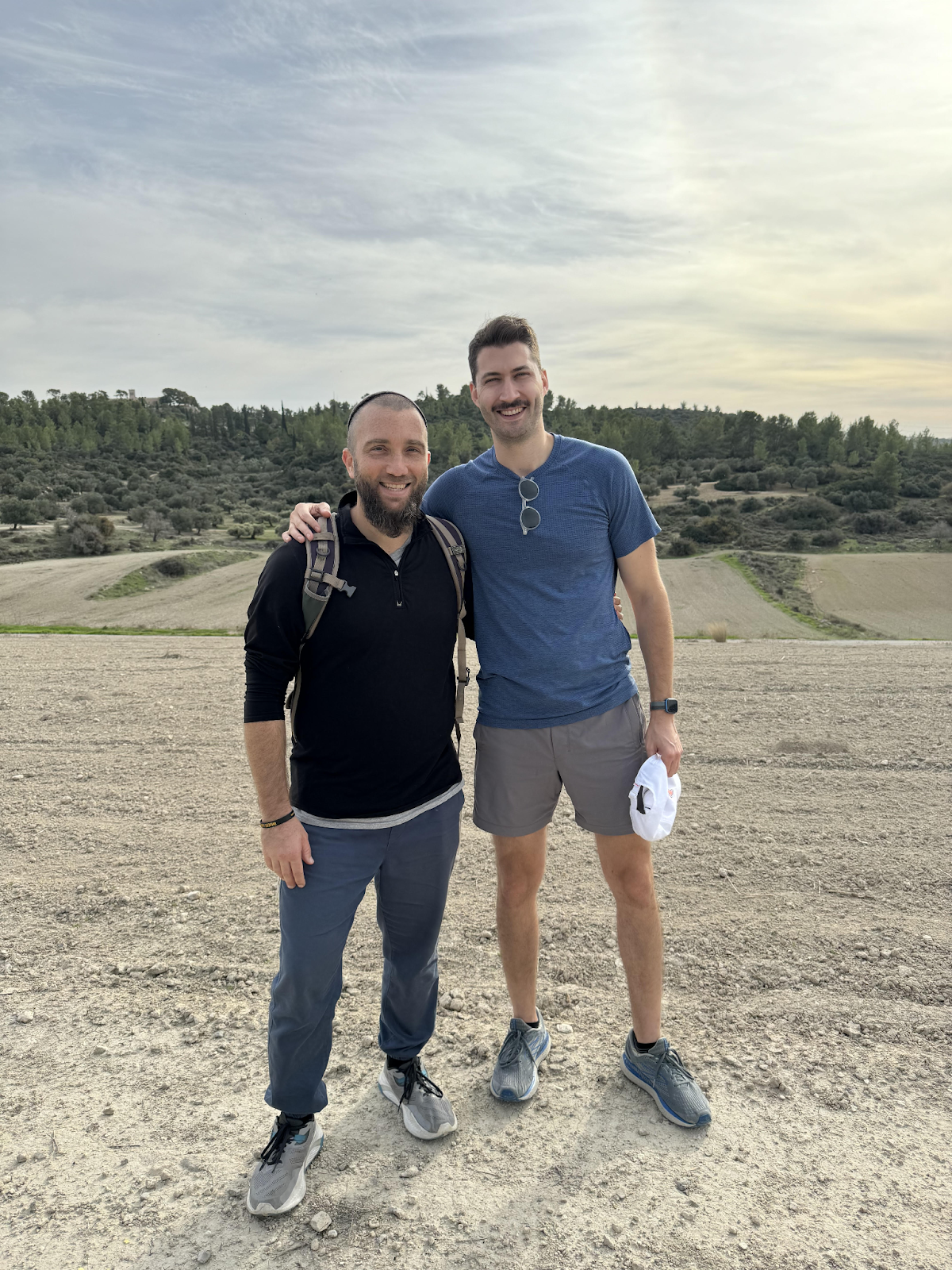


 Exploring Kotzk