
January 31, 2026
What does סִגְנִיּוֹת – Signeyos Mean
The Drowning of the Egyptian Army

The Kotzker Rebbe and the Crimean War
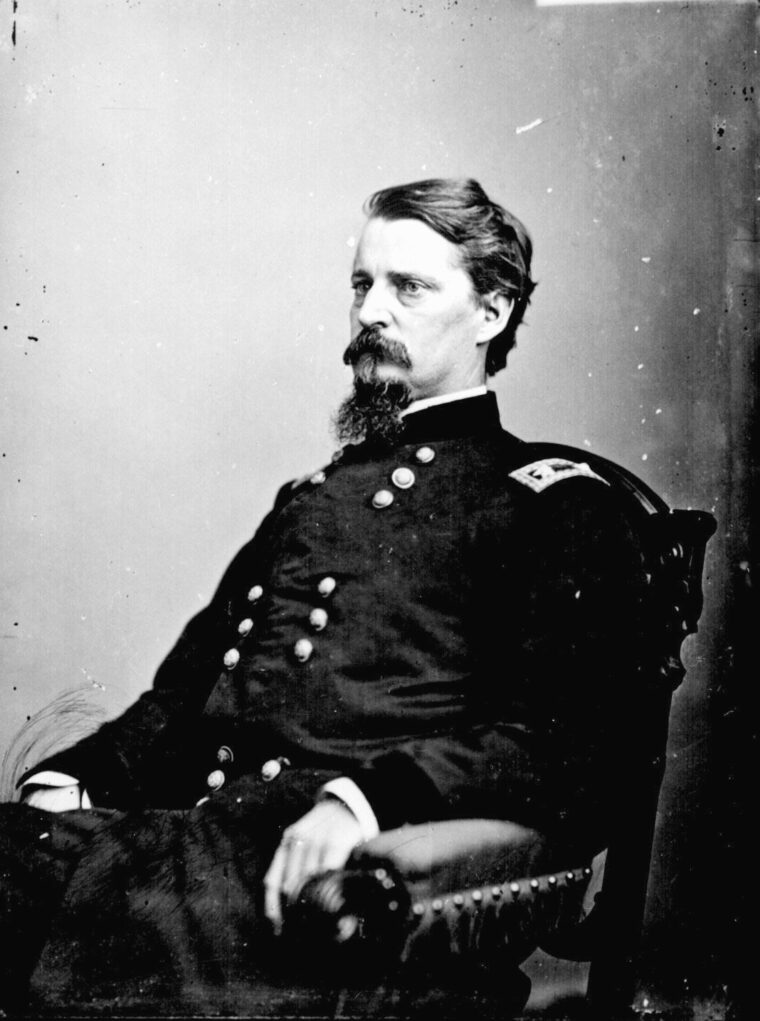
Brigadier General Winfield Scott Hancock during Pickett’s Charge
Chapter 14: verse 24 says:
וַֽיְהִי֙ בְּאַשְׁמֹ֣רֶת הַבֹּ֔קֶר וַיַּשְׁקֵ֤ף יְהֹוָה֙ אֶל־מַחֲנֵ֣ה מִצְרַ֔יִם בְּעַמּ֥וּד אֵ֖שׁ וְעָנָ֑ן וַיָּ֕הׇם אֵ֖ת מַחֲנֵ֥ה מִצְרָֽיִם׃
At the morning watch, GOD looked down upon the Egyptian army from a pillar of fire and cloud, and threw the Egyptian army into panic.
What does וַיָּ֕הׇם mean? English translations translate as panic, confounded, confusion, and discomfited.
Rashi – ויהם. לְשׁוֹן מְהוּמָה, אשדורד”ישון בְּלַעַז, עִרְבְּבָם, נָטַל סִגְנִיּוֹת שֶׁלָּהֶם. וְשָׁנִינוּ בְּפִרְקֵי רַבִּי אֱלִיעֶזֶר בְּנוֹ שֶׁל רַבִּי יוֹסֵי הַגְּלִילִי: כָּל מָקוֹם שֶׁנֶּאֱמַר בּוֹ מְהוּמָה הַרְעָמַת קוֹל הוּא, וְזֶה אָב לְכֻלָּן “וַיַּרְעֵם ה’ בְּקוֹל גָּדוֹל וְגוֹ’ עַל פְּלִשְׁתִּים וַיְהֻמֵּם” (שמואל א ז’):
ויהם has the meaning of confusion. old French estordison. He cast them into confusion; He took away their סִגְנִיּוֹת – Signonos. And we read in the Chapters of Rabbi Eliezer, the son of Rabbi José, the Galilean: Wherever it speaks of מהומה (forms from the root המם) it signifies a thundering sound; and the following passage is the father of all of them (i. e. that from which this meaning is quite evident):
(I Samuel 7:10) “And the Lord thundered with a great sound … upon the Philistines and discomfited them (ויהמם)”.
Let us analyze this Rashi:
- What does סִגְנִיּוֹת – Signeyos means. It seems that this is an Aramaic word, although I am not sure..
There are three translations:
1 – Commanding officers – Amara N’kei in Artscroll footnotes
2 – English blue cover Linear Chumosh and Sefaria – Ensigns
3 – Sifsei Chacomin, Artscroll – senses, their special
Sefsei Chachomim on this Rashi – נטל סגניות שלהם. פי’ שכל שלהם, לשון סגנון אחד עולה וכו’:
He took away their senses. סגניות means intelligence, as in: “One thought ( סגנון ) is presented to many prophets. . .” This is a Gemora on Sanhedrin 89A – דְּאָמַר רַבִּי יִצְחָק: סִיגְנוֹן אֶחָד עוֹלֶה לְכַמָּה נְבִיאִים, וְאֵין שְׁנֵי נְבִיאִים מִתְנַבְּאִין בְּסִיגְנוֹן אֶחָד. but two prophets do not prophesy employing one and the same style of expression.
B) Continuing the Rashi. And we read in the Chapters of Rabbi Eliezer, the son of Rabbi José, the Galilean: Wherever it speaks of מהומה (from the root המם) it signifies a thundering sound; and the following passage is the father of all of them (i. e. that from which this meaning is quite evident): (I Samuel 7:10) “And the Lord thundered with a great sound … upon the Philistines and discomfited them (ויהמם)”.
How do we understand Rashi? First Rashi says ויהם means confusion. Then Rashi seems to say – how did Hashem throw them into confusion? נָטַל סִגְנִיּוֹת שֶׁלָּהֶם – he took away either their senses or their ensigns or their commanding officers. Rashi then brings down a Pirkei D’Rav Eliezer that he took away their senses through thunderous noises. Rashi is telling us that do not think they were thrown into confusion losing their senses was based on the next verse,verse 25
וַיָּ֗סַר אֵ֚ת אֹפַ֣ן מַרְכְּבֹתָ֔יו וַֽיְנַהֲגֵ֖הוּ בִּכְבֵדֻ֑ת וַיֹּ֣אמֶר מִצְרַ֗יִם אָנ֙וּסָה֙ מִפְּנֵ֣י יִשְׂרָאֵ֔ל כִּ֣י יְהֹוָ֔ה נִלְחָ֥ם לָהֶ֖ם בְּמִצְרָֽיִם׃
[God] removed (by burning them off via the pillar of fire) the wheels of their chariots so that they moved forward with difficulty. And the Egyptians said, “Let us flee from the Israelites, for GOD is fighting for them against Egypt.”
However, Rashi is telling us that they lost their commanding officers and their senses due to thunderous noises. What were these thunderous noises? Verse 14:21 says that God brought an strong east wind – וַיֵּ֨ט מֹשֶׁ֣ה אֶת־יָדוֹ֮ עַל־הַיָּם֒ וַיּ֣וֹלֶךְ יְהֹוָ֣ה ׀ אֶת־הַ֠יָּ֠ם בְּר֨וּחַ קָדִ֤ים עַזָּה֙ כׇּל־הַלַּ֔יְלָה וַיָּ֥שֶׂם אֶת־הַיָּ֖ם לֶחָרָבָ֑ה וַיִּבָּקְע֖וּ הַמָּֽיִם׃
I think Rashi is saying that even though there were extremely thunderous, discomfiting strong winds, the Jews were protected by the walls of water. Once the Egyptians entered the reed sea, the walls did not offer them protection from the thunderous east wind; they could not think and lost their senses, they lost their order of the battlefield, and their commanding officers no longer could lead their army. They hit a brick wall of sound.
Translating Rashi like the Amara N’kei that it means “commanding officers,” means that he threw the Egyptian army into chaos by destroying their command structure. Their field generals and officers lost control of the battlefield because of the thunder of the “east wind”. The chariots and troops lost their way in the Reed Sea, crashing into each other and heading in every direction. In fact, verse 14:7 said the Egyptian army was strong because they had officers. The verse says וַיִּקַּ֗ח שֵׁשׁ־מֵא֥וֹת רֶ֙כֶב֙ בָּח֔וּר וְכֹ֖ל רֶ֣כֶב מִצְרָ֑יִם וְשָׁלִשִׁ֖ם עַל־כֻּלּֽוֹ׃ – he took six hundred of his picked chariots and the rest of the chariots of Egypt, with officers in all of them.
Bartenura has both explanations; their senses and their commanding officers – ויהם לשון מהומה ערבבן נטל סגניות שלהן פירש דעת וחכמה שלהן ויש מפרשים סגנין וראשין שבהן מלשון ויבא סגנים כמו חמר:
Divrei Dovid – ויהם כו’, נטל סגניות, פירוש בערוך ענין חכמה ודעת:
This Rashi may be the source for the Kotzker in the following story from the Sefer The Rebbe of Kotzker and the Sixty Warriors Surrounding Him.
During the Crimean War, which lasted from 1853 to 1855 and involved the allied forces of England, France, and Turkey fighting against Russia, the Rebbe of Kotzek took a stand for the allies and yearned for their victory. He followed with great interest what was happening on the battlefield. He once asked one of the Hasidim who came to him: “What is the news of the battlefield?” The Hasid replied: “I heard that Tsar Nicholas sent an order to the battlefield, that the officers remove their golden decorations from their uniforms because the decorations are shiny and attract the eyes of the enemy sharpshooters. The army is in great need of officers.” (The sharpshooters were targeting the officer, killing many of them, and the Russian army was losing too many experienced field officers.)
“So,” said the Rebbe of Kotzk, “if they removed the decorations, they lost the battle.”
And indeed, the days did not last long, and as he said, so it was.
When the war ended with the signing of a peace treaty, Russia undertook not to maintain an army for several years, resulting in the release of many Jewish soldiers and the “cantonists.” The Kotzker’s sister-in-law, Feigli, the wife of the Chiddushi Harim, traveled specifically from Warsaw to Kotzk, to tell this news to the Rebbe, because it was known how much he had expected to hear that the Russians were defeated. (Warsaw is 83 miles from Kotzk and before trains she had to go on horse and buggy, quite a distance. This was the joy in the family.)
What was the Kotzker worried about even during the days of Hester? He was worried and prayed that the thousands of cantonists, Jewish boys grabbed by the Russian government to serve 25 years in the Russian army, would be released and be able to go home. I assume that the Kotzker Rebbe realized that the defeat of the Russians would bring about the release of the cantonists.
How did the Kotzker Rebbe declare with certainty that if the Russian generals and field officers removed their distinctive clothing, then the Russian Army would lose the war? How did he know war strategy? The Kotzker was learning and dealing with Chassidim all his life. He did not attend war college. When I first read this story, I did not understand the relationship between removing the decorations until I took a trip to the Gettysburg battlefield in 2014 and spent a few years studying the three-day battle of Gettysburg.
On day three of Gettysburg, the Confederates lined up over 12,000 troops to march across an open field, about 8/10s of a mile, to attack the Union center where the second Corp were dug in. It was over 90 degrees and the confederates were wearing woolen uniforms. This has been called Pickett’s charge. The Confederates were decimated. I read that the Confederate Army lost so many generals and experienced field officers that they would not be able to win the war in battle.
More importantly, during Pickett’s charge, the Union’s Second Corps was under the leadership of Major General Winfred S. Hancock. During Pickett’s charge, Major General Winfred Hancock was prominent on horseback, reviewing and encouraging his troops. When one of his subordinates protested, “General, the corps commander ought not to risk his life that way,” Hancock is said to have replied, “There are times when a corps commander’s life does not count. Hancock was wounded, and despite his pain, he refused to evacuate to the rear until the battle was resolved. He had been an inspiration for his troops throughout the three-day battle.
This is what the Kotzker understood. An Army needs its commanding officers to lead and show courage on the battlefield. He understood that once the Russian officers were indistinguishable from the regular soldiers, the morale would collapse and that they would be defeated.
I am blown away by this, the wisdom of the Kotzker. I thought that this was because the Torah gives its great leaders and scholars all types of knowledge. However, during Shabbos Parshas VaYishlach, January 30, 2026, I may have found the source of the Kotzker in Rashi.
When the Torah mentioned the Egyptian army, Shmos verse 14:7 says: וַיִּקַּ֗ח שֵׁשׁ־מֵא֥וֹת רֶ֙כֶב֙ בָּח֔וּר וְכֹ֖ל רֶ֣כֶב מִצְרָ֑יִם וְשָׁלִשִׁ֖ם עַל־כֻּלּֽוֹ׃
“He took six hundred of his picked chariots and the rest of the chariots of Egypt, with officers in all of them.” I thought to myself that the Torah speaks about the lethality of the Egyptian army, not only in terms of its weaponry, but also because they were well organized, with capable officers leading the army.
Verse 14:24 talks about the Egyptians entering the reed sea and encountering all difficulties. The verse says: וַֽיְהִי֙ בְּאַשְׁמֹ֣רֶת הַבֹּ֔קֶר וַיַּשְׁקֵ֤ף יְהֹוָה֙ אֶל־מַחֲנֵ֣ה מִצְרַ֔יִם בְּעַמּ֥וּד אֵ֖שׁ וְעָנָ֑ן וַיָּ֕הׇם אֵ֖ת מַחֲנֵ֥ה מִצְרָֽיִם׃
“At the morning watch, GOD looked down upon the Egyptian army from a pillar of fire and cloud and threw the Egyptian army into panic.”
Rashi saysויהם. לְשׁוֹן מְהוּמָה, אשדורד”ישון בְּלַעַז, עִרְבְּבָם, נָטַל סִגְנִיּוֹת שֶׁלָּהֶם. וְשָׁנִינוּ בְּפִרְקֵי רַבִּי אֱלִיעֶזֶר בְּנוֹ שֶׁל רַבִּי יוֹסֵי הַגְּלִילִי: כָּל מָקוֹם שֶׁנֶּאֱמַר בּוֹ מְהוּמָה הַרְעָמַת קוֹל הוּא, וְזֶה אָב לְכֻלָּן “וַיַּרְעֵם ה’ בְּקוֹל גָּדוֹל וְגוֹ’ עַל פְּלִשְׁתִּים וַיְהֻמֵּם” (שמואל א ז’):
ויהםויהם means “confusion” in Old French as estordison. He cast them into confusion; He took away their commanding officers. And we read in the Chapters of Rabbi Eliezer, the son of Rabbi José, the Galilean: Wherever it speaks of מהומה (forms from the root המם) it signifies a thundering sound, and the following passage is the father of all of them (i.e., that from which this meaning is quite evident): (I Samuel 7:10) “And the Lord thundered with a great sound … upon the Philistines and discomfited them (ויהמם)”.
Let us analyze Rashi in his interpretation of verse 14:24
ויהם. לְשׁוֹן מְהוּמָה, אשדורד”ישון בְּלַעַז, עִרְבְּבָם, נָטַל סִגְנִיּוֹת שֶׁלָּהֶם. He threw the Egyptian army in disarray because he took away their “סִגְנִיּוֹת.” What are סִגְנִיּוֹת? This term is not a common word. Sefsei Chachomin translates the term as their שכל, which means senses or intelligence. This definition is based on a Gemora in Sanhedrin 89B. This is how Artscroll translates this word. The Divrei Dovid also says – ויהם כו’, נטל סגניות, פירוש בערוך ענין חכמה ודעת:
A second explanation is The Minchas Yaakov says it means “banners” “insignia” This is the translation of Sefaria of Ensigns.
However, the best Pshat is that of the Amar N’kei, as quoted in the footnotes of the Artscroll and also mentioned in the Bartenura . Amar N’kei renders it as “commanding officers.” This is perfect. The Egyptians were praised in verse 14:7 for having a strong officer corps that made their army invincible. When the Egyptian army went into the reed sea, he took away the effectiveness of their strong command structure by taking away their ability to lead. This beautiful rashi can be the source of the Kotzker Rebbe’s knowledge of when the Russians effectively lost the war.
 Exploring Kotzk