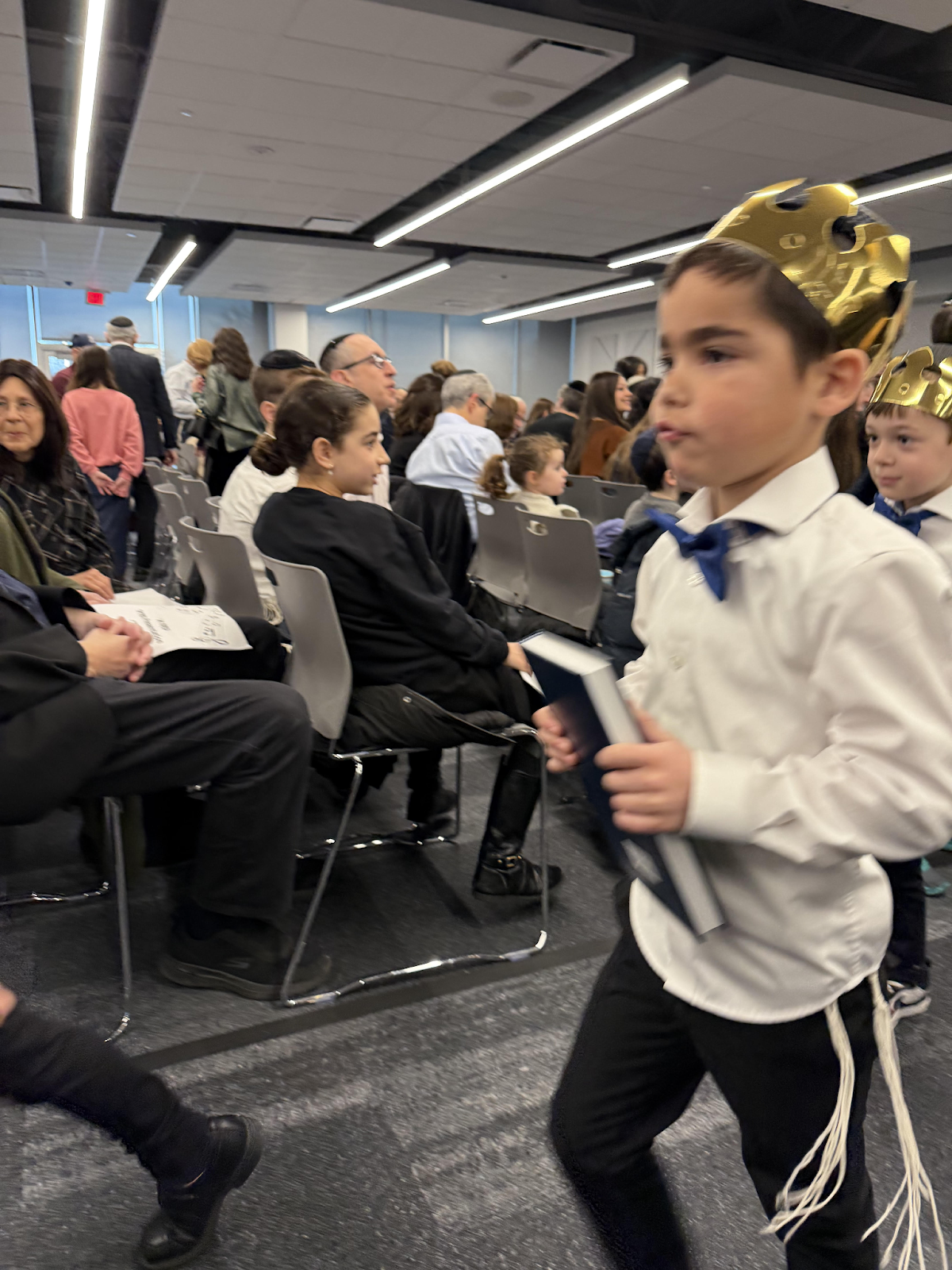
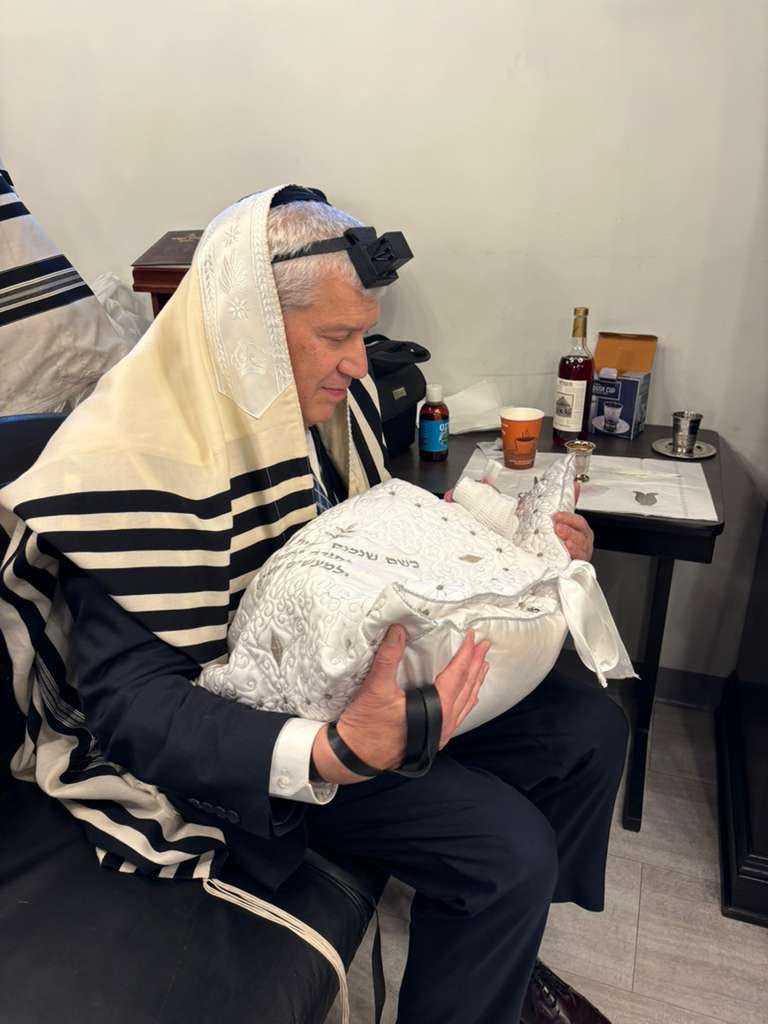
Friday night we ate at home and walked to Mordy and Rivkie’s house for the Sholem Zachur.  We arrived at 8:40 PM and the Shalom Zacher had started.  It was very leibidick as well over 100 people streamed into the house over a 5-hour period.  There were about 8 shortish speeches.  I led off the parade and talked about the Zhalom Zachur of the Shem M’Shmuel in 1855, the son of the Avnei Nezer.  I read the following story:

The Kotzker’s son-in-law, Avrohom Bornstein, known later in life as the Avnei Nezer, married the oldest twin daughter from the Kotzker’s second marriage.  They got married in 1853 and in 1855 had their first child, Shmuel.  The Avnei Nezer brought a bottle of wine and fruit to his father-in-law, the Kotzker, during Shalom Zachur.  The Kotzker tasted the wine and said, “Whoever watches the covenant in his youth has, on Shabbos, the treasure of kings.”

I focused not on the interpretation of the words but on the scene of joy, of serenity, of calm, of love.

Ricky Rothner spoke and talked about Mordy being a hard child and he gave aggravation to his parents.  He was very funny.

Rabbi Elisha Prero spoke longer and was great.  He talked about Mordy and told a great story about his brother-in-law, who at age 15 was asked to read the Torah on Shabbos at Anshei Motole.  It was over a mile’s walk from his house, and he was thinking of not accepting it.  He asked his father, and his father replied, “What have you done for the Jewish people?”  His brother-in-law understood the message and walked to Anshei Motole and read the Torah.  This change altered the trajectory of his life, leading him to become a Torah scholar, write Sefroim, and grow close to the Kaneifsky family in Israel.  Rabbi Chaim Kaneifsky who died a few years ago, was the leading Torah sage of this generation.

The Mohel, Rabbi Unger, also spoke elegantly.  He is a Bobover Chasid with all the garb, yet his English was excellent.

Mordy received as a gift a $2,500 bottle of liquor.  He opened it up late in the evening.  I have zero appreciation for liquor, so I passed on tasting. 

Food was excellent, and I had some good Cholent.  

We left at 12:30 AM and got home at 1:00 AM.  We walked with Jeffrey Ostrow. We found out that Aish had a Shabbaton and the kids came over to the Shalom Zacher after 1:00 PM.

It was at Rabbi Fine’s Shul in Lincolnwood.  We stayed for the meal and I schmoozed.

The food was tasty, and there was an omelet station, along with bagels from Emma’s and sandwiches and lox from Lincoln Cafe. Presentation was beautiful.  Aviva Applebaum did an excellent job.  The colors were blue and green, reflecting Ralph Lauren.  I thought it was for St. Patrick’s day.

My new grandson is named after Mordy ‘s grandfather, Joe Siegal.  Joe Siegal lived to over 100 and enlisted in the US Army right after Pearl Harbor.  He raised a beautiful family and Mordy was close to him.  Joe Siegal was good friends with my grandfather, Rabbi Sholem Sklar.  The second name is after Mordy’s, Uncle Avrohom Menasha Siegal, my good friend.  Avrohom Menasha raised two great kids and was successful in life, doing well financially.  

I spoke along with Nesanel Siegal, Mordy’s father, and Mordy himself.  The following are the highlights of my speech:

Discussed Joe Siegal, Mordy Siegal’s illustrious grandfather.

Last Sukkos in the West Side of Chicago in 1956

Using doors for the walls of the  Sukkah.  Came from the thousands of houses

knocked down in the 1940s to build the Eisenhauer expressway.

Independence Square, Mitchell Alan vs Alan Mitchell

Moving to Greenleaf, bypassing Albany Park vs. the Sklars moving to Albany Park.

Went to the Mesivta of Chicago, Rabbi Gross, to learn and work on my Sefer.  Stayed from 11:30 AM to 4:30 PM.  Worked on my below Torah from Shabbos.  I texted the following to Ricky Rothner:

Ricky: Mitch Morgenstern here. I am sitting in the Bais Medresh of Mesivta of Chicago. I am blown away by what I am seeing. There is discipline, the boys listen in Shiur, it is a real Yeshiva. There is real learning happening. It is not Hefker. BEH the boys will grow personally and in learning. Thanks for helping establish the Yeshiva.

Talk is cheap and the yeshiva needs money.  I told Rabbi Gross that I cannot give any meaningful donations.  I told him that occasionally I will let him charge $250 for billers.  He showed me his latest monthly electric bill, which was over $1,700.  They only have electric heat which is expensive.  It was cold as there are large windows, and the building is old and does not have proper insulation so I was cold the entire time.  A Rabbi Goldson spoke and he was good.  Not entirely my style, but his story is inspiring.

Gave a scrap dealer $20, a bottle of pop, and a Think Thin bar.  I arrived at Mesivta of Chicago at 12:00 noon.  Davened at Chabad of East Lakeview and caught up on Daf Yomi.  Left Chabad at 10:30 AM.

David S. called and said that Hatzalah is taking his wife to the hospital.  He needed money and I zelled  him $150.00

Hur is mentioned five times in the Torah and once by Rashi.

  1. 17:10 in BeShalach.   Moshe, Aaron, and Hur went to the top of the hill.

Caleb gets introduced to us in Bamidbar by the spies.  He was 40 years old at the time of the spies.  Miriam was 84 years old.  THe Gur Aryeh discusses how Caleb could have had a great-grandson 13 years old.  I did not understand the Gur Aryeh.

Seifsei Chachomin – Rashi had to tell us who Hur was because he is not mentioned before in the Torah.

  1. 17:12 in Beshalach.  Hur stood with Aaron, holding up Moshe’s hands during the battle.

Rashi does not mention that Hur is the son of Miriam, obviously.

  1. 24:14 in Mishpatim.  Hur is to stay with Aaron at the foot of the mountain of Sinai until Moshe comes back.
  1. 31:2 in Ki Tzitzah.  Hashem speaking to Moshe, telling him that Betzalel, the son of Uri, the son of Hur, is being chosen to build the Bais Hamikdosh.   This is right before the sin of the golden calf.  No mention that Hur is the son of Miriam.
  1. Rashi Ki Tzizah  on verse 32:5.  During the sin of the golden calf, Rashi mentions that Aaron saw Hur being killed.
  1. 35:30.  Moshe is telling the people that Hashem has chosen Betzalel, the son of Uri, the son of Hur to build the Bais Hamikdosh.

Seifsei Chachomin says that Rashi is telling us why Betzlal merited to have divine providence;  because he was a (grand) son of Miriam and Miriam was a prophetess; therefore, he (Betzalel)  merited to be made chief architect.

The Seifsei Chachomin is difficult.  There is a Medrash that says that Hur’s sacrifice was rewarded by making Betzlal chief architect.  Secondly, why would Miriam being a prophet flow down to Bezlael?  There were many outstanding people.  What did Betzalel do in his own lifetime to merit this position and have divine wisdom put in him?  Additionally, it says in the Midrash that Betzalel was 13 years old when he became chief architect of the Mishkan. Awfully young, and how did the people accept Betzalel as a chief architect?

I read a book, Iron Rose, about Rose Kennedy, the mother of JFK.  There were nine kids in the family, and at dinner, they were expected to be prepared to discuss the politics and issues of the day.  She gave them reading material.  She was training her kids to be thoughtful and become leaders, which is what happened.  She kept her family together.

The Maskil L’Dovid uses a different reason to explain Rashi than the Seifsei Chachomin and supports my explanation.   

The Maskil L’Dovid:

The Medresh is in Shmos Rabbah 48:4 and speaks about Betzalel.  

א״נ י״ל כדאי׳ בש״ר מהיכן זכה בצלאל לכל החכמה הזאת בזכות מרים שנאמר ויעש להם בתים יוכבד נטלה כהונה וכו׳ ומרים נטלה חכמה שהעמידה בצלאל וכו׳ ע״כ והיינו דק״מל קרא באמרו בן חור וז״ש רש״י א״ה מהיכן זכה לחכמה גדולה כזו בנה של מרים היה

From where [did he merit] all this distinction? From the tribe of Judah. *This is implied by the phrase, “Betzalel, son of Uri, son of Ḥur, of the tribe of Judah.” From where did he merit all this wisdom? It was due to the merit of Miriam, as it is stated: “He established houses for them” (Exodus 1:21). What were those houses? They were a house of priesthood and a house of royalty. Yokheved took priesthood and kingdom; Aaron was High Priest, and Moses was king, as it is stated: “He became king in Yeshurun”

(Deuteronomy 33:5). Miriam took wisdom, as she produced Betzalel, from whom David, who became king, emerged, *Thus, she was awarded wisdom and royalty. 

I think the Maskil L’Dovid may be supporting my explanation. The language he uses is Miraim  העמידה Beetzlal.  This word is translated by Sefaria as “produced”.  To state it a drop better, it העמידה means to cause to rise.  How? Through her example, her mentorship of her family.  Not just because she was a prophet, Betzalel was chosen as chief architect because she put into his inner psyche leadership and dedication.  I would add that even at a young age of 13 he was already exhibiting leadership and wisdom.  Therefore the people accepted him.  This is what Rashi means.

The problem with this Maskil L’Dovid is that the Medresh he uses seems to contradict the Rashi in Shmos 1:21 – ויעש להם בתים. בָּתֵּי כְהֻנָּה וּלְוִיָּה וּמַלְכוּת שֶׁקְּרוּיִין בָּתִּים, כְּמוֹ שֶׁכָּתוּב: “לִבְנוֹת אֶת בֵּית ה’ וְאֶת בֵּית הַמֶּלֶךְ” (מלכים א ט׳:א׳), כְּהֻנָּה וּלְוִיָּה מִיּוֹכֶבֶד וּמַלְכוּת מִמִּרְיָם‪.‬ כִּדְאִיתָא בְּמַסֶּכֶת סוֹטָה:‬‬‬‬‬‬‬‬‬‬‬‬‬‬‬‬‬‬‬‬‬‬‬‬‬‬‬‬‬‬‬‬‬‬‬‬‬‬‬‬‬‬‬‬‬‬‬‬‬‬‬‬‬‬‬‬‬‬‬‬‬‬‬‬‬‬‬‬‬   

The answer is that the wisdom led to the leadership of the house of Dovid.

 His grandfather Hur was killed roughly two months earlier on the 16th of Tammuz.  

As I always say, we were not there, and context is everything

My pshat and it mirrors Rabbi Frand in his 2014 Torah,  https://torah.org/torah-portion/ravfrand-5774-tetzaveh/

Who was Hur?  From Chabad.org

The story of Hur is one of heroism, tragedy, and, ultimately, redemption.

Let us start from the beginning.

According to tradition, Moses’ older sister, Miriam, married Caleb, son of Yefuneh. Miriam and Caleb had a son, whose name was Hur.

The first time we meet Hur is during the war with Amalek. It was very soon after the Exodus, and the nation of Amalek aimed to poke a hole in the invincibility of this newborn nation:

Moses said to Joshua, “Pick men for us, and go out and fight against Amalek. Tomorrow I will stand on top of the hill with the staff of G‑d in my hand.” Joshua did as Moses had told him, to fight against Amalek; and Moses, Aaron, and Hur ascended to the top of the hill.

It came to pass that when Moses would raise his hand, Israel would prevail, and when he would lay down his hand, Amalek would prevail. Now, Moses’ hands were heavy; so they took a stone and placed it under him, and he sat on it. Aaron and Hur supported his hands, one from this [side], and one from that [side]; so he was with his hands in faith until sunset .  Hur, one of the three people who went up the hill to pray for salvation, was obviously a man of stature who was close to his venerated uncle Moses.

The next time we meet him is when Moses is climbing Mount Sinai for a 40-day learning session with the Divine, and tells the elders, “Wait for us here until we return to you, and here Aaron and Hur are with you; whoever has a case, let him go to them.”

At the most important junctures of Jewish life in the desert, Hur was there, together with his uncle Aaron.

The subsequent—and final—time we meet Hur is just a few weeks later. Moses had told the Jews that he would ascend the mountain and remain up there for 40 days. The Jews miscalculated, and when Moses did not descend the mountain by the deadline, they decided to create a Golden Calf.

Just 40 days after hearing the words “Thou shall have no other god,” they danced and celebrated before a Calf of Gold. And just twoscore after saying yes to “Don’t commit adultery,” they broke that cardinal rule as well. Idolatry, adultery—and murder. They also committed murder at the scene of the Golden Calf.

Says the Midrash: 

The sixth hour of the day arrived, and Moses had not descended from the heaven . . . They immediately gathered around Aaron. At that time Satan took advantage of the opportunity and made an image of Moses visible suspended lifeless between heaven and earth. The Jews pointed to the image with their fingers and said, “For this is the man Moses . . .”

At that moment, Hur arose against them and said, “You severed necks! Do you not remember the miracle that our G‑d did for you?” Immediately, they arose against him and killed him.  You read that right. It was six weeks after “Thou shall not murder,” and there they were, murdering Moses’ own nephew!

At the foot of Sinai, the Jews committed the three cardinal prohibitions. Moses would break the Tablets and beseech G‑d for mercy, and history would be changed forever in many ways as a consequence of this one morning.

You might think that Hur, who had just helped save the Jews from a terrible enemy a few weeks prior, and was now murdered for standing up for the honor of G‑d and His servant Moses, would end his story here at this all-time low.

But there is a postscript to Hur’s story. The Torah tells us that when it came time to build the Tabernacle, G‑d told Moses to appoint an architect for this endeavor. The name of this young architect? Bezalel, son of Uri, son of Hur.6 The honor to build the home for G‑d was given to the grandson of he who stood up to sanctify G‑d’s name.

The Ohr Hachaim offers an insight into the name Hur. Hur (Chur) shares the same root word as chorin, “freedom.” He explains that it was only through building the Tabernacle that the Jews were finally freed from the blemish of their sins at the Golden Calf. Building a home for G‑d was their rectification of the sinful behavior that pushed G‑d away from them.

In other words, Betzalel, grandson of Hur, provided the Jews with the freedom from their sins that included killing his grandfather.

Hur, the lover of Jews and defender of the faith, must have been deeply proud that the honor of G‑d and the unity of His people has been restored, thanks to his own grandson.

Thus, Hur’s story ends not with tragedy, but with forgiveness and redemption.
Parshas Tzavah – Parshas Zachor

We are still in Florida.

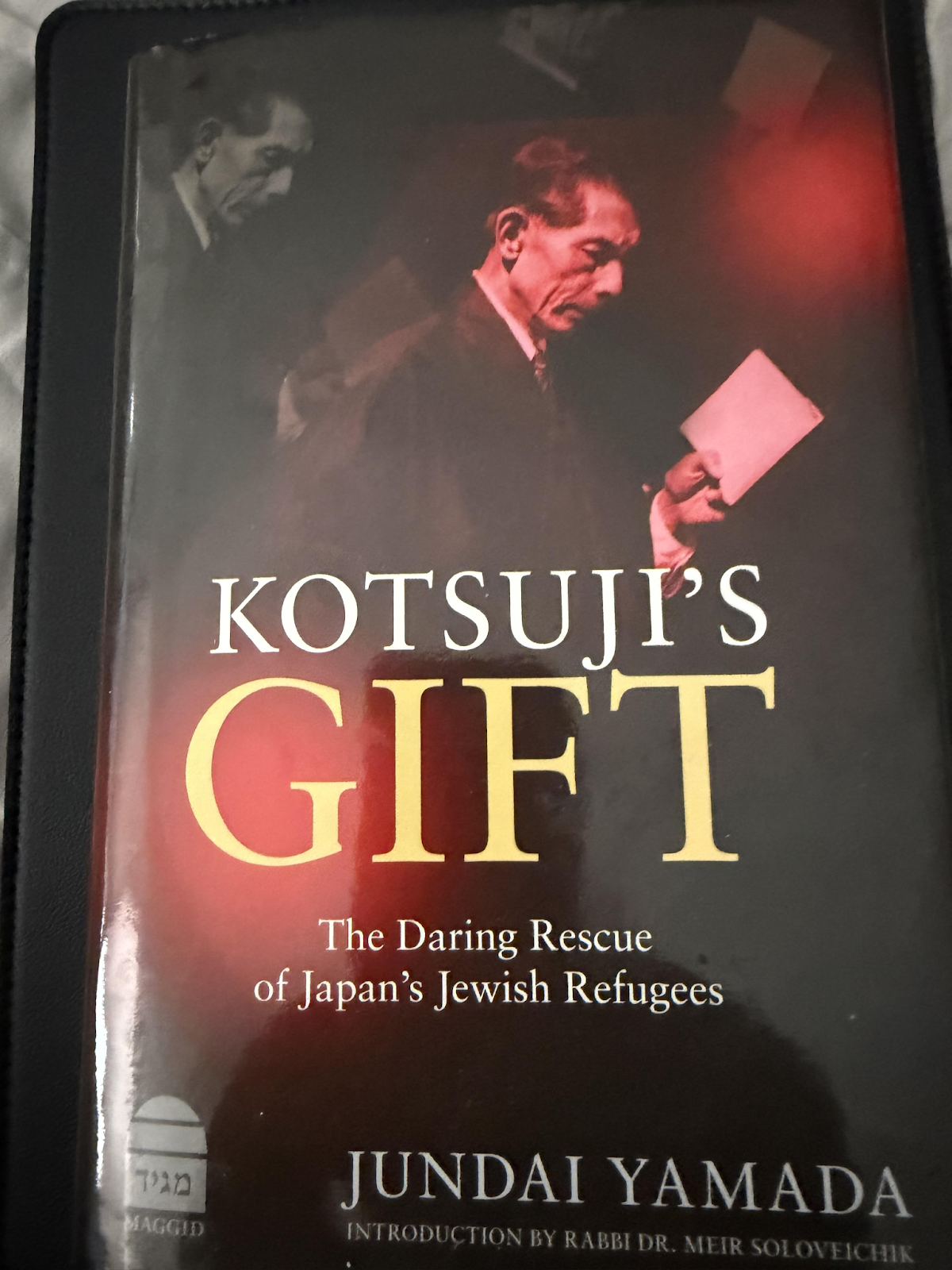
This Shabbos finished the book published by Koren, Kotzuji’s Gift: The Daring Rescue of Japan’s Jewish Refugees.  The book has a foreword by Rabbi Meir Yaakov Soloveichik. It contains two smaller books.  1) The autobiography of Setsuzo Kutsuji, written in English in 1964, and 2) an English translation of Jundai Yamada’s Japanese book, which is a biography of Setsuzo Kutsuji’s life.  His book is titled “Sanctuary Secured: The Man Who Extended the Visas For Life.”  His book is excellent.  One of his sources is Rabbi Marvin Tokayer.  

See my blog post https://kotzk.com/2025/05/18/november-23-2024-updated-may-18-2025/ 

Professor Lucy S. Davidowicz

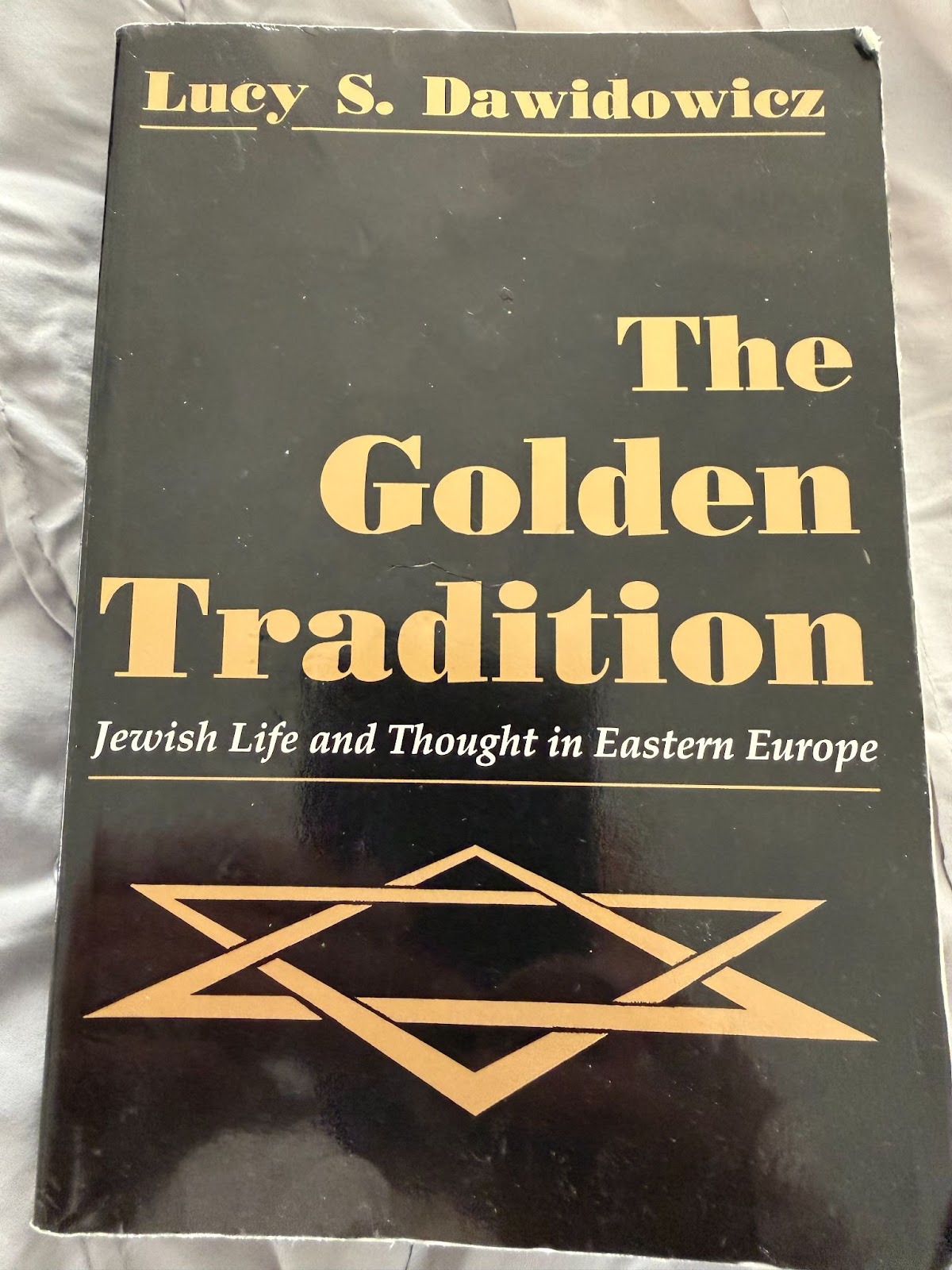
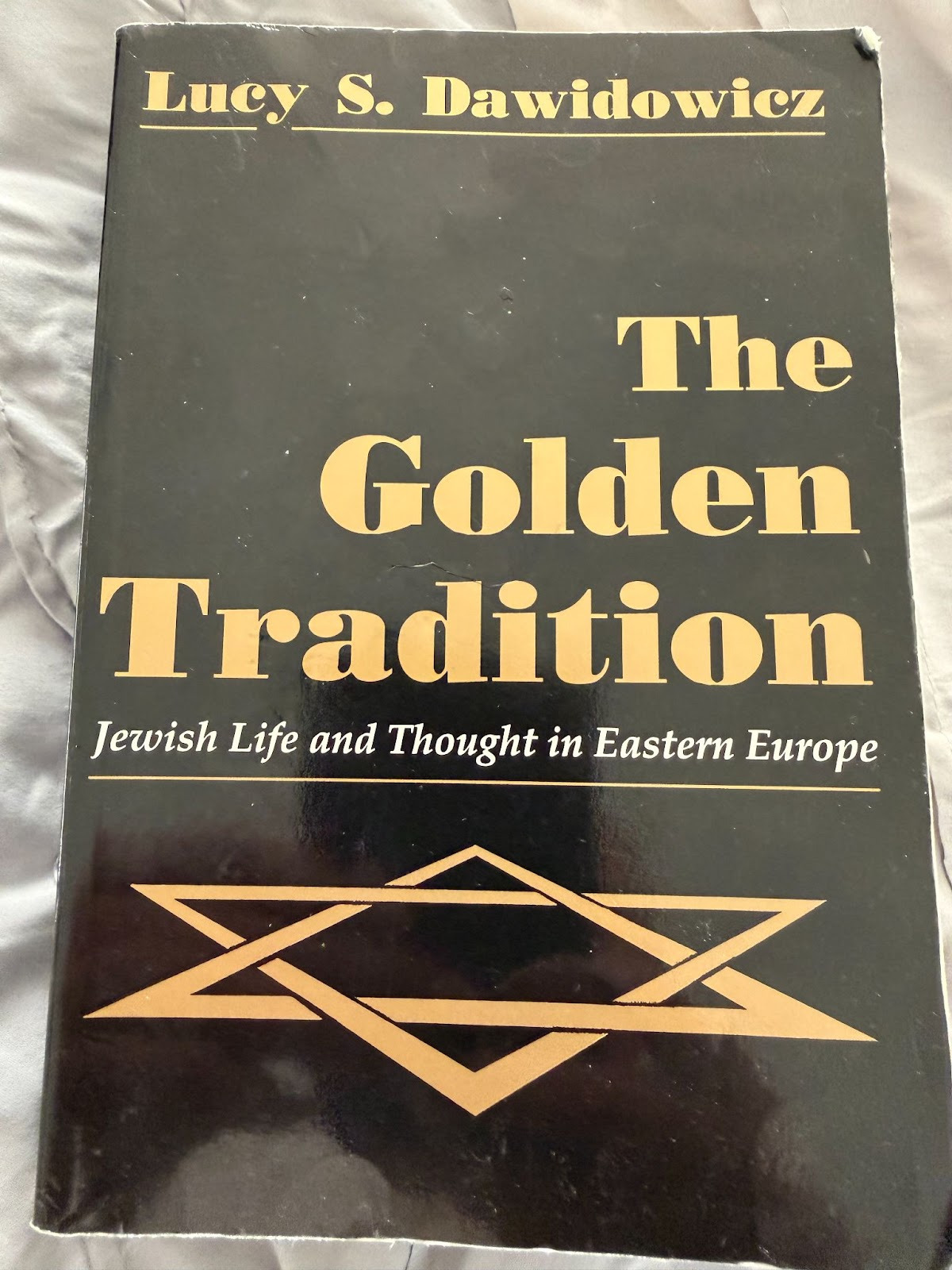
I also read two essays in Lucy S. Dawidowicz’s book, The Golden Thread.  She has selections from two secular jews who were in the revolutionary movements of socialism and communism, Pavel Borisovich Axelrod 1850 – 1928 and Chaim Zhitlowsky 1865 – 1943.  Both had turned their backs on their Jewish heritage and assimilated in Russian culture.  They worked for the Russian people until they came to the realization that their alleged compatriots were anti-semitic.  They themselves believed in the worst of the Jews, that all Jews were exploiters of the working man and found fault even with impoverished Jews.  They both saw the pogroms, and it did change their feelings.  At least Chaim Zhitlowsky did somewhat come back to identifying with the Jewish people.  

This was the tragedy of the Jewish people from the early 19th century all the way to WW II.  The Jews faced constant discrimination, even after the ghetto walls fell, and they tried to assimilate but were unsuccessful. Read Moses Hess’s “Rome and Jerusalem.”  The Jews had to hide and not acknowledge their Judaism to fit into the larger society. They had to look down on their religion and Jews.  Hundreds of thousands of Jews gave their lives for communism, socialism, and other non-Jewish ideals.  It got them nowhere.  They gave up their lives for ideals that hated Jews.  It ended with a Stalin who wanted to call all Jews and a Hitler who almost did.

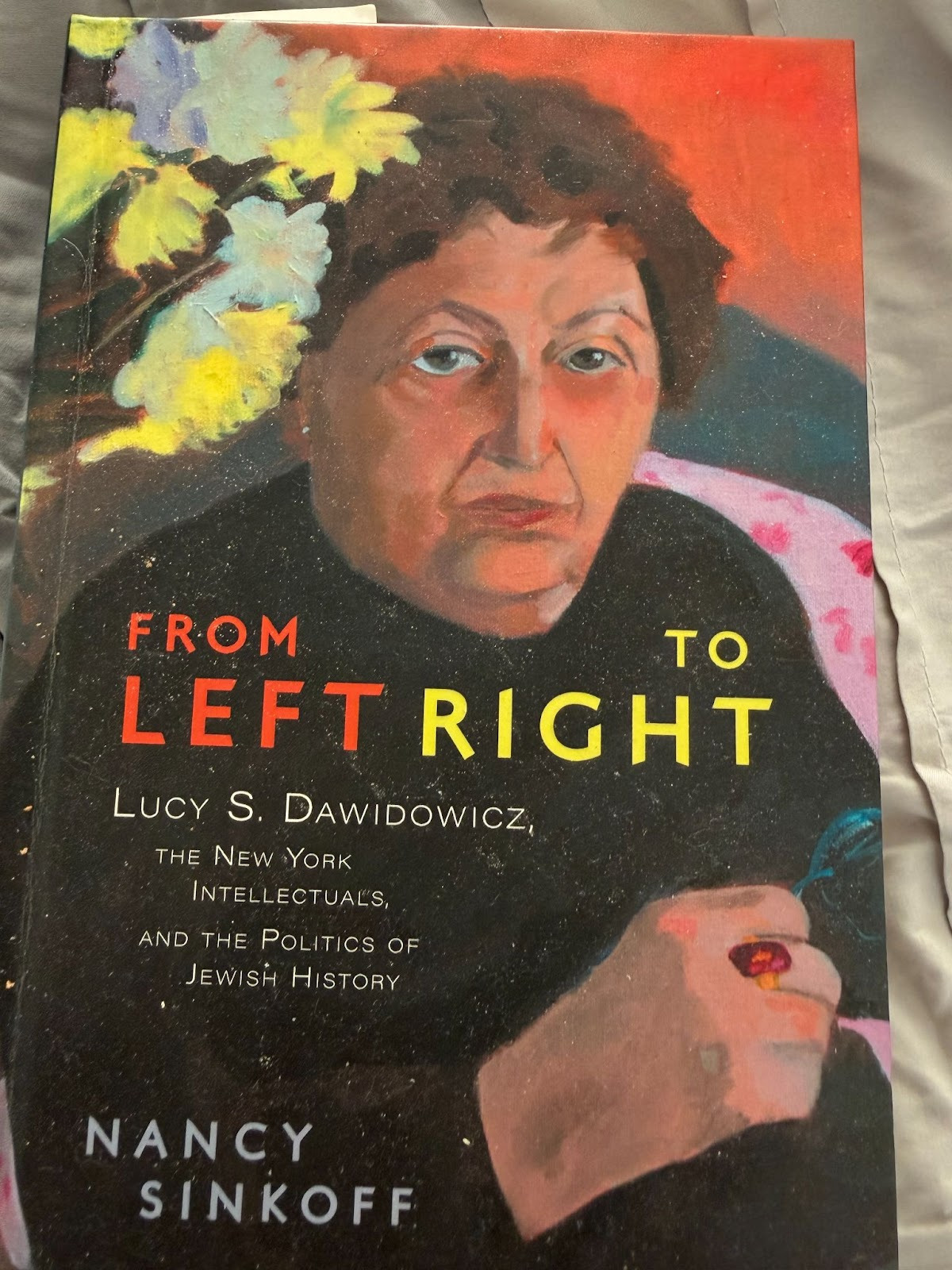
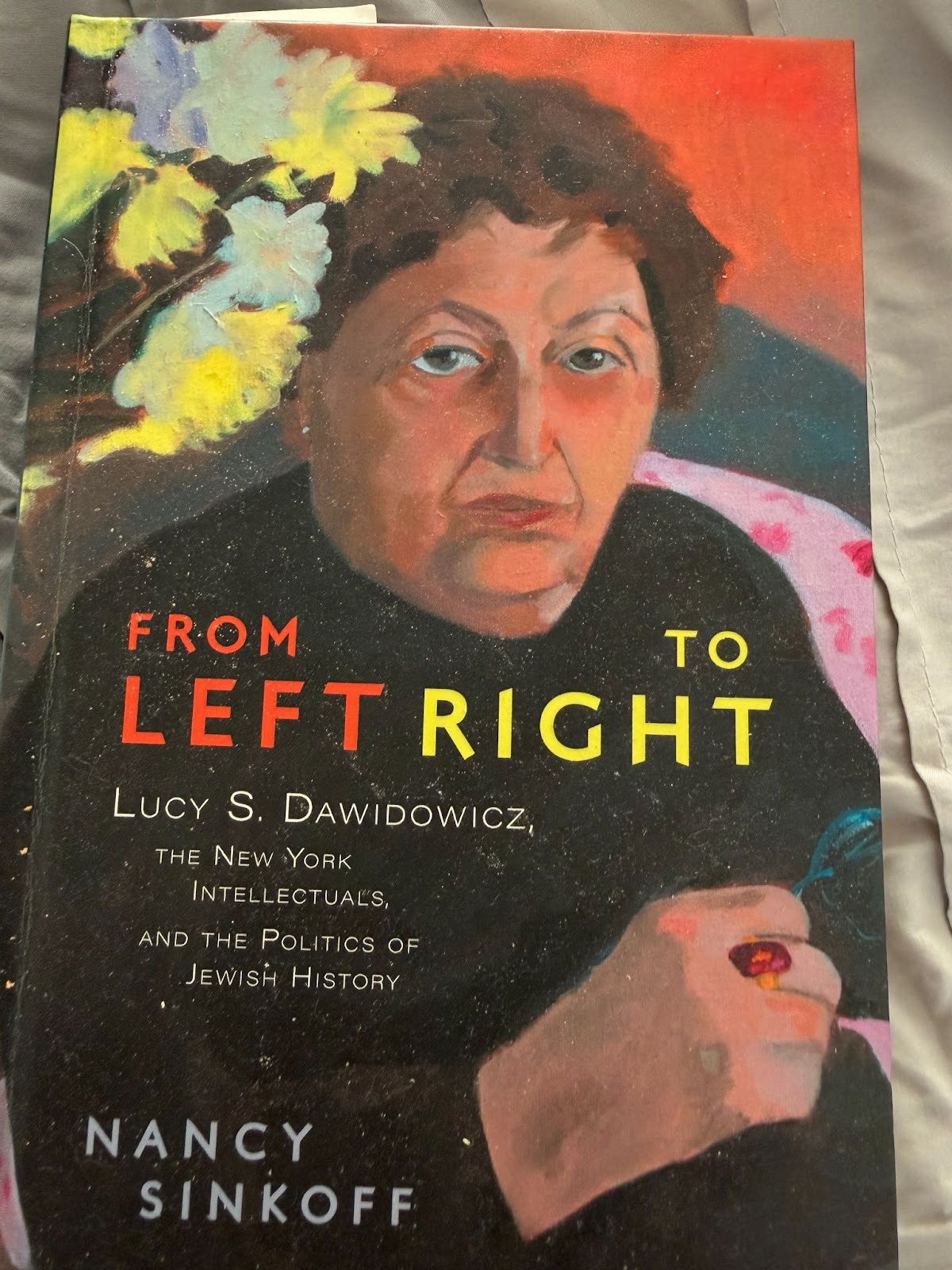
Read what Professor Nancy Sinkoff wrote in her book, From Left to Right.  It is the story of Lucy S. Dawidowicz, about her starting as a leftist and ending up as a conservative.

My February 11, 2026 email to Nancy Sinkoff:

Professor:

I am thoroughly enjoying your book.  Lucy Davidowitz’s disagreement with Hannah Arendt and Raul Hilberg was excellent reading.  On page 207 you write, “For her part Lucy Dawidowicz was acutely aware of the influence of the Jews’ long history in the European diaspora on the contemporary reality of American Jews.  She rejected the enshrinement of liberalism as an essential characteristic of being Jewish much earlier than the New York intellectuals did.”  Later on you continue, “Historically, European Jewish leaders .  .  . ”  Excellent.  

This rings true even more today, where a Jew has to submerge and even deny their positive feelings towards Israel to be accepted in progressive and perhaps even liberal circles.  

And her response to me:

She was prescient. A Cassandra.

Dr. Nancy Sinkoff

Academic Director

The Allen and Joan Bildner Center for the Study of Jewish Life

Professor of Jewish Studies and History

Rutgers University

nsinkoff@rutgers.edu

http://jewishstudies.rutgers.edu/people/core-faculty/nancy-sinkoff

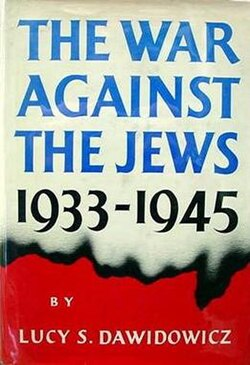
Professor Lucy S. Davidowicz’s most famous book:

I have been listening to Rabbi Rakeffet religiously. His speeches focused on reading Sefrim from people who may or may not have been Orthodox.  He started with the Tshuvos of Reb Menashe Klien, the Ungaver Rebbe that discussed Professor Marcus Jastrow and using his Aramaic dictionary. Reb Menashe Klein was told that Professor Marcus Jastrow was not an Orthodox Rabbi.  The Rebbe said you cannot use the Jastrow Dictionary.  Rabbi Rakeffet argued with this Tshuva and brought out amazing  history.  First he said that one has to be in awe of the scholarship of Pabbi Professor Marcus Jastrow.  He did not have a computer, yet he put together an amazing list of Aramaic words and provided sources of how the Aramaic words are used through Bavli, Yerushalmi, and Medresh.  An amazing feat.  He then discussed the issue of whether or not Rabbi Professor Marsuc Jastrow was a reform Rabbi.  Rabbi Rakeffet said that Jastrow was a Shomer Torah and Mitzvos. He kept Shabbos, the Mitzvohs and learned Torah.  The reason why people called him a Reform Rabbi was that he was a longstanding rabbi of Rodef Shalom in Philadelphia, which started out as an Orthodox synagogue and then became affiliated with the Reform movement.

The issue that Orthodox people cited for why Jastow was not orthodox was that in his synagogue, people wanted to get rid of or shorten Migilas Esther.  It was written in Hebrew, a language that his congregants did not understand.  It seems like he did shorten the reading of Migilas Esther.  Additionally, Wikipedia states that although he opposed the reform’s Pittsburgh Platform, he allowed an organ to be installed in the Rodeph Shalom Congregation.  Rabbi Rakeffet addressed these issues. Rabbi Professor Marcus Jastrow did not want the Rodef Shalom to become a reform temple. He tried to innovate so that the synagogue remains Orthodox with some modifications. Rabbi Rakeeffet said that there was tremendous pressure in those years to  bow to the reform movement and Jastrow felt he had to do something to stem this tide.  Yes, he did things that today we would not do, but he looked for areas to change that did not affect Halacha. Rabbi Rakeffet strongly disagreed with Reb Menashe Klein and said that Reb Menashe Klein was misinformed.

I read an article by Professor Mical T. Galas titled Jewish-Polish Relations in the Writings of Rabbi Marcus Jastrow, which seems to paint a different picture of Jastrow. In alignment with Rabbi Rakeefet, the article reads:

”He was also an advocate and promoter of the development of education and learning amongst the Jews of Warsaw, in order to link the traditions of Judaism with the spirit of the Haskalah (Jewish Enlightenment), and Reform Judaism. In this field he undertook a series of initiatives that had reverberated among the Jewish inhabitants of Warsaw and the Polish elites. As Jastrow wrote after leaving Warsaw: “Promotion of learning and culture, this is progress, and for this I was offered in Warsaw a great field which I worked to the best of my strength.”

I am sure the Chiddusshai Harim who also lived in Warsaw during this time did not agree with Jastrow. However, as can be seen by Rabbi Rakeffet, the Wikipedia article, and the above that  Jastrow remained faithful to the Torah.  He criticized the Reform movement and warned his congregation in Philadelphia not to align with the Reform movement.  It seems he tried to adopt practices that were more liberal and innovative where he could without violating Torah principles.  He aimed to incorporate the best aspects of Haskalah and implement reforms that did not contradict Torah principles.  

His struggle is the eternal struggle of jews who want to live in modern society and integrate however possible with the country they live in.

From Wikipedia:

In the autumn of 1866 he went to Philadelphia as rabbi of the Ashkenazi congregation Rodeph Shalom, with which he was connected until his death, remaining in active service until 1892 and identifying himself with the interests of the Jewish community.

The problem under discussion at the time was organization, urged in the East by the Orthodox Isaac Leeser and in the West by the Reform Isaac Mayer Wise.

Jastrow initially allowed his congregation to join the Reform Union of American Hebrew Congregations. After the Reform movement united around the radical “Pittsburgh Platform” in 1885, Jastrow, along with many other rabbis of the time, withdrew his congregation’s membership.

In 1886, together with Rabbi Henry Pereira Mendes, founder of the Orthodox Union, he helped Rabbi Sabato Morais establish the Jewish Theological Seminary of America. It was only in 1913, ten years after Jastrow’s death, that the next generation of management altered the Orthodox principles of the school, and from them emerged Conservative Judaism.

He was removed by his congregation in September 1892 in favor of the Reform-ordained Henry Berkowitz. Jastrow attributed this decision to the growing popularity of radical reforms and the congregation’s desire to compete for membership with the more liberal synagogues. In his farewell speech, he chastised his congregation, insisting that “he who does not feel himself in unison with the tenets of Israel’s religion as they have been transmitted from generation to generation, [is] not justified in occupying a Jewish pulpit established for the proclamation of Jewish doctrines.” He made several efforts to prevent the introduction of certain reforms, including articles in the public press. In 1894, the Board felt the necessity to write him to ask him to refrain from publishing articles that might create strife in the congregation. He served as rabbi emeritus of the congregation until he died in 1903 on the Jewish holiday of Shemini Atzeret in Germantown, Philadelphia.

Shabbos Parshas Beshalach

Chapter 14: verse 24 says:

וַֽיְהִי֙ בְּאַשְׁמֹ֣רֶת הַבֹּ֔קֶר וַיַּשְׁקֵ֤ף יְהֹוָה֙ אֶל־מַחֲנֵ֣ה מִצְרַ֔יִם בְּעַמּ֥וּד אֵ֖שׁ וְעָנָ֑ן וַיָּ֕הׇם אֵ֖ת מַחֲנֵ֥ה מִצְרָֽיִם׃

At the morning watch, GOD looked down upon the Egyptian army from a pillar of fire and cloud, and threw the Egyptian army into panic.

What does  וַיָּ֕הׇם mean?  English translations translate as panic, confounded, confusion, and discomfited.

Rashi – ויהם. לְשׁוֹן מְהוּמָה, אשדורד”ישון בְּלַעַז, עִרְבְּבָם, נָטַל סִגְנִיּוֹת שֶׁלָּהֶם. וְשָׁנִינוּ בְּפִרְקֵי רַבִּי אֱלִיעֶזֶר בְּנוֹ שֶׁל רַבִּי יוֹסֵי הַגְּלִילִי: כָּל מָקוֹם שֶׁנֶּאֱמַר בּוֹ מְהוּמָה הַרְעָמַת קוֹל הוּא, וְזֶה אָב לְכֻלָּן “וַיַּרְעֵם ה’ בְּקוֹל גָּדוֹל וְגוֹ’ עַל פְּלִשְׁתִּים וַיְהֻמֵּם” (שמואל א ז’):

ויהם has the meaning of confusion. old French estordison. He cast them into confusion; He took away their  סִגְנִיּוֹת – Signonos.  And we read in the Chapters of Rabbi Eliezer, the son of Rabbi José, the Galilean: Wherever it speaks of מהומה (forms from the root המם) it signifies a thundering sound; and the following passage is the father of all of them (i. e. that from which this meaning is quite evident):

 (I Samuel 7:10) “And the Lord thundered with a great sound … upon the Philistines and discomfited them (ויהמם)”.

Let us analyze this Rashi:

  1. What does סִגְנִיּוֹת – Signeyos means.  It seems that this is an Aramaic word, although I am not sure..

There are three translations:

1 – Commanding officers – Amara N’kei in Artscroll footnotes

2 – English blue cover Linear Chumosh  and Sefaria – Ensigns

3 – Sifsei Chacomin, Artscroll – senses, their special

Sefsei Chachomim on this Rashi – נטל סגניות שלהם. פי’ שכל שלהם, לשון סגנון אחד עולה וכו’:

He took away their senses. סגניות means intelligence, as in: “One thought ( סגנון ) is presented to many prophets. . .”  This is a Gemora on Sanhedrin 89A –  דְּאָמַר רַבִּי יִצְחָק: סִיגְנוֹן אֶחָד עוֹלֶה לְכַמָּה נְבִיאִים, וְאֵין שְׁנֵי נְבִיאִים מִתְנַבְּאִין בְּסִיגְנוֹן אֶחָד.  but two prophets do not prophesy employing one and the same style of expression.

B) Continuing the Rashi.   And we read in the Chapters of Rabbi Eliezer, the son of Rabbi José, the Galilean: Wherever it speaks of מהומה (from the root המם) it signifies a thundering sound; and the following passage is the father of all of them (i. e. that from which this meaning is quite evident): (I Samuel 7:10) “And the Lord thundered with a great sound … upon the Philistines and discomfited them (ויהמם)”.

How do we understand Rashi?  First Rashi says ויהם means confusion.  Then Rashi seems to say – how did Hashem throw them into confusion?  נָטַל סִגְנִיּוֹת שֶׁלָּהֶם – he took away either their senses or  their ensigns or their commanding officers.  Rashi then brings down a Pirkei D’Rav Eliezer that he took away their senses through thunderous noises.  Rashi is telling us that do not  think they were thrown into confusion losing their senses  was based on the next verse,verse 25 

 וַיָּ֗סַר אֵ֚ת אֹפַ֣ן מַרְכְּבֹתָ֔יו וַֽיְנַהֲגֵ֖הוּ בִּכְבֵדֻ֑ת וַיֹּ֣אמֶר מִצְרַ֗יִם אָנ֙וּסָה֙ מִפְּנֵ֣י יִשְׂרָאֵ֔ל כִּ֣י יְהֹוָ֔ה נִלְחָ֥ם לָהֶ֖ם בְּמִצְרָֽיִם׃

[God] removed (by burning them off via the pillar of fire) the wheels of their chariots so that they moved forward with difficulty. And the Egyptians said, “Let us flee from the Israelites, for GOD is fighting for them against Egypt.”

However, Rashi is telling us that they lost their commanding officers and their senses due to thunderous noises.  What were these thunderous noises?  Verse 14:21 says that God brought an strong east wind – וַיֵּ֨ט מֹשֶׁ֣ה אֶת־יָדוֹ֮ עַל־הַיָּם֒ וַיּ֣וֹלֶךְ יְהֹוָ֣ה ׀ אֶת־הַ֠יָּ֠ם בְּר֨וּחַ קָדִ֤ים עַזָּה֙ כׇּל־הַלַּ֔יְלָה וַיָּ֥שֶׂם אֶת־הַיָּ֖ם לֶחָרָבָ֑ה וַיִּבָּקְע֖וּ הַמָּֽיִם׃

I think Rashi is saying that even though there were extremely thunderous, discomfiting strong winds, the Jews were protected by the walls of water.  Once the Egyptians entered the reed sea, the walls did not offer them protection from the thunderous east wind; they could not think and lost their senses, they lost their order of the battlefield, and their commanding officers no longer could lead their army.   They hit a brick wall of sound.

Translating Rashi like the Amara N’kei that it means “commanding officers,” means that he threw the Egyptian army into chaos by destroying their command structure.  Their field generals and officers lost control of the battlefield because of the thunder of the “east wind”.   The chariots and troops lost their way in the Reed Sea, crashing into each other and heading in every direction.  In fact, verse 14:7 said the Egyptian army was strong because  they had officers.  The verse says וַיִּקַּ֗ח שֵׁשׁ־מֵא֥וֹת רֶ֙כֶב֙ בָּח֔וּר וְכֹ֖ל רֶ֣כֶב מִצְרָ֑יִם וְשָׁלִשִׁ֖ם עַל־כֻּלּֽוֹ׃ –  he took six hundred of his picked chariots and the rest of the chariots of Egypt, with officers in all of them.

Bartenura has both explanations; their senses and their commanding officers – ויהם לשון מהומה ערבבן נטל סגניות שלהן פירש דעת וחכמה שלהן ויש מפרשים סגנין וראשין שבהן מלשון ויבא סגנים כמו חמר:

Divrei Dovid – ויהם כו’, נטל סגניות, פירוש בערוך ענין חכמה ודעת:

This Rashi may be the source for the Kotzker in the following story from the Sefer The Rebbe of Kotzker and the Sixty Warriors Surrounding Him.

During the Crimean War, which lasted from 1853 to 1855 and involved the allied forces of England, France, and Turkey fighting against Russia, the Rebbe of Kotzek took a stand for the allies and yearned for their victory. He followed with great interest what was happening on the battlefield. He once asked one of the Hasidim who came to him: “What is the news of the battlefield?” The Hasid replied: “I heard that Tsar Nicholas sent an order to the battlefield, that the officers remove their golden decorations from their uniforms because the decorations are shiny and attract the eyes of the enemy sharpshooters.  The army is in great need of officers.”   (The sharpshooters were targeting the officer, killing many of them, and the Russian army was losing too many experienced field officers.)

“So,” said the Rebbe of Kotzk, “if they removed the decorations, they lost the battle.”

And indeed, the days did not last long, and as he said, so it was.

When the war ended with the signing of a peace treaty, Russia undertook not to maintain an army for several years, resulting in the release of many Jewish soldiers and the “cantonists.”  The Kotzker’s sister-in-law, Feigli, the wife of the Chiddushi Harim, traveled specifically from Warsaw to Kotzk, to tell this news to the Rebbe, because it was known how much he had expected to hear that the Russians were defeated.  (Warsaw is 83 miles from Kotzk and before trains she had to go on horse and buggy, quite a distance.  This was the joy in the family.)

What was the Kotzker worried about even during the days of Hester?  He was worried and prayed that the thousands of cantonists, Jewish boys grabbed by the Russian government to serve 25 years in the Russian army, would be released and be able to go home.  I assume that the Kotzker Rebbe realized that the defeat of the Russians would bring about the release of the cantonists.

How did the Kotzker Rebbe declare with certainty that if the Russian generals and field officers removed their distinctive clothing, then the Russian Army would lose the war?  How did he know war strategy?    The Kotzker was learning and dealing with Chassidim all his life.  He did not attend war college.  When I first read this story, I did not understand the relationship between removing the decorations until I took a trip to the Gettysburg battlefield in 2014 and spent a few years studying the three-day battle of Gettysburg. 

On day three of Gettysburg, the Confederates lined up over 12,000 troops to march across an open field, about 8/10s of a mile, to attack the Union center where the second Corp were dug in.  It was over  90 degrees and the confederates were wearing woolen uniforms.  This has been called Pickett’s charge.  The Confederates were decimated.  I read that the Confederate Army lost so many generals and experienced field officers that they would not be able to win the war in battle. 

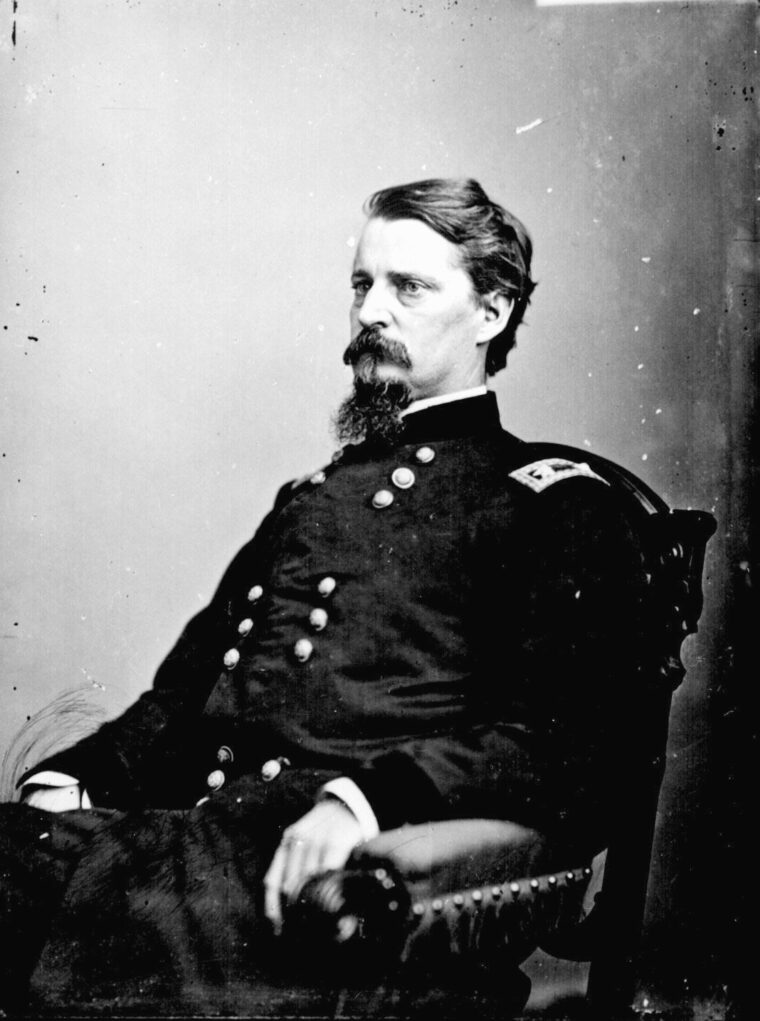
More importantly, during Pickett’s charge, the Union’s Second Corps was under the leadership of Major General Winfred S. Hancock.  During Pickett’s charge, Major General Winfred Hancock was prominent on horseback, reviewing and encouraging his troops.  When one of his subordinates protested, “General, the corps commander ought not to risk his life that way,” Hancock is said to have replied, “There are times when a corps commander’s life does not count.   Hancock was wounded, and despite his pain, he refused to evacuate to the rear until the battle was resolved.  He had been an inspiration for his troops throughout the three-day battle.

This is what the Kotzker understood.  An Army needs its commanding officers to lead and show courage on the battlefield.  He understood that once the Russian officers were indistinguishable from the regular soldiers, the morale would collapse and that they would be defeated.

I am blown away by this, the wisdom of the Kotzker.  I thought that this was because the Torah gives its great leaders and scholars all types of knowledge.  However, during Shabbos Parshas VaYishlach, January 30, 2026, I may have found the source of the Kotzker in Rashi. 

 When the Torah mentioned the Egyptian army, Shmos verse 14:7 says:  וַיִּקַּ֗ח שֵׁשׁ־מֵא֥וֹת רֶ֙כֶב֙ בָּח֔וּר וְכֹ֖ל רֶ֣כֶב מִצְרָ֑יִם וְשָׁלִשִׁ֖ם עַל־כֻּלּֽוֹ׃

“He took six hundred of his picked chariots and the rest of the chariots of Egypt, with officers in all of them.” I thought to myself that the Torah speaks about the lethality of the Egyptian army, not only in terms of its weaponry, but also because they were well organized, with capable officers leading the army.  

Verse 14:24 talks about the Egyptians entering the reed sea and encountering all difficulties.  The verse says:  וַֽיְהִי֙ בְּאַשְׁמֹ֣רֶת הַבֹּ֔קֶר וַיַּשְׁקֵ֤ף יְהֹוָה֙ אֶל־מַחֲנֵ֣ה מִצְרַ֔יִם בְּעַמּ֥וּד אֵ֖שׁ וְעָנָ֑ן וַיָּ֕הׇם אֵ֖ת מַחֲנֵ֥ה מִצְרָֽיִם׃

“At the morning watch, GOD looked down upon the Egyptian army from a pillar of fire and cloud and threw the Egyptian army into panic.”

Rashi saysויהם. לְשׁוֹן מְהוּמָה, אשדורד”ישון בְּלַעַז, עִרְבְּבָם, נָטַל סִגְנִיּוֹת שֶׁלָּהֶם. וְשָׁנִינוּ בְּפִרְקֵי רַבִּי אֱלִיעֶזֶר בְּנוֹ שֶׁל רַבִּי יוֹסֵי הַגְּלִילִי: כָּל מָקוֹם שֶׁנֶּאֱמַר בּוֹ מְהוּמָה הַרְעָמַת קוֹל הוּא, וְזֶה אָב לְכֻלָּן “וַיַּרְעֵם ה’ בְּקוֹל גָּדוֹל וְגוֹ’ עַל פְּלִשְׁתִּים וַיְהֻמֵּם” (שמואל א ז’): 

ויהםויהם means “confusion” in Old French as estordison. He cast them into confusion; He took away their commanding officers. And we read in the Chapters of Rabbi Eliezer, the son of Rabbi José, the Galilean: Wherever it speaks of מהומה (forms from the root המם) it signifies a thundering sound, and the following passage is the father of all of them (i.e., that from which this meaning is quite evident): (I Samuel 7:10) “And the Lord thundered with a great sound … upon the Philistines and discomfited them (ויהמם)”.

Let us analyze Rashi in  his interpretation of verse 14:24

ויהם. לְשׁוֹן מְהוּמָה, אשדורד”ישון בְּלַעַז, עִרְבְּבָם, נָטַל סִגְנִיּוֹת שֶׁלָּהֶם.  He threw the Egyptian army in disarray because he took away their “סִגְנִיּוֹת.”   What are סִגְנִיּוֹת?  This term is not a common word.  Sefsei Chachomin translates the term as their שכל, which means senses or intelligence.  This definition is based on a Gemora in Sanhedrin 89B.  This is how Artscroll translates this word.  The Divrei Dovid also says – ויהם כו’, נטל סגניות, פירוש בערוך ענין חכמה ודעת:

A second explanation is The Minchas Yaakov says it means “banners” “insignia”  This is the translation of Sefaria of Ensigns.

However, the best Pshat is that of the Amar N’kei, as quoted in the footnotes of the Artscroll and also mentioned in the Bartenura  . Amar N’kei renders it as “commanding officers.”   This is perfect.  The Egyptians were praised in verse 14:7 for having a strong officer corps that made their army invincible.  When the Egyptian army went into the reed sea, he took away the effectiveness of their strong command structure by taking away their ability to lead.  This beautiful rashi can be the source of the Kotzker Rebbe’s knowledge of when the Russians effectively lost the war.

Exploring Jewish Identity: Lessons from History

We are still in Florida.

This Shabbos finished the book published by Koren, Kotzuji’s Gift: The Daring Rescue of Japan’s Jewish Refugees.  The book has a foreword by Rabbi Meir Yaakov Soloveichik. It contains two smaller books.  1) The autobiography of Setsuzo Kutsuji, written in English in 1964, and 2) an English translation of Jundai Yamada’s Japanese book, which is a biography of Setsuzo Kutsuji’s life.  His book is titled “Sanctuary Secured: The Man Who Extended the Visas For Life.”  His book is excellent.  One of his sources is Rabbi Marvin Tokayer.  

See my blog post https://kotzk.com/2025/05/18/november-23-2024-updated-may-18-2025/ 

I also read two essays in Lucy S. Dawidowicz’s book, The Golden Thread.  She has selections from two secular jews who were in the revolutionary movements of socialism and communism, Pavel Borisovich Axelrod 1850 – 1928 and Chaim Zhitlowsky 1865 – 1943.  Both had turned their backs on their Jewish heritage and assimilated in Russian culture.  They worked for the Russian people until they came to the realization that their alleged compatriots were anti-semitic.  They themselves believed in the worst of the Jews, that all Jews were exploiters of the working man and found fault even with impoverished Jews.  They both saw the pogroms, and it did change their feelings.  At least Chaim Zhitlowsky did somewhat come back to identifying with the Jewish people.  

This was the tragedy of the Jewish people from the early 19th century all the way to WW II.  The Jews faced constant discrimination, even after the ghetto walls fell, and they tried to assimilate but were unsuccessful. Read Moses Hess’s “Rome and Jerusalem.”  The Jews had to hide and not acknowledge their Judaism to fit into the larger society. They had to look down on their religion and Jews.  Hundreds of thousands of Jews gave their lives for communism, socialism, and other non-Jewish ideals.  It got them nowhere.  They gave up their lives for ideals that hated Jews.  It ended with a Stalin who wanted to call all Jews and a Hitler who almost did.

Read what Professor Nancy Sinkoff wrote in her book, From Left to Right.  It is the story of Lucy S. Dawidowicz, about her starting as a leftist and ending up as a conservative.

My February 11, 2026 email to Nancy Sinkoff:

Professor:

I am thoroughly enjoying your book.  Lucy Davidowitz’s disagreement with Hannah Arendt and Raul Hilberg was excellent reading.  On page 207 you write, “For her part Lucy Dawidowicz was acutely aware of the influence of the Jews’ long history in the European diaspora on the contemporary reality of American Jews.  She rejected the enshrinement of liberalism as an essential characteristic of being Jewish much earlier than the New York intellectuals did.”  Later on you continue, “Historically, European Jewish leaders .  .  . ”  Excellent.  

This rings true even more today, where a Jew has to submerge and even deny their positive feelings towards Israel to be accepted in progressive and perhaps even liberal circles.  

And her response to me:

She was prescient. A Cassandra.

Dr. Nancy Sinkoff

Academic Director

The Allen and Joan Bildner Center for the Study of Jewish Life

Professor of Jewish Studies and History

Rutgers University

nsinkoff@rutgers.edu

http://jewishstudies.rutgers.edu/people/core-faculty/nancy-sinkoff