
Essay from the Lukover Rebbe
How could the Ten Brothers Sell Yosef
A Sin is Transformed
Opportunity for Growth
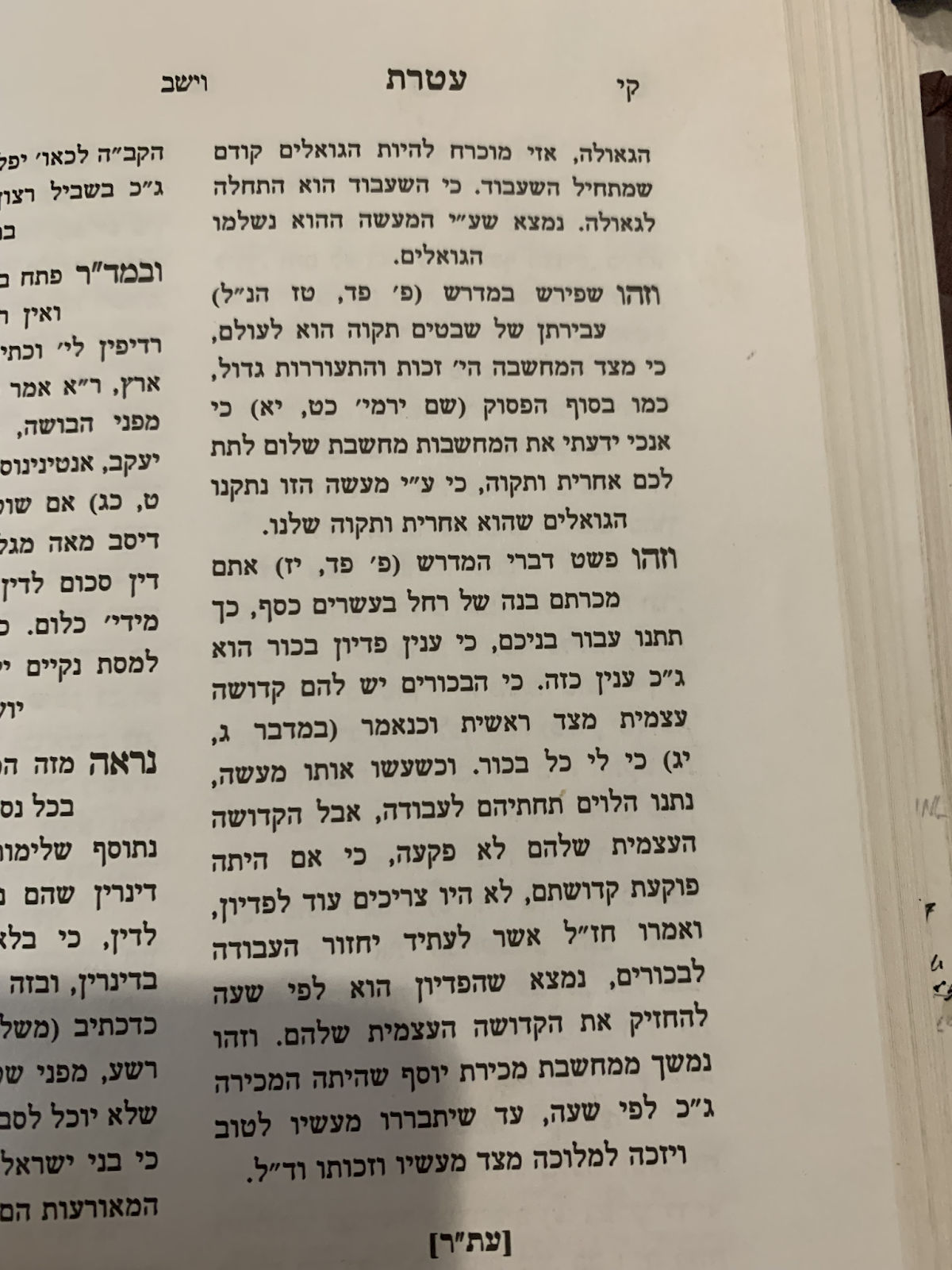
I read an essay from the Lukover Rebbe 1858 – 1920, my great grandfather. Page 108 in his Sefer, Ateres Tzvi. The original Hebrew of the essay is at the end of my analysis.
The Lukover quotes three Midrashim about the benefits of the sale.
1 – Midrash Rabbah 84:17
וַיֵּשְׁבוּ לֶאֱכָל לֶחֶם (בראשית לז, כה), אָמַר רַבִּי אַחְוָה בַּר זְעֵירָא עֲבֵרָתָן שֶׁל שְׁבָטִים זְכוּרָה הִיא לְעוֹלָם, תִּקְוָה הִיא לָעוֹלָם. וַיֵּשְׁבוּ לֶאֱכָל לֶחֶם, מַאֲכִיל לֶחֶם לְכָל בָּאֵי הָעוֹלָם. (בראשית לז, כה:
In the Pesikta of Rav K’hanah, Chapter 10 says,
ואם עבירתן שלהם גרמה לכל העולם שיחיה, זכותם על אחת כמה וכמה
2 – Midrash Rabbah 84:18 says:
אָמַר הַקָּדוֹשׁ בָּרוּךְ הוּא אַתֶּם מְכַרְתֶּם בְּנָהּ שֶׁל רָחֵל בְּעֶשְׂרִים כֶּסֶף מָעוֹת שֶׁהֵן חָמֵשׁ סְלָעִים, לְפִיכָךְ יִהְיֶה כָּל אֶחָד וְאֶחָד מַפְרִישׁ עֵרֶךְ בְּנוֹ חָמֵשׁ סְלָעִים בְּמָנֶה צוֹרִי.
The Lukover asks how can a Mitzvah come from a sin. The entire matter of the sale of Yosef is something whose understanding is hidden from us, weren’t all the ten brothers righteous, the tribes of Jeshurun. Especially when they saw that Yakov loved Yosef from all his sons (I think the Lukover is saying that they were all righteous and if Yaakov chose Yosef to be the leader, they should have said, we accept our father’s choice.)
3 – To answer these questions, the Lukover brings another Midrash Rabbah on the Sedra 85:2
וַיְהִי בָּעֵת הַהִוא, רַבִּי שְׁמוּאֵל בַּר נַחְמָן פָּתַח (ירמיה כט, יא): כִּי אָנֹכִי יָדַעְתִּי אֶת הַמַּחֲשָׁבֹת, שְׁבָטִים הָיוּ עֲסוּקִין בִּמְכִירָתוֹ שֶׁל יוֹסֵף, וְיוֹסֵף הָיָה עָסוּק בְּשַׂקּוֹ וּבְתַעֲנִיתוֹ, רְאוּבֵן הָיָה עָסוּק בְּשַׂקּוֹ וְתַעֲנִיתוֹ, וְיַעֲקֹב הָיָה עָסוּק בְּשַׂקּוֹ וּבְתַעֲנִיתוֹ, וִיהוּדָה הָיָה עָסוּק לִקַּח לוֹ אִשָּׁה, וְהַקָּדוֹשׁ בָּרוּךְ הוּא הָיָה עוֹסֵק בּוֹרֵא אוֹרוֹ שֶׁל מֶלֶךְ הַמָּשִׁיחַ, וַיְהִי בָּעֵת הַהִיא וַיֵּרֶד יְהוּדָה. (ישעיה סו, ז): בְּטֶרֶם תָּחִיל יָלָדָה, קֹדֶם שֶׁלֹא נוֹלַד מְשַׁעְבֵּד הָרִאשׁוֹן נוֹלַד גּוֹאֵל הָאַחֲרוֹן, וַיְהִי בָּעֵת הַהִוא, מַה כְּתִיב לְמַעְלָה מִן הָעִנְיָן, וְהַמְּדָנִים מָכְרוּ אֹתוֹ אֶל מִצְרַיִם.
Translation from Sefaria:
“It was at that time” – Rabbi Shmuel bar Naḥman began: “For I have known the thoughts” (Jeremiah 29:11) – the tribes were engaged in the sale of Joseph, Joseph was engaged in his sackcloth and his fasting, Reuben was engaged in his sackcloth and his fasting, Jacob was engaged in his sackcloth and his fasting, Judah was engaged in taking a wife for himself, and the Holy One blessed be He was engaged in creating the light of the messianic king: “It was at that time, Judah descended from his brothers.”
“Before she begins labor, she will give birth” (Isaiah 66:7) – before the first one who would enslave [Israel], the ultimate redeemer was born. “It was at that time” – what is written prior to the matter? “The Medanites sold him to Egypt” (Genesis 37:36).
The Lukover launches into his analysis and explanation of the episode of the selling of the brothers and the Midrashim.
It seems from these Midrashim that three positives accrued form the sin of the sale of Yosef:
- It brought relief to the world, as Yosef was able to feed the world during a global famine
- The Jewish people received the Mitzvah of the Redemption of the First Born.
- The light of Moshiach was created.
How did this happen that from a sin, good happened: (There is no question that the brothers and the Jewish people paid a price, but there was tremendous good and redemption flowed.)
It seems that the ten holy brothers saw that Yosef wanted to be king, and Yaakov their father was leaning towards making Yosef the monarch and the leader of the family. They would have agreed to this, however, they felt that Yosef was not fit to be king because they did not see a מעשה – an action that shows Yosef deserved to be king (a Jewish king has to not only project power, but do so with charity and honesty.) In fact they saw the opposite; they saw Yosef’s diminishment because he brought false and bad stories to their father about them. Even though Yosef was very smart and wisdom is necessary for a king, but the purpose of wisdom is doing good and repentance, like we find in the following story in the Gemora Avodah Zara 18:A:
Background of the story:
Rabbi Hanina ben Teradyon asked Rabbi Yossei ben Kisma if I will be someone who will go to the next world. Even though Rav Hanina ben Teradyon was among the greatest Tannaim, the greatest Rabbis, he was still afraid that he would not be able to go into Gan Eden. Rabbi Yossei ben Kismi asked him what action did he do that was special? Learning is one thing but it has to be translated into an action of helping man, of humility.
The actual Gemora:
אמר לו – Reb Yossi ben Kisma asked Reb Hanina ben Teradyon – כלום מעשה בא לידך אמר לו מעות של פורים נתחלפו לי במעות של צדקה וחלקתים לעניים אמר לו אם כן מחלקך יהי חלקי ומגורלך יהי גורלי
Rabbi Yosei ben Kisma said to him: Did any special incident occur to you which might serve as an indication? Rabbi Ḥanina ben Teradyon said to him: I confused my own coins that I needed for the festivities of Purim with coins of charity, and I distributed them all to the poor at my own expense. Rabbi Yosei ben Kisma said to him: If that is so, may my portion be of your portion, and may my lot be of your lot.
Similarly, the Lukover said that the ten brothers did not see this type of מעשה from Yosef (and therefore did not deserve to be king) and they thought he would become a cruel tyrant, like Nimrod, therefore they were planning to kill him. Hashem used their thoughts that Yosef at this point in his life could not be king, and had the brothers sell him to enable Yosef to develop into a Jewish monarch, one that not only rules with power, but with honest judgment and charity, Hashem had them sell Yosef to separate him from his father. If Yosef stayed with his father, Yosef would not have developed into a proper king. In Egypt, away from his father can develop into Monarchy. The true strength of his actions can thus be seen. If it can be seen that if Yosef on his own does something special, then his actions today are also good and he is deserving of monarchy. They did not want him to rule only from wisdom which would bring disaster.
Going back to רַבִּי שְׁמוּאֵל בַּר נַחְמָן that God is saying I know the inner thoughts of the ten brothers, even though on the surface it looks like they sinned and they did, but I know their thoughts. I took their thoughts and used them. I changed the outcome and Yosef was sold. This ended up being a merit, being good for the world. Yosef in Egypt showed that he was a foundation of the world. Surprisingly, it was not the fact that Yosef saved the world from famine, but the Lukover quotes another Midrash Rabbah 90:3 as to Yosef’s growth into becoming this great personage.
The brothers did not give Yosef a chance to develop and change, Hashem gave Yosef the chance to develop the proper skills to be a proper monarch.
Midrash Rabbah 90:3:
וַיֹּאמֶר פַּרְעֹה אֶל יוֹסֵף, וַיָּסַר פַּרְעֹה וגו’ (בראשית מא, מא מב), אָמַר רַבָּן שִׁמְעוֹן בֶּן גַּמְלִיאֵל, יוֹסֵף מִשֶּׁלּוֹ נָתְנוּ לוֹ,
Pharaoh said to Joseph…Pharaoh removed…” – Rabban Shimon ben Gamliel said: Joseph was given what he deserved: His mouth [piv] did not kiss [nashak] in transgression – “my entire people will be sustained at your directive [ve’al pikha yishak]” (Genesis 41:40). His body that did not touch in transgression – “he dressed him in linen garments” (Genesis 41:42). His neck that he did not bend for transgression – “he placed a gold chain on his neck” (Genesis 41:42). His hands that did not grope in transgression: “Pharaoh removed his signet ring from upon his hand, and he placed it upon Joseph’s hand” (Genesis 41:42). His feet that did not stride in transgression, let them come and ride in coaches –“He had him ride in the alternate chariot that he had” (Genesis 41:43). The thought that he did not think in transgression, let it come and be called wisdom. “They cried before him: Kneel [avrekh]” – great [av] in wisdom, but tender [rakh] in years. But Nebuchadnezzar [is called] “commander [tafsar]” (Jeremiah 51:27) – foolish [tipesh] in wisdom and a prince [sar] in years.
We see that his greatness was in his not allowing himself to sin with Potefar’s wife. This took tremendous self restraint to do the right thing. Therefore, Yosef became the foundation of the world.
I think what my grandfather is saying is that the ten brothers were Zadikium and if they saw in Yosef the potential for Jewish Monarchy they would have agreed that Yosef should be the leader of the family. However, since they did not see from Yosef’s actions a humble side that Jewish kings must have as Dovid Hameleach had, they rejected Yosef and thought he would be a Nimrod. All they saw was Yosef’s desire to diminish these great Tzadikim in the eyes of their father. They thought he was a danger and wanted to kill him. Hashem changed what they wanted and had them sell him. Through the sale, this side of Yosef, his מעשה, would emerge and only then would he become king.
They recognized the problem and their initial way to handle it was wrong. However, Hashem took their thoughts – מַּחֲשָׁבֹת – which were correct and through the sale made Yosef into a king. This forced Yosef to grow and become the king. This is the explanation of the Midrashim..





 Exploring Kotzk