Avrohom Chase Bar Mitzvah

February 17, 2024

Parshas Truma – Verse 25:2 – starts on Page 5

This past Wednesday night was Avrohom Chase’s Bar Mitzvah.  He is Mayer and Chanie Chase’s son.

Shabbos was at  the Adas, Rabbi Kaufman’s Shul.  I davened shabbos at the Bar Mitzvah and had an Aliyah.
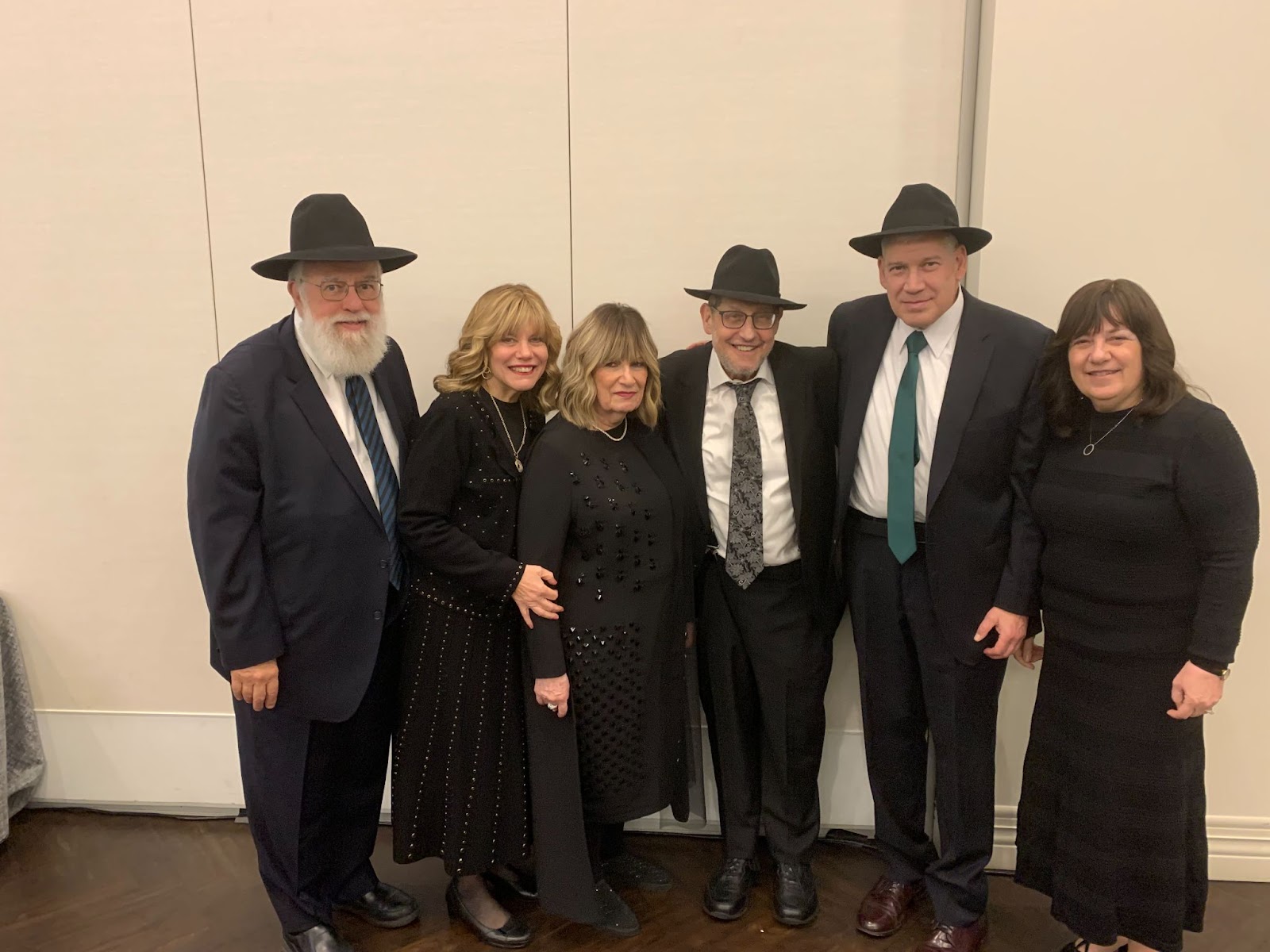
Sidney Glenner, Lisa Glenner, Esther Chase, Pesach Chase, Mitch Morgenstern, Serka Morgenstern
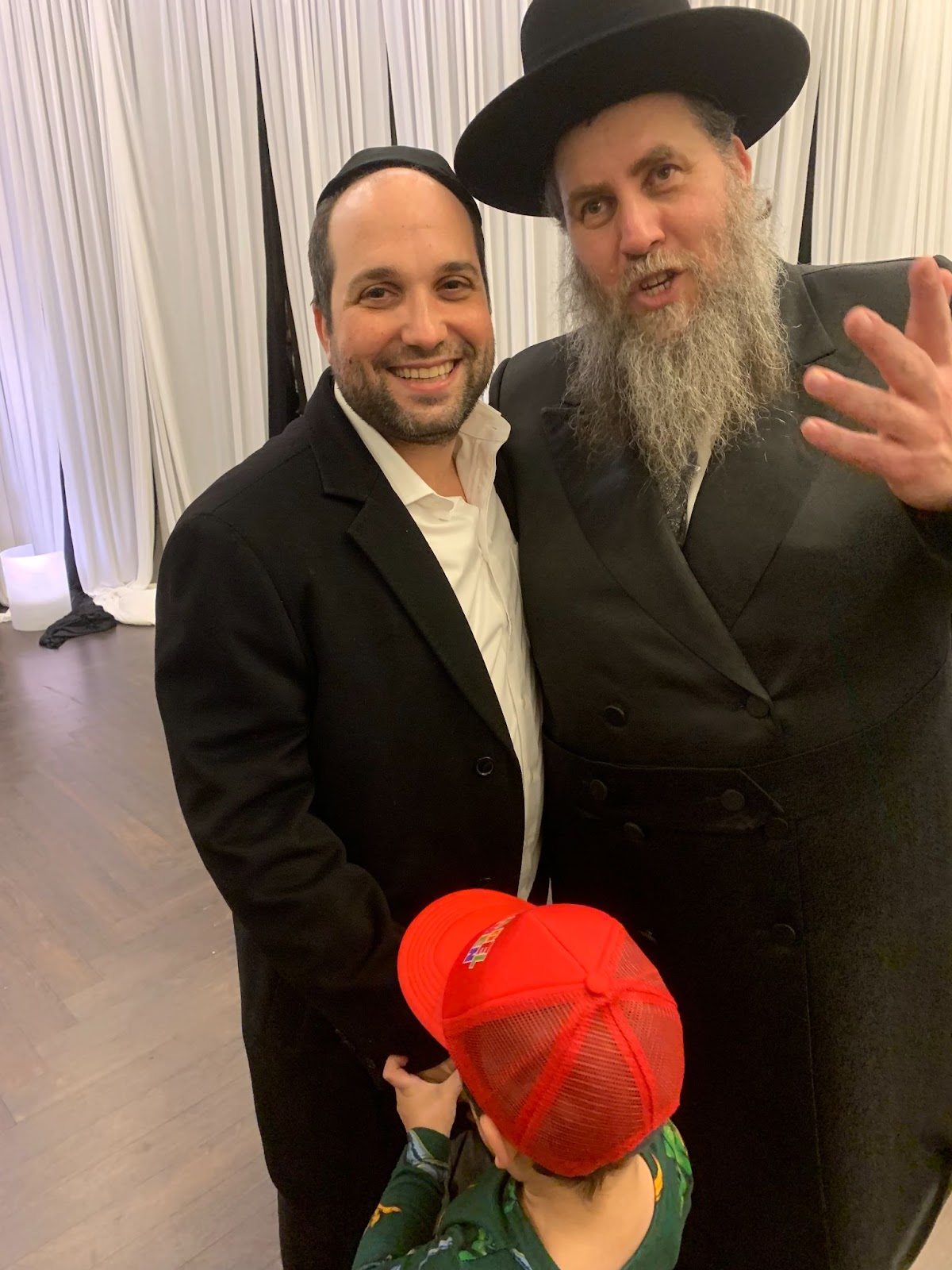
Mordy Siegal, Meyer Chase
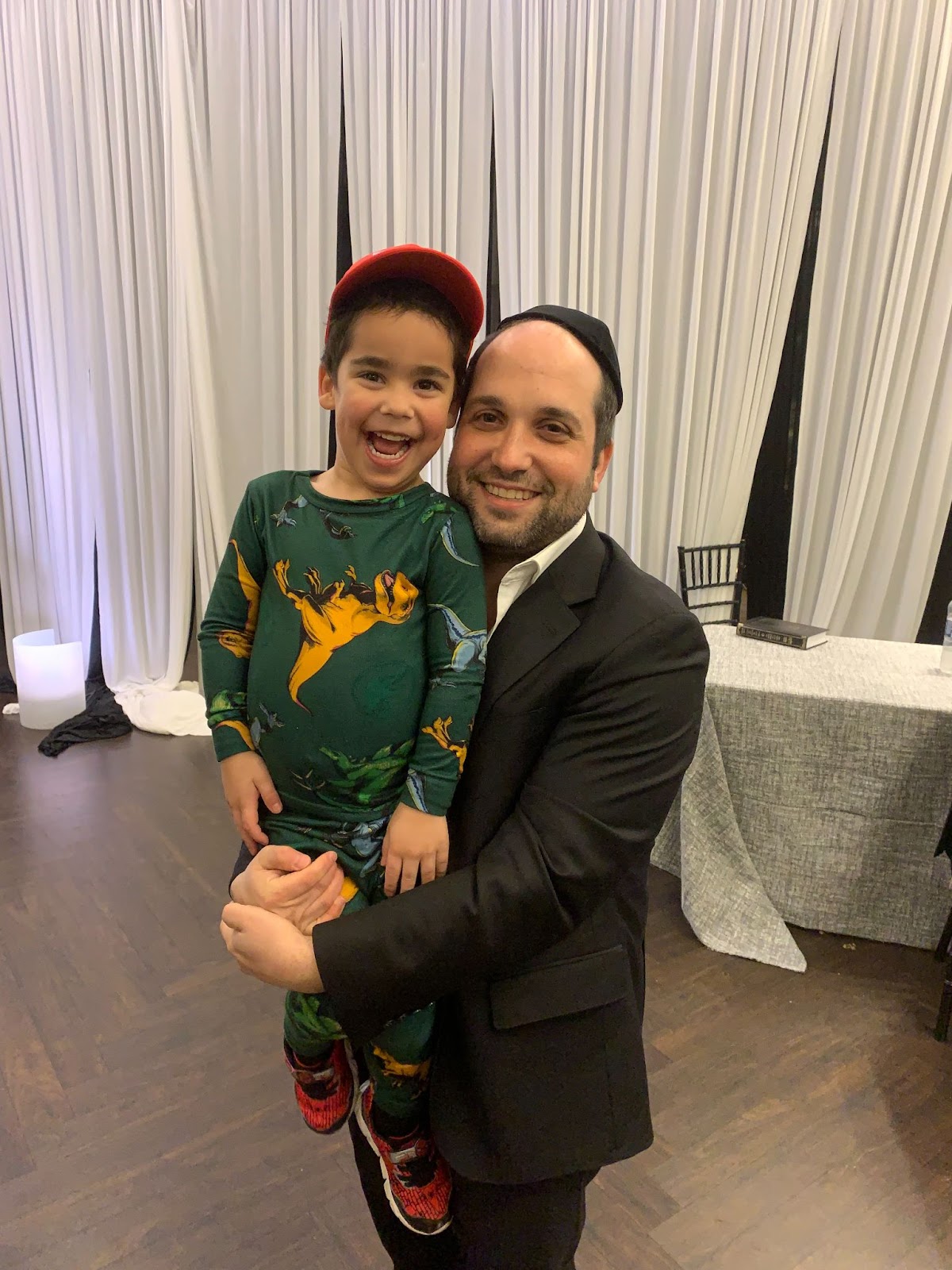
Mordy Siegal, Itamer Yaakov Siegal
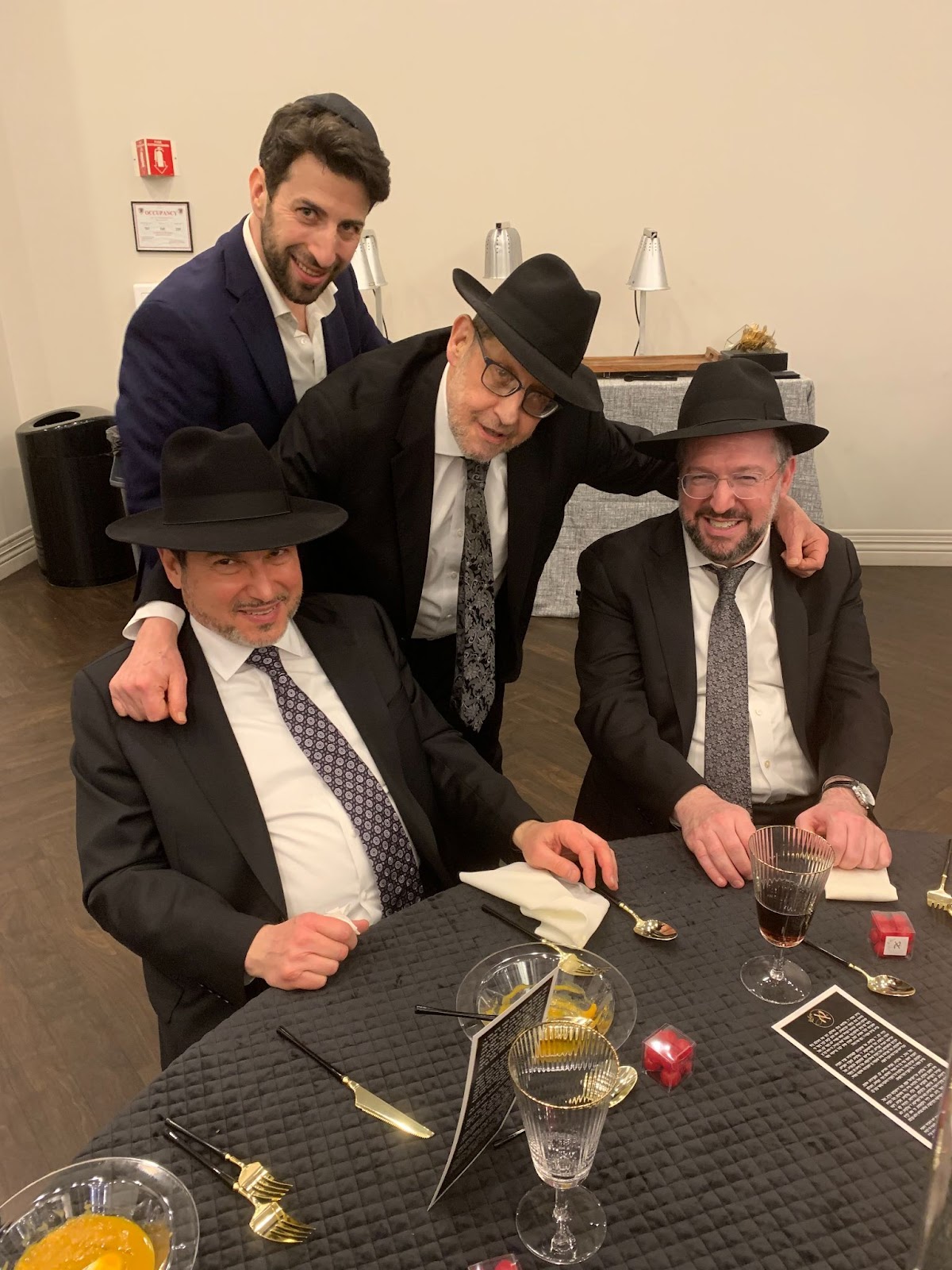
Aron Hoch, Sholem Chase, Pesach Chase, Yaakov Chase (Lakewood)

My Torah:

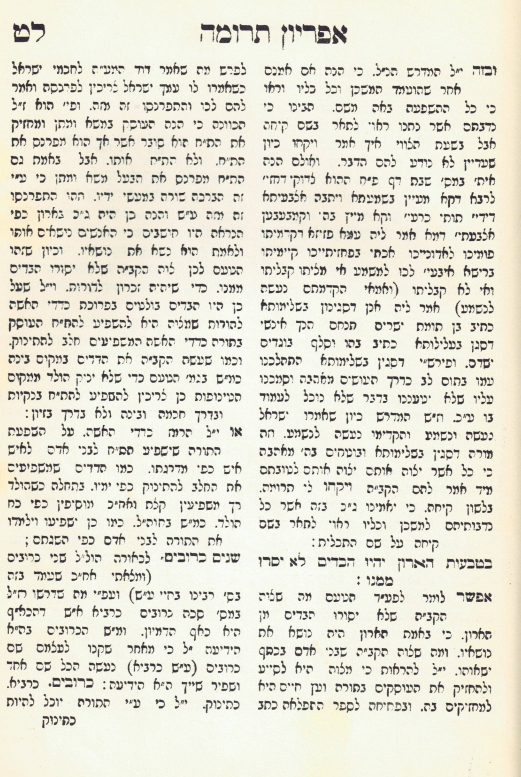
I love the opening Rashbam on this Parsha:(פרשיות של משכן חשן ואפוד אקצר בפירושן וימצאו בפירושי רבינו שלמה אבי אמי ז”ל).

The second pasuk in Truma Verse 25:2 states:

דַּבֵּר֙ אֶל־בְּנֵ֣י יִשְׂרָאֵ֔ל וְיִקְחוּ־לִ֖י תְּרוּמָ֑ה מֵאֵ֤ת כׇּל־אִישׁ֙ אֲשֶׁ֣ר יִדְּבֶ֣נּוּ לִבּ֔וֹ תִּקְח֖וּ אֶת־תְּרוּמָתִֽי׃

The plain meaning of the Pasuk is that Moshe should speak to the Jews and they should take (from their possessions) a donation from every man who generously offers that gift, you should take My donation.

Questions:

1 – the last three words of  תִּקְח֖וּ אֶת־תְּרוּמָתִֽי are redundant.

2 – The Alsich and many others ask why does is say  וְיִקְחוּ and not  ויתנו?

These are answered by the  אפּריון.  See details below.

Both answered  

3 – Rashi says on the word לִ֖י – the word לִשְׁמִי.   What does Rashi exactly mean?  I do not have a good answer for Rashi.  I did see somewhere that rashi means do not give donations to the Mishkan because of social pressures or for other reasons, give only to serve God.

The Seifsei Chacomin explains why Rashi says לִשְׁמִי because   לִ֖י cannot mean “take 

from your possessions for me” because everything in the world is His, [therefore it

cannot mean, “so it will be Mine.”]  This is difficult because in this world people 

have ownership rights and people have a right to make decisions on their property.

Translations of this Pasuk:

Almost all of the English translations translate it with the plain meaning.  Only Rabbi Kahane brings in Rashi.

JPS 2006

Tell the Israelite people to bring Me gifts; you shall accept gifts for Me from every person whose heart is so moved.

Mesudah:

Speak to the B’nei Yisrael and have them take for Me a terumah-offering. From every man whose heart impels him to generosity shall you take My terumah-offering.

Rabbi Charles Kahane:

Tell the Children of Israel to appoint collectors for taking a voluntary gift for My Name’s sake; you shall take My voluntary gift from every man whose heart willingly offers the donation.

Only one who brings in Rashi.

Artscroll

Speak to the children of Israel and they shall take for Me a portion, from every man whose heart will motivate him you shall take My portion.

The  אפּריון   based on the Tanna Dvei Eliyahu:

Speak to the children of Israel.  And they will take My gifts; (this is done) by Moshe taking donations from all people whose heart will motivate him.

My Torah:

I want to start off something I read in Paul Newman’s autobiography this Shabbos morning, how coincidental.
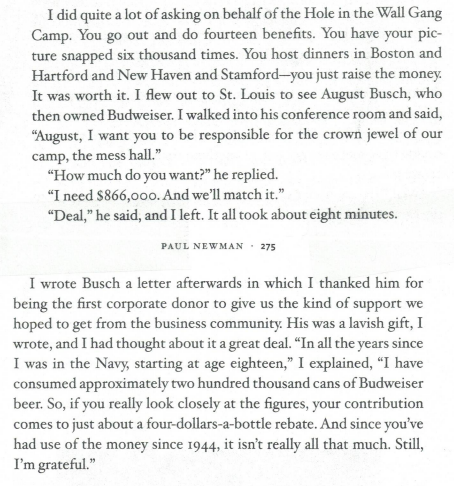
Last year and today, I learned and analyzed the following  אפּריון.  See my blog post from last year.
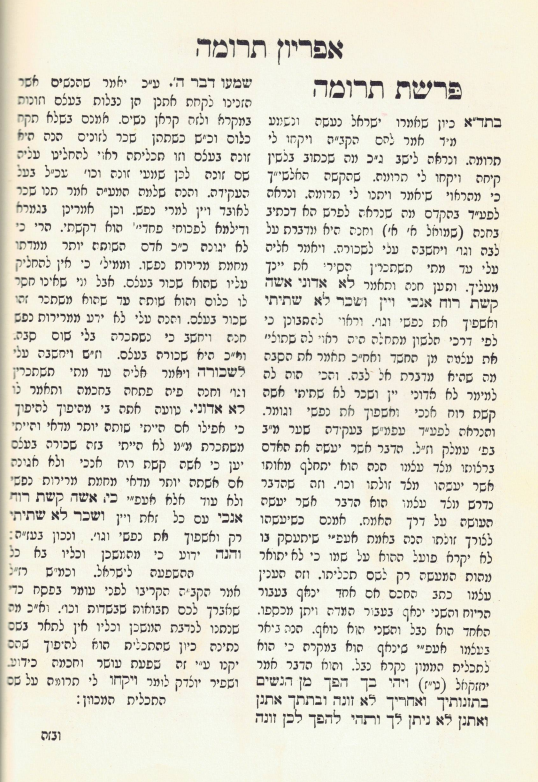
Synopsis of the Torah of the Aperion:

Verse 25:2 – First Verse in the Parsha

דַּבֵּר֙ אֶל־בְּנֵ֣י יִשְׂרָאֵ֔ל וְיִקְחוּ־לִ֖י תְּרוּמָ֑ה מֵאֵ֤ת כׇּל־אִישׁ֙ אֲשֶׁ֣ר יִדְּבֶ֣נּוּ לִבּ֔וֹ תִּקְח֖וּ אֶת־תְּרוּמָתִֽי׃

Tell the Israelite people to bring Me gifts; you shall accept gifts for Me from every person whose heart is so moved.

The plain meaning is that the Jews in the desert were to give donations to build the Mishkan.

The אפּריון starts by bringing down a Tanna Dvei Eliyahu that says that when the Jewish people said we will do and we will listen, immediately Hashem said וְיִקְחוּ־לִ֖י תְּרוּמָ֑ה.  What is the connection?

By explaining the connection in the Tanna Dvei Eliyahu we can answer the Alshich’s question of why didn’t the Torah say, give me a gift.

Answer:

First Step:

Chana and Eli, the High Priest.  Eli misunderstood Chana.

The following verses in Shmuel 1:13-15 are explained.

וְחַנָּ֗ה הִ֚יא מְדַבֶּ֣רֶת עַל־לִבָּ֔הּ רַ֚ק שְׂפָתֶ֣יהָ נָּע֔וֹת וְקוֹלָ֖הּ לֹ֣א יִשָּׁמֵ֑עַ וַיַּחְשְׁבֶ֥הָ עֵלִ֖י לְשִׁכֹּרָֽה׃

Now Hannah was praying in her heart; only her lips moved, but her voice could not be heard. So Eli thought she was drunk.

וַיֹּ֤אמֶר אֵלֶ֙יהָ֙ עֵלִ֔י עַד־מָתַ֖י תִּשְׁתַּכָּרִ֑ין הָסִ֥ירִי אֶת־יֵינֵ֖ךְ מֵֽעָלָֽיִךְ׃

Eli said to her, “How long will you make a drunken spectacle of yourself? Sober up!”-e

וַתַּ֨עַן חַנָּ֤ה וַתֹּ֙אמֶר֙ לֹ֣א אֲדֹנִ֔י אִשָּׁ֤ה קְשַׁת־ר֙וּחַ֙ אָנֹ֔כִי וְיַ֥יִן וְשֵׁכָ֖ר לֹ֣א שָׁתִ֑יתִי וָאֶשְׁפֹּ֥ךְ אֶת־נַפְשִׁ֖י לִפְנֵ֥י יְהֹוָֽה׃

And Hannah replied, “Oh no, my lord! I am a very unhappy woman. I have drunk no wine or other strong drink, but I have been pouring out my heart to the LORD.

Step 2:

Describing people through their actions and why the purpose and result of their actions is the true definition of that person, not the action itself in a vacuum.

Step 3 – Just like Chazal says that if the Omer is brought on the second day of Pesach Hashem will bless the crops, so too the Mishkan and its vessels bring down “Shefah” – goodness

Step 4:  The Gemara in Shabbos:

The Gemara relates that a heretic saw that Rava was immersed in studying halakha, and his fingers were beneath his leg and he was squeezing them, and his fingers were spurting blood. Rava did not notice that he was bleeding because he was engrossed in study. The heretic said to Rava: You impulsive nation, who accorded precedence to your mouths over your ears. You still bear your impulsiveness, as you act without thinking. You should listen first. Then, if you are capable of fulfilling the commands, accept them. And if not, do not accept them. He said to him: About us,

88b

who proceed wholeheartedly and with integrity, it is written: “The integrity of the upright will guide them” (Proverbs 11:3), whereas about those people who walk in deceit, it is written at the end of the same verse: “And the perverseness of the faithless will destroy them.”

Step 5 – As it says in the Gemara in Shabbos, when the Jews said “we will do and we will listen”, we understood that everything God does for us is good and we do not hesitate to say, we will do before we will listen.

Step 6 – so too the idea of giving the donations to the Miskan was to receive blessings, so it was appropriate for the Torah to use the language of taking.  Had the Jews not said “we will do and we will listen” then the appropriate language would have been “ויתנו”.  

The language of the Aperion:
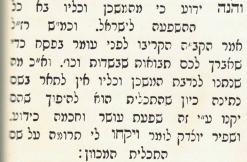
Although the Jews were giving money for the Mishkan, the ultimate goal was to take blessings from God.

The  אפּריון based on the Tanna Dvei Eliyahu is translating the Pasuk, וְיִקְחוּ־לִ֖י תְּרוּמָ֑ה, that the Jewish people are to take gifts from God.  They do this by giving donations for the construction of the Mishkan.

The Pasuk is thus translated:

דַּבֵּר֙ אֶל־בְּנֵ֣י יִשְׂרָאֵ֔ל וְיִקְחוּ־לִ֖י תְּרוּמָ֑ה מֵאֵ֤ת כׇּל־אִישׁ֙ אֲשֶׁ֣ר יִדְּבֶ֣נּוּ לִבּ֔וֹ תִּקְח֖וּ אֶת־תְּרוּמָתִֽי׃

Speak to the children of Israel.  And they will take my gifts; (this is done) by Moshe taking donations from all people whose heart will motivate him.

Analysis of Tanna Dvei Eliyahu:

Chapter 17:

כיון שקבלו ישראל עול מלכות שמים בשמחה ואמרו כל אשר דבר ה’ נעשה ונשמע מיד אמר הקב”ה למשה שיאמר לישראל 

שיעשו לו משכן שנאמר (שמות כה) דבר אל בנ”י וגו’ ועשו לי מקדש ושכנתי בתוכם וגו’. 

This Tanna Dvei Eliyahu is the source for the following Daas Zekeinim:

ויקחו לי תרומה. פרשה זו נאמרה בתוך ארבעים יום שהיה ממתן תורה וצוהו הקב”ה להיכן מניח’ שיעשו משכן ובית קדשי הקדשים ובתוכו ארון ובתוך הארון לוחות ושם תשרה שכינה וישראל סביב כמו המלאכים סביב כסא הכבוד ושכינה ביניהם וכן כתוב ושכנתי בתוכם כמו בתוך המלאכים ועל זה נאמר אמרתי אלהים אתם ובני עליון כלכם להיות שכינתי ביניהם:

The Oz Vehadar Chumash in their Perush of the Da’as Zekanimu says that the source of the above Da’s Zekanim is this very Tanna Dvei Eliyahu:
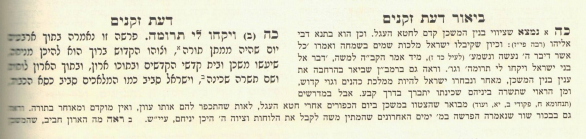
Da’as Zekanm translate into English:

ויקחו לי תרומה, “they shall take for Me a contribution;” this portion had been told to Moses during the forty days that Moses was on Mount Sinai, immediately after the revelation at that Mountain, [In other words, before the smashing of the Tablets, and the golden calf episode. Ed.] G–d, at that time, had already told Moses where to erect the Tabernacle, and that it would house the Holy Ark, inside the Holy of Holies, symbolizing G–d’s presence on earth. He told him that it would contain the Tablets, and that the Israelites would be encamped around the Tabernacle. This is what is meant in verse eight of our verse where G–d described Himself as residing in the midst of the people, i.e. as if surrounded by angels as He had been in heaven. Concerning this state of affairs, David had said in Psalms 82,6: אמרתי אלוהים אתם ובני עליון כולכם, “I had said: ‘you are the children of G–d all of you children of the Supreme Being.” [David bemoans the demotion of the Jewish people that followed the golden calf episode in the verse following. Ed.]

Continuation of the Tanna Dvei Eliyahu:

באותה שעה אמר הקב”ה בלבבו שמא לא יביאו בנ”י נדבתם לפני ושמא יהיו אומרים כלפי מעלה וכי לכסף וזהב הוא צריך והלא כל כסף וזהב ואבנים טובות ומרגליות וכל כלי חמדה שלו הוא שנאמר (חגי ב) לי הכסף ולי הזהב נאם ה’ צבאות. ומפני מה אומר לבני אדם הביאו לי נדבה ועשו לי מקדש אבל מה שביקש הקב”ה מישראל נתנו לו ישראל והוא עושה לישראל מה שאמר להן. וכשעשו ישראל רצון הקב”ה במדבר והקב”ה מצא בהן קורת רוח כמה שנאמר בהן (שמות לה) ויבואו כל איש אשר נשאו לבו וכל אשר נדבה רוחו אותו וגו’. ו
Toras HaKotzker

The Kotzker and Sachachover

May 13, 2024

We see that the Kotzker learned all the classical Seforim and he valued the same Torah as the Litvisha world.  

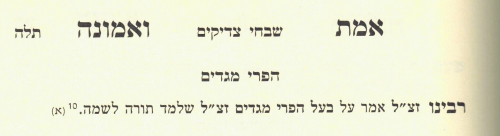
 Amud HaEmes starting on page 246 details what the Kotzker said about various leaders and Seforim.    The Kotzker talks about the Rambam,  Korban Nesaniel, Maharal M’Prague, the Sefer Chovos Halevovos, the Pri Megadim, Mesudos Dovid, Pnei Yehoshua, and all the Chassidic leaders starting with the Baal Shem Tov.   

We see that the Kotkzer learned all the classical Seforim that were and are learned in the Misnagdishe – Litvishe world.  He knew each one and understood their Dereck Lemudo – their method of learning.    This is because first and foremost learning Torah was first and foremost.  They learned Gemora, the Rishonim, the Posikim, and Achronim.  I read in Professor Morris Faierstein’s book that the Chassidim did not learn Zohar and Kabbalah.  There is no question that the Kotzker did learn Zohar and Kabbalah but his  main learning was Neglah and not Nistar.

The Kotzker learned the Chovos Halevovs with his son Admor Dovid Morgenstern.  In HTC I heard Shiurim from the Rosh Hayeshiva, Rabbi Revah, on the Chovos HaLevoros.  This year Rabbi Weg of the Yeshiva is learning it with his Shiur.

The Kotzker learned and knew the Pri Megadim and the Chavos Daas, the Lissa Rov.  The Pri Megadim died in 1792 and the Chavos Daas died in 1832.  Kotzker was born in 1787 and I doubt that he ever met the Chavos Daas.  There is a story in Siach Sarfei Kodesh where the Chidushei Harim met the Chavos Daas.  

Read the following from the Emes Ve Emunah and Aber Harayim.  Aber Harayim is the history of Rabbi Avrohom Bornstein, known as the Avnei Nezer, and the Sachochever Rebbe, and was the son-in-law of the Kotzker.  The Avnei Nezer married the Kotzker’s oldest twin daughter, Sara Tzina, in 1853, when he was 13 or 14 years old.   He spent six  years learning by the Kotzker and the Kotzker felt that it was his job to make the Avnei Nezer the leading Torah scholar in Poland.  

The Pri Megadim:

The Kotzker said about the Pri Megadim that he learned Torah for the sake of Hashem.

Rabbi Yehuda Gordon told me the following story.  Reb Chaim Kenievsky said that the Chazon Ish put Sefroim written Leshem Samayim on a higher shelf than Seforim he felt were not written Leshem Shamayim.

The Pri Megadim was Joseph ben Meir Teomim 1727–1792. יוסף בן מאיר תאומים was a Galician Rabbi, best known as author of Pri Megadim, by which title he is also referenced. He was one of the foremost Torah Scholars of his time.  Rabbi Teomim’s Pri Megadim (פרי מגדים, “choice fruits”, published 1782) [3] is a widely referenced work on the Shulkhan Aruch. It is composed, essentially, as a supercommentary on the major commentators there: Pri Megadim is however seen as authoritative in its own right, often quoted, for example, by the Mishna Berurah.

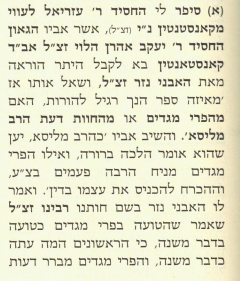
The following story is brought down about the Pri Megadim and the Chovavos Daas, the Lissa Rov –Yaakov Lorberbaum – Wikipedia.  Page 435 of the 2022 edition of Emes Vemunu put out by Reb Simcha Morgenstern contains the following story.


Translation:

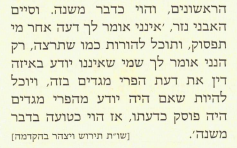
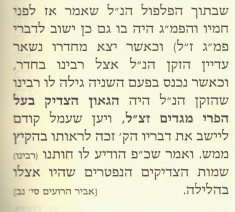
The Chasid Reb Ezriel Lowy from Kanstantin told me the story that when his father, the Goan and Chasid Reb Yaakov Aaron HaLevi, the head of the Jewish Court of Kanstantin,  went to get Smicha from the Avnei Nezer TZL, the Avnei Nezer asked him, from where do you rely on to determine Halachic questions?  Is it the Pri Megadim or the Chavos Daas, the Lissa Rov.  My father answered  that he uses the Lissa Rov because the Lissa Rov says the Halacha clearly, however, the Pri Megadim leaves many issues unresolved.   The Avnei Nezer told him in the name of the his father-in-law, the Kotzker, that one who makes a mistake in the Pri Megadim (and Paskens against the Pri Megadim) is a  טועה בּדבר משׁנה –  someone who makes a mistake in a clear Halacha.   Because our Reshonim are now like the words of a Mishnah and the Pri Megadim explains the Rishonim.  This means that one can issue Jewish law only if the Posak knows the Reshonim, and the Pri Megadim clarifies the opinions of the Reshonim.

The Avnei Nezer concluded that I am not telling you who to use, and you can Paskim as you see fit, but I am telling you that a Posek who doesn’t know what the Pri Megadim says and if that Posak would know the Pri Megadim, he would have decided like the Pri Megadim, then it is that the Posak was  טועה בּדבר משׁנה – made a clear mistake.  In a sense the Kotzker felt that the Posak is committing malpractice.                                                        

The beautiful following story is told by the Avnei Nezer about the Pri Megadim:

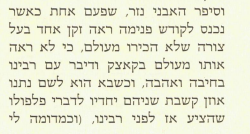
The Avnei  Nezar told that once when he entered the holy place he saw an elderly man with a regal manner that he did not recognize because he had never seen him in Kotzk.  He spoke to the Kotzker with affection  and love.  When he, the Avnei Nezer, came into the room they both gave him their full attention to the words of his Pilpul – Talmudic discourse – that he laid out before the Kotzker and the guest.  (It seems to me that in the above-mentioned Talmudic Discourse that he said in front of his father-in-law and the guest, who was the Pri Megadim, was also an answer to a question on the Pri Megadim.)   When he left his room, the above-mentioned elderly man still remained with our Rabbi in the room.  When he entered the second time, our Rabbi revealed to him that the above-mentioned elderly man was the tzaddik, the genius was the Pri Megadim. Because the Avnei Nezer worked hard to reconcile the words of the Pri Megadim, he was privileged to see him in the actual daylight. And he said that his father-in-law (our Rabbi) informed him of the names of the deceased tzaddikim who were with him that night.

I further explained that this story about the Pri Megadim visiting the Kotzker took place in 1854 or later. even though the Pri Megadim died in 1792.  

I listen to Rabbi Sugerman’s Daf Yomi Shiur. As I have said in the past, when the Torah was given at Har Sinai, it was said in the voice and words of Ben Sugerman.  Ben Sugerman has a unique way of saying and explaining the Gemora, in that he makes the Gemora three dimensional.  The Gemora comes alive.  Once while listening to Rabbi Ben Sugerman explain a Gemora that had a dispute between Rebi Yochanan and his brother-in-law, Resh Lakish, I felt as if I was in the Bais Medrash of Rebi Yochanan and Resh Lakish and could see Reb Yochanan saying his viewpoint and Resh Lakish arguing and saying, no, the Halacha is different. They went back and forth bringing proofs, refutations, and attempts at logic.  It was a unique experience that happened only once.

I explained the above story about the Pri Megadim coming to the Kotzker in a similar manner.   “The Kotzker who learned Torah day and night for over 60 years, and the Pri Megadim did not come to him?”

There is a very important story about the relationship between the Avnei Nezer and his father-in-law, the Kotzker.   We see from the below story that the Avnei Nezer had complete access to learn and ask questions to the Kotzker.  It cannot be emphasized enough that during the last 19 years of his life, known as the “days of Hester” that the Kotzker still engaged his family, learned Torah day and night, and taught.

Translation:

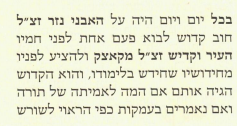
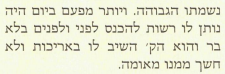
The Avnei Nazer, TZL, had a holy duty to come daily one time before his Holy father-in-law from Kotzk, and offer some of his innovations that he had innovated in his study, and he,  the Holy one would proofread them if they were true to the Torah and if they were said in depth as befits the root of his high soul.  More than once a day he would give him permission to enter without restriction.  The Kotzker answered him in length and did not hold anything back from him.

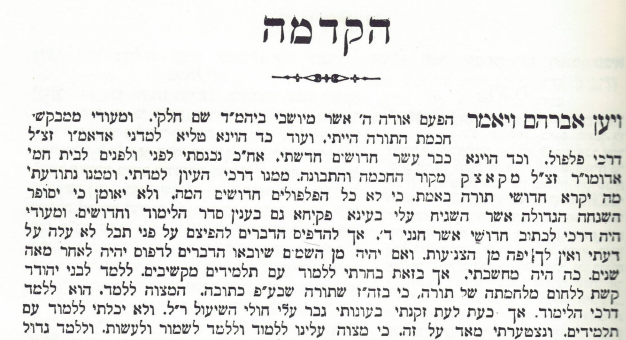
In his introduction to the Eglei Tal, the Avnei Nezer writes:

Translation:

And Avrohom responded and said, this time I will give thanks to Hashem (mirrors Leah’s words when naming her fourth son Yehuda) that my portion is with those that dwell in the study hall.  And I was always one who searches out the wisdom of the Torah.  When I was young I was taught by my master, my father, and my teacher the method of Pilpul.  When I was ten years old, I was was writing my own  חידושׁים.  Then I entered the inner rooms  of the house of my father in law, the Admor of Kotzk, the source of wisdom and understanding.   (a reference to the Kodesh Hakodashim where the ark was located in the Temple)  From him, I learned my method of learning Torah in depth.  And from him I learned  what is a true statement of Torah.  Because not all thoughts are חידושׁים.  It is unbelievable when I tell about the extra effort that he watched over me with his wise eyes also in learning and חידושׁים.

And it has always been my way to write new things that I am pleased with. But to print the things and spread them over the world did not occur to me, and you have no beauty in modesty. And if it is from heaven that the things will be brought to print, it will be after a hundred years. That was my thinking, but I chose to learn with listening students. To teach the children of Yehudar a bow to fight the battle of the Torah, because in the 17th century the Torah is written. The commandment to teach. He teaches the ways of learning. But now at the time of my old age, in my seasons, I was overcome by the cough, R.A., and I could not study with students.

The following is another story that reflects on the Kotzker is a statement he made about his future son in law:

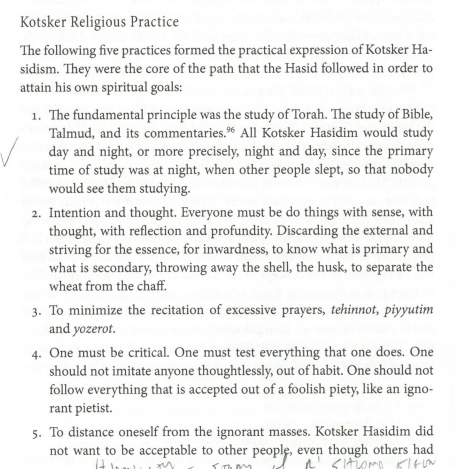
Professor Morris Faierstein lists five practices that form the practical expression of Kotzker Hasidism.

Most  things the Professor got right.  I would add one more and diminish #5.  The first item I 

I would add is Ahavas Yisroel.    This is true of the Kotzker Rebbe and would like to believe that his Chassidim followed in his footsteps.  

When I spoke about this list at Rabbi Sidney Glenner’s house, Rabbi Moshe Roberts said that Emes should be at the top.  I did not agree.  Perhaps Emes would be true of the Kotzker himself, but not of his Chassidim.  Perhaps #4 on the list is Emes.

I do not know his source of #5, although I have heard it in the past.  There is a story of Reb Leibele Eiger when his father Reb Shlomo Eiger sent a messenger to look in on his son with an ignorant farmer.  #5 may still be true, but it may have not been so pronounced as Professor Faierstein says it is.

The understanding to #5, I believe, is that they were Torah scholars and they had no use for the mundane matters and gossip discussed by the masses.  The masses felt excluded and that created animosity between the groups.  This is only natural.  

Emes:

The below is in an article from Kotzk Blog: 459) Chassidic literature – beyond the Hebrew texts

Introduction

This article – based extensively on the research by Professors Evan Mayse and Daniel Reiser[1] − examines a fascinating anomaly within Chassidic literature: Most of the formal Chassidic texts used today are in Hebrew, but Hebrew was not the medium through which the discourses were generally transmitted. The original teachings were mainly presented orally and in Yiddish. 

The question is whether or not this is a significant distinction, and can it have some bearing on how we read the popular Chassidic texts today? 

This is what they write on Kotzk.

Kotzk through a Yiddish lens

The Kotzker Rebbe is known for his search for Truth (Emet). Astoundingly, however, by basing ourselves on the Hebrew word Emet, we actually have a very limited understanding of what he was really looking for. 

“Heschel cites an oral Hasidic tradition maintaining that the Kotsker rebbe never uttered the word emet (or emes in Yiddish), the term often rendered as ‘truth.’ Rather than this standard Yiddish term, Menahem Mendel used the less common vorhayt, a word related to the German Wahrheit (truth, verity)” (Mayse and Reiser 2018:146). 

To be accurate, Heschel informs us that, the Kotzker Rebbe used the word Emes, only once – but he quickly corrected himself by replacing the word with “oyf der vorhayt.” Language is so important because in this case, Vorhayt means something that neither the Hebrew word Emet nor the Yiddish word Emes, can capture: 

Vorhayt gestures not toward an abstract or philosophical conception of truth but rather to a concept of verity that is totally grounded in reality. This tradition suggests that the Kotsker rebbe was uninterested in philosophical emes, which can be proven and cut down…Menahem Mendel of Kotsk was seeking an entirely different level of existential reality. 

The Kotzker Rebbe was not so much searching for technical ‘truth.’ In Yiddish, ‘vorhayt does not mean ‘truth’ – it means ‘realness,’ ‘genuineness,’ or ‘authenticity.’ Perhaps the English expression ‘salt of the earth’ conveys its meaning well. There is a vast, philosophical and existential difference between these two concepts which can only be comprehended by understanding the language of transmission. 

January 27,  2024: Isaac Rothman’s Bar Mitzvah

We drove to Toronto on Wednesday, January 23, 2024.  We stayed at Chani Janowski’s house which was an 8 minute walk to the Shul, Aish Hatorah of Thornhill.  The Rabbi is the grandfather of the Bar Mitzvah boy.  The Rabbi spoke beautifully.  Friday night at Shul Rabbi Rothman spoke the Kotzker on the  Verse  וַיָּבֹ֣אוּ מָרָ֔תָה וְלֹ֣א יָֽכְל֗וּ לִשְׁתֹּ֥ת מַ֙יִם֙ מִמָּרָ֔ה כִּ֥י מָרִ֖ים הֵ֑ם עַל־כֵּ֥ן קָרָֽא־שְׁמָ֖הּ מָרָֽה׃.   The Kotzker on  כִּ֥י מָרִ֖ים הֵ֑ם says that it does not go on the waters but on the people.  The people were bitter.

Shabbos morning Rabbi Rothman spoke about the need to be awed.  He started  his speech about the piano of Beethoven.

I did not speak and it bothered me.  I did not  feel it was appropriate for me to ask.  

Alesha’s oldest son, Shimi, came in from Israel.  Joany Noble-Shokiet came in from Miami.  Joany was very close with my mother in law and Joany comes in for every Simcha.  Her father was my mother in law’s twin brother.

It is always a shame when the Simchas are over and on Sunday we drove back to Chicago.

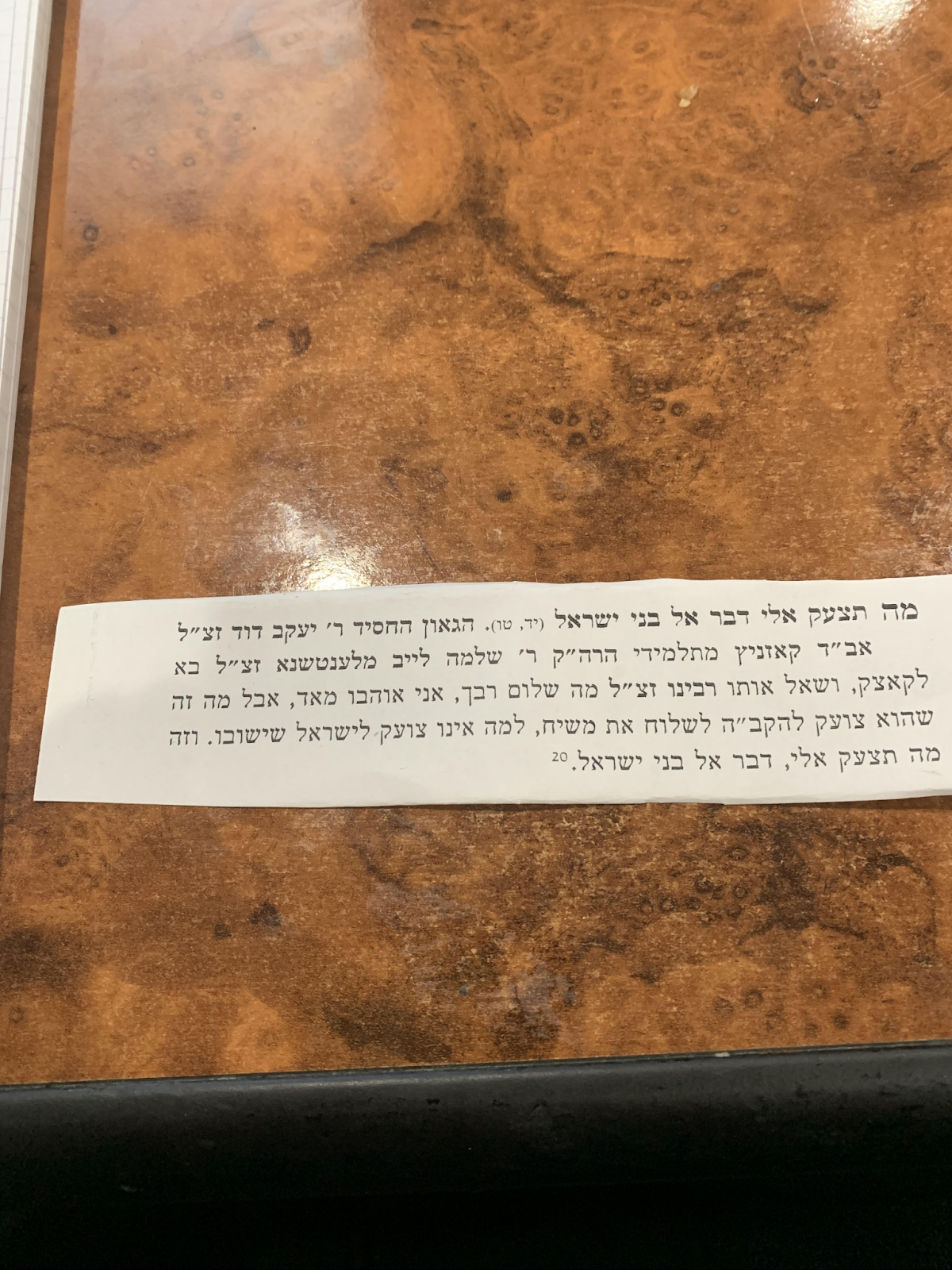
If I had spoken, I would have spoken the below Vort in the Sefer Emes Ve Emunah, page 56 in the  new addition

BeShalach Verse 14:15 says “And the Lord said to Moshe, Why dost thou cry to me? speak to the children of Yisrael, that they go forward”.

“The Goan, Chosid Reb Yaakov Dovid, the head of the Bais Din in Koshnitz was a

student of Reb Shlomo Leib from Lentshna and he came to Kotzk.  The Kotzker

asked Reb Yakov Dovid, he is your teacher, I love him very much.   But what can I do?

He cries to God in prayer to send the Mosiach, why can’t he cry to the Jews to repent.

The Kotzker ends by saying that this is the explanation of the verse.  Things are dependent 

on man.  Inspire the people to make themsleves better and this is the way to bring Moshiach.

Two comments on the Kotkzer. 

First Comment:

Reb Yaakov Dovid was the community leader in Koshnitz.  When we say Koshnitz we tremble.  The  holy Koshnitzer Magid  lived in Kozhnitz.  Koshnitz is the name of a Hasidic dynasty founded by the Kozhnitzer Maggid, Rebbe Yisroel Hopsztajn. Kozhnitz is the Yiddish name of Kozienice, a town in Poland.  Rebbe Yisroel Hopsztajn, the Maggid and founder of the Kozhnitz dynasty, and one of the three “patriarchs” of Polish hasidism, was a disciple of Rebbe Elimelech of Lizhensk (Rabbi Elimelech Lipman of Lizhensk), author of Noam Elimelech. The Rebbe Elimelech was a disciple of the Rebbe Dovber, the Maggid (“preacher”) of Mezeritch, the primary disciple of the Baal Shem Tov, the founder of Hasidism.

Yisroel Hopsztajn (c. 1733 – 1814), author of the classic Avodas Yisroel.    https://en.wikipedia.org/wiki/Kozhnitz_(Hasidic_dynasty).  My Zedi Sholem Skar would raise his hand when  he mentioned the Koshnitzer Magid.

Second Comment:

What is the Kotzker saying with his Vort?  Is it just a cute Vort?.  I think the answer is no.  This Vort tells us how the Kotzker advised people and how he looked at the world.  He had confidence in humans that with proper teaching and inspiration they will do the right thing.  We do not have to pray to Hashem as leaders, we have to lead and the Jews will do the right thing and bring Moshiach.  This is the Kotzke’s life outlook.  This is the Kotzker’s message to  Reb Shlomo Leib from Lentshna.  Inspire people and you can bring them to the mountain of God.

Thursday February 1, 2024 – 165th Yahrzeit of the Kotzker Rebbe.

I had a zoom with my family to discuss the Kotzker and his legacy.  I started with the above Vort.  I then played Avrohom Fried’s cappella, I Am I.   https://www.youtube.com/watch?v=G-HvhT8OPs0. The words are:

  • “If I am I because I am I, and you are you because you are you, then I am I and you are you. But if I am I because you are you and you are you because I am I, then I am not I and you are not you!”

This theme is consistent with many sayings of the Kotzker.

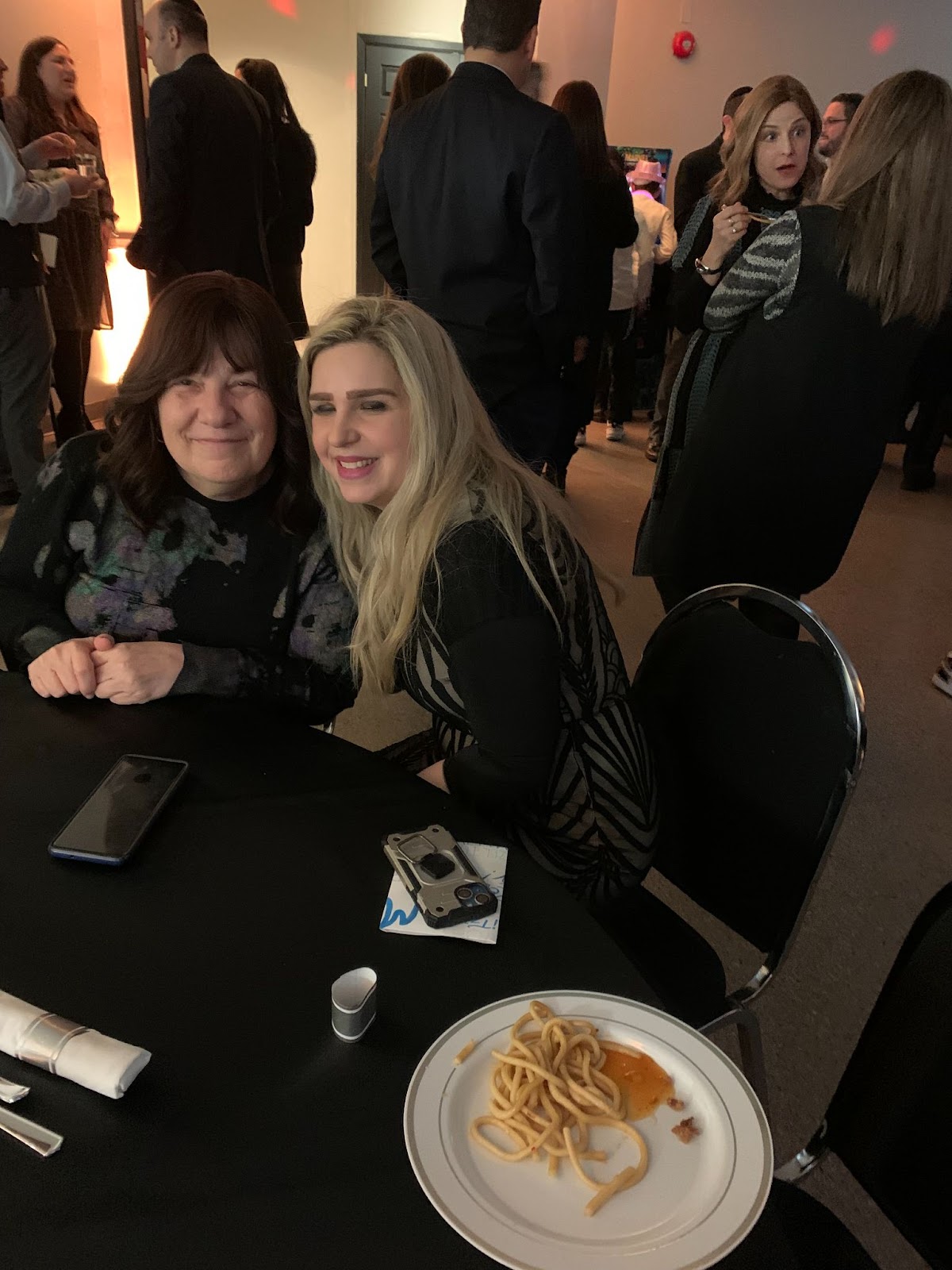
Serka, Debbi Janowski – grandmother of the bar Mitzvah boy, and Joany Noble-Shokit – our cousin.

Serka Morgenstern and Alesha Rothman – mother of Isaac.