Category: My Life

Posts about people I meet and my happenings

  • Jean Morgenstern – Second Yahrzeit

    Shayna Bas Sholem and Chana Feigel 

    December 30, 2020 – 16 Teves 5781 

    My grandparents Sholem and Chana Feigel Sklar came to America in late 1923.  My mother was born on April 27, 1924.  Shirley was already born back in Europe, Beverly came in 1929, and the last girl, Altie, was born in 1939.

    It was an immigrant life.  The 1929 depression hit when my mother was five. The depression helped shape my mother’s life.  My mother married her first husband in 1943 and had two kids. Pesach in 1943 and Arela in 1946.  She divorced and married my father in 1948.  My older sister, Lisa, was born in 1950. I entered this world right before Kol Nidrei 1953. The baby of the family, Karen, was born in 1955.   My mother was a typical housewife who took care of the kids while my father worked.  She had no independence. She did not have a license, and had no money of her own.  It was not a good marriage and my parents divorced in 1966.    My mother got a divorce in a time when there was a stigma, and the emotional turmoil must have been draining. She was 42 and had to build up her life.  She had a job in the typing pool of Kemper Insurance, however, pay was low.  

    Her first success was when she learned how to drive.  Our next-door neighbor, the Marrettis, helped teach Ma how to drive and she got her license.  This gave her independence.  She purchased their white car.  Pesach actually drove the car Chal Hamoad Succos from Chicago to Toronto to work.  I  remember Pesach saying, that to stay up, he would say “50 miles to Kalamaaazoo, Kalamaaazoo.  25 miles to Kalamaaazoo.”  Her next life success was when she bought a brand new green, 1971 Plymouth Duster.  One of the greatest smells in the world from Hashem is the new car smell.  My mother got to experience it in a car bought with her own money.   These two successes may seem small to most people but to my mother they were affirming that she is a success.

    The green Duster became famous in Lakewood, and with the Chase boys driving it, sometimes in questionable circumstances.

    In 1980  Ma was 56 years old and she moved to Lakewood to take care of her parents.  Uncle Yosef (Yasif) called and said that she has to come to Lakewood to take care of her parents, otherwise they would  end up in a nursing home.  I had a number of conversations with my mother.  I was very direct with her, but always told her during every conversation that it was her choice.   She decided to move to Lakewood.  Just by the mere mention that Ma was coming, Bubi and Zedi felt better.  My mother had an aura of competence, that she will take care of everything, everything will be fine.

    In 1993 after my Bubi dies, Ma moves back to Chicago.  She was always there for everyone.  She took care of Naftali, gave him a quality of life that is unsurpassed.  She once told Sidney that God has to make her live a long life because she has to take care of Naftali. She took the boys to and from Yeshiva and took Hudi to  college every day. She  brought pizza to the boys in Telz and would let them go to Blockbuster Video to rent movies when their parents were out of town. She brought Challah and groceries for us, and so many other favors that are innumerable.   Every night as my mother laid down to sleep, she had to go over in her mind her schedule for the next day.  I admit I was a big beneficiary of Ma’s largesse and I make no excuses for it.   

    This all changed in 2014 when my mother turned 90 and her health started to deteriorate,   לֹא־אוּכַ֥ל ע֖וֹד לָצֵ֣את וְלָב֑וֹא. 

    Ma is the person referred to in the following Torah Temimah in this week’s Sedra.  What Siaatta Dismaya I had in finding the Torah Temimah.  The Torah Temimah decided to put in an obscure Avos D’Rav Noson on this week’s Torah portion.   I believe that this was put in by the Torah Temimah just for my mother.   The 11th Perek of Avos D’Rav Nosson states that Rabbi Tarfon says that people die because of idleness.  Even if someone does not have a job  because he or she  does not need it, they should still find any type of work and not be idle.  This was my mother; she had responsibility up until age 90.  It was amazing that my mother in her 80s was as active as someone in their 50s.  This kept her alive, relevant, young and integral to the family  She was needed and was always present.  Contrast this with people who retire and have nothing to do. They sit on a couch and just deteriorate.  I saw this happen to a close relative of mine.

    ויגוע ויאסף. א”ר טרפון. אין אדם מת אלא מתוך הבטלה, שנאמר ויגוע ויאסף מזאין באור לזה, והמפרש עמל הרבה בדברים דחוקים, ונראה פשוט דסמך ארישא דקרא ויכל יעקב לצות את בניו ויגוע ויאסף, וכל זמן שהיה מצוה היה חי, ומכיון שפסק מלצוות גוע, ורמז הוא שאין אדם מת אלא מתוך הבטלה, ונ”מ בזה מבואר בפרק זה באדר”ן שישתדל כל אדם לתור לו איזו מלאכה להתעסק בה אף שא”צ לה רק שלא ישב בטל, ומסמיך זה אפסוקים שונים, יעו”ש. וע’ מש”כ השייך לענין זה לעיל בפ’ נח בפ’ ויום ולילה לא ישבתו. [אדר”נ פ’ י”א].

    My mother was also a living example of a Rashbam in Shmos 22:6, cited below.

    The Torah talks about two types of Shomrim – guardians in Parsha Mishpatim.  One is someone who watches a vessel and if it gets stolen the Shomer does not have to compensate the owner.  The second Shomer is someone who agrees to watch an animal.  If the animal is stolen the Shomer has to pay the owner for his loss.   The Gemora says the reason why the first Shomer is exempt from compensation is that he is an unpaid guardian while the second one is paid for his services therefore he has to accept more responsibility and if the animal is stolen,he must pay the owner for his loss.   The difference is whether or not the Shomer is paid for his services.

    However, the Rashbam says that this is not the plain meaning for the text.  The Rashbam explains  that in the case of the guardian who agrees to watch a vessel, he just puts it on a shelf and only agrees to exert minimal effort and therefore less responsibility.    However, in the second case the Shomer has agreed to actually watch an animal.  

    Since an animal takes much more effort, the Shomer has agreed that he will make an extra effort to properly watch the animal.   Therefore, he has to pay if the animal is stolen despite not being compensated.  The difference is in what the guardian agreed to do upfront.  Of course, in this world, the  Bais Din cannot force the guardian to pay unless he is being compensated, however, theologically he should have to pay.  In life we have to take on responsibility even if it may cost us.   We can never just wash our hands and say, “not my problem”.  We may lose sleep and become emotionally beat up, but we have to be counted.  In life we have to be engaged, and responsible for our family, for our world.   We do not want to be superficially connected, acting freely and not being bothered.  We cannot let life go by taking cruises, having one day fold into the next day just worried about ourselves or what to wear, what to eat, and where to vacation.  This is not true life. We have to be responsible. 

    Perhaps you can say that this is also an interpretation in the Gemara in Shabbos 31A:  

    אָמַר רָבָא: בְּשָׁעָה שֶׁמַּכְנִיסִין אָדָם לְדִין, אוֹמְרִים לוֹ: נָשָׂאתָ וְנָתַתָּ בָּאֱמוּנָה?

    With regard to the same verse, Rava said: After departing from this world, when a person is brought to judgment for the life he lived in this world, they say to him in the order of that verse: Did you conduct business faithfully?

    The plain meaning is as stated “Did you conduct business faithfully?”  However perhaps the saying of Rava also means did you carry yourself and did you give of yourself faithfully?  Did you escape responsibility or were you connected? Did you, for the last years of your life, just sit on the couch involved in your narcissistic needs? Or were you there for your family, your friends and other Jews?  Hashem understands that for most of one’s life people are working and raising kids. But afterwards, in retirement, in the last 10+ years of your life,  were you counted or absent?  Rabbi Efraim Twerski said that my Pshat is farfetched.  I said that I will call it Drush. 

    Rashbam – Shmos 22:6:

    כי יתן איש אל רעהו כסף או כלים לשמור – בפרשה זו פוטר את השומר מגנבה ואבדה ובפרשה שניה מחייבו בגנבה ואבדה. ופירשו רבותינו: ראשונה בשומר חנם, שניה בשומר שכר. ולפי פשוטו של מקרא: פרשה ראשונה שכתוב בה: כי יתן איש אל רעהו כסף או כלים לשמר – מטלטלין הם ולשומרם בתוך ביתו כשאר חפציו נתנן לו, לפיכך אם נגנבו בביתו פטור, כי שמרן כשמירת חפציו. אבל פרשה שניה שכתוב בה: כי יתן איש אל רעהו חמור או שור או שה וכל בהמה לשמור – ודרך בהמות לרעות בשדה ודאי כשהפקידם על מנת לשומרם מגנבים הפקידם לו ואם נגנבו חייב.

    Summation:

    I believe that this is who my mother was. She was always accepting extra responsibly and gave her utmost to others. Up until the age 90 she was actively involved with all her kids, whether it was carpools, shopping, or being that extra pair of hands for whoever needed help.

  • Parshas Chaya Sara – November 14, 2020

    Rabbi Menachem Leibtag – Parshas Va’Yaira

    November 10, 2020 – first day out of quarantine.  I was very depressed yesterday because I had no clue what Rabbi Revah was talking about  in the Shiur,  I spent 3.5 hours working on the Shiur and I am 75%restored.  I think I now understand the Shiur.  The next day I am again depressed because the Shiur was above me.  I have to review.

    Bubi Blanche is doing as expected.  Serka is going tonight to visit for the allotted three hours.  

    First Vort on the Sedra:

    Pasuk 23:2 says:

    וַתָּ֣מָת שָׂרָ֗ה בְּקִרְיַ֥ת אַרְבַּ֛ע הִ֥וא חֶבְר֖וֹן בְּאֶ֣רֶץ כְּנָ֑עַן וַיָּבֹא֙ אַבְרָהָ֔ם לִסְפֹּ֥ד לְשָׂרָ֖ה וְלִבְכֹּתָֽהּ׃

    Rashi comments as to why the city was called:

    בקרית ארבע. עַל שֵׁם אַרְבַּע עֲנָקִים שֶׁהָיוּ שָׁם, אֲחִימָן שֵׁשַׁי וְתַלְמַי וַאֲבִיהֶם. דָּ”אַ עַל שֵׁם אַרְבַּע זוּגוֹת שֶׁנִקְבְּרוּ שָׁם אִישׁ וְאִשְׁתּוֹ, אָדָם וְחַוָּה, אַבְרָהָם וְשָׂרָה, יִצְחָק וְרִבְקָה, יַעֲקֹב וְלֵאָה (בראשית רבה):

    Rashi brings down two reason when Chevron was called קִרְיַ֥ת אַרְבַּ֛ע.  

    1. It was named after the four giants who lived there
    2. The four pairs buried in Chevron

    The source of the first reason is from a Verse in Yahushua 14:15 – וְשֵׁ֨ם חֶבְר֤וֹן לְפָנִים֙ קִרְיַ֣ת אַרְבַּ֔ע הָאָדָ֧ם הַגָּד֛וֹל בָּעֲנָקִ֖ים ה֑וּא וְהָאָ֥רֶץ שָׁקְטָ֖ה מִמִּלְחָמָֽה׃ 

    The name of Hebron was formerly Kiriath-arba: [Arba] was the great man among the Anakites. And the land had rest from war.

    Rashi on Verse 14:15 in Yehoshua

    הָאָדָם הַגָּדוֹל בָּעֲנָקִים הוּא אֲבִיהֶם שֶׁל אֲחִימָן שֵׁשַׁי וְתַלְמַי, אַרְבַּע הָיָה שְׁמוֹ. דָּבָר אַחֵר: עַל שֵׁם הָאָב וּשְׁלשָׁה בָּנִים, שֶׁכֵּן קוֹרֵא אוֹתָם (שם יג כב): יְלִידֵי הָעֲנָק.

    The greatest man among the giants. The father of Achimon, Sheishai, and Talmai was Arba.7Chevron was the home of these four famous giants, the three brothers and their father. Another explanation: [It was called Kiryas-arba, the city of four]8 because of the father and the three sons, for they are referred to as the offspring of the “Anak,” [the giant].9

    Rashi in Yehoshua gives two reasons and Rashi selected the second reason that he gave in Yehoshua for here in Chaya Sarah.  

    How are we to understand the second explanation in Rashi here in Bereishis that the city was called קִרְיַ֥ת אַרְבַּ֛ע because of the four pairs buried in Chevon when in Yehoshua we are told that it is because of the four giants?  

    The Netziv in Hemek Davar answers this question that this second explanation is not the reason why the city is called קרית ארבע, but rather why Hashem arranged it that Sarah would die in   קרית ארבע .  Because that is where she was to be buried.   Sara and Avrohom lived in Beer Sheva, with Chevron being roughly 20 miles north of Chevron, and Har Hamoriah being 15 miles north of Chevron.   As the Netziv says  משום הדרש ששם ראוי להקבר ארבע אבות העולם and her death there was a sign to Avrohom to bury her in  קִרְיַ֥ת אַרְבַּ֛ע .

    The problem with the Hemek Davar is that it seems based on Rashi’s Bereshis 21:24 that Avrohim moved to Chevron 12 years before the Akedah.  Rashi as follows:

    ימים רבים. מְרֻבִּים עַל שֶׁל חֶבְרוֹן. בְּחֶבְרוֹן עָשָׂה כ”ה שָׁנָה וְכָאן כ”ו, שֶׁהֲרֵי בֶּן ע”ה שָׁנָה הָיָה בְּצֵאתוֹ מֵחָרָן, אוֹתָהּ שָׁנָה וַיָבֹא וַיֵּשֶׁב בְּאֵלֹנֵי מַמְרֵא, שֶׁלֹּא מָצִינוּ קֹדֶם לָכֵן שֶׁנִּתְיַשֵּׁב אֶלָּא שָׁם, שֶׁבְּכָל מְקוֹמוֹתָיו הָיָה כְּאוֹרֵחַ חוֹנֶה וְנוֹסֵעַ וְהוֹלֵך, שֶׁנֶּאֱמַר וַיַּעֲבֹר אַבְרָם, וַיַּעְתֵּק מִשָּׁם, וַיְהִי רָעָב בָּאָרֶץ וַיֵּרֶד אַבְרָם מִצְרַיְמָה (בראשית י”ב), וּבְמִצְרַיִם לֹא עָשָׂה אֶלָּא שְׁלֹשָׁה חֳדָשִׁים שֶׁהֲרֵי שְׁלָחוֹ פַרְעֹה מִיָּד, וַיֵּלֶךְ לְמַסָּעָיו עַד וַיָּבֹא וַיֵּשֶׁב בְּאֵלֹנֵי מַמְרֵא אֲשֶׁר בְּחֶבְרוֹן (שם י”ג), שָׁם יָשַׁב עַד שֶׁנֶּהֱפְכָה סְדוֹם, מִיָּד וַיִּסַּע מִשָּׁם אַבְרָהָם מִפְּנֵי בוּשָׁה שֶׁל לוֹט וּבָא לְאֶרֶץ פְּלִשְׁתִּים, וּבֶן צ”ט שָׁנָה הָיָה, שֶׁהֲרֵי בַשְּׁלִישִׁי לְמִילָתוֹ בָּאוּ אֶצְלוֹ הַמַּלְאָכִים, הֲרֵי כ”ה שָׁנָה, וְכָאן כְּתִיב יָמִים רַבִּים, מְרֻבִּים עַל הָרִאשׁוֹנִים, וְלֹא בָא הַכָּתוּב לִסְתֹּם אֶלָּא לְפָרֵשׁ, וְאִם הָיוּ מְרֻבִּים עֲלֵיהֶם שְׁתֵּי שָׁנִים אוֹ יוֹתֵר הָיָה מְפָרְשָׁם, וְעַל כָּרְחֲךָ אֵינָם יְתֵרִים יוֹתֵר מִשָּׁנָה, הֲרֵי כ”ו שָׁנָה; מִיָּד יָצָא מִשָּׁם וְחָזַר לְחֶבְרוֹן, וְאוֹתָהּ שָׁנָה קָדְמָה לִפְנֵי עֲקֵדָתוֹ שֶׁל יִצְחָק י”ב שָׁנִים, בְּסֵדֶר עוֹלָם:

    The problem is that is Bereshis  22:19  וַיָּ֤שָׁב אַבְרָהָם֙ אֶל־נְעָרָ֔יו וַיָּקֻ֛מוּ וַיֵּלְכ֥וּ יַחְדָּ֖ו אֶל־בְּאֵ֣ר שָׁ֑בַע וַיֵּ֥שֶׁב אַבְרָהָ֖ם בִּבְאֵ֥ר שָֽׁבַע׃ .    Abraham then returned to his servants, and they departed together for Beer-sheba; and Abraham stayed in Beer-sheba.

    If Avrohom was living in Chevron why did he go to Beer Sheva after the Akedah.  The simple answer is that  while living in Chevron, Avrohom and Sarah went back to Beer Sheva at times and when the Akedah happened Avrohom was in Beer Sheva.  After i re[read Rashi on Verse 22”19 it appears that I am correct.

    וישב אברהם בבאר שבע. לֹא יְשִׁיבָה מַמָּשׁ, שֶׁהֲרֵי בְּחֶבְרוֹן הָיָה יוֹשֵׁב, י”ב שָׁנִים לִפְנֵי עֲקֵדָתוֹ שֶׁל יִצְחָק יָצָא מִבְּאֵר שֶׁבַע וְהָלַךְ לוֹ לְחֶבְרוֹן, כְּמוֹ שֶׁנֶּאֱמַר וַיָּגָר אַבְרָהָם בְּאֶרֶץ פְּלִשְׁתִּים יָמִים רַבִּים, מְרֻבִּים מִשֶּׁל חֶבְרוֹן הָרִאשׁוֹנִים, וְהֵם כ”ו שָׁנָה, כְּמוֹ שֶׁפֵּרַשְׁנוּ לְמַעְלָה:

    She died in Chevron to tell Avrohom that this is to be the place of her burial and why?  What was so special about Chevron.  The answer could be based on Rabbi Leibtag’s Shiur via Zoom to Boca Raton Synagogue on November 10, 2020.  Chevron is the place where Hashem told Avrohom in Bereishis Verse 18:19 why he is chosen by Hashem to discuss Sedom’s fate.  Avrohom represents Gods desire for the world to live with  צְדָקָ֖ה וּמִשְׁפָּ֑ט and Avrohom is to teach the world this message.     Power is not to be achieved for power’s sake and for domination and subjugation;  but for justice and charity, to feed the poor, to uplift the people of their kingdom and the entire world.  Avrohom will teach his children the message of  צְדָקָ֖ה וּמִשְׁפָּ֑ט and his children will forever continue to spread this message.       This is in contrast to Sedom who were evil and did not practice justice and charity.  This is the paradigm for Jewish leaders which was first achieved by Dovid Hamelech, see below.

    Genesis – verse 18:19:   כִּ֣י יְדַעְתִּ֗יו לְמַעַן֩ אֲשֶׁ֨ר יְצַוֶּ֜ה אֶת־בָּנָ֤יו וְאֶת־בֵּיתוֹ֙ אַחֲרָ֔יו וְשָֽׁמְרוּ֙ דֶּ֣רֶךְ יְהוָ֔ה לַעֲשׂ֥וֹת צְדָקָ֖ה וּמִשְׁפָּ֑ט לְמַ֗עַן הָבִ֤יא יְהוָה֙ עַל־אַבְרָהָ֔ם אֵ֥ת אֲשֶׁר־דִּבֶּ֖ר עָלָֽיו׃

    For I have singled him out, that he may instruct his children and his posterity to keep the way of the LORD by doing what is just and right, in order that the LORD may bring about for Abraham what He has promised him.”

    Chevron represents the theological center for the Jewish people.  This is where Avraham was told his legacy, the mission for his children  This mission for Jewish power by a king was first achieved in the time of Dovid in the following Verses:

    Shmuel 2 Verses 18:15

    וַיִּמְלֹ֥ךְ דָּוִ֖ד עַל־כָּל־יִשְׂרָאֵ֑ל וַיְהִ֣י דָוִ֗ד עֹשֶׂ֛ה מִשְׁפָּ֥ט וּצְדָקָ֖ה לְכָל־עַמּֽוֹ׃

    David reigned over all Israel, and David executed charity and justice among all his people.

    1 Chronicles 18:14 –  וַיִּמְלֹ֥ךְ דָּוִ֖יד עַל־כָּל־יִשְׂרָאֵ֑ל וַיְהִ֗י עֹשֶׂ֛ה מִשְׁפָּ֥ט וּצְדָקָ֖ה לְכָל־עַמּֽוֹ׃

    Rashi says on this Pasuk:

    משפט וצדקה. משך עצמו מלהלחם עוד ומלצאת ולבא עוד במלחמה והיה יושב ושופט תמיד ישראל בצדקה:

    1 Chronicles 13 talks says that Hashem caused salvation for David wherever he went

    יָּ֤שֶׂם בֶּאֱדוֹם֙ נְצִיבִ֔ים וַיִּהְי֥וּ כׇל־אֱד֖וֹם עֲבָדִ֣ים לְדָוִ֑יד וַיּ֤וֹשַׁע יְהֹוָה֙ אֶת־דָּוִ֔יד בְּכֹ֖ל אֲשֶׁ֥ר הָלָֽךְ׃

    He stationed garrisons in Edom, and all the Edomites became vassals of David. The LORD gave David victory wherever he went.

    This theme of  צְדָקָ֖ה וּמִשְׁפָּ֑ט – Charity and Justice appears throughout Tanakh as the goal of the Jewish people.

    תהילים פרק עב

    א  לִשְׁלֹמֹה:    אֱלֹהִים–מִשְׁפָּטֶיךָ, לְמֶלֶךְ תֵּן; וְצִדְקָתְךָ לְבֶן-מֶלֶךְ. ב  יָדִין

    עַמְּךָ בְצֶדֶק;    וַעֲנִיֶּיךָ בְמִשְׁפָּט.-  יִשְׁפֹּט עֲנִיֵּי עָם יוֹשִׁיעַ, לִבְנֵי אֶבְיוֹן;

    וִידַכֵּא עוֹשֵׁק…. י  מַלְכֵי תַרְשִׁישׁ וְאִיִּים,    מִנְחָה יָשִׁיבוּ;מַלְכֵי שְׁבָא וּסְבָא אֶשְׁכָּר

    יַקְרִיבוּ. יא וְיִשְׁתַּחֲווּ-לוֹ כָל-מְלָכִים כָּל-גּוֹיִם יַעַבְדוּהוּ. יב  כִּי-יַצִּיל, אֶבְיוֹן מְשַׁוֵּעַ;

    וְעָנִי, וְאֵין-עֹזֵר לוֹ. יג  יָחֹס, עַל-דַּל וְאֶבְיוֹן;וְנַפְשׁוֹת אֶבְיוֹנִים יוֹשִׁיעַ.

    G.    What could have saved Jerusalem – according to Yirmiyahu

    ירמיהו כ – 

        א כֹּה אָמַר ה’, רֵד בֵּית-מֶלֶךְ יְהוּדָה; וְדִבַּרְתָּ שָׁם, אֶת

    הַדָּבָר הַזֶּה.  

    ב וְאָמַרְתָּ, שְׁמַע דְּבַר-ה’, מֶלֶךְ יְהוּדָה, הַיֹּשֵׁב עַל-כִּסֵּא

    דָוִד:  אַתָּה וַעֲבָדֶיךָ וְעַמְּךָ, הַבָּאִים בַּשְּׁעָרִים הָאֵלֶּה. 

     ג כֹּה אָמַר ה’, עֲשׂוּ מִשְׁפָּט וּצְדָקָה, וְהַצִּילוּ גָזוּל, מִיַּד עָשׁוֹק; וְגֵר יָתוֹם

    וְאַלְמָנָה אַל-תֹּנוּ, אַל-תַּחְמֹסוּ…   ד  כִּי אִם-עָשׂוֹ תַּעֲשׂוּ אֶת-הַדָּבָר

    הַזֶּה—וּבָאוּ בְשַׁעֲרֵי הַבַּיִת הַזֶּה מְלָכִים יֹשְׁבִים לְדָוִד עַל-כִּסְאוֹ…

    ה  וְאִם לֹא תִשְׁמְעוּ ..-בִּי נִשְׁבַּעְתִּי נְאֻם-ה’, כִּי-לְחָרְבָּה יִהְיֶה הַבַּיִת הַזֶּה.

    H. To “know God” – according to Yirmiyahu

    In his ensuing rebuke of King Yehoyakim:

    יג הוֹי בֹּנֶה בֵיתוֹ בְּלֹא-צֶדֶק, וַעֲלִיּוֹתָיו בְּלֹא מִשְׁפָּט…

    .  טו הֲתִמְלֹךְ, כִּי אַתָּה מְתַחֲרֶה בָאָרֶז; אָבִיךָ הֲלוֹא אָכַל וְשָׁתָה, וְעָשָׂה

    מִשְׁפָּט וּצְדָקָה–אָז, טוֹב לוֹ.  טז דָּן דִּין-עָנִי וְאֶבְיוֹן, אָז טוֹב;

    הֲלוֹא-הִיא הַדַּעַת אֹתִי, נְאֻם-ה’.

    The words of the Hemek Davar:

    בקרית ארבע. לפי הפשט הוא אדון העיר או בונה העיר. אבל הרי נזכר כ״פ חברון ולא נזכר שם הלז. מזה יצא דרשת חז״ל כונה שניה כפרש״י ומשום זה היתה סיבה מן השמים שתמות בחברון אע״ג שהיתה דירתה עם אברהם בבאר שבע כמבואר גם אחר העקידה וישב אברהם בבאר שבע. וגם להלן כתיב ויצחק בא מבוא באר לחי רואי והוא יושב בארץ הנגב. והיינו באר שבע כדכתיב לעיל כ׳ א׳ ויסע משם אברהם ארצה הנגב. אבל שרה מתה באיזה סבה ממסבב הסבות בחברון. או כאשר שמעה מדבר העקידה הלכה אחרי אברהם ויצחק חיי רוחה ובאשר הלכו לארץ המוריה והוא ביהודה סמוך לחברון. באה לשם ומתה. וטעם סיבה זו מה׳ הוא באשר היתה קרית ארבע וע״כ הוא משום הדרש ששם ראוי להקבר ארבע אבות העולם. ואדה״ר היה הראשון לקבורה שם ואיש לא ידע מזה:

    I emailed the below Torah to Rabbi Menachem Leibtag and he responded:

    Thank you

    and a very nice summary –

    and it’s fine,

    just one typo I found

    This is in contract to Sedom… 

    s/b in ‘contrast’ 

    2)  Torah Vort:

    Verse 23:5 says – וַיַּעֲנ֧וּ בְנֵי־חֵ֛ת אֶת־אַבְרָהָ֖ם לֵאמֹ֥ר לֽוֹ׃

    The last two words of  לֵאמֹ֥ר לֽוֹ׃ are extra?

     The Hemek Dvar answers that they are not extra –

     לאמר לו. המה נתיישבו מה להשיב. ושלחו אחד מהם לאמר לו תשובתם. Meaning they talked about it among themselves and then sent a representative  to speak to Avrohom,   This does not seem to be a fully satisfying answer.  

    Verse 23:8 says:

    וַיְדַבֵּ֥ר אִתָּ֖ם לֵאמֹ֑ר אִם־יֵ֣שׁ אֶֽת־נַפְשְׁכֶ֗ם לִקְבֹּ֤ר אֶת־מֵתִי֙ מִלְּפָנַ֔י שְׁמָע֕וּנִי וּפִגְעוּ־לִ֖י בְּעֶפְר֥וֹן בֶּן־צֹֽחַר׃

    and he said to them, “If it is your wish that I remove my dead for burial, you must agree to intercede for me with Ephron son of Zohar.

    Rashi says:

    פגעו לי. לְשוֹן בַּקָּשָׁה כְּמוֹ: אַל תִּפְגְּעִי בִּי (רות א’):

    Translated as  –  ופגעו לי — This phrase signifies entreaty, as (Ruth 1:16) “Do not entreat (תפגעי) me”.

    Rashi is telling us that the translation of וּפִגְעוּ־לִ֖י is not “introduce me to Ephron” , but rather they should request of  Ephron to  give the מְעָרַ֤ת הַמַּכְפֵּלָה֙ to me.  They were to make the sales pitch and not Avrohom, and this is what Onkelus says – 

    וּמַלֵּיל עִמְּהוֹן לְמֵימָר אִם אִית רַעֲוָא בְנַפְשְׁכוֹן לְמִקְבַּר יָת מִיתִי מִן קֳדָמַי קַבִּילוּ מִנִּי וּבְעוּ לִי מִן עֶפְרוֹן בַּר צוֹחַר:

    Insight – Avrohom did this very wisely.  He did not negotiate with Efron directly.  He asked the people of Ches to talk to Ephron, they should convince Ephon should sell his field to Avrohoim.  Avrohom gave ownership in what Avrohom wanted to the people of Ches, so that they will convince Eforn to sell.  This would make it easier for Avrohom to purchase the field.   This is a beautiful negotiation tactic to get buy-in from those around you.

    Vort 3)

    Verse 23:9

    וְיִתֶּן־לִ֗י אֶת־מְעָרַ֤ת הַמַּכְפֵּלָה֙ אֲשֶׁר־ל֔וֹ אֲשֶׁ֖ר בִּקְצֵ֣ה שָׂדֵ֑הוּ בְּכֶ֨סֶף מָלֵ֜א יִתְּנֶ֥נָּה לִ֛י בְּתוֹכְכֶ֖ם לַאֲחֻזַּת־קָֽבֶר׃

    Let him sell me the cave of Machpelah that he owns, which is at the edge of his land. Let him sell it to me, at the full price, for a burial site in your midst.”

    Rashi says:  המכפלה. בַּית וַעֲלִיָּה עַל גַּבָּיו. דָּ”אַ שֶׁכְּפוּלָה בְּזוּגוֹת (עירובין נ”ג

    Rashi defines for us the word מכפלה as a cave that had two floors.

    Rashbam:

    מערת המכפלה – כל הבקעה קרויה מכפלה כמו: ככר הירדן וכן מוכיח לפנינו: שדה עפרון אשר 

    במכפלה.

    The Rashbam translates  הַמַּכְפֵּלָה֙ as the name of valley where Efron’s property was located.  Ephron’s cave was located in the area called מַּכְפֵּלָה֙.  Proof is that in 23:17 the Torah says וַיָּ֣קָם שְׂדֵ֣ה עֶפְר֗וֹן אֲשֶׁר֙ בַּמַּכְפֵּלָ֔ה אֲשֶׁ֖ר לִפְנֵ֣י מַמְרֵ֑א .  This fits in beautifully with the Rashbam, the field located in Machpelah which is before Mamre stood .  .   .  But according to Rashi what does verse 17 mean.  If Macpelah is a cave, what is the field in the cave?

    Flow of the Pesukim:

     Avrohom tells Efron in Verse 9,  I want to purchase your cave.  Eforn answers in Verse  11 s and says I will give you the field and also the cave in it (the field).  Seemingly Efron is being magnanimous by saying you can not only have the cave but I will give you the entire field.  In verse 13 Avrohom responds to Efrorn’s offer and says I will purchase the field.  I really do not want it as a gift because all I need is the cave.  I will pay for your generous offer of the field and the cave will be a gift to me.  This is what Avrohom says, “I will purchase the field”. Avrohom does not mention the cave because Avrohom understood that Efron was offering the field because Efron really wanted to be paid.     Avrohom thus responded and said I will purchase the field and the cave is a throw in.  This gave Efron cover because he initially said to Avrohom in front of the people of Ches,  Avrohom responded in verse 13 by saying I will buy the field and the cave is really a free bonus to me.  Ephfron can appear magnanimous to his people while getting the  money he wanted.   

    With this we can answer another question.  Verse 23:16 – וַיִּשְׁמַ֣ע אַבְרָהָם֮ אֶל־עֶפְרוֹן֒ וַיִּשְׁקֹ֤ל אַבְרָהָם֙ לְעֶפְרֹ֔ן אֶת־הַכֶּ֕סֶף אֲשֶׁ֥ר דִּבֶּ֖ר בְּאָזְנֵ֣י בְנֵי־חֵ֑ת אַרְבַּ֤ע מֵאוֹת֙ שֶׁ֣קֶל כֶּ֔סֶף עֹבֵ֖ר לַסֹּחֵֽר.

    The Torah did not need to say וַיִּשְׁמַ֣ע אַבְרָהָם֮.  The pasuk could have left these two words out and started with וַיִּשְׁקֹ֤ל אַבְרָהָם֙ לְעֶפְרֹ֔ן and the pasuk would have made perfect sense.  Now with what I said,  the וַיִּשְׁמַ֣ע אַבְרָהָם֮  is needed and makes sense, וַיִּשְׁמַ֣ע אַבְרָהָם֮ means he listened and understood that Ephron wanted to be compensated for the cave, but was in a bind because the people of Ches did say we will give you a burial spot for free.   This Is what Ephron was really requesting.    Avrohom understood that the out for Ephron was that Avrohom will purchase the field, which was never asked for,  and makes sense that Avrohom should purchase.  Epron throws in the cave for free and  appears to be a generous man, and everyone is happy.  

    Now we can explain verse 17 –   וַיָּ֣קָם ׀ שְׂדֵ֣ה עֶפְר֗וֹן אֲשֶׁר֙ בַּמַּכְפֵּלָ֔ה אֲשֶׁ֖ר לִפְנֵ֣י מַמְרֵ֑א הַשָּׂדֶה֙ וְהַמְּעָרָ֣ה אֲשֶׁר־בּ֔וֹ וְכָל־הָעֵץ֙ אֲשֶׁ֣ר בַּשָּׂדֶ֔ה אֲשֶׁ֥ר בְּכָל־גְּבֻל֖וֹ סָבִֽיב׃

    Based on my above Torah that Avrohom was only purchasing the field and the rest were throw-ins the Pasuk makes sense. Why did the Pasuk say שְׂדֵ֣ה twice?  Because  Avrohom acquired the field as that was their sales agreement and by acquiring the field he acquired (the following) the field, the cave, and the trees. 

    Based on this I would prefer the Artscroll translation over Sefaria.

     Sefaria translates this Pasuk as –  “So Ephron’s land in Machpelah, near Mamre—the field with its cave and all the trees anywhere within the confines of that field—passed.”

    Artscroll translates Verse 17 as “And Ephron’s field, that was in Machpelah that was facing Mamre “stood” – the field, and the cave within it and all the trees in the field , within its entire boundary all around.”

    The Bais Halevi says something similar to my Torah:

    ויתן לי את מערת המכפלה אשר בקצה שדהו גו’, השדה נתתי לך והמערה אשר בו לך נתתיה. הנה אברהם לא ביקש רק המערה כי רק היא לבד נצרכה לו אז ואמר לו אשר בקצה שדהו כאומר כי לא יתקלקל השדה ע”י מכירת המערה יען כי המערה היא בקצה השדה, ועפרון השיב לו במרמה כי נותן לו במתנה השדה והמערה ובזה הראה לדעת דע”י לקיחת המערה גם השדה תקולקל ע”י דריסת הרגל וע”כ אמר כי נותן לו במתנה גם את השדה. ואברהם הבין כוונתו ואמר לו אם אתה שמעני נתתי כסף השדה. דישלם לו דמי כל השדה ובה הרי נכלל גם המערה אשר בקצהו: 

    Vort 4)  Rabbi Efrem Goldberg in his weekly Chumash Shiur.

     וַתָּ֣מָת שָׂרָ֗ה בְּקִרְיַ֥ת אַרְבַּ֛ע הִ֥וא חֶבְר֖וֹן בְּאֶ֣רֶץ כְּנָ֑עַן וַיָּבֹא֙ אַבְרָהָ֔ם לִסְפֹּ֥ד לְשָׂרָ֖ה וְלִבְכֹּתָֽהּ׃ 

    Rashi:  לספוד לשרה ולבכתה. וְנִסְמְכָה מִיתַת שָׂרָה לַעֲקֵדַת יִצְחָק לְפִי שֶׁעַל יְדֵי בְּשׂוֹרַת הָעֲקֵדָה, שֶׁנִּזְדַּמֵּן בְּנָהּ לִשְׁחִיטָה וְכִמְעַט שֶׁלֹּא נִשְׁחַט, פָּרְחָה נִשְׁמָתָהּ מִמֶּנָּה וּמֵתָה

    Rabbi Yisroel Meir Druk askes why did Rashi choose to say that the עֲקֵדַת was tied into Sarah’s death only when he came to eulogize and cry for his wife.  Rashi should have said iron the first asuk or the the first half of this pasuk.  Rabbi Druk answers that the test of the עֲקֵדַת continued even after sarah died.  How would Avrohom react.  Would he regret performing the Akedah or would he take it with faith in God and never question.  Even though Avrohom did the right thing, something bad happened.  Avrohom showed that he understood that the reason why Sarah died is because it was her time to die, not the Akedah.  Rabbi Druk also used this to explain why Avorohom eulogized Sarah and then cried.  Had he cried first, people would think that Avrohom possibly regarded listening to God and maybe he should have pushed back.  Thereof Avrohom first eulogized her, told over her sterling ife,  and  only then did he cry.  People would understand that he was crying over the loss of his great wife.

    The final test of Avrohom was not the Akedah,  but the final test was his negotiations with Eforn.  Would Avrohom lose his cool with a petty and a bad fatih person.  Avrohom did not and passed the test.  

  • October 24, 2020: Shabbos Parshas Noah

    Dream

    Blanche Noble – Janowski

    Rabbi Leibush Noble

    Rabbi Yehuda Leib Graubart

    Kotzker Rebbe on Parshas Noah

    Netziv

    Daniel Glenner

    Jewish Geography

    Shabbos Parshas Noah – October 24, 2020:

    Dream:
    Friday night I had a disturbing dream.  I dreamt that my body floated off my bed and headed straight up to the heavens.  I felt completely detached from this world and I was never coming back.  I ended up in a line.  A person looked me up and down and said my body is not perfect, meaning I had sinned.  He then put his hand on my chest to stop me.  I stopped in another line and I was next to a construction person wearing tan overalls and wisecracking.  I had to strongly shake myself awake.   I did not want to be trapped in my dream.

    Rabbi Leibush Noble and Rabbi Yehuda Leib Graubart:

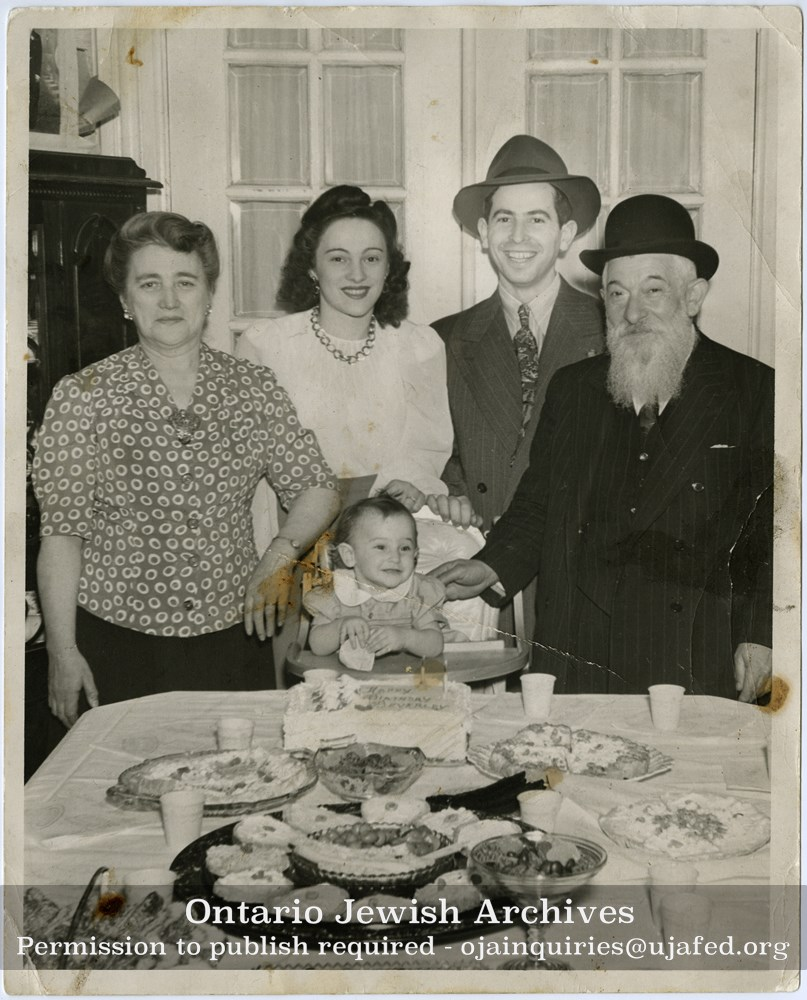
    I got up at 7:00 AM and went downstairs to study.  I needed a Siddur to say Birchas Hatorah and could not find one.  I knew that Jerry Noble had given me a Siddur used by his grandfather, Rabbi Leibush Noble, along with a set of Malbim Chumoshim.   The below is a picture of Rabbi Yehuda Leibush Noble.

    Picture taken in 1946

    SCOPE AND CONTENT

    Item is a photograph of Beverley Kelman on her first birthday. Pictured in the photograph with Beverley are her father Marvin Lister, mother Ruth Lister, grandfather Rabbi Leibish Noble, and grandmother Bella. Rabbi Noble was the first principal of Eitz Chaim, Toronto’s second-oldest Jewish day school. The photograph was taken at the family home that Ruth and Marvin Lister shared with Ruth’s parents Bella and Rabbi Leibish Noble at 73 Borden St., Toronto.

    ADMINISTRATIVE HISTORY

    Rabbi Leibish Noble immigrated to Toronto in 1912. The outbreak of World War I hampered his effort to bring over his wife Bella and two young daughters Gertrude and Mary (Miriam).

    I spoke to Beverley about this picture and about life with her grandparents.  Her father Marvin Lister even in 1946 had a hard time finding work because he was Shomer Shabbos.  Marvin was a good guy.  Beverely has some great stories from that time period.  I encouraged her to write them down and share with the family.

    This picture speaks to me about that generation of Jews who were in the Army during World War II. This is the first Jewish next generation born in North America starting out their lives standing  with their immigrant parents.  Rabbi Leibush Noble and his wife Zelda Baila look youthful and look like they still have many years of active life left in them.   At the time of the picture Florence and Rosie were still single.   All the Noble sisters were very pretty.

    I got up around 2:00 AM and I took Rabbi Leibush Noble’s Malbim on Chumosh Bereshis to learn the Parsha.  My mother-in-law, Blanche Noble-Janowski, kept the Seforim of her father, Rabbi Leibush Noble and was a Tzaddick in his time. The Malbim of Rabbi Leibush Noble was published in 1892.  He learned the Malbim on a regular basis.  He held it in his holy hands, learning from it.   My grandfather Reb Sholem Sklar, Bubi Jean’s father, praised his own father, Reb Avrohom Shmuel Sklar of Krinki, saying that his father knew all the laws of Shabbos, was an expert in טומא וטהרה, and knew every Malbim by heart.  This shows how precious the Malbim was to the Jews of Eastern Europe and that the Malbim was Rabbi Leibush Noble’s go-to Chumash.

    I opened it to Sefer Noah and found the following picture tucked into the first page of Parshas Noah. 

    This is a picture from the Yiddish paper announcing the death of Rabbi Yehuda Leib Graubart known as “Der Stashover Rebbe”.  Please see http://www.billgladstone.ca/j-b-salsberg-and-rabbi-yehuda-leib-graubart/ for more details about Rabbi Yehuda Leib Graubart.

    Rabbi Graubart, known as the Mahril Graubart was the Rebbe of our grandfather, Rabbi Yehuda Leibush Noble.    

    Rabbi Yehuda Leibush Noble wrote on the top of the picture, ה נח ב בחודש חשון תרצח translated into as 

    “Thursday, of the week that Noah is read, on the second day of the month of Cheshvan, 1937”.  At the bottom of the picture he wrote   נפטר – passed away. 

    This year, Rabbi Graubart’s Yahrzeit was on Tuesday, October 20, 2020.  My guess is that Rabbi Noble did not want to forget the Yahrzeit of his Rebbe.

    Why did I stumble on this picture this Shabbos morning?  Is there a message?   The mere fact that I found something my grandfather wanted to preserve and that I held the Sefer that he learned from is humbling.  I could never live up to the righteousness and accomplishments of Rabbi Yehuda Leibush Noble in 2 lifetimes.  I gave this some thought and the following is what I spoke after davening in our garage minyan. 

    Blanche Noble – Janowski  –  my mother-in-law:

    Last Tuesday my mother-in-law fell in her apartment and broke her hip.  She was operated on Thursday, the 22nd and moved to Baycrest on Friday for rehab.  

    There is a great verse in Parshas Noah.  Verse 9:23 says:

    וַיִּקַּח֩ שֵׁ֨ם וָיֶ֜פֶת אֶת־הַשִּׂמְלָ֗ה וַיָּשִׂ֙ימוּ֙ עַל־שְׁכֶ֣ם שְׁנֵיהֶ֔ם וַיֵּֽלְכוּ֙ אֲחֹ֣רַנִּ֔ית וַיְכַסּ֕וּ אֵ֖ת עֶרְוַ֣ת אֲבִיהֶ֑ם וּפְנֵיהֶם֙ אֲחֹ֣רַנִּ֔ית וְעֶרְוַ֥ת אֲבִיהֶ֖ם לֹ֥א רָאֽוּ׃

    But Shem and Japheth took a cloth, placed it against both their backs and, walking backward, they covered their father’s nakedness; their faces were turned the other way, so that they did not see their father’s nakedness.

    This is a great verse.  It talks about the great respect Noah’s two sons had for their father.   Rabbi Leibush Noble towards the end of his life had cancer.  He lived by his daughter, Blanche Noble-Janowski.  Rabbi Leibush Noble was a holy Jew.  My mother-in-law took care of his emotional needs, physical needs, and medical needs.  She fulfilled the Mitzvah of honoring one’s mother and father as it is written in the Torah.  May the memory of her parents reward her for the kindness she did for her parents and she should have a speedy recovery.  May she dance at Mendy Bernstein upcoming wedding and her great-grandchildren weddings, including Chani, Tzvi, Eli, Hudi, and Sholoem Morgenstern.

    Kotzker on Parshas Noah

    The Kotzkerin the Sefer Ohel Torah brings down the following Medresh, Bereshis 30:8:

     הָיָה, אָמַר רַבִּי יוֹחָנָן כָּל מִי שֶׁנֶּאֱמַר בּוֹ הָיָה, מִתְּחִלָּתוֹ וְעַד סוֹפוֹ הוּא צַדִּיק. הֲתִיבוּן לֵיהּ (they arked him)  וְהָכְתִיב (יחזקאל לג, כד): אֶחָד הָיָה אַבְרָהָם וַיִּירַשׁ אֶת הָאָרֶץ, מֵעַתָּה הוּא תְּחִלָּתוֹ וְהוּא סוֹפוֹ. אֲמַר לְהוֹן אַף הִיא לָא תַבְרָא,

     (Even this is not a question)    דְּהָא רַבִּי לֵוִי בְּשֵׁם רֵישׁ לָקִישׁ אָמַר בֶּן שָׁלשׁ שָׁנִים הִכִּיר אַבְרָהָם אֶת בּוֹרְאוֹ וכו’, 

    I think that the answer for Rebi Yochanan is that he is learning like Reb Levi in the name of Resh Lakish that Avrohon recognized Hashem at three years old.   When Avrohom first had understanding of the world around him at three years old,  he recognized Hashem,  Before three he was too young to understand good and evil, life, and the society around him.  Therefore we are within our rights to say that Avrohom was a Tzaddik from the beginning of his life, when he had דעת to discern between good and evil, which was when he turned three.

    The Medresh continues:

    רַבִּי חֲנִינָא וְרַבִּי יוֹחָנָן תַּרְוֵיהוֹן אָמְרִין בֶּן אַרְבָּעִים וּשְׁמוֹנֶה שָׁנָה הִכִּיר אַבְרָהָם אֶת בּוֹרְאוֹ, וּמַה אֲנִי מְקַיֵּם הָיָה, שֶׁהָיָה מְתֻקָּן לְהַדְרִיךְ כָּל הָעוֹלָם כֻּלּוֹ בִּתְשׁוּבָה. (בראשית ג, כב): הֵן הָאָדָם הָיָה, מְתֻקָּן לְמִיתָה, נָחָשׁ (בראשית ג, א): הָיָה, מְתֻקָּן לְפֻרְעָנוּת, קַיִן (בראשית ד, ב): הָיָה, מְתֻקָּן לְגָלוּת, אִיּוֹב (איוב א, א): הָיָה, מְתֻקָּן לְיִסּוּרִין, נֹחַ הָיָה, מְתֻקָּן לַנֵּס, משֶׁה (שמות ג, א): הָיָה, מְתֻקָּן לַגּוֹאֵל, מָרְדְּכַי (אסתר ב, ה): הָיָה, מְתֻקָּן לִגְאֻלָּה. רַבִּי לֵוִי וְרַבָּנָן, רַבִּי לֵוִי אָמַר כָּל מִי שֶׁנֶּאֱמַר בּוֹ הָיָה, רָאָה עוֹלָם חָדָשׁ

    However according to  רַבִּי חֲנִינָא וְרַבִּי יוֹחָנָן you cannot answer as we just did, because they say that Avrohom recognized Hashem at 48.  Therefore we cannot say that Avrohom was a Tzadik מִתְּחִלָּתוֹ וְעַד סוֹפוֹ.     Therefore they have a different understanding of the word הָיָה to mean מְתֻקָּן – predestined.  They also re-interpret the  הָיָה of Noah to  mean he was predestined to be saved. 

    The Artscroll said that it seems we have a contradiction in Reb Yochanan.  They change the first Reb Yochanan to Reb Yehonason.

    Who was Noah’s grandfather,  מְתוּשֶׁ֗לַח – Methuselah.  Rashi on Verse 7:4 says – “ FOR YET SEVEN DAYS — These are the seven days of mourning for the righteous man Methuselah for whose honour the Holy One, blessed be He, had regard, and therefore postponed punishment. Go and calculate the years of Methuselah and you will find that they came to an end (i. e. he died) in the six hundredth year of Noah’s life (which coincided with the date of the Flood) (Sanhedrin 108b).”

    We see that Noah’s grandfather Methuselah was a righteous man. What about his father – Lemach.

    Comes along the Netziv in his Sefer Hemach Dover on last week’s Sedra and say beautifully:

    ממעשנו ומעצבון ידינו. שהיה קשה על למך הצדיק לראות מעשה בני דורו הרשעים ולא יכול להושיע וראה ברוה״ק שבימי בנו ינוחו מרשעות כאלה. וזהו ממעשינו ועוד באשר נשתנה דרך כל בשר וטבעו כמו שיבואר להלן ו׳ י״ב. וע״כ לא יכלו להשתמש בבהמת הארץ כפי הטבע. וא״כ היו מוכרחים לעמול הרבה בידיהם. וראה ברוה״ק שבימי נח ישוב הטבע למקומה. וזהו משמעות ומעצבון ידינו. ואח״כ פי׳ הכתוב מלשון תנחומין:

    Lemech was also a Tzaddik.  Look how the Netziv phrases the righteousness of Lemech.  “It was difficult for Lemech the righteous one to see the evil actions of his generation and he was not able to save them.”  Lemach tried but was unsuccessful.  More than that the Torah says the Lemech saw with the Holy Spirit say that in the times of Noah, the world will have relief (comfort) from  ממעשנו – our wicked ways.  He included himself with his generation, even though he was not at fault, he was a Tzaddik.  This is true greatness that he included himself with them because it was his generation and he was their leader, his responsibility.  He could not see that the relief would come with wiping out the entire generation.  

    Now we see that Noah was born to a grandfather who was a Tzaddik and a father who was a Tzaddik.  This fits in beautifully with the first Reb Yochanan in the Medresh that Noah was a Tzaddik from the beginning of his life to the end.  (Avrohom was the son of an idol worshipper.) 

    Comes along the Kotzker and says it cannot be that Avrohom sat for 48 years and did nothing.  After all Avrohom was able to understand by himself the existence of Hashem, which is tremendous greatness and does not happen overnight.

    The Kotzker therefore says that  you must say that during those first 48 years of life Avrohom was searching with his mind and delving into the existence of a creator until he reached 48 years old when he recognized his creator.

    You could say that the Kotzker is explaining a point that he felt had to be made according to  רַבִּי חֲנִינָא וְרַבִּי יוֹחָנָן תַּרְוֵיהוֹן אָמְרִין בֶּן אַרְבָּעִים וּשְׁמוֹנֶה שָׁנָה.  That the Kotzker Vort does not impact on the Medresh, the Kotzker is making a side point.

    Or I think more probable you could say that the Kotzker is arguing with the Medresh.  Whereas the Midrash says that Avrohom was not a Tzaddik for the beginning of his life to the end, the Kotzker is saying that he was a Tzadick  מִתְּחִלָּתוֹ וְעַד סוֹפוֹ.  Avrohom’s 48 year search is part of his righteousness.  The search is Tzidkus.  Thus the first Reb Yochanan works even with the second Reb Yochanan that Avrohom became a Tzadik at 48 years old.  

    The Rest of Shabbos:

    Told over the above Torah to Rabbi Ayreh Bassman.

    Had the lunch Shabbos meal at Daniel and Chayale Glenner’s house.  I got to know their kids.  

    From Daniel, I went to Rabbi Revah, my Rebbe to tell him the above Torah.

    Decided to walk to my daughter’s house.  My kids were at her husband’s sister’s son’s bar Mitzvah.  At least I got a nice long walk.

    On the way there I played and excelled at Jewish Geography.  I met:

    1. Gila Enbinder, her husband and their two kids.  She is Mispacha to me.    She is from Toronto.  Gila’s sister, Dalya, was best friends with my niece, Aleasha, in high school at Bais Yaakov and Ulpana.  More importantly Dalya is a sister-in-law to Aleasha.  They are married to brothers.
    2. Met Mrs. Peirson (?) who was born and grew up in Phoenix, AZ.  She knows the Rebibo family including Joel Rebibo, my Yeshivas Toras Chaim, Denver, CO classmate.   The father,  Rabbi Rebibo, was the leading Rov in Phoenix.  His son, Joel, is an editor at Hamodia.  Joel is Mizrachi and works for Hamodia.  Previously he was an editor for the Jerusalem post.  Joel Rebibo was someone who you knew in high school was destined for great things.  After not seeing him since our high school graduation in 1971, I met him in 2015, when I was visiting my daughter in seminary.  We had a great reunion on the veranda of my sister’s place at Wolfson in Jerusalem. 
    1. Met the son of Rabbi Hollander from LA.  Rabbi Hollander lived in Chicago and was involved with a Kiruv organization.  I knew him then.   He moved out to LA and raised his family in LA.   I met Rabbi Hollander in LA about 20 years ago.  He was Rabbi of the Young Israel of Venice Beach and started Emek, a Yeshiva located in Culver City.  They have since moved.  My cousin’s kid went there for high school.
  • Week of October October 11 – October 17, 2020

    Simchas Torah 2020

    Parshas Bereishis – Verse 5:29

    Naming of Noah

    Shabbos in Lakeview

    Chabad of East Lakeview

    Rabbi Dovid Kotlarski

    Chabad of Lakeview

    Sunday – October 11, 2020:

    Simchas Torah:

    Great Simchas Torah.  I was not expecting too much at Sidney’s garage Minyan.  Most of the neighborhood came with their families.  After the 5th Hakaph, the extended Goldstein family gave a Kiddush on the birth of a granddaughter.  Not just any Kiddush, but a grand feast.  There was Cholent, potato kugel, drumettes, cake, and candy.  We were done at 2:30 PM.  My kids came about an hour later for the Yom Tov meal.  Serka cooked up a great meal.

    Tuesday – October 13,2020:

    Took my Covid test.  Skokie Yeshiva tested everyone before they opened their campus.

    Went through the basement of the two flat to go over the remaining work items.  There were about 20 items.  It is dragging on and the dollars are adding up.  I am not happy about it and somewhat depressed..

    Wednesday October 14, 2020:

    Went to Richards Body Shop.  Eddie is starting to redo my 1968 Ford Mustang that was my father’s third wife.  I paid him $3,000.  The car is all rusted out.  The motor work’s fine.   He is ordering parts for the Mustang Floor, hood, side panels, and other parts.  After 19 years of sitting in his shop, he is finally working on the car.

    Thursday – October 15, 2020:

    Everyone passed their covid test and the Yeshiva opened.  I was very depressed as Rabbi Revach gave a Shiur on Tosfes Kiddushin 2B – Esrog.  I did not understand the Shiur.

    Friday – October 16, 2020:

    Learned with Rabbi Revach for two hours going through the Tosfes.  I recovered some of my dignity.

    Took Naftali to the Home Office for Cholent.  

    Drove to Eli for Shabbos and got there about 5:30 PM.  Serka made great food for us.  Went to Anshei Shalom for davening.  It was depressing.  Only 13 men and two women.  No one spoke to one another.  There is no excuse for how they shut down davening. Went back to Eli and had a great meal.   Schmoozed with Eli about life and went to bed about 10:15 PM.

    Shabbos – October 17, 2020:

    Woke up at 7:00 AM. Learned Chumosh.  Davened at Chabad of East Lakeview.  Got to Shul at 10:15 AM.   They recently purchased a building at Wellington, just west of Broadway and will be remodeling.  I saw the Chevra from Anshei Shomel. Cholent was great.

    I gave a Shiur and the below is my new Torah I spoke out in the Shiur.:  Paul, Tamar, Herb, and the Kaz’s attended.  

    Rabbi Kotlarsky spoke about Noah and what he meant to the world.  Rabbi Kotlarski talked about Verse 5:29 that Noah brought relief from the hard labor to produce food from a cursed land and equally as important, he brought them relief from depression.  He tied this in to the depression brought on by Covid and the increase in suicide and sucidiual thougths.  Later on I told Rabbi Kotlarski that he was M’Chavin to the Ibn Ezra.

    Torah for Berehis 2020:

    Bereishis Verse 5:29:

    וַיִּקְרָ֧א אֶת־שְׁמ֛וֹ נֹ֖חַ לֵאמֹ֑ר זֶ֠ה יְנַחֲמֵ֤נוּ מִֽמַּעֲשֵׂ֙נוּ֙ וּמֵעִצְּב֣וֹן יָדֵ֔ינוּ מִן־הָ֣אֲדָמָ֔ה אֲשֶׁ֥ר אֵֽרְרָ֖הּ יְהוָֽה׃

    And he named him Noah, saying, “This one will provide us relief from our work and from the toil of our hands, out of the very soil which the LORD placed under a curse.”

    Rashi says on this Passuk:

    זה ינחמנו. יָנַח מִמֶּנּוּ אֶת עִצְּבוֹן יָדֵינוּ. עַד שֶׁלֹּא בָא נֹחַ לֹא הָיָה לָהֶם כְּלֵי מַחֲרֵשָׁה וְהוּא הֵכִין לָהֶם,  וְהָיְתָה הָאָרֶץ מוֹצִיאָה קוֹצִים וְדַרְדַּרִים כְּשֶׁזּוֹרְעִים חִטִּים, מִקִּלְלָתוֹ שֶׁל אָדָם הָרִאשׁוֹן, וּבִימֵי נֹחַ נָחָה, וְזֶהוּ יְנַחֲמֵנוּ, וְאִם לֹא תְפָרְשֵׁהוּ כָּךְ אֵין טַעַם הַלָּשׁוֹן נוֹפֵל עַל הַשֵּׁם וְאַתָּה צָרִיךְ לִקְרוֹת שְׁמוֹ מְנַחֵם:

    What does  יְנַחֲמֵנוּ mean:

    Sefaria – relief

    Artscroll with Rashi English Translation – ease

    Artscroll – rest

    Miller and Gunick Lubavitch Chumosim – rest

    Mechon-Mamre – Comfort us – rashi says that this is the wrong translation

    Hertz – Comfort

    Sefaria Translation -:

    THIS WILL COMFORT US — He will ease from off us (ינחמנו) the toil of our hands. For until Noah came people had no agricultural instruments and he prepared such for them. The earth had brought forth thorns and thistles when they sowed wheat in consequence of the curse imposed upon Adam Harishon: in the days of Noah, however, this ceased (Tanchuma 1:1:11). This is what is meant by the word ינחמנו (viz., ינח מנו). If, however, you do not explain it in this manner, but from the root נחם “to comfort”, then the meaning you give to this expression (connecting it with the idea of “comfort”) will have no application to the name נח, and you would have to call him מנחם “Comforter”.

    The basic question is, how did Lemach know that his son would revolutionize farming and how did he know the curse would be lifted?  

    Rabbi Kotlarsky mentioned that Noah was the first human born with fingers.  Up until that time everyone’s fingers were fused.  Based on this Medresh you can answer that as a result of this phenomena Lemach knew that his newborn son would be destined for greatness and relieve humanity from having to toil.   This Medrash did not come to answer this question, but we can use it to answer the question.  

    The following Rishonim ask this question and deal with it many different ways.  The below is a summary and afterwards I bring down the individual Rishonim:

    1. Seifsei Chachomin – Adam prophitzed that relief will come when a child is born circumcised and Noah was born circumcised.
    2. Ibn Ezra
    1. Lemach know through Adom that his child will bring relief
    2. Through Chcomah, undefined by the Ibn Ezra, but I assume astrology or something similar.
    3. People were given formal names once they grew up and people saw what they did with their lives and the name would define that person.  The name Noah was not given at birth but when they saw that he brought relief and ease to the world

        3)  Chizkuni – It was known that during Adam’s lifetime, there would not be relief from the curse on

       the land.  Must be that according to the Chizkuni Noah was the first child born after 

       the death of Adam, although 126 years apart.

       4)   Rashbam – The reason is that Noach was the first man born after the death of Adam, and by 

        calling him Noach he merely expressed the hope and prayer that Noach would be

        able to atone for the iniquity which Adam had perpetrated.

       5) Bartenura – like the Rashbam

       6) Aderet Eliyaho – like the third expalanton in the Ibn Ezra

       7) Netziv – so different that I will bring the Netziv in its entirety:

    ממעשנו ומעצבון ידינו. שהיה קשה על למך הצדיק לראות מעשה בני דורו הרשעים ולא יכול להושיע וראה ברוה״ק שבימי  בנו ינוחו מרשעות כאלה. וזהו ממעשינו ועוד באשר נשתנה דרך כל בשר וטבעו כמו שיבואר להלן ו׳ י״ב. וע״כ לא יכלו להשתמש בבהמת הארץ כפי הטבע. וא״כ היו מוכרחים לעמול הרבה בידיהם. וראה ברוה״ק שבימי נח ישוב הטבע למקומה. וזהו משמעות ומעצבון ידינו. ואח״כ פי׳ הכתוב מלשון תנחומין:

    The actual language of the Rishonim and in depth study:

    The Seifsei Chachomin asks the question and answers it as follows:

    He will give us rest. Bereishis Rabbah says: Was Lemech a prophet, that [when Noach was born] he knew about this? R. Shimon ben Yehotzedek said: Noach was born circumcised. For when Hashem cursed the earth, Adam said to Him: O Master of the World! Until when? Hashem told him: Until you beget a circumcised person. Once Noach was born circumcised, they said: He will give us rest! (Divrei Dovid).

    Adam died in the year 930 and Noach was born in the year 1056.  Adam must have told this prophecy to the world.  When Noah was born 126 years later and apparently was the first one born circumcised.   Lemach felt and hoped that Noah would be the child prophitzed by Adam.  

    The Seifsei Chachomin continues and asks a question on Rashi.  I do not know the answer, but I will put it down here for future study.

    והא דלא קאמר יניח ממנו את מעשינו דהא עדיין לא ינוחו ממעשי ידיהם דהא עדיין יצטרכו לחרוש ולזרוע ולדוש לכן קאמר זה ינחמינו זה יניח ממנו את עצבון ידינו שלא היה להם כלי מחרישה והוא הכין להם ולא נקט רש”י ממעשינו ומעצבון ידינו כמו דכתיב בקרא ולמה הקדים עצבון ידינו למעשה ידינו י”ל דעצבון קאי על מה שהוציאה הארץ קוצים ודרדרים ומיד כשנולד נח פסקה מיד אותה קללה אבל תקון המחרישה לא הי’ אלא עד שגדל נח משום הכי הקדים רש”י והורה בזה שכן ראוי להיות נמי בקרא וק”ל:

    And the verse does not say יניח ממנו את מעשינו [although it is closer to “Noach”] because then it would mean that they rested from the work of their hands, and that did not yet happen. They still needed to plow, sow and thresh. Therefore it says that Noach “will bring us rest from… the anguish of our hands,” as he prepared plowing tools for them which they did not have as yet. Why did Rashi not explain, “From our work and the anguish of our hands,” following the order of the verse, but rather put “the anguish of our hands” first? The answer is: “Anguish” refers to the earth’s curse to produce thorns and thistles. And as soon as Noach was born, that curse stopped. But Noach did not make the plow until he grew up. Thus Rashi mentioned “anguish” first, indicating that the verse as well should be understood this way.

    Ibn Ezra

    The below Ibn Ezra may have been the source of the Sefsei Chacomim:

    וטעם זה ינחמנו ממעשינו. שידע על ידי אדם כי נביא היה כי על יד זה הנולד תחיה האדמה. או ראו זה בדרך חכמה וכן הי’ 

    על ידו נתקיים העולם גם הוא היה איש האדמה כי כן כתוב. גם יתכן שנקרא שמו נח כמו ירובעל אחר שעבד האדמה והצליחה ונח הפך העצבון. והטעם זה ינחמנו וננוח מעצבון ידינו. גם נחמה מנוח’ מעצבון הלב. כי העברים ישמרו הטעמים ולא המלות והעד ירבשת וירבעל. והשואלים מי היתה אשת קין ושת מה טעם לשאלה הזאת כי כתוב באדם ויולד בנים ובנות וכן כלם

    The Ibn Ezra then adds, maybe Lemech knew it with wisdom.  I think Ibn Ezra means wisdom of astrology or some other wisdom.  The Ibn Ezra proceeds and says a third interpretation that he was called Noah only after he grew up and showed success as a farmer.  That is when they called him Noah.  

    The Ibn Ezra said גם נחמה מנוח’ מעצבון הלב.  That Noah gave them relief from sadness of the heart, depression.   Rabbi Kotlarski linked this to the high level of depression and suicidal thoughts during covid.  This could give us an insight into Ibn Ezra that he understood the effects of depression.  The Ibn Ezra was exceptionally poor.  He joked about himself that if he sold burial shrouds, people would stop dying.

    The Rashbam and Chizkuni answers the question differently:

    Chizkuni:

    זה ינחמנו, מן האדמה שהרי נאמר לאדם ארורה האדמה בעבורך כל ימי חייך ושנות אדם כלו לתולדות נח וחשב בלבו מה שקלקל זה יתקן זה.

    ה ינחמנו מן האדמה, “this one will bring us consolation regarding the condition of the earth. Seeing that he had been born after the death of Adam, the curse decreed on earth as being effective during Adam’s lifetime could now be lifted. [According to my calculation Noach was born in the year 1056 after Adam had been created. Seeing that theTorah did not report anyone being born after Lemech, Noach’s father, who was born when Adam was still alive, there is no contradiction here. Ed.]

    Rashbam

     if you were to question why our sages do not describe Lemech as a great prophet, as they described Ever who had called his son Peleg, foreseeing that in his time mankind would be divided into 70 languages, etc., (Seder Olam 1) the reason is that Noach was the first man born after the death of Adam, and by calling him Noach he merely expressed the hope and prayer that Noach would be able to atone for the iniquity which Adam had perpetrated. The word נח is an allusion to הנחה, a relief, reduction in cost, i.e. the curse that mankind suffers under, especially the earth, should be lifted now that Adam had been replaced by an innocent human being who did not share time on earth with Adam who had brought a curse upon mankind. In the case of Peleg, it is impossible to see in that name the expression of a prayer, a plea; hence we must interpret it as a sign of his father’s prophetic vision.

    This is difficult because Adam died 126 years before Noah was born.  Although in the Chizkuni someone answered this by saying no one was born.  I thought of this and it did say that there were other children born to these individuals and I assume that their kids had kids.  To go 126 years without any births is very difficult.

    The Netziv in Hemach Dover has a completely different understanding:

    יִּקְרָ֧א אֶת־שְׁמ֛וֹ נֹ֖חַ לֵאמֹ֑ר זֶ֠ה יְנַחֲמֵ֤נוּ מִֽמַּעֲשֵׂ֙נוּ֙ וּמֵעִצְּב֣וֹן יָדֵ֔ינוּ מִן־הָ֣אֲדָמָ֔ה אֲשֶׁ֥ר אֵֽרְרָ֖הּ יְהוָֽה׃

    זה ינחמנו. א״ת מלשון תנחומין. ורש״י דחה דא״כ שם נח אינו טפל יפה על הלשון להכי פירש מלשון נחת. ולפ״ז אינו מדויק לשון זה ינחמנו. ובל״ז יש להתבונן בכל א׳ מהפירושים. דתנחומין לא שייך אלא על הרעה שנשתיירה במקומה. ולא על מעשינו ועצבון ידינו שנשתנה בימי נח. ולהיפך שם נחת לא שייך על האדמה אשר אררה ה׳. שהרי לא נחו מקללה זו גם אחר המבול. אלא נראה דבשם נח נכלל שני השרשים לשון נחם ולשון נחת. ומש״ה נקרא נח בחסרון אות השלישי למען יהא נכלל בו שני השרשים. ופי׳ זה ינחמנו ג״כ בשתי הוראות. מלשון יניח לנו כפרש״י:

    ממעשנו ומעצבון ידינו. שהיה קשה על למך הצדיק לראות מעשה בני דורו הרשעים ולא יכול להושיע וראה ברוה״ק שבימי בנו ינוחו מרשעות כאלה. וזהו ממעשינו ועוד באשר נשתנה דרך כל בשר וטבעו כמו שיבואר להלן ו׳ י״ב. וע״כ לא יכלו להשתמש בבהמת הארץ כפי הטבע. וא״כ היו מוכרחים לעמול הרבה בידיהם. וראה ברוה״ק שבימי נח ישוב הטבע למקומה. וזהו משמעות ומעצבון ידינו. ואח״כ פי׳ הכתוב מלשון תנחומין:

    THIS ONE WILL CONSOLE US – One might be tempted to say that this word is from the root “console,” and Rashi has rebutted this on the basis that the name “Noach” is not consistent with this root and has explained that it is derived from the root “rest.” According to Rashi, the word here is inexact. However, one need not to resort to this explanation, it is possible to understand the word in both senses. “Comfort” only applies to ongoing permanent tragedies, and not ones that arise from human activity and evil that arose during the days of Noah. Similarly, “rest” does not apply to the land, which was permanently cursed by God (since the land remained in this state even after the flood.) The name “Noah” includes both roots – “comfort” and “rest.” This is why the word is spelled nun-chet without a third letter, so that it can be considered a cognate of both roots. “This one will console us” can be understood in both senses, similar to Rashi’s explanation.

    Bartenura:

    זה ינחמנו ממעשנו וכו’ קשה לפי הפשטה וכי נביאים היו שזה עתיד להניח להם. וי”ל לפי שכתוב ארורה האדמה בעבורך וכו’ עד שובך אל האדמם דמשמע כשימות אדם הראשון תבטל זאת הגזרה וכשנולד נח כבר מת אדם וצא וחשוב שנותיו ותמצאם כלין כ”ו שנה קודם לידת נח ולפי שהוא היה הראשון שנולד אחר מיתתו של אדם לכך אמרו עליו זה ינחמנו ממעשנו וכו’

    The Bartenura says there were only 26 years between the death of Adam and the birth of Noah.  Maybe there is a mistake in the Bartenura and he means 126 years.

    Aderet Eliyaho:

    The Aderat Eliyaho answers the question like the third answer in the Ibn Ezra that the name given to a person was given after they accomplished in this world and the name would reflect their accomplishments.. 

    לאמר זה ינחמנו. כשראו שינוי בארץ קראו אותו כן שקריאת שמותם לא היו ביום לידתם רק לשם המעשה בימיהם. מן האדמה שנתקללה בימי קין:

    Conclusion:

    I am not sure how to wrap all of this up into a neat package. I think the Netziv is the key.

  • August 15, 2020 – Shabbos – Parshas Re’eh

    My Speech on the Parsha

    Passing of Rabbi Adin Evan-Israel Steinsaltz

    Cholent by Rachelle and Aryeh Benjamin.


    My Speech on the Parsha

    Chapter 11, Verse 26 states:

      רְאֵ֗ה אָנֹכִ֛י נֹתֵ֥ן לִפְנֵיכֶ֖ם הַיּ֑וֹם בְּרָכָ֖ה וּקְלָלָֽה׃

    “See, this day I set before you blessing and curse”

    The word רְאֵ֗ה is singular and the word לִפְנֵיכֶ֖ם is plural.  The question is why.  The Kli Yakar says:

    Look, I place before you today. “See” is singular. “Before you” is plural. This is what our Sages teach us: A person must always view things as if the entire world is half righteous and half wicked. If he performs a single mitzvah he tips himself and the entire world to the side of merit. Therefore Moshe spoke to every individual, “See” that he should see in his thought that every single action affects all of them.

    The Kotzker asks the question and answers based on the Zohar on the words in Exodus 18:1 –

    וַיִּשְׁמַ֞ע יִתְר֨וֹ .  The entire world heard about the miracles, the Jews leaving Egypt, the splitting of the sea, and everything else, but Yisro heard and acted.  Same thing when something is giving, everyone is included because it is given to everyone. Equally., but when it comes to seeing and perception, everyone is different, because everyone sees things through their efforts and understanding.   

    Similarly, the Kotzker says the Shevous is called “the time of the giving of the Torah,” not “the time of the acceptance of the Torah” because God gave the same Torah to everyone, but everyone accepted it differently.  

    The understanding of Torah is based on what we put into a piece of Torah. Written Torah is two dimensional; sometimes the Torah even in a two dimensional format is profound by itself.  However, many times  the Torah seems flat and the reader must put his being and thoughts into the Torah.to bring out the profundity of what is being said.  This differs from person to person, based on their level of learning, life experiences, age, childhood, and everything else that makes up a person.

    There is a story in the book, Siach Sarfei Kodesh, about the RIM that takes place in roughly 1815.  After the RIM’s marriage and spending three months with the Koshnitzer Magid, who was the Shadchen, the RIM moved to Warsaw to live by his father-in-law.  The Lissa Rav – Yaakov ben Moshe Lorberbaum of Lissa (1760-1832)  (http://en.wikipedia.org/wiki/Yaakov_Lorberbaum)  had a question he could not answer.  The RIM (1787-1866), answered the question.  The Lissa Rav stood for a few moments in deep thought and said – that I answer the question this way and the RIM says another answer.  I can engage in debate with the RIM, however, ultimately I know he is right.  I do not want to engage in

    debate because through the power of debate and persuasion I may get him to change his answer, and I know he is right.  The truth lies with him.    

    Interesting that the Lissa Rov learned in the Yeshiva of Rabbi Yosef Hochgelenter in Zamusz, the same yeshiva that the Kotzker Rebbe learned years later.

    This is a nice story, but would like to add my learning and understanding into the Torah and bring out the WOW of the story. 

    The RIM was born in 1799, while the Lissa Rov was born in 1760. The Lissa Rav was the Gadol Hador of Torah Jewry at that time.  Per Rabbi Dishon, the RIM this story takes place when the RIM was a teenager, roughly in 1815.  Therefore at the time this meeting took place, the Lissa Rov was 55, while the RIM was 16.   The Lissa Rav did not let ego get in the way.  He was willing to recognize the truth in what the RIM said, someone who was only 16.   Even more amazing.   The RIM was a Chassidic young man.   Imagine a Chassid answering the Misnagdic Gadol Hador.    The Misnagdim were locked into a fight with the Chassidim for the hearts and minds of Jewry.   Misnagidm claimed that Chassdim were ignorant and did not produce Torah scholars.  The RIM disproved this.   The Lissa Rav could have been bribed by the need to fight and disprove the RIM simply because we Misnagdim do not like Chassidim.  As we say, bribery twists the truth.  The Llissa Rov could have disagreed on a conscious or subconscious level  with the RIM because a Chosid cannot learn like a Misnagid, so therefore the RIM had to be wrong.  Or even if he recognized that the RIM was correct, he may have purposely disagreed with the RIM so as not to acknowledge the greatness of the Torah of a Chosid.  

    Had ego been a factor or a Misnagdic dislike for the Chassid, the Lissa Rav would not have had a clear mind to see the truth in the RIM’s answe and  the Lissa Rav could have argued with the RIM and perhaps gotten the RIM to change his mind.  Remember, the Lissa Rav had memorized the entire Shas, Rishonim, and Poskim in his mind.  Had he had an agenda, then he would have fought the RIM.  However, the Lissa Rav was committed to the truth in Torah and publicly admitted that this Chassidic young man is correct.

    This is how Torah has to be learned and why Torah is not the same for everyone.

    Passing of Rabbi Adin Evan-Israel Steinsaltz:

    On Friday, August 7, Rabbi Adin Even-Israel Steinslatz passed away.  He was a prolific author, an inspiration to many people, and was one the first to make Gemoro accessible to the masses.   He was generous with his time.  He grew up in Israel, not Orthodox, and became a great Torah scholar.  He was the living embodiment of the Kli Yakar.  He was an individual that made a major impact on the entire Jewish people.  He did not live for himself, but to spread Torah and educate Jewry.  He was a Lubivatcher, but his Yeshivas were in the Dati Leumi world.   I failed to meet him and am diminished for not having met him or heard him speak. The closest I came to him was in 2015 when I was in Israel visiting Chani, my daughter who was at Seminary, I happened upon the Tzemach Tzedek shul located at the start of the Arab Shuk that leads to the Damascus gate.  I came after davening.  I was told that Rabbi Steinsaltz davens in the Shul.

    His history is detailed on the website:   https://en.wikipedia.org/wiki/Adin_Steinsaltz

    RabbiAdin Even-Israel Steinsaltz
    עדין אבן-ישראל שטיינזלץ‎
    Rabbi Adin Even-Israel (Steinsaltz) (cropped).JPGSteinsaltz in 2010
    BornAdin Steinsaltz11 July 1937Jerusalem, Mandatory Palestine(now Israel)
    Died7 August 2020 (aged 83)Jerusalem, Israel
    Resting placeHar HaZeitim
    NationalityIsrael
    Alma materHebrew University of Jerusalem
    OccupationRabbi, author
    Notable workThe Talmud: The Steinsaltz Edition
    SpouseChildrenSaraMenachem, Amechaye, Esther Sheleg

    Cholent by Rachelle and Aryeh Benjamin.

    For lunch I had Cholent by my cousins, the Benjamins.  Rachelle’s cholent was fabulous.  No garlic.  I came at 12:40 PM and was the guest who never left, leaving at 4:00 PM.  This is the fourth Shabbos of “going for Cholent by my family”.  I previously have been to Yonatan Glenner, Mayer Chase, and Eliyahu Glenner.

  • July 21, 2020

    On the following Monday, July 21st, Naftoli Glenner made a Siyum on Mishnayos Brechos. The Siyum was at his Rebbe, Rabbi Moshe and Frumit Roberts

     Naftali and his father.

    Mitch Morgenstern, my wife, Serka, and my son Eli.

    I spoke and added the following.

    There is a fifth interpretation of לא יחל דברו and that is Naftoli Glenner.   Naftoli always does what

    he says he will do.  He is always there.  He does not delay, does not profane his words, does not violate his words, and he is forgiving.  We call him Reb Naftoli.  When he has to come to my house, he persistently calls me.  I invariably will be in the middle of an important text, he calls me, and my text is ruined.  He will call me 10 times.  He is always at the front of the Shul to open the Aron, to help with taking off the Torah covering.  Rabbi’s chairs were only created so Naftoli can have a place to sit.  He is very observant of what is happening around him, absorbing details, and the scene around him.

  • Parshas Matos – Masei

    Shabbos Parshas Matos – Masei

    July 18,2020

    This past week I heard a great speech from Rabbi Steven Weil, executive director of the OU gave a great speech on the burning of the Talmud.  I also heard Rabbi Sugerman give a Shiur on Hiddur Mitzvah in regards to Milah.  There is a Machlokos Rashi and the Rambam in how to learn the Gemora 133B  of Zizin – shreds that do not impede the circumcision.  This is compared to Hiddur Mitzvah of the candles of Chanukah.  There is a Brisker Rov that explains the Machlokes.  I also heard a lecture sponsored by Lubavitch of Washington, moderated by Rabbi Shemtov.  Two of his congregants, Stuart Eizenstat and Tevi Tory both came out with books.  Both worked for Presidents, Stuart Eizenstat with President Jimmy Carter and Tevi Troy for President George W. Bush.   I purchased Tevi Tory’s book,

    Thursday – July 17, 2020:

    Eli, Tzvi, and I had a private tour of 522 W. Deming,  the house that Jim Petrozzini, my customer lived at while he was alive.  It has been completely remodeled and restored back to its 1886 elegance.   ttps://www.luxuryportfolio.com/Property/chicago-properties-the-sarah-belle-wilson-house/LPMP

    Shabbos – July 19, 2020:  

    We ate lunch by Rivkie and Mordy and had great Cholent.

    I spoke before Musaf on the following two Verses in Parshas Matos:

    Chapter 30, Verse 2:

    וַיְדַבֵּ֤ר מֹשֶׁה֙ אֶל־רָאשֵׁ֣י הַמַּטּ֔וֹת לִבְנֵ֥י יִשְׂרָאֵ֖ל לֵאמֹ֑ר זֶ֣ה הַדָּבָ֔ר אֲשֶׁ֖ר צִוָּ֥ה יְהוָֽה׃

    Chapter 30, Verse 3:

    אִישׁ֩ כִּֽי־יִדֹּ֨ר נֶ֜דֶר לַֽיהוָ֗ה אֽוֹ־הִשָּׁ֤בַע שְׁבֻעָה֙ לֶאְסֹ֤ר אִסָּר֙ עַל־נַפְשׁ֔וֹ לֹ֥א יַחֵ֖ל דְּבָר֑וֹ כְּכָל־הַיֹּצֵ֥א מִפִּ֖יו יַעֲשֶֽׂה׃  

    First Dvar Torah:

    Rashi explains  זֶ֣ה הַדָּבָ֔ר  two ways.  The first explanation uses the word   זֶ֣ה as used the same way when Hashem instructed Moshe Kiddush Levana in Exodus 12:2, the half-Shekel in Exodus 13:3,  the Menorah.  Hashem actually showed Moshe what a new moon and a half-shekel looked like.  .  What has to be understood is that in this Parsha of vows,  Hashem is not showing Moshe a physical object but giving him laws which are verbal.    

    The answer is that Rashi is telling us that when giving over Torah it has to be clear as if it is the words of God.  Perfect.   A teacher has to say with confidence and clarity    זֶ֣ה הַדָּבָ֔ר.   Someone giving over Torah cannot read Gemora in a confusing and mumbling manner.  The Rebbe has to paint the picture so the student sees the concepts in his mind. For most of my adult life I was a  “כֹה אָמַר ה – lacking clarity, saying this is kind of what it the Torah means.

    Words of Rashi and the Mizrachi:

     זה הדבר. מֹשֶׁה נִתְנַבֵּא בְּ”כֹה אָמַר ה’ כַּחֲצֹת הַלַּיְלָה” (שמות י”א) וְהַנְּבִיאִים נִתְנַבְּאוּ בְּ”כֹה אָמַר ה’”, מוּסָף עֲלֵיהֶם מֹשֶׁה שֶׁנִּתְנַבֵּא בִּלְשׁוֹן “זֶה הַדָּבָר”

    זה הדבר  – THIS IS THE WORD — Moses prophesied with the words (introduced his message by the statement), “Thus saith the Lord, About midnight [will I go into the midst of Egypt]” (Exodus 11:4), and other prophets also prophesied with “Thus saith the Lord”, Moses, however, had an additional superiority in that he prophesied also with the expression “This is the actual word [that God hath spoken]” (Sifrei Bamidbar 153:2).

    The Mizrachi and Sefsei Chacomin quoting the Mizrachi explains Rashi that Moshe initially and all the Prophets did not get a translucent revelation from God.  It is called a   באספקלריאה שאינה מאירה and this is represented by the words used in the Torah “כֹה אָמַר ה’ – so said Hashem.  They are telling the essence of what God said but not completely the actual thoughts and words of Hashem.  After Har Sinai, Hashem spoke directly to Moshe, as it is stated elsewhere פּה אל פּה.          

    The Mizrachi: זה הדבר משה נתנבא בכה אמר וכל הנביאים נתנבאו בכה אמר מוסף עליהם משה שנתנבא בלשון זה הדבר. בספרי מלת כה מורה על מכוון הענין ומלת זה מורה על הענין *הרמוז*  בעינו ומפני שכל הנביאים לא נתנבאו רק באספקלריאה שאינה מאירה ואין בם יכולת לקבל רק המכוון מן הענין שהראוי להם הוכרחו להזכיר בלשונם כה אמר יי’ שפירושו המכוון מדבריו לא הדברים בעינם ומשה רבינו ע”ה בעבור שנבואתו היתה על ידי האספקלריאה המאירה והיה בו כח לקבל מה שהראו לו בעינו כפי מה שהוא הוזכיר בלשונו זה הדבר שפירושו זה הדבר בעינו מבלתי שום שינוי כלל ומפני שמשה רבינו בתחלת נבואתו עדיין לא עלה אל המדרגה שזכה בה באחרונה הוכרח גם הוא להזכי’ בלשונו כה אמר יי’ בהרבה מקומות ומשזכה באספקלריאה המאירה שוב לא הזכיר בלשונו רק זה הדבר וזה שאמרו משה נתנבא בכה אמר רוצה לומר בתחלת נבואתו וכל הנביאים בכה אמר ר”ל תמיד מוסף עליהם משה שנתנב’ בלשון זה הדבר ר”ל משזכה באספקלריא’ המאירה ואילך:                                              *This word seems wrong and should be erased.*

    Rabbi Elya Brudney spoke over a Reb Yehoshua Leib Disken on the difference between Moshe’s prophecy and all the other prophets.  Moshe prophesied the drrects words and intent of God.  All the other prophets had a vision that what was conveyed was filtered through each prophets level of spirituality and their personalities.  Meaning that if a prophets had an angry disposition, the prophecy would be raw and harsh.  If the prophet had a more mellow personality the prophecy would be softer.  The interpretation is different based on who the prophet is.  It sounded good when I heard it, but it is hard to understand.

    The question is that the Torah uses the language   זֶ֣ה הַדָּבָ֔ר in a number of places to introduce a set of laws.  Why did Rashi choose to say his explanation and nowhere else?  The answer may be that the laws of “waiving vows” by a Halachici expert is not explicitly stated in the Torah.  It is only hinted to.   Moshe had to be clear when speaking to the people on the source and how to waive a vow.

    The Mishna in Chagigah 10B says:

    מתני׳ היתר נדרים פורחין באויר ואין להם על מה שיסמכו

    MISHNA: Incidental to the Festival peace-offering, the mishna describes the nature of various areas of Torah study. The halakhot of the dissolution of vows, when one requests from a Sage to dissolve them, fly in the air and have nothing to support them, as these halakhot are not mentioned explicitly in the Torah. There is only a slight allusion to the dissolution of vows in the Torah, which is taught by the Sages as part of the oral tradition.

    Second Dvar Torah

    Five Questions on these two verses:

    A – The Torah does not start out with, “and God spoke to Moshe” as it does everywhere else.

    B – How do you translate   לִבְנֵ֥י יִשְׂרָאֵ֖ל ?  Both Artscroll, Lubavitch (Gutnick), and Sefaria all translate it as, “And Moshe spoke to the head of the tribes of the Isralites.”   However, when you read the Verse it can be translated as – “And Moshe spoke to the heads of the tribes, who are to speak to the Isralites.”  This seems to be the better translation.

    C – Verse 3 says that if a man makes a vow “to Hashem”.  What does to Hashem mean.  Rashi does not say what is the vow to Hashem.    Rashi says,   נדר. הָאוֹמֵר הֲרֵי עָלַי קוֹנָם שֶׁלֹּא אֹכַל אוֹ שֶׁלֹּא אֶעֱשֶׂה דָבָר פְּלוֹנִי;  does not take about a Vow to Harshem.  It is simply a vow not to eat something or do an action.  What is the “To Hasem”

    Additionally, why does Rashi say that the from of the vow  is using the work  הֲרֵי עָלַי קוֹנָם – Konum.  The form of the vow is “it should be as a Korban to me that I will not eat.”   Why didn’t Rashi simply say, that a person makes a vow not to eat.   Is it perhaps that if one says, I make a vow not to eat, that this is not a vow that binds him according to the Torah.  

    D – What is the translation of    לֶאְסֹ֤ר אִסָּר֙ – Artscoll says to prohibit a prohibiton, which is almost meaningless.  The true translation is to forbid something that is permitted.  Lubavitch translates it seemingly more correctly as “makes an oath to prohibit himself”.   

    E – What does  לֹ֥א יַחֵ֖ל דְּבָר֑וֹ mean?

    Answer:

    Let me start with Question E – What does  לֹ֥א יַחֵ֖ל דְּבָר֑וֹ mean?  There are four translations of the word  יַחֵ֖ל.

    1. Rashi and Ibn Ezra – Both say do not make your words profane.  This implied that by making a vow your words are sacred and by violating them you have made your words profane.

                 Rashi:   ( לא יחל דברו. כְּמוֹ לֹא יְחַלֵּל דְּבָרוֹ — לֹא יַעֲשֶׂה דְּבָרוֹ חֻלִּין (שם

                Ibn Ezra:      לא יחל דברו. כמו לא יחלל ואיננו לשון מחילה 

    The Ibn Ezra adds something that to me is mysterious.  He says that   יחל does not express forgiveness.  Huh? Forgiveness – why would anyone think the explanation is forgiveness when the Torah seems to be clearly talking about profane, violation,

    This is how Artscroll translates  לא יחל דברו – do not profane your words.

         2) אונקלוס   and Mosef Rashi – to violate, to nullify. 

    Onkalis:    לָא יְבַטַּל פִּתְגָּמֵיהּ.

    Mosef Rashi from Tanis 7B –    רוח צפון תחולל גשם ופנים נזעמים לשון שקר – תחולל תבטל כמו לא יחל דברו

                                                                (במדבר ל׳:ג׳)

    This is how Lubavitch Chumash translates  לא יחל דברו – do not violate your words.  Sefaria translates it similarly – “you should not break your pledge”.

        3) Comes along the Kli Yakar and says that יחל is expressed as מחילה.   

    First he explains question B as follows that the translation of לִבְנֵ֥י יִשְׂרָאֵ֖ל is that the heads of the tribes are to speak to the Jewish people and he clearly says that the word  יחל is מחילה. The correct  translation of לִבְנֵ֥י יִשְׂרָאֵ֖ל  leads to his translation of Lo Yachal Diburo.

    The Kli Yakar on verse 2:

     וידבר משה אל ראשי המטות. מה דבר אל ראשי המטות לבני ישראל לאמר, דבר אל ראשי המטות 

    שיאמרו איזו  דבר לבני ישראל ולא פירש עדיין מה יאמרו ראשי המטות אל בני ישראל, עד שהגיד להם 

    פרשת נדרים שחייב ראש המטה לאמר אל הנודר מותר לך, וזו היא האמירה שצוה לראשי המטות

    שיאמרו לבני ישראל ועליה אמר לא יחל דברו הוא עצמו לא יחל אבל אחרים מחלין את דברו ועל זה

    אמר ככל היוצא מפיו של החכם המתיר לו, כן יעשה, אם לקיים, או להתיר.

    Kli Yakur on verse 3 again repeats this:     

     לא יחל דברו. אבל אחרים מחלין דברו טעם להיתר נדרים ביחיד מומחה או בג’ הדיוטות שנקראו בית דין,  

    The Kli Yakur seems to be based on the Gemoro in Chagigah that clearly says this.

    אמר רב יהודה אמר שמואל אי הואי התם אמרי להו דידי עדיפא מדידכו שנאמר (במדבר ל, ג) לא יחל 

    דברו הוא אינו מוחל אבל אחרים מוחלין לו 

    Thank you Rabbi Revach for this Gemoro although Rabbi Revach seems to disagree with my Pshat in the Kli Yakar. 

    Bonus:

    The Kli Yakar also explains the language of  נֶ֜דֶר לַֽיהוָ֗ה –   as follows:

    The Torah is talking about a vow that is for God.  Only a person who is of calm mind and body and he takes a vow, is someone who is uplifting himself, not someone who vows in anger.

    איש כי ידור נדר לה’. שני מיני נדרים הם כי הנודר בכעסו לאסור על עצמו איזו דבר נדר זה אינו לה’, 

    ודווקא איש כי ידור כשהוא איש מיושב בדעתו קרינן ביה האדם בשבועה (שבועות כו.) והוא הנודר לה’

    4) The Rashbam, Reb Shmuel Ben Meir, Rashi’s Grandson who translates   לא יחל דברו as one should not delay his pledge of a Korban. 

     The Rashbaum has a completely differently understanding of the Pesukim as follows:

     וידבר משה אל ראשי המטות – נשאלתי ביוניוב [=שם עיר] בכרך לושרון [=שם מחוז בצרפת]. לפי הפשט היכן מצינו שום פרשה שמתחלת כן? שלא נאמר למעלה וידבר ה’ אל משה לאמר איש כי ידור וגו’. והיאך מתחלת הפרשה בדיבורו של משה שאין מפורש לו מפי הגבורה? וזה תשובתי: למעלה כתיב: אלה תעשו לה’ במועדיכם לבד מנדריכם ונדבותיכם – שאתם צריכין להביא באחד משלש רגלים משום בל תאחר כמפורש במסכת ר”ה, הלך משה ודבר אל ראשי המטות שהם שופטים להורות לישראל הלכות נדרים ואמר להם הקב”ה צוה לי שיקרבו נדריהם ונדבותם ברגל פן יאחרו נדריהם. לפיכך –  


    איש כי ידור נדר לה’ – קרבן. או השבע שבועה – לענות נפשו.

    לאסור אסר – לא יחל דברו – מוסב על הנדר. כלומר, לא יאחר את נדרו עד

    לאחר הרגלים כמו שציום הקב”ה שכך פירש: לא יחל כמו: ויחל עד בוש. 

    ויחל עוד שבעת ימים. יחל ישראל אל ה’ – ימתין ויחכה לו. והמפרש לשון 

    חלול לפי הפשט טעות הוא בידו.

    (1) IMPOSING AN OBLIGATION ON HIMSELF … HE SHALL NOT BREAK HIS PLEDGE. This refers to the vow offering. In other words, he must not delay his vow offering until after the festivals, as the Holy One, blessed be He, commanded. For this is the explanation of “he shall not break [lo yahel],” as in (Jud. 3:25) “He waited [actually, “They waited”] a long time”; (Gen. 8:10) “He waited another seven days”; (Ps. 130:7) “O Israel, wait for the LORD” — wait and anticipate Him. And one who explains [this] as an expression of desecration [hilul] according to the straightforward sense is in error.

    The end of the Rashbam is incredible.  The Rashbam says  “those who translate this as an expression of desecration ( חלול ) according to the straightforward sense is in error.”  He is saying that Rashi, his grandfather, is wrong.  This lets the reader into an intimacy with the Rashbam and his grandfather.  Yes, my grandfather is wrong.   

    Additionally, normally the Rashbam uses the Pasur Pshat – straightforward explanation and here he is saying do not use it.

  • Resume

    July 15, 2020

    Mitchell A. Morgenstern

    6110 N. Sacramento

    Chicago, IL  60659

    (773) 647-8097

    mitchellamorgenstern@gmail.com

    Born – September 18, 1953

    Job Search

    I am looking for a job that matches my experience and strengths in Commercial Lending – Primarily Healthcare   

    Experience

    MB Financial Bank – Fifth Third Bank                          November 1986 – March 2020

    Started out as a commercial lender with Peterson Bank, a $200 million Bank in Chicago..  Bank was acquired by Manufacturers Bank and as it grew changed its name to MB Financial Bank.  MB was acquired by Fifth Third Bank in March 2019.   I was offered a choice between continuing with Fifth Third Bank or taking severance.  I chose severance.

    In 2005, I was promoted to Senior Vice President – Division Head responsible for the Lincolnwood Office.  At its peak I oversaw a staff of six individuals.  We built up the department to $275 million in loans with $125 million in deposits.  The portfolio  was 50% in health care loans, with 35% in real estate loans and  15% in commercial loans.  This portfolio consisted 100% of relationship banking with zero participations purchased.

    In 2014 my department was instructed to focus 100% on healthcare loans.  I was allowed to retain my existing non-Healthcare customers.   Our department focused on retaining relationships and building our share in the local market.   At the same time my department built up a national presence in the Assisted Living and Memory Care Market, financing projects across the country.  

    In 2017 my responsibilities changed and my title changed to Managing Director – National Healthcare.  My job was to continue to support my customer base and source relationships.   


    FDIC – Chicago, IL                                                        November 1977 – October 1986

    Bank Examiner responsible for Safety and Soundness, and compliance examinations.

    Education

    Roosevelt University, Chicago, IL                                      September 1974 – June 1977

    BSBA – Accounting

    Awards

    CPA – 1977


  • Week of July 4, 2020

    Week ending July 4, 2020 – 12 Tammuz 

    Yisroel Yaakov Ben Avrohom Meir – My father’s 18th Yahrzeit

    July 1 -3, 1863 – Battle of Gettysburg

    July 4, 1863 – Day after the Battle of Gettysburg

    Independence Day – Imperfect Men with a Perfect God

    + + + + + + + + + + + + + + + + + + + + + + + + + + + + + + + + + + + + + + 

    Yisroel Yaakov Ben Avrohom Meir – My father’s 18th Yahrzeit

    Friday, July 3, 2020 was the 11th of Tammuz, my father’s 18th Yahrzeit.  He died on a Friday, the same as this year.  I still remember getting a call from the nursing home to come as my father’s health is failing and that  he is short on this world.  I remember clearly being with him as he took his last breath in this world.  As his soul left him, one tear fell from his eye, seemingly a regret.  Lisa and I were in the room, with Karen on the phone.

    Independence Day 2020 –

    July 1 -3, 1863 – Battle of Gettysburg

    July 4, 1863 – Day after the Battle of Gettysburg

    This week was the 157th anniversary of the battle of Gettysburg.  Unfortunately all celebrations, programs and battle walks were cancelled.  I hope one day to be at Gettysburg.  I watched as much as I could.  I really did not learn anything new.  I rewatched General John Buford’s great soliloquy to his second in command on June 30th 1863, the day before the Gettysburg Battle.  I did read up on  General Gouverneur Warren.  Gouverneur Kemble Warren (January 8, 1830 – August 8, 1882) was an American civil engineer and Union Army general during the American Civil War. He is best remembered for arranging the last-minute defense of Little Round Top during the Battle of Gettysburg and is often referred to as the “Hero of Little Round Top.”.

    July 4, 1863 was a rainy day at Gettysburg.  The field was littered with dead soldiers and dead animals.  It was as if the heavens cried at the loss of life.  President Trump in his July 3rd Mt. Rushmore speech gave gratitude to the Union army at Gettysburg when they defeated Pickett’s charge.  Abraham Lincoln won the civil war, declared the Emancipation Declaration and paid for it with his life.

    Imperfect Men with a Perfect God.

    Right before Shabbos I was watching Fox news and they had the governor of South Dakota on.  She said a great line that is still reverberating in me.  The forefathers of America who were heroes were nonetheless Imperfect Men with a Perfect God.


  • Shabbos Parshas Chukas – Balak July 4, 2020

    July 4, 2020 – 12 Tammuz 

    Parshas Chukas – Balak:

    Summer Heat

    Dvar Torah – Mei Merivah – Waters of Strife

    + + + + + + + + + + + + + + + + + + + + + + + + + + + + + + + + + + + + + 

    Summer Heat:

    This Shabbos Hashem brought the heat.  It was hot.  We walked to Rivkie and Mordy’s house where I sat on their patio for 2 hours and worked on my Dvar Torah.

    Dvar Torah – Mei Merivah – Waters of Strife

    I looked over my notes on Chukkas and expanded on it this year.  The following is my explanation of the Mei Merivah of Moshe hitting the rock and losing his right to go into Israel.  

    The following two questions have always plagued me.


    •  How were the Jews allowed to go into Israel when the children seemingly were the same as their parents. The generation of the desert died in the desert because they challenged God and were not allowed to go in,    They also said why did you take us out of Egypt.  


    • What was exactly Moshe’s sin?


    To answer the two above questions, let us understand the sequence of Verses and how to interpret them.

    Summary of my answer and more fully explained afterwards:

    1. 38 years pass
    2. No water, thirst
    3. The people need water and ask in a harsh way
    4. They called the desert a wretched place, with no crops.
    5. They were rejecting their parents’ lives.  They wanted what God wanted for their parents  38 years ago.  
    6. They rejected the completely spiritual lifestyle
    7. Moshe misinterprets this and thinks they are no different than their fathers and perhaps would not be allowed to go into Israel.
    8. Moshe is angry because he wrongly believes his teachings for the past for 38 years is a complete failure.  
    9. God sets up a scenario that will almost certainly fail because as we know by the burning bush and Eldad and Medad that Moshe will not go into Israel.
    10.  God gives Moshe seemingly conflicting instructions.
    11. There were 600,000 people  packed before the rock breathing down Moshe’s neck.
    12. Moshe loses his Ruach Hakodesh and does not know where the rock to give forth water is located.
    13. God switches the rock around and puts the correct one in front of Moshe.  Moshe and the people fail to recognize the switch happening under their eyes.
    14. The last two words in this Parsha  was that Hashem was sanctified.

    Explanation following the Verses:

    Chapter 20 – Verse 1:

    וַיָּבֹ֣אוּ בְנֵֽי־יִ֠שְׂרָאֵל כָּל־הָ֨עֵדָ֤ה מִדְבַּר־צִן֙ בַּחֹ֣דֶשׁ הָֽרִאשׁ֔וֹן וַיֵּ֥שֶׁב הָעָ֖ם בְּקָדֵ֑שׁ וַתָּ֤מָת שָׁם֙ מִרְיָ֔ם וַתִּקָּבֵ֖ר שָֽׁם׃

    The Israelites, the entire assembly,  arrived at the wilderness of Zin on the first new moon, and the people stayed at Kadesh. Miriam died there and was buried there.

    Rashi says:   כל העדה. עֵדָה הַשְּׁלֵמָה, שֶׁכְּבָר מֵתוּ מֵתֵי מִדְבָּר וְאֵלּוּ פֵרְשׁוּ לַחַיִּים:

    This Passuk takes place 38 years later.  Parshas Korah and the laws of Parah Adumah took place during year 2 after leaving Egypt.  This innocuous Verse takes place 38 years later.  What happened during the 38 years.  My assumption is nothing.  Life settled into a routine.   For years I did not realize that this Passuk is a transition.  The generation of the desert has died out and it is now time for the Jewish people to go into Israel.  God’s wish for the Jewish people will now be fulfilled.

    Verse 2 –   וְלֹא־הָ֥יָה מַ֖יִם לָעֵדָ֑ה וַיִּקָּ֣הֲל֔וּ עַל־מֹשֶׁ֖ה וְעַֽל־אַהֲרֹֽן׃

    The community was without water, and they joined against Moses and Aaron.

    People are thirsty.  They are in a desert.  How did the people respond?

    Verse 3  –    וַיָּ֥רֶב הָעָ֖ם עִם־מֹשֶׁ֑ה וַיֹּאמְר֣וּ לֵאמֹ֔ר וְל֥וּ גָוַ֛עְנוּ בִּגְוַ֥ע אַחֵ֖ינוּ לִפְנֵ֥י יְהוָֽה׃

    The people quarreled with Moses, saying, “If only we had perished when (IBN Ezra and Radak) our brothers perished before Hashem.  Rashi interprets it as “If only we would perish with the same death as our brothers because dying of thirst is the most painful death.  Rashi seems to fit better based on my below Pshat.  They were not identifying with their parents, they were only saying that if we do not merit to go into Israel, please kill us the same way as our parents.

    Rashi’s words:  בגוע אחינו. בְּמִיתַת אַחֵינוּ בַּדֶּבֶר, לִמֵּד שֶׁמִּיתַת צָמָא מְגֻנָּה מִמֶּנָּה:

     בגוע. שֵׁם דָּבָר הוּא, כְּמוֹ בְּמִיתַת אַחֵינוּ, וְלֹא יִתָּכֵן לְפָרְשׁוֹ כְּשֶׁמֵּתוּ אַחֵינוּ, שֶׁאִם כֵּן הָיָה לוֹ לִנָּקֵד בִּגְוֹעַ:

    It seems that they do not simply ask Moshe to pray for water.  They fought with Moshe.  It is interesting to note that they use the words “when our brothers” when the people who died were their fathers and brothers who were over 20.  I do not have an answer for this.

    Verse 4 – The people continue to criticise

    וְלָמָ֤ה הֲבֵאתֶם֙ אֶת־קְהַ֣ל יְהוָ֔ה אֶל־הַמִּדְבָּ֖ר הַזֶּ֑ה לָמ֣וּת שָׁ֔ם אֲנַ֖חְנוּ וּבְעִירֵֽנוּ׃

    Why have you brought Hashem’s congregation into this wilderness for us and our beasts to die there?

    They refer to the people as “Hashem’s congregation”.  They are wrapping themselves in holiness, “Hashem’s congregation”.  They also seem to be blaming Moshe even though Moshe was only a messenger of God.  

    Verse 5 – and it continues – 

    וְלָמָ֤ה הֶֽעֱלִיתֻ֙נוּ֙ מִמִּצְרַ֔יִם לְהָבִ֣יא אֹתָ֔נוּ אֶל־הַמָּק֥וֹם הָרָ֖ע הַזֶּ֑ה לֹ֣א ׀ מְק֣וֹם זֶ֗רַע וּתְאֵנָ֤ה וְגֶ֙פֶן֙ וְרִמּ֔וֹן וּמַ֥יִם אַ֖יִן לִשְׁתּֽוֹת׃

    Why did you make us leave Egypt to bring us to this wretched place, a place with no grain or figs or vines or pomegranates? There is not even water to drink!”

    Amazing.  They use the same words of their fathers 38 years earlier.  They are the kids and were teenagers when their fathers uttered these words.  In the last 38 years,  they lived a spiritual life. a life of great comfort, where all needs were taken care of by God,   Yet they pushed back and seemingly rejected this life,,  and called the desert a wretched place.  They said that the desert is a wretched place “a place of no grain or figs or vines or pomegranates”.  They wanted normalcy, a life that combined spirituality and work, making your own way in life.

    Yet 38 years earlier, their fathers rejected Israel precisely because it was a place that you have to work.  As the Satmar Rov and others say that they wanted to live a completely spiritual life, being fed  by God, living the ultimate Kollel life, with no suffering.  Now it seems that the kids are rejecting their parents’ choice.  They want a normal land, one in which they have to work hard, grow crops, feed their families by the sweat of their brow.   This is the nature of things.  It is a new generation and the kids want something different.  Society needs all types, those that are spiritual, those that go to the army, those that are farmers, all united together by the Torah and by great leaders.  This is the greatness of the Israeli army.  It is a reserve army so during war, everyone from all different walks of life report back to their army units.  In one unit, you will have a Torah scholar, a taxi driver,  a professor, and a laborer.  They bond together protecting the land of Israel.

    Verse 6 –  וַיָּבֹא֩ מֹשֶׁ֨ה וְאַהֲרֹ֜ן מִפְּנֵ֣י הַקָּהָ֗ל אֶל־פֶּ֙תַח֙ אֹ֣הֶל מוֹעֵ֔ד וַֽיִּפְּל֖וּ עַל־פְּנֵיהֶ֑ם וַיֵּרָ֥א כְבוֹד־יְהוָ֖ה אֲלֵיהֶֽם׃ (פ

    Moses and Aaron came away from the congregation to the entrance of the Tent of Meeting, and fell on their faces. The Presence of the LORD appeared to them,

    What is this Verse telling us?  Moshe and Aaron fell on their faces.  Moshe spent 38 years in the desert teaching and my assumption is preparing the new generation for their future in Israel.  At the first crisis, the new generation seems no different than the generation of the desert.  They accuse Moshe of bad faith.  Moshe is frustrated, he is upset, he falls on his face.  Hashem does not criticise the Jewish people.  He tells Moshe in a calm manner, this is what to do.

    Verse 8:

    קַ֣ח אֶת־הַמַּטֶּ֗ה וְהַקְהֵ֤ל אֶת־הָעֵדָה֙ אַתָּה֙ וְאַהֲרֹ֣ן אָחִ֔יךָ וְדִבַּרְתֶּ֧ם אֶל־הַסֶּ֛לַע לְעֵינֵיהֶ֖ם וְנָתַ֣ן מֵימָ֑יו וְהוֹצֵאתָ֨ לָהֶ֥ם מַ֙יִם֙ מִן־הַסֶּ֔לַע וְהִשְׁקִיתָ֥ אֶת־הָעֵדָ֖ה וְאֶת־בְּעִירָֽם׃

    “You and your brother Aaron take the rod and assemble the community, and before their very eyes order the rock to yield its water. Thus you shall produce water for them from the rock and provide drink for the congregation and their beasts.”

    The instructions to Moshe while seemingly clear is confusing.  If Moshe is to speak to the stone, then why take the rod.   The Kli Yakar brings this out in the next verse, verse 9, that says Moshe took the rod that was before Hashem, Aaron’s rod that was set aside for future generations to see that God is life giving..  The Kli Yakor explains that when Hashem tells Moshe to speak to the rock and  וְנָתַ֣ן מֵימָ֑יו –  Moshe is being told what to say to the rock.  Moshe is to say, just like this rod that was Aaron’s is a dry piece of wood, yet it became moist and sprouted forth blossoms, so you too, dry flint rock, produce water.    

    Rashi on this verse says:

    ואת בעירם. מִכָּאן שֶׁחָס הַקָּבָּ”ה עַל מָמוֹנָם שֶׁל יִשְׂרָאֵל:

    ואת בעירם [SO SHALT THOU GIVE THE CONGREGATION] AND THEIR BEASTS [TO DRINK] From this we may see that the Holy One, blessed be He, has regard for the possessions of Israel (Menachot 76b; Midrash Tanchuma, Chukat 9).

    Rashi is saying that preserving Jewish possessions and collective Jewish wealth is a real Jewish value.  We have to pray for it and our leaders have to be cognizant of it.   Resources are not to be squandered.

    Verse 9:

    וַיִּקַּ֥ח מֹשֶׁ֛ה אֶת־הַמַּטֶּ֖ה מִלִּפְנֵ֣י יְהוָ֑ה כַּאֲשֶׁ֖ר צִוָּֽהוּ׃

    Moses took the rod from before the LORD, as He had commanded him.

    Verse 10וַיַּקְהִ֜לוּ מֹשֶׁ֧ה וְאַהֲרֹ֛ן אֶת־הַקָּהָ֖ל אֶל־פְּנֵ֣י הַסָּ֑לַע וַיֹּ֣אמֶר לָהֶ֗ם שִׁמְעוּ־נָא֙ הַמֹּרִ֔ים הֲמִן־הַסֶּ֣לַע הַזֶּ֔ה נוֹצִ֥יא לָכֶ֖ם מָֽיִם׃

    Moses and Aaron assembled the congregation in front of the rock; and he said to them, “Listen, you rebels, shall we get water for you out of this rock?”

    Rashi says: 

    ויקהלו וגו’. זֶה אֶחָד מִן הַמְּקוֹמוֹת שֶׁהֶחֱזִיק מוּעָט אֶת הַמְרֻבֶּה (בראשית רבה ה’):

    ויקהלו וגו׳ [AND MOSES AND AARON] ASSEMBLED [THE WHOLE CONGREGATION BEFORE THE ROCK] — This was one of the places where the smaller contained the greater, (the entire congregation being assembled in front of one rock) (Leviticus Rabbah 10:9).

    What is Rashi saying with this Medresh.  The entire experience in the desert was one of miracles.  There were 3,000,000 Jews in the desert along with up to 2.4 million of converts.  What were the logistics like?  It was all a miracle.  How did these many people leave Egypt.  There were no roads in the desert, no water, and no food.  It was all a miracle.  The Clouds of Glory paved a path wide enough and provided shelter for the Jews in the desert.  Food – there was Man.  Not only that I assumed that there was non stop food. If you wanted red grapes which I love, you just stuck out your hand and it showed up.    When I was in Israel for the first time in 1980, I worried about quenching my thirst.  We took a tour into Beer Sheva and I wondered how will I quench my thirst.  Is there is cold Pepsi in Beer Sheva.   Lo and behold, I was able to purchase one.  I assume in the desert, if you wanted a cold Pepsi you just extended your hand and boom, God put a Pepsi in your hand,  not a can but in the 12 oz. bottles sold in Yeshiva Toras Chaim in Denver when I attended in 1967 – 1971.   Do I wonder how it was possible for 600,000 to see the actions of Moshe?  Not at all.   No one would even bother to ask how this was possible and what difference does it make.

    Look at the land of Israel today.  Prior to 1948 the total population was roughly 700,000 people, today over 8,000,000 and Israel is prosperous.  

     Just supplying the daily water needs in Israel is magnificent.  In the 1950s there was a minister in the cabinet who worked on water resources.  I remember going to Israel for the first time and being amazed that there was water and bathrooms at the Kosel.  To me life in Israel is a complete miracle from God.  

     So what is Rashi telling us?  I think Rashi is painting for us the scene.  There were 600,000 people watching Moshe,  crowding him.  Moshe could feel the 600,000 breathing on him watching him closely. Rashi is telling us that Hashem was amping up the pressure on Moshe and supercharging the atmosphere.  

    Verses 10 and 11:

    10 -וַיַּקְהִ֜לוּ מֹשֶׁ֧ה וְאַהֲרֹ֛ן אֶת־הַקָּהָ֖ל אֶל־פְּנֵ֣י הַסָּ֑לַע וַיֹּ֣אמֶר לָהֶ֗ם שִׁמְעוּ־נָא֙ הַמֹּרִ֔ים הֲמִן־הַסֶּ֣לַע הַזֶּ֔ה נוֹצִ֥יא לָכֶ֖ם מָֽיִם׃               

     11-וַיָּ֨רֶם מֹשֶׁ֜ה אֶת־יָד֗וֹ וַיַּ֧ךְ אֶת־הַסֶּ֛לַע בְּמַטֵּ֖הוּ פַּעֲמָ֑יִם וַיֵּצְאוּ֙ מַ֣יִם רַבִּ֔ים וַתֵּ֥שְׁתְּ הָעֵדָ֖ה וּבְעִירָֽם׃                      

    Moses and Aaron assembled the congregation in front of the rock; and he said to them, “Listen, you rebels, shall we get water for you out of this rock?”   And Moses raised his hand and struck the rock twice with his rod. Out came copious water, and the community and their beasts drank.

    Rashi on Verse 10 says:

    המן הסלע הזה נוציא. לְפִי שֶׁלֹּא הָיוּ מַכִּירִין אוֹתוֹ, לְפִי שֶׁהָלַךְ הַסֶּלַע וְיָשַׁב לוֹ בֵּין הַסְּלָעִים כְּשֶׁנִּסְתַּלֵּק הַבְּאֵר, וְהָיוּ יִשְׂרָאֵל אוֹמְרִים לָהֶם מַה לָּכֶם מֵאֵי זֶה סֶלַע תּוֹצִיאוּ לָנוּ מַיִם? לְכָךְ אָמַר לָהֶם המרים — סַרְבָנִים, לְשׁוֹן יְוָנִי שׁוֹטִים, מוֹרִים אֶת מוֹרֵיהֶם, הֲמִן הַסֶּלַע הַזֶּה שֶׁלֹּא נִצְטַוִּינוּ עָלָיו נוֹצִיא לָכֶם מַיִם? (תנחומא):

    המן הסלע הזה נוציא MUST WE BRING [WATER] OUT OF THIS ROCK? — They said this because they could not distinguish it (the rock intended by God), for the rock from which the water had hitherto flowed during these forty years had vanished and taken a place amongst the other rocks when the “well” disappeared after Miriam’s death, and Israel said to them, “What difference is it to you from which rock you bring forth water for us?” — 

    It was on this account that he (Moses) said unto them (called them) המרים — which means wayward one, or, as a Greek expression, “foolish people” or, “such as would teach (מורים) their teachers” — from this rock about which we have received no Divine Command can we bring forth water for you?! (cf. Midrash Tanchuma, Chukat 9).

    Rashi on Verse 11 continues:

    פעמים. לְפִי שֶׁבָּרִאשׁוֹנָה לֹא הוֹצִיא אֶלָּא טִפִּין, לְפִי שֶׁלֹּא צִוָּה הַמָּקוֹם לְהַכּוֹתוֹ, אֶלָּא “וְדִבַּרְתֶּם אֶל הַסֶּלַע”, וְהֵמָּה דִּבְּרוּ אֶל סֶלַע אַחֵר וְלֹא הוֹצִיא, אָמְרוּ, שֶׁמָּא צָרִיךְ לְהַכּוֹתוֹ כְּבָרִאשׁוֹנָה, שֶׁנֶּאֱמַר “וְהִכִּיתָ בַצּוּר” (שמות י”ז), וְנִזְדַּמֵּן לָהֶם אוֹתוֹ סֶלַע וְהִכָּהוּ (תנחומא):

    פעמים [HE SMOTE THE ROCK] TWICE, because at the first attempt it did not bring forth more than a few drops, for God had not bidden him smite it, but He had said, (v. 8) “and ye shall speak to the rock”. They had, indeed, spoken, but to a different rock (not that which God had intended) and it had not given forth water. They said, “Perhaps it is necessary to smite it as on the former occasion when it says, (Exodus 17:6) ‘and ye shall smite the rock’, and just that rock intended by God happened to be there and they smote it [but without full effect, and so they smote it a second time] (cf. Midrash Tanchuma, Chukat 9).

    The above Rashis on these two Verses add color.  Rashi says that Moshe and Aaron could not recognize the stone that was to produce the water.   Based on the Rashi in Verse 11, Moshe did speak to this rock as instructed by Hashem and no water came because it was the wrong rock.   Moshe was the prophet of Hashem, and his divine providence – Ruach HaKodash – failed him at a critical moment. Moshe seems  to lose his cool and calls them Rebels.  Everything goes south for Moshe.   The people said what difference does it make which rock, it is all a miracle anyhow.  Moshe answers angrily, I cannot produce water on which there is no divine commend.  The pressure is building on Moshe.

    Rash adds in Verse 11 that at this point Moshe decides to hit the rock seemingly not knowing if this is the rock (or maybe even knowing).  Moshe decides, perhaps this is why Hashem told me to take a staff is to hit the rock.   What Moshe amazingly does not realize is that unbeknownst to him Hashem in an unnoticeable split second switches rock and Moshe hits the correct rock.  Wow.

    Everything failed Moshe at this critical time.  Moshe overreacts to the complaints of the Jews.  He thinks they are rebelling against God and that they are no different than their parents, This was not true.  Hashem gives him instructions that on the surface and in a calm situation seems clear, but in panic can be misunderstood, his Ruach Hakodesh fails him. There are 600,000 people watching his every move, breathing down his neck, and crowding him, Hashem switches the rocks at the last minute. All this results in a state of frenzy and Moshe hits the rock when Hashem wanted him to speak to the rock.

    Moshe seemingly was set up for failure.   It is the opposite of Yehuda and Tamar, where Midrash says that an angel pushed Yehuda into the room with Tamar.  Yehuda was going to walk away, Hashem took Yehuda’s free will away from him and is in effect saying, Yehuda, you will not fail this time.  You failed when Yosef was sold, now you will accomplish your destiny.  You will sleep with Tamar against your innate wishes, you will be forced to confront your humanity and say that she is more righteous than me and through this you will experience personal growth and understand responsibility. This will catapult you into a leadership position for your people,  you will become the king.  So too here, Hashem was setting up a scenario where Moshe would make a mistake and hit the rock.  Moshe was destined not to enter israel.  We know this from the burning bush in Shmos, from the prophecy of Eldad and Medad, and other places.  Hashem put into motion the Mei Merivah so that Moshe would lose his free will, do something in anger, and not go into Israel.  

    It started with Moshe misinterpreting the Jews when they complained about no water.  Yes they said, why did you take us out of Egypt into a bad place, where there are no crops.  They were not polite in their request for water (and I would argue, who would be polite).  They were not rebelling against Hashem.  They were upset about no water and their life in the desert.  They realized that the desert was an idyllic life, but not the life they wanted.  They rejected their parents’ life in the desert.   In fact what they were saying, we want to go to israel.  We want to plant crops, have vineyards, orchards, and a life of physical labor combined with a spiritual God centered life.  They called themselves in verse 4, the congregation of God.   They were loyal to God and wanted what God originally wanted for their parents.   

    They complained that with no water we will die of thirst and as Rashi says, thirst is the worst type of death.  If Hashem does not want us to go to Israel, fine, but we do not want to die a slow death of thirst.

    Moshe misinterpreted this and thought they were rebelling against God.  The last Ramban in effect says this and I had to speak to Rabbi Twersky to confirm.  Here the Jewish people were not rebelling against Hashem.  They quarrelled with Hashem.  They needed water and asked harshly.     But they still recognized Hashem.  They were different then their fathers.  They wanted to go into Israel to fulfil their destiny that Hashem laid out for them.

    The Ramban on Chapter 20, Verse 13:  Look at the underlined part when the Ramban says that the Jewish people did not rebel against God.  I do not really understand the Ramban, but his concept fits my entire Pshat.  The Ramban says that the Jews did not rebel against God.  They fought with God because they were dying of thirst, but they did not ask as their parents did, Is  God with us.

    ויקדש בם שמתו משה ואהרן על ידם כשהקב”ה עושה דין במקודשיו הוא מתירא ומתקדש על הבריות שנאמר (ויקרא י ג) בקרובי אקדש וכן הוא אומר (תהלים סח לו) נורא אלהים ממקדשיך לשון רש”י גם כן פירש ר”א ואיננו נראה בעיני כי עדיין לא מתו משה ואהרן ואיננו מתפרסם לבריות שימותו בחטא הזה שיתירא הקב”ה על ידי כך כאשר היה בנדב ואביהוא ובפרץ עוזא ( ו ח) ועוד כי הכתוב אמר אשר רבו בני ישראל את ה’ ויקדש בם כי במריבים נתקדש מלשון בקרובי אקדש וראוי היה לדבריהם שיאמר ויכבד על פניהם

    And He was sanctified with them: in that Moses and Aaron died because of them. When the Holy One, Source of all Blessing is He executes judgement with His sanctified ones, He is feared and sanctified by people. As it says: “With My close ones shall I be sanctified” (Leviticus 10:3). And it is also said that “The Awe of the Lord is from Your Holy Place” (Psalms 68:36). The language of Rashi also explains R’ Eliezer and it doesn’t appear to be correct to me because Moses and Aaron haven’t yet died, and, that Moses and Aaron had been sentenced to death for their sin, had not yet been publicized to people, which would enable fear of G-d through this. This occurred with Nadav and Avihu and with the transgression of Uzah. And furthermore, when the verse says “that the Israelites quarreled with G-d, and He was sanctified with them.” Because through their quarrel, He was sanctified of the same type as “with my close ones, I will be sanctified.” And it is fitting for these words as it says “and He was glorified on their faces.”…

    והנכון בעיני כי מעשה הצור הראשון היה לעיני זקני ישראל בלבד כמו שמפורש שם (שמות יז ו ז) ובזה אמר ויקהילו 

    משה ואהרן את הקהל וגו’ על כן אמר הכתוב כי מי מריבה האלה שנגזרה בהם הגזרה על משה ועל אהרן המה אותם מי מריבה אשר רבו בני ישראל את השם ויקדש בם לעיני כלם כענין שכתוב (יחזקאל לט כז) וקבצתי אתם מארצות איביהם ונקדשתי בם לעיני הגוים רבים ודע כי בראשונה היתה להם מריבה עם משה כמו שאמר (שמות יז ב) וירב העם עם משה וכן אמר (שם פסוק ד) עוד מעט וסקלוני והיו מנסים את השם היש ה’ בקרבנו (שם פסוק ז) אבל בכאן היו מריבים כלפי מעלה ולא היה בכאן נסיון ועל כן אמר כי אלה מי מריבה שנגזרה בהם הגזרה הזאת המה מי מריבה אשר רבו בני ישראל את ה’ ויקדש בם לעיניהם ולא הראשונים אשר נסו את השם ולא נתקדש רק לעיני זקני ישראל ובעבור היות ענין הסלע שני פעמים הוצרך לבאר על איזה מהם נענשו הצדיקים:


    How does the Parsha of Mei Meirvah end? As verse 13 says, with holiness.  Klal Yisroel learned a lesson and now they were ready to go into Eratz Yisroel, the land of Hashem.

    Verse 13:   הֵ֚מָּה מֵ֣י מְרִיבָ֔ה אֲשֶׁר־רָב֥וּ בְנֵֽי־יִשְׂרָאֵ֖ל אֶת־יְהוָ֑ה וַיִּקָּדֵ֖שׁ בָּֽם׃ (ס)

    Those are the Waters of Meribah—meaning that the Israelites quarrelled with the LORD—through which He affirmed His sanctity.