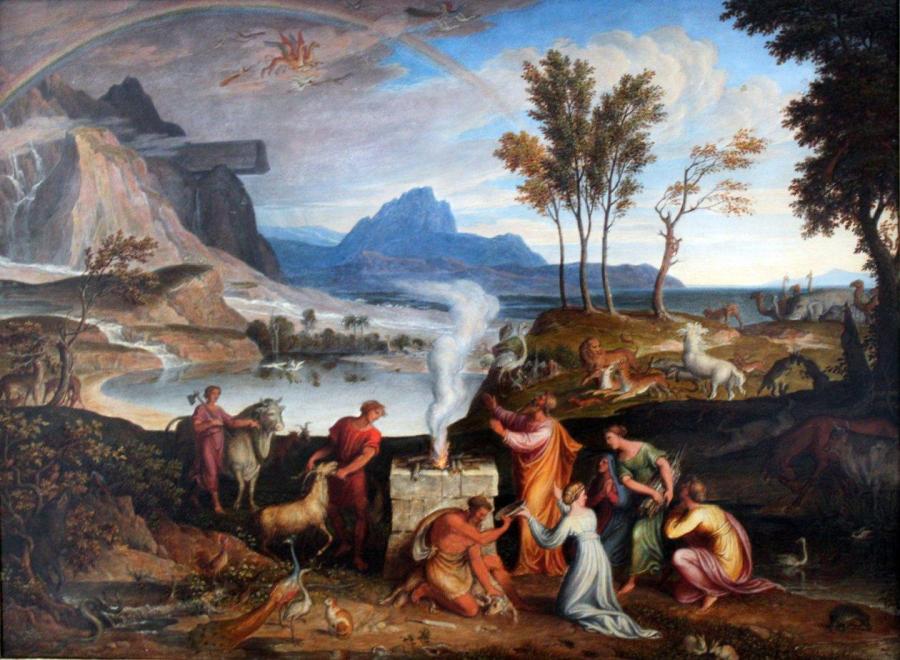
Parshas Noah
October 17, 2026
What Are a Person’s True Offspring?
What Does “Toldos” Mean?
Bereishis 6:9
אֵ֚לֶּה תּוֹלְדֹ֣ת נֹ֔חַ נֹ֗חַ אִ֥ישׁ צַדִּ֛יק תָּמִ֥ים הָיָ֖ה בְּדֹֽרֹתָ֑יו אֶת־הָֽאֱלֹהִ֖ים הִֽתְהַלֶּךְ־נֹֽחַ׃
These are the offspring of Noach. Noach was a righteous man, perfect in his generations; Noach walked with God.
Rashi:
אלה תולדת נח נח איש צדיק. הוֹאִיל וְהִזְכִּירוֹ סִפֵּר בְּשִׁבְחוֹ, שֶׁנֶּאֱמַר זֵכֶר צַדִּיק לִבְרָכָה (משלי י’). דָּבָר אַחֵר לִמֶּדְךָ שֶׁעִקַּר תּוֹלְדוֹתֵיהֶם שֶׁל צַדִּיקִים מַעֲשִׂים טוֹבִים:
Analysis:
How do we translate and understand this verse? In particular, what is the meaning of תולדות (toldos)? What is bothering Rashi and what is he saying? The meforshim offer three approaches. Even the definition of the English word offspring has multiple meanings and fits into the three meforshim.
- Progeny, children, or descendants. “These are the descendents of Noach.” This is the interpretation of Onkelos, Targum Yonasan ben Uziel, the Ramban, and Rashbam, and is reflected in the ArtScroll, Kehot, and Rabbi Shraga Silverstein translations.
- Life events or history. “These are the events in the life of Noach.” This is the approach of Ibn Ezra, Sforno, and Chizkuni, and is reflected in Rabbi Charles Kahane’s Toras Yesharah. The Ramban explicitly rejects this interpretation.
- What a person brings into the world through his actions. Our deeds and the results of our efforts are also our toldos, our offspring. In a sense, we give birth to them. This is Rashi’s second explanation: דָּבָר אַחֵר לִמֶּדְךָ שֶׁעִקַּר תּוֹלְדוֹתֵיהֶם שֶׁל צַדִּיקִים מַעֲשִׂים טוֹבִים — the primary offspring of the righteous are their good deeds.
What Makes Someone a Tzaddik?
The Torah calls Noach a tzaddik. What makes someone a tzaddik? We might ordinarily think of someone who feels close to God, davens with fervor, and learns Torah. Yet Ibn Ezra explains איש צדיק — במעשיו: he was righteous in his actions. Rashi, in his second explanation, places tremendous weight on good deeds. A person’s relationship with his fellow man is central to his righteousness.
What if someone does good deeds and observes mitzvos, but does not daven with great fervor or concentration and is not particularly stringent? Is he a tzaddik? Conversely, can someone be considered a true tzaddik in his relationship with God if he falls short in his treatment of other people?
Let us look at Rashi in full:
אלה תולדת נח נח איש צדיק. הוֹאִיל וְהִזְכִּירוֹ סִפֵּר בְּשִׁבְחוֹ, שֶׁנֶּאֱמַר זֵכֶר צַדִּיק לִבְרָכָה (משלי י’). דָּבָר אַחֵר לִמֶּדְךָ שֶׁעִקַּר תּוֹלְדוֹתֵיהֶם שֶׁל צַדִּיקִים מַעֲשִׂים טוֹבִים.
Rashi seems to be addressing a difficulty in the structure of the verse. The Torah opens by introducing Noach’s offspring, but before naming his sons in verse 10, it takes a detour to describe his character. Why?
Rashi gives two answers. First, when a righteous person is mentioned, we speak in his praise, as the verse says, זֵכֶר צַדִּיק לִבְרָכָה — “The memory of the righteous is for a blessing” (Mishlei 10:7). We should speak of his greatness and the blessing he brought into the world. By extension, when a speaker mentions a great scholar or righteous person unfamiliar to the audience, it is fitting to take a brief detour to explain what made that person special.
Rashi’s second answer reads toldos more broadly. The primary “descendants” of a tzaddik — what he creates and leaves behind through his actions — are his good deeds. They are his legacy.
Can a Good Deed Have Descendants?
Let us ponder Rashi’s second explanation. Why call good deeds a tzaddik’s primary offspring, rather than the full package of Torah, closeness to God, and good deeds? Raising good children influences future generations. Learning and teaching Torah — gevaldik! Of course good deeds are important, but why does Rashi say that the verse is teaching us that a Tzaddick’s good deeds are his primary effort of his life. We see that good deeds are in fact his primary legacy. Torah and service to God without good deeds are not the purse of leading a righteous life. We say that man is to emulate God. Just like God does kindness, so we have to do kindness. This is why Avrohom was blessed. As it says in Verse 18:19 – כִּ֣י יְדַעְתִּ֗יו לְמַ֩עַן֩ אֲשֶׁ֨ר יְצַוֶּ֜ה אֶת־בָּנָ֤יו וְאֶת־בֵּיתוֹ֙ אַחֲרָ֔יו וְשָֽׁמְרוּ֙ דֶּ֣רֶךְ יְהֹוָ֔ה לַעֲשׂ֥וֹת צְדָקָ֖ה וּמִשְׁפָּ֑ט לְמַ֗עַן הָבִ֤יא יְהֹוָה֙ עַל־אַבְרָהָ֔ם אֵ֥ת אֲשֶׁר־דִּבֶּ֖ר עָלָֽיו׃
For I have singled him out, that he may instruct his children and his posterity to keep the way of GOD by doing what is just and right, in order that GOD may bring about for Abraham what has been promised him.”
צְדָקָ֖ה וּמִשְׁפָּ֑ט – These words basically mean charity. Justice and charity for the world.
Deeper Meaning
I think there is a deeper meaning here. We tend to think that good deeds are one and done: you perform an act of kindness, and that is the end of it. But we never know its long-term impact. A good deed may help someone through a difficult moment. It may also change that person’s life, or even save it. Perhaps this is what Rashi means: when you help one person, you may change that person’s future — and perhaps the future of many others.
We all encounter inflection points in life. A decision, a chance encounter, or another person’s kindness can send us in a different direction. Perhaps taking the time to help someone kept me from being somewhere else at the wrong moment. More importantly, perhaps it changed the course of the other person’s life. If I perform hundreds of acts of kindness, I believe that somewhere along the way I will have changed someone’s life. This is my “Pizza on the Nine” story as told over by Mayer Chase.
Acts of Kindness at the Bank
When I worked at the bank, I reversed overdraft fees, made loans to help people, and tried to make customers’ lives easier. For the first 25 years of my career, I had opportunities to perform acts of kindness in the ordinary course of business almost every day.
Who knows how often I helped calm a distraught individual? What might have happened if I had not reversed an overdraft fee, approved a check without unnecessary hassle, helped someone obtain a business loan, a mortgage, or made it possible for a family to purchase its first home? Someone already struggling might have remained distressed, and that distress could have affected other parts of life.
I have often put it this way: having been kind to customers thousands of times, I believe that at least once I may have prevented a divorce, child abuse, or some other personal harm. Of course, I cannot know which particular act made such a difference. That is precisely the point. We seldom get to see the full consequences of the good we do.
My Father-in-Law’s Buildings: Another Kind of Toldos
I want to expand on the idea that toldos can mean something brought into being through our efforts.
My wife’s family built apartment buildings in Toronto in the 1960s and then managed them. My father-in-law, Itamer Yakov Janowski, came to Toronto in the late 1940s without a particular trade. He opened a luggage factory, but the business was not successful. I was told that his workers earned more than he was able to take home himself. Eventually, he sold the business to his cousin, Boruch Javasky.
My father-in-law then went into construction with his father, Eliyahu Janowski, the patriarch of the family. He was deeply involved in building their apartment buildings. I remember him telling me how, when they poured concrete, they rented enormous heaters to help it cure.
I did not fully appreciate what those buildings meant to him until his 80th birthday, when Victor presented his father with a poster showing pictures of each building. I think Victor still has that poster.
To say simply that my father-in-law “built” those buildings does not quite capture what they meant to him. In a sense, he birthed them. They were his תולדות — something he brought into the world through his own efforts.
Perhaps that is the beauty of Rashi’s teaching. What we create is not limited to our children or the tangible things we build. The kindness we extend to others can also have a life of its own, reaching people and generations we may never see.
Survey of the Meforshim
The following sources illuminate the different readings of toldos and the description of Noach as a tzaddik.
Onkelos
אִלֵּין תּוּלְדַת נֹחַ נֹחַ גְּבַר זַכַּאי שְׁלִים הֲוָה בְּדָרוֹהִי בְּדַחַלְתָּא דַיְיָ הַלִּיךְ נֹחַ:
“These are the progeny of Noach. Noach was a righteous man, flawless in his generations; Noach walked with the fear of God.”
Targum Yonasan ben Uziel
אלה תּוֹלְדוֹת נח אִלֵין יְחוּסִין דִגְנִיסַת נחַ נחַ הֲוָה גְבַר זַכְּאַי שְׁלִים בְּעוֹבְדִין טָבִין הֲוָה בְּדָרוֹהִי בְּדַחַלְתָּא דַיְיָ הֲלִיךְ נחַ
“These are the genealogies of the race of Noah. Noah was a just man, complete in good works in his generation, and in the fear of the Lord walked Noah.” Notice the explicit reference to good works.
Ibn Ezra
אלה תולדות. כמו הקורות כטעם מה ילד יום (משלי כז א) וכמוהו אלה תולדות יעקב (בראשית לז ב):
איש צדיק — במעשיו
Ibn Ezra understands toldos as events or occurrences and explains “a righteous man” as righteous in his deeds.
Ramban
אֵלֶּה תּוֹלְדוֹת נֹחַ טַעְמוֹ פֵּרְשׁוּ בוֹ (הראב”ע והרד”ק) קוֹרוֹתָיו, כְּטַעַם “מַה יֵּלֶד יוֹם” (משלי כז א), וְיִרְמֹז אֶל כָּל הַפָּרָשָׁה. וְאֵינוֹ נָכוֹן בְּעֵינַי, כִּי אֵין קוֹרוֹת הָאָדָם תּוֹלְדוֹתָיו. וְהַנָּכוֹן שֶׁהוּא כְּמַשְׁמָעוֹ, כְּמוֹ “אֵלֶּה תּוֹלְדוֹת בְּנֵי נֹחַ” (בראשית י’:א’), “וְאֵלֶּה תּוֹלְדוֹת יִשְׁמָעֵאל” (בראשית כ”ה:י”ב), יֹאמַר אֵלֶּה תּוֹלְדוֹת נֹחַ שֵׁם חָם וָיָפֶת, אֲבָל הֶחְזִיר “וַיּוֹלֶד נֹחַ” בַּעֲבוּר שֶׁהִפְסִיק וְאָמַר “נֹחַ אִישׁ צַדִּיק תָּמִים הָיָה”, לְהוֹדִיעַ לָמָּה צִוָּהוּ בַּתֵּבָה. וְאַף עַל פִּי שֶׁכְּבָר אָמַר לְמַעְלָה (ה לב) “וַיְהִי נֹחַ בֶּן חֲמֵשׁ מֵאוֹת שָׁנָה וַיּוֹלֶד נֹחַ אֶת שֵׁם אֶת חָם וְאֶת יָפֶת”, חָזַר לְהַזְכִּירָם פַּעַם אַחֶרֶת, לְהַגִּיד כִּי לֹא הָיָה כְּכָל אֲבוֹתָיו שֶׁיּוֹלִידוּ בָּנוֹת וּבָנִים. וְזֶה טַעַם “שְׁלֹשָׁה בָּנִים”, כִּי יַזְכִּיר מִסְפָּרָם לֵאמֹר כִּי אֵלֶּה שְׁלֹשָׁה לְבַדָּם הָיוּ תּוֹלְדוֹתָיו וְנִצְּלוּ בִּזְכוּתוֹ, וּמֵאֵלֶּה נָפְצָה כָל הָאָרֶץ:
The Ramban notes that Ibn Ezra and Radak understand toldos as a person’s experiences or events, but rejects that explanation: events that happen to a person are not necessarily what he produces. He favors the literal meaning, progeny: Shem, Ham, and Japheth. The Torah interrupts the genealogy to describe Noach’s righteousness, explaining why he merited to be saved in the ark, and then returns to naming his three sons (see Bereishis 5:32, 6:10, 9:19, 10:1, and 25:12).
Chizkuni
תולדת נח. לשון מקוראות וסבות כמו כי לא תדע מה ילד יום. וכן פרש״י גבי אלה תולדות יעקב יוסף וגו’, כלומר אלה הקורות והסבות של נח כמו שמפרש והולך שהיה צדיק ודורו רשעים ובעונם נשחתו והוא נמלט.
Chizkuni likewise understands the phrase as the events and circumstances of Noach’s life: he was righteous, while his generation was wicked and destroyed, and he escaped.
Daas Zekanim
איש. פתח ר’ תנחומא פרי צדיק עץ חיים בשעה שנסתלק אדם מן העולם בלא בנים הוא מיצר ובושה מפני שלא העמיד דורות אומר לו הקב”ה יש לך פרי התורה אשר יגעת בה שכתוב בה פרי צדיק עץ חיים בניו אין כתיב כאן אלא עץ חיים וזהו הוא התורה שנקרא עץ חיים. גם פסוק זה מוכיח אלה תולדות נח איש צדיק אלה תולדות נח שם וחם ויפת אין כתיב כאן אלא איש צדיק ואמרו רז”ל לא מת נח עד שראה את כל העולם כולו בישובו וראה שבעים אומות יוצאים מחלציו ומכולם לא נזכר אלא צדקו שנא’ איש צדיק תמים.
Daas Zekanim offers an illuminating comparison with Rashi and Ibn Ezra. Even a person who leaves no children has the fruit of the Torah in which he labored. And although Noach lived to see the world repopulated through his descendants, the verse highlights his righteousness.
אי’ בב”ר פ’ ל’ סי’ ז’ שכל מי שנא’ בו תמים בידוע שנשלמו שנותיו למדת השבוע ופי’ ה”ר יצחק בר אברהם ששנותיו הולכין בשביעיות כמו שמצינו באברהם ע”ה שחי קע”ה שנים ונח שחי תשע מאות וחמשים שנה והם ה’ שנים יתרים על השביעיות י”ל שיש לחשוב משעה שנא’ בו תמים דהיינו כשאמר ה’ ית’ לעשות התבה והוא נתעסק בה מאה ועשרים שנה. וש”נ שנח חי אחר המבול הרי לך ת”ע סלק שנת המבול שאינה נחשבת לפי שנשתנו בה סדרי בראשית והנשארים הולכים לשביעיות:
Haamek Davar (Netziv)
תמים היה בדרתיו. צדיק משמעותו הוא בין אדם לשמים ורשע הוא להיפך אבל צדיק תמים משמש שהוא צדיק גם בין אדם לחבירו וסיפר הכתוב דנח הי׳ צדיק תמים שנגמר צדקו בכל הדורות שעברו עליו כי גם היה טוב עם אנשי דורותיו:
The Netziv makes an important distinction: tzaddik describes righteousness between man and God, while tzaddik tamim includes righteousness between man and his fellow man. This provides an interesting contrast with the emphasis in Ibn Ezra and Rashi.
Selected English Translations
- ArtScroll: “These are the offspring of Noah — Noah was a righteous man, perfect in his generations; Noah walked with God.”
- Rabbi Charles Kahane, Toras Yesharah: “This is the history of Noah. Noah was righteous in his actions towards his fellowman, faultless in his corrupted generation; with the fear and support of the Almighty did Noah walk.”
- Rabbi Shraga Silverstein, The Rashi Chumash: Uses “progeny” and incorporates Rashi’s explanation that the righteous are mentioned for blessing.
- Kehot Chumash: Uses “descendants,” and explains that the Torah first describes Noach’s righteousness both to account for his being spared and to teach that our true offspring are our good deeds (see Likkutei Sichos, vols. 5 and 14).
Additional Thoughts on Parshas Noach
Why Was Planting a Vineyard a Degradation?
Bereishis 9:20
וַיָּ֥חֶל נֹ֖חַ אִ֣ישׁ הָֽאֲדָמָ֑ה וַיִּטַּ֖ע כָּֽרֶם׃
Noach, a man of the soil, began by planting a vineyard.
Rashi:
ויחל. עָשָׂה עַצְמוֹ חֻלִּין, שֶׁהָיָה לוֹ לַעֲסֹק תְּחִלָּה בִּנְטִיעָה אַחֶרֶת (ב”ר):
Rashi connects vayachel with chullin, suggesting that Noach degraded himself. He should have begun by planting something else (Bereishis Rabbah 36:3).
Peirush Maharzu on the Midrash Rabbah:
ונעשה חולין. שמ”ש ויחל איש האדמה מיותר שהיה די במ”ש ויטע נח כרם על כן דורש שאינו לשון התחלה אלא הוא לשון חלל וחולין. שנטע כרם לא לקיום העולם אלא לשתות יין הרבה
The question is: did Noach not degrade himself through his subsequent drunkenness and nakedness, rather than through the planting itself? I think the answer lies in Maharzu’s explanation. Noach planted the vineyard not primarily to sustain the world, but because he wanted to drink a great deal of wine. His intention may not have been to degrade himself, but his choice created the possibility of that outcome — and it happened. The problem began with the priority he gave to planting grapes.
Did the Animals Need to Be Forced Out of the Ark?
Bereishis 8:17
כׇּל־הַחַיָּ֨ה אֲשֶֽׁר־אִתְּךָ֜ מִכׇּל־בָּשָׂ֗ר בָּע֧וֹף וּבַבְּהֵמָ֛ה וּבְכׇל־הָרֶ֛מֶשׂ הָרֹמֵ֥שׂ עַל־הָאָ֖רֶץ (הוצא) [הַיְצֵ֣א] אִתָּ֑ךְ וְשָֽׁרְצ֣וּ בָאָ֔רֶץ וּפָר֥וּ וְרָב֖וּ עַל־הָאָֽרֶץ׃
Rashi:
הוצא. הוֹצֵא כְּתִיב, הַיְצֵא קְרִי, הַיְצֵא – אֱמֹר לָהֶם שֶׁיֵּצְאוּ; הוֹצֵא – אִם אֵינָם רוֹצִים p הוֹצִיאֵם אַתָּה:
Rashi draws attention to the difference between the written form (kesiv), הוצא, and the way the word is read (keri), היצא. The reading means, “Tell them to go out.” The written form suggests, “If they do not want to leave, you must bring them out yourself.”

